
Summer Home Rescue: Quick Fixes and Maintenance Hacks to Avoid Costly Repairs

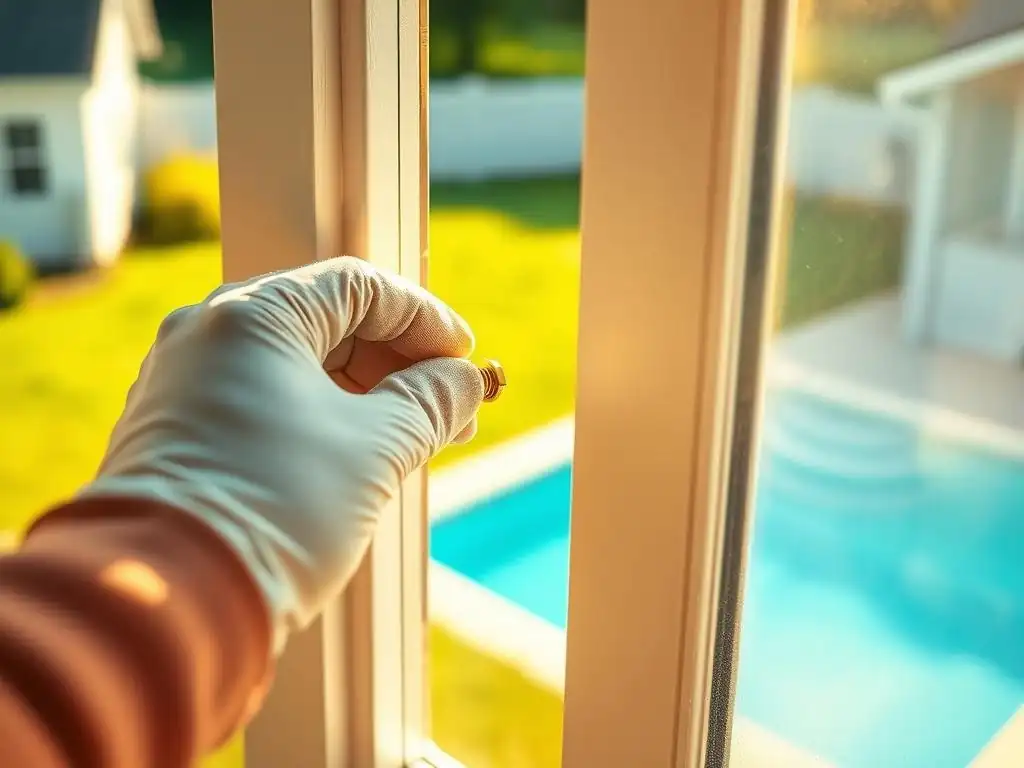
Ready to conquer summer and keep your home running smoothly? At UltimateLifeHacks, we're all about practical solutions, and this month's Household Hacks category dives deep into Summer home maintenance quick fixes. Discover simple yet effective strategies to prevent costly repairs and reclaim your precious time. Intrigued? Let's get started – read on to uncover the secrets to a stress-free summer and a perfectly maintained home!
- Preventing Costly Summer Home Repairs: Proactive Maintenance
-
Quick Fixes for Common Summer Home Issues
- Addressing Leaky Faucets and Dripping Pipes: Saving Water and Money
- Fixing Squeaky Doors and Windows: Lubrication and Adjustment Techniques
- Maintaining Your Air Conditioning System: Improving Efficiency and Longevity
- Tackling Clogged Gutters and Downspouts: Preventing Water Damage
- Repairing Minor Exterior Damage: Patching and Painting Techniques
- Summer Home Maintenance Hacks: Smart Solutions for Common Problems
- Long-Term Summer Home Maintenance Strategies: Investing in Your Property
- Summer Home Maintenance: Saving Money and Avoiding Headaches
-
Frequently Asked Questions
- What are some quick fixes for common summer home maintenance issues?
- How can I prevent costly repairs during the summer months?
- What are some simple DIY solutions for summer home maintenance?
- Are there any preventative measures I can take to avoid summer home maintenance problems?
- Where can I find more information on summer home maintenance and quick fixes?
- Final Reflection: Preserving Summer's Embrace: A Legacy of Care
- Unlock Your Summer Sanctuary: Start Your Home Refresh Now!
Preventing Costly Summer Home Repairs: Proactive Maintenance
Summer is a time for relaxation and outdoor fun, but neglecting your home's maintenance during these warmer months can lead to costly repairs down the line. This article provides practical, actionable summer home maintenance quick fixes to help you avoid expensive surprises and keep your home in top condition. We'll cover essential tasks, early detection strategies, and a simple step-by-step inspection guide, all designed to help you proactively address potential problems before they escalate into major headaches (and hefty bills!).
By implementing these summer home maintenance hacks, you can enjoy a worry-free summer while protecting your home's value and longevity. Let's dive into simple yet effective strategies to safeguard your home investment and ensure peace of mind throughout the season.
Summer Home Maintenance Checklist: Prioritizing Essential Tasks
Summer brings unique challenges to your home, from extreme heat to increased humidity. A proactive approach involves prioritizing essential tasks to prevent issues before they become significant problems. A well-structured checklist can streamline your maintenance efforts. Below is a sample checklist focusing on critical areas, easily adaptable to your specific home needs:
| Task | Importance | Frequency | Notes |
|---|---|---|---|
| Exterior: | |||
| Inspect roof for damage | High | Annually | Check for missing shingles, cracks, or loose flashing. |
| Clean gutters and downspouts | High | Twice yearly | Prevent water damage and ensure proper drainage. |
| Inspect siding for damage | Medium | Annually | Look for cracks, loose boards, or signs of insect infestation. |
| Inspect windows and doors | Medium | Annually | Check for cracks, leaks, and proper sealing. |
| Interior: | |||
| Check HVAC system | High | Before summer | Ensure proper function and efficient cooling. Consider professional service. |
| Clean air filters | High | Monthly | Prevents dust buildup and improves air quality. |
| Inspect plumbing fixtures | Medium | Annually | Check for leaks and ensure proper drainage. |
| Inspect appliances | Medium | Annually | Check for any signs of malfunction. |
Remember to adjust this checklist based on your specific home and its unique needs. Regular maintenance, even small tasks, can significantly reduce the likelihood of costly repairs later. Think of it as preventative medicine for your home! 🏡
Identifying Potential Problems Before They Escalate: Early Detection Strategies
Early detection is crucial in preventing minor issues from developing into major, expensive repairs. Regular inspections are your best defense. Here are some early warning signs to watch out for:
- Roofing: Missing or damaged shingles, discoloration, sagging, or water stains on ceilings.
- Gutters and Downspouts: Clogged gutters leading to overflows, rust, or sagging downspouts.
- Siding: Cracks, warping, peeling paint, or signs of insect damage.
- Windows and Doors: Cracks in glass, sticking frames, drafts, or water leaks.
- HVAC System: Unusual noises, reduced cooling efficiency, or strange smells.
- Plumbing: Low water pressure, leaks, or unusual noises from pipes.
- Appliances: Unusual noises, strange smells, or malfunctions.
Addressing these problems promptly can often prevent more extensive and costly repairs later. A little attention now can save you significant expenses down the road. Remember, a stitch in time saves nine! 🧵
Simple Summer Home Inspections: A Step-by-Step Guide
Performing regular inspections doesn't require specialized tools or extensive expertise. A simple, systematic approach can make a big difference. Here's a step-by-step guide to help you conduct effective summer home inspections:
- Exterior Inspection: Start by walking around the perimeter of your house, visually inspecting the roof, siding, windows, doors, gutters, and downspouts. Look for any signs of damage, leaks, or other issues.
- Roof Check: Use binoculars if necessary to get a closer look at the roof for missing or damaged shingles.
- Gutter Inspection: Check for clogs and debris. Clear any blockages to ensure proper drainage.
- Window and Door Check: Check for cracks, leaks, and proper sealing. Test windows and doors for proper operation and sealing.
- Interior Inspection: Move inside and inspect plumbing fixtures, appliances, and the HVAC system. Listen for unusual noises and check for leaks or malfunctions.
- Appliance Check: Run major appliances like the refrigerator, washing machine, and dryer to ensure they're functioning correctly.
- HVAC System Check: Check the air filter and ensure the system is running efficiently.
By following this simple guide and performing regular inspections, you can effectively identify and address potential problems before they become costly repairs, saving you time, money, and stress throughout the summer. Remember, prevention is always better than cure! 👍
Quick Fixes for Common Summer Home Issues
Summer heat brings its own set of challenges to homeowners. Proactive maintenance can significantly reduce the likelihood of costly repairs down the line. This section focuses on quick fixes for common summer home issues, helping you save money and keep your home comfortable throughout the season. Mastering these simple techniques will allow you to efficiently address minor problems before they escalate into major headaches. This is crucial for effective summer home maintenance quick fixes.
Addressing Leaky Faucets and Dripping Pipes: Saving Water and Money
A leaky faucet or dripping pipe might seem insignificant, but over time, these minor leaks translate into substantial water waste and increased utility bills. Furthermore, unnoticed leaks can lead to significant water damage and costly repairs. Addressing these issues promptly is a vital aspect of summer home maintenance quick fixes.
Here's a step-by-step guide to fixing a leaky faucet:
- Identify the type of faucet: Different faucets require slightly different repair methods. Common types include compression faucets, cartridge faucets, and ball faucets.
- Turn off the water supply: Locate the shut-off valves under the sink for both hot and cold water. Turn them clockwise to stop the water flow.
- Disassemble the faucet: Carefully remove the handles and other components, taking note of their arrangement for reassembly.
- Inspect and replace worn parts: The most common culprits are worn-out O-rings, washers, or cartridges. These are inexpensive and readily available at most hardware stores.
- Reassemble the faucet: Carefully put everything back together, ensuring all parts are properly seated.
- Turn the water supply back on: Check for any leaks. If the leak persists, you may need to repeat the process or consult a plumber.
Dripping pipes often require a different approach, sometimes involving tightening loose connections or replacing damaged sections of pipe. Always remember to turn off the water supply before attempting any repairs. For serious pipe leaks, professional help is recommended to prevent further damage. Early detection and prompt action are key components of effective summer home maintenance quick fixes.
Fixing Squeaky Doors and Windows: Lubrication and Adjustment Techniques
Squeaky doors and windows are not only annoying but can also indicate underlying problems. A squeaky door might simply need lubrication, while a squeaky window might require adjustment to ensure a proper seal. These simple summer home maintenance quick fixes can drastically improve your home's comfort and prevent further damage.
Here's how to tackle those annoying squeaks:
- Doors: Apply a lubricant, such as WD-40 or silicone spray, to the hinges. Open and close the door several times to distribute the lubricant evenly. For persistent squeaks, you might need to tighten loose screws on the hinges. Consider using a heavier lubricant like lithium grease for long-lasting results. This is a simple yet effective summer home maintenance quick fix.
- Windows: Squeaky windows often result from friction between the frame and the sash. Apply a lubricant, such as silicone spray, to the tracks and moving parts of the window. Open and close the window several times to distribute the lubricant. If the squeak persists, you may need to adjust the window's balance or replace worn weatherstripping. This proactive approach embodies the essence of summer home maintenance quick fixes.
Regular lubrication is preventative maintenance; addressing squeaks promptly prevents further wear and tear, saving you from more extensive repairs down the line.
Maintaining Your Air Conditioning System: Improving Efficiency and Longevity
Your air conditioning system works hard during the summer months, so regular maintenance is crucial to ensure its efficiency and longevity. Neglecting your AC can lead to costly repairs or even complete system failure. Proactive maintenance, including simple summer home maintenance quick fixes, can significantly extend its lifespan and reduce energy consumption.
Here are some essential tips:
- Change or clean the air filter: A dirty air filter restricts airflow, reducing efficiency and potentially damaging the compressor. Consult your AC manual for the recommended filter replacement schedule. Regular cleaning, even if not replacing the filter frequently, is still a crucial part of summer home maintenance quick fixes.
- Clean the condenser coils: These coils, located outside, can accumulate dirt and debris, hindering heat dissipation. Use a coil cleaning brush or a garden hose to gently remove dirt and debris. This simple action can significantly improve your AC's efficiency. This is a simple yet highly impactful summer home maintenance quick fix.
- Check refrigerant levels: Low refrigerant levels can significantly reduce cooling capacity. This task usually requires a professional, but monitoring for unusual noises or performance issues can help you identify problems early. This preventative approach is key to effective summer home maintenance quick fixes.
By performing these simple maintenance tasks, you can keep your AC running smoothly and efficiently throughout the summer, saving energy and money while preventing costly repairs. Remember, a well-maintained AC not only provides optimal cooling but also contributes to a healthier indoor environment.
Tackling Clogged Gutters and Downspouts: Preventing Water Damage
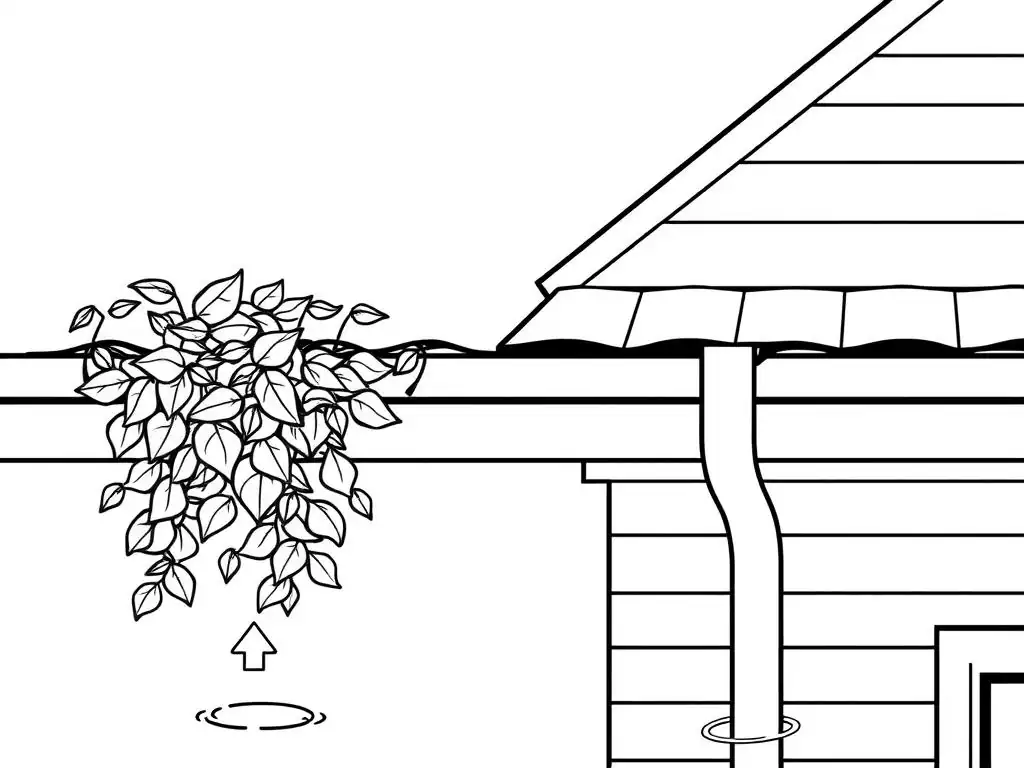
Summer storms can wreak havoc on your home's drainage system. Clogged gutters and downspouts are a common summer problem, leading to overflowing water, foundation damage, and costly repairs. Addressing this issue promptly is crucial for maintaining your home's structural integrity and preventing expensive water damage. Regular gutter cleaning is essential, ideally every three months, or more frequently if you have many trees surrounding your property. However, even with regular cleaning, clogs can still occur.
When tackling clogged gutters, safety is paramount. Always wear sturdy gloves and appropriate footwear to prevent slips and falls. Use a sturdy ladder and have someone spot you. Begin by removing large debris like leaves, twigs, and small branches by hand. A trowel or scoop can be helpful for this task.
For stubborn clogs, a garden hose with a nozzle can be used to flush out the remaining debris. Pay close attention to downspouts, ensuring they are clear and free-flowing. If the clog persists despite these efforts, consider using a gutter cleaning tool, such as a specialized auger or a drain snake, to dislodge the blockage. Remember to always inspect the downspouts to ensure water is flowing freely away from the foundation. Ignoring clogged gutters can lead to water pooling near the foundation, causing cracks and leaks in the basement or crawlspace.
This can lead to significant structural damage and mold growth, resulting in expensive remediation costs. Preventing water damage through proactive gutter maintenance is significantly more cost-effective than dealing with the consequences of neglect. By addressing clogged gutters and downspouts promptly, you can protect your home's value and prevent costly repairs down the line. Regular maintenance is a small investment that yields significant returns in the long run – a perfect example of a smart summer home maintenance quick fix.
Repairing Minor Exterior Damage: Patching and Painting Techniques
Summer's harsh weather conditions can expose minor damage to your home's exterior, such as small cracks in the siding, chipped paint, or loose caulking. Addressing these issues promptly not only improves your home's curb appeal but also prevents further damage and costly repairs in the future. A simple patching job can often prevent larger, more expensive repairs down the road. For minor cracks in wood siding, a high-quality wood filler is an effective solution.
Ensure the area is clean and dry before applying the filler, following the manufacturer's instructions carefully. Once dry, sand the area smooth and paint to match the existing siding. For stucco or brick, patching compounds are available to fill in small chips and cracks.
These compounds come in a variety of colors to match your home's exterior. Similar preparation is needed; ensure the area is clean and dry before application. After the patch dries, you may need to lightly sand it smooth before painting.
Loose caulking around windows and doors allows water penetration, leading to rot and damage. Removing old, cracked caulking and applying fresh caulk is a simple yet effective way to prevent water damage and improve energy efficiency. Use a utility knife or caulking tool to remove the old caulk, then clean the area thoroughly before applying new caulk. Choose a high-quality exterior-grade caulk that is resistant to UV rays and moisture.
For chipped paint, a small touch-up job can make a big difference. Use a high-quality exterior paint that matches the existing color. For larger areas, consider repainting the entire section to ensure a uniform finish.
Addressing these minor issues proactively prevents them from escalating into major problems that require extensive and costly repairs. This is a perfect example of a quick fix that can save you significant money and effort in the long run, enhancing your home's appearance and protection simultaneously. Regular inspection and prompt attention to small issues are key to maintaining your home's exterior and preventing costly summer home maintenance headaches.
Summer Home Maintenance Hacks: Smart Solutions for Common Problems
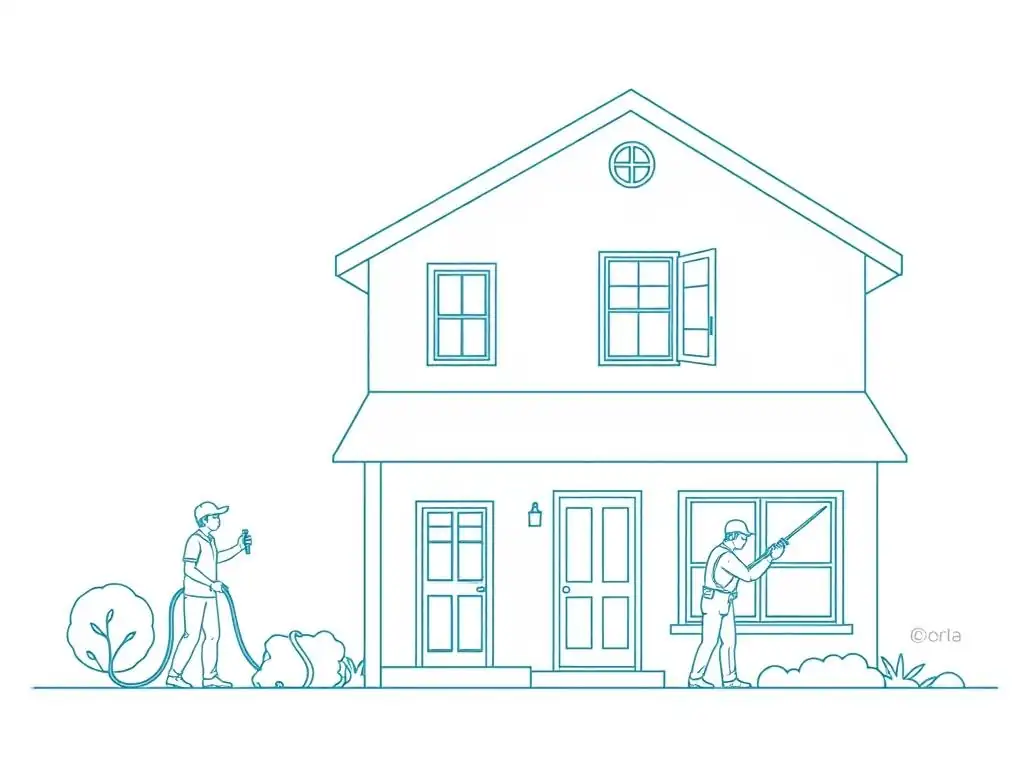
This section delves into practical, actionable steps for addressing common summer home maintenance issues, focusing on quick fixes and preventative measures to avoid costly repairs later. We'll explore effective strategies for pest control, lawn and garden maintenance, and protecting your outdoor furniture. By implementing these "summer home maintenance quick fixes," you can significantly extend the lifespan of your home and its assets, saving both time and money.
Preventing Pest Infestations: Natural and Effective Deterrents
Summer heat often brings unwelcome guests – insects and pests. Proactive measures are key to preventing infestations. Instead of relying solely on harsh chemicals, consider these natural and effective deterrents:
- Essential Oils: Certain essential oils, such as peppermint, eucalyptus, and tea tree oil, are known to repel many common household pests. Dilute a few drops in water and spray around entry points, window sills, and baseboards. Reapply every few days for optimal effectiveness. This is a cost-effective and environmentally friendly approach to pest control. Remember to test a small, inconspicuous area first to ensure it doesn't damage surfaces.
- Diatomaceous Earth (DE): This natural powder is incredibly effective against crawling insects like ants, spiders, and even fleas. Simply sprinkle it around the perimeter of your home, along cracks and crevices, and in areas where pests are frequently sighted. DE works by dehydrating insects, causing them to die. It's safe for pets and humans, but avoid inhaling the dust.
- Vinegar: White vinegar is a versatile cleaning agent and a surprisingly effective pest deterrent. Its acidic nature repels many insects and can even remove existing ant trails. Spray diluted vinegar (equal parts vinegar and water) on affected areas. The strong smell masks other scents that attract pests.
- Regular Cleaning: Maintaining a clean home is the best defense against pests. Regularly vacuum and clean floors, countertops, and other surfaces to remove food crumbs and other attractants. Empty trash cans frequently and promptly clean up any spills. This simple practice significantly reduces the likelihood of pest infestations.
Maintaining Your Lawn and Garden: Watering and Weeding Strategies
A lush, healthy lawn and vibrant garden are the hallmarks of a beautiful summer home. However, maintaining them requires consistent effort. Here's how to optimize your watering and weeding strategies:
- Deep Watering: Instead of frequent, shallow watering, opt for deep, infrequent watering. This encourages deeper root growth, making your plants more drought-tolerant. Water deeply once or twice a week, allowing the water to penetrate several inches into the soil. Avoid watering during the hottest part of the day to minimize evaporation.
- Mulching: Applying a layer of mulch around your plants helps retain moisture, suppress weeds, and regulate soil temperature. Organic mulches, such as wood chips or straw, also enrich the soil as they decompose. A 2-3 inch layer is generally sufficient.
- Targeted Weeding: Regular weeding prevents weeds from competing with your plants for resources. Hand-pull weeds when they are small and the soil is moist for easier removal. For larger infestations, consider using a hoe or other gardening tools. Remember to dispose of weeds properly to prevent them from reseeding.
Protecting Your Outdoor Furniture: Cleaning and Storage Tips
Outdoor furniture is exposed to the elements throughout the summer, requiring regular cleaning and protection to extend its lifespan.
- Regular Cleaning: Regularly clean your outdoor furniture to remove dirt, debris, and mildew. Use a mild soap and water solution, and rinse thoroughly. For stubborn stains, you might need a stronger cleaner, but always test it on an inconspicuous area first. Allow furniture to dry completely before storing or covering.
- Protective Covers: Invest in high-quality waterproof covers to protect your furniture during inclement weather or when not in use. This prevents damage from rain, sun, and snow, keeping your furniture looking its best for years to come. Ensure the covers fit snugly to prevent wind damage.
- Winter Storage: If you live in an area with harsh winters, consider storing your outdoor furniture indoors to protect it from the elements. Clean and dry the furniture thoroughly before storing it in a cool, dry place. This proactive approach will significantly extend the life of your outdoor investment. Proper storage is a crucial aspect of "summer home maintenance quick fixes" that often gets overlooked.
This detailed approach to summer home maintenance will not only save you money on costly repairs but also significantly enhance your enjoyment of your home throughout the summer season. Remember, prevention is key!
Extending the Life of Your Deck or Patio: Cleaning and Sealing Methods
Summer's heat and humidity can take a toll on your outdoor living spaces. Regular cleaning and sealing are crucial for extending the lifespan of your deck or patio, preventing costly repairs down the line. Neglecting this maintenance can lead to wood rot, cracking, and fading, significantly diminishing the aesthetic appeal and structural integrity of your outdoor area. This is especially true for wooden decks, which are susceptible to moisture damage.
The first step in extending the life of your deck or patio is thorough cleaning. Start by sweeping away loose debris like leaves, dirt, and twigs. For heavier grime, consider using a pressure washer, but be cautious not to use too high a pressure, which could damage the wood. A lower pressure setting, combined with a wide-angle nozzle, is generally recommended.
For stubborn stains, a deck cleaner specifically designed for wood is a good investment. Always follow the manufacturer's instructions carefully, paying attention to safety precautions like wearing gloves and eye protection. After cleaning, allow the surface to dry completely before proceeding to the next step.
Sealing your deck or patio is equally important. A high-quality sealant protects the wood from moisture, UV rays, and other environmental factors that cause deterioration. Before applying the sealant, carefully inspect the surface for any cracks or damaged areas. These should be repaired using appropriate wood filler before sealing.
Choose a sealant that's appropriate for the type of wood and the climate in your area. Some sealants offer better protection against UV rays, while others provide superior water resistance. Apply the sealant evenly, following the manufacturer's instructions for drying time and recoating. Remember that multiple thin coats are generally better than one thick coat, ensuring even penetration and preventing streaking.
Regular resealing, typically every 1-3 years depending on the sealant and weather conditions, will significantly prolong the life of your deck or patio, ensuring you can enjoy it for many summers to come. This proactive approach to maintenance will save you money on costly repairs or replacements in the long run. Think of it as an investment in preserving your outdoor oasis!
Long-Term Summer Home Maintenance Strategies: Investing in Your Property
Summer home maintenance isn't just about quick fixes; it's about proactive strategies that protect your investment and prevent costly repairs down the line. This section focuses on long-term strategies to ensure your home remains a haven of comfort and efficiency throughout the summer months and beyond. By incorporating these practices, you'll not only save money but also enhance your home's value and longevity. Think of it as a smart investment in your peace of mind.
Regular Cleaning and Organization: Preventing Future Problems
Regular cleaning and organization are often overlooked aspects of summer home maintenance, yet they play a crucial role in preventing larger, more expensive issues. Think of it as preventative medicine for your home. Neglecting routine cleaning can lead to the buildup of dirt, grime, and debris, which can damage surfaces, clog drains, and attract pests. For example, leaves accumulating in gutters can lead to water damage, while a cluttered garage can attract rodents.
Here's a breakdown of key areas to focus on:
- Gutters and Downspouts: Clean these at least twice a year, especially before and after heavy rainfall. Remove leaves, twigs, and other debris to ensure proper water drainage and prevent water damage to your foundation.
- Exterior Cleaning: Power wash siding, decks, and patios to remove dirt, mildew, and algae. This not only improves the appearance of your home but also prevents the growth of damaging organisms.
- Interior Organization: Decluttering and organizing your home can make it easier to spot potential problems early on. A well-organized space allows for easier access to areas that might require attention, such as checking for leaks or inspecting appliances.
Regular cleaning, while seemingly minor, is a fundamental aspect of effective "summer home maintenance quick fixes" and long-term preservation. A proactive approach prevents small problems from escalating into costly repairs. Consider scheduling regular cleaning tasks into your calendar to ensure consistency.
While many summer home maintenance tasks can be handled DIY, some require the expertise of professionals. Scheduling regular inspections by qualified professionals is a critical element of long-term home maintenance. These inspections can identify hidden problems before they become major, costly issues.
Consider these professional inspections:
| Inspection Type | Frequency | Benefits |
|---|---|---|
| HVAC System Inspection | Annually | Ensures efficient cooling, prevents breakdowns, improves energy efficiency |
| Roof Inspection | Annually or Bi-annually | Detects leaks, damage, and necessary repairs early on |
| Plumbing System Inspection | Every 2-3 years | Identifies leaks, corrosion, and potential future plumbing problems |
| Electrical System Inspection | Every 3-5 years | Checks for wiring issues, potential fire hazards, and outdated systems |
Investing in professional inspections is a proactive approach to "summer home maintenance quick fixes" and long-term property preservation. The cost of these inspections is far less than the expense of repairing major problems discovered later. Think of it as an insurance policy for your home.
Investing in Energy-Efficient Upgrades: Lowering Utility Bills
Summer heat significantly impacts energy consumption. Investing in energy-efficient upgrades is a long-term strategy that not only lowers your utility bills but also contributes to a more sustainable lifestyle. This is a crucial aspect of smart summer home maintenance, extending beyond simple quick fixes.
Consider these energy-efficient improvements:
- Window Insulation: Installing energy-efficient windows can dramatically reduce heat transfer, leading to lower cooling costs.
- Insulation Upgrade: Proper attic and wall insulation significantly reduces energy loss, keeping your home cooler in summer and warmer in winter.
- Smart Thermostat: A programmable or smart thermostat allows you to optimize your cooling schedule, reducing energy waste and saving money. This is a particularly effective "summer home maintenance quick fix" with lasting benefits.
By strategically investing in energy efficiency, you’re not only saving money on utility bills but also contributing to a greener future. This is a long-term investment that pays dividends year after year, making it a cornerstone of responsible home ownership. The initial investment in these upgrades often pays for itself within a few years through reduced energy costs.
Creating a Summer Home Maintenance Schedule: Staying Organized and Proactive
Creating a comprehensive summer home maintenance schedule is crucial for preventing costly repairs down the line. Instead of reacting to problems as they arise, a proactive approach allows you to address minor issues before they escalate into major headaches and expenses. Think of it as preventative medicine for your home. A well-structured schedule helps you stay organized, allocate your time effectively, and ultimately save money.
One effective strategy is to break down your maintenance tasks into monthly, weekly, and even daily routines. For example, monthly tasks might include checking the gutters for clogs, inspecting the roof for any damaged shingles or missing tiles, and testing smoke and carbon monoxide detectors. Weekly tasks could involve watering your lawn appropriately, checking for leaks around faucets and pipes, and cleaning out the refrigerator to prevent odor build-up and potential pest infestations. Daily tasks might be as simple as checking for any visible signs of damage after a storm or ensuring your air conditioning unit is functioning efficiently.
Consider using a digital calendar or a physical planner to log your tasks. Many apps offer features for scheduling recurring tasks, setting reminders, and even creating checklists. This approach allows for easy tracking of completed tasks and highlights upcoming maintenance needs. Color-coding different task types (e.g., plumbing, electrical, landscaping) can also improve visual organization and make it easier to see your progress at a glance. Remember to tailor your schedule to the specific needs of your home and climate; a home in a desert climate will require different maintenance than one in a humid region.
Don't forget to include seasonal adjustments. Summer brings unique challenges, such as increased heat and humidity, which can impact your home's systems. Your summer schedule should account for these factors, perhaps including more frequent checks on your air conditioning unit and increased vigilance for signs of pest infestations.
Regularly reviewing and updating your schedule ensures it remains relevant and effective throughout the summer months. By prioritizing preventative maintenance, you'll not only avoid costly repairs but also extend the lifespan of your home’s valuable components, saving you significant money in the long run. This proactive approach transforms summer home maintenance from a dreaded chore into a smart investment in your property's future.
Summer Home Maintenance: Saving Money and Avoiding Headaches

Summer is a time for relaxation and enjoyment, but neglecting your home's maintenance during this season can lead to costly repairs down the line. This section focuses on proactive strategies for summer home maintenance, emphasizing quick fixes and preventative measures to keep your home in top shape and your wallet happy.
We'll explore the financial implications of neglecting maintenance, when to DIY and when to call a professional, and the essential tools and resources to help you tackle those summer home projects. By embracing a proactive approach to summer home maintenance quick fixes, you'll avoid many potential problems and enjoy a more comfortable and worry-free summer.
The Cost of Neglect: Why Preventative Maintenance is Crucial
The financial consequences of ignoring summer home maintenance can be significant. A small problem, left unaddressed, can quickly escalate into a much larger, more expensive issue. For instance, a leaky faucet, seemingly insignificant at first, can waste hundreds of gallons of water annually, leading to inflated water bills and potential water damage to your home's structure. Similarly, neglecting to clean gutters can result in clogged downspouts, leading to water damage to your roof, foundation, and landscaping. These issues, if left unchecked, can cost thousands of dollars to repair.
Let's consider some concrete examples:
| Problem | Initial Cost (Estimate) | Potential Repair Cost (Estimate) |
|---|---|---|
| Leaky faucet | $0 (DIY tightening) | $100 - $300 (plumber repair) |
| Clogged gutters | $0 (DIY cleaning) | $200 - $500 (professional cleaning, potential roof repair) |
| Damaged roof shingles | $0 (early detection) | $1000 - $5000 (roof repair/replacement) |
| Air conditioning malfunction | $0 (preventative maintenance) | $500 - $2000 (repair/replacement) |
Preventative maintenance is not merely about saving money; it's about preserving the value of your home and ensuring its longevity. Regular checks and small fixes can significantly extend the lifespan of your appliances and systems, preventing premature failure and costly replacements. Think of it as an investment in your home's future, ensuring peace of mind and avoiding unexpected expenses. A proactive approach to summer home maintenance quick fixes will save you money in the long run, offering significant returns on your time and effort.
DIY vs. Professional Help: When to Call in the Experts
While many summer home maintenance tasks are easily manageable through DIY projects, some require the expertise of professionals. Knowing when to tackle a job yourself and when to call in the experts is crucial for both safety and effectiveness.
Here's a helpful guide:
- DIY-friendly tasks: Cleaning gutters, checking for leaks (minor), painting exterior trim, minor landscaping, basic appliance cleaning. These tasks often require minimal specialized knowledge and tools.
- Tasks requiring professional help: Major plumbing issues, complex electrical work, roof repairs, HVAC system maintenance (beyond basic filter changes), structural repairs. These tasks demand specialized skills, tools, and often involve safety considerations best left to trained professionals.
Remember, attempting complex repairs without the necessary expertise can lead to further damage, potentially increasing the overall cost of repairs and compromising your safety. Prioritize safety and consider the complexity of the task before deciding to DIY. Weigh the cost of professional help against the potential cost of mistakes or further damage. Sometimes, the small investment in professional help is a far better choice than a potentially expensive DIY mishap.
Resources and Tools for Summer Home Maintenance: A Helpful Guide
Having the right tools and resources on hand can make summer home maintenance quick fixes much easier and more efficient. A well-stocked toolbox is your first line of defense against minor repairs and preventative maintenance.
Essential tools for basic summer home maintenance include:
- A sturdy ladder
- A variety of screwdrivers (Phillips and flathead)
- Pliers and adjustable wrenches
- Hammer
- Level
- Measuring tape
- Putty knife
- Caulk gun
- Gloves and safety glasses
Beyond tools, consider these resources:
- Home maintenance checklists: Numerous online resources and apps provide comprehensive checklists for seasonal home maintenance, ensuring you don't overlook crucial tasks.
- Online tutorials and videos: YouTube and other platforms offer a wealth of instructional videos on various DIY home repair projects.
- Local hardware stores: Your local hardware store is a valuable resource for advice, tools, and materials. Don't hesitate to ask for assistance from knowledgeable staff.
By combining the right tools with a proactive approach and a sensible assessment of your skills, you can transform summer home maintenance from a daunting task into an efficient and manageable process. Remember, a little preventative care goes a long way in protecting your home and saving you money.
Frequently Asked Questions
What are some quick fixes for common summer home maintenance issues?
Quick fixes include cleaning gutters to prevent water damage, repairing leaky faucets to conserve water and prevent mold, and tightening loose railings for safety. Addressing these small problems promptly prevents them from escalating into larger, more costly repairs.
How can I prevent costly repairs during the summer months?
Regular inspections are key! Check for signs of pest infestation, roof damage, and foundation cracks. Early detection allows for timely and affordable fixes, preventing problems from worsening.
What are some simple DIY solutions for summer home maintenance?
Many issues can be handled with DIY solutions. You can easily patch small holes in drywall, clean window screens, and replace worn-out weather stripping. These simple tasks save money and time.
Are there any preventative measures I can take to avoid summer home maintenance problems?
Yes! Regular cleaning of gutters and downspouts, proper ventilation to prevent moisture buildup, and sealing cracks in exterior surfaces are excellent preventative measures.
Where can I find more information on summer home maintenance and quick fixes?
For more detailed information and helpful tips, visit the UltimateLifeHacks website. We offer many articles on practical life hacks and productivity tips, including a wealth of information on summer home maintenance.
Final Reflection: Preserving Summer's Embrace: A Legacy of Care
The simple act of preventative maintenance, often overlooked, is the cornerstone of extending the lifespan and enjoyment of our summer homes. Neglecting these seemingly minor tasks can lead to exponentially larger, more costly problems down the line, transforming a relaxing retreat into a financial burden. This is a truth resonating more powerfully than ever in today's economic climate.
The impact of proactive home maintenance extends beyond mere financial savings; it's about preserving cherished memories and creating a legacy of care. These summer homes, often imbued with sentimental value, represent more than just bricks and mortar; they are sanctuaries of relaxation, family gatherings, and the creation of lasting bonds. A house is made of walls and beams; a home is built with love and dreams.
This sentiment underscores the importance of nurturing these spaces, ensuring they remain havens for generations to come. The small investments of time and effort detailed in this article contribute directly to the preservation of these precious memories.
Now, consider your own summer haven. What small, preventative measure can you take today to safeguard its future? Perhaps it's cleaning your gutters, inspecting your deck for loose boards, or simply scheduling a professional inspection. Don't let the fleeting beauty of summer distract you from the enduring value of responsible upkeep. Embrace the opportunity to invest in your sanctuary, ensuring that its warmth and comfort continue to embrace you and your loved ones for years to come.
Unlock Your Summer Sanctuary: Start Your Home Refresh Now!
Thanks for exploring our summer home maintenance tips! You're now equipped to prevent costly repairs and keep your home looking its best all season long. Ready to get started?
- Tackle a nagging home repair: Begin with that persistent problem you've been ignoring – perhaps a leaky faucet, a squeaky door, or a wobbly chair. Even a small fix can significantly improve your home's comfort and appearance!
- Share your success! Snap a before-and-after photo of your completed repair and share it with us on social media using #UltimateLifeHacksSummerRescue. We'd love to see your results!
- Find more home improvement inspiration: Explore our archive for additional tips and ideas to transform your home this summer.
What small home improvement project will you tackle first, and how will it enhance your summer enjoyment?