
How to Create a Relaxing Bedtime Routine: Unwinding Before Sleep


Ready to unlock the secret to consistently restful nights? At UltimateLifeHacks, we're dedicated to simplifying your life and boosting your productivity. Discover how a meticulously crafted relaxing bedtime routine for sleep can transform your nights – and your days – for the better. Dive in to learn the proven techniques that will leave you feeling refreshed and ready to conquer anything. Let's explore the path to a more efficient and fulfilling you, starting with the ultimate sleep upgrade.
- Understanding the Importance of a Relaxing Bedtime Routine for Better Sleep
-
Creating Your Personalized Relaxing Bedtime Routine: Step-by-Step Guide
- Step 1: Setting a Consistent Sleep Schedule for Optimal Sleep Hygiene
- Step 2: Designing a Calming Pre-Sleep Environment for Relaxation
- Step 3: Incorporating Relaxing Activities into Your Bedtime Routine
- Step 4: Limiting Screen Time Before Bed to Improve Sleep Quality
- Step 5: Creating a Comfortable and Dark Sleep Environment for Deep Sleep
- Step 6: Avoiding Caffeine and Alcohol Before Bed for Sound Sleep
- Maintaining Your Relaxing Bedtime Routine for Long-Term Sleep Success
- Advanced Techniques for a Deeper, More Restful Sleep
- Frequently Asked Questions
- Final Reflection: Cultivating the Sanctuary of Sleep
- Unlock Your Best Sleep Yet: Start Your Relaxing Routine Now
Understanding the Importance of a Relaxing Bedtime Routine for Better Sleep
A relaxing bedtime routine is more than just a set of actions performed before bed; it's a crucial component of achieving optimal sleep quality and overall well-being. In today's fast-paced world, our minds are constantly bombarded with stimuli, making it difficult to unwind and prepare for restful sleep. This article will explore the profound connection between pre-sleep activities and sleep quality, guiding you through the process of creating a personalized, relaxing bedtime routine tailored to your specific needs.
We'll delve into identifying your current sleep habits and challenges, highlighting the significant benefits of a consistent routine for improved sleep and enhanced daytime productivity. By the end, you'll have the tools and knowledge to cultivate a truly relaxing bedtime routine that sets the stage for a night of rejuvenating sleep and a more energized you. This will help you achieve a more balanced life and improve your overall health, contributing to a higher quality of life.
Learning to prioritize a relaxing bedtime routine is a powerful investment in your long-term health and happiness. Let's begin building your path to better sleep!
The Link Between Pre-Sleep Activities and Sleep Quality
The activities you engage in before sleep significantly impact your ability to fall asleep and the quality of your sleep. Engaging in stimulating activities like working on your laptop or watching a thrilling movie right before bed can elevate your heart rate, increase mental alertness, and release adrenaline, making it harder to transition into a relaxed state conducive to sleep. Conversely, a calming bedtime routine signals to your body that it's time to wind down.
This involves a gradual decrease in physiological arousal, preparing your body and mind for sleep. Think of it like this: your body needs time to shift gears from "awake and active" to "relaxed and ready for sleep." This transition is crucial for achieving deep, restorative sleep.
Studies have shown a strong correlation between consistent bedtime routines and improved sleep quality, including reduced sleep latency (the time it takes to fall asleep) and increased slow-wave sleep (the deepest and most restorative stage of sleep). A poorly managed pre-sleep period can lead to insomnia, daytime fatigue, and reduced cognitive function.
Identifying Your Current Sleep Habits and Challenges
Before crafting your ideal bedtime routine, it's essential to understand your current sleep patterns and identify any challenges you might be facing. Consider the following questions:
- What time do you usually go to bed and wake up? Are your sleep times consistent, or do they fluctuate significantly?
- How long does it typically take you to fall asleep? Do you experience difficulty falling asleep or staying asleep?
- How well-rested do you feel upon waking? Do you wake up feeling refreshed and energized, or tired and groggy?
- What are your typical pre-sleep activities? Do these activities promote relaxation or stimulate your mind and body?
- Do you consume caffeine or alcohol before bed? These substances can interfere with sleep quality.
- Do you use electronic devices before bed? The blue light emitted from screens can disrupt your natural sleep-wake cycle.
Answering these questions honestly will provide valuable insights into your current sleep habits and pinpoint areas for improvement. This self-assessment is the foundation upon which you'll build your personalized, effective bedtime routine. Understanding your sleep challenges is the first step towards overcoming them. Remember, consistency is key; even small changes can make a significant difference over time.
The Benefits of a Consistent Bedtime Routine for Sleep Improvement
Implementing a consistent bedtime routine offers a multitude of benefits for sleep improvement and overall well-being. The human body thrives on routine and predictability; a consistent bedtime routine helps regulate your circadian rhythm, the internal biological clock that governs your sleep-wake cycle. This regulation leads to:
- Easier sleep onset: Falling asleep becomes easier and faster.
- Improved sleep quality: You experience deeper, more restorative sleep.
- Increased daytime energy: You wake up feeling refreshed and energized.
- Reduced stress and anxiety: The calming rituals of your routine help reduce stress hormones.
- Improved mood and cognitive function: Better sleep leads to improved mood, focus, and cognitive performance.
- Enhanced immune function: Adequate sleep strengthens your immune system.
The benefits extend beyond simply getting enough sleep; a consistent routine helps establish a sense of calm and control, positively impacting your mental and emotional well-being. By creating a relaxing sanctuary for yourself before bed, you're investing in your overall health and happiness. The positive effects will ripple through your daily life, improving your productivity, creativity, and overall quality of life. 😴
Creating Your Personalized Relaxing Bedtime Routine: Step-by-Step Guide

This section details the creation of a personalized relaxing bedtime routine, crucial for achieving optimal sleep hygiene and improving overall sleep quality. We'll explore how to establish a consistent sleep schedule, design a calming sleep environment, and incorporate relaxing activities to prepare your body and mind for restful sleep. This personalized approach to a relaxing bedtime routine for sleep is key to unlocking better sleep.
Step 1: Setting a Consistent Sleep Schedule for Optimal Sleep Hygiene
Maintaining a regular sleep schedule is paramount for regulating your body's natural sleep-wake cycle, also known as your circadian rhythm. Irregular sleep patterns disrupt this rhythm, leading to difficulty falling asleep and staying asleep. Aim for 7-9 hours of sleep per night, and try to go to bed and wake up around the same time each day, even on weekends. Consistency is key! This predictability helps regulate your body's natural sleep-wake cycle, improving sleep quality and reducing the likelihood of experiencing sleep disorders. Think of it as training your body to anticipate sleep at a specific time.
The benefits of a consistent sleep schedule extend beyond just sleep quality. Studies have shown a correlation between regular sleep patterns and improved mood, cognitive function, and overall health. Conversely, inconsistent sleep schedules are linked to increased risk of chronic health problems such as obesity, diabetes, and cardiovascular disease.
Step 2: Designing a Calming Pre-Sleep Environment for Relaxation
Your bedroom environment plays a significant role in your ability to fall asleep and stay asleep. A conducive sleep environment promotes relaxation and reduces sleep disturbances. Consider the following:
- Temperature: A slightly cool room (around 65°F or 18°C) is ideal for sleep.
- Darkness: Minimize light exposure. Use blackout curtains or an eye mask to block out streetlights and other light sources.
- Noise: Use earplugs or a white noise machine to minimize disruptive noises.
- Comfort: Ensure your bedding is comfortable and supportive. Invest in high-quality pillows and a mattress that suits your needs. A clean and tidy bedroom also contributes to a sense of calm.
Creating a sanctuary for sleep is a crucial step in establishing a relaxing bedtime routine for sleep. Think of it as creating your personal sleep oasis. Even small changes can have a significant impact on your sleep quality.
Step 3: Incorporating Relaxing Activities into Your Bedtime Routine
Incorporating relaxing activities into your bedtime routine signals to your body and mind that it's time to wind down. These activities help reduce stress and anxiety, promoting a state of relaxation conducive to sleep. Here are a few ideas:
Relaxing Activities: Warm Bath or Shower for Muscle Relaxation
A warm bath or shower before bed can help relax your muscles and ease tension. The warmth helps to dilate blood vessels, improving circulation and promoting muscle relaxation. Adding Epsom salts to your bath can further enhance this effect. The magnesium in Epsom salts is known for its muscle-relaxing properties. Aim for a water temperature that is comfortably warm, not scalding hot. Avoid prolonged exposure to hot water to prevent dehydration. This simple addition to your relaxing bedtime routine for sleep can significantly improve your sleep quality.
Relaxing Activities: Gentle Stretching or Yoga for Stress Relief
Gentle stretching or yoga poses can help relieve physical tension and promote relaxation. Focus on stretches that target areas prone to tension, such as your neck, shoulders, and back. Yoga, in particular, incorporates breathing techniques that can further enhance relaxation and reduce stress levels. There are numerous free online resources offering guided yoga routines specifically designed for relaxation and sleep. Even 10-15 minutes of gentle stretching can make a noticeable difference.
Relaxing Activities: Mindfulness Meditation for Mental Clarity
Mindfulness meditation involves focusing on the present moment without judgment. Regular practice can help reduce stress, anxiety, and racing thoughts, all of which can interfere with sleep. There are many guided meditation apps available that can guide you through the process. Even a few minutes of meditation before bed can promote mental clarity and prepare your mind for restful sleep. This practice is an excellent addition to any relaxing bedtime routine for sleep.
Relaxing Activities: Reading a Book for Mental Stimulation (avoid screens)
Reading a physical book before bed can be a relaxing and engaging activity. Choose a calming genre, such as fiction or poetry. Avoid using electronic devices such as tablets or smartphones before bed, as the blue light emitted from these screens can interfere with melatonin production, a hormone that regulates sleep. Reading a physical book allows for a calming and engaging activity that doesn’t disrupt your natural sleep cycle. This is a fantastic way to wind down before sleep as part of your relaxing bedtime routine for sleep.
Step 4: Limiting Screen Time Before Bed to Improve Sleep Quality
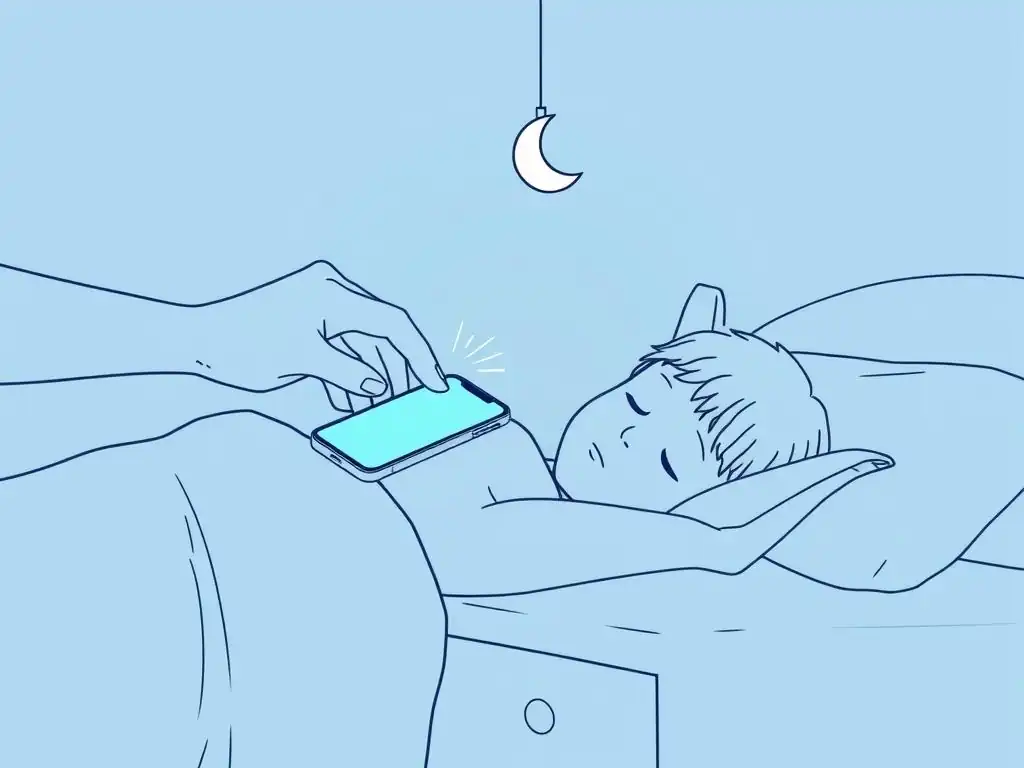
The blue light emitted from electronic devices like smartphones, tablets, and laptops significantly interferes with the production of melatonin, a hormone crucial for regulating sleep-wake cycles. This disruption can lead to difficulty falling asleep, lighter sleep, and overall poorer sleep quality. To cultivate a relaxing bedtime routine for sleep, it's vital to minimize screen time at least an hour, preferably two, before bed. This allows your body to naturally increase melatonin production, preparing you for restful sleep.
Consider replacing screen time with more relaxing activities like reading a physical book (the lack of blue light is beneficial! ), gentle stretching, or meditation. Many find that even the subtle glow of a phone can be disruptive, so completely powering down devices is often the most effective approach. Experiment to find the time frame that works best for you – some individuals may be more sensitive to blue light than others.
The key is to observe how your sleep improves as you reduce screen exposure before bedtime. For instance, I personally noticed a significant improvement in my sleep quality after implementing a two-hour "digital detox" before bed, falling asleep faster and experiencing fewer nighttime awakenings. This simple change dramatically improved my overall feeling of well-being.
Step 5: Creating a Comfortable and Dark Sleep Environment for Deep Sleep
Your bedroom environment plays a significant role in the quality of your sleep. A comfortable and dark sleep environment is paramount for achieving deep, restorative sleep. Consider investing in blackout curtains to minimize light pollution from outside sources. Even small amounts of light can disrupt your sleep cycle.
A cool room temperature, typically between 60-67°F (15-19°C), is ideal for sleep. Experiment to find your personal optimal temperature. Ensure your bedding is comfortable and supportive – a high-quality mattress and pillows contribute significantly to a restful night's sleep. Consider the texture and material of your sheets; some people prefer natural fibers like cotton or linen for their breathability.
Furthermore, keep your bedroom clean and tidy to create a calm and inviting atmosphere. Clutter can subconsciously cause stress, hindering relaxation. A relaxing bedtime routine for sleep incorporates conscious environmental control; a peaceful, dark, and cool room promotes the physiological changes necessary for deep sleep. Think of it as creating a personal sanctuary dedicated to rest and rejuvenation.
Step 6: Avoiding Caffeine and Alcohol Before Bed for Sound Sleep
Caffeine and alcohol, while seemingly innocuous in moderation, can severely impact sleep quality when consumed close to bedtime. Caffeine is a stimulant that blocks adenosine, a neurotransmitter that promotes sleepiness. Consuming caffeine even six hours before bed can interfere with sleep. Alcohol, while initially causing drowsiness, disrupts the sleep cycle later in the night, leading to lighter sleep and frequent awakenings.
It also reduces the amount of REM sleep, the stage of sleep crucial for memory consolidation and cognitive function. To promote a relaxing bedtime routine for sleep, establish a cut-off time for caffeine and alcohol consumption several hours before bed. The exact timeframe will vary depending on individual sensitivity and metabolism, but a general guideline is to avoid these substances at least four hours before bedtime. Experiment to determine your own personal tolerance level.
Replacing these beverages with calming herbal teas, like chamomile or valerian root, can be a beneficial addition to your evening routine. These teas contain compounds that promote relaxation and may even help improve sleep quality. Prioritizing sound sleep is an investment in your overall health and well-being; avoiding stimulants and depressants before bed is a crucial element in achieving this.
Maintaining Your Relaxing Bedtime Routine for Long-Term Sleep Success

Creating a relaxing bedtime routine is only half the battle; maintaining it consistently is key to reaping its long-term sleep benefits. Consistency is crucial for regulating your body's natural sleep-wake cycle (circadian rhythm), leading to improved sleep quality and increased energy levels throughout the day. Think of it like training a muscle – the more you consistently practice your relaxing bedtime routine, the stronger your body's association between bedtime and relaxation becomes.
Strategies for Staying Consistent with Your Bedtime Routine
Consistency is paramount. Here are some actionable strategies to help you stick to your newly established relaxing bedtime routine for improved sleep:
- Schedule it in: Treat your bedtime routine like any other important appointment. Block out the time in your calendar and set reminders on your phone. This simple act of scheduling reinforces its importance in your daily life. Visual reminders can be helpful, too; try placing a note on your bathroom mirror or bedside table.
- Prepare the environment: Create a sanctuary for sleep. This means ensuring your bedroom is dark, quiet, and cool. Consider using blackout curtains, earplugs, or a white noise machine to eliminate distractions and create a conducive sleep environment. A consistently comfortable and calming sleep environment significantly boosts the effectiveness of your relaxing bedtime routine.
- Make it enjoyable: Don't view your bedtime routine as a chore. Instead, incorporate activities you genuinely enjoy, such as reading a book, listening to calming music, or practicing gentle stretching. The more pleasant the routine, the more likely you are to adhere to it.
- Accountability partner: Share your bedtime routine goals with a friend or family member and ask for their support. Having someone to check in with can provide extra motivation and encouragement, particularly when facing challenges.
- Track your progress: Use a sleep journal or app to monitor your sleep patterns and the effectiveness of your routine. Tracking your progress can help identify areas for improvement and keep you motivated. Seeing tangible evidence of your improved sleep can be incredibly rewarding and reinforcing. 📈
Adjusting Your Routine Based on Your Needs and Lifestyle
Life is dynamic; your relaxing bedtime routine should be adaptable to accommodate changes in your schedule and lifestyle. Rigidity can lead to frustration and ultimately, failure to maintain the routine. Flexibility is key.
- Travel adjustments: When traveling, try to maintain as much of your routine as possible. Bring familiar items like your favorite pillow, eye mask, or calming essential oils to help create a sense of consistency and comfort in unfamiliar surroundings. ✈️
- Seasonal changes: Adjust your routine to accommodate changes in daylight hours. In the summer, you might need to adjust your bedtime slightly earlier or later to align with the sun's schedule.
- Stressful periods: During particularly stressful periods, you may need to incorporate additional relaxation techniques into your routine, such as meditation, deep breathing exercises, or progressive muscle relaxation. Remember, your routine should support you, not add more stress.
- Weekends vs. Weekdays: A slightly different routine on weekends is perfectly acceptable, as long as the core elements remain consistent and the overall sleep schedule isn't drastically disrupted. A small degree of flexibility can prevent burnout.
Troubleshooting Common Challenges in Maintaining a Relaxing Bedtime Routine
Even with the best intentions, maintaining a consistent relaxing bedtime routine can present challenges. Here's how to address some common issues:
- Inconsistent sleep schedule: This is a common obstacle. Prioritize consistency even on weekends. Aim for a regular sleep-wake schedule, even if you have slightly different bedtimes on weekends. Avoid drastic shifts in your sleep schedule.
- Difficulty unwinding: If you struggle to relax before bed, try incorporating mindfulness techniques or progressive muscle relaxation into your routine. Experiment with different relaxation methods to find what works best for you.
- External disruptions: Noise, light, or uncomfortable temperatures can disrupt your sleep. Address these environmental factors to optimize your sleep environment.
- Underlying health conditions: If you consistently struggle with sleep despite trying various strategies, consult a healthcare professional to rule out any underlying medical conditions that may be contributing to your sleep problems. Addressing any underlying issues is crucial for long-term sleep success.
Remember, building a successful relaxing bedtime routine is a journey, not a race. Be patient with yourself, celebrate your successes, and don't hesitate to adjust your approach as needed. Consistency and adaptation are the keys to unlocking the long-term benefits of a relaxing bedtime routine for improved sleep. 😴
Advanced Techniques for a Deeper, More Restful Sleep
This section explores advanced techniques beyond the basics of a relaxing bedtime routine, focusing on methods to achieve a deeper, more restful sleep. These techniques build upon the foundation of creating a calming pre-sleep environment and can significantly improve sleep quality for those seeking more advanced sleep optimization. We'll delve into specific practices that target muscle tension, mental chatter, and sensory stimulation to promote a more conducive sleep environment. Remember, consistency is key; incorporating these practices regularly will yield the best results in improving your "relaxing bedtime routine for sleep."
Progressive Muscle Relaxation for Deep Relaxation Before Sleep
Progressive muscle relaxation (PMR) is a powerful technique to combat the physical tension that often interferes with sleep. It involves systematically tensing and releasing different muscle groups in your body, starting with your toes and working your way up to your head. This process helps to identify and alleviate areas of unconscious tension, promoting deep relaxation and preparing your body for sleep.
For example, you might start by tensing the muscles in your right foot for 5 seconds, holding the tension, and then releasing it for 30 seconds, noticing the difference in sensation. Repeat this process for each muscle group: calves, thighs, buttocks, abdomen, chest, shoulders, arms, hands, neck, face, and head. The key is to focus on the sensations of tension and release, paying attention to the physical difference between the two states. Regular practice of PMR, even just 10-15 minutes before bed, can significantly reduce physical tension and improve sleep quality.
Many find this a crucial component of their "relaxing bedtime routine for sleep." Consistent practice is key to mastering this technique and reaping its full benefits. Consider incorporating PMR into your nightly routine two to three times a week initially, gradually increasing frequency as you become more comfortable.
The benefits extend beyond just sleep; PMR can also help manage stress and anxiety throughout the day. It's a versatile tool for promoting overall well-being and is easily adaptable to fit various lifestyles. Remember to focus on your breath throughout the exercise, inhaling deeply during tension and exhaling slowly during release. This mindful breathing enhances the relaxation response.
Guided Sleep Meditations for Improved Sleep Quality
Guided sleep meditations are audio recordings that use calming voiceovers, ambient sounds, and gentle music to guide you into a state of deep relaxation. These meditations often employ techniques like visualization, affirmations, and breathing exercises to quiet the mind and prepare your body for sleep. The effectiveness lies in their ability to distract from racing thoughts and worries, common culprits in insomnia.
Choosing the right guided meditation is crucial. Look for meditations specifically designed for sleep, lasting between 20-45 minutes. Consider those with nature sounds or gentle music, as these can be particularly soothing. Avoid meditations that are overly stimulating or energetic. The goal is to create a peaceful and tranquil state of mind, fostering a "relaxing bedtime routine for sleep" that helps you fall asleep easily and stay asleep throughout the night.
The consistent use of guided sleep meditations can lead to significant improvements in sleep quality, including reduced sleep latency (time it takes to fall asleep), increased sleep duration, and improved sleep efficiency (percentage of time spent asleep while in bed). Many apps and online platforms offer a wide variety of free and paid guided sleep meditations, catering to different preferences and needs. Experiment with different styles and narrators to find what resonates best with you. This personalized approach is vital for long-term adherence and effectiveness. Remember, the key is to make it a consistent part of your evening routine.
Aromatherapy and Essential Oils for a Calming Bedtime Environment
Aromatherapy uses essential oils, extracted from plants, to promote physical and emotional well-being. Certain scents are known for their calming and relaxing properties, making them ideal for creating a sleep-conducive environment. Lavender, chamomile, and sandalwood are particularly popular choices for their ability to reduce anxiety and promote relaxation. These scents can be diffused into the air using an essential oil diffuser or added to a warm bath before bed.
However, it's crucial to use high-quality, pure essential oils, avoiding synthetic fragrances which can have adverse effects. Always dilute essential oils before applying them to the skin, as undiluted oils can cause irritation. Start with a small amount and observe your reaction before increasing the concentration. Furthermore, be mindful of potential allergies. Patch testing a small amount of diluted oil on your skin 24 hours before use is a good precaution.
The use of aromatherapy as part of a "relaxing bedtime routine for sleep" can enhance the overall relaxing effect of your pre-sleep rituals. The subtle, calming scents can help to create a more peaceful and tranquil atmosphere, promoting relaxation and preparing your body and mind for sleep. Combining aromatherapy with other relaxation techniques, like PMR or guided meditation, can further amplify its effectiveness.
Remember to always prioritize safety and use essential oils responsibly. Consider keeping a small notebook to track your experiences with different scents and their effects on your sleep. This personalized approach will help you identify the most effective aromatherapy techniques for your individual needs.
Frequently Asked Questions
How long should my relaxing bedtime routine be?
There's no one-size-fits-all answer. Aim for 30-60 minutes, but adjust to what works best for you. Consistency is key, not the exact duration.
What activities are best for a relaxing bedtime routine?
Include calming activities like warm baths, reading, light stretching, or meditation. Avoid screens and stimulating activities close to bedtime. Find what truly helps you unwind.
Is it okay to change my bedtime routine occasionally?
Yes, some flexibility is fine. But significant changes should be implemented gradually to avoid disrupting your sleep cycle. Consistency is crucial for establishing a healthy sleep pattern.
How can I make my bedtime routine more effective?
Create a consistent schedule and stick to it as much as possible, even on weekends. Make your bedroom a sleep sanctuary – dark, quiet, and cool. And ensure you're getting enough sunlight during the day.
What should I do if I still can't sleep after my bedtime routine?
If you're still struggling after trying a relaxing routine, consider consulting a sleep specialist or doctor to rule out any underlying sleep disorders. They can provide personalized advice.
Final Reflection: Cultivating the Sanctuary of Sleep
The pursuit of a truly restful night's sleep is not a luxury; it's a fundamental pillar of well-being in our increasingly frenetic world. The strategies outlined in this article—from mindful disengagement from screens to the soothing power of a warm bath—are not mere suggestions, but essential tools for reclaiming control over our sleep and, by extension, our lives. The impact of consistent, quality sleep on our physical and mental health cannot be overstated.
The journey to a relaxing bedtime routine is deeply personal, a process of self-discovery and mindful adaptation. It's about understanding your own unique needs and preferences, creating a space where you can truly unwind and let go of the day's stresses. As the poet Mary Oliver so eloquently put it: Tell me, what is it you plan to do with your one wild and precious life?
A significant portion of that answer lies in the quality of our sleep, in the ability to recharge and face each new day with renewed energy and clarity.
Now, consider your own bedtime routine. Is it serving you, or is it contributing to the cycle of sleeplessness? I encourage you to take the time to thoughtfully examine your evening habits, to identify areas for improvement, and to consciously cultivate a sanctuary of sleep that nourishes your mind, body, and soul. Begin small, experiment with the techniques discussed, and most importantly, be patient with yourself. The reward—a deeper, more restorative sleep—is well worth the effort.
Unlock Your Best Sleep Yet: Start Your Relaxing Routine Now
Thank you for exploring ways to improve your sleep! We hope this article provided valuable tips to help you unwind and achieve restful nights. Now, let's put them into practice.
- Prioritize one new bedtime habit: Choose a single relaxation technique from the article, such as a warm bath, meditation, or journaling, and incorporate it into your evening routine tonight.
- Share your sleep journey: Tell us which technique you chose and how it worked for you in the comments below! We love hearing from our community.
- Experiment and adapt: Finding the perfect routine takes time. Don't hesitate to adjust the techniques to fit your needs and preferences, experimenting until you discover what works best for you.
Ready to experience the transformative power of a truly relaxing bedtime routine? What small change will you make tonight to prioritize your sleep?