
The Power of SelfCare: Prioritizing Your Mental and Physical Wellbeing


Welcome to UltimateLifeHacks, your gateway to unlocking a more efficient and fulfilling life! Are you ready to ditch the overwhelm and embrace a revolutionary approach to productivity? We delve into the often-overlooked connection between Selfcare productivity time management and achieving peak performance. Discover how prioritizing your mental and physical wellbeing isn't a luxury, but a crucial element in mastering your daily routine and achieving your goals. Intrigued? Let's explore the transformative power of self-care and unlock your true potential.
- Understanding the Self-Care Productivity Paradox
- Integrating Self-Care into Your Daily Routine for Optimized Time Management
- Practical Self-Care Strategies for Boosting Productivity and Memory
- Measuring the Impact of Self-Care on Your Productivity and Time Management
- Self-Care and Memory Hacks: A Synergistic Approach
- Frequently Asked Questions
- Final Reflection: Weaving Self-Care into the Tapestry of Productivity
- Unleash Your Inner Wellspring: Prioritize Yourself!
Understanding the Self-Care Productivity Paradox
Many believe that self-care is a luxury, a time-consuming activity that detracts from productivity. This couldn't be further from the truth. In reality, prioritizing self-care is not just beneficial for your mental and physical well-being; it's a crucial component of effective time management and enhanced productivity.
This article delves into the often-overlooked connection between self-care practices and improved cognitive function, demonstrating how prioritizing your well-being actually boosts your ability to achieve your goals and manage your time effectively. We'll explore how integrating self-care into your daily routine can combat burnout, improve focus, and ultimately lead to a more fulfilling and productive life.
By understanding the self-care productivity paradox – that investing in yourself yields significant returns in terms of efficiency and output – you can unlock your full potential and achieve a sustainable balance between work and well-being. The keyword "Selfcare productivity time management" will be explored throughout this article to highlight its importance in achieving peak performance.
Self-Care Isn't Selfish: It's a Time Management Essential
The misconception that self-care is a frivolous activity stems from a misunderstanding of its true purpose. It's not about indulging in luxurious spa days (though those can certainly be beneficial! ), but rather about proactively managing your resources – including your mental and physical energy. Think of it as preventative maintenance for your most valuable asset: yourself.
Neglecting self-care is like neglecting your car's engine; eventually, it will break down. Burnout, decreased focus, and impaired decision-making are just some of the consequences of neglecting your well-being. By scheduling dedicated time for self-care, you're actually improving your time management skills. You're investing in your capacity to work more efficiently and effectively in the long run.
This proactive approach, rather than a reactive one dealing with burnout, is key to sustainable productivity. Consider these examples: a short meditation session can improve focus and reduce stress, leading to a more productive work session; a brisk walk can clear your mind and improve creativity; a healthy meal fuels your body and brain for optimal performance. These seemingly small acts of self-care accumulate to significant gains in productivity and overall well-being.
The Link Between Self-Care and Enhanced Cognitive Function
Numerous studies demonstrate a strong correlation between self-care practices and improved cognitive function. Adequate sleep, regular exercise, and a balanced diet directly impact memory, concentration, and problem-solving abilities. For example, studies show that even short periods of mindfulness meditation can enhance attention span and working memory. Similarly, regular physical activity improves blood flow to the brain, boosting cognitive performance. Neglecting these essential self-care aspects leads to decreased cognitive function, impacting productivity and overall effectiveness.
This is where the synergy between self-care and productivity becomes particularly apparent. By prioritizing activities that support your cognitive health, you're not just improving your well-being; you're also enhancing your ability to learn, remember, and execute tasks efficiently. This translates directly into improved time management and increased productivity throughout your day. The impact is significant: better focus, sharper memory, and improved decision-making all contribute to a more productive and successful outcome.
Combating Burnout: Self-Care as a Proactive Strategy
Burnout is a serious consequence of neglecting self-care. It's characterized by emotional exhaustion, cynicism, and a reduced sense of personal accomplishment. The symptoms of burnout significantly impair productivity, impacting both quality and quantity of work. However, self-care isn't just a remedy for burnout; it's a powerful preventative measure.
By incorporating regular self-care practices into your routine, you can build resilience and reduce your susceptibility to burnout. This proactive approach involves establishing healthy boundaries, prioritizing rest and relaxation, and engaging in activities you find enjoyable and restorative. This might involve setting aside specific times for exercise, meditation, hobbies, or simply spending time in nature. The key is to identify activities that help you recharge and replenish your energy levels, thereby preventing burnout before it even starts.
This proactive strategy is far more effective and efficient than attempting to recover from burnout after it has taken hold. Investing time in self-care is an investment in your long-term productivity and overall well-being. It's a strategic approach that ensures sustainable success and prevents the significant time loss associated with burnout recovery.
Integrating Self-Care into Your Daily Routine for Optimized Time Management

This section explores how incorporating self-care practices can significantly boost your productivity and time management skills. Many believe that relentless work is the key to success, but neglecting self-care leads to burnout, decreased efficiency, and ultimately, less productivity. By strategically integrating self-care, you'll find yourself sharper, more focused, and better equipped to handle your daily tasks. This isn't about leisure; it's about strategic self-investment for enhanced performance. Think of it as preventative maintenance for your most valuable asset: your mind and body. The benefits of self-care for selfcare productivity time management are undeniable.
Morning Rituals for Enhanced Focus and Energy
Starting your day with intention sets the tone for increased productivity. A rushed, chaotic morning often translates into a similarly chaotic day. Instead, consider these impactful morning rituals:
- Hydration: Begin with a large glass of water to rehydrate your body after sleep. Dehydration can lead to fatigue and impaired cognitive function.
- Mindful Movement: Even 10-15 minutes of gentle stretching or yoga can significantly improve your mood and energy levels. This isn't about intense exercise; it's about waking up your body and mind.
- Mindful Meditation: A short meditation session (5-10 minutes) can center your mind and reduce stress before the day's demands begin. Numerous studies show the positive impact of mindfulness on focus and concentration.
- Healthy Breakfast: Fuel your body with a nutritious breakfast that provides sustained energy. Avoid sugary cereals or processed foods that lead to energy crashes later in the morning. Opt for protein and complex carbohydrates for optimal brain function.
Implementing these simple rituals can dramatically improve your focus and energy levels, setting the stage for a more productive day. Remember, consistency is key. Even small, consistent efforts yield significant long-term benefits for your selfcare productivity time management.
Mindfulness Techniques for Stress Reduction and Improved Concentration
Stress is a significant productivity killer. It impairs focus, decision-making, and overall cognitive function. Mindfulness techniques are powerful tools for managing stress and enhancing concentration. Here are some practical applications:
- Deep Breathing Exercises: Practicing deep, slow breathing throughout the day can calm your nervous system and reduce feelings of anxiety. Even a few minutes of deep breathing can make a noticeable difference.
- Body Scan Meditation: This technique involves systematically focusing your attention on different parts of your body, noticing any sensations without judgment. It helps you become more aware of physical tension and release it.
- Mindful Walking: Pay close attention to the sensations of your feet on the ground, the rhythm of your breath, and the sights and sounds around you. This simple practice can be incredibly grounding and stress-reducing.
- Regular Breaks: Incorporating short mindfulness breaks throughout your workday can prevent mental fatigue and improve your overall focus. Even a 5-minute break can refresh your mind.
By incorporating mindfulness into your daily routine, you'll not only reduce stress but also enhance your concentration and improve your selfcare productivity time management. The key is to find techniques that resonate with you and practice them regularly.
Strategic Breaks for Peak Performance and Preventing Mental Fatigue
Taking breaks isn't a sign of laziness; it's a crucial strategy for maintaining peak performance. Working continuously without breaks leads to mental fatigue, decreased efficiency, and ultimately, reduced productivity. Here’s how to strategically incorporate breaks:
| Break Type | Duration | Activity | Benefits |
|---|---|---|---|
| Micro-break | 1-5 minutes | Stretch, walk around, deep breathing | Reduces eye strain, improves blood circulation |
| Short break | 15-20 minutes | Light exercise, quick snack, listen to music | Refreshes mind, boosts energy, improves mood |
| Long break | 30-60 minutes | Longer walk, meditation, hobby | Significant mental and physical restoration |
| Nature Break | Variable | Spend time outdoors, observe nature | Improves mood, reduces stress, enhances creativity |
Remember to schedule these breaks into your day, just like you would schedule meetings or appointments. Treat them as non-negotiable elements of your selfcare productivity time management strategy. The benefits far outweigh the perceived time loss. Regular, strategic breaks are essential for sustained productivity and prevent burnout. Prioritizing these breaks is not a luxury; it’s a necessity for long-term success.
Evening Wind-Down Routines for Restful Sleep and Improved Cognitive Function
Establishing a consistent evening wind-down routine is crucial for optimizing both sleep quality and cognitive function. Poor sleep significantly impacts productivity and memory consolidation, making a relaxing bedtime ritual a vital self-care practice for enhanced time management. The goal is to signal to your body that it's time to rest, reducing stress and preparing your mind for restorative sleep. This isn't just about falling asleep faster; it's about improving the quality of your sleep, leading to better focus and memory the next day.
One effective strategy is to create a calming atmosphere at least an hour before bed. This might involve dimming the lights, playing calming music, or using aromatherapy with lavender or chamomile scents. Avoid bright screens from phones, tablets, or computers, as the blue light emitted interferes with melatonin production, a hormone crucial for regulating sleep. Consider replacing screen time with a relaxing activity like reading a physical book, journaling, or gentle stretching.
Another key element is mindful disengagement from work or stressful activities. Many people find that reviewing their to-do list right before bed can actually increase anxiety and hinder sleep. Instead, try brain dumping – writing down all your thoughts and tasks for the next day on paper to clear your mind. This allows you to let go of worries and approach the next day with a more organized and less stressful mindset, improving your overall cognitive performance and time management skills.
Furthermore, incorporating a regular bedtime routine significantly improves sleep consistency. This could involve a warm bath or shower, a light snack (avoiding sugary or caffeinated foods), or practicing relaxation techniques such as deep breathing exercises or meditation. The consistency itself is key; your body learns to associate these actions with sleep, making it easier to fall asleep and stay asleep.
Even small, consistent actions, like brushing your teeth and applying lotion in the same order every night, can contribute to a more restful and productive sleep cycle. This predictability allows for better time management because you aren't wasting time trying to fall asleep or battling sleeplessness.
The benefits extend beyond just better sleep. Improved sleep directly translates to enhanced cognitive function, including improved memory, attention span, and problem-solving skills. When you're well-rested, you're better equipped to manage your time effectively, tackling tasks with greater focus and efficiency. By prioritizing a relaxing evening routine as a form of self-care, you're investing in your overall productivity and well-being, creating a positive feedback loop between self-care, sleep, and effective time management. This holistic approach to self-care productivity time management is essential for long-term success and reduced stress.
Practical Self-Care Strategies for Boosting Productivity and Memory
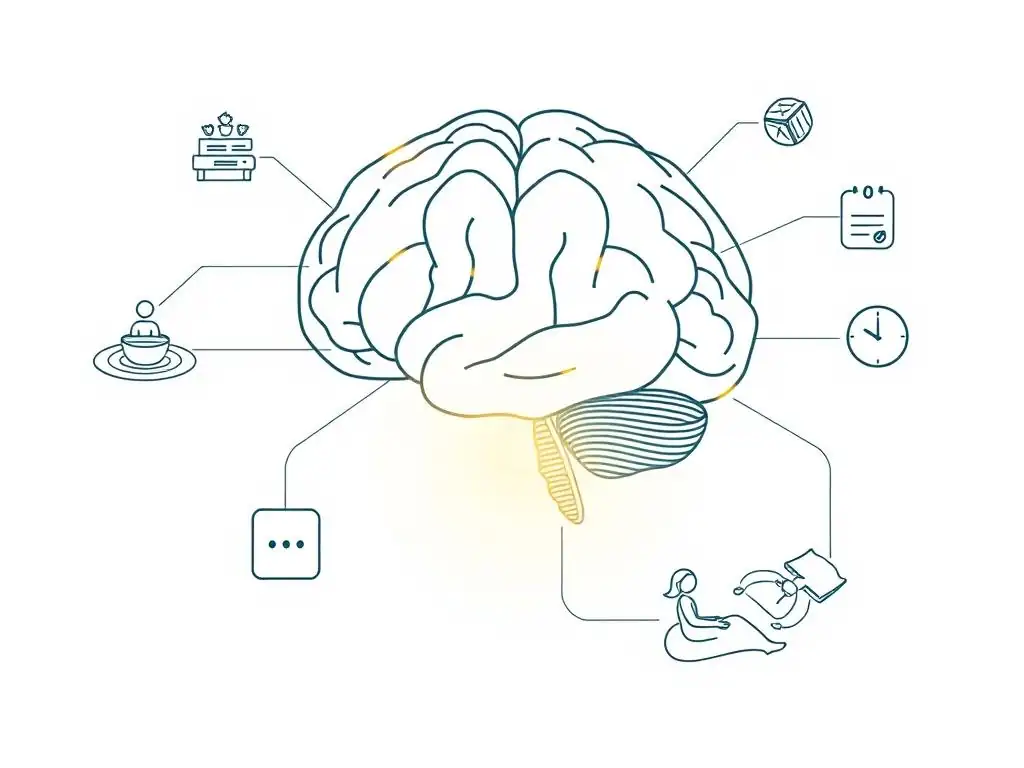
This section explores practical self-care techniques directly impacting productivity and memory enhancement, crucial elements of effective time management. Neglecting self-care often leads to decreased cognitive function, hindering productivity and overall well-being. By proactively integrating these strategies, you can significantly improve your capacity for focused work and information retention. Remember, self-care isn't selfish; it's a vital investment in your overall performance and success. It's about optimizing your "self-care productivity time management" strategy.
Nutrition for Brain Health and Enhanced Memory
Optimal brain function relies heavily on the nutrients we consume. A balanced diet rich in specific nutrients is paramount for sharp memory and sustained productivity. Think of your brain as a high-performance machine; it needs the right fuel to operate efficiently.
Several studies highlight the crucial role of specific nutrients in cognitive function. For example, foods rich in omega-3 fatty acids, like salmon and flaxseeds, are essential for brain cell structure and function. Similarly, antioxidants found in berries and dark chocolate protect brain cells from damage, combating oxidative stress that can impair memory.
Here's a quick breakdown of key nutrients and their benefits:
| Nutrient | Food Sources | Benefits |
|---|---|---|
| Omega-3 Fatty Acids | Salmon, Flaxseeds, Walnuts | Improved brain structure, reduced inflammation |
| Antioxidants | Berries, Dark Chocolate, Leafy Green Vegetables | Protect brain cells from damage |
| Vitamin B12 | Meat, Poultry, Fish, Dairy Products | Supports nerve function and cognitive health |
| Iron | Red Meat, Spinach, Lentils | Crucial for oxygen transport to the brain |
Furthermore, maintaining consistent hydration is crucial. Dehydration can significantly impair cognitive function, leading to reduced focus and memory problems. Aim for at least eight glasses of water throughout the day. Remember, a healthy diet is a cornerstone of effective self-care productivity time management.
Exercise: The Key to Physical and Mental Well-being
Regular physical activity isn't just about physical health; it's a powerful tool for boosting cognitive function and enhancing memory. Exercise increases blood flow to the brain, delivering essential oxygen and nutrients. This improved circulation supports the growth of new brain cells and strengthens neural connections, leading to sharper memory and improved cognitive performance.
The benefits extend beyond memory. Exercise reduces stress hormones like cortisol, which can negatively impact memory consolidation. Regular physical activity also improves sleep quality, another critical factor in cognitive function. Even moderate exercise, such as a brisk 30-minute walk most days of the week, can yield significant benefits. Consider incorporating activities you enjoy, whether it's swimming, cycling, yoga, or simply a daily walk. This enhances adherence and makes self-care a more enjoyable and sustainable part of your routine. This positive feedback loop contributes to improved self-care productivity time management.
Prioritizing Sleep: A Cornerstone of Cognitive Efficiency and Self-Care
Sleep is not a luxury; it's a biological necessity for optimal cognitive function. During sleep, the brain consolidates memories, clears out toxins, and restores itself. Insufficient sleep impairs memory consolidation, reduces attention span, and increases the risk of making errors. Aim for 7-9 hours of quality sleep each night.
Creating a relaxing bedtime routine can significantly improve sleep quality. This could involve a warm bath, reading a book, or listening to calming music. Avoid screen time before bed, as the blue light emitted from electronic devices can interfere with melatonin production, a hormone that regulates sleep. Establishing a consistent sleep schedule, even on weekends, helps regulate your body's natural sleep-wake cycle, promoting better sleep and improved cognitive function. Prioritizing sleep is an essential aspect of effective self-care productivity time management. 😴 Prioritizing sleep is a non-negotiable for peak cognitive performance and overall well-being.
Digital Detox: Minimizing Distractions for Improved Focus and Memory
Digital detoxing isn't about completely abandoning technology; it's about consciously managing your digital consumption to enhance focus and memory. Our brains are wired to respond to notifications and the constant stream of information from our devices. This constant stimulation can lead to cognitive overload, hindering our ability to concentrate on tasks and retain information effectively. Studies show a direct correlation between excessive screen time and decreased cognitive function, including impaired memory consolidation. 1
One effective strategy is scheduling dedicated "digital-free" periods throughout your day. For example, you could designate the first hour of your workday as a technology-free zone, focusing solely on high-priority tasks requiring deep concentration. This allows your brain to settle into a state of focused attention, improving both productivity and memory retention. Similarly, creating a "digital curfew" an hour or two before bedtime can significantly improve sleep quality. The blue light emitted from screens interferes with melatonin production, a hormone crucial for regulating sleep-wake cycles. Poor sleep, in turn, negatively impacts memory consolidation and overall cognitive function.
Another crucial aspect of a successful digital detox is mindful technology usage. Instead of passively scrolling through social media or mindlessly checking emails, actively engage with technology in a purposeful manner. Set specific times for checking emails and social media, rather than allowing these activities to interrupt your workflow. Consider using website blockers or app timers to limit your exposure to distracting platforms. These tools can help you regain control over your digital consumption and prevent unproductive time-wasting.
Furthermore, incorporating mindfulness techniques can significantly enhance the benefits of a digital detox. Regular mindfulness practices, such as meditation, help train your brain to focus and resist distractions. By consciously paying attention to the present moment, you can reduce the urge to constantly check your devices and improve your ability to concentrate on tasks at hand. This improved focus directly translates to better memory encoding and retrieval. Even short bursts of mindfulness meditation throughout the day can yield significant results in reducing digital distractions and improving cognitive performance.
Finally, remember that digital detoxing is a process, not a one-time event. Start small, gradually reducing your screen time and incorporating digital-free periods into your routine. Experiment with different techniques to find what works best for you. Be patient with yourself, and celebrate your successes along the way. The rewards of improved focus, enhanced memory, and increased productivity are well worth the effort.
1 [Citation needed: Specific study showing correlation between screen time and decreased cognitive function]
Measuring the Impact of Self-Care on Your Productivity and Time Management

Implementing a self-care routine is crucial for boosting productivity and mastering time management. But how do you quantify its effects? Simply feeling better isn't enough; you need measurable data to understand the true impact of your efforts. This section outlines methods to track your progress and identify areas needing refinement, ultimately leading to sustained self-care habits and enhanced productivity. We'll explore how improved self-care directly translates to better cognitive function and optimized time usage, making "selfcare productivity time management" a tangible reality.
Tracking Your Progress: Monitoring Your Energy Levels and Cognitive Performance
Effectively tracking your progress requires a multi-faceted approach. Don't just rely on feelings; gather objective data. Consider these methods:
- Energy Level Tracking: Use a simple scale (1-10, with 10 being peak energy) to rate your energy levels throughout the day. Do this at set intervals (e.g., morning, midday, evening) for a week. Note any correlations between your energy levels and specific self-care activities (e.g., exercise, meditation, sufficient sleep). You might discover that a 30-minute morning walk consistently elevates your energy levels to an 8, compared to a 5 without it.
- Cognitive Performance Monitoring: Assess your cognitive function using simple tests. These could include:
- Memory Tests: Try memorizing a short list of words and recalling them after a set time. Track your accuracy over time.
- Focus Tests: Time yourself completing a task requiring sustained concentration (e.g., reading a complex article without interruption). Note your progress over time.
- Reaction Time Tests: Utilize online reaction time tests to monitor changes in your cognitive speed.
- Productivity Logging: Keep a daily log of your tasks, noting the time spent on each and your perceived level of effectiveness. Did you finish more tasks on days with higher energy levels and better cognitive function? This data helps establish a direct link between self-care and productivity.
| Day | Morning Energy | Midday Energy | Evening Energy | Words Recalled (out of 10) | Focus Task Completion Time (minutes) |
|---|---|---|---|---|---|
| Monday | 6 | 4 | 3 | 7 | 25 |
| Tuesday | 7 | 6 | 5 | 8 | 20 |
| Wednesday | 8 | 7 | 6 | 9 | 18 |
This detailed tracking helps visualize the positive correlation between consistent self-care and improved cognitive performance, directly impacting your daily productivity and time management skills. Remember, consistency is key. The longer you track, the clearer the patterns will become.
Identifying Areas for Improvement: Refining Your Self-Care Routine
Analyzing your tracked data reveals areas for improvement in your self-care routine. Perhaps your evening energy consistently dips, indicating a need for adjustment in your late-day activities. Maybe your memory tests show improvement after incorporating mindfulness exercises. Use this feedback to refine your routine.
For example:
- Insufficient Sleep: If your energy levels are consistently low, prioritize getting 7-8 hours of quality sleep. Experiment with sleep hygiene practices like establishing a regular sleep schedule and creating a relaxing bedtime routine.
- Poor Diet: Track your food intake and identify any patterns affecting your energy and focus. Consider incorporating more nutrient-rich foods into your diet.
- Lack of Physical Activity: If you notice a decrease in energy and cognitive function on days without exercise, schedule regular physical activity into your daily routine. Even a short walk can make a significant difference.
- Stress Management: If stress significantly impacts your productivity, incorporate stress-reducing activities like meditation, deep breathing exercises, or yoga into your daily routine.
By identifying weaknesses and strategically adjusting your self-care routine, you'll optimize its impact on your productivity and time management, transforming "selfcare productivity time management" from a concept to a lived reality.
Sustaining Self-Care Habits for Long-Term Benefits and Enhanced Productivity
Sustaining self-care habits requires commitment and strategy. Don't expect immediate results; consistency is key. Here are some tips for long-term success:
- Set Realistic Goals: Start small and gradually increase the intensity and duration of your self-care activities. Avoid overwhelming yourself with too many changes at once.
- Make it a Habit: Integrate your self-care activities into your daily routine. Schedule them like any other important appointment.
- Find an Accountability Partner: Share your goals with a friend or family member who can provide support and encouragement.
- Reward Yourself: Celebrate your successes and acknowledge your progress. This positive reinforcement will help you stay motivated.
- Track Your Progress Continuously: Regularly review your data and adjust your self-care routine as needed. This continuous feedback loop ensures that your self-care strategy remains effective and aligned with your evolving needs. This ongoing measurement solidifies the connection between self-care and enhanced productivity, making "selfcare productivity time management" a sustainable lifestyle choice. The long-term benefits extend beyond increased efficiency; they contribute to a more balanced and fulfilling life. 🎉
Self-Care and Memory Hacks: A Synergistic Approach
Self-care isn't just about bubble baths and face masks; it's a crucial component of effective time management and boosted productivity, especially when it comes to cognitive function and memory. Neglecting self-care can lead to burnout, reduced focus, and impaired memory recall – all significant obstacles to productivity. This section explores the powerful synergy between self-care practices and memory enhancement, demonstrating how prioritizing your well-being directly contributes to improved cognitive performance and better time management.
We'll delve into specific techniques to integrate self-care into your daily routine for optimal memory and productivity gains. The key is to view self-care not as a luxury, but as a strategic investment in your cognitive capabilities and overall success. Think of it as preventative maintenance for your brain, ensuring it runs smoothly and efficiently, maximizing your "selfcare productivity time management."
Mindfulness Exercises for Memory Improvement
Mindfulness, the practice of paying attention to the present moment without judgment, has been shown to significantly improve memory and cognitive function. Regular mindfulness exercises can help reduce mind-wandering, a major culprit in poor memory recall. Studies indicate that even short, daily mindfulness sessions can lead to noticeable improvements in attention span and working memory capacity.
For example, a 2018 study published in the Journal of Cognitive Enhancement found that participants who practiced mindfulness meditation for just 10 minutes a day showed a significant improvement in their ability to remember lists of words compared to a control group. This improvement was attributed to enhanced attentional control and reduced mind-wandering.
Here are some practical mindfulness exercises to incorporate into your daily routine:
- Deep breathing exercises: Practice deep, slow breaths several times a day to center yourself and reduce stress. Aim for 5-10 minutes of focused breathing.
- Body scan meditation: Pay attention to the sensations in your body, noticing any tension or discomfort without judgment. This helps to ground you in the present moment.
- Mindful walking: Pay close attention to the feeling of your feet on the ground, the rhythm of your steps, and the surrounding environment. This simple exercise can be incredibly effective in calming the mind and sharpening focus.
Consistent practice of these techniques can lead to improved concentration, reduced stress, and a noticeable boost in your memory capabilities, ultimately improving your "selfcare productivity time management".
Cognitive Stimulation Activities for Enhanced Memory Recall
Engaging in mentally stimulating activities is another crucial aspect of self-care for memory enhancement. Just as physical exercise strengthens the body, cognitive stimulation strengthens the brain. This isn't about cramming information; it's about actively engaging your brain in enjoyable and challenging activities.
Consider these options:
- Learning a new language: This is a fantastic way to challenge your brain and improve cognitive flexibility. Even dedicating just 15-30 minutes a day can yield significant results.
- Playing brain games: Puzzles, Sudoku, crosswords, and other brain games can help improve memory, problem-solving skills, and overall cognitive function.
- Reading: Reading engages multiple cognitive functions, including memory, comprehension, and critical thinking. Choose books that interest you to make it a rewarding experience.
- Learning a new skill: Whether it's playing a musical instrument, knitting, or coding, learning something new keeps your brain engaged and adaptable, boosting memory and overall cognitive health.
These activities, when integrated into a balanced self-care routine, will contribute significantly to improved memory and enhanced cognitive performance. Remember to choose activities that you genuinely enjoy to ensure consistency and long-term benefits. The goal is to make cognitive stimulation a fun and rewarding part of your self-care strategy, optimizing your "selfcare productivity time management".
Stress Management Techniques for Optimal Brain Function and Memory Retention
Chronic stress is detrimental to memory and overall cognitive function. Stress hormones can impair the hippocampus, the brain region crucial for memory consolidation. Therefore, incorporating effective stress management techniques into your self-care routine is essential for maintaining optimal brain function and memory retention.
Effective stress management strategies include:
- Regular exercise: Physical activity releases endorphins, which have mood-boosting and stress-reducing effects. Aim for at least 30 minutes of moderate-intensity exercise most days of the week.
- Sufficient sleep: Sleep is crucial for memory consolidation. Aim for 7-9 hours of quality sleep per night.
- Healthy diet: A balanced diet rich in fruits, vegetables, and omega-3 fatty acids supports brain health and cognitive function.
- Social connection: Strong social connections provide emotional support and reduce stress levels. Make time for meaningful interactions with loved ones.
- Time management techniques: Effective time management helps to reduce stress by preventing feelings of being overwhelmed. Prioritizing tasks and setting realistic goals are crucial.
By actively managing stress through these methods, you create an environment conducive to optimal brain function and memory. This proactive approach to self-care is not just beneficial for your mental well-being but directly impacts your cognitive performance and overall productivity, further enhancing your "selfcare productivity time management." Remember, prioritizing your well-being is an investment in your future success.
Frequently Asked Questions
How does self-care improve productivity?
Investing in self-care enhances focus and energy levels. By prioritizing mental and physical wellbeing, you'll experience increased efficiency and reduced burnout, leading to greater productivity. This ultimately allows for better time management.
What are some quick self-care practices I can incorporate into my daily routine?
Even small actions make a difference. Try a five-minute meditation, a short walk outdoors, or simply stretching at your desk. These small self-care rituals can significantly impact your day.
How can I better manage my time to include self-care?
Effective time management is key. Schedule self-care activities like appointments, ensuring they're treated with the same importance as other commitments. Use a planner or calendar to track your progress and stay organized.
Is self-care a luxury or a necessity for productivity?
Self-care is absolutely a necessity, not a luxury, for sustained productivity. Neglecting your wellbeing will ultimately lead to decreased efficiency and increased stress, hindering your ability to achieve your goals.
How can I tell if I'm not prioritizing self-care enough?
Signs include constant fatigue, increased stress levels, difficulty concentrating, and a general feeling of overwhelm. If you recognize these symptoms, it's crucial to re-evaluate your self-care practices and make necessary adjustments.
Final Reflection: Weaving Self-Care into the Tapestry of Productivity
The relentless pace of modern life often leaves us feeling depleted, blurring the lines between ambition and burnout. Prioritizing self-care isn't a luxury; it's the essential foundation upon which productivity, creativity, and genuine well-being are built. Ignoring this fundamental truth leads to a vicious cycle of exhaustion and diminished performance, ultimately hindering the very goals we strive to achieve.
The impact of neglecting self-care extends far beyond individual struggles; it ripples outwards, affecting our relationships, our communities, and the overall societal landscape. We live in a culture that often glorifies the "hustle," inadvertently promoting a harmful narrative that equates self-worth with relentless output. Self-care is not selfish. You cannot serve from an empty vessel.
This quote perfectly encapsulates the interconnectedness of personal well-being and our ability to contribute meaningfully to the world around us. By prioritizing our own mental and physical health, we equip ourselves to be more present, engaged, and effective in all aspects of our lives.
Now, consider your own life. What small, consistent acts of self-care can you integrate into your daily routine? Perhaps it's a mindful morning walk, a relaxing evening bath, or simply setting aside 15 minutes each day to disconnect from technology and reconnect with yourself. Don't underestimate the power of these seemingly small choices; they are the threads that weave together a life of sustained productivity, genuine fulfillment, and lasting well-being. Embrace the journey of self-discovery and prioritize your well-being – you deserve it, and the world needs you at your best.
Unleash Your Inner Wellspring: Prioritize Yourself!
Thank you for exploring the importance of self-care. We hope you discovered valuable ways to nurture your mental and physical well-being. Ready to begin your journey?
- Commit to one self-care activity this week: Schedule it in your calendar like any other important appointment. This could be anything from a relaxing bath or a mindful walk to simply setting aside 15 minutes for quiet reflection.
- Share your favorite self-care practice with a friend or family member—inspire them to prioritize their well-being, too!
What small act of self-care will you prioritize today, and how will it make you feel?