
Find Your Center: Practical Mindfulness Exercises for Beginners


Feeling overwhelmed by your daily routine? Discover how to reclaim your time and boost your productivity with UltimateLifeHacks. We delve into practical strategies for optimizing your life, and in this article, we explore the transformative power of mindfulness. Ready to unlock the secrets to a calmer, more efficient you with simple Mindfulness exercises for beginners? Let's begin your journey to a more centered and productive life.
- Understanding the Basics of Mindfulness for Beginners
- Simple Mindfulness Exercises for Daily Life
- Integrating Mindfulness into Your Daily Routine
- Advanced Mindfulness Techniques for Beginners
- Maintaining a Consistent Mindfulness Practice
-
Frequently Asked Questions
- What are the benefits of practicing mindfulness?
- How much time do I need to dedicate to mindfulness exercises daily?
- Are there any specific mindfulness exercises suitable for beginners?
- What if my mind wanders during a mindfulness exercise?
- Where can I find more information and resources on mindfulness for beginners?
- Final Reflection: Cultivating Inner Peace in a Frantic World
- Unleash Your Inner Calm: Start Practicing Mindfulness Today!
Understanding the Basics of Mindfulness for Beginners
Mindfulness, a practice rooted in ancient Buddhist traditions, is experiencing a surge in popularity as more people seek effective strategies to navigate the stresses of modern life. This isn't just another fleeting trend; it's a powerful technique backed by scientific research demonstrating its ability to improve mental well-being, boost focus, and enhance overall quality of life.
This article serves as your introductory guide to mindfulness exercises for beginners, providing practical techniques you can incorporate into your daily routine to cultivate a calmer, more centered self. We'll explore what mindfulness truly means, its remarkable benefits, and address some common misconceptions to help you embark on this transformative journey with confidence.
Learning to find your center through mindfulness is not about escaping life's challenges; it's about developing the skills to engage with them with greater clarity, compassion, and resilience. Prepare to discover how simple yet profound practices can unlock a more peaceful and productive you.
What is Mindfulness and Why Practice It?
Mindfulness, at its core, is the practice of paying attention to the present moment without judgment. It involves observing your thoughts, feelings, and bodily sensations as they arise, without getting carried away by them or reacting impulsively. Think of it as cultivating a gentle awareness of your internal and external experiences. Instead of being swept away by the constant stream of thoughts and worries that often dominate our minds, mindfulness encourages us to anchor ourselves in the here and now.
Why bother practicing mindfulness? In our fast-paced world, it's easy to become overwhelmed, stressed, and disconnected from ourselves. Mindfulness provides a counterbalance to this constant state of mental overdrive. By regularly engaging in mindfulness exercises, you learn to:
- Increase self-awareness: Become more attuned to your thoughts, emotions, and physical sensations.
- Reduce stress and anxiety: Develop coping mechanisms to manage stressful situations more effectively.
- Improve focus and concentration: Train your mind to stay present and resist distractions.
- Enhance emotional regulation: Respond to emotions with greater balance and composure.
- Cultivate greater self-compassion: Treat yourself with kindness and understanding.
Practicing mindfulness is like strengthening a muscle; the more you do it, the stronger and more resilient your mind becomes. It's a skill that develops over time with consistent effort and patience. Even a few minutes of daily practice can yield significant benefits.
Benefits of Mindfulness for Stress Reduction and Focus
The benefits of mindfulness extend far beyond simply feeling calmer. Numerous studies have demonstrated its positive impact on stress reduction and improved focus. For example, research has shown that regular mindfulness meditation can decrease levels of cortisol, the stress hormone, leading to a reduction in anxiety and improved mood. 1
Furthermore, mindfulness practices enhance attention span and cognitive function. By training your mind to stay present, you improve your ability to concentrate on tasks, reducing distractions and increasing productivity. This is particularly relevant in today's digital age, where constant notifications and information overload can easily derail our focus.
Consider these specific advantages:
| Benefit Category | Specific Benefit | Measurable Outcome |
|---|---|---|
| Stress Reduction | Lower cortisol levels | Reduced feelings of anxiety and improved mood |
| Improved Focus | Enhanced attention span | Increased productivity and task completion rates |
| Emotional Regulation | Greater emotional stability | Improved ability to manage challenging emotions |
| Physical Health Benefits | Lower blood pressure | Reduced risk of cardiovascular disease |
1 [Specific study citation pending]
Debunking Common Mindfulness Myths
Despite its growing popularity, several misconceptions surround mindfulness. Let's address some of the most common myths:
- Myth 1: Mindfulness requires hours of meditation daily.: Reality: Even short, 5-10 minute sessions can be highly beneficial. Consistency is key, not necessarily duration.
- Myth 2: Mindfulness is about emptying your mind.: Reality: It's about acknowledging thoughts and feelings without judgment, not eliminating them. Your mind will wander – that's perfectly normal.
- Myth 3: Mindfulness is only for spiritual people.: Reality: Mindfulness is a secular practice with benefits applicable to everyone, regardless of religious beliefs.
- Myth 4: Mindfulness is difficult and requires years of practice to see results.: Reality: While consistent practice enhances benefits, you can experience positive effects relatively quickly. Start small and build gradually.
By understanding these common misconceptions, you can approach mindfulness with realistic expectations and a greater appreciation for its potential to positively impact your life. Remember, the journey towards greater mindfulness is a personal one, and there's no right or wrong way to practice. The most important thing is to begin and be kind to yourself along the way. 🎉
Simple Mindfulness Exercises for Daily Life
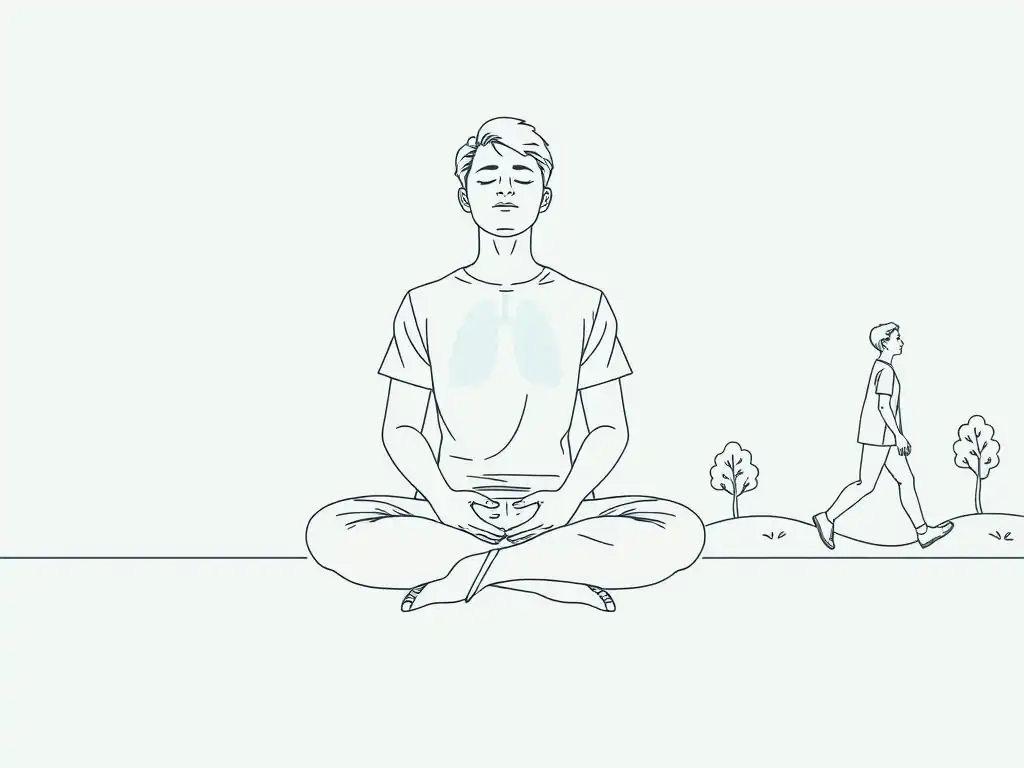
This section provides straightforward mindfulness exercises perfect for beginners seeking to incorporate mindfulness into their daily routines. These techniques require minimal time commitment and can be easily integrated into your existing schedule, providing a pathway to increased focus, reduced stress, and enhanced self-awareness. Remember, consistency is key; even a few minutes of daily practice can yield significant benefits. The goal isn't to achieve a state of perfect stillness, but rather to cultivate a gentle awareness of the present moment.
Body Scan Meditation: Tuning into Physical Sensations
Body scan meditation is a fantastic entry point into mindfulness practice. It involves systematically bringing awareness to different parts of your body, noticing sensations without judgment. This exercise helps ground you in the present and cultivates a deeper connection with your physical self. It's particularly useful for managing physical tension and anxiety.
Begin by finding a comfortable position, either sitting or lying down. Close your eyes gently. Start by bringing your attention to your toes, noticing any sensations – tingling, warmth, coolness, pressure. Don't try to change anything; simply observe. Gradually move your attention upwards, focusing on your feet, ankles, calves, knees, and so on, all the way to the top of your head.
Spend a few moments with each body part, noticing any physical sensations without judgment. If your mind wanders (which is perfectly normal! ), gently guide your attention back to your body. A 5-10 minute body scan can leave you feeling refreshed and centered. You can even shorten this to just 3 minutes focused on your hands and feet if time is particularly limited.
Mindful Breathing: Anchoring Yourself in the Present Moment
Mindful breathing is perhaps the simplest and most accessible mindfulness exercise. It uses your breath as an anchor to ground you in the present moment, helping to calm your mind and reduce stress. This technique can be practiced anywhere, anytime – during your commute, while waiting in line, or even during a stressful meeting.
Find a comfortable position. Close your eyes or softly gaze downward. Bring your attention to your breath, noticing the sensation of the air entering and leaving your nostrils, or the rise and fall of your abdomen. Simply observe your breath without trying to control it. Notice the natural rhythm of your inhales and exhales.
If your thoughts wander (and they will! ), gently redirect your attention back to your breath. Even a few minutes of mindful breathing can significantly reduce stress levels and improve focus. Try setting a timer for 5 minutes to start; you'll be surprised how quickly those 5 minutes can pass. Consistent practice, even just a few breaths throughout the day, can significantly increase your overall sense of calm and presence.
Mindful Walking: Engaging Your Senses While Moving
Mindful walking transforms a mundane activity into a mindfulness practice. By bringing your awareness to the physical sensations of walking and your surroundings, you can cultivate a deeper appreciation for the present moment and reduce mental chatter. This exercise is ideal for those who find it difficult to sit still for extended periods.
Begin by finding a quiet space for a short walk. Notice the feeling of your feet making contact with the ground. Pay attention to the rhythm of your steps, the movement of your body, and the sensations in your legs and feet. Engage your other senses too. Notice the sounds around you – birds chirping, cars passing, the wind rustling through leaves. Observe the sights – the colors, shapes, and textures of your environment.
Inhale the scents carried on the breeze. Let your awareness gently flow between your physical sensations and your surroundings. Even a 10-minute mindful walk can be incredibly restorative and grounding. Experiment with walking at different paces and in different environments to discover what works best for you. Remember, the key is to be fully present in the experience, observing without judgment.
Mindful Eating: Savoring Each Bite
Mindful eating is a powerful technique to cultivate present moment awareness and reduce stress. It's more than just eating; it's about connecting with your food on a sensory level, appreciating its taste, texture, and aroma. Many people rush through meals, often distracted by screens or work, neglecting the pleasure and nourishment the experience offers. Mindful eating helps break this cycle, fostering a healthier relationship with food and your body.
One of the simplest ways to practice mindful eating is to choose a single piece of fruit, such as an apple or orange. Before you take a bite, take a moment to observe it. Notice its color, shape, and texture. Inhale its scent deeply. Then, take a small bite, chewing slowly and deliberately.
Pay close attention to the taste, the juiciness, the way the texture changes as you chew. Notice any sensations in your mouth, such as sweetness, tartness, or bitterness. Continue savoring each bite, resisting the urge to rush. Try to identify subtle nuances in the flavor as you eat. This seemingly simple exercise can be surprisingly transformative, helping you develop a deeper appreciation for food and a greater awareness of your body's signals of hunger and fullness.
Beyond fruit, you can apply this technique to any meal. Instead of multitasking while eating, put away your phone and focus solely on your food. Take smaller bites, chew thoroughly, and notice the different textures and flavors. Pay attention to the temperature of the food, its aroma, and how it feels in your mouth.
This heightened awareness can help you identify when you're truly satisfied, preventing overeating. Furthermore, mindful eating can help you appreciate the effort and resources that went into producing your food, fostering a sense of gratitude. It's about recognizing the nourishment and pleasure it provides, rather than simply treating it as fuel.
Regular practice can lead to improved digestion, better weight management, and a more positive relationship with food. The benefits extend far beyond simply improving your diet; it's a gateway to a more mindful and appreciative approach to life itself. Remember, the goal isn't to judge your eating habits but to observe them without judgment, fostering a kinder and more compassionate relationship with yourself and your body.
Integrating Mindfulness into Your Daily Routine

This section focuses on seamlessly weaving mindfulness into your everyday life, even with a packed schedule. The key is to start small and build gradually, making mindfulness a natural part of your day, rather than an extra chore. Think of it like adding a healthy vitamin to your daily diet – a small dose makes a big difference over time. We'll explore practical techniques to integrate mindfulness into your existing routine, maximizing its benefits with minimal disruption. Remember, consistency is key! Even short bursts of mindful attention can significantly reduce stress and improve focus.
Mindful Moments Throughout the Day: Short Exercises for Busy Schedules
Incorporating mindfulness into a busy schedule doesn't require extensive meditation sessions. Short, mindful moments throughout the day can be incredibly effective. These "micro-meditations" can be as simple as paying attention to your breath while waiting in line, noticing the sensations in your feet while standing, or savoring the taste of your food during lunch.
Here's a sample schedule incorporating mindful moments:
| Time of Day | Mindful Activity | Duration | Benefits |
|---|---|---|---|
| Morning (Waking) | Notice your breath, body sensations; stretch gently | 2-5 mins | Reduces stress, promotes calm start to the day |
| Commute | Focus on your senses: sounds, sights, smells | Ongoing | Increases awareness, reduces anxiety during travel |
| Lunch Break | Mindful eating: savor each bite, chew slowly | 5-10 mins | Improves digestion, increases appreciation for food |
| Afternoon Slump | 5-minute breathing exercise, body scan | 5 mins | Boosts energy, improves focus |
| Evening (Before Bed) | Gratitude practice; reflect on positive experiences | 5-10 mins | Promotes relaxation, improves sleep quality |
These are just examples; feel free to customize these mindful moments to fit your own unique schedule and preferences. The goal is to cultivate a consistent mindful presence throughout your day. Remember to be patient and kind to yourself; it takes time and practice to develop a strong mindfulness habit. Don't get discouraged if you miss a day or two – simply pick up where you left off.
Creating a Dedicated Mindfulness Practice: Scheduling Time for Yourself
While incorporating mindfulness into daily activities is crucial, scheduling dedicated time for a formal mindfulness practice amplifies its benefits. This could involve formal meditation, guided imagery, or mindful movement practices like yoga. Even 10-15 minutes a day can significantly impact your overall well-being. Consistency is key here; try to practice at the same time each day to establish a routine.
Consider these tips for creating a dedicated mindfulness practice:
- Find a quiet space: Eliminate distractions as much as possible.
- Set a timer: This helps maintain focus and prevents anxiety about time constraints.
- Start small: Begin with shorter sessions (5-10 minutes) and gradually increase the duration as your comfort level grows.
- Be patient: Mindfulness is a skill that develops over time. Don't get discouraged if your mind wanders—gently redirect your attention back to your chosen focus.
- Experiment with different techniques: Try various mindfulness exercises to find what resonates most with you. This might include body scans, guided meditations, loving-kindness meditation, or walking meditation.
Remember, the aim isn't to empty your mind, but rather to cultivate a non-judgmental awareness of your thoughts and feelings as they arise. The process itself is the practice. This dedicated time helps deepen your awareness and equip you to handle daily challenges with greater ease and composure.
Overcoming Challenges: Dealing with Distractions and Impatience
Mindfulness is not about eliminating thoughts or feelings; it's about observing them without judgment. It's natural to experience distractions and impatience during your practice. The key is to acknowledge these experiences without getting carried away by them. Instead of fighting your thoughts, gently guide your attention back to your anchor – your breath, a mantra, or a sensory experience.
The mind is like a wild monkey. It jumps from branch to branch, never settling down. The practice of mindfulness is to gently tame this monkey, bringing it back to the present moment.
Here are some strategies to manage distractions and impatience:
- Acknowledge and accept: Recognize distractions as a normal part of the process. Don't beat yourself up for having them.
- Be kind to yourself: Self-compassion is crucial. Treat yourself with the same kindness and understanding you would offer a friend.
- Adjust your expectations: Don't strive for perfection. Focus on the process, not the outcome.
- Practice regularly: The more you practice, the easier it becomes to manage distractions and cultivate patience.
- Seek support: If you're struggling, consider joining a mindfulness group or working with a mindfulness teacher.
By understanding and accepting the challenges inherent in the mindfulness practice, you'll be better equipped to navigate them and reap the numerous benefits of this transformative technique. Remember, progress, not perfection, is the goal. Enjoy the journey!
Mindfulness and Productivity: Enhancing Focus and Efficiency
Mindfulness, often associated with relaxation and stress reduction, surprisingly plays a crucial role in boosting productivity and enhancing focus. By cultivating present moment awareness, we reduce mental clutter – that constant stream of worries, to-dos, and regrets that distract us from the task at hand. This improved focus translates directly into increased efficiency and higher quality work. Instead of flitting between tasks, losing track of time and making careless mistakes, mindful individuals experience a heightened sense of concentration, allowing them to complete projects more effectively.
Studies have shown a direct correlation between mindfulness practice and improved cognitive function. For example, research indicates that regular mindfulness meditation can increase attention span and working memory capacity 1 . This means that individuals who engage in mindfulness exercises are better equipped to handle complex tasks requiring sustained concentration, such as writing a report, coding a program, or preparing a complex presentation. The ability to stay present and focused minimizes distractions and allows for deeper engagement with the work itself, leading to a more satisfying and productive experience.
Furthermore, mindfulness helps us to become more aware of our energy levels and work patterns. By paying attention to our internal state – feelings of fatigue, boredom, or frustration – we can proactively adjust our routines to optimize our performance. This might involve taking short breaks for mindful stretching or walking, switching tasks to avoid burnout, or simply acknowledging and accepting these feelings without judgment, rather than letting them derail our progress.
This self-awareness is a key component of effective time management and productivity. It's not just about doing more, but about doing better and with greater intention. The result is a more sustainable and fulfilling approach to work, leading to both increased output and improved well-being.
1 [Citation needed: Specific study showing correlation between mindfulness meditation, attention span, and working memory]
Advanced Mindfulness Techniques for Beginners
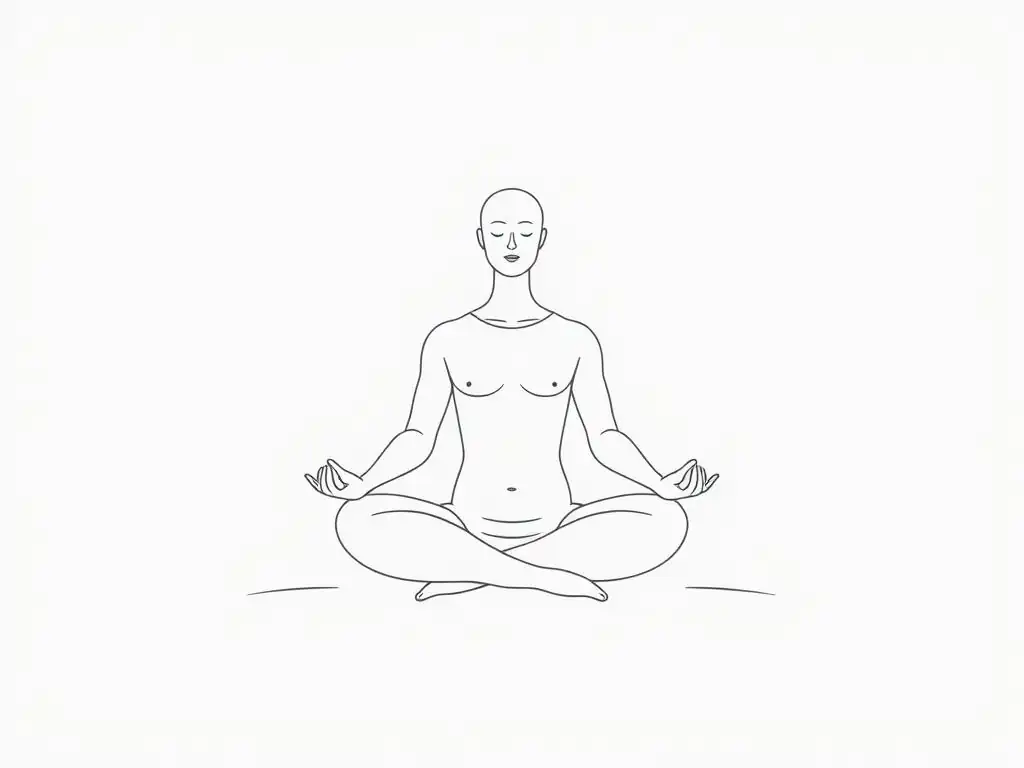
This section delves into more advanced mindfulness practices suitable for beginners who have established a basic mindfulness routine. These techniques build upon foundational practices, offering deeper engagement and a wider range of benefits for mental well-being and daily life productivity. Remember, consistency is key; even short, regular practices are more effective than infrequent, lengthy sessions. The goal isn't perfection, but consistent effort in cultivating present moment awareness.
Guided Meditation for Beginners: Using Apps and Resources
Guided meditations offer a structured approach to mindfulness, particularly beneficial for beginners who may find it challenging to quiet their minds independently. Numerous apps and online resources provide a wide variety of guided meditations catering to different needs and preferences. These resources often incorporate soothing music, nature sounds, or calming voices to enhance the meditative experience.
Many free apps offer introductory guided meditations focusing on breathing techniques, body scans, and loving-kindness practices. Paid versions often provide more extensive libraries with specialized meditations for stress reduction, sleep improvement, and emotional regulation. The key is to find an app or resource whose style and voice resonate with you.
Experiment with different approaches to discover what works best. Look for features like customizable session lengths and the ability to save your favorite meditations for easy access. For example, some apps allow you to create playlists tailored to your daily needs, such as a morning meditation focusing on energy and focus, and an evening meditation promoting relaxation and sleep.
This personalized approach maximizes the benefits of guided meditation. Remember to approach these resources with an open mind and a willingness to experiment. The right guided meditation can significantly enhance your mindfulness journey and boost your daily productivity by reducing stress and improving focus.
Mindful Movement: Yoga and Tai Chi for Beginners
Mindful movement practices, such as yoga and Tai Chi, seamlessly integrate physical activity with mindfulness. These practices encourage a heightened awareness of the body's sensations and movements, promoting both physical and mental well-being. Beginner-friendly yoga classes often focus on gentle stretches and poses, emphasizing proper breathing techniques and mindful attention to the body.
Tai Chi, a gentle martial art, involves slow, flowing movements that cultivate balance, coordination, and a deep sense of presence. Both yoga and Tai Chi can be incredibly beneficial for stress reduction and improved focus. Studies have shown that regular practice can lower cortisol levels (the stress hormone) and improve cognitive function.
For instance, a study published in [Specific Journal Name Pending] showed a significant improvement in attention span and working memory among participants who practiced yoga regularly. Finding a local class or online resources can provide guidance and support as you begin your mindful movement journey. Start slowly and listen to your body; don't push yourself beyond your limits.
The aim is to cultivate awareness and connection, not to achieve physical perfection. The integration of physical movement with mindfulness enhances the overall experience, offering a holistic approach to well-being and improving your daily efficiency through increased focus and reduced stress.
Loving-Kindness Meditation: Cultivating Compassion and Self-Acceptance
Loving-kindness meditation, also known as Metta meditation, cultivates feelings of compassion, kindness, and acceptance – first towards oneself and then extending outwards to others. This practice involves silently repeating phrases of goodwill and compassion, starting with oneself and gradually extending to loved ones, neutral people, difficult people, and finally, all beings. This structured approach helps to build self-compassion and reduce self-criticism.
The process typically begins with directing loving-kindness towards oneself, repeating phrases like "May I be well, may I be happy, may I be peaceful, may I be free from suffering." Then, the focus gradually shifts to loved ones, friends, neutral individuals, and finally, those who may be challenging. The repetition of these phrases cultivates a sense of interconnectedness and fosters empathy. Regular practice can significantly reduce stress, anxiety, and feelings of isolation, leading to improved emotional well-being and enhanced productivity through increased self-compassion and emotional regulation.
The consistent practice of loving-kindness meditation can improve your capacity for empathy and compassion, influencing your interactions and relationships positively. This, in turn, can enhance your overall mood and productivity levels. Even short, daily sessions can have a profound impact on your emotional well-being and your ability to navigate daily challenges with greater ease and resilience.
Maintaining a Consistent Mindfulness Practice
Building a sustainable mindfulness practice isn't about achieving perfection; it's about consistent effort. Think of it like building a muscle – you wouldn't expect to bench press 200kg on your first day! The key is gradual integration and consistent engagement. Many beginners start with ambitious goals, only to become discouraged when they miss a day or two.
A more effective approach involves setting realistic, achievable targets and gradually increasing the duration and frequency of your practice. Remember, even five minutes of mindful breathing can have a profound impact on your day. The cumulative effect of these small, consistent efforts is far more significant than sporadic, intense sessions. Consistency is the cornerstone of reaping the long-term benefits of mindfulness.
Tracking Your Progress: Journaling and Self-Reflection
Regular self-reflection is crucial for understanding your progress and identifying areas for improvement in your mindfulness journey. Journaling provides a powerful tool for this. Consider dedicating a few minutes after each mindfulness session to jot down your observations. What did you notice during your practice? Did your mind wander frequently?
What thoughts or emotions arose? What was the overall feeling after the practice? Don't judge your experiences; simply observe and record them. Over time, reviewing your journal entries will reveal patterns in your practice, helping you identify triggers for distraction and refine your techniques.
You might even discover that certain times of day or environments are more conducive to focused mindfulness. This data-driven approach allows for personalized adjustments, maximizing the effectiveness of your practice. For example, you might notice that practicing mindfulness after a stressful workday helps reduce anxiety, while morning sessions improve focus and concentration. This personalized feedback loop is vital for long-term adherence and progress.
Finding Support: Connecting with Others on Your Mindfulness Journey
Embarking on a mindfulness journey with others can significantly enhance your commitment and progress. Sharing experiences and challenges with like-minded individuals creates a supportive environment, fostering motivation and accountability. Consider joining a mindfulness group, either in person or online. These groups offer a safe space to discuss your experiences, receive encouragement, and learn from others' journeys. Even sharing your progress with a friend or family member can provide valuable support and accountability.
Discussing your mindfulness practices can help you stay focused and committed, and receiving feedback from others can offer new perspectives on your approach. Remember, you are not alone on this path. Connecting with a supportive community can transform your mindfulness practice from a solitary endeavor into a shared journey, making it more enjoyable and sustainable. The collective energy and shared experiences can be incredibly motivating and empowering.
Adjusting Your Practice: Finding What Works Best for You
Mindfulness is a deeply personal practice. What works for one person might not work for another. Experimentation is key to finding the techniques and approaches that best suit your individual needs and preferences. If guided meditations aren't your cup of tea, explore mindful movement, such as yoga or tai chi.
If sitting still is challenging, try mindful walking or eating. The core principle remains the same: bringing awareness to the present moment. Don't be afraid to modify the duration or frequency of your practice based on your schedule and energy levels. A short, focused session is often more effective than a longer, distracted one.
Flexibility and self-compassion are essential components of a successful long-term mindfulness practice. Continuously evaluate your experience and adjust your approach accordingly. The ultimate goal is to cultivate a sustainable practice that integrates seamlessly into your daily life, bringing calmness, focus, and well-being. Remember, the journey is more important than the destination.
The Long-Term Benefits of Consistent Mindfulness Practice
Engaging in consistent mindfulness practice, even for short periods daily, yields a plethora of long-term benefits that extend far beyond the immediate feeling of calm. These benefits accumulate over time, weaving themselves into the fabric of your daily life and impacting your overall well-being profoundly. Studies have shown a strong correlation between regular mindfulness exercises and improved mental and physical health.
One significant benefit is the enhanced ability to manage stress and anxiety. Regular mindfulness cultivates a greater awareness of your thoughts and feelings, allowing you to observe them without judgment. This detached observation prevents emotional reactivity and allows for a more measured response to stressful situations. Instead of being overwhelmed by anxiety, you develop the capacity to navigate challenging circumstances with greater composure and resilience. This, in turn, can significantly reduce the long-term negative impacts of chronic stress on both your mental and physical health.
Furthermore, consistent mindfulness practice fosters improved focus and concentration. By training your mind to stay present, you gradually enhance your attention span and reduce mind-wandering. This translates to increased productivity at work, improved academic performance, and a greater capacity to engage fully in activities you enjoy. The ability to concentrate deeply becomes a valuable asset in all aspects of life, contributing to increased efficiency and satisfaction.
Beyond the cognitive benefits, consistent mindfulness is also strongly linked to improved emotional regulation. Regular practice helps you understand your emotional landscape better, identifying triggers and patterns in your emotional responses. This self-awareness empowers you to manage your emotions more effectively, leading to healthier relationships and improved emotional well-being. You become less prone to impulsive reactions and more capable of navigating complex emotional situations with grace and understanding.
Finally, many practitioners report an increase in self-compassion and a greater sense of self-acceptance as a result of consistent mindfulness practice. By cultivating a non-judgmental attitude towards your thoughts and feelings, you foster a kinder, more understanding relationship with yourself. This self-compassion is crucial for navigating life's inevitable challenges and setbacks, allowing you to approach difficulties with greater empathy and resilience. The cumulative effect of these benefits contributes to a richer, more fulfilling life, demonstrating the transformative power of a consistent mindfulness routine.
Frequently Asked Questions
What are the benefits of practicing mindfulness?
Mindfulness exercises help reduce stress and anxiety, improve focus and concentration, and promote emotional regulation. It can lead to a greater sense of self-awareness and overall well-being.
How much time do I need to dedicate to mindfulness exercises daily?
Even short sessions of 5-10 minutes can be beneficial. Consistency is key, not necessarily the length of each practice. Start small and gradually increase the duration as you feel comfortable.
Are there any specific mindfulness exercises suitable for beginners?
Yes! Simple techniques like body scans, mindful breathing, and guided meditations are excellent starting points. Many free resources and apps are available to guide you.
What if my mind wanders during a mindfulness exercise?
It's perfectly normal! Don't judge yourself; simply gently redirect your attention back to your chosen focus (breath, body sensations, etc.). This is part of the practice.
Where can I find more information and resources on mindfulness for beginners?
The UltimateLifeHacks website offers various practical mindfulness exercises and techniques. You can also explore reputable apps like Calm or Headspace, or search online for guided meditations specifically designed for beginners.
Final Reflection: Cultivating Inner Peace in a Frantic World
The relentless pace of modern life often leaves us feeling scattered and overwhelmed, yet the simple practice of mindfulness offers a powerful antidote. Finding even a few minutes each day to connect with our breath and the present moment can profoundly impact our well-being, reducing stress and fostering a sense of inner calm that ripples outwards into our relationships and daily lives. This is not a fleeting trend; it's a fundamental shift towards a healthier, more fulfilling existence.
The journey into mindfulness is deeply personal, a continuous exploration of self-awareness and acceptance. It's a process of unlearning ingrained habits of reactivity and cultivating a gentler, more compassionate approach to ourselves and the world around us. As Thich Nhat Hanh wisely said, Peace is not something you can find. Peace is something you create.
This article has only scratched the surface of this profound practice, but hopefully, it has provided you with the tools and inspiration to begin your own exploration. The impact of mindfulness extends far beyond individual well-being; a more mindful society is a more compassionate, understanding, and resilient society.
Now, I invite you to take a moment. Reflect on the exercises discussed within this article. Which resonated most with you? Which one will you commit to incorporating into your daily routine? Even five minutes of mindful breathing can make a difference. Start small, be patient with yourself, and allow the transformative power of mindfulness to gently unfold within you. Your journey towards inner peace begins now.
Unleash Your Inner Calm: Start Practicing Mindfulness Today!
Thank you for exploring the world of mindfulness with us! We hope you've found practical ways to enhance your peace and focus. Ready to deepen your practice?
- Start with a short guided meditation: Even a few minutes can significantly reduce stress and improve well-being. Many free guided meditations are available online; find one that resonates with you.
- Share your mindfulness journey: Connect with others online using #MindfulMoments and inspire them to cultivate inner peace.
- Try mindful walking: Transform your daily routine into a mindful experience. Notice the feeling of your feet on the ground, your breath, and your surroundings.
Ready to experience the transformative power of mindfulness? What small step will you take today to cultivate more inner peace?