
The "Music" Hack: Use Sound to Enhance Focus and Clarity


Dive into the world of UltimateLifeHacks and unlock your potential! Are you struggling to maintain focus and boost productivity? We've got the answer. Discover the transformative power of the Focus music productivity hack – a simple yet surprisingly effective technique to sharpen your concentration and optimize your daily workflow. Learn how strategically chosen sounds can dramatically improve your cognitive efficiency and unlock unprecedented levels of achievement. Ready to experience the difference? Let's explore!
- Understanding the Focus Music Productivity Hack: How Sound Impacts Concentration
- Boosting Productivity with the Right Focus Music Playlist
- Beyond Music: Other Soundscapes for Enhanced Focus and Clarity
- Overcoming Potential Pitfalls of Using Focus Music
- Integrating the Focus Music Productivity Hack into Your Daily Routine
- Frequently Asked Questions
- Final Reflection: The Symphony of Productivity
- Unlock Your Focus: Tune In to a Sharper You
Understanding the Focus Music Productivity Hack: How Sound Impacts Concentration
Harnessing the power of sound to enhance focus and boost productivity isn't just a trendy life hack; it's a scientifically-backed strategy with tangible benefits. This article delves into the "music hack" – a powerful tool for improving cognitive efficiency and optimizing your decision-making process. We'll explore the neuroscience behind how sound affects our concentration, examine different types of focus music, and guide you in selecting the perfect auditory backdrop to enhance your work style and preferences. Ultimately, mastering this technique can significantly improve your daily workflow, leading to increased efficiency and reduced mental fatigue.
This falls squarely within the realm of cognitive efficiency and offers a practical, actionable strategy for enhancing your decision-making capabilities. The right soundscape can transform your workspace into a productivity powerhouse. 🎧
The Neuroscience of Sound and Focus: Specific brain regions and neurotransmitters involved
The impact of music on focus isn't merely anecdotal; it's deeply rooted in the intricate workings of the brain. Specific brain regions, including the prefrontal cortex (responsible for executive functions like planning and decision-making) and the auditory cortex, are significantly involved. When we listen to music, especially music designed to promote focus, these regions interact in ways that can enhance concentration.
For instance, certain types of music can stimulate the release of neurotransmitters like dopamine, known for its role in motivation and reward, leading to a more engaged and focused mental state. Studies have shown a correlation between specific musical elements (tempo, rhythm, instrumentation) and improved cognitive performance, including enhanced attention span and reduced distractibility.
Furthermore, the right kind of music can help regulate brainwave activity, promoting states of alertness and calmness conducive to deep work. This intricate interplay of brain regions and neurochemicals explains why the right music can be such a potent tool for productivity.
The effect isn't uniform across individuals; factors such as personal preferences, prior experiences with music, and the specific task at hand all influence the outcome. More research is needed to fully understand the nuances of this interaction, but the existing evidence strongly suggests a significant relationship between carefully selected auditory environments and enhanced cognitive function.
Different Types of Focus Music: Ambient, Classical, Binaural Beats, and More
The world of focus music is surprisingly diverse. Choosing the right type depends on your personal preferences and the nature of your work. Let's explore some popular options:
- Ambient Music: Characterized by its calming and atmospheric qualities, ambient music often features subtle textures and repetitive patterns. It creates a soothing soundscape that minimizes distractions without being overly stimulating. Think of gentle piano melodies, soft drones, or nature sounds.
- Classical Music: Certain classical compositions, particularly those with moderate tempos and simple structures, have been shown to enhance focus and creativity. The works of Bach, Mozart, and Beethoven are frequently cited as examples.
- Binaural Beats: These are auditory illusions created by playing two slightly different frequencies in each ear. The brain perceives a third frequency, the difference between the two, which can influence brainwave activity and induce states of relaxation or heightened focus, depending on the frequency used. This is a more specialized approach, often used for meditation or deep concentration.
- Instrumental Music (without lyrics): Lyrics can be distracting, so instrumental versions of your favorite genres, or genres specifically designed for focus (like lofi hip hop), can be highly effective. The key is to find music with a consistent rhythm and tempo that doesn't pull your attention away from your task.
Choosing the Right Focus Music for Your Work Style and Preferences
Finding the perfect focus music is a personal journey. Experimentation is key! Consider these factors:
- Your Work Style: Are you a detail-oriented worker who needs a calming background, or do you thrive in a more stimulating auditory environment? Your work style will dictate the type of music that's most effective for you.
- Your Personal Preferences: Don't force yourself to listen to something you dislike, even if it's supposed to be "good" for focus. The music should be enjoyable and unobtrusive.
- The Task at Hand: The type of work you're doing may also influence your music choice. Complex tasks might benefit from calming ambient music, while simpler tasks might tolerate something with a bit more energy.
- Trial and Error: Try different genres, tempos, and instruments. Keep a log of what works best for you in different situations. This personalized approach is crucial for maximizing the effectiveness of the focus music hack.
Remember, the goal isn't to use music as a distraction; it's to create a supportive auditory environment that enhances your concentration and facilitates more effective decision-making. Experiment, adapt, and discover the soundscape that unlocks your peak productivity!
Boosting Productivity with the Right Focus Music Playlist
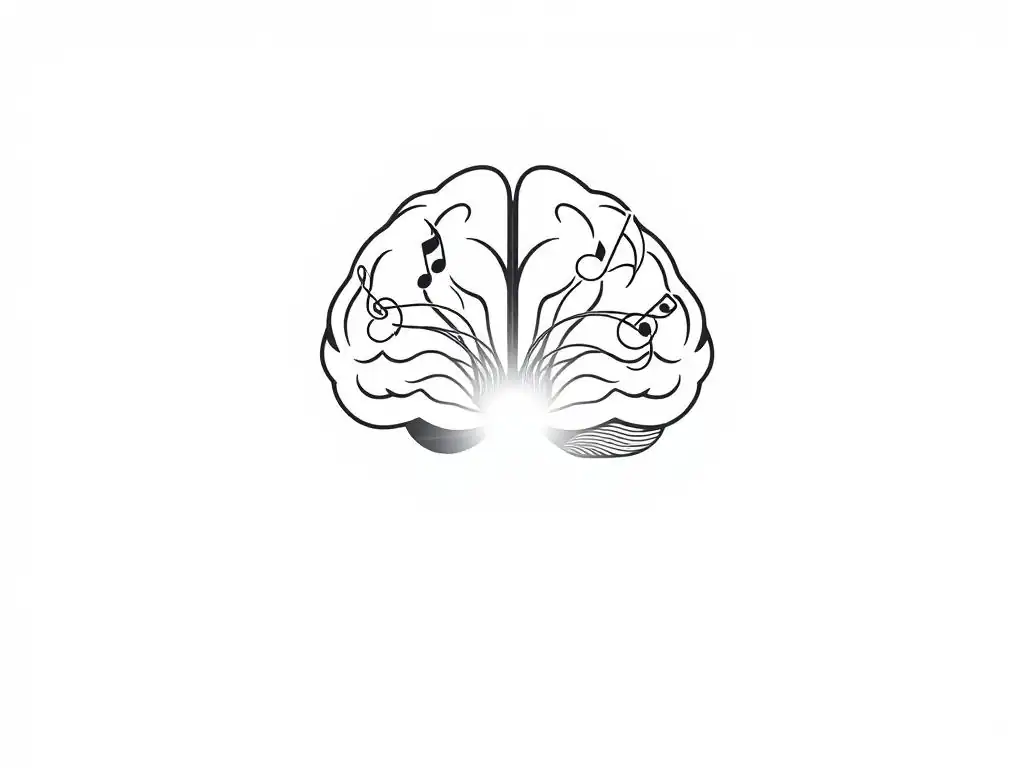
Effective decision-making hinges on sharp focus and mental clarity. While many productivity hacks focus on task management or time blocking, the power of strategically chosen background music often gets overlooked. This section explores how curating the right "focus music productivity hack" can significantly boost your cognitive performance and lead to better decisions. We'll delve into creating personalized playlists, optimizing your listening environment, and experimenting with various genres to discover your ideal sonic landscape for peak concentration.
The right music can act as a cognitive enhancer, filtering out distracting noises and creating a mental space conducive to deep work and insightful decision-making. Studies have shown that the right auditory backdrop can reduce stress and improve mood, both crucial factors in clear thinking. Think of it as a personalized cognitive enhancement tool, tailored to your specific needs and preferences.
Creating Your Personalized Focus Music Playlist: Step-by-step guide including apps and resources
Crafting a truly effective focus music playlist isn't about simply throwing together your favorite songs. It requires a strategic approach, considering tempo, instrumentation, and lyrical content. The goal is to create a soundscape that's engaging enough to maintain interest without being distracting. Here's a step-by-step guide:
- Identify your preferred tempo: Generally, music with a tempo between 60-80 beats per minute (BPM) is considered ideal for focus. Too slow, and you might feel drowsy; too fast, and you'll likely feel overwhelmed. Many music apps allow you to check the BPM of a song.
- Choose instrumental music or music with minimal lyrics: Lyrics can be distracting, pulling your attention away from the task at hand. Instrumental pieces, ambient music, or lo-fi hip-hop beats are often preferred.
- Experiment with different genres: While classical music is often recommended, explore other genres like ambient electronica, post-rock, or even nature sounds. The key is finding what works best for you.
- Utilize music streaming services and apps: Services like Spotify and Apple Music offer extensive libraries and tools for creating playlists. Consider using apps specifically designed for focus music, which often curate playlists based on BPM and other relevant factors. Many offer free trials, allowing you to experiment before committing.
- Build a diverse playlist: Avoid repetition. Create a playlist with enough variety to keep your brain engaged but not so much that it becomes distracting. Aim for a playlist of at least 30 minutes, ideally longer, to accommodate longer work sessions.
- Test and refine: Pay close attention to how different music selections affect your focus and productivity. Continuously tweak your playlist based on your experience. This is a personalized process; there’s no one-size-fits-all solution.
Optimizing Your Listening Environment for Maximum Concentration
Even the most perfectly crafted focus music playlist won't yield optimal results if your listening environment isn't conducive to concentration. Optimizing your surroundings is crucial to maximizing the benefits of your "focus music productivity hack."
Consider these factors:
- Noise cancellation: Minimize external distractions by using noise-canceling headphones or earplugs. This creates a more immersive and focused listening experience, preventing disruptive sounds from breaking your concentration.
- Sound quality: Invest in decent quality headphones or speakers. Poor sound quality can be just as distracting as external noise. High-fidelity audio enhances the listening experience and contributes to a more pleasant and productive work environment.
- Comfortable seating and posture: Physical discomfort can easily derail your concentration. Ensure you have a comfortable chair and maintain good posture to avoid physical distractions.
- Lighting: Adjust the lighting in your workspace to promote alertness and focus. Bright, harsh lighting can be stimulating, while dim lighting can be conducive to relaxation. Find the balance that works best for you.
- Temperature: A comfortable room temperature is essential for maintaining focus. Being too hot or too cold can lead to discomfort and distraction.
Experimenting with Different Genres and Sounds to Find Your Perfect Fit
The beauty of this focus music productivity hack lies in its personalizability. What works wonders for one person might be completely distracting for another. Therefore, experimentation is key. Don't be afraid to explore various genres and soundscapes to discover what enhances your focus and creativity.
Here are some genres and sound types to consider:
| Genre | Characteristics | Potential Benefits |
|---|---|---|
| Classical Music | Structured, often melodic, and predictable rhythms | Calming, promotes deep focus, reduces stress |
| Ambient Electronica | Atmospheric, textural, often repetitive | Creates a meditative state, ideal for creative tasks |
| Lo-fi Hip Hop Beats | Relaxed, mellow hip-hop beats with subtle melodies | Promotes a relaxed yet focused state, blocks out noise |
| Nature Sounds | Rain, ocean waves, forest sounds | Calming, grounding, helps reduce anxiety and stress |
| Binaural Beats | Specific frequencies designed to induce relaxation | Can improve focus and cognitive performance (research pending) 1 |
1 Further research is needed to fully understand the effectiveness of binaural beats for focus and productivity.
Remember, the goal is to find a sonic environment that helps you enter a state of flow, where you're fully immersed in your work and making effective decisions. Don't hesitate to try different combinations and experiment until you find your ideal "focus music productivity hack." The perfect soundtrack to your peak performance is waiting to be discovered.
Beyond Music: Other Soundscapes for Enhanced Focus and Clarity

While music is a popular choice for focus enhancement, the realm of auditory aids extends far beyond melodies and rhythms. Exploring alternative soundscapes can unlock surprising benefits for concentration and productivity, offering a tailored approach to optimizing your focus music productivity hack. The key lies in understanding how different sounds affect your brain and choosing the soundscape that best suits your specific needs and tasks.
Nature Sounds for Improved Concentration and Stress Reduction
Nature sounds, such as rain, ocean waves, or forest ambiences, are increasingly recognized for their ability to promote relaxation and improve concentration. Studies have shown that these sounds can reduce cortisol levels – the stress hormone – leading to a calmer mental state ideal for deep work. The consistent, yet subtly shifting, sounds create a masking effect, drowning out distracting noises while simultaneously stimulating the brain in a positive way. This makes them a powerful tool in your focus music productivity hack arsenal.
This effect isn't merely anecdotal. A 2018 study published in the Journal of Environmental Psychology found that participants exposed to nature sounds exhibited improved performance on cognitive tasks compared to those in quiet environments or exposed to urban noise. The rhythmic and predictable patterns of natural sounds are thought to synchronize with brainwave activity, inducing a state of focused attention.
Consider experimenting with different nature sounds; the gentle patter of rain might be ideal for creative tasks, while the powerful roar of the ocean might be better suited for demanding analytical work. The best approach is to find what works best for you.
White Noise and Ambient Sounds for Blocking Distractions
White noise, a blend of all audible frequencies at equal intensity, is a highly effective tool for masking distracting sounds. This makes it a valuable addition to your focus music productivity hack strategy. Unlike music, which can sometimes be distracting in itself, white noise provides a consistent, neutral auditory backdrop. This allows you to focus your attention without the interference of unpredictable sounds or lyrical content.
Think of it as a sonic shield against interruptions. Whether it's the chatter of colleagues, the hum of traffic, or even the ticking of a clock, white noise effectively neutralizes these distractions, creating a more peaceful and productive environment. Variations on white noise, such as pink noise (with more low-frequency sounds) or brown noise (even more low-frequency emphasis), offer different masking capabilities. Pink noise is often preferred for sleep, while brown noise can be useful for blocking out very loud, low-frequency distractions. Experiment to determine which type best suits your individual needs and work environment.
Utilizing Soundscapes to Enhance Specific Tasks and Activities
The optimal soundscape for focus isn't a one-size-fits-all solution. The best approach to your focus music productivity hack is to tailor your auditory environment to the specific task at hand.
| Task Type | Recommended Soundscape | Rationale |
|---|---|---|
| Creative Writing | Gentle rain, birdsong, soft instrumental music | Promotes relaxation and imaginative flow. |
| Data Analysis | White noise, brown noise | Blocks distracting sounds and promotes concentration on detail. |
| Programming/Coding | Ambient electronic music (minimalistic, repetitive) | Provides a structured auditory environment without lyrical distractions. |
| Strategic Planning | Ocean waves, calm instrumental music | Facilitates deep thinking and creative problem-solving. |
| Reading/Studying | Nature sounds (forest, river), binaural beats (optional) | Creates a calming atmosphere conducive to information absorption. |
Remember to experiment and find what works best for your personal preferences and cognitive style. The power of sound in enhancing focus is undeniable – use it wisely to boost your productivity and achieve your goals. This personalized approach to your focus music productivity hack will yield the most significant results.
Overcoming Potential Pitfalls of Using Focus Music
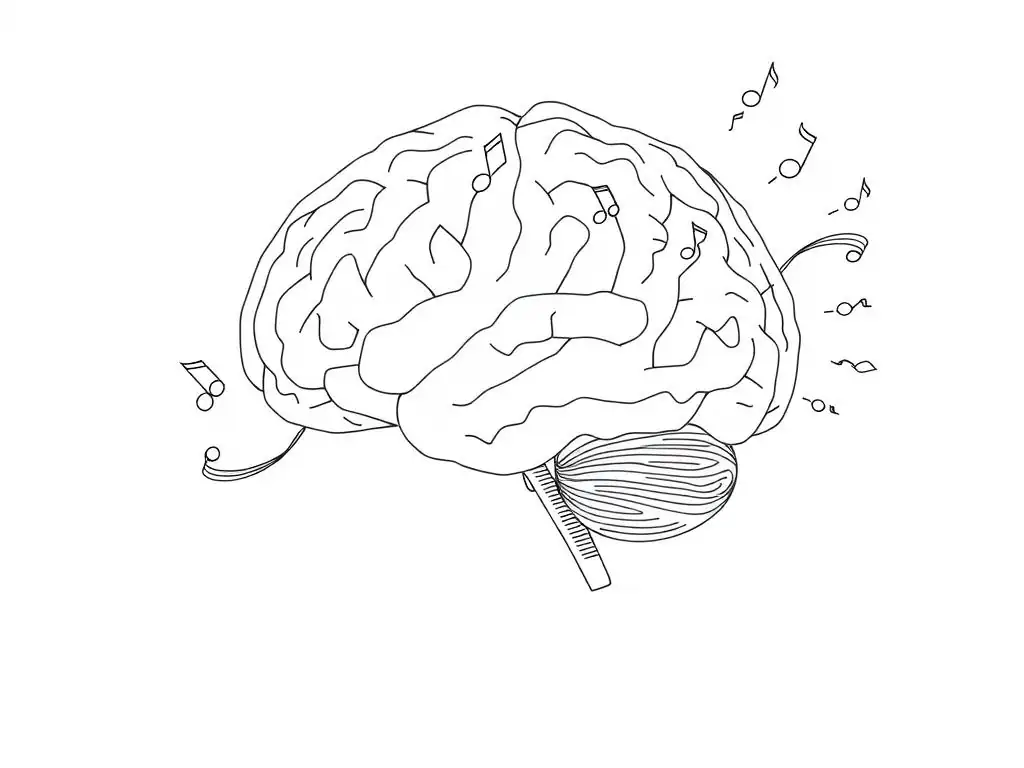
Using music to enhance focus and productivity, a powerful "focus music productivity hack," isn't without its potential drawbacks. Understanding and mitigating these pitfalls is crucial for maximizing the benefits and avoiding frustration. A common misconception is that any music will work; in reality, the type of music, its volume, and even the listener's personal preferences significantly impact its effectiveness. Improper implementation can lead to decreased focus rather than improved concentration.
Dealing with Distractions Caused by Lyrics or Melodies
One of the most frequent challenges when using music for focus is the distraction caused by lyrics or particularly catchy melodies. While some individuals find instrumental music highly effective, others may find even subtle lyrics distracting. The human brain is naturally drawn to patterns and narratives, and lyrics, even if subconsciously processed, can pull attention away from the task at hand. This is particularly true for songs with complex melodies or emotionally charged lyrics.
To combat this, consider these strategies:
- Prioritize instrumental music: Opt for genres like ambient, classical, or lo-fi hip-hop, which often feature minimal or absent vocals. These genres are specifically designed to promote relaxation and concentration without distracting lyrics.
- Experiment with different genres: Not all instrumental music is created equal. Some instrumental pieces might still be too stimulating or rhythmically complex for focused work. Experiment to find what works best for you. Classical music, for example, can be excellent, but even within classical music, there's a wide range of tempos and styles.
- Use noise-cancelling headphones: These can significantly reduce external noise, allowing you to focus more intently on your chosen music and your task. This is especially important if you're working in a noisy environment.
- Create a curated playlist: Instead of relying on random shuffling, carefully curate a playlist of music specifically designed for focus. This allows you to maintain a consistent auditory environment free from unexpected shifts in tempo or mood.
Avoiding Over-Reliance on Music for Focus: Cultivating Intrinsic Motivation
While music can be a valuable tool for enhancing focus, it's vital to avoid over-reliance. Becoming overly dependent on music for concentration can hinder the development of intrinsic motivation—the internal drive to complete tasks without external stimuli. This dependency can create a situation where you struggle to focus without music, making you less adaptable and potentially less productive in environments where listening to music isn't feasible.
To cultivate intrinsic motivation:
- Practice mindfulness: Regularly engage in mindfulness exercises to improve your ability to focus without external aids. Even short mindfulness sessions can significantly enhance your concentration skills.
- Gradually reduce reliance: Don't abruptly stop using music for focus. Instead, gradually decrease your reliance by incorporating periods of work without music into your routine.
- Identify your peak performance times: Observe when you naturally experience periods of high focus. Leverage these times to work on demanding tasks without relying on music, reinforcing your natural ability to concentrate.
- Break down tasks: Large, overwhelming tasks can be more daunting without the assistance of music. Break down larger tasks into smaller, more manageable chunks to make them less intimidating and easier to tackle without external aids.
Music as a Tool, Not a Crutch: Maintaining Balance and Mindfulness
The key to successfully using music for focus is to view it as a tool, not a crutch. It's a supportive element that can enhance your concentration, but it shouldn't be the sole determinant of your productivity. Maintaining a mindful approach ensures you don't become overly dependent and allows you to adapt to different work environments. Remember that true focus stems from a combination of effective strategies, including sufficient rest, proper nutrition, and a healthy work-life balance. Music is simply one piece of the puzzle.
Consider these points for maintaining balance:
- Regular breaks: Even with the best focus music, regular breaks are essential to prevent burnout and maintain productivity. Use the Pomodoro Technique or similar methods to structure your work sessions.
- Variety in your approach: Don't solely rely on music for focus. Explore other techniques like time blocking, task prioritization, and the elimination of distractions.
- Self-reflection: Periodically assess your use of music for focus. Are you genuinely benefiting from it, or has it become a crutch? Adjust your approach as needed. This continuous self-evaluation is crucial for long-term success.
- Listen to your body: Pay attention to how your body responds to music. If you find yourself feeling more stressed or agitated, adjust the volume or switch to a different genre or even try working without music altogether. Your well-being should always be the priority. 🎧
Integrating the Focus Music Productivity Hack into Your Daily Routine
This section explores practical strategies for seamlessly incorporating focus music into your daily workflow, maximizing its productivity-boosting potential. Successfully integrating this "focus music productivity hack" requires more than just putting on some tunes; it demands a conscious and consistent effort. The key is to make it a habitual part of your routine, not a sporadic addition.
Creating a Consistent Listening Schedule for Optimal Results
Consistency is paramount when leveraging the power of focus music. Think of it like any other productive habit: the more regular you are, the more effective it becomes. Instead of sporadically listening whenever you feel like it, establish a dedicated listening schedule tailored to your peak productivity periods.
For example, you might decide to listen to focus music for 1 hour each morning from 9:00 AM to 10:00 AM, dedicated to tackling your most demanding tasks. Another effective strategy is to associate specific music with specific tasks. Perhaps ambient soundscapes accompany writing sessions, while upbeat instrumental music fuels more active projects. This creates a powerful mental association, making it easier to enter a focused state.
Experiment to find the optimal duration and timing. Some individuals might find shorter, more frequent listening sessions more effective, while others may prefer longer, uninterrupted periods. The goal is to discover the listening pattern that best aligns with your personal rhythms and work style. Remember to meticulously track your progress (detailed in the next section) to refine your approach over time. This iterative process is crucial for maximizing the effectiveness of this productivity hack.
The right schedule isn't a one-size-fits-all solution; it's a personalized experiment. Consider factors like your circadian rhythm, energy levels throughout the day, and the nature of the tasks you're tackling. A well-structured schedule facilitates the formation of a strong habit, paving the way for consistent, enhanced productivity.
Tracking Your Progress and Adjusting Your Approach as Needed
While establishing a consistent listening schedule is crucial, it's equally important to monitor its effectiveness. Simply listening to focus music isn't enough; you need to actively track whether it genuinely enhances your focus and productivity. This involves a systematic approach to data collection and analysis.
One effective method is to maintain a daily log. Record the following information for each listening session:
- Date and Time: Precisely when you listened to focus music.
- Type of Music: Specify the genre or style (e.g., ambient, classical, lo-fi hip hop).
- Duration: How long did your listening session last?
- Tasks Completed: List the specific tasks you worked on during the listening session.
- Productivity Level: Rate your productivity on a scale of 1 to 5 (1 being very unproductive, 5 being highly productive).
- Focus Level: Similarly, rate your level of focus on a scale of 1 to 5.
- Notes: Any observations or insights you gained during the session.
| Date | Time | Music Type | Duration (min) | Tasks Completed | Productivity | Focus | Notes |
|---|---|---|---|---|---|---|---|
| 2024-10-27 | 9:00 AM | Ambient | 60 | Wrote 3 pages of report, answered 5 emails | 4 | 4 | Felt very calm and focused. |
| 2024-10-27 | 2:00 PM | Classical | 45 | Completed project proposal, organized files | 5 | 5 | Highly productive and concentrated session. |
By consistently recording this data, you can identify patterns and correlations. For example, you might discover that classical music boosts your productivity more effectively during the morning hours, while ambient music is better suited for afternoon tasks. This data-driven approach allows for continuous optimization, ensuring that your "focus music productivity hack" remains a potent tool for enhancing your workflow. Don't hesitate to adjust your schedule, music choices, or listening duration based on your findings.
Long-Term Benefits of Incorporating Sound into Your Focus Strategy
The long-term advantages of integrating focus music into your daily routine extend beyond immediate productivity gains. Consistent use can cultivate a deeper connection between specific soundscapes and focused work, creating a powerful mental trigger for enhanced concentration. This fosters a more sustainable and effective approach to productivity management than relying solely on willpower or other less consistent methods.
Moreover, the practice of mindful listening—actively choosing and engaging with specific music for focus—can contribute to improved stress management and overall well-being. The calming or energizing effects of music can help regulate your emotional state, creating a more positive and productive work environment. 🎧 Over time, this can lead to increased resilience to distractions and improved mental clarity, making you more effective and less prone to burnout. The "focus music productivity hack" isn't just about immediate results; it's an investment in long-term cognitive well-being and sustainable productivity.
Frequently Asked Questions
What type of music is best for focus and productivity?
The best music for focus is generally instrumental and ambient, lacking lyrics that can distract you. Classical music, lo-fi hip hop, and nature sounds are popular choices. Experiment to find what works best for you.
Does listening to music always improve focus?
No, it depends on the individual and the type of music. Some people find music distracting, while others find it calming and conducive to concentration. The key is finding the right sound environment for your optimal performance.
How can I find the right "focus music" for me?
Experiment with different genres and styles, paying attention to how you feel while listening. Many online platforms offer curated playlists specifically designed for focus and concentration. Try searching for "focus music," "ambient music," or "study music."
Can I use focus music while working with others?
This depends on your environment and your colleagues' preferences. Headphones are crucial to avoid disturbing others. If working in a shared space, opt for quieter music with less prominent beats to minimize potential disruption.
Is there a difference between music for focus and music for relaxation?
Yes, while both can utilize calming elements, focus music typically maintains a consistent, gentle rhythm to keep you alert. Relaxation music often features slower tempos and more pronounced pauses, designed to promote unwinding and sleep.
Final Reflection: The Symphony of Productivity
The power of sound to enhance focus and productivity isn't just a trendy productivity hack; it's a fundamental aspect of human cognitive function. We've explored how strategically chosen soundscapes can dramatically improve concentration, reduce stress, and ultimately boost our ability to achieve our goals. This isn't about fleeting trends; it's about harnessing the inherent power of auditory stimulation to optimize our mental performance.
The impact of ambient sounds on our daily lives is profound, shaping our moods, influencing our creativity, and even impacting our physical well-being. It's a subtle yet pervasive force, one that we often overlook in our quest for efficiency. The rhythm of life itself is a form of music,
a sentiment that resonates deeply with the core message of this article. Understanding this rhythm, this inherent musicality of our existence, allows us to consciously curate our auditory environment to support our ambitions and enhance our overall quality of life.
Now, consider your own soundscape. What auditory elements are currently shaping your focus and productivity? Are they serving you well, or are they hindering your progress? I invite you to experiment, to consciously curate your auditory environment, and to discover the unique symphony of sounds that unlocks your peak performance. Embrace the power of sound; let it become your ally in the pursuit of a more focused, productive, and fulfilling life.
Unlock Your Focus: Tune In to a Sharper You
Thanks for exploring the power of sound to enhance focus! We hope you've discovered effective ways to use music to boost your concentration and clarity. Ready to put these techniques into practice?
- Create your ideal focus playlist: Experiment with different genres and tempos to find the perfect soundscape for optimal performance. This is a crucial step towards improved focus.
- Share your musical discoveries: Tell us – what types of music or specific tracks work best for you? Share your tips in the comments below!
- Use a focus timer with your playlist: Set a timer for a specific work period and listen to your curated soundscape. Observe how this affects your productivity.
What surprising sounds have you found to be helpful for concentration? Let's share our discoveries!