
Upgrade Your Memory: Proven Hacks for Remembering Names and Details

Welcome to UltimateLifeHacks, your gateway to a more productive and fulfilling life! Tired of forgetting names the second you hear them? We understand the frustration. Discover proven Remember names easily hacks within our Cognitive Efficiency section – simple yet effective strategies to dramatically improve your memory and make lasting connections. Ready to unlock your brain's potential? Let's dive in!
- Mastering the Art of Remembering Names Easily: Hacks That Work
- Beyond Names: Remembering Details with Effortless Efficiency
- Practical Applications: Remembering Names and Details in Daily Life
- Advanced Memory Techniques for Exceptional Recall
-
Frequently Asked Questions
- How can I improve my ability to remember names?
- What are some effective memory techniques for names?
- Why do I struggle to remember names, even after repeating them?
- Are there any quick hacks to help me remember names immediately after meeting someone?
- How can I remember not just names, but also details about people I meet?
- Final Reflection: Reclaiming the Power of Memory
- Unlock Your Memory's Potential: Start Remembering Today!
Mastering the Art of Remembering Names Easily: Hacks That Work
Remembering names—it's a social skill often underestimated, yet crucial for building strong connections and making a positive impression. Forgetting someone's name can be awkward, hindering professional networking and personal relationships alike. This article delves into practical and proven techniques to significantly improve your ability to remember names and other crucial details.
We'll explore strategies based on proven psychological principles, offering actionable hacks that you can implement immediately to enhance your memory and boost your confidence in social settings. From simple repetition to creative association techniques, this guide provides a comprehensive toolkit to help you conquer the challenge of remembering names easily and effortlessly.
We'll focus on techniques applicable in various contexts, from casual encounters to formal business meetings, ensuring you leave a lasting positive impression wherever you go. This isn't about rote memorization; it's about transforming the way you engage with people and information, making the process of remembering names a natural and enjoyable part of your interactions.
The Power of Repetition: Repeating Names Immediately After Introduction
One of the simplest yet most effective techniques for remembering names is immediate repetition. This seemingly basic method leverages the power of rehearsal, a fundamental memory principle. Immediately after being introduced to someone, repeat their name back to them. For example, instead of simply saying "Nice to meet you," try saying, "Nice to meet you, Sarah." This seemingly small act significantly reinforces the name in your memory.
Furthermore, you can subtly incorporate their name into the conversation. For instance, you could say, "So, Sarah, what brings you to this event?" This active use of their name strengthens the memory trace and creates a stronger association. Studies have shown that even a single repetition immediately after hearing a name can drastically improve recall.
This is because the act of actively using the name helps move it from short-term to long-term memory. The key here is to be natural and genuine; avoid robotic repetition, which can sound insincere. Practice makes perfect, and with consistent application, this simple technique will become second nature. Remember, the goal isn't just to hear the name, but to actively engage with it.
Active Listening and Name Association: Connecting Names to Visual Images
Active listening is paramount for remembering names. Instead of simply waiting for your turn to speak, focus intently on the person introducing themselves. Make eye contact, offer a genuine smile, and truly listen to what they're saying. This focused attention helps encode the name into your memory more effectively. Beyond active listening, consider associating the name with a vivid visual image.
If you meet someone named "Robert," and he has a striking red tie, you might imagine a large, red "R" emblazoned on his chest. The more unusual and memorable the image, the better. This technique leverages the power of imagery, a powerful mnemonic device. This method works particularly well when combined with the repetition technique discussed previously.
Repeating the name while simultaneously constructing the visual image creates a strong associative link, making recall significantly easier. Try to create these images spontaneously; the more personal and unique the association, the more effective it will be. Don't be afraid to be creative and have fun with it! This process transforms remembering names from a rote task into a playful mental exercise.
The Importance of Context: Linking Names to Relevant Details
Remembering names is not just about memorizing sounds; it's about placing them within a meaningful context. When you meet someone, pay attention to the surrounding details. Where did you meet them? What were they talking about? Linking the name to these contextual cues helps create a richer memory trace.
For example, if you meet "David" at a conference on sustainable energy, you can associate his name with that context. This contextual information acts as a retrieval cue, making it easier to recall his name later. Similarly, if you learn something specific about the person, such as their profession or hobbies, integrate that information into your mental picture. For instance, if you meet "Maria," a talented violinist, you can visualize her playing her violin.
This multi-sensory approach strengthens the memory of both her name and her identity. By enriching the memory with contextual details, you transform a simple name into a more meaningful and memorable association. This technique emphasizes the holistic nature of memory, highlighting the importance of integrating new information with existing knowledge. The more connections you make, the easier it will be to recall the name later.
Using Mnemonics for Superior Name Retention: Creative Memory Techniques
Mnemonics are powerful tools for boosting memory recall, particularly when it comes to remembering names. They leverage the brain's natural ability to connect images and sounds to create memorable associations. Instead of simply repeating a name, mnemonics transform it into something vivid and memorable. For example, if you meet someone named "Robert Plant," you might visualize a robust, leafy plant with a regal bearing, reflecting the name's sounds and connotations. The more unusual and striking the image, the better your chances of remembering.
This technique goes beyond simple visualization. Consider the name "Amelia Earhart." You could picture a charming Amelia, wearing a stylish ear-shaped hat, perhaps piloting a tiny airplane (harking back to her aviation achievements). The key is to create a personalized mnemonic, unique to each individual, making the association more meaningful and less prone to confusion with other names.
Furthermore, you can employ different mnemonic strategies depending on the name's characteristics. For names with easily visualized components, like "Florence," you might picture a flourishing garden. For names with unusual spellings or sounds, you might create a funny or quirky image to aid retention. The more engaging and personal the mnemonic, the more effective it will be.
Experiment with different methods to find what works best for you; some people find rhyming mnemonics helpful, while others prefer visual storytelling. Regular practice is crucial to mastering this technique and making it second nature. The more you use mnemonics, the stronger your ability to remember names will become. Don't be afraid to get creative and have fun with it!
The more memorable the image, the easier it will be to recall the name later. Regular practice and refinement of your mnemonic techniques are key to long-term success in remembering names easily. This approach transforms the often-daunting task of remembering names into a creative and engaging exercise.
Beyond Names: Remembering Details with Effortless Efficiency
Remembering names is a great first step, but true memory mastery involves recalling details efficiently. This section explores techniques to improve your recall of information beyond just names, boosting your overall cognitive efficiency and leaving a lasting positive impression. Mastering these techniques will help you remember appointments, project deadlines, and even intricate conversations – all crucial for navigating the complexities of daily life. This isn't about rote memorization; it's about intelligent strategies for embedding information securely in your memory. We'll be focusing on practical "remember names easily hacks" that extend far beyond simple name recall.
Improving Your Focus: Techniques for Enhanced Memory Recall
Effective memory hinges on focused attention. Distractions are memory's worst enemy, scattering your concentration and hindering the encoding process. To truly remember details, you must cultivate a state of mindful engagement. Several techniques can help you achieve this:
- Minimize Interruptions: Create a dedicated space free from distractions – a quiet room, a designated desk area – where you can concentrate without interruption. Turn off notifications on your phone and computer. Consider using noise-canceling headphones if necessary.
- Mindful Listening: When someone is speaking, actively listen to what they're saying. Avoid thinking about your next task or allowing your mind to wander. Focus on understanding their message, not just hearing the words. This active engagement significantly improves retention.
- Active Recall: Instead of passively reviewing information, actively try to retrieve it from memory. Test yourself frequently. For example, after a meeting, try to summarize the key points without looking at your notes. This process strengthens memory pathways.
- The Pomodoro Technique: This time-management method involves working in focused bursts (typically 25 minutes) followed by short breaks. The structured intervals help maintain concentration and prevent mental fatigue, crucial for absorbing and retaining complex details.
The Spaced Repetition System (SRS): A Proven Method for Long-Term Retention
The Spaced Repetition System (SRS) is a scientifically-backed technique for optimizing long-term retention. Instead of cramming information all at once, SRS involves reviewing material at increasing intervals. This combats the forgetting curve, ensuring information remains accessible over time.
Imagine you're learning a list of facts for a presentation. With SRS, you might review the list:
- Day 1: Immediately after learning.
- Day 2: Again, to reinforce learning.
- Day 4: Increasing the interval.
- Day 7: A further increased interval.
- Day 14: And so on...
The key is to review the information just before you're likely to forget it. Numerous apps and software programs utilize the SRS algorithm, making it incredibly convenient to implement. This method significantly enhances retention of complex details, making it a valuable tool for anyone aiming to remember names easily and other crucial information effectively.
Chunking Information: Breaking Down Complex Details for Easier Recall
Our brains have a limited capacity for processing information simultaneously. To overcome this, we can use a technique called "chunking." This involves grouping individual pieces of information into larger, more manageable units.
For example, instead of trying to remember a phone number as individual digits (555-123-4567), we chunk it into smaller groups: (555) 123-4567. This makes it significantly easier to recall. Similarly, when remembering details about a person, you could chunk information based on categories:
| Category | Example Details |
|---|---|
| Appearance | Tall, dark hair, glasses |
| Profession | Software Engineer |
| Personal Interests | Enjoys hiking, photography, classic literature |
| Recent Conversation | Discussed their upcoming trip to the mountains |
By organizing information into meaningful chunks, you reduce cognitive load and improve recall. This principle applies to any type of detail you want to remember, enhancing your ability to not only remember names easily but also retain a wealth of other information with effortless efficiency. 🔄
Mind Mapping for Enhanced Memory: Visual Organization Strategies
Mind mapping is a powerful technique to enhance memory recall, particularly when dealing with complex details. Instead of relying solely on linear note-taking, which can be less engaging and effective for long-term retention, mind mapping leverages the brain's natural visual processing capabilities. This method transforms information into a visual representation, connecting related concepts through branches and nodes, creating a holistic understanding. This visual structure significantly improves the encoding and retrieval of information.
For example, if you're trying to remember the details of a business meeting, instead of writing a list of bullet points, you could create a mind map. The central idea—the meeting itself—would be placed in the center. From there, branches could extend to different aspects: key discussion points, action items assigned to each participant, deadlines, and relevant documents. Each branch could further subdivide into more specific details, creating a visual network of interconnected information. This visual hierarchy makes it much easier to remember not just the main points, but also the nuances and connections between them.
The effectiveness of mind mapping stems from its ability to engage multiple cognitive processes simultaneously. The visual aspect stimulates the brain's visual cortex, while the act of structuring information and connecting concepts strengthens neural pathways associated with memory consolidation. Moreover, the process itself is active and engaging, making it more likely that the information will be retained. Unlike passively reading notes, creating a mind map requires active participation and cognitive effort, leading to deeper processing and better recall.
Studies have shown that students who use mind mapping techniques demonstrate improved test scores and a greater ability to recall complex information. The inherent flexibility of mind mapping also allows for customization. You can use colors, images, and symbols to further enhance memorability and personalize the learning process. This visual richness adds another layer of encoding, making it easier to retrieve the information later.
The use of color-coding, for instance, can be particularly beneficial for remembering specific details. Assigning a color to each key concept helps to differentiate and organize the information, making it simpler to navigate the mind map and retrieve specific pieces of information when needed. Similarly, incorporating relevant images or symbols can serve as visual cues, acting as anchors for memory recall.
For instance, if you are trying to remember a deadline, you might add an image of a calendar or a clock to the relevant branch of your mind map. These visual cues can significantly improve the efficiency of your memory retrieval process. In short, mind mapping transforms the often-daunting task of remembering complex details into a more engaging and effective process, significantly enhancing memory retention and recall.
Practical Applications: Remembering Names and Details in Daily Life
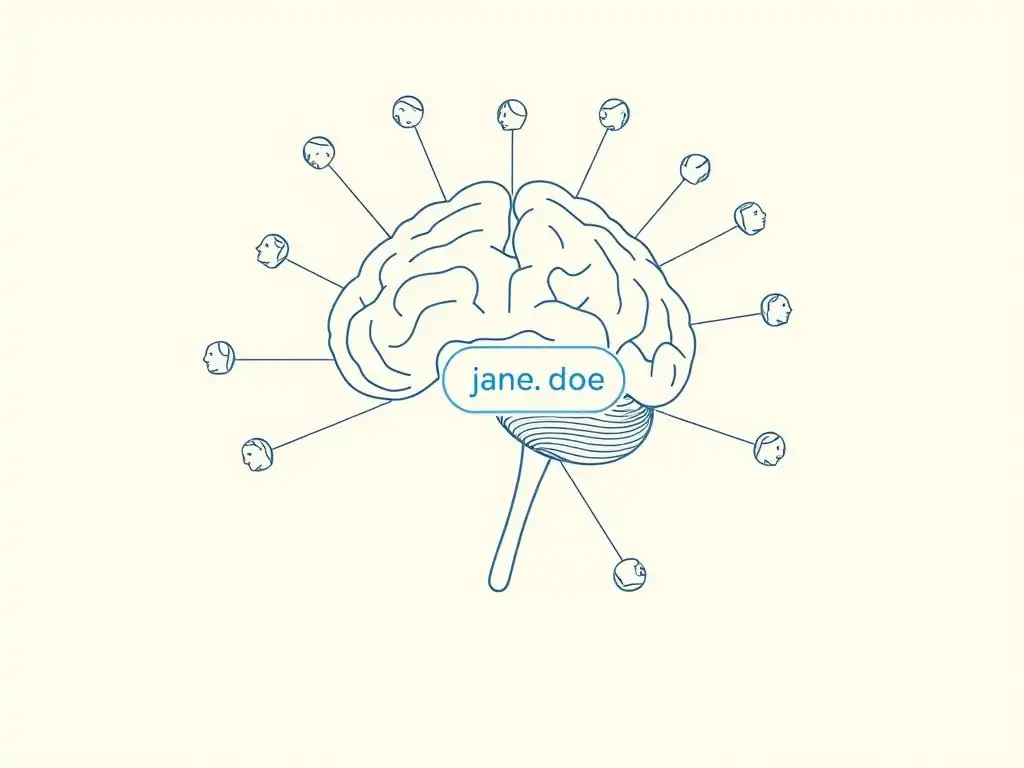

This section delves into the practical application of memory enhancement techniques, specifically focusing on remembering names and details in various everyday scenarios. We'll explore strategies applicable to social settings, professional environments, and even mundane daily tasks. Mastering these techniques translates to improved relationships, enhanced productivity, and a more organized life. Remember, consistently practicing these "remember names easily hacks" is key to long-term improvement.
Networking events, while potentially fruitful, often present a challenge: remembering a sea of names and faces. The pressure to make a good impression can exacerbate the difficulty. However, with the right approach, you can significantly improve your recall.
First, focus on active listening. Instead of simply waiting for your turn to speak, concentrate on what the person is saying. This engagement creates a stronger memory association. Try repeating their name subtly during the conversation – "It's a pleasure to meet you, John." This simple repetition reinforces the name-face connection in your brain.
Secondly, create mental associations. Try linking the person's name with a striking feature or something they mentioned. For example, if you meet "Sarah" with bright red hair, visualize a vibrant red "Sarah" sign. If someone mentions their love for gardening, associate their name with a blooming flower. The more unusual and vivid the association, the better your chances of remembering.
Finally, use mnemonics. These memory aids can be particularly helpful. Acronyms, rhymes, or visual imagery can all be employed. For instance, if you meet several people at once, try creating a short story linking their names and a key detail about each of them. This technique enhances recall by transforming individual names into a cohesive narrative. Remember, the more creative and engaging your mnemonic, the more effective it will be.
Improving Memory at Work: Remembering Client Details and Project Information
In professional settings, remembering client details and project information is paramount for success. Forgetting a client's preference or a crucial project deadline can have significant repercussions. Fortunately, several strategies can dramatically improve your workplace memory.
One effective technique is to implement a robust organizational system. This might involve using a CRM (Customer Relationship Management) system, a detailed project management tool, or even a simple, well-maintained notebook. Consistent use of these tools ensures that crucial information is readily accessible, reducing reliance on memory alone.
Another helpful strategy is to prioritize and chunk information. Instead of trying to remember everything at once, break down larger tasks and client details into smaller, manageable chunks. Focus on the most important details first and build from there.
Furthermore, regular review is crucial. Schedule brief periods throughout the day or week to review key information. This reinforces memory traces and prevents information from fading. Consider using flashcards or spaced repetition systems for particularly challenging details. This systematic approach significantly enhances retention.
Boosting Memory for Everyday Tasks: Remembering Appointments and Errands
Remembering everyday tasks like appointments and errands can be surprisingly challenging, leading to missed deadlines and wasted time. However, simple strategies can make a significant difference.
The most straightforward approach is to use a digital calendar or planner. These tools provide reminders and visual representations of your schedule, eliminating the need for constant mental recall. Set reminders for appointments and errands well in advance, allowing ample time for preparation.
Another useful technique is to link tasks to existing routines. For example, if you need to pick up dry cleaning on your way home from work, mentally associate the task with your usual commute. This contextual association strengthens memory recall.
Finally, write things down. While it may seem obvious, the simple act of writing down appointments and errands can significantly improve recall. This physical act of writing reinforces the information in your memory. Keep a dedicated notepad or use a to-do list app; the key is consistency. Employing these "remember names easily hacks" for daily tasks will lead to a smoother, more organized life. Remember, even small improvements in memory can make a big difference in your daily efficiency.
Advanced Memory Techniques for Exceptional Recall
This section delves into sophisticated memory techniques that go beyond basic mnemonic devices, offering powerful strategies for exceptional recall, particularly useful for remembering names and details easily. These techniques require a bit more practice and commitment than simpler methods, but the rewards in improved memory are significant. Mastering these can truly elevate your ability to remember names easily. We'll explore techniques proven effective for remembering names easily hacks, transforming your memory capabilities.
Memory Palace Technique: A Powerful Method for Visual Learners
The Memory Palace, also known as the Method of Loci, is a powerful visualization technique that leverages your brain's innate ability to create strong spatial memories. Imagine a familiar place, perhaps your childhood home, your office, or even a route you walk regularly. This becomes your "palace." To remember a list of items or names, you associate each item with a specific location within your palace. The more vivid and unusual the association, the stronger the memory trace.
For example, to remember the names "John," "Sarah," and "David," you might visualize:
- John: A giant John Deere tractor parked in your driveway (John Deere – John).
- Sarah: Sarah Jessica Parker dramatically emerging from your living room, wearing a sparkling gown (Sarah Jessica Parker – Sarah).
- David: David Beckham scoring a goal in your backyard (David Beckham – David).
The more eccentric and memorable the images, the better. The key is to create a strong, sensory-rich association between the name and the location. When you need to recall the names, simply "walk" through your memory palace, and the associated images will trigger the names. This technique is particularly effective for visual learners and can significantly improve your ability to remember names easily hacks. Regular practice strengthens this skill, turning it into a powerful tool for remembering names easily.
Method of Loci: Using Familiar Locations to Enhance Memory
The Method of Loci, as mentioned above, is fundamentally about associating information with specific locations in a familiar environment. This isn't just about visualizing; it's about creating a structured journey through your memory palace. The order of locations is crucial. The sequence of your journey dictates the order of the information you're trying to remember.
Consider this example for remembering a shopping list:
- Milk: Imagine a carton of milk overflowing on your doorstep.
- Bread: Picture a giant loaf of bread blocking your front door.
- Eggs: Envision a hen laying eggs on your living room rug.
By mentally retracing your steps through your house, you can easily recall the items on your list. This method is incredibly versatile and can be applied to remembering names, facts, speeches – virtually anything. The more you practice associating information with locations, the stronger your ability to remember names easily hacks becomes. It's a powerful technique for building a strong, reliable memory system.
Harnessing the Power of Storytelling for Enhanced Retention
Storytelling is a natural way to encode information into memory. Instead of simply memorizing facts, create a narrative that weaves them together. This technique is especially effective for remembering names and details associated with people.
Let's say you meet someone named Alex who works in marketing and loves hiking. You could create a short story:
"I met Alex, a marketing whiz, who told me about his amazing hiking adventures. He described scaling a mountain, his marketing strategies working as smoothly as his hiking boots."
This story connects the name "Alex" with his profession and hobby, making it easier to remember. The more engaging and creative your story, the stronger the memory trace. By transforming information into a memorable narrative, you bypass rote memorization and leverage the brain's natural inclination towards storytelling. This is an effective remember names easily hacks strategy, especially for those who prefer a more creative approach to memory improvement. This method can be adapted to remember any detail, turning information into a cohesive and easily recalled narrative.
Frequently Asked Questions
How can I improve my ability to remember names?
Remembering names is a skill that can be improved with practice and the right techniques. Focus on active listening, repeating the name, and making a mental connection between the person and their name.
What are some effective memory techniques for names?
Use visual imagery, associating the name with a physical characteristic or something memorable about the person. Repetition and using the name in conversation also reinforce memory.
Why do I struggle to remember names, even after repeating them?
You might be distracted during introductions, lacking focus on the person and their name. Try minimizing distractions and actively concentrating on making a meaningful connection.
Are there any quick hacks to help me remember names immediately after meeting someone?
Yes! Try using the name in conversation multiple times early on. Also, try to actively recall their name after you’ve been introduced. This reinforces the memory.
How can I remember not just names, but also details about people I meet?
Combine name memorization techniques with active listening and observation. Make a mental note of details like their profession, hobbies, or something they mentioned about themselves to create a richer memory.
Final Reflection: Reclaiming the Power of Memory
The ability to remember names and details isn't just a social grace; it's a powerful tool for building genuine connections and navigating a complex world. In an age of digital dependence, the art of truly remembering is becoming increasingly valuable, a skill that fosters deeper relationships and enhances our understanding of the world around us. We often take for granted the power of a sharp memory, yet mastering this skill can unlock opportunities and enrich our lives in profound ways.
The impact of strong memory extends far beyond simply recalling names. It shapes our identities, influences our interactions, and underpins our capacity for empathy and understanding. As we navigate increasingly complex social landscapes, the ability to connect with others on a personal level becomes paramount. The most important thing in communication is hearing what isn't said.
- Peter Drucker. This quote highlights the importance of attentive listening and genuine engagement, both of which are significantly enhanced by the ability to remember details and recall names. Remembering isn't just about facts; it's about showing respect and valuing the individual.
Now, consider how you can integrate these memory hacks into your daily life. Take a moment to reflect on your own interactions – where could improved memory skills make a difference? Perhaps you'll start by consciously employing the techniques discussed, focusing on active listening and creating meaningful associations. Remember, the journey to a sharper memory is a continuous process of learning and refinement. Embrace the challenge, and watch as your ability to connect with others deepens, enriching both your personal and professional life.
Unlock Your Memory's Potential: Start Remembering Today!
Thank you for exploring these memory-boosting techniques! We hope you've found some practical strategies to improve your recall. Now, let's put them into action.
- Mastering Names: Consciously use someone's name at least three times during your initial conversation. This simple technique significantly improves memorization. Focus on this first.
- Share Your Successes: Tell us about a time you successfully remembered a name or detail using one of these techniques. We love hearing your success stories!
- Challenge Yourself: Learn a new language, memorize a poem, or try memorizing a shopping list without writing it down. Choose a new skill this week that challenges your memory.
Ready to transform your memory? Which memory-enhancing technique will you try first?