
Mindfulness and Creativity: Unlock Your Artistic Potential

Welcome to UltimateLifeHacks, your destination for practical strategies to transform your daily life. Are you ready to unlock a new level of productivity and creativity? We delve into the fascinating world of mindful creative productivity techniques, exploring how conscious awareness can supercharge your artistic endeavors and overall efficiency. Discover how to harness the power of mindfulness to boost your creative output and achieve a more fulfilling and productive life. Dive in and uncover the secrets to unlocking your true potential!
- Understanding the Mindful Creative Process: Boosting Your Artistic Output
- Practical Mindful Creative Productivity Techniques for Daily Life
- Mindful Creative Productivity Techniques: Case Studies and Examples
- Advanced Mindful Creative Productivity Techniques: Mastering Your Artistic Flow
- Resources and Further Exploration: Deepening Your Mindful Creative Practice
-
Frequently Asked Questions
- How can mindfulness improve my creative process?
- What are some mindful creative productivity techniques?
- Is it necessary to be naturally artistic to benefit from mindful creativity?
- How can I incorporate mindful creativity into my daily routine?
- What if I find it difficult to quiet my mind during mindful creative practices?
- Final Reflection: Cultivating the Mindful Creative Flow
- Unleash Your Inner Artist: Start Creating Today!
Understanding the Mindful Creative Process: Boosting Your Artistic Output
The pursuit of creative endeavors often involves navigating a complex interplay of inspiration, focus, and execution. Many artists, designers, and writers experience periods of intense productivity followed by frustrating creative blocks. This article explores the powerful synergy between mindfulness and creativity, offering practical mindful creative productivity techniques to unlock your artistic potential and achieve a consistent flow state.
We will delve into how incorporating mindfulness practices into your daily routine can significantly enhance your creative output, reduce stress, and ultimately lead to more fulfilling and productive artistic experiences. This isn't about mystical pronouncements; rather, it's about applying scientifically-backed techniques to improve your creative workflow and achieve a higher level of mindful creative productivity.
We'll examine specific strategies to help you cultivate a mindful approach to your creative work, overcome creative blocks, and ultimately boost your artistic output. By understanding and implementing these techniques, you can transform your creative process from a struggle into a source of joy and accomplishment.
The Link Between Mindfulness and Enhanced Creativity
Mindfulness, the practice of paying attention to the present moment without judgment, has been shown to have profound effects on cognitive function. Studies suggest that regular mindfulness meditation can improve focus, reduce mind-wandering, and enhance working memory—all crucial components of the creative process. 1 When we are mindful, we are less likely to be distracted by anxieties or self-criticism, allowing for a clearer and more focused approach to our creative tasks. This heightened focus allows for a more fluid and intuitive exploration of ideas, leading to more innovative and original solutions. The ability to observe our thoughts and feelings without judgment also helps us to identify and overcome creative blocks more effectively. Instead of getting bogged down in negative self-talk, we can acknowledge these thoughts and gently redirect our attention back to the task at hand. This process fosters a more positive and productive creative environment. Furthermore, mindful engagement with the creative process itself – truly appreciating the textures, colors, sounds, or words – can lead to a deeper connection with the work and a more profound sense of satisfaction.
Cultivating a Mindful Approach to Creative Workflows
Integrating mindfulness into your creative workflow requires a conscious effort, but the rewards are significant. One effective technique is to incorporate short mindfulness exercises before, during, and after your creative sessions. A simple 5-minute meditation focusing on the breath can help to center your mind and reduce stress before you begin working. During your creative process, take regular breaks to engage in mindful observation of your surroundings or your own bodily sensations.
Notice the feeling of the pen in your hand, the texture of the clay, or the rhythm of your typing. This mindful engagement can help to prevent burnout and maintain a sustained level of focus. After completing a creative session, take a few moments to reflect on your experience without judgment. Acknowledge your accomplishments, and identify areas where you could improve your approach.
This reflective practice can help to refine your creative process over time. Consider also structuring your work environment to promote mindfulness. A clutter-free workspace can significantly reduce distractions, and incorporating natural elements like plants can promote a sense of calm and focus.
Overcoming Creative Blocks Through Mindfulness Techniques
Creative blocks are a common experience for artists of all levels. However, mindfulness techniques can provide powerful tools for overcoming these obstacles. When faced with a creative block, instead of fighting it or getting frustrated, try approaching the situation with mindful awareness. Acknowledge the block without judgment, and gently redirect your attention to your breath or your body sensations.
You might also try engaging in a brief mindfulness meditation, focusing on a single sensory detail. This can help to clear your mind and create space for new ideas to emerge. Another helpful technique is to engage in freewriting or sketching, allowing your thoughts and feelings to flow freely onto the page without censoring yourself.
This can help to unlock hidden insights and overcome mental barriers that may be hindering your creativity. Remember, mindful creative productivity techniques are not about forcing creativity but about creating the optimal conditions for it to flourish. By embracing a mindful approach, you can transform your relationship with your creative process, leading to greater satisfaction and increased productivity.
1 [Specific study information pending]
Practical Mindful Creative Productivity Techniques for Daily Life

This section delves into practical applications of mindful creative productivity techniques, offering actionable strategies to integrate mindfulness into your daily creative workflow. We'll explore how even small adjustments can significantly boost your creative output and overall well-being. The key is to cultivate a consistent practice, gradually weaving mindfulness into the fabric of your creative process. Remember, the goal isn't to become a meditation master overnight, but to build a sustainable relationship with mindful practices that support your creative endeavors. Consistent, small steps are far more effective than sporadic bursts of intense effort.
Incorporating Mindfulness into Your Daily Creative Routine
Incorporating mindfulness into your creative routine doesn't require radical changes. Small, intentional shifts can yield substantial results. Start by scheduling dedicated "mindful moments" throughout your day, even if it's just for five minutes. These could be periods of quiet reflection, gentle stretching, or simply focusing on your breath. Before starting a creative project, take a few deep breaths, noticing the sensation of the air entering and leaving your body. This simple act can calm your mind and prepare you for focused work.
Consider also incorporating mindful movement into your routine. A short walk, some yoga poses, or even just gentle stretching can help to clear your mind and promote creative flow. Studies show that physical activity enhances cognitive function and reduces stress, both of which are crucial for creative productivity. For example, a 20-minute walk before starting a writing session can lead to significantly improved focus and idea generation.
The key is to find activities that you enjoy and that help you feel grounded and centered. Experiment with different techniques to discover what works best for you. Don't be afraid to adjust your approach as needed; consistency is key, but flexibility is crucial for long-term success.
Mindfulness Exercises for Enhanced Focus and Idea Generation
Specific mindfulness exercises can directly enhance your creative process. One effective technique is the "body scan meditation," where you systematically bring awareness to different parts of your body, noticing any sensations without judgment. This can help to ground you in the present moment and reduce mental clutter. Another useful exercise is "mindful observation," where you focus intently on a single object or sensory experience, such as the texture of a piece of clay or the sound of rain. This cultivates a deeper appreciation for detail and can spark new ideas.
Furthermore, consider incorporating techniques like mindful breathing exercises into your brainstorming sessions. Deep, conscious breathing can help to calm your nervous system and clear mental blocks, allowing for more fluid and innovative thinking. For instance, practicing the “4-7-8” breathing technique (inhale for 4 seconds, hold for 7, exhale for 8) before a creative task can significantly improve concentration.
Regular practice of these exercises can train your mind to be more present and receptive to creative insights. Remember to be patient and persistent; the benefits of mindfulness exercises accumulate over time. Keep a journal to track your experiences and note any improvements in focus and idea generation.
Using Meditation to Improve Creative Problem-Solving
Meditation is a powerful tool for enhancing creative problem-solving. Regular meditation practice helps to quiet the "monkey mind," the constant chatter of thoughts that can hinder creative thinking. By cultivating a calm and focused state of mind, you create space for innovative solutions to emerge. Studies have shown a correlation between regular meditation and improved cognitive flexibility, a key component of creative problem-solving.
When facing a creative challenge, try incorporating a short meditation session before attempting a solution. This can help to clear mental blocks and approach the problem with fresh perspective. Focus on your breath, noticing the rise and fall of your chest or abdomen. Allow any thoughts or feelings to arise without judgment, simply observing them as they pass.
This process of non-judgmental observation can help to diffuse emotional blocks and create space for innovative solutions. Remember, the goal isn't to suppress thoughts, but to observe them without getting carried away by them. Consistent meditation practice will gradually improve your ability to manage distractions and maintain a calm, focused state of mind, crucial for effective creative problem-solving. Experiment with different meditation techniques—guided meditations, walking meditations, or even simply focusing on your breath—to find what best supports your creative process.
Mindful Creative Productivity Techniques: Case Studies and Examples
This section delves into practical applications of mindful creative productivity techniques, offering concrete examples and case studies to illustrate their effectiveness. We'll explore how integrating mindfulness into your creative process can lead to enhanced focus, improved idea generation, and ultimately, a more fulfilling creative journey. Understanding these techniques isn't just about theory; it's about tangible results and measurable improvements in your creative output.
The core principle lies in cultivating a state of present-moment awareness, allowing your creativity to flow more freely without the constraints of self-doubt or distractions. This mindful approach to creativity is not a rigid system but a flexible framework adaptable to various creative endeavors.
Real-World Applications of Mindful Creativity
Let's examine how mindful creative productivity techniques manifest in different creative fields. Consider a graphic designer struggling with creative block. Instead of forcing an idea, they might engage in a brief mindfulness meditation, focusing on their breath and the sensations in their body. This clears mental clutter, allowing for a fresh perspective and potentially unlocking innovative design solutions.
Similarly, a writer grappling with writer's block could benefit from a mindful walk in nature, observing details and letting their thoughts wander freely without judgment. This mindful exploration can spark unexpected inspiration and lead to a more fluid writing process. The key is to integrate mindfulness practices into the natural rhythm of the creative process, not as a separate, arduous task, but as a supportive tool.
Another example is a musician composing a new piece. Instead of relentlessly striving for perfection, they can practice mindful listening to their own playing, noticing subtle nuances and areas for improvement without harsh self-criticism. This mindful approach fosters a more intuitive and organic creative flow. This mindful approach isn't about eliminating challenges, but rather about approaching them with greater awareness and acceptance. It's about cultivating a relationship with the creative process that is supportive, rather than adversarial. The aim is to foster a sense of ease and flow, allowing creativity to unfold naturally.
Success Stories: How Others Have Used Mindfulness to Enhance Creativity
Numerous individuals have reported significant improvements in their creative process through the incorporation of mindfulness practices. One case study involved a software developer who, after implementing daily mindfulness meditation, experienced a marked increase in the efficiency and quality of their code. They attributed this improvement to enhanced focus and reduced mental fatigue, allowing them to tackle complex problems with greater clarity.
Another example involves a painter who used mindful observation techniques to improve their ability to capture realistic details and emotions in their artwork. By fully immersing themselves in the present moment while painting, they were able to create more vibrant and emotionally resonant pieces.
These anecdotal accounts highlight the transformative potential of mindful creative productivity techniques. While specific quantitative data may be [specific information pending], the consistent reports of improved focus, reduced stress, and enhanced creative flow strongly suggest a positive correlation between mindfulness and creative output. The qualitative improvements reported by these individuals – increased clarity, reduced frustration, and a more fulfilling creative experience – are equally compelling evidence of the benefits of integrating mindfulness into the creative process. These success stories underscore the universality of the technique and its adaptability across a wide range of creative professions.
Measuring the Impact of Mindfulness on Creative Output
Quantifying the impact of mindfulness on creative output presents a significant challenge. While subjective experiences are readily reported, objective measurement requires careful consideration. One approach involves using standardized creativity tests, such as the Torrance Tests of Creative Thinking (TTCT), before and after a period of mindfulness training. This allows for a quantitative comparison of creative thinking abilities. However, the results may be influenced by factors beyond mindfulness, such as individual differences in learning and cognitive abilities. Therefore, a comprehensive evaluation needs to incorporate both quantitative and qualitative data.
Another method involves tracking specific creative metrics, such as the number of ideas generated, the quality of completed projects, or the time spent in creative work. For instance, a writer could track the number of words written per day or the number of completed articles. A designer could track the number of design iterations or client feedback received. This data, combined with self-reported measures of focus and stress levels, can provide a more holistic picture of the impact of mindfulness.
However, it's crucial to control for extraneous variables and consider the limitations of self-reported data. Ultimately, a multi-faceted approach, combining quantitative and qualitative data, is necessary for a more robust understanding of the relationship between mindful creative productivity techniques and creative output. Further research using controlled studies and larger sample sizes is needed to solidify these findings.
Advanced Mindful Creative Productivity Techniques: Mastering Your Artistic Flow
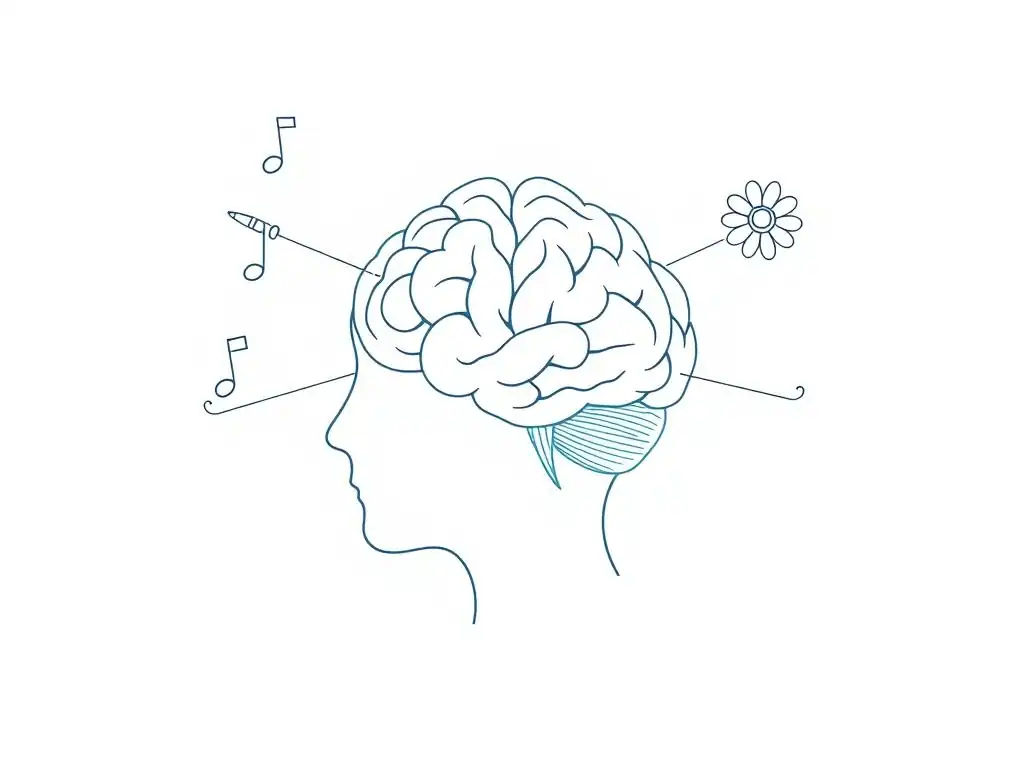
This section delves into sophisticated mindful creative productivity techniques designed to elevate your artistic output and foster a consistent creative flow. We'll move beyond basic mindfulness practices and explore strategies for sustained focus, burnout prevention, and long-term project management, all within a mindful framework. These techniques are particularly useful for individuals seeking to enhance their mindful creative productivity techniques and optimize their artistic workflow.
Techniques for Sustained Creative Focus and Concentration
Maintaining focus, especially during creative endeavors, can be challenging. Distractions abound, and the mind often wanders. However, specific techniques can significantly improve sustained concentration. One powerful approach is the "Pomodoro Technique" combined with mindful breathing. Work in focused 25-minute intervals, followed by a 5-minute mindful break. During these breaks, gently observe your breath, noticing the sensation of air entering and leaving your nostrils. Avoid engaging with your phone or other potential distractions. This structured approach, combined with mindful awareness, helps train your brain to focus more effectively.
Another effective method is incorporating short mindfulness meditations directly into your creative process. Even a 2-3 minute meditation before starting a task can significantly improve concentration. Focus on your breath, body sensations, or a single point of visual attention. This helps clear mental clutter and create a calm, focused state conducive to creative work. Regular practice enhances this ability, making it easier to return to focus when your mind wanders. The key is consistency; even short, regular sessions yield tangible results in improving mindful creative productivity techniques.
Finally, consider the impact of your environment. A clutter-free workspace can dramatically improve focus. Minimize visual distractions, ensure adequate lighting, and maintain a comfortable temperature. These seemingly small details can significantly impact your ability to sustain concentration and enhance your creative process. Experiment with different environments to discover what works best for you. Remember, optimizing your environment is a key component of effective mindful creative productivity techniques.
Strategies for Managing Creative Burnout and Maintaining Inspiration
Creative burnout is a real threat, often stemming from prolonged periods of intense focus and pressure. Recognizing the signs—exhaustion, lack of motivation, irritability—is crucial for prevention. Mindfulness plays a critical role here. Regular self-checks, even brief moments of introspection throughout the day, allow you to gauge your energy levels and adjust your workload accordingly. Are you feeling overwhelmed? Take a break. Is your inspiration waning? Engage in a relaxing activity that rekindles your creative spark.
Prioritizing self-care is paramount. Sufficient sleep, regular exercise, and a healthy diet are not luxuries but necessities for sustained creative output. These practices directly impact your energy levels, mood, and overall well-being, all critical factors in preventing burnout. Incorporate these elements into your daily routine and treat them as essential components of your mindful creative productivity techniques.
Furthermore, actively cultivating inspiration is crucial. Engage in activities unrelated to your creative work—spend time in nature, read books, listen to music, or engage in conversations with inspiring people. These activities can spark new ideas and revitalize your creative energy. Remember, inspiration isn't always found directly in your work; it often emerges from unexpected sources. Consciously seeking diverse experiences is a powerful strategy to combat burnout and maintain a consistent flow of inspiration.
Integrating Mindfulness into Long-Term Creative Projects
Long-term creative projects often demand sustained effort and consistent focus over extended periods. Mindfulness provides invaluable tools for navigating these challenges. Breaking down large projects into smaller, manageable tasks helps prevent feeling overwhelmed. Each task can be approached with mindful attention, focusing on the present moment and avoiding preoccupation with the project's overall scope. This approach promotes a sense of accomplishment as you complete each step, maintaining motivation and momentum.
Regular mindfulness check-ins throughout the project are essential. These brief moments of reflection allow you to assess your progress, identify potential obstacles, and adjust your approach as needed. They also provide opportunities to acknowledge your accomplishments and celebrate your successes, fostering a positive and sustainable creative process. Consistent self-reflection is a cornerstone of effective mindful creative productivity techniques for long-term projects.
Finally, integrating mindfulness into the project's planning phase is crucial. Setting realistic goals, prioritizing tasks effectively, and scheduling regular breaks are all essential for preventing burnout and maintaining a healthy creative flow. Remember, mindful planning is as important as mindful execution. By incorporating mindfulness into every stage of a long-term project, you can significantly improve your chances of success while maintaining your well-being and creative vitality. This holistic approach represents the pinnacle of mindful creative productivity techniques.
Resources and Further Exploration: Deepening Your Mindful Creative Practice
This section provides a curated list of resources to help you delve deeper into the practice of mindful creative productivity techniques and unlock your artistic potential. We've categorized them for easy navigation, focusing on resources that offer practical application and demonstrable results. Remember, consistent practice is key to integrating mindfulness into your creative process.
Recommended Books and Articles on Mindfulness and Creativity
Finding the right resources can significantly impact your journey toward mindful creative productivity. Here are some highly-rated books and articles that explore the intersection of mindfulness and creativity, offering practical exercises and insightful perspectives:
- "The Artist's Way" by Julia Cameron: This classic guide provides a comprehensive 12-week program designed to overcome creative blocks and cultivate a consistent creative practice. It emphasizes morning pages, a powerful mindfulness technique for clearing mental clutter and accessing your inner creative voice. The book's focus on self-reflection and gentle encouragement aligns perfectly with mindful creative productivity techniques.
- "Big Magic: Creative Living Beyond Fear" by Elizabeth Gilbert: This inspiring book encourages readers to embrace their creativity without fear of judgment or failure. Gilbert's approach emphasizes the importance of showing up consistently, a key element of mindful productivity. It's a great read for anyone looking to overcome creative blocks and cultivate a more playful approach to their creative work.
- "Mindfulness for Beginners" by Jon Kabat-Zinn: While not explicitly focused on creativity, this foundational text provides a thorough understanding of mindfulness practices that can be directly applied to creative endeavors. Mastering basic mindfulness techniques lays the groundwork for incorporating mindfulness into any area of life, including creative work.
- Articles on mindful creative practices: Numerous articles explore specific techniques, such as mindful drawing, mindful writing, or mindful music composition. Search for these terms online to find articles that resonate with your creative medium. Look for articles that offer practical exercises and actionable steps, ensuring the information is directly applicable to your creative process.
Online Courses and Workshops for Cultivating Mindful Creativity
Structured learning can provide focused guidance and support in your journey. Several online platforms offer courses and workshops specifically designed to integrate mindfulness into creative practices:
- Coursera and edX: These platforms frequently host courses on mindfulness and creativity taught by leading experts in the field. Look for courses that offer practical exercises and assignments, allowing you to actively apply the concepts learned. Many courses offer certifications upon completion, adding value to your professional development.
- Skillshare and Udemy: These platforms offer a wide array of creative courses, many of which incorporate elements of mindfulness. Look for courses that specifically mention mindfulness or stress management techniques within their curriculum. The variety of courses available allows you to find a program that aligns with your specific creative interests and skill level.
- Workshops and retreats: Many organizations offer workshops and retreats specifically designed to foster mindful creativity. These immersive experiences provide a dedicated space and time for focused practice and deeper exploration of the subject. Check local listings or online directories for opportunities in your area or that offer virtual participation.
Mindfulness Apps and Tools to Support Your Creative Journey
Technology can be a powerful ally in your mindful creative productivity journey. Several apps offer guided meditations, creative prompts, and tools to support your practice:
- Headspace and Calm: These popular mindfulness apps offer guided meditations that can help you cultivate focus, reduce stress, and enhance your creative flow. Specific meditations focused on creativity or overcoming creative blocks can be particularly helpful. Many offer free trials, allowing you to explore their features before committing to a subscription.
- Insight Timer: This app boasts a vast library of guided meditations, including many specifically focused on creativity and artistic expression. Its user-friendly interface and diverse range of content make it a valuable tool for exploring different mindfulness techniques. The app's community aspect can also provide support and motivation.
- Other apps: Explore apps specifically designed for creative journaling, idea generation, or time management. Integrating these tools into your workflow can enhance your mindful creative productivity. Remember to choose apps that align with your specific needs and preferences, avoiding overwhelming yourself with too many tools at once. Start with one or two and gradually add more as needed.
Remember, the key is to find the resources that best suit your learning style and creative needs. Experiment with different approaches and find what resonates with you most. Consistent practice and self-compassion are crucial in integrating mindful creative productivity techniques into your daily life. Enjoy the journey!
Frequently Asked Questions
How can mindfulness improve my creative process?
Mindfulness helps by reducing mental clutter and allowing for a clearer flow of ideas. It fosters a more focused and receptive state of mind, essential for creative breakthroughs.
What are some mindful creative productivity techniques?
Techniques include meditation, mindful breathing exercises, and engaging in activities that fully absorb your attention, like nature walks or mindful drawing. These help to calm the mind and spark creativity.
Is it necessary to be naturally artistic to benefit from mindful creativity?
Absolutely not! Mindful creativity is about cultivating a receptive mindset, regardless of your perceived artistic skill. It's about embracing the process and finding joy in creation, not achieving perfection.
How can I incorporate mindful creativity into my daily routine?
Start small! Dedicate even just five minutes each day to a mindful activity. This could be journaling, sketching, or simply observing your surroundings with focused attention. Consistency is key.
What if I find it difficult to quiet my mind during mindful creative practices?
It's perfectly normal to experience racing thoughts. Gentle redirection of your focus back to your breath or the present moment is key. Practice and patience are crucial for developing this skill. Don't get discouraged!
Final Reflection: Cultivating the Mindful Creative Flow
The intersection of mindfulness and creativity is no longer a niche concept; it's a vital key to unlocking peak performance and genuine fulfillment in our increasingly demanding world. The techniques explored in this article—from mindful breathing exercises to dedicated creative spaces—aren't just trendy additions to a busy schedule; they are fundamental shifts in perspective that can dramatically impact your creative output and overall well-being.
The journey towards mindful creative productivity is a deeply personal one, a continuous process of self-discovery and refinement. It's about cultivating a relationship with your creative process, understanding your unique flow state, and honoring the space between inspiration and execution. As the artist and author Austin Kleon eloquently stated, Show your work. Share your process. Be open about your influences. Be generous with your knowledge.
This openness, fostered through mindful practice, allows for a richer creative experience and a stronger connection to your artistic voice.
Now, consider how you can integrate these mindful creative productivity techniques into your own life. Don't just read about mindfulness; be mindful. Experiment with the exercises outlined, create a dedicated creative space, and most importantly, be patient with yourself. The path to unlocking your artistic potential is a journey, not a destination, and each mindful step you take brings you closer to a more fulfilling and creatively abundant life.
Unleash Your Inner Artist: Start Creating Today!
Thank you for exploring the powerful connection between mindfulness and creativity. We hope you've gained valuable insights into unlocking your artistic potential. Now, let's put that knowledge into practice.
- Embrace a mindful creative practice: Begin with just five minutes today. Find a quiet space, focus on your breath, and let your creativity flow freely, without judgment. Even a simple sketch can be a powerful beginning.
- Share your creative journey: Tell us about your experience! What did you create? How did mindfulness influence your process? Let's inspire each other in the comments below.
- Explore a new creative medium: Step outside your comfort zone! Try a new art form that has always intrigued you—perhaps pottery, painting, or writing poetry—anything that sparks your interest.
Ready to embark on your creative adventure? What's the first mindful step you'll take today?