
Beyond Willpower: Proven Strategies to Break Bad Habits That Stick


Ready to reclaim your time and energy? At UltimateLifeHacks, we're dedicated to providing you with the practical tools and strategies you need to optimize your daily life. This isn't about fleeting motivation; it's about building lasting change. Discover how to break bad habits effectively with our latest article, "Beyond Willpower: Proven Strategies to Break Bad Habits That Stick," and unlock a more productive and fulfilling you. Dive in and learn the secrets to lasting transformation – your future self will thank you.
- Understanding the Habit Loop: Why Willpower Alone Fails to Break Bad Habits Effectively
-
Effective Strategies to Break Bad Habits for Good
- Replace Bad Habits with Good Ones: The Power of Habit Stacking
- Mindful Awareness and Habit Tracking: Monitoring Your Progress and Identifying Setbacks
- Setting Realistic Goals and Expectations: Avoiding Overwhelm and Maintaining Momentum
- Building a Supportive Environment: Seeking Accountability and Encouragement
- Advanced Techniques for Lasting Habit Change
- Maintaining Long-Term Success: Preventing Relapse and Sustaining Positive Habits
- Frequently Asked Questions
- Final Reflection: The Enduring Power of Habit Change
- Unlock Your Habit-Breaking Power
Understanding the Habit Loop: Why Willpower Alone Fails to Break Bad Habits Effectively
Breaking bad habits effectively is a common goal, yet many struggle despite strong willpower. This is because simply relying on willpower is like trying to dam a river with your bare hands – it's unsustainable and ultimately ineffective. True habit change requires understanding the underlying mechanisms driving our behaviors.
This article delves into proven strategies that go beyond sheer willpower, focusing on the science of habit formation and providing actionable steps to break free from unwanted patterns and build a more productive and fulfilling life. We'll explore the habit loop, identify triggers, and understand the role of reward in perpetuating these cycles. By mastering these concepts, you'll learn how to effectively break bad habits and replace them with positive, long-lasting routines, significantly improving your overall well-being and achieving your personal goals.
This approach will equip you with the tools needed to sustainably break free from negative habits and build a more fulfilling life, going beyond the limitations of simple willpower. Let's begin by understanding the neurological processes involved in habit formation.
The Neuroscience of Habit Formation: Understanding the Habit Loop
The brain's reward system plays a crucial role in habit formation. The habit loop, a neurological process, consists of three key components: cue, routine, and reward. The cue is the trigger that initiates the behavior (e.g., stress leading to mindless snacking). The routine is the behavior itself (e.g., eating the entire bag of chips).
The reward is the positive reinforcement that strengthens the loop (e.g., the temporary relief from stress, the pleasurable taste). Repeated cycles solidify the neural pathways, making the behavior automatic and difficult to change with willpower alone. Understanding this loop is the first step to breaking it. The brain seeks efficiency, and habits are the brain's shortcut to navigating daily life.
However, these shortcuts can become detrimental when they involve negative behaviors. By consciously interrupting this loop, we can rewire our brains to form new, positive habits. Consider the following example: a person feels stressed (cue), smokes a cigarette (routine), and experiences temporary stress reduction (reward). This cycle reinforces the smoking habit.
Identifying Your Habit Triggers: Recognizing Patterns and Cues
To effectively break a bad habit, you must first identify its triggers. This involves careful self-reflection and observation. Keep a journal, noting the time, location, emotional state, and any other contextual factors surrounding the habit. For example, do you always reach for chocolate after a stressful day at work? Does scrolling through social media become compulsive when you're feeling lonely?
Pinpointing these triggers is crucial because it allows you to anticipate and prepare for them. By understanding your personal cues, you can develop strategies to avoid or manage them. This might involve changing your environment, modifying your routine, or developing coping mechanisms to address the underlying emotional need. The more precisely you identify your triggers, the more effective your strategies will be in breaking the habit loop. Detailed self-monitoring is key to successful habit change.
The Role of Reward in Habit Reinforcement: Breaking the Cycle of Gratification
The reward aspect of the habit loop is what keeps us coming back for more. It's the positive reinforcement that strengthens the neural pathways associated with the behavior. To break the cycle, you need to find alternative rewards that satisfy the same need without engaging in the negative behavior. For instance, if you crave the emotional comfort of eating junk food, try substituting it with activities like exercise, meditation, or spending time with loved ones. These alternative rewards provide a healthier and more sustainable source of gratification, gradually weakening the association between the cue and the negative habit. It's important to remember that breaking a habit is a process, not an event. There will be setbacks, but persistence and a focus on alternative rewards are key to long-term success. Replacing the reward is crucial; don't just try to suppress the habit, replace the gratification with something equally, or more, satisfying.
Effective Strategies to Break Bad Habits for Good
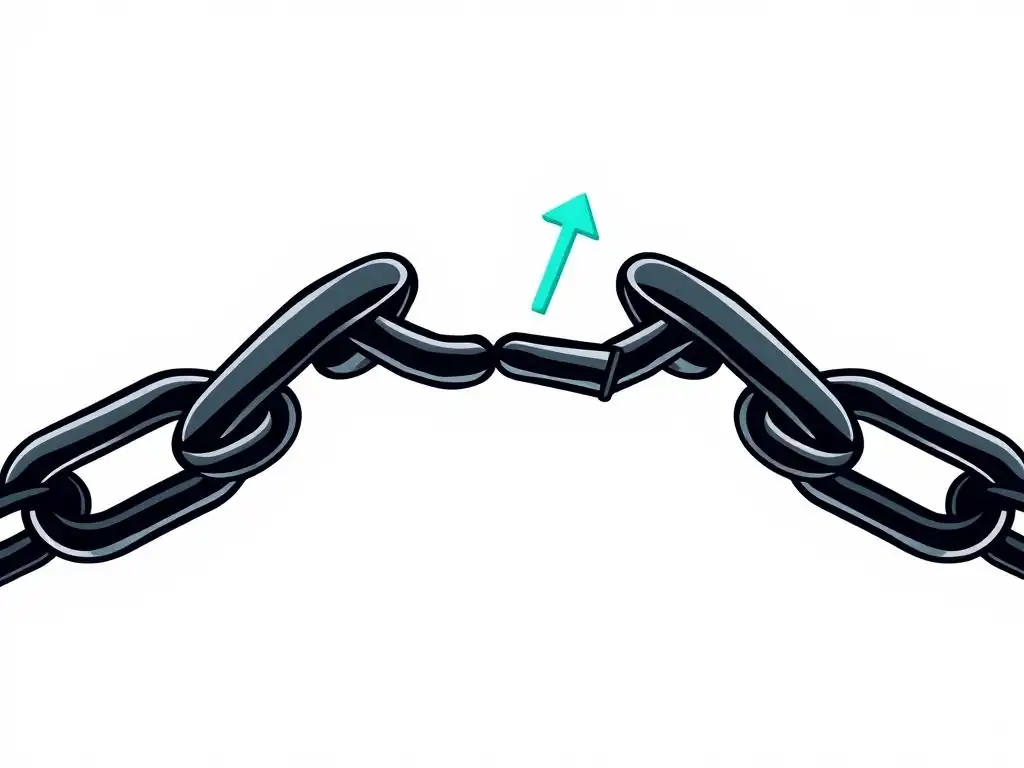
This section delves into practical, evidence-based strategies to effectively dismantle ingrained negative behaviors and replace them with positive, productive routines. Breaking bad habits effectively isn't just about willpower; it's about understanding the mechanics of habit formation and employing targeted interventions. We'll explore techniques proven to increase your chances of success and build lasting change. Remember, consistency is key when you aim to break bad habits effectively.
Replace Bad Habits with Good Ones: The Power of Habit Stacking
Habit stacking is a powerful technique that leverages existing habits to build new, positive ones. Instead of focusing solely on eliminating a bad habit, you strategically attach a desired behavior to an already established routine. For example, if you consistently brush your teeth every morning (existing habit), you could add a new habit, like doing 10 push-ups immediately afterward. The key is to choose a new habit that aligns with your goals and is easily integrated into your current schedule.
This method leverages the power of association; your brain already has a well-established neural pathway for the existing habit, making it easier to create a new pathway linked to it. The more you repeat this pairing, the stronger the connection becomes, making the new habit automatic over time. This approach is particularly effective because it reduces friction and increases the likelihood of adherence. Consider these examples:
- Bad Habit: Checking social media first thing in the morning.
- Good Habit (Stacked): Drinking a glass of water and meditating for five minutes before checking social media.
- Bad Habit: Snacking on unhealthy treats after dinner.
- Good Habit (Stacked): Brushing your teeth immediately after dinner, making it less likely to reach for unhealthy snacks.
The success of habit stacking hinges on choosing an existing habit that you perform consistently and selecting a new habit that is relatively simple and doesn't require significant effort. Start small and gradually increase the complexity or duration of the new habit as it becomes ingrained. Remember, consistency is crucial for breaking bad habits effectively.
Mindful Awareness and Habit Tracking: Monitoring Your Progress and Identifying Setbacks
Mindful awareness is crucial for breaking bad habits effectively. It involves paying close attention to your thoughts, feelings, and behaviors, particularly those that trigger your unwanted habits. This heightened awareness allows you to identify patterns and situations that lead to the habit's activation. A simple way to achieve this is through habit tracking.
Habit tracking involves meticulously recording instances of the bad habit, noting the time, location, and any associated triggers or emotions. This data provides valuable insights into your behavior patterns and helps you understand the underlying causes of your habit. You can use a journal, a spreadsheet, or a dedicated habit-tracking app.
For example, if your bad habit is nail-biting, tracking would involve noting each time you bite your nails, including the time of day, your emotional state, and the environment. Over time, this data might reveal that you tend to bite your nails when feeling stressed or anxious, while working at your computer. This awareness allows you to develop coping mechanisms to manage stress and prevent nail-biting.
This process isn't just about recording negative behaviors; it's also about acknowledging and celebrating successes. Tracking your progress helps maintain motivation and provides concrete evidence of your positive changes. Identifying setbacks is equally important; it allows you to analyze what went wrong and adjust your strategy accordingly. It's a process of continuous improvement and refinement, ultimately leading to breaking bad habits effectively.
Setting Realistic Goals and Expectations: Avoiding Overwhelm and Maintaining Momentum
When attempting to break bad habits effectively, setting realistic goals and expectations is paramount. Trying to change too much too quickly often leads to overwhelm and eventual failure. Instead, focus on small, achievable steps. Breaking a deeply ingrained habit requires patience and persistence.
For instance, if your goal is to reduce screen time, don't aim to eliminate it entirely overnight. Start by reducing your daily screen time by 15 minutes. Once that becomes a habit, reduce it by another 15 minutes, and so on. This gradual approach makes the process less daunting and increases your chances of success.
Furthermore, acknowledge that setbacks will occur. They are a normal part of the process. The key is to view setbacks not as failures, but as opportunities for learning and adjustment. Don't let a single slip-up derail your entire effort. Simply acknowledge it, analyze the contributing factors, and get back on track. Remember, consistency, not perfection, is the key to breaking bad habits effectively and building positive, lasting change. Celebrate your progress along the way, no matter how small, to maintain momentum and motivation.
Building a Supportive Environment: Seeking Accountability and Encouragement
Breaking bad habits is rarely a solo journey. Surrounding yourself with a supportive network significantly increases your chances of success. This doesn't just mean having friends and family who understand your goals; it's about actively building a system of accountability and encouragement. Consider these practical steps:
One highly effective method is to find an accountability partner. This could be a friend, family member, or even a colleague who shares similar goals or struggles. Regular check-ins, whether daily or weekly, can provide the motivation you need to stay on track. The fear of letting someone down can be a powerful motivator, pushing you to stick to your commitments. For example, if you're trying to break the habit of procrastinating, you could agree to meet your accountability partner each evening to discuss your progress on your tasks for the day.
Beyond accountability partners, consider joining a support group or online community focused on breaking specific habits. Sharing your experiences with others facing similar challenges can foster a sense of camaraderie and understanding. Hearing success stories and receiving encouragement from others who "get it" can be incredibly uplifting and inspiring, especially during moments of doubt or temptation. Online forums and social media groups dedicated to habit change are readily available and offer a wealth of support. The shared experience can create a powerful sense of community and provide valuable insights and strategies.
Furthermore, don't underestimate the power of positive reinforcement from loved ones. Let your friends and family know about your goals and ask for their support. Celebrate your successes, no matter how small. This positive reinforcement can significantly boost your confidence and motivation, making the entire process feel less daunting and more rewarding. A simple "I'm proud of you" can go a long way in reinforcing positive behavior and maintaining momentum. Remember to be specific about what kind of support you need—whether it's encouragement, distraction from triggers, or simply a listening ear.
Remember, building a supportive environment isn't just about seeking help; it's about creating a space where you feel understood, encouraged, and empowered to succeed. This proactive approach will substantially improve your ability to effectively break bad habits and build lasting positive changes in your life. The right support system can be the difference between fleeting attempts and lasting success.
Advanced Techniques for Lasting Habit Change
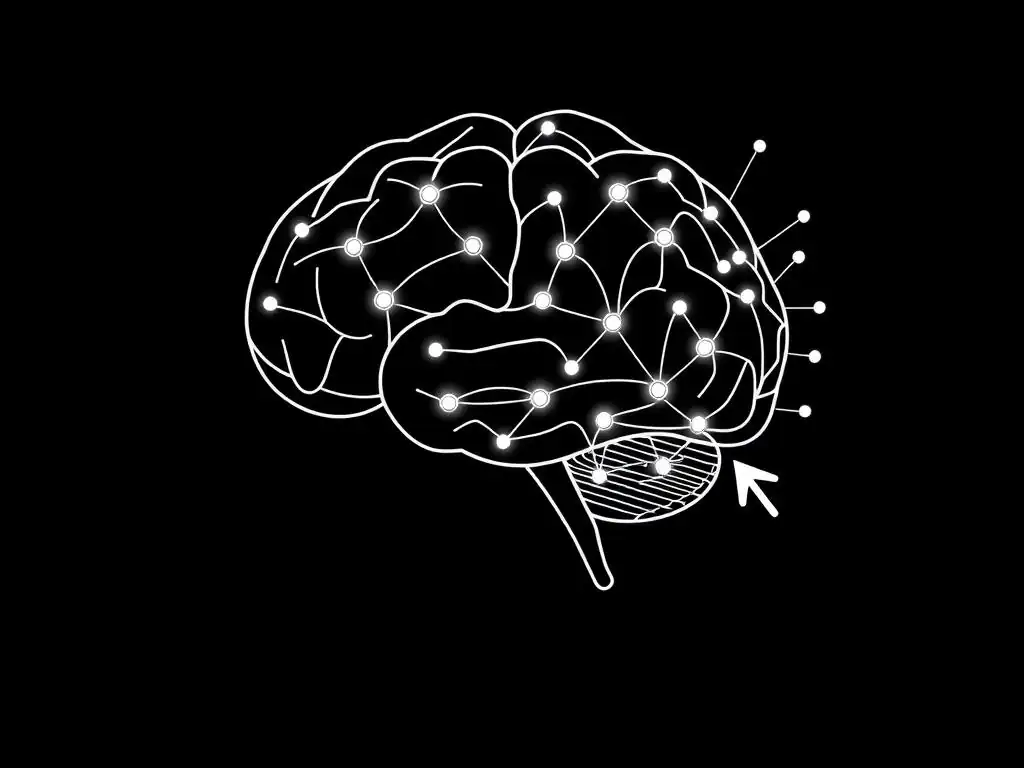
This section delves into sophisticated strategies beyond simple willpower to effectively break bad habits. We'll explore evidence-based therapeutic approaches and mindfulness practices that offer powerful tools for long-term habit modification. Remember, breaking bad habits effectively requires a multifaceted approach, and these techniques can significantly enhance your success.
Cognitive Behavioral Therapy (CBT) Techniques for Habit Modification
Cognitive Behavioral Therapy (CBT) is a highly effective therapeutic approach frequently used to address a wide range of psychological issues, including habit change. CBT operates on the principle that our thoughts, feelings, and behaviors are interconnected. By identifying and modifying negative thought patterns and maladaptive behaviors, CBT helps individuals break free from ingrained habits. A key component of CBT for habit modification involves identifying the triggers and rewards associated with the unwanted behavior.
For example, let's say someone is trying to break the habit of excessive snacking. Through CBT, they would first identify the situations that trigger their snacking, such as stress, boredom, or social gatherings. Then, they would analyze the rewards they receive from this behavior, such as temporary stress relief or a sense of comfort. Once these triggers and rewards are understood, alternative coping mechanisms can be developed. This might involve practicing relaxation techniques to manage stress, engaging in alternative activities to combat boredom, or making conscious choices about healthier snacks during social events.
Another crucial CBT technique is cognitive restructuring. This involves challenging and replacing negative or unhelpful thoughts that contribute to the habit. If the individual frequently thinks, "I deserve this treat after a long day," CBT would help them reframe this thought into something more positive and supportive of their goal, such as, "I'm choosing to nourish my body with healthy foods to feel my best."
This process of identifying, challenging, and replacing negative thoughts is instrumental in breaking the cycle of the unwanted behavior. The consistent application of these techniques, often with the guidance of a therapist, leads to lasting habit change.
| Trigger | Reward | Alternative Coping Mechanism |
|---|---|---|
| Stress | Temporary relief | Deep breathing exercises |
| Boredom | Feeling of comfort | Engaging in a hobby |
| Social gatherings | Social acceptance | Choosing healthier snacks |
Acceptance and Commitment Therapy (ACT) for Managing Habitual Behaviors
Acceptance and Commitment Therapy (ACT) presents a different approach to habit change, emphasizing acceptance rather than avoidance. Unlike CBT which focuses on directly changing thoughts and behaviors, ACT acknowledges that some thoughts and feelings are inevitable and attempts to help individuals manage them effectively rather than trying to eliminate them entirely. This is especially helpful for ingrained habits that are difficult to break immediately.
The core principle of ACT involves identifying values and committing to actions aligned with those values. For instance, if someone wants to break the habit of procrastination but values productivity and achievement, ACT would guide them to focus on actions that align with these values, even if they experience discomfort or negative thoughts. The focus shifts from eliminating procrastination entirely to committing to consistent action despite the internal resistance.
ACT uses mindfulness techniques to help individuals observe their thoughts and feelings without judgment. This allows them to develop psychological flexibility – the ability to be present in the moment, to accept difficult emotions, and to act in accordance with their values. This approach can be particularly effective for breaking habits related to emotional regulation, such as overeating or substance abuse, where emotional avoidance plays a significant role.
By accepting and managing difficult emotions rather than fighting them, individuals can make more conscious choices aligned with their goals. The process helps to break the grip of the unwanted behavior by reducing its power over the individual.
Leveraging Mindfulness Meditation to Break Bad Habits Effectively
Mindfulness meditation plays a crucial role in breaking bad habits effectively by increasing self-awareness and promoting emotional regulation. Through regular practice, individuals become more attuned to their thoughts, feelings, and bodily sensations, making it easier to identify triggers and patterns associated with their unwanted behaviors. This heightened awareness allows for more conscious choices and reduces the likelihood of acting impulsively.
For example, someone struggling with impulsive online shopping might use mindfulness meditation to become more aware of the feelings and thoughts that precede their shopping sprees. By noticing these patterns, they can develop strategies to interrupt the cycle before it leads to compulsive buying. This might involve taking a break, engaging in a different activity, or simply observing the urge without judgment.
Mindfulness also enhances self-compassion. When individuals make mistakes or relapse, mindfulness helps them approach these setbacks with kindness and understanding, rather than self-criticism. This prevents feelings of guilt and shame that can derail progress. The practice fosters a gentler, more supportive approach to habit change, leading to greater resilience and improved long-term success. Regular mindfulness meditation, even for short periods, can significantly improve self-control and reduce impulsive behavior, making it a valuable tool in the arsenal of strategies to break bad habits effectively.
The Importance of Self-Compassion and Forgiveness in Habit Change
Breaking bad habits is a journey, not a sprint. It's filled with setbacks, slip-ups, and moments where you might feel like giving up. This is where self-compassion becomes crucial. Instead of beating yourself up over every mistake – a common pitfall that often leads to abandoning the entire process – cultivate kindness and understanding towards yourself.
Remember that everyone falters; it's part of being human. A single lapse doesn't negate all your previous progress. Acknowledge your imperfections without judgment, and view setbacks as opportunities for learning and growth, rather than reasons for self-criticism. This approach fosters resilience and encourages you to continue striving towards your goals.
Furthermore, practicing self-forgiveness is paramount. We often hold onto past failures, allowing them to dictate our present actions and future expectations. This negativity can significantly hinder progress in breaking bad habits. Actively forgive yourself for past mistakes.
Recognize that you've learned from them and are actively working towards positive change. Holding onto guilt and shame only reinforces negative self-talk and undermines your efforts. By letting go of past transgressions, you free yourself to focus on the present moment and move forward with renewed determination. Imagine the positive impact on your overall well-being when you replace self-criticism with self-acceptance and understanding.
This shift in perspective is a powerful tool in effectively breaking bad habits and building lasting positive changes. Studies have shown that individuals who practice self-compassion experience lower levels of stress and anxiety, which are often significant barriers to successful habit change. Therefore, cultivating self-compassion and self-forgiveness is not just a nice-to-have, but a vital component of breaking bad habits effectively.
Maintaining Long-Term Success: Preventing Relapse and Sustaining Positive Habits

Breaking bad habits effectively isn't a one-time event; it's a journey requiring consistent effort and strategic planning. The initial stages of habit change often involve significant willpower, but long-term success hinges on building sustainable strategies to prevent relapse and solidify positive behaviors. This section focuses on the crucial steps needed to maintain your progress and ensure lasting change. We'll explore practical techniques to manage setbacks, strengthen your resolve, and adapt your approach as needed. Remember, consistency is key to breaking bad habits effectively and building a better you.
Developing Coping Mechanisms for Stress and Triggers
Stress and environmental triggers are frequently cited as major contributors to habit relapse. Identifying and proactively managing these factors is paramount for long-term success in breaking bad habits effectively. Many people find that their old habits resurface during periods of high stress or when exposed to specific cues associated with the undesired behavior.
For example, consider someone trying to quit smoking. Stressful situations might trigger a strong urge to light a cigarette. Similarly, passing a bar or seeing friends smoking could act as powerful visual cues, reigniting the craving. To counteract these triggers, it's crucial to develop healthy coping mechanisms. These could include:
- Mindfulness and Meditation: Practicing mindfulness helps you become more aware of your thoughts and feelings, allowing you to recognize and manage urges before they escalate. Regular meditation can significantly reduce stress levels, making you less susceptible to impulsive behavior.
- Exercise and Physical Activity: Physical activity releases endorphins, which have mood-boosting effects. Exercise can serve as a healthy distraction from cravings and help alleviate stress. Aim for at least 30 minutes of moderate-intensity exercise most days of the week.
- Healthy Diet and Sleep: Nutritional deficiencies and lack of sleep can exacerbate stress and weaken your willpower. Prioritizing a balanced diet and sufficient sleep (7-9 hours per night) is essential for maintaining emotional stability and resisting temptations.
- Progressive Muscle Relaxation: This technique involves systematically tensing and releasing different muscle groups to reduce physical tension associated with stress. It's a simple yet effective method for managing stress-induced cravings.
Building a Strong Support System for Habit Maintenance
Surrounding yourself with a supportive network is crucial for breaking bad habits effectively. Having people who understand your goals and encourage your progress can significantly increase your chances of success. This support system can provide accountability, motivation, and a sense of community during challenging times.
Consider these strategies for building a robust support system:
- Share your goals with trusted friends and family: Let them know you're working on breaking a bad habit and ask for their understanding and support. Their encouragement can make a significant difference.
- Join a support group: Connecting with others facing similar challenges can provide valuable insights, motivation, and a sense of camaraderie. Many online and in-person support groups exist for various habits.
- Find an accountability partner: This could be a friend, family member, or even a professional coach. Regular check-ins with your accountability partner can help you stay on track and prevent relapse.
- Seek professional help: If you're struggling to break a habit on your own, consider seeking guidance from a therapist or counselor. They can provide personalized strategies and support to help you overcome your challenges.
Regular Self-Reflection and Adjustment of Strategies
Breaking bad habits effectively is an iterative process. What works for one person may not work for another, and even the most effective strategies may require adjustments along the way. Regular self-reflection is crucial for identifying what's working, what's not, and how to optimize your approach.
To foster effective self-reflection, consider these practices:
- Keep a journal: Document your progress, challenges, and successes. This provides valuable data for analyzing your patterns and identifying areas for improvement. Note triggers, cravings, and coping mechanisms used.
- Schedule regular check-ins: Set aside time each week or month to review your progress and assess your strategies. Are you meeting your goals? Are there any areas where you need to make adjustments?
- Don't be afraid to experiment: If a strategy isn't working, don't be afraid to try something different. There's no one-size-fits-all approach to habit change. Experiment with different techniques until you find what works best for you.
- Celebrate your successes: Acknowledge and celebrate your accomplishments, no matter how small. This positive reinforcement will help you stay motivated and maintain momentum. Remember, breaking bad habits effectively is a marathon, not a sprint! 🎉
Celebrating Successes and Learning from Setbacks
Breaking bad habits is a journey, not a sprint. It's crucial to acknowledge and celebrate even the smallest victories along the way. This positive reinforcement strengthens your commitment and motivation. Instead of focusing solely on the ultimate goal, break it down into smaller, manageable milestones. Reaching each milestone provides a sense of accomplishment, boosting your confidence and reinforcing the positive changes you're making.
For example, if your goal is to quit smoking, celebrate each smoke-free day, week, and month. Reward yourself appropriately – not with something that undermines your progress, of course! A celebratory dinner, a new book, or a relaxing massage can all be effective rewards. Remember, celebrating successes isn't about indulgence; it's about acknowledging your hard work and reinforcing positive behavior.
Setbacks are inevitable. Don't let a slip-up derail your entire progress. View setbacks as learning opportunities, analyzing what triggered the lapse and how you can prevent it in the future. Perhaps you were stressed, tired, or faced a social situation that tempted you.
Identifying these triggers allows you to develop coping mechanisms and strategies to navigate similar situations in the future. Maintaining a journal can be incredibly helpful in tracking your progress, identifying triggers, and analyzing setbacks. It allows you to see patterns and understand your behavior better. For instance, if you notice that you tend to overeat when stressed, you can develop a stress-management plan that involves exercise, meditation, or spending time with loved ones instead of resorting to food.
Remember, progress is not linear; it's a process of learning, adapting, and growing. Embrace the setbacks, learn from them, and keep moving forward. The key is to not let a single setback define your journey. Focus on the overall progress and maintain your commitment to your goals.
Frequently Asked Questions
What's the biggest myth about breaking bad habits?
Many believe sheer willpower is enough. The truth is, lasting change requires a multi-faceted approach, combining strategies that address the underlying causes and triggers of the habit. Willpower alone is unsustainable.
How can I identify my bad habits' triggers?
Pay close attention to your environment and emotions. Keep a journal noting when you engage in the habit, what preceded it, and how you felt. Identifying triggers is crucial to developing effective counter-strategies.
Are there any quick fixes for breaking bad habits?
Unfortunately, no. Breaking bad habits effectively takes time and consistent effort. Focus on small, manageable changes rather than trying to overhaul everything at once. Sustainable change is gradual.
What role does reward play in breaking bad habits?
Positive reinforcement is key. When you resist a bad habit, reward yourself with something you enjoy. This helps strengthen the desired behavior and makes the process more motivating.
What if I slip up? Does that mean I've failed?
No! Setbacks are a normal part of the process. Don't let a slip-up derail your progress. Learn from it, adjust your strategy, and get back on track. Consistency is more important than perfection.
Final Reflection: The Enduring Power of Habit Change
The battle against ingrained behaviors isn't a war of willpower alone; it's a strategic campaign requiring understanding, planning, and consistent effort. Breaking bad habits effectively is not just about self-discipline; it's about rewiring our neural pathways and creating sustainable positive change. This understanding is more crucial now than ever, in a world saturated with instant gratification and constant distractions.
The journey of habit change is a deeply personal one, revealing the intricate interplay between our environment, our mindset, and our actions. It's a process that demands self-compassion and a willingness to adapt our strategies as we learn what works best for us. The impact of successfully breaking negative patterns extends far beyond individual well-being; it ripples outwards, influencing our relationships, our productivity, and our overall sense of self. The chains of habit are too light to be felt until they are too heavy to be broken.
- Warren Buffett. This quote highlights the insidious nature of bad habits, but also underscores the importance of proactive intervention before they become insurmountable.
You now possess the knowledge and tools to embark on your own journey of positive transformation. Don't be discouraged by setbacks; view them as opportunities for learning and refinement. Identify one habit you wish to change, apply the strategies discussed in this article, and commit to consistent action. Remember, the power to reshape your life, one habit at a time, lies within you. Embrace the challenge, celebrate your progress, and watch as you build a stronger, healthier, and more fulfilling future.
Unlock Your Habit-Breaking Power
Thank you for exploring proven strategies to overcome stubborn bad habits! You're now equipped to make real, lasting change. Ready to begin?
- Identify your primary target habit: Take a few minutes to pinpoint the habit you're most prepared to tackle. Write it down, visualize your success, and prepare to break free!
- Share your commitment: Tell a friend or family member about your goal. Their support and accountability will be invaluable.
- Join our habit-building community forum: Connect with others on their journey—share your progress and encourage each other. A supportive community can make all the difference.
What's one small step you can take today to start breaking that habit? Share your ideas in the comments!