Avoid Overpacking Nightmares: The Essential Guide to Packing Light
🤔 Conquer travel chaos! Our Pack Light Travel Essentials Guide helps you streamline your luggage, maximizing space and minimizing stress. Discover simple…
Read article
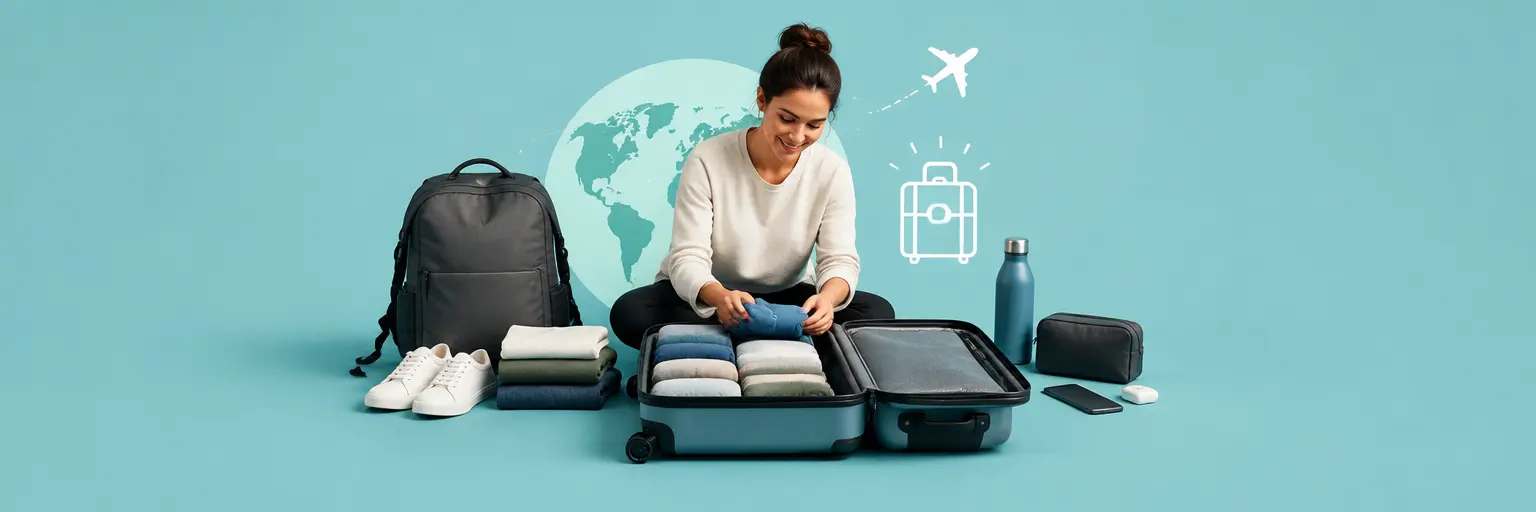
Unlock the secret to stress-free travel with smart, minimalist packing strategies that save time, cut baggage fees, and eliminate overpacking regret. Whether it’s a weekend getaway or a month-long adventure, mastering efficient packing means choosing versatile pieces, using compression techniques, and planning outfits around a capsule wardrobe. Discover pro-level folding methods, travel-size toiletry hacks, and space-saving gadgets that let you carry less while having more options. Packing light isn’t about sacrifice—it’s about intentional choices that boost mobility and reduce clutter. From rolling vs. folding debates to the ultimate carry-on checklist, these actionable tips help you streamline your luggage, avoid checked-bag delays, and roam freely. Embrace the less-is-more philosophy and transform every trip into a smoother, lighter, and more enjoyable experience.
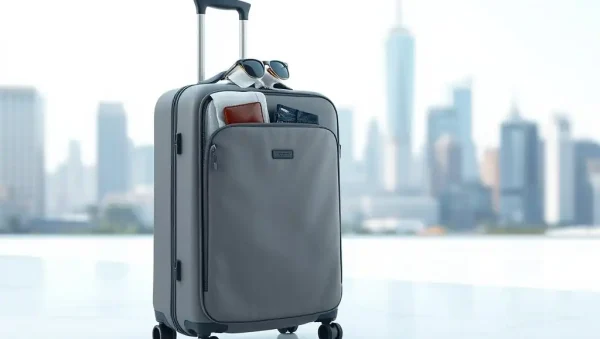
🤔 Conquer travel chaos! Our Pack Light Travel Essentials Guide helps you streamline your luggage, maximizing space and minimizing stress. Discover simple…
Read article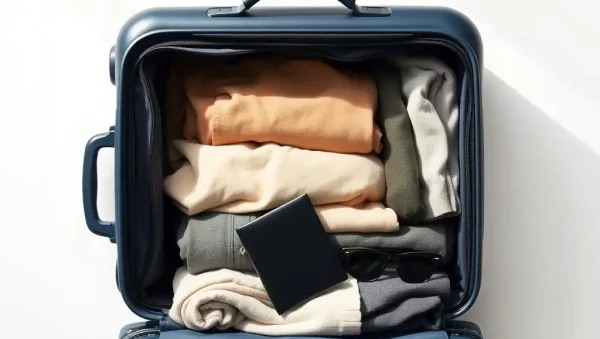
😊 Conquer travel chaos! Mastering travel light packing tips means more adventure and less baggage. Learn our expert strategies for streamlined packing,…
Read article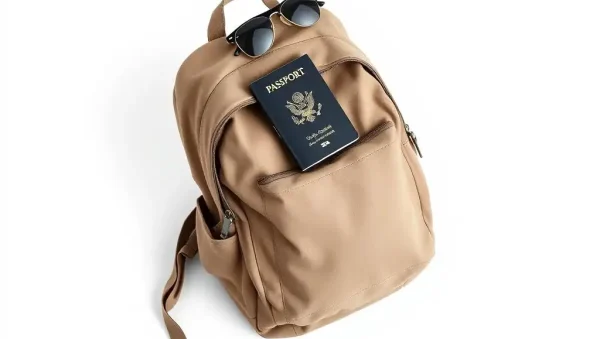
🤔 Master the art of minimalist packing! Our expert pack light travel tips will transform your trips, saving you time, money, and…
Read articleWelcome to the art of traveling with less while gaining more freedom. Packing light isn’t about sacrifice—it’s about smart choices, versatile gear, and a streamlined mindset. Whether you’re a weekend wanderer or a globe-trotting minimalist, this subcategory transforms your suitcase into a precision tool. You’ll learn to cut bulk, boost adaptability, and never pay checked-bag fees again. Let’s unpack the secrets to a lighter load and a heavier sense of adventure.
Mastering packing light starts with a few non-negotiable rules: choose a carry-on sized bag, plan outfits around a color palette, and commit to the “one of each” rule for bulky items like jackets or shoes. The goal is to reduce decision fatigue while keeping every item multi-functional. Think of your luggage as a capsule wardrobe—each piece must earn its place by serving at least two purposes, from a scarf that doubles as a blanket to sandals that work for hiking and dining.
Beyond the bag itself, you’ll adopt a layering strategy that replaces heavy sweaters with thin, insulating base layers. Roll your clothes instead of folding—this saves up to 30% space and minimizes wrinkles. Use packing cubes to compress and separate categories, but avoid overfilling. Remember, the best packing system is one that lets you access any item without unpacking everything. These principles turn chaos into calm, even on multi-week trips.
The secret to packing light lies in a curated, mix-and-match wardrobe. Start by choosing 3–4 neutral base colors (like black, navy, beige, and white) and add one accent color. Each top should pair with every bottom, and each layer should transition from day to night. Aim for 5–7 days of clothing, then plan a mid-trip laundry session—even a sink wash works. Choose wrinkle-resistant fabrics like merino wool, nylon, or polyester blends that dry quickly and resist odors.
Footwear is the heaviest item, so limit yourself to two pairs: one comfortable walking shoe and one dressier option that can pass for most occasions. Wear your heaviest pair during transit. For accessories, bring one scarf, one belt, and minimal jewelry. You’ll be surprised how many compliments you get when you recombine the same pieces into fresh outfits. This approach not only saves space but also teaches you to appreciate what you truly need.
Liquids and electronics are the usual culprits of overweight bags. Switch to solid toiletries—shampoo bars, solid deodorant, and toothpaste tablets—which are TSA-friendly and take up almost no space. Use refillable travel bottles only for essentials like sunscreen and moisturizer. Keep your kit under 1 liter to fit easily in a clear bag. For tech, carry one universal charger, a power bank under 100Wh, and a multi-port adapter. Ditch the laptop if possible; a tablet or smartphone can handle most tasks.
To reduce cables, invest in a multi-cable that includes USB-C, Lightning, and micro-USB. If you need headphones, choose noise-canceling earbuds instead of bulky over-ear models. Pro tip: pack all tech in a single pouch with your most-used items accessible in the outer pocket. For workouts, bring a foldable water bottle and a quick-dry towel. These small adjustments cut significant weight while keeping you connected and refreshed.
Efficient packing is 50% what you bring and 50% how you arrange it. Use compression cubes to flatten clothes to half their volume, and use the “burrito method” for delicate items—wrap them in a t-shirt to prevent snagging. Fill every void: stuff socks inside shoes, and use small zip bags for chargers, jewelry, and documents. Keep a dedicated “dirty laundry” bag made of mesh to isolate used items without contaminating clean ones.
Place heaviest items (shoes, toiletries) at the bottom near the wheels to maintain balance and easy rolling. Use the front flap for daytime essentials like a jacket, snacks, and travel documents. Label your cubes by category (e.g., “tops,” “bottoms,” “undergarments”) to find things instantly. For business trips, use a folder insert that keeps shirts crisp. Implement a “one in, one out” rule when shopping on the road—if you buy a souvenir, donate an old item to keep your bag light.
No two trips are alike, and your packing strategy should adapt accordingly. For a city break, prioritize comfortable shoes, a daypack for sightseeing, and a lightweight scarf for evenings. For a beach holiday, swap bulky jeans for quick-dry shorts and pack reef-safe sunscreen. Outdoor adventures demand technical layers—a thermal base, fleece, and a waterproof shell—plus a compact sleeping bag liner if needed. Business trips call for wrinkle-proof blazers and a foldable garment bag, while family travel requires a shared toiletry kit and reusable snack containers.
For extended travel like a month in Europe, plan to do laundry every 5–7 days and choose accommodations with in-unit washers or nearby laundromats. Digital nomads should prioritize a durable backpack with a laptop compartment and gear loops. Always check weather forecasts and seasonality—pack a thin rain jacket even in summer. The golden rule: if it’s only for “maybe,” leave it behind. With practice, you’ll master the delicate balance of being prepared yet unencumbered.
Before you zip up, run through this quick checklist: Do all items fit in one carry-on? Can I layer for extreme temperature swings? Do I have duplicates of essential medications? Are cables and chargers in one pouch? Is my heaviest item on my body? Adopt the “if in doubt, leave it out” mantra—most travelers use only 20% of what they pack. Practice a test pack a few days early to adjust weight and identify gaps. Once on the road, you’ll appreciate the freedom of moving effortlessly through airports, buses, and cobblestone streets.
The mindset shift is crucial: packing light isn’t about deprivation, but about trading possessions for experiences. You’ll spend less time managing luggage and more time exploring. You’ll also save money on baggage fees and enjoy easier mobility. Start small—pack for a weekend, then expand to a week. Soon, you’ll be the envy of fellow travelers who struggle with oversized suitcases. Remember, the best souvenir is the feeling of lightness and adventure.
Pack 5–6 tops, 3 bottoms, and 2 dresses or formal options, which give you dozens of combinations. Plan for one mid-week laundry session. Include 7 pairs of underwear and socks—these are small, so extra is fine. Choose layered pieces that mix, match, and adapt to weather changes, ensuring you never feel repetitive or underdressed.
The most effective trick is to wear your heaviest clothing and shoes during transit. A jacket, boots, or a heavy sweater can weigh 2–3 pounds, which is instantly removed from your bag. Also, replace bulky denim with lightweight chinos or travel pants, which cut weight by nearly half without sacrificing style.
Packing cubes are a game-changer for organization, but they consume about 10% of your bag’s volume. Choose compressible cubes that flatten clothes with a zipper, saving 20–30% more space than folding alone. Use them to separate categories, but skip them for soft items like t-shirts that you can roll into gaps.
Absolutely—winter packing light relies on layers. Bring a thermal base layer, a mid-weight fleece, and a compact, packable down jacket. Pair with a thin merino sweater and a waterproof shell. Wear your heaviest coat during transit. This system is 2–3 times warmer than one thick coat while taking half the space.
Use solids—shampoo bars, conditioner bars, and solid deodorant—which have no liquid restrictions. For liquid essentials like toothpaste or face wash, transfer them to 1-ounce travel bottles, all inside a clear quart-sized bag. Alternatively, buy travel-sized versions at your destination to avoid the hassle entirely.