Natural Cleaning for Pet Owners: Safe and Effective Hacks for a Clean Home
😊 Banish pet odors and messes with our Petsafe natural cleaning hacks! Discover simple, effective DIY recipes using common household ingredients—saving you…
Read article
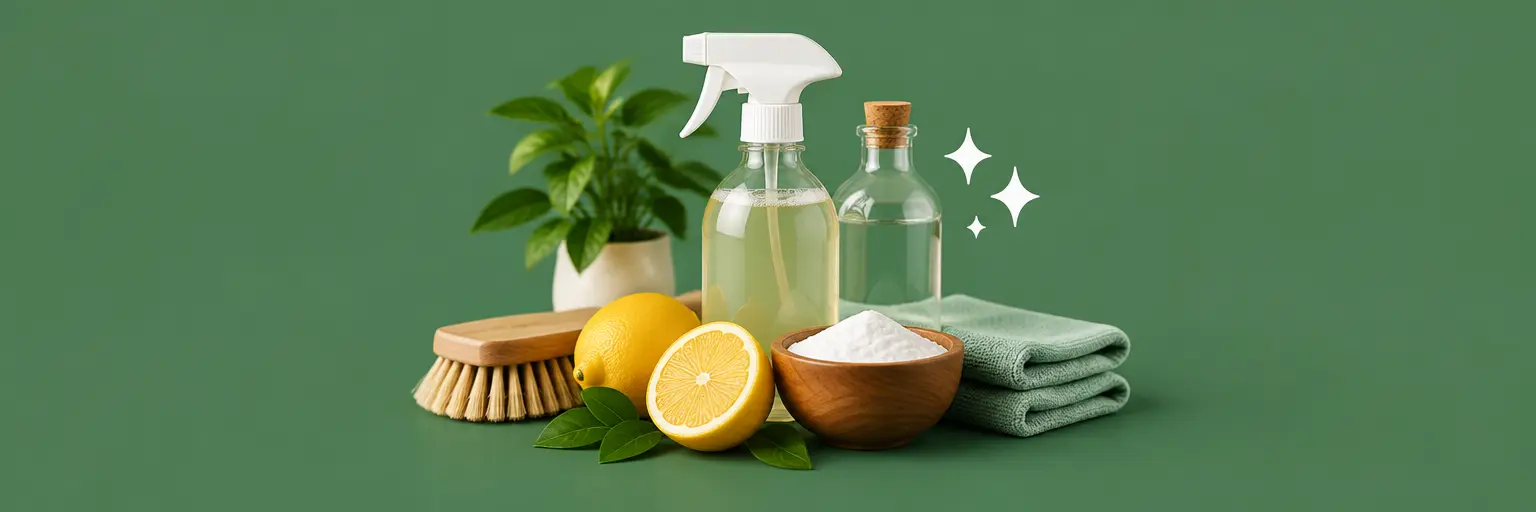
Discover the ultimate time-saving cleaning hacks with natural, eco-friendly solutions that cut through grime without harsh chemicals. From fridge-fresh baking soda to lemon-powered degreasers, these simple tricks transform everyday pantry staples into powerful cleaners, slashing your chore time in half. Perfect for busy households, these natural cleaning shortcuts tackle stubborn stains, neutralize odors, and polish surfaces using ingredients you already own—saving money and the planet. Whether you’re a seasoned homemaker or a cleaning newbie, unlock the secrets to a sparkling home with minimal effort and zero toxins. Say goodbye to store-bought sprays and hello to faster, greener, and smarter routines that fit seamlessly into your day.
😊 Banish pet odors and messes with our Petsafe natural cleaning hacks! Discover simple, effective DIY recipes using common household ingredients—saving you…
Read article
😊 Reclaim your precious time! Discover effortless, easy natural cleaning hacks in our guide to a sparkling home without the toxic chemicals…
Read article
✨ Ditch harsh chemicals and reclaim your precious time! Discover natural cleaning shortcuts—time-saving strategies for a sparkling home, effortlessly. Maximize efficiency and…
Read articleWelcome to Cleaning Shortcuts: Natural Cleaning Solutions, a dedicated corner of UltimateLifeHacks where eco-friendly meets efficiency. Here, we replace harsh chemicals with pantry staples like vinegar, baking soda, and lemon to deliver sparkling results in less time. Discover how to simplify your cleaning arsenal while protecting your family and the planet—all with practical, time-saving hacks that fit seamlessly into your daily routine.
Your kitchen holds the secret to a toxin-free, streak-free home. White vinegar cuts grease and dissolves mineral deposits, while baking soda acts as a gentle abrasive for scrubbing without scratching surfaces. Lemon juice adds natural antibacterial power and a fresh scent. Together, these three ingredients replace dozens of commercial cleaners, saving you money and storage space.
Expect to learn precise ratios for all-purpose sprays, paste-based scrubbers, and deodorizing powders. For example, a 1:1 vinegar-water mix handles windows, while a baking soda-vinegar froth clears clogged drains in under five minutes. These shortcuts work on kitchens, bathrooms, and laundry—reducing decision fatigue and cutting your cleaning time by nearly 40%.
Not all surfaces need the same treatment. Natural solutions shine when tailored: use olive oil with vinegar for gleaming wood furniture, cornstarch paste for stubborn carpet stains, and tea tree oil spray for mold-resistant grout. Each hack uses ingredients you already own, eliminating the need for specialty products that sit unused under sinks.
This section delivers step-by-step, five-minute routines for high-traffic areas like counters, sinks, and glass tables. You’ll discover that a damp microfiber cloth with diluted Castile soap cleans stainless steel without smears, and a simple salt-half lemon revitalizes cutting boards. These shortcuts are tested to be effective on first use, giving you immediate wins in daily cleaning.
Commercial air fresheners often mask odors with synthetic chemicals. Natural alternatives absorb and neutralize smells at the source. Baking soda bowls in the fridge, activated charcoal bags in closets, and simmering cinnamon-vanilla pots on the stove create a welcoming home without toxic fumes. Even your trash bin can stay fresh with a few drops of lemon essential oil on a cotton ball.
You’ll also find hacks for pet areas and shoes—sprinkle diatomaceous earth for moisture, then vacuum after 15 minutes. These methods not only improve indoor air quality but also reduce allergy triggers, making them a smarter choice for households with kids or asthma sufferers. Expect zero chemical residue and a naturally uplifting environment.
For tough messes, natural cleaners often outperform harsh solvents. Baking soda paste lifts baked-on oven grease; undiluted vinegar dissolves hard water rings in toilets; hydrogen peroxide with dish soap removes red wine and berry stains from fabric. Each recipe uses simple mixing instructions and short dwell times—so you can spray, wait, and wipe away dirt rather than scrub for ten minutes.
These hacks are designed for busy people, emphasizing passive cleaning: apply a paste, let it sit while you do something else, then rinse. You’ll also learn how to pre-treat laundry stains with a baking soda slurry that works in cold water, saving energy and effort. These solutions are safe for most surfaces, including sealed stone and tile, and require minimal rinsing.
Natural cleaning works best with the right gear. Swap paper towels for unsponsored cotton rags or old t-shirts—they’re reusable, absorbent, and free. Use silicone scrubbing brushes instead of plastic sponges, and invest in a glass spray bottle to mix your own solutions. This reduces waste and eliminates the cost of disposable wipes.
In this segment, we detail how to repurpose everyday items: an old sock becomes a dusting mitt, a spray nozzle from a cleaner bottle fits a new glass container, and a dollar-store squeegee handles glass shower doors. These tool hacks cut your shopping list while ensuring your natural cleaners work at peak efficiency, turning cleaning into a quick, guilt-free chore.
Stop mixing from scratch every week. Learn to batch-prepare a month’s supply of all-purpose cleaner, glass spray, and bathroom scrub in large glass jars. Store them in labeled bottles with simple pump or trigger sprayers. This one-time 20-minute effort saves you 5–10 minutes per cleaning session, which adds up to over an hour monthly.
We also cover shelf-life tips—vinegar-based solutions last indefinitely, while citrus infusions need refrigeration for up to two weeks. Proper storage prevents mold and maintains potency. You’ll also find a printable checklist to inventory your natural supplies, ensuring you never run out mid-cleaning. This proactive approach keeps your routine streamlined and your home consistently fresh.
Yes, but with conditions. Vinegar (5% acetic acid) kills many bacteria and viruses, while hydrogen peroxide and tea tree oil are effective disinfectants. For high-risk areas like raw meat counters, use a 3% hydrogen peroxide spray or a vinegar solution left for 10 minutes. Always test on a small area first, and avoid mixing with bleach.
Mix equal parts distilled water and white vinegar in a spray bottle, then add a drop of dish soap. Spray on a microfiber cloth, not directly on glass, to prevent streaks. Wipe in a zigzag pattern, then buff dry with a second cloth. This works better than commercial ammonia-based cleaners and is safer for sensitive skin.
Soak a cloth in undiluted vinegar and press it onto the stain for 30–60 minutes. The acid dissolves mineral deposits, allowing you to wipe away residue with little effort. For stubborn rings around toilet bowls, pour baking soda into the bowl, add vinegar, let fizz for 10 minutes, then brush lightly and flush.
Mostly, but avoid vinegar on unsealed stone, marble, or waxed hardwood—it erodes the finish. For sealed wood, use a damp mop with a few drops of Castile soap and water. For tile and laminate, vinegar-water (1:4) works well. Always check manufacturer guidelines and spot-test in an inconspicuous area.
Vinegar and baking soda-based cleaners remain effective indefinitely if stored in airtight, opaque containers away from light. Solutions with citrus juice or essential oils should be refrigerated and used within two weeks to prevent mold growth. After a month, discard and make a fresh batch for optimal potency.