Speed Cleaning Techniques: Master the Art of Quick Home Tidiness
Welcome to Cleaning Shortcuts, your ultimate guide to transforming overwhelming chores into swift, manageable sprints. Here at UltimateLifeHacks, we understand that time is your most precious resource. These speed cleaning techniques are crafted to help you achieve a visibly cleaner home in minutes, not hours, using strategic order, smart tools, and minimal effort. Discover how to optimize your routine, reduce stress, and reclaim your weekends from the tyranny of dust and clutter. Let’s dive into the most efficient, battle-tested hacks that professional cleaners swear by.
🧼 The 5-Minute Room Reset: High-Impact Zones First
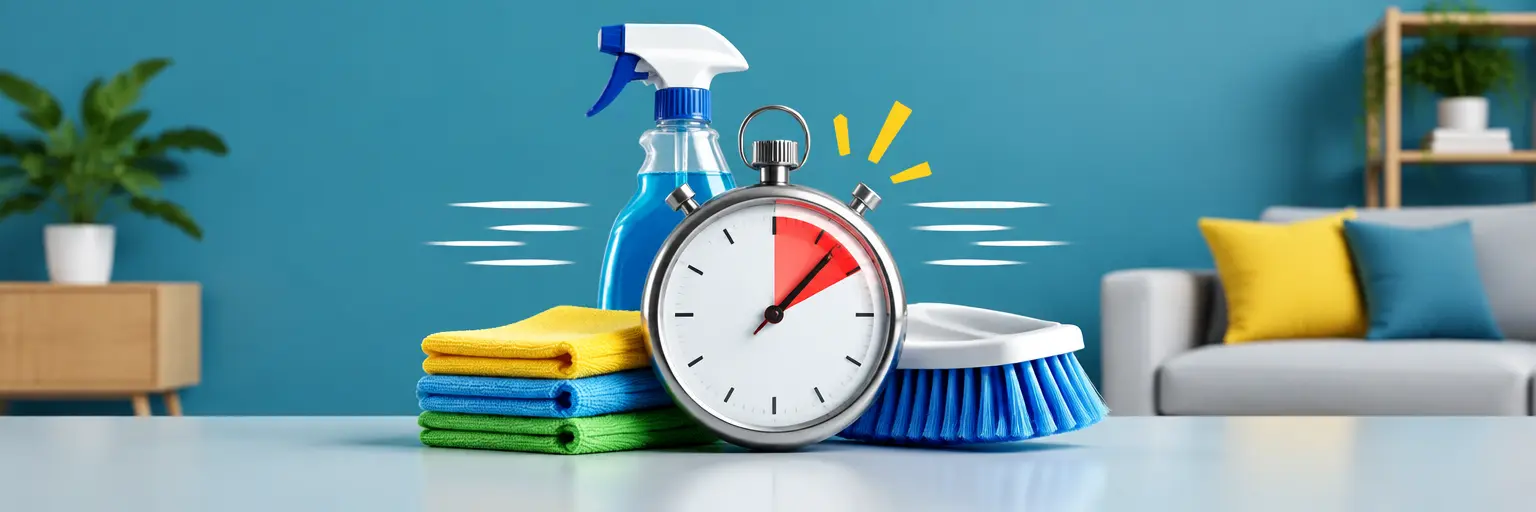
When time is tight, focus on the 20% of surfaces that create 80% of the visual mess. This technique prioritizes entryways, counters, and the main living area. Start by grabbing a caddy with all-purpose cleaner, microfiber cloths, and a trash bag. Toss visible trash, collect stray items into a basket for later sorting, and wipe down only the most prominent surfaces—like kitchen islands or bathroom counters. Avoid deep-cleaning corners or baseboards. The goal is visual transformation, not perfection. You’ll be amazed how a disciplined five-minute session can make your home feel instantly refreshed and livable.
Implementing this “reset” daily prevents the buildup that turns a quick wipe into a marathon. Use a timer to enforce speed—it tricks your brain into focusing on swift, broad strokes rather than meticulous scrubbing. Keep your reset caddy stored in a central, accessible spot to eliminate prep time. For maximum efficiency, use a spray bottle with a dilution of vinegar and water for light touch-ups, reserving stronger degreasers for zones with visible grime. This habit alone can cut your weekly full-cleaning time by half, making it a cornerstone of any speed-cleaning repertoire.
🚿 The Shower Clean-As-You-Go Method
One of the most hated chores becomes negligible with this trick: keep a squeegee or spray bottle of daily shower cleaner inside the stall. After every shower, spend 30 seconds spraying and wiping the walls and glass while you’re already wet. This prevents soap scum, hard water stains, and mold from ever forming. Pair this with a weekly “deep scrub” of just one tile section to maintain a sparkling finish. This proactive approach eliminates the need for heavy-duty chemical scrubbing sessions, saving you up to 45 minutes per week.
For speed, buy an extendable sponge with a built-in handle to reach high areas without stretching or bending. Alternatively, use a spray-on rinse agent designed to break down soap residue instantly—no scrubbing needed. The key is consistency; you are redistributing two minutes daily to avoid a thirty-minute ordeal each Saturday. This method also reduces your exposure to harsh cleaning chemicals, creating a healthier bathroom environment. The result is a continuously clean shower that’s always guest-ready, with zero last-minute panic before visitors arrive.
🔄 The “One-Pass” Kitchen Declutter
The kitchen is often the biggest time sink. Speed cleaning here means doing a single, efficient loop around the perimeter. Start at the sink: load dishes into the dishwasher immediately after cooking, scraping scraps into the bin as you go. As you move clockwise, wipe down the stovetop with a wet paper towel to catch grease on the spot. Next, clear the counter by putting small appliances into cupboards or a designated shelf—out of sight, out of mind. Finally, sweep or use a dry microfiber mop on the floor, catching crumbs in one smooth motion from the back to the doorway.
Use a “train of thought” method: gather all cleaning supplies in an apron pocket before starting your loop, so you never retrace steps. For oven spills, sprinkle salt immediately after cooking—it absorbs grease and wipes up in seconds once cool. Empty your dish rack or drying mat right before you finish so nothing sits overnight. This streamlined circular motion reduces wasted energy and keeps your kitchen café-worthy in under ten minutes. The psychological boost of seeing a sparkly kitchen daily encourages healthier cooking habits, as you’re never dreading post-meal cleanup.
🧺 Laundry Speed Layering: Fold-Dry-Store in 15 Minutes
Laundry pile-up causes mental clutter. Speed layering means combining washing, drying, and folding into seamless intervals. Set a timer for 15 minutes and focus solely on folding and sorting a single load as soon as the dryer finishes—warm clothes resist wrinkles better, eliminating the need for ironing. Use a three-bin sorting system (athleisure, workwear, delicates) placed in your laundry room or bedroom to streamline the process. Haunt your hallway by placing a hamper near the main traffic area so you’re not hunting for dirty clothes later.
For extra speed, fold “on the go”: stack t-shirts flat, roll towels, and keep socks in mesh bags so they come out pre-paired. Never sleep on the dryer—it encourages re-washing fresh clothes to de-wrinkle them, wasting water and time. If you’re short on space, use a vacuum-style space-saving bag for off-season items, freeing up drawer space and reducing sorting time. This layered approach turns a chore that typically eats an hour into a quick productivity sprint, leaving you free for more rewarding tasks.
🪟 Reverse-Order Surface Intel: Windows, Mirrors & Floors
For larger rooms, cleaning “top to bottom” is non-negotiable for speed—dust and debris fall from high surfaces onto lower ones. Start by dusting ceiling fans and shelves with a microfiber duster on a telescopic handle, then wipe mirrors and glass with a streak-free glass spray. Finally, vacuum or sweep the floor last. This avoids the fatal mistake of cleaning the floor first and re-dusting it later. Use a spray bottle with a 50/50 water and rubbing alcohol mix for mirrors—it dries crystal clear in seconds, skipping the tedious buffing pass.
To speed up floor work, use a cordless stick vacuum with a battery that lasts at least 30 minutes, allowing you to complete multiple rooms in one charge. For hardwood or tile, a microfiber flat mop with a washable pad is faster and lighter than a traditional mop and bucket. Fold the pad accordion-style to suction debris into a pile, then sweep it up with a dustpan. This vertical strategy ensures you never backtrack, cutting room-cleaning time by up to 40%. Your rooms will shine with a professional finish because the order ensures no surface is missed.
Frequently Asked Questions
What is the single most effective speed cleaning technique?
The highest-impact technique is the “5-Minute Room Reset” focusing on visible clutter and high-touch surfaces. Using a timer and a caddy with essentials, you eliminate trash, stash stray items, and wipe counters swiftly. This creates instant visual order, reducing anxiety and the urge to procrastinate on fuller cleaning later.
How often should I deep-clean if I use speed techniques daily?
Speed cleaning delays the need for deep cleaning but doesn’t eliminate it. Aim for a 30-45 minute deep clean (baseboards, under furniture, inside appliances) every two to four weeks. Daily quick passes prevent dirt buildup, so deep sessions become maintenance rather than monumental tasks, saving cumulative hours.
Can speed cleaning work for large families or shared spaces?
Yes, but it requires distribution. Assign each family member a 5-minute zone reset per day and use a shared timer. Keep a “clean-start” caddy in every common area. The key is to lower the standard for daily tidiness—focus on clear floors and counters, letting deep details wait for weekly sessions.
What tools are essential for a speed cleaning kit?
Invest in a cordless vacuum, microfiber cloths, a squeegee, a spray bottle with multi-surface cleanser, a dustpan with a long handle, and a folding caddy. Also include rubber gloves and a small brush for grout. These cover 95% of quick tasks without hauling heavy equipment around.
Is there a trick to make cleaning feel less overwhelming?
Pair speed cleaning with music, a podcast, or a 10-minute timer for gamification. Break tasks into “power bursts” of 3-5 minutes each. Also, reward yourself with a break after each completed zone. Shrinking the mental scope from “clean the house” to “clean the counter” reduces decision paralysis and boosts momentum.