Don't Throw It Away, Fix It: DIY Furniture Repairs That Will Save You Money
😊 Broken chair? Wobbly table? Don't replace it! Learn simple DIY furniture repairs to dramatically slash costs. This guide reveals easy fixes…
Read article
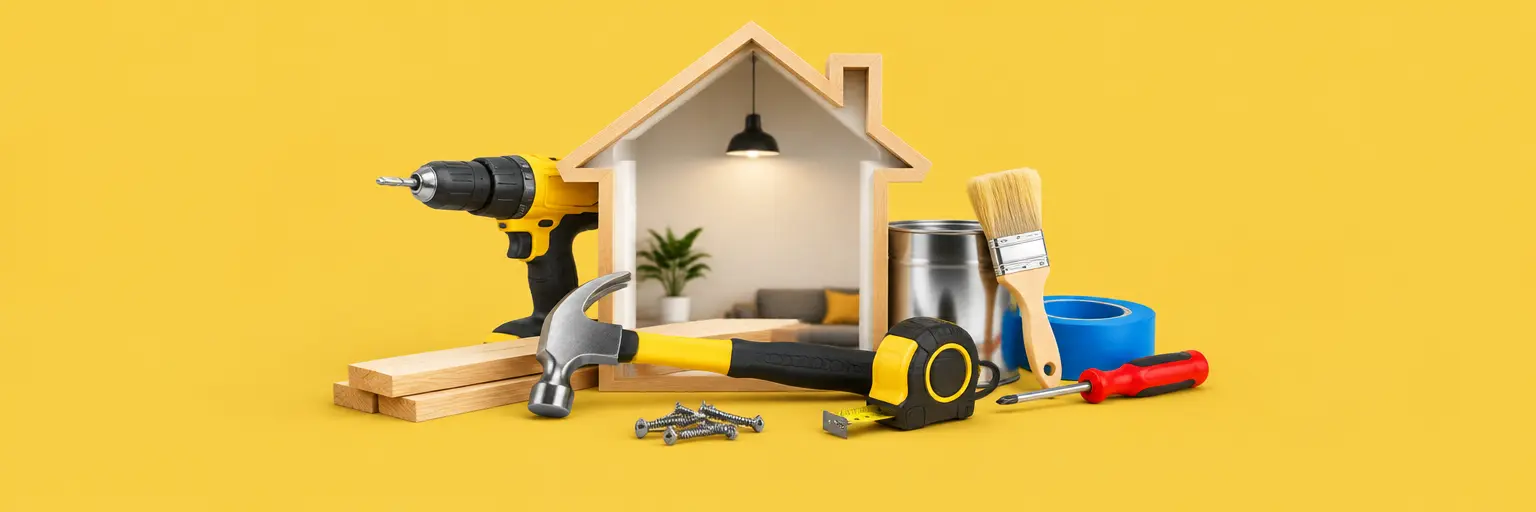
DIY Repairs are the ultimate household hacks to save money, boost efficiency, and tackle everyday problems like a pro. From fixing a leaky faucet to patching drywall, these practical, step-by-step solutions help you avoid costly professionals and master quick, confidence-building tasks. Learn time-saving tricks and budget-friendly techniques that turn minor disasters into 10-minute wins, keeping your home running smoothly while sharpening your skills for bigger projects. Perfect for beginners and seasoned DIYers alike, these repair hacks cut downtime and extend the life of your appliances and fixtures—all without the stress.

😊 Broken chair? Wobbly table? Don't replace it! Learn simple DIY furniture repairs to dramatically slash costs. This guide reveals easy fixes…
Read article
😊 Save time and money with simple DIY electrical fixes for household problems! This guide offers quick solutions to common electrical issues,…
Read article
😉 Save time and money with this essential DIY home repair skills guide! Mastering basic fixes prevents costly professional calls, boosting your…
Read article
😊 Slash your home maintenance costs with our guide to cheap DIY home repairs! Learn simple, affordable fixes for common household problems,…
Read article
😊 Stop wasting money on heating! This article reveals simple, DIY solutions to fix drafty windows, saving you money and boosting home…
Read article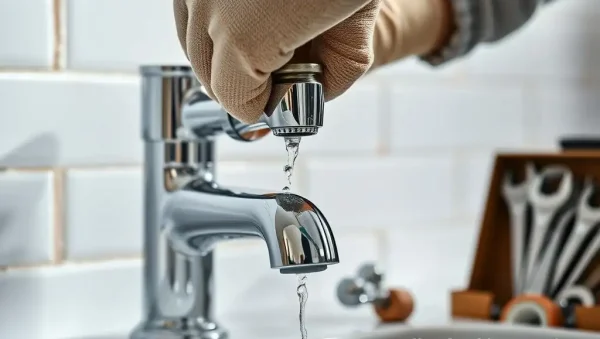
😊 Stop throwing money down the drain! Learn simple DIY plumbing repairs to drastically cut costs. This article reveals easy fixes that…
Read article
😊 Save time and money with simple DIY appliance repair kitchen hacks! This article shows you how to troubleshoot common kitchen and…
Read articleWelcome to UltimateLifeHacks’ DIY Repairs hub, where practical life hacks meet hands-on home maintenance. Whether you’re tightening a leaky faucet, patching drywall, or troubleshooting a squeaky door, this subcategory equips you with step-by-step guides, safety tips, and cost-saving strategies. Skip expensive contractors for minor issues and boost your home’s efficiency with our curated, beginner-friendly repair tutorials. From essential toolkits to emergency fixes, we transform daunting tasks into quick, rewarding wins—saving you time, money, and stress.
Before diving into any fix, having the right tools and safety habits is critical. We break down the must-have basics—like a quality hammer, screwdriver set, pliers, tape measure, and adjustable wrench—plus advanced picks such as a cordless drill and multimeter. You’ll learn how to organize a compact repair kit that fits under a sink or in a closet, ensuring you’re always ready for emergencies. Our guides also cover PPE essentials: gloves, safety glasses, and dust masks, emphasizing lockout/tagout for electrical work.
Beyond tools, we teach safe repair practices, including turning off water valves before pipe work and testing circuits with a voltage tester. DIY repairs become effortless when you prep correctly—so we share pro tips like using painter’s tape to mark screw locations and magnet trays to prevent lost fasteners. Expect clear checklists, tool comparisons, and budget-friendly alternatives that keep your wallet happy while protecting your home.
Plumbing issues are among the most common DIY repairs, and our step-by-step tutorials turn panic into progress. Fix a dripping faucet by replacing worn O-rings or cartridges, tackle a running toilet by adjusting the flapper chain, and unclog drains with eco-friendly baking soda and vinegar tricks. We cover both compression and ball-type faucets, with diagrams and torque specifications to avoid over-tightening. You’ll also learn to locate and shut off the main water valve—a critical skill for burst pipe emergencies.
For persistent leaks, we guide you through applying plumber’s tape, epoxy putty, and replacing supply lines under sinks. Each tutorial includes common error traps, like using the wrong wrench size that damages nuts, plus testing methods to confirm fixes hold. Save hundreds of dollars on plumber visits by mastering these foundational repairs. We also highlight when it’s smarter to call a professional, such as for gas lines or slab leaks, ensuring your safety stays paramount.
Cracks, holes, and scuff marks are inevitable, but DIY repairs make them vanish quickly. Learn to patch nail holes with spackle, repair larger gouges using mesh tape and joint compound, and even fix water-stained ceilings with stain-blocking primer. Our texturing techniques—splatter, knockdown, and orange peel—help you blend repairs seamlessly with existing walls. You’ll also master corner bead installation for crisp edges and sanding methods that avoid dust clouds by using a damp sponge.
Beyond drywall, we cover painting hacks: cutting in clean lines, roller loading, and cleaning brushes without harsh solvents. For sticky doors or stubborn windows, adjust hinges, plane wood, or apply silicone lubricant—all covered in short, visual guides. Cosmetic fixes boost your home’s resale value instantly, and our tips on color matching and finish selection prevent mismatched patches. Expect troubleshooting for uneven surfaces, adhesion failures, and moisture bubbles, turning you into a confident weekend warrior.
Basic electrical work is safer than you think when done correctly. We demystify replacing a light switch, installing a dimmer, swapping outlets (including GFCI), and mounting ceiling fans—always starting with shutting off the breaker and verifying power is dead. You’ll learn wire color codes, grounding techniques, and proper wire stripping for secure connections. Our guides include voltage tester usage and diagramming circuits to avoid overloading. Perfect for home office setups, we also show how to add USB ports to existing outlets.
For lighting upgrades, we cover pendant, recessed, and smart bulb installations with junction box adjustments. Common troubleshooting—like flickering lights or buzzing switches—are explained with root causes (loose neutrals, worn contacts). DIY repairs here cut electrician fees by 80% for routine jobs. However, we stress limits: never tackle main panel repairs or wiring without permits. Our safety-first approach ensures you know when to stop, keeping your family protected while empowering your independence.
Revive wobbly chairs, scratched tables, and broken drawers with simple joinery hacks. We demonstrate tightening loose screws using wood glue and toothpicks, repairing split wood with clamps and epoxy, and replacing furniture glides to prevent floor damage. Learn to fix sticking drawers by sanding or applying paste wax, plus reattach veneer for a seamless look. Our restoration guides include color matching with wood markers, using steel wool for finish blending, and polishing hardware with vinegar and baking soda.
For structural issues, we cover dowel joint reinforcement, angle brackets for heavy shelving, and hinge alignment techniques. You’ll also master minor upholstery repairs—like fixing a sagging cushion or applying furniture repair wax for deep gouges. DIY repairs extend furniture life by years, reducing waste and saving replacement costs. We include antique care tips, such as using shellac for heirloom pieces, and side-by-side comparisons of wood fillers versus putty. Practical, photogenic, and deeply satisfying, these hacks keep your home looking polished.
Your home’s exterior faces weather wear, but DIY repairs keep it curb-ready. Clean and reseal gutter joints to prevent leaks, patch window screens with adhesive patches or aluminum mesh, and adjust misaligned doors with shims and hinge adjustments. We provide seasonal maintenance calendars—like spring gutter checks and winterizing outdoor spigots—to prevent costly damage. For wooden decks, learn to replace rotten boards and apply water-resistant sealants with proper brush strokes.
Also covered: repairing vinyl siding with replacement clips, fixing garage door seals, and lubricating locks and tracks with silicone grease. These fixes improve energy efficiency by sealing drafts and protect against pests. Our guides emphasize using exterior-grade materials and correct fasteners to survive harsh weather. With clear safety lift–sharing tips for ladders and two-person tasks, you’ll handle most outside chores solo. Prevent small problems from escalating into foundation or mold issues.
Start with a basic kit: claw hammer, screwdrivers (Phillips and flathead), adjustable wrench, pliers, tape measure, utility knife, and a 6-in-1 screwdriver. Add a cordless drill and voltage tester as upgrades. Buy mid-range quality—cheap tools strip easily. Many repairs only need these essentials, and you can expand as you take on larger projects.
Yes, for simple jobs like replacing a switch or outlet, if you turn off the circuit breaker and confirm power with a tester. Follow color codes and use screw terminals instead of backstabbing wires. Avoid opening the main panel or working near wet areas. If unsure, watch our detailed video guides or call a licensed electrician.
Most leaks come from a worn rubber washer, O-ring, or cartridge. Shut off the water supply, disassemble the handle, and replace the faulty part. For compression faucets, tighten the packing nut. Clean mineral deposits with vinegar. If drips continue, check the valve seat—resurface with a seat wrench.
Use a drywall repair patch or cut a piece of new drywall to fit. Attach with construction adhesive, then apply mesh tape over seams and three coats of joint compound, sanding between coats. For holes under 6 inches, a self-adhesive metal patch works. Feather edges outward for invisible blending.
Call a pro for gas line issues, main electrical panel work, structural wall removal, or water damage behind walls with mold risk. Also seek help for complex plumbing behind slabs or large roof leaks. If the repair requires permits or risks personal injury, professional expertise is worth the cost—your safety comes first.