Master Your Money with Personal Finance Hacks
Welcome to Personal Finance Hacks, part of the New Category on UltimateLifeHacks. Here, we blend practical money-saving strategies with productivity principles to help you stretch every dollar, automate your savings, and build wealth without sacrificing your lifestyle. These hacks are designed for busy professionals, budget-conscious families, and anyone seeking smarter ways to manage their finances daily.
💡 Automate Your Savings and Bills
One of the most powerful finance hacks is to make saving effortless through automation. By setting up automatic transfers to a separate savings account on payday, you “pay yourself first” without relying on willpower. Similarly, automate all recurring bills—utilities, subscriptions, and loan payments—to avoid late fees and build a spotless credit history. This reduces decision fatigue and ensures your financial goals stay on track.
You can also use round-up apps that invest spare change from purchases, turning daily coffee runs into silent investments. Set calendar reminders to review your automated deductions quarterly, adjusting amounts as your income grows. The key is to remove friction: every dollar saved automatically is a dollar you don’t have to think about. Over time, this habit compounds into significant emergency funds or retirement contributions, all while you focus on more important life tasks.
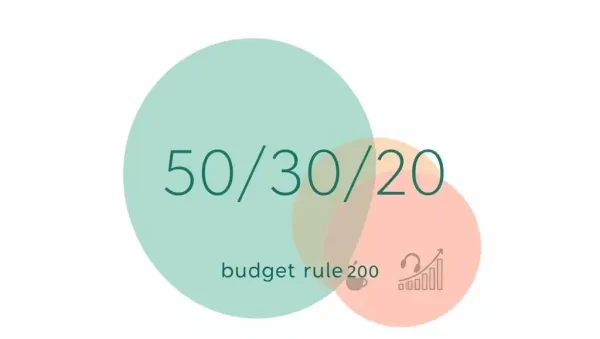
📊 The 50/30/20 Rule Reimagined
Traditional budgeting often fails because it’s rigid. The reimagined 50/30/20 rule adapts to variable incomes: allocate 50% to needs, 30% to wants, and 20% to savings or debt repayment. However, the hack is to use percentage-based tracking with digital banking apps that categorize transactions automatically. This gives you a real-time overview without manual spreadsheet work.
For irregular earners, treat each paycheck as a mini-budget: if one month is lean, adjust wants to 20% and savings to 30%. This flexibility prevents guilt and keeps you consistent. You can also leverage the “zero-based budgeting” twist, where every dollar is assigned a job, including a “fun money” line. By auditing your spending weekly for just 10 minutes, you’ll spot leaks like unused gym memberships or duplicate streaming services—instantly reallocating those funds toward your goals.
🛒 Hack Your Grocery and Subscriptions
Groceries are a major budget killer, but smart hacks slash 20-30% off your bill. First, use loyalty apps that offer digital coupons personalized to your purchase history—stack them with store sales. Second, adopt the “meal prep Sunday” hack, cooking bulk proteins and grains to reduce impulse takeout orders. Third, buy generic brands for staples like rice, oats, and cleaning supplies; the taste difference is minimal, but savings are huge.
Subscription tracking is another goldmine. Use a free service like Truebill or a simple spreadsheet to list all recurring payments. Cancel forgotten trials, negotiate your internet or insurance rates annually, and share family plans for streaming. Also, consider the “annual-pay” hack: many services give 15-20% discounts for yearly subscriptions. By auditing these every six months, you can save hundreds of dollars yearly without changing your lifestyle—just smarter choices.
💳 Credit Card Rewards and Points Hacks
Credit cards can be a double-edged sword, but used strategically, they become a cash-back machine. The hack is to align your spending categories: use one card for groceries (5% cashback), another for gas, and a third for online shopping. Utilize sign-up bonuses by planning major purchases (like appliances) around promotional periods, but always pay your balance in full to avoid interest.
Beyond cashback, explore travel points for free flights and hotels. Transfer points to airline partners during bonus windows, and use shopping portals that offer extra points per dollar spent. Set auto-pay for the full statement balance to avoid late fees and build credit. Remember, the reward is only valuable if you never carry a balance. Set a personal rule: if you can’t afford it in cash, don’t charge it—use rewards only as a bonus, not a license to overspend.
🔍 Side Hustle and Passive Income Streams
Personal finance isn’t just about cutting costs—it’s about increasing income. The side hustle hack is to double-dip your existing skills: freelance writing, tutoring, or graphic design on platforms like Upwork or Fiverr. Allocate 5-10 hours weekly, directing all earnings straight into a high-yield savings account or index fund. Even $200/month compounded over five years can grow to over $15,000
Passive income requires upfront effort but pays long-term dividends. Consider selling digital products like planners or printable art on Etsy, or renting out unused garage space via apps like Neighbor. Write an e-book or create a YouTube tutorial channel monetized with ads. The key is to start small with one stream, automate it, then reinvest profits into another. Track your streams quarterly, as tax efficiency matters—use accounting apps to separate business and personal expenses, ensuring you don’t overpay taxes.
Frequently Asked Questions
What is the best automation tool for beginners?
Start with your bank’s built-in auto-transfer feature—usually free and secure. For bill tracking, apps like Mint or YNAB offer free tiers. For advanced automation, consider “Qapital” or “Digit,” which analyze spending and save small amounts automatically. Always enable two-factor authentication to secure your accounts.
How can I save money on groceries without extreme couponing?
Focus on meal planning and buying store brands. Use the Flipp app to compare weekly flyers, and stick to a set list. Buy frozen vegetables and bulk grains, which have lower per-unit costs. Also, join store loyalty programs; they often give exclusive discounts and personalized coupons that stack with sales.
Are credit card points really worth the effort?
Yes, if you pay your balance in full monthly. The average cashback earn is 1-2%, but with category bonuses you can reach 5-6%. Over a year with $2,000 monthly spending, that’s up to $1,200 in rewards. However, never pay interest—any reward is negated by a 20% APR. Set a reminder to review annual fees.
What side hustle has the highest return on time?
Freelance skills like copywriting, coding, or bookkeeping often pay $30-$100/hour. Digital products (e.g., templates, courses) have a higher lifetime return, but require upfront creation. For passive income, YouTube or blogging takes 6-12 months to gain traction. Start with what you already know—it reduces learning time.
How do I track my net worth easily?
Use free apps like Personal Capital or Empower to connect all accounts—bank, investments, loans—and update automatically. Alternatively, a simple monthly spreadsheet with assets and liabilities takes 15 minutes. The key is consistency: track monthly trends, not daily fluctuations, and focus on increasing savings rate.