
Ultimate Guide to Saving Money: Proven Hacks for a Richer Life


Welcome to UltimateLifeHacks, your portal to a more efficient and fulfilling life! Are you ready to unlock the secrets to effortlessly saving money and dramatically improving your daily routine? Our new category dives deep into proven "Save money daily life hacks", revealing simple yet powerful strategies that can transform your finances and free up valuable time. Discover how small changes can lead to significant long-term gains – let's explore the path to a richer, more productive you!
- Mastering the Art of Saving Money Daily: Practical Life Hacks
- Smart Strategies to Save Money Daily Life Hacks
- Creative Ways to Boost Your Income: Supplementing Your Savings
- Long-Term Savings Strategies: Planning for Financial Freedom
- Mindset Shifts for Successful Saving: Cultivating Financial Wellness
- Ultimate Life Hacks for Saving Money Daily: Actionable Steps
- Frequently Asked Questions
- Final Reflection: Unlocking Financial Freedom: A Journey Towards Abundance
- Unlock Your Financial Freedom: Take Charge Today!
Mastering the Art of Saving Money Daily: Practical Life Hacks
Saving money doesn't have to be a daunting task. In fact, with a few simple, yet effective, daily life hacks, you can significantly improve your financial well-being and pave the way for a richer, more secure future. This ultimate guide provides proven strategies and practical tips to help you master the art of saving money, transforming your approach to personal finance and achieving your financial goals.
We'll explore simple changes you can implement immediately, uncovering hidden opportunities to boost your savings and cultivate a more mindful relationship with your finances. This isn't about extreme frugality; it's about making smart, sustainable choices that add up to substantial savings over time. Let's dive into actionable strategies that will empower you to take control of your finances and achieve lasting financial freedom.
This guide is designed to help you navigate the intricacies of saving money in your daily life, equipping you with the knowledge and tools to build a more prosperous future. The journey to financial security begins with small, consistent steps – and we're here to guide you every step of the way.
Track Your Spending: Unveiling Your Spending Habits
Before you can effectively save money, you need to understand where your money is currently going. Many people are surprised by how much they spend on seemingly insignificant items. Tracking your spending, even for just a week or two, can reveal hidden expenses and areas where you can easily cut back. There are numerous methods to track your spending:
- Spreadsheet: A simple spreadsheet can be highly effective. Categorize your expenses (e.g., groceries, transportation, entertainment) and record every transaction.
- Budgeting Apps: Many budgeting apps are available, offering automated tracking and insightful visualizations of your spending patterns. Some even categorize transactions automatically, saving you time and effort.
- Manual Journal: The old-fashioned way can be surprisingly effective. Keeping a physical journal allows for a more mindful approach to tracking, helping you become more aware of your spending habits.
No matter which method you choose, consistency is key. The more accurate your data, the clearer your picture of your spending habits will be. Once you have a clear understanding of where your money is going, you can begin to identify areas for improvement and implement targeted savings strategies. Remember, even small changes can make a big difference over time! 💰
Budgeting Basics: Creating a Realistic Budget That Works
A budget isn't about restriction; it's about empowerment. A well-crafted budget provides a roadmap to financial security, allowing you to allocate your funds strategically and prioritize your financial goals. Creating a realistic budget involves several key steps:
- Calculate your income: This includes your net income after taxes and other deductions.
- List your essential expenses: These are your non-negotiable expenses, such as rent, utilities, groceries, and transportation.
- Identify your non-essential expenses: These are expenses that can be adjusted or reduced, such as entertainment, dining out, and subscriptions.
- Allocate your funds: Divide your income into categories based on your essential and non-essential expenses, ensuring you allocate enough for savings. Consider using the 50/30/20 rule (50% needs, 30% wants, 20% savings and debt repayment) as a starting point.
- Regularly review and adjust: Your budget isn't set in stone. Review it regularly and adjust it as needed based on your changing circumstances and financial goals.
Creating a realistic budget is a crucial step towards financial stability. It’s about making conscious choices about your spending, ensuring you’re allocating resources effectively and working towards your financial objectives. Remember, a budget is a tool to help you achieve your financial goals, not a constraint on your lifestyle.
Identifying Areas for Immediate Savings: Low-Hanging Fruit
There are several easy ways to start saving money immediately, without drastically altering your lifestyle. These "low-hanging fruits" are quick wins that can add up to significant savings over time. Consider these strategies:
- Reduce your energy consumption: Turn off lights when you leave a room, unplug electronics when not in use, and adjust your thermostat to save on electricity and heating costs.
- Pack your lunch: Eating out regularly can be expensive. Packing your lunch can save you a significant amount of money each week.
- Utilize coupons and discounts: Take advantage of coupons, discounts, and loyalty programs to save money on groceries and other purchases.
- Cut back on subscriptions: Review your subscriptions (streaming services, gym memberships, etc.) and cancel any that you don't use regularly.
- Shop around for better deals: Don't settle for the first price you see. Compare prices from different retailers before making a purchase.
These simple changes can have a profound impact on your savings. By focusing on these immediate savings opportunities, you can quickly build momentum and establish a solid foundation for long-term financial success. Remember, every little bit counts! 🎉
Smart Strategies to Save Money Daily Life Hacks
This section delves into practical, actionable strategies to implement "save money daily life hacks" into your daily routine. We'll explore methods to significantly reduce expenses, negotiate better deals, and cultivate a frugal lifestyle without sacrificing your quality of life. These strategies are designed to help you consistently save money, building towards a richer financial future.
Reduce Recurring Expenses: Subscription Services and Bills
Recurring expenses often silently drain your bank account. Identifying and reducing these can free up substantial funds. Many people have multiple streaming services, gym memberships, or software subscriptions they barely use. A thorough audit of your recurring payments is the first step.
Consider these actions:
- Unsubscribe from unused services: Cancel streaming services you don't watch regularly, unused software subscriptions, or magazine subscriptions you've forgotten about. This seemingly small act can add up to hundreds of dollars annually. For example, cancelling just two streaming services at $15/month each saves you $360 per year.
- Bundle services: Many providers offer discounts for bundling services. Consider combining your internet, phone, and television services with a single provider to potentially lower your monthly bill. This strategy can lead to significant savings over time.
- Negotiate lower rates: Don't be afraid to contact your service providers and ask for a lower rate. Companies are often willing to negotiate, especially if you've been a loyal customer. Highlight your loyalty and threaten to switch providers if they can't meet your needs. Often, simply asking is enough to secure a discount.
- Review your insurance policies: Shop around for better rates on your car insurance, home insurance, and health insurance. Insurance premiums can vary significantly between providers, so comparing quotes is crucial. This proactive approach can yield considerable savings.
- Use budgeting apps: Apps like Mint or YNAB (You Need A Budget) can track your spending and automatically categorize your expenses, making it easier to identify areas where you can cut back.
Negotiate Bills and Services: Saving on Utilities and More
Negotiating bills isn't just for large corporations; it's a powerful tool for everyday savings. Many service providers are willing to work with you to find a more affordable solution.
Here's how to effectively negotiate:
- Research comparable prices: Before contacting your provider, research the average cost of similar services in your area. This gives you a strong baseline for negotiation.
- Be polite but firm: A respectful approach is more effective than aggressive tactics. Clearly state your intention to reduce your expenses and be prepared to switch providers if necessary.
- Highlight your loyalty: If you've been a long-term customer, emphasize your loyalty and consistent payment history. This can sway providers to offer a more favorable deal.
- Threaten to switch providers: This is a powerful negotiating tactic, but only use it if you're genuinely prepared to switch. Many companies will offer discounts to retain customers.
- Negotiate in writing: Once you've reached an agreement, get it in writing to avoid any misunderstandings later.
Embrace Frugal Living: Smart Choices for Everyday Savings
Frugality isn't about deprivation; it's about making conscious choices to maximize value and minimize waste. Small changes in your daily habits can significantly impact your savings.
Consider these frugal living tips:
- Meal planning and grocery shopping strategically: Plan your meals for the week and create a detailed grocery list to avoid impulse buys. Compare prices at different stores and take advantage of sales and coupons.
- Reduce energy consumption: Turn off lights when leaving a room, unplug electronics when not in use, and adjust your thermostat to save on energy costs. These small changes can significantly reduce your utility bills.
- DIY projects and repairs: Learn basic repair skills to avoid paying for expensive services. From fixing a leaky faucet to patching a hole in the wall, many small repairs are manageable with a little effort.
- Borrow or rent instead of buying: Consider borrowing items from friends or family or renting instead of buying, especially for infrequently used items. This can save you money on expensive purchases.
- Embrace free entertainment: Explore free activities like hiking, visiting parks, attending free community events, or having game nights with friends. This can significantly reduce entertainment costs.
By implementing these "save money daily life hacks" and embracing a more mindful approach to spending, you can achieve significant savings and build a stronger financial foundation. Remember, consistent small savings add up to substantial amounts over time. 💰
Creative Ways to Boost Your Income: Supplementing Your Savings

Boosting your income is a powerful strategy to significantly accelerate your savings journey. While diligently cutting expenses is crucial, increasing your earnings allows you to save more without drastically altering your lifestyle. This section explores creative avenues to supplement your primary income and achieve your financial goals faster. The key is to identify opportunities that align with your skills, interests, and available time. Remember, even small, consistent increases in income can add up to substantial savings over time. This is a key aspect of effective "save money daily life hacks."
Side Hustles and Gig Work: Generating Extra Income Streams
The gig economy offers a plethora of opportunities to earn extra cash. Platforms like TaskRabbit, Upwork, and Fiverr connect freelancers with clients needing various services, from handyman work and writing to graphic design and virtual assistance. The beauty of gig work lies in its flexibility; you can choose projects that fit your schedule and skillset.
For example, a skilled writer could dedicate evenings to crafting blog posts, while a handy person might tackle weekend odd jobs. Careful planning is essential: Track your income and expenses meticulously to ensure profitability and to effectively manage your "save money daily life hacks" strategy. Consider the tax implications of any income earned through gig work; understanding tax laws is crucial for long-term financial success.
You might also explore local opportunities, such as pet-sitting, dog-walking, or tutoring. These often require less upfront investment and can build into reliable income streams. Don't underestimate the power of consistent effort; even a few extra hours per week can make a considerable difference to your savings over the long term.
Selling Unused Items: Decluttering and Monetizing Your Possessions
Decluttering your home can be surprisingly lucrative. Many people accumulate unused items that hold potential monetary value. Selling these possessions through online marketplaces like eBay or Craigslist, or through consignment shops, can generate a significant influx of cash. Before listing, thoroughly clean and photograph your items to present them in the best possible light. Accurate descriptions and competitive pricing are key to attracting buyers.
Consider the value of your time when pricing; a quick sale might mean a slightly lower price, but it saves you the effort and time of waiting for a higher offer. This helps you to effectively implement "save money daily life hacks" in your daily life. Categorize your items: clothes, electronics, books, furniture, etc. This allows for a more organized approach and potentially higher returns.
Investing for the Future: Building Long-Term Wealth
While not immediate income, investing wisely is a crucial long-term strategy for building wealth and securing your financial future. Even small, regular contributions to investment accounts can yield substantial returns over time, thanks to the power of compounding. Understand your risk tolerance before investing. Diversification across different asset classes (stocks, bonds, real estate) can help mitigate risk and potentially maximize returns.
Consider consulting a financial advisor for personalized guidance, especially if you are new to investing. This is a long-term strategy that complements your "save money daily life hacks" and contributes to building a secure financial future. Starting early is advantageous; the earlier you begin investing, the more time your money has to grow.
Regular contributions, even small ones, are more effective than infrequent large ones. This consistent approach is a key component of successful long-term financial planning. Remember, responsible investing is a key part of a comprehensive "save money daily life hacks" strategy.
Long-Term Savings Strategies: Planning for Financial Freedom
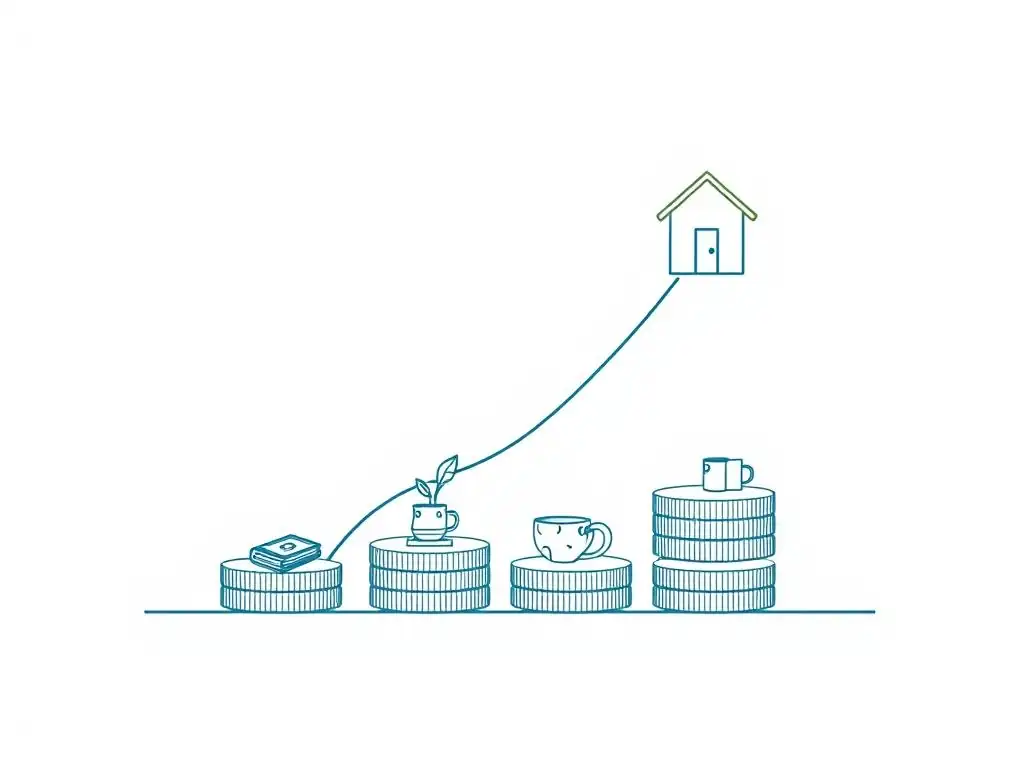
Saving money isn't just about cutting back on lattes; it's about strategically planning for a financially secure future. This involves adopting long-term strategies that build wealth and provide a safety net against life's uncertainties. Ignoring long-term planning is like sailing without a map – you might enjoy the journey, but you're unlikely to reach your destination. Let's explore key components of a robust long-term savings plan.
Emergency Fund Essentials: Protecting Yourself from Unexpected Expenses
An emergency fund is your first line of defense against unexpected financial setbacks. Think car repairs, medical bills, or job loss. Financial experts generally recommend having 3-6 months' worth of living expenses readily available in a high-yield savings account. This accessible cash cushion prevents you from going into debt during emergencies, preserving your hard-earned savings for long-term goals. Building this fund might seem daunting, but even small, consistent contributions add up over time.
Consider automating regular transfers from your checking account to your savings account to make it effortless. Remember, the peace of mind provided by an emergency fund is invaluable. It allows you to navigate unexpected challenges without jeopardizing your long-term financial stability. This is a crucial first step in building a solid foundation for saving money in your daily life.
Retirement Planning: Securing Your Future Financial Stability
Retirement might seem distant, but planning early is crucial to securing your financial future. The power of compound interest is your greatest ally here. Even small contributions made consistently over many years can grow significantly. Explore different retirement savings vehicles available to you, such as 401(k)s, IRAs, and Roth IRAs, understanding the tax implications of each. Maximize employer matching contributions if your workplace offers them – it's essentially free money!
Remember, retirement planning is a marathon, not a sprint. Regularly review and adjust your investment strategy as your circumstances change. Consistent contributions and smart investment choices are key to building a comfortable retirement nest egg. Don't underestimate the importance of starting early; the earlier you begin, the more time your investments have to grow.
Debt Management Strategies: Eliminating Debt and Saving More
High-interest debt, like credit card debt, can significantly hinder your ability to save money. Aggressively tackling debt is essential for achieving long-term financial freedom. Prioritize high-interest debts and explore strategies like the debt snowball or debt avalanche method to accelerate repayment.
The debt snowball method involves paying off the smallest debt first for a quick win, while the debt avalanche method focuses on paying off the debt with the highest interest rate first to save more money in the long run. Creating a detailed budget can help you identify areas where you can cut expenses and allocate more funds towards debt repayment. Consider consolidating high-interest debts into a lower-interest loan to simplify payments and potentially reduce overall interest paid.
Remember, eliminating debt frees up significant resources that can then be directed towards savings and investments, accelerating your journey towards financial freedom. This is a critical daily life hack for anyone serious about building wealth.
This section provides a detailed overview of long-term savings strategies, focusing on building an emergency fund, planning for retirement, and effectively managing debt. By consistently implementing these strategies, you can significantly improve your financial well-being and build a path towards a richer life. Remember, saving money is a journey, not a destination, and consistent effort is key to success. Small changes in your daily life can lead to significant long-term gains.
Mindset Shifts for Successful Saving: Cultivating Financial Wellness

Saving money isn't just about restricting spending; it's a fundamental shift in mindset towards financial wellness. This section explores crucial mental adjustments that pave the way for long-term financial success and helps you actively implement "save money daily life hacks." It's about cultivating a relationship with your finances characterized by awareness, intention, and proactive management.
Avoiding Impulse Purchases: Controlling Spending Habits
Impulse buying is a significant obstacle to saving money. Those seemingly small, insignificant purchases add up dramatically over time. To combat this, cultivate mindful spending habits. Before making any purchase, especially online, pause and ask yourself: Do I really need this? Can I wait 24 hours? Is there a cheaper alternative? This simple pause can prevent many impulsive buys.
Consider using budgeting apps that categorize your spending, providing a clear picture of where your money goes. This visual representation often highlights areas where you can easily cut back. For example, tracking your daily coffee purchases might reveal you're spending $5 a day, totaling $150 a month – enough to save for a significant purchase or invest. This data-driven approach is a powerful "save money daily life hacks" strategy.
Another effective technique is the "envelope system." Allocate a specific amount of cash for different spending categories (groceries, entertainment, etc.) at the start of the month. Once the cash in an envelope is gone, that category is finished for the month. This physical constraint helps curb impulsive spending. The key is to be honest with yourself about your spending habits and actively work to improve them. Remember, small changes accumulate over time, leading to significant savings.
Setting Realistic Financial Goals: Motivation and Achievement
Setting achievable financial goals is crucial for maintaining motivation and tracking progress. Instead of aiming for a vague, distant target like "being rich," set specific, measurable, achievable, relevant, and time-bound (SMART) goals. For example, instead of "saving more," aim to "save $500 in the next three months."
Break down larger goals into smaller, manageable steps. This provides a sense of accomplishment along the way, boosting motivation. For instance, if your goal is to save for a down payment on a house, start by saving a smaller amount each month, gradually increasing the amount as you progress. Celebrate milestones along the way! Rewarding yourself for achieving smaller goals reinforces positive behavior and keeps you motivated on your journey to implement "save money daily life hacks."
Building Positive Financial Habits: Consistency is Key
Consistency is paramount when it comes to saving money. Small, consistent actions accumulate over time, leading to significant savings. Think of saving as a daily practice, just like brushing your teeth or exercising. Automate your savings by setting up automatic transfers from your checking account to a savings account each month. This ensures you save regularly without actively having to think about it. This is a highly effective "save money daily life hacks" strategy.
Furthermore, regularly review your budget and spending habits. Identify areas where you can further optimize your spending. Are there subscription services you no longer use? Can you reduce your utility bills through energy conservation? Regularly reviewing your finances keeps you accountable and allows for adjustments as needed. Remember, building positive financial habits is a journey, not a sprint. Be patient, persistent, and celebrate your successes along the way. The rewards of consistent saving will be well worth the effort.
Ultimate Life Hacks for Saving Money Daily: Actionable Steps
This section dives into practical, daily strategies to significantly impact your savings. We'll move beyond broad financial advice and focus on actionable steps you can integrate into your routine to consistently "save money daily." These aren't get-rich-quick schemes; they're sustainable habits that cultivate a richer life over time. Remember, even small, consistent savings accumulate surprisingly quickly.
Review and Adjust Your Budget Regularly: Staying on Track
Budgeting isn't a one-time event; it's a dynamic process requiring consistent monitoring and adaptation. Think of your budget as a living document, reflecting your evolving needs and financial goals. Regular review – ideally, weekly or monthly – allows you to identify areas for improvement and prevent overspending.
Consider using budgeting apps or spreadsheets to track your income and expenses. Categorize your spending (e.g., housing, transportation, food, entertainment) to pinpoint areas where you might be overspending. For instance, analyzing your food expenses might reveal opportunities to reduce dining out or switch to cheaper grocery options. Tracking your transportation costs could lead to exploring cheaper commuting alternatives.
Don't be afraid to adjust your budget as your circumstances change. A temporary increase in expenses due to unexpected repairs shouldn’t derail your long-term savings goals. Simply adjust your budget to accommodate the additional costs temporarily, and then return to your regular saving plan. The key is flexibility and consistent monitoring. This proactive approach ensures your budget remains a powerful tool for achieving your financial aspirations and helps you effectively "save money daily."
Celebrate Your Savings Milestones: Reinforcing Positive Behavior
Saving money consistently can be challenging. To maintain motivation and reinforce positive saving habits, incorporate celebrations for reaching savings milestones. These celebrations don't need to be extravagant; small rewards can be incredibly effective.
For example, reaching a $500 savings goal could warrant a nice dinner at home, a new book, or a movie night. Achieving a larger goal, like saving for a down payment, could justify a small, meaningful purchase that aligns with your values, like a weekend trip or a piece of quality tech that improves your efficiency.
These rewards aren't about spending the savings; they're about acknowledging your progress and reinforcing the positive behavior associated with saving money. Positive reinforcement is a powerful psychological tool, motivating you to continue on your path toward financial well-being. By celebrating your successes, you'll build momentum and stay committed to your savings goals, making "save money daily" a rewarding and sustainable practice.
Seek Financial Advice When Needed: Professional Guidance and Support
While many "save money daily life hacks" are readily accessible, seeking professional financial advice can be invaluable, particularly when navigating complex financial situations or making significant decisions. A financial advisor can provide personalized guidance tailored to your unique circumstances, helping you create a comprehensive financial plan and make informed decisions.
This is especially crucial when dealing with investments, retirement planning, or significant purchases like a house or car. A qualified advisor can help you understand investment options, manage risk, and plan for long-term financial security. They can also help you navigate complex financial situations, such as debt management or unexpected financial emergencies, providing expert support and strategic solutions to help you stay on track with your savings goals and build wealth effectively.
Remember, seeking professional help is not a sign of weakness; it's a strategic investment in your financial future. This proactive approach enhances your ability to "save money daily" effectively and sustainably.
Frequently Asked Questions
How can I save money on groceries?
Use couponing and meal planning to reduce food waste. Prioritize store brands over name brands and look for sales and discounts. Consider buying in bulk for items you frequently use.
What are some easy ways to cut down on utility bills?
Lower your thermostat slightly, switch to energy-efficient light bulbs, and unplug electronics when not in use. Consider reducing water usage by taking shorter showers and fixing any leaks promptly. Explore renewable energy options.
Are there any quick ways to save money on transportation?
Walk, bike, or use public transportation whenever possible instead of driving. Carpool with colleagues or friends. Maintain your vehicle properly to avoid costly repairs. Explore alternatives to gas-powered vehicles.
How can I save money on entertainment?
Take advantage of free activities in your community, such as parks, libraries, and museums. Borrow movies and books instead of buying them. Limit eating out and explore budget-friendly entertainment options at home.
What are some simple daily habits to save money?
Track your spending using a budgeting app or spreadsheet. Avoid impulse purchases by waiting 24 hours before making non-essential buys. Pack your lunch instead of eating out every day. Set financial goals to stay motivated.
Final Reflection: Unlocking Financial Freedom: A Journey Towards Abundance
The pursuit of financial security isn't just about accumulating wealth; it's about gaining control over your life and building a future you desire. This guide has explored practical, actionable strategies to navigate the complexities of personal finance, empowering you to take charge of your financial destiny. The daily application of even a few of these "hacks" can lead to significant long-term gains, transforming your relationship with money from one of stress to one of empowerment.
The impact of mindful spending and strategic saving extends far beyond the immediate financial benefits. It fosters a sense of self-reliance, reduces anxiety surrounding financial instability, and opens doors to opportunities previously deemed unattainable. As the renowned financial guru Dave Ramsey once said, A budget is telling your money where to go, instead of wondering where it went.
This simple yet profound statement encapsulates the core message of this guide: conscious financial planning is the key to unlocking a richer, more fulfilling life. It's a journey of self-discovery, discipline, and ultimately, freedom.
Now, consider the power you hold. You've learned valuable techniques to save money in your daily life. Don't let this knowledge gather dust. Choose one or two strategies from this guide that resonate most with you and commit to implementing them this week. Track your progress, celebrate your successes, and adjust your approach as needed. Remember, building financial security is a marathon, not a sprint. Embrace the journey, and watch as your financial well-being blossoms into a life of abundance and opportunity.
Unlock Your Financial Freedom: Take Charge Today!
Thank you for exploring our guide to saving money! We hope you've discovered practical strategies to build a more secure and prosperous future. Now, let's put those strategies into action.
- Start your personalized savings plan today: Identify one area where you can realistically reduce spending, even a small amount each week can make a significant difference over time. Set up an automatic transfer to a savings account. This is a crucial first step towards achieving financial independence.
- Share your favorite money-saving tip on social media using #UltimateLifeHacks and inspire others! Let's build a supportive community of savvy savers.
- Explore our other resources on budgeting and investment strategies for more actionable advice to help you achieve your financial goals.
Ready to see how much you can save in the next three months? Share your plan in the comments below!