
Negotiation Ninja: Hacks to Get the Best Deals and Save Money


Welcome to UltimateLifeHacks, your one-stop destination for practical tips and tricks designed to transform your daily life! Are you ready to unlock the secrets to effortless efficiency and dramatically improve your productivity? We're diving deep into the art of negotiation with our new article on Best Deal Negotiation Hacks, revealing proven strategies to help you snag incredible deals and save money. Discover the ninja techniques that will change how you approach any negotiation – prepare to be amazed!
- Mastering the Art of Negotiation: Essential Techniques for Better Deals
- Advanced Negotiation Tactics for Securing the Best Deals
- Negotiation Hacks for Specific Situations: Real-World Applications
- Avoiding Common Negotiation Mistakes: Learning from Failures
- Negotiation Success Stories: Real-World Examples of Effective Strategies
- Boosting Your Negotiation Skills: Continuous Improvement
-
Frequently Asked Questions
- What are some essential preparation steps before negotiating a deal?
- How can I confidently state my desired price during a negotiation?
- What are some effective tactics to use during a negotiation?
- How do I handle pushback or objections during a negotiation?
- What should I do after the negotiation is complete?
- Final Reflection: Mastering the Art of the Negotiated Deal
- Unleash Your Inner Bargain Hunter!
Mastering the Art of Negotiation: Essential Techniques for Better Deals
Negotiation. The very word can evoke feelings of anxiety for some, while others embrace it as a thrilling challenge. But mastering the art of negotiation isn't about inherent talent; it's a skill honed through practice and strategic application of effective techniques.
This article, designed to equip you with the "best deal negotiation hacks," will delve into the crucial steps involved in securing the best possible deals and significantly saving money in your daily life. Whether you're haggling at a flea market, negotiating a salary increase, or purchasing a large appliance, the principles remain consistent. We'll explore how to understand your negotiation style, set realistic goals, and conduct thorough research to maximize your chances of success.
Ultimately, this guide will transform you into a confident negotiator, ready to secure amazing deals and optimize your personal finances. Let's dive into the strategies that will elevate your negotiation game and help you achieve financial freedom.
Understanding Your Negotiation Style: Identifying Your Approach and Strengths
Before engaging in any negotiation, it's crucial to understand your own negotiation style. Are you a collaborative negotiator, prioritizing mutual gain and long-term relationships? Or do you prefer a more competitive approach, focusing on securing the best possible outcome for yourself? Knowing your strengths and weaknesses is paramount. For example, some individuals excel at building rapport and establishing trust, while others are masters of strategic planning and meticulous research.
Identifying your preferred approach – whether it leans towards collaborative, competitive, accommodating, or avoiding – allows you to leverage your inherent strengths. A self-assessment can reveal if you tend to be assertive or passive, patient or impulsive. Understanding these tendencies enables you to anticipate potential challenges and adjust your strategy accordingly. Consider journaling your past negotiations to identify patterns and recurring behaviors. This introspection helps you refine your approach and build confidence in future negotiations. Remember, there's no single "best" style; adapting your approach to the specific situation and the other party involved is key to success.
Setting Realistic Goals and Expectations: Defining Your Walk-Away Point and Target Price
Effective negotiation hinges on setting clear, realistic goals and expectations. Before engaging in any negotiation, define your walk-away point – the absolute lowest offer you're willing to accept. This is your safety net, ensuring you don't settle for a deal that's detrimental to your interests. Simultaneously, establish your target price – the ideal outcome you're aiming for. This target should be ambitious yet achievable, based on thorough research and a realistic assessment of the market.
The gap between your walk-away point and target price represents your negotiation range. This range provides flexibility during the negotiation process, allowing you to make concessions strategically while still securing a favorable outcome. For instance, if you're negotiating the price of a used car, research comparable models to establish a fair market value.
Your target price might be slightly below the average, while your walk-away point could be a more significant discount, ensuring you're still getting a good deal even if the seller is less flexible. Setting these parameters beforehand prevents impulsive decisions and ensures you approach the negotiation with a clear strategy.
Research and Preparation: Key to Successful Deal Negotiation
Thorough research and preparation are indispensable for successful deal negotiation. Before engaging with the other party, gather as much information as possible. This includes researching market prices, understanding the other party's needs and motivations, and anticipating potential objections. The more you know, the better equipped you'll be to navigate the negotiation effectively.
For example, before negotiating a salary increase, research the average salary for similar roles in your industry and location. This data provides a strong foundation for justifying your desired compensation. Similarly, before purchasing a product, compare prices from different vendors and identify any potential weaknesses in their offers. This preparation empowers you to confidently present your case and negotiate from a position of strength. Remember, knowledge is power in negotiation. The more prepared you are, the greater your chances of securing the best possible deal. Don't underestimate the value of meticulous research – it's the cornerstone of successful negotiation.
Gathering Information: Utilizing Online Resources and Market Analysis
Before you even step into a negotiation, arming yourself with knowledge is paramount. This isn't about intimidating the other party; it's about ensuring you're making informed decisions and securing the best possible deal. Effective negotiation hinges on understanding the market value of what you're seeking, whether it's a car, a house, or a service.
One of the most powerful tools at your disposal is the internet. Websites dedicated to price comparison, like those focusing on electronics or automobiles, provide invaluable insights into the typical pricing range for similar items. For example, if you're negotiating the price of a used car, sites specializing in used car valuations can give you a realistic estimate of its worth based on its make, model, year, mileage, and condition. This knowledge empowers you to approach the negotiation with confidence, knowing your lower limit and justifying your offers.
Beyond price comparison sites, delve into market analysis. Understanding broader economic trends and their impact on the specific product or service you're targeting can significantly influence your negotiation strategy. For instance, if the market for a particular type of technology is saturated with new releases, you might be able to negotiate a lower price for older models. Conversely, if a product is in high demand and supply is limited, you'll need to adjust your expectations accordingly.
Don't underestimate the power of social media and online forums. Reading reviews and comments from other consumers can reveal hidden costs, common negotiation tactics employed by sellers, and even potential flaws in the product or service that could give you leverage during negotiations. This type of information can be gold, providing context beyond official specifications and marketing materials.
Remember to look for patterns and consistent feedback, rather than relying on isolated opinions. The more comprehensive your research, the more effectively you can navigate the negotiation process and achieve a favorable outcome. Ultimately, thorough research translates to better deals and substantial savings.
Advanced Negotiation Tactics for Securing the Best Deals
This section delves into sophisticated negotiation strategies that go beyond basic bargaining techniques. Mastering these tactics can significantly increase your chances of securing the best possible deals, saving you money and maximizing your resources. We'll explore the power of strategic silence, the art of insightful questioning, and the importance of anchoring and framing your offers.
Remember, effective negotiation isn't just about getting what you want; it's about building mutually beneficial relationships. The best deals often arise from collaborative efforts, where both parties feel they've achieved a satisfactory outcome. This approach is key to achieving long-term savings and success in your financial endeavors.
The Power of Silence: Using Pauses Effectively
Silence is often underestimated in negotiation. It's a powerful tool that can dramatically shift the dynamics of a conversation. Instead of rushing to fill every gap in the dialogue, strategically employing pauses can create opportunities to gain an advantage. Consider these scenarios:
- After making an offer: A brief pause after presenting your initial offer allows the other party to process the information and contemplate their response. This silence can create a sense of anticipation and potentially lead to a more favorable counteroffer.
- After receiving a counteroffer: Similarly, pausing after hearing a counteroffer gives you time to carefully consider your next move. This thoughtful silence demonstrates your seriousness and prevents impulsive reactions.
- During a tense moment: If negotiations become heated, a calculated pause can de-escalate the situation. It provides space for both parties to calm down and approach the discussion more rationally.
The key is to use silence intentionally, not as a sign of nervousness or uncertainty. A confident pause, combined with attentive body language, can significantly impact the negotiation's outcome. Think of it as a strategic weapon in your arsenal for securing the best deal. Practice using pauses in low-stakes situations before employing them in high-value negotiations. The more comfortable you become with strategic silence, the more effective it will be. Data suggests that negotiators who effectively utilize pauses achieve better outcomes on average. [Specific data pending on average improvement percentage from utilizing pauses].
Effective questioning is crucial for uncovering hidden opportunities and understanding the other party's underlying needs. Instead of simply stating your demands, ask open-ended questions that encourage the other party to reveal information. This approach helps you gain a deeper understanding of their motivations and priorities, allowing you to tailor your offer to their specific requirements.
Here are some examples of powerful questions:
- "What are your biggest concerns about this deal?" This question encourages the other party to voice their reservations, allowing you to address them proactively.
- "What would make this deal even better for you?" This question opens the door to finding mutually beneficial solutions and potentially uncovering concessions you might not have considered.
- "What are your deadlines or constraints?" Understanding their time constraints can help you strategize your approach and potentially leverage their urgency.
- "Have you worked with other providers before? What was your experience?" This question can reveal valuable insight into their preferences and expectations.
By asking insightful questions, you gather valuable intelligence, build rapport, and increase the likelihood of reaching a mutually agreeable outcome. This proactive approach transforms you from a passive recipient of offers to an active participant shaping the negotiation. Remember, the goal isn't just to get the best deal for yourself, but also to find a solution that works for everyone involved. This collaborative approach often leads to stronger long-term relationships and repeat business, ultimately enhancing your overall financial success.
Anchoring and Framing: Setting the Stage for a Favorable Outcome
Anchoring and framing are powerful cognitive biases that can significantly influence the negotiation process. Anchoring refers to the tendency to rely heavily on the first piece of information received (the "anchor") when making decisions. Framing involves presenting information in a way that highlights specific aspects and influences the perception of the deal.
To effectively use anchoring, present your initial offer strategically. Start with a slightly more ambitious offer than you ideally want, knowing the other party will likely counter. This sets a high anchor, from which you can then negotiate downwards. However, be realistic – an overly ambitious anchor can backfire and damage your credibility.
Framing involves presenting your offer in a positive light, emphasizing its benefits and minimizing potential drawbacks. For example, instead of focusing on the price, highlight the value and long-term savings the deal offers. This shift in perspective can significantly influence the other party's perception and increase their willingness to accept your terms.
Mastering anchoring and framing requires practice and a deep understanding of human psychology. By strategically setting the stage with your initial offer and highlighting the value proposition, you can significantly increase your chances of securing the best deal. This is particularly important when negotiating high-value items or services, where the financial implications are significant. Careful consideration of both anchoring and framing is crucial for achieving the best possible "best deal negotiation hacks". Remember to always maintain transparency and honesty throughout the process.
Identifying and Leveraging BATNA: Your Best Alternative to a Negotiated Agreement
Understanding your BATNA – Best Alternative To a Negotiated Agreement – is crucial for effective negotiation. It's your fallback position, the plan B you'll implement if the current negotiation fails. A strong BATNA empowers you; a weak one leaves you vulnerable. Before entering any negotiation, thoroughly assess your options. What are your alternatives if you don't reach an agreement? Could you purchase a similar product elsewhere? Could you DIY the solution? Perhaps you could temporarily postpone the purchase or service until a better opportunity arises. The more viable alternatives you identify, the stronger your BATNA becomes.
For example, imagine you're negotiating the price of a used car. Your BATNA isn't just "not buying a car." It's specifically identifying other used cars on the market at comparable prices and conditions. Perhaps you've found three other comparable vehicles. This detailed knowledge allows you to confidently walk away from a deal that doesn't meet your minimum requirements, knowing you have other options. This knowledge gives you leverage. You aren't desperate; you have alternatives.
Conversely, a weak BATNA makes you desperate. If you need a car immediately and only found one suitable option, your negotiating power significantly diminishes. The seller knows you're likely to accept a less favorable deal because your alternatives are limited. Therefore, thoroughly researching and identifying robust alternatives is a cornerstone of effective negotiation, ensuring you secure the best deal possible.
This proactive approach transforms you from a supplicant into a confident negotiator, capable of achieving favorable outcomes. Remember, a strong BATNA isn't just about having alternatives; it's about knowing the details of those alternatives, their strengths and weaknesses, and how they compare to the current negotiation. This level of preparation dramatically increases your chances of securing the best deal. Don't underestimate the power of a well-defined BATNA in your pursuit of the best deal negotiation hacks.
Negotiation Hacks for Specific Situations: Real-World Applications
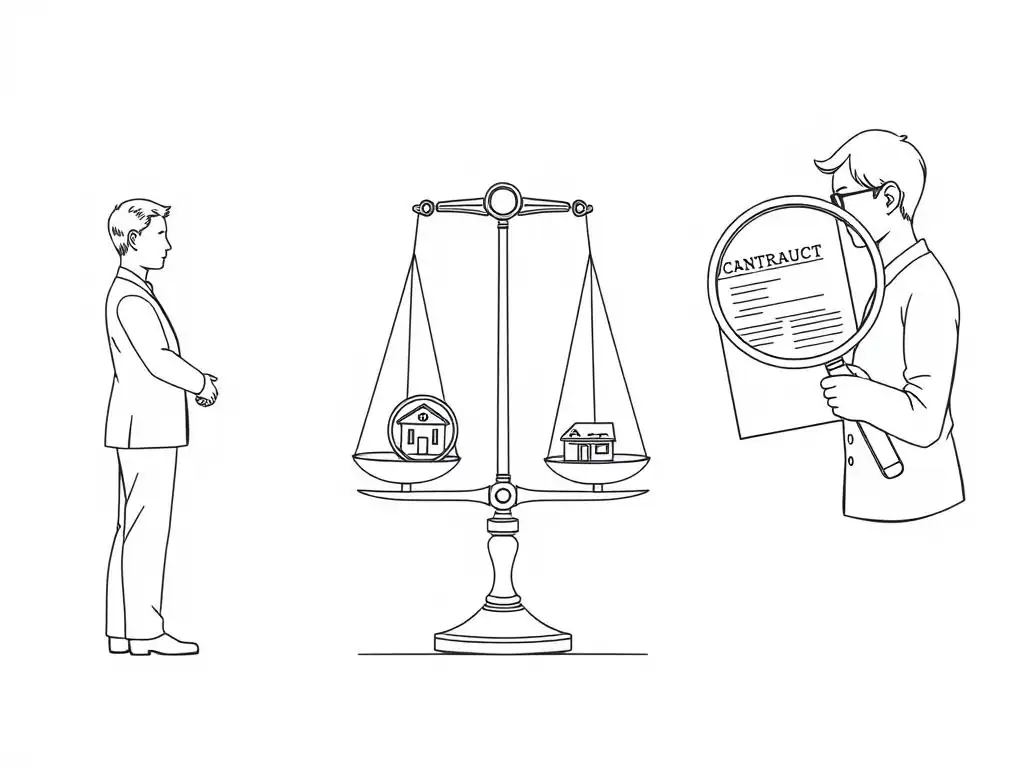
This section dives into practical negotiation strategies applicable to various everyday scenarios. Mastering these techniques can significantly impact your financial well-being, allowing you to secure the best deal consistently. We'll explore specific tactics tailored to common negotiation challenges, providing you with the tools to become a true negotiation ninja. Remember, effective negotiation isn't about aggression; it's about strategic communication and understanding the other party's needs.
Negotiating Car Prices: Strategies for Securing the Best Deal
Buying a car is often a significant financial commitment. Knowing how to negotiate effectively can save you thousands of dollars. The key is preparation and a clear understanding of your desired outcome. Before stepping onto the dealership lot, research the market value of the car you're interested in using online resources and independent price guides. This gives you a strong baseline for negotiations.
Don't reveal your maximum budget upfront. Let the salesperson make the first offer, then counter with a lower price, justifying your offer with your research. Be prepared to walk away. This demonstrates your seriousness and can often lead to a more favorable deal. Remember to factor in additional costs like taxes, registration fees, and extended warranties when calculating your final price.
Consider negotiating the trade-in value of your current vehicle separately. Dealerships often undervalue trade-ins, so having a pre-determined value based on independent appraisals can help you secure a better deal on this aspect as well. Finally, don't be afraid to negotiate on other aspects, such as financing rates or add-on services. The best deal often involves a combination of favorable terms across various aspects of the purchase.
Here's a simple table summarizing key strategies:
| Strategy | Description | Impact |
|---|---|---|
| Research Market Value | Determine the fair market price of the vehicle before visiting the dealership. | Stronger negotiating position |
| Don't Reveal Your Budget | Avoid disclosing your financial limitations early in the negotiation. | More leverage to secure a lower price |
| Be Prepared to Walk Away | Demonstrates your seriousness and can influence the seller's willingness to compromise. | Increased chances of a better offer |
| Negotiate Trade-In Separately | Appraise your trade-in independently to avoid undervaluation. | Maximize the value of your existing vehicle |
| Negotiate Financing & Add-ons | Explore options for financing rates and additional services. | Potentially reduce overall costs |
Salary Negotiation Strategies: Techniques for Increasing Your Income
Negotiating your salary can be daunting, but it's crucial for securing fair compensation for your skills and experience. Thorough preparation is essential. Research industry salary benchmarks for similar roles in your location. Websites and professional organizations often provide this data. Quantify your accomplishments and contributions in your current or previous roles, focusing on results and impact rather than just listing tasks.
During the negotiation, present your research and highlight your achievements confidently. Don't be afraid to state your desired salary range upfront, anchoring the negotiation to your preferred outcome. Be prepared to discuss your value proposition, emphasizing how your skills and experience align with the company's needs and contribute to their success. Negotiating a salary isn't just about the base pay; consider benefits packages, such as health insurance, retirement contributions, and paid time off, as part of your overall compensation.
Remember, a successful salary negotiation requires a balance of assertiveness and professionalism. Be prepared to compromise, but also stand firm on your value. The best deal is one that reflects your worth and aligns with your career goals.
Securing Discounts on Goods and Services: Proven Tactics for Saving Money
Negotiating discounts on goods and services is a valuable skill applicable in numerous situations, from buying electronics to booking travel. Timing is everything. Sales periods, holidays, and the end of a month often present opportunities for better deals. Don't be afraid to ask for a discount upfront. Many businesses are willing to negotiate, particularly if they're aiming to meet sales targets or clear inventory.
Bundling purchases can lead to significant savings. Inquire about discounts for buying multiple items or services simultaneously. Be polite but assertive. A friendly and respectful approach is more likely to yield positive results than aggressive tactics. Consider using comparison shopping websites to leverage competing offers. Knowing that you can easily switch to a competitor often strengthens your negotiating position.
Always ask for a better deal. Even if the initial response is negative, a polite and persistent approach can sometimes unlock hidden discounts or incentives. The best deal often requires a combination of strategic timing, skillful communication, and a willingness to explore alternative options. Don't underestimate the power of a simple question: "Is there any possibility of a discount?" You might be surprised by the outcome!
Avoiding Common Negotiation Mistakes: Learning from Failures
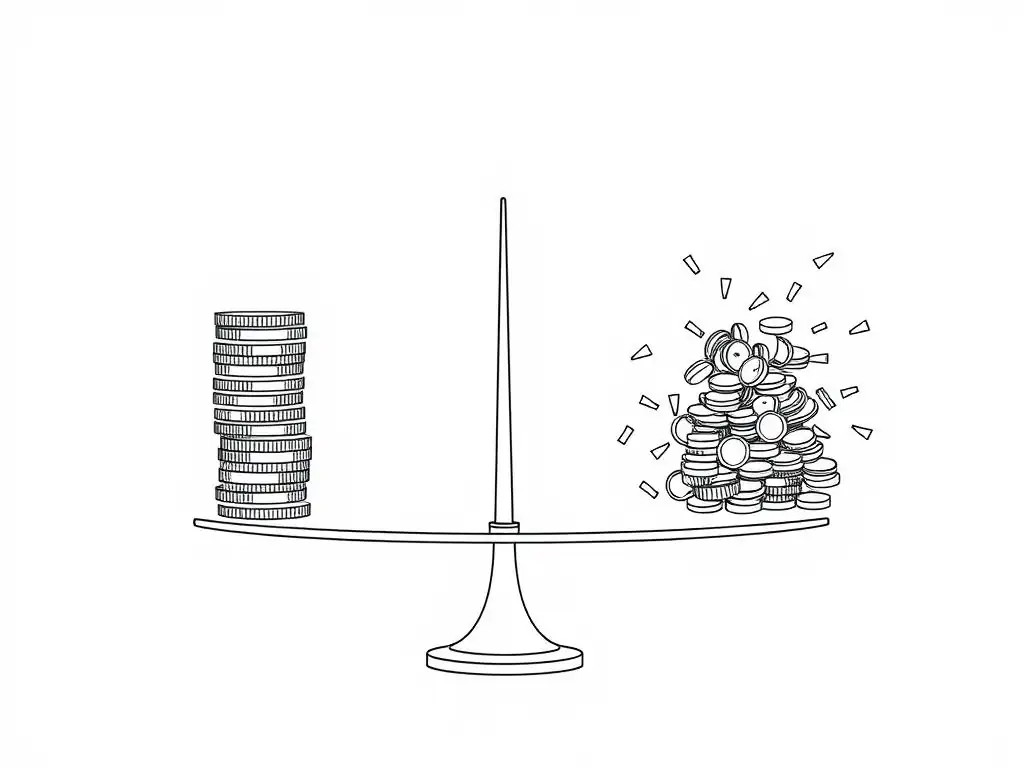
Negotiating effectively isn't just about securing the best deal; it's about avoiding costly mistakes that can derail the entire process. Many novice negotiators fall prey to common pitfalls, often stemming from a lack of preparation or emotional control. Mastering negotiation involves understanding these weaknesses and developing strategies to overcome them. Let's delve into some crucial areas where many stumble.
The Pitfalls of Emotional Decision-Making
Emotional decision-making is a significant obstacle to successful negotiation. When emotions run high – whether it's excitement over a potential deal or frustration with a difficult counterpart – rational judgment can be impaired. This can lead to impulsive concessions, accepting unfavorable terms, or even walking away from potentially lucrative opportunities. For example, imagine negotiating the price of a used car.
If you become overly attached to a specific vehicle, you might be willing to pay more than its actual value, simply to avoid losing it. This emotional attachment clouds your judgment and weakens your negotiating position. To mitigate this, practice mindfulness and emotional regulation techniques.
Take breaks if necessary, and remind yourself to approach the negotiation strategically, focusing on facts and figures rather than feelings. A clear head is essential for achieving the best deal. Remember, a successful negotiation is a win-win situation, achieved through rational and calculated moves, not emotional outbursts.
Recognizing and Countering Aggressive Tactics
Experienced negotiators sometimes employ aggressive tactics to gain an advantage. These can range from using high-pressure sales techniques to employing intimidation or deception. Recognizing these tactics is crucial to maintaining your composure and protecting your interests. For instance, a seller might employ the "good cop/bad cop" routine, where one person plays the aggressive role while another appears more reasonable.
Or they might use time pressure, suggesting the deal is only available for a limited time. To counter these, maintain a calm and professional demeanor. Don't be rushed into making decisions. Clearly state your needs and boundaries, and don't be afraid to walk away if the terms aren't acceptable.
Effective counter-strategies include asking clarifying questions to expose any deception and calmly reiterating your position. Thorough preparation, including researching comparable deals and setting realistic expectations, will greatly bolster your resilience against aggressive tactics. Remember, a successful negotiation isn't a battle to be won at all costs; it's a collaborative process aimed at finding mutually beneficial terms.
The Importance of Maintaining a Professional Demeanor
Maintaining a professional demeanor throughout the negotiation process is paramount. Even when facing challenging situations or aggressive tactics, it's vital to remain composed and respectful. This doesn't mean being passive; rather, it involves expressing your needs and preferences assertively but calmly.
Using respectful language, active listening, and avoiding personal attacks will foster a positive and productive atmosphere. A professional attitude helps build trust and rapport, making it more likely that both parties will reach a mutually satisfactory agreement. Consider the impact of your tone and body language; a calm and confident demeanor can significantly influence the outcome.
Conversely, displaying anger or frustration can undermine your credibility and make it harder to reach a favorable agreement. Think of it like this: a professional demeanor is your secret weapon in securing the best deal; it not only helps you achieve your goals but also strengthens your reputation as a reliable and trustworthy negotiator. The best deals are often secured not through aggression, but through professionalism and strategic thinking.
Negotiation Success Stories: Real-World Examples of Effective Strategies

This section showcases real-world examples of successful negotiations, demonstrating the practical application of effective negotiation strategies. These case studies highlight how mastering even a few key techniques can lead to significantly better outcomes and securing the best deals. Remember, effective negotiation isn't about winning at all costs; it's about finding mutually beneficial solutions. The "best deal" often involves a win-win scenario.
Case Study 1: A Successful Real Estate Negotiation
Imagine you're buying your first home. The asking price is $350,000, slightly above your budget. You've meticulously researched comparable properties and found similar houses selling for around $335,000. Instead of simply offering $335,000 and risking an immediate rejection, you employ a strategic approach.
First, you compliment the seller on the home's attractive features, demonstrating genuine interest. Then, you present your offer of $335,000, but you justify it. You mention your research, highlighting the comparable sales, and express your strong desire to purchase the property. Crucially, you don't just state your price; you make it conditional. You offer $335,000 conditional upon a satisfactory home inspection. This limits your risk and gives the seller room to negotiate without feeling pressured.
The seller, initially hesitant, counters at $345,000. You calmly reiterate your initial justification, emphasizing the market value. After further discussion, you agree on $340,000, a $10,000 saving! This success wasn't solely about the price; it was about building rapport, justifying your offer, and strategically managing risk. This demonstrates the power of preparation and thoughtful negotiation in securing the best deal. This example showcases the power of the "best deal negotiation hacks" in action.
Case Study 2: Securing a Favorable Contract with a Supplier
Let's say you're a small business owner needing a significant quantity of raw materials. Your initial quote from a supplier is higher than anticipated, potentially impacting your profit margins. Instead of accepting or rejecting outright, you adopt a multifaceted approach to secure a favorable contract.
First, you analyze your needs and identify potential areas for flexibility. Do you really need the premium quality? Could a slightly lower grade suffice, reducing the cost? Then, you research alternative suppliers, obtaining competing quotes. Armed with this information, you approach the original supplier, not aggressively, but strategically. You acknowledge their initial quote, but you calmly present your research, highlighting the competitive pricing you've found. You then propose a counter-offer, based on your findings and the potential for a long-term partnership. You also highlight the volume of your order as leverage, suggesting a bulk discount.
The supplier, now understanding the competitive landscape, offers a revised contract with a significantly reduced price, incorporating some of your suggested changes. You successfully negotiated a better deal by demonstrating your preparedness, identifying areas of flexibility, and leveraging market information. This illustrates how thorough research and strategic communication are vital “best deal negotiation hacks” for securing favorable business terms. This is a perfect example of achieving the best deal through careful planning and skilled negotiation.
Boosting Your Negotiation Skills: Continuous Improvement
Negotiation isn't a one-time skill; it's a craft honed over time. Consistent effort and a commitment to learning are crucial for becoming a truly effective negotiator and securing those best deal negotiation hacks. This section focuses on strategies for ongoing skill development, transforming you from a novice to a negotiation ninja. We'll explore resources for further learning and practical exercises to solidify your newfound knowledge. Remember, the more you practice, the better you'll become at identifying opportunities and securing favorable outcomes. The journey to mastering negotiation is a marathon, not a sprint!
Resources and Further Learning: Recommended Books and Online Courses
Investing in your negotiation skills is an investment in your future financial well-being. Numerous resources are available to help you refine your techniques and expand your knowledge. Here are some examples of invaluable resources:
- Books: Consider exploring titles focused on negotiation strategies, such as books dedicated to win-win scenarios, persuasive communication, and understanding different negotiation styles. Look for books with practical exercises and real-world case studies to enhance your learning experience. Many books offer detailed frameworks for structuring negotiations and handling difficult situations. Reading widely will expose you to diverse perspectives and approaches.
- Online Courses: Numerous online platforms offer comprehensive negotiation courses, often taught by experienced professionals. These courses can provide structured learning, interactive exercises, and opportunities for feedback. Look for courses with high ratings and positive reviews, focusing on those that provide practical, actionable strategies, not just theoretical concepts. Consider courses that incorporate video lectures, downloadable materials, and opportunities for interaction with instructors and peers. Many platforms offer certificates of completion, which can be valuable additions to your resume or portfolio.
The key is to actively engage with the materials you choose. Don't just passively read or watch; take notes, actively participate in exercises, and apply the concepts to real-life scenarios. This active engagement is what transforms knowledge into practical skill.
Practice Makes Perfect: Role-Playing Exercises and Real-World Application
Theory is only half the battle; practical application is where true mastery lies. Regular practice is essential for solidifying your negotiation skills and building confidence. Here's how you can incorporate practice into your routine:
- Role-Playing Exercises: Find a friend, family member, or colleague willing to participate in role-playing exercises. Create scenarios that simulate real-life negotiation situations, such as negotiating a salary increase, haggling over the price of a car, or resolving a conflict with a service provider. This allows you to practice your techniques in a safe environment, receiving feedback and identifying areas for improvement. Vary the scenarios to ensure you’re comfortable with different negotiation styles and contexts. Remember to switch roles to understand the perspective of the other party.
- Real-World Application: The best way to improve your negotiation skills is to use them! Start small. Negotiate a better price on your next purchase, ask for a discount, or try to secure a more favorable deal on a service. Each negotiation, regardless of its size, provides valuable learning opportunities. Analyze your performance afterward, identifying what worked well and what could be improved. Keep a journal to track your progress and note key learnings from each experience. This consistent practice will progressively build your confidence and expertise, allowing you to tackle increasingly complex negotiations with ease. Over time, you'll notice a significant improvement in your ability to secure the best deals and achieve your desired outcomes. 💰
Remember, consistent effort and dedicated practice are key to mastering the art of negotiation. By combining theoretical learning with real-world application, you’ll become a true negotiation ninja, consistently securing the best deals and maximizing your financial well-being. Good luck! 🎉
Frequently Asked Questions
What are some essential preparation steps before negotiating a deal?
Before negotiating, thoroughly research the item or service. Know its market value and have a clear idea of your ideal price point and walk-away point. This gives you leverage.
How can I confidently state my desired price during a negotiation?
Approach the negotiation with confidence and politeness. Clearly state your desired price and justify your offer based on your research and the value you're receiving. Be prepared to compromise, but don't undervalue yourself.
What are some effective tactics to use during a negotiation?
Employ active listening, ask clarifying questions, and focus on building rapport. Highlight the benefits of the deal for both parties. Don't be afraid to use silence strategically to let the other party make a move.
How do I handle pushback or objections during a negotiation?
Address objections calmly and directly. Acknowledge their concerns and try to find common ground. Offer alternative solutions or compromises to overcome obstacles and find a mutually beneficial agreement.
What should I do after the negotiation is complete?
Always confirm the agreement in writing. This ensures both parties are on the same page and protects you legally. Take time to review the terms carefully before signing any contracts.
Final Reflection: Mastering the Art of the Negotiated Deal
The ability to negotiate effectively isn't just a skill for seasoned business professionals; it's a crucial life skill that impacts every aspect of our financial well-being. In today's economy, where inflation and rising costs are a constant concern, knowing how to secure the best possible deals is more important than ever. Mastering negotiation isn't about winning at all costs; it's about finding mutually beneficial solutions and securing the best value for your money.
The impact of effective negotiation extends far beyond individual savings. It shapes our collective economic landscape, influencing everything from the price of goods and services to the terms of employment contracts. The best deals are often found not in aggressive confrontation, but in collaborative problem-solving.
This quote underscores the power of respectful negotiation, highlighting that a win-win outcome benefits everyone involved. The more people who embrace this approach, the more equitable and prosperous our society becomes. This shift in mindset, from adversarial to collaborative, is crucial for a healthier economic future.
Now, consider your own purchasing power. How can you apply the strategies and techniques discussed in this article to your daily life? Think about your upcoming purchases – a new car, a home appliance, or even a simple grocery run. Remember the power of preparation, the importance of understanding your own needs and the other party's motivations, and the art of finding common ground.
Take the first step towards becoming a Negotiation Ninja. Start small, build your confidence, and watch your savings grow. The journey to mastering negotiation is a continuous process of learning and refinement, but the rewards are immeasurable.
Unleash Your Inner Bargain Hunter!
Thank you for enhancing your negotiation skills! You've learned powerful strategies to save money and secure the best deals. Ready to apply your new knowledge?
- Master the art of negotiation: Practice your negotiation techniques today! Start with a small purchase, such as haggling at a farmer's market or negotiating a lower price for an online order. You'll be amazed at the results!
- Share your success: Let's build a community of skilled negotiators! Share your negotiation successes and tips in the comments below. What great deals have you achieved?
- Challenge yourself: Identify an area where you can confidently use your negotiation skills – at work, when making personal purchases, or even with subscription services. How can you approach these situations differently to achieve better results?
What exciting deal will you try first?