
Become a Learning Machine: Powerful Hacks to Absorb Skills Like a Sponge


Welcome to UltimateLifeHacks, your portal to a more efficient and fulfilling life! Are you ready to unlock your learning potential and absorb new skills at lightning speed? Our latest article in the Cognitive Efficiency category, "Learn skills faster: powerful hacks," reveals the secrets to becoming a true learning machine. Discover the surprising techniques that will transform how you acquire knowledge and master new abilities – prepare to be amazed!
- Learn Skills Faster: Powerful Hacks for Accelerated Learning
- Accelerated Skill Acquisition: Techniques for Rapid Mastery
- Boosting Your Learning Capacity: Cognitive Enhancement Strategies
- Building a Learning Ecosystem: Tools and Resources for Success
- Sustaining Your Learning Momentum: Long-Term Strategies for Skill Development
-
Frequently Asked Questions
- How can I learn new skills faster using this article's advice?
- What are some key techniques mentioned for faster skill acquisition?
- Is this advice suitable for all types of skills?
- How much time should I dedicate to practicing a new skill each day?
- Where can I find more information on these learning techniques?
- Final Reflection: The Ever-Evolving Learner
- Unlock Your Learning Potential: Take Action Now!
Learn Skills Faster: Powerful Hacks for Accelerated Learning
Learning new skills is a fundamental aspect of personal and professional growth. In today's rapidly evolving world, the ability to quickly acquire and master new competencies is more crucial than ever. This article delves into powerful learning hacks designed to transform you into a veritable learning machine, enabling you to absorb information and skills with unprecedented speed and efficiency.
We'll explore techniques proven to boost retention, optimize learning schedules, and dramatically improve your overall learning capacity. Forget slow, tedious learning curves; these strategies will help you conquer new skills faster than you ever thought possible, maximizing your potential and achieving your goals more effectively. Prepare to unlock your brain's full learning potential and become a master of accelerated skill acquisition.
This guide focuses on practical, actionable strategies for anyone looking to dramatically improve their learning outcomes and achieve mastery in less time. We'll cover everything from optimizing your study sessions to mastering advanced memory techniques, all designed to help you achieve your learning goals faster.
Mastering Active Recall: The Key to Retention
Active recall is arguably the most effective learning technique for long-term retention. Instead of passively rereading material, active recall forces your brain to actively retrieve information from memory. This process strengthens neural pathways, making the information significantly easier to access later. Think of it like this: your brain is a muscle; the more you exercise it by actively recalling information, the stronger it becomes.
Several methods facilitate active recall. One popular technique is the flashcard method. However, simply flipping through flashcards passively isn't sufficient. Instead, try to answer the question on the card before flipping it over to check your answer. This active attempt at retrieval is crucial.
Another effective method involves self-testing using practice questions, quizzes, or even simply asking yourself questions about the material you've just learned. The more you practice active recall, the more effective it becomes, leading to improved memory consolidation and reduced forgetting. For example, after reading a chapter in a textbook, try summarizing the key concepts from memory without looking back at the text. This forces your brain to actively retrieve and process the information, significantly enhancing retention. Regular practice of active recall is key to transforming your learning process.
Spaced Repetition: Optimizing Your Learning Schedule
Spaced repetition leverages the psychological principle of forgetting. Our brains naturally forget information over time, but strategically spaced repetitions can combat this. The core idea is to review material at increasing intervals, optimizing the timing of your review sessions to maximize retention. Instead of cramming all your learning into one intense session, spaced repetition advocates for distributing your learning over time.
Several apps and software programs employ algorithms to optimize spaced repetition schedules. However, even without specialized tools, you can implement spaced repetition effectively. For instance, after learning a new concept, review it again after a few hours, then again the next day, then a week later, and so on. This gradually increasing interval ensures that the information remains firmly entrenched in your long-term memory.
Remember, consistency is key. Regular, spaced reviews are far more effective than infrequent, intense study sessions. By strategically spacing your repetitions, you'll significantly reduce the amount of time needed to master a new skill, ultimately saving you time and effort.
Interleaving: Mixing Subjects for Enhanced Learning
Interleaving involves switching between different subjects or topics during your study sessions. Instead of focusing on one subject for an extended period, interleaving encourages you to mix up your learning materials. This technique challenges your brain to discriminate between different concepts, leading to improved understanding and retention.
For example, if you're learning multiple subjects, such as mathematics and history, instead of studying mathematics for an hour and then history for an hour, try alternating between the two subjects every 20-30 minutes. This seemingly simple change can significantly enhance your learning efficiency. Studies have shown that interleaving can lead to better long-term retention compared to blocked practice, where you focus on one subject at a time. The act of switching between subjects forces your brain to actively distinguish between different concepts, strengthening your understanding and making retrieval easier.
Interleaving is a powerful technique that can significantly boost your ability to learn skills faster and more effectively. Experiment with different interleaving strategies to find what works best for you. The key is to regularly switch between different topics to maximize your learning outcome.
Accelerated Skill Acquisition: Techniques for Rapid Mastery

This section delves into practical strategies to dramatically accelerate your skill acquisition. Learning new skills faster isn't about innate talent; it's about employing effective learning techniques. We'll explore methods to optimize your learning process, transforming you into a veritable learning machine capable of mastering new skills in significantly less time.
The key lies in understanding how your brain processes information and leveraging that knowledge to your advantage. This isn't just about passively absorbing information; it's about actively engaging with the material and refining your approach based on consistent feedback. Mastering these techniques will allow you to effectively tackle the challenge of "learn skills faster: powerful hacks".
Chunking Information: Breaking Down Complex Tasks
Overwhelmed by a large skill set? The secret to conquering complexity lies in chunking. Instead of trying to learn everything at once, break down the skill into smaller, manageable pieces. For example, learning to play the guitar isn't about instantly mastering complex chords; it's about mastering individual chords, then simple progressions, and gradually building up to more intricate pieces.
This approach reduces cognitive overload and allows for more effective learning. Each chunk becomes a building block, making the overall process less daunting and more achievable. Consider using mind maps or outlines to visually represent these chunks and their relationships. This visual representation aids memory and understanding. Think of it like assembling a LEGO castle: you wouldn't try to build the entire thing at once; you'd start with smaller sections and gradually connect them.
Here's a simple table illustrating the concept:
| Task | Chunked Sub-Tasks |
|---|---|
| Learning a new language | Vocabulary (10 words/day), Grammar (one topic/week), Conversation practice (15 min/day) |
| Mastering a software | Interface familiarity, Basic functions, Advanced features, Customization |
| Writing a novel | Outline, Chapter outlines, Drafting each chapter, Editing and revising |
This methodical approach not only improves learning efficiency but also boosts motivation by providing a sense of accomplishment with each completed chunk. Consistent, smaller wins fuel the drive to continue learning.
Focused Practice: Deliberate Practice for Peak Performance
Simply repeating a task isn't enough. Deliberate practice focuses on identifying weaknesses and actively working to improve them. It involves setting specific, measurable goals, focusing intently on the task, and seeking immediate feedback. This isn't passive learning; it's active, targeted improvement.
For instance, if you're learning to code, instead of just writing programs, analyze your code for inefficiencies, seek feedback from mentors or peers, and actively try to improve your coding style and problem-solving skills. This targeted approach, as opposed to mindless repetition, leads to significantly faster and more effective learning.
The key elements of deliberate practice include:
- Goal Setting: Define clear, achievable goals for each practice session.
- Focused Attention: Eliminate distractions and concentrate fully on the task.
- Immediate Feedback: Regularly assess your performance and identify areas for improvement.
- Stepping Outside Your Comfort Zone: Challenge yourself with tasks slightly beyond your current capabilities.
Deliberate practice isn't always enjoyable; it often involves confronting your weaknesses and pushing your limits. However, this discomfort is crucial for significant skill development. The payoff? Rapid skill acquisition and a deep understanding of the subject matter.
The Power of Feedback: Identifying and Correcting Weaknesses
Feedback is the cornerstone of effective learning. Without it, you're essentially learning in the dark. Regular feedback helps identify areas needing improvement, allowing you to refine your techniques and accelerate progress. This could involve seeking feedback from teachers, mentors, peers, or even self-assessment using checklists and progress trackers.
Several methods enhance the effectiveness of feedback:
- Active seeking of feedback: Don't wait for feedback to be offered; actively solicit it.
- Specific feedback requests: Instead of general questions, ask specific questions about your performance.
- Multiple feedback sources: Seek feedback from different sources to get a more comprehensive perspective.
- Constructive criticism: Focus on actionable insights rather than just general praise or criticism.
Think of feedback as a navigational tool guiding you toward mastery. By actively seeking and incorporating feedback, you significantly reduce the learning curve and accelerate your progress. This iterative process of practice, feedback, and refinement is crucial for transforming from a novice to an expert. Regular self-assessment, coupled with external feedback, creates a powerful loop for continuous improvement, ultimately leading to faster skill acquisition.
Boosting Your Learning Capacity: Cognitive Enhancement Strategies
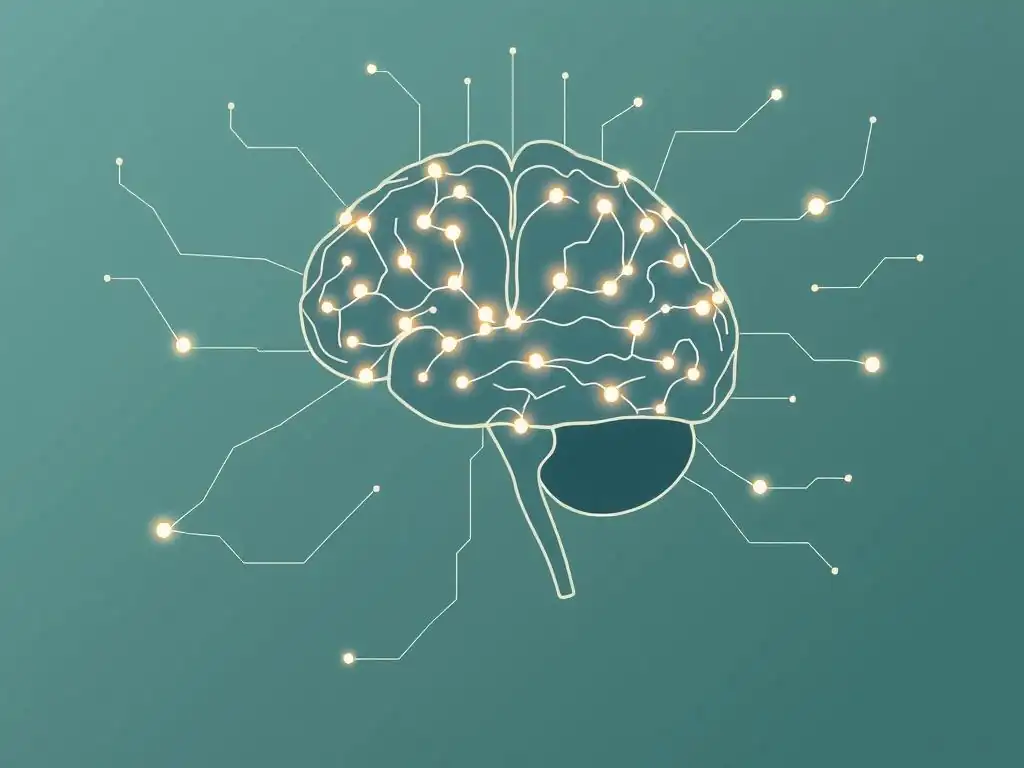
This section delves into practical strategies to significantly enhance your learning capacity, transforming you into a true learning machine. We'll explore techniques that go beyond simple memorization, focusing on optimizing your cognitive processes for maximum skill acquisition. Learning skills faster isn't just about cramming information; it's about building a robust and efficient learning system. This involves understanding how your brain works and leveraging that knowledge to accelerate your progress. We'll examine several key areas impacting learning speed and retention.
Mindfulness and Focus: Cultivating a Learning Mindset
Developing a mindful approach to learning is crucial for efficient skill acquisition. Distractions are the enemy of progress; a wandering mind hinders concentration and retention. Cultivating a learning mindset involves actively managing your attention and minimizing interruptions. This isn't about suppressing thoughts entirely, but rather about gently redirecting your focus when it strays.
Techniques like deep breathing exercises before learning sessions can help calm the mind and improve concentration. Consider using the Pomodoro Technique—working in focused bursts (e.g., 25 minutes) followed by short breaks—to maintain optimal attention. Regular meditation practice can further enhance focus and reduce mental clutter, creating a more receptive environment for learning new skills faster.
Studies have shown a strong correlation between mindfulness practices and improved cognitive function, including enhanced memory and attention span. For example, a study published in the journal Mindfulness demonstrated a significant improvement in working memory capacity among participants who engaged in daily mindfulness meditation for eight weeks.
Sleep and Learning: The Importance of Rest and Consolidation
Sleep is not merely a period of inactivity; it's a critical phase for memory consolidation. During sleep, your brain processes and organizes the information you've learned throughout the day, transferring it from short-term to long-term memory. Insufficient sleep severely impairs this process, leading to reduced learning efficiency and poor retention.
Aim for 7-9 hours of quality sleep each night. Establish a consistent sleep schedule, even on weekends, to regulate your body's natural sleep-wake cycle. Create a relaxing bedtime routine to signal your brain it's time to wind down. Avoid screen time before bed, as the blue light emitted from electronic devices can interfere with melatonin production, a hormone crucial for sleep regulation.
Prioritizing sleep is a fundamental aspect of learning skills faster and effectively. Chronic sleep deprivation significantly reduces cognitive function, impacting memory, attention, and decision-making, all vital for effective learning. Consider keeping a sleep journal to track your sleep patterns and identify any potential issues affecting your rest.
Nutrition for Brainpower: Fueling Your Learning Engine
Your brain is a complex organ that requires the right fuel to function optimally. What you eat directly impacts your cognitive performance, including your ability to learn new skills faster. A diet rich in essential nutrients is crucial for supporting brain health and enhancing cognitive function.
Focus on consuming foods rich in omega-3 fatty acids, found in fatty fish like salmon and tuna. These fats are essential for brain structure and function. Include plenty of fruits and vegetables, which provide antioxidants that protect brain cells from damage. Whole grains provide sustained energy, preventing energy crashes that can hinder concentration. Limit processed foods, sugary drinks, and excessive caffeine, as these can negatively affect brain function and energy levels.
Staying hydrated is also vital; dehydration can impair cognitive performance. A balanced diet, coupled with regular physical activity, is a powerful strategy for optimizing brain health and enhancing your ability to learn skills faster. Consider consulting a nutritionist for personalized dietary advice tailored to your specific needs and learning goals. The impact of nutrition on cognitive function is substantial, and optimizing your diet can be a game-changer in your learning journey.
Building a Learning Ecosystem: Tools and Resources for Success
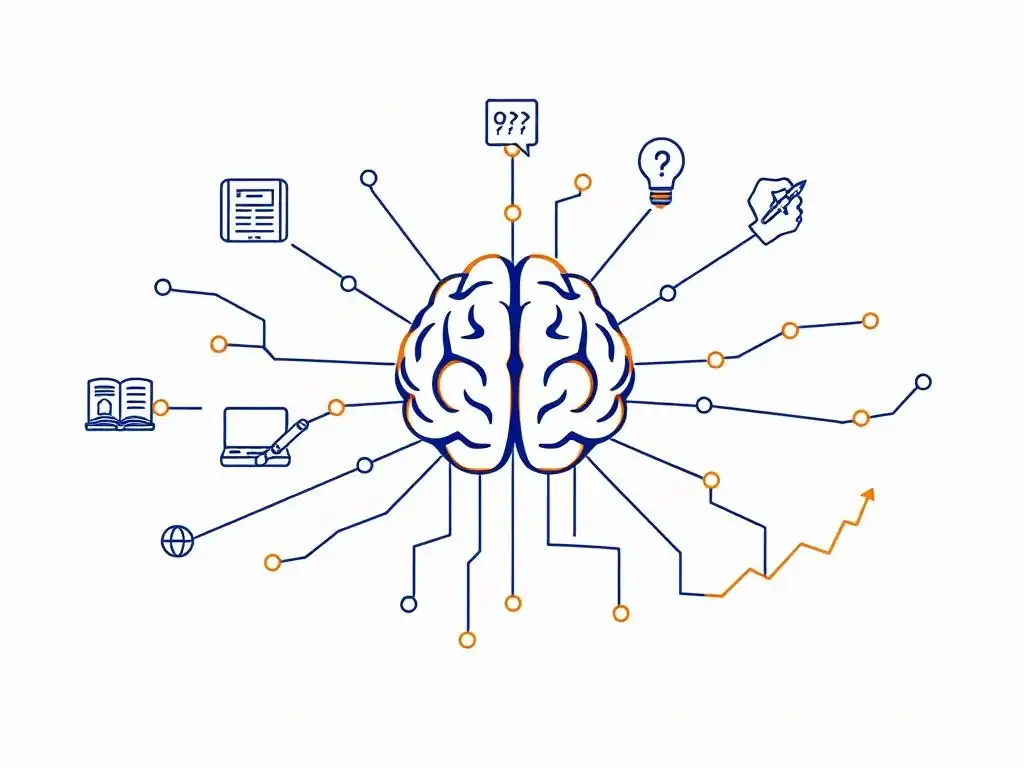
Learning effectively isn't just about absorbing information; it's about building a supportive environment that fosters comprehension and retention. This involves strategically curating resources, employing effective note-taking, and leveraging technology to maximize learning potential. This section focuses on constructing a robust learning ecosystem tailored to your specific needs, helping you to learn skills faster and become a true learning machine.
Curated Learning Resources: Finding High-Quality Information
The sheer volume of information available online can be overwhelming. Sifting through low-quality content wastes precious time and hinders effective learning. To build a strong foundation, focus on curated resources known for their accuracy and depth. Consider these strategies:
- Prioritize reputable sources: Look for information from established institutions, experts in their fields, and peer-reviewed publications. Avoid relying solely on blogs or social media unless they're backed by credible sources.
- Cross-reference information: Don't accept information at face value. Compare information from multiple sources to verify accuracy and gain a more comprehensive understanding. This helps to mitigate bias and ensure a well-rounded perspective.
- Utilize structured learning platforms: Platforms offering structured courses, like Coursera or edX, provide a curated learning path with clear objectives and assessments. This structured approach is crucial for consistent progress.
- Seek out diverse learning formats: Experiment with various learning styles. Combine video lectures with reading materials, podcasts, and interactive exercises to cater to your individual preferences and maximize retention. For example, some people learn best visually, while others prefer auditory or kinesthetic methods.
Effective Note-Taking Strategies: Capturing Key Concepts
Effective note-taking is crucial for retaining information and building a strong knowledge base. Simple note-taking methods often fall short. Employ these strategies to transform note-taking into an active learning process:
- The Cornell Method: Divide your notebook page into three sections: main notes, cues, and summary. Take notes in the main section, then jot down keywords and questions in the cues section. Finally, summarize the key concepts at the bottom. This method facilitates review and strengthens memory recall.
- Mind Mapping: Use mind maps to visually represent connections between ideas. This technique helps to organize complex information and identify key relationships. It’s particularly useful for brainstorming and understanding intricate concepts.
- Sketchnoting: Combine drawings, symbols, and keywords to create visual notes. This method leverages both visual and textual information for improved understanding and retention. It's a great way to personalize your learning process.
- Digital Note-Taking: Utilize digital note-taking apps like Evernote or OneNote to organize notes, add tags, and easily search for specific information. These tools offer features that enhance organization and retrieval. Remember to regularly review and update your digital notes for optimal retention.
Utilizing Technology for Enhanced Learning: Apps and Software
Technology can significantly enhance your learning experience. The right tools can streamline your workflow, improve focus, and boost your overall learning efficiency. Consider incorporating these technological aids:
- Spaced Repetition Software (SRS): Apps like Anki use algorithms to optimize the timing of reviews, maximizing long-term retention. This is incredibly effective for memorizing facts, vocabulary, or complex procedures.
- Focus and Productivity Apps: Apps like Forest or Freedom block distracting websites and notifications, creating a focused learning environment. This allows for deeper concentration and better information absorption.
- Language Learning Apps: Apps like Duolingo or Babbel provide interactive lessons and gamified learning experiences to make language acquisition more engaging and effective. Learning a new language is a great example of learning a new skill faster.
- Online Whiteboards: Tools like Miro or Mural facilitate collaborative learning and visual brainstorming. These are especially useful for group projects or complex problem-solving.
Learning effectively is a skill that can be honed and improved over time. By strategically building your learning ecosystem, employing effective note-taking strategies, and leveraging technology, you can significantly improve your ability to learn skills faster and achieve your learning goals. Remember, consistent effort and a proactive approach are key to becoming a true learning machine.
Sustaining Your Learning Momentum: Long-Term Strategies for Skill Development
Learning new skills isn't a sprint; it's a marathon. The initial excitement can fade, and maintaining momentum is crucial for truly mastering a skill. This section focuses on long-term strategies to ensure you continue your learning journey, even when faced with challenges. We'll explore practical techniques to build consistent learning habits, overcome procrastination, and embrace lifelong learning as a core aspect of personal growth. This is key to effectively applying the "learn skills faster: powerful hacks" we've discussed.
Habit Formation: Building a Consistent Learning Routine
Consistency is the cornerstone of effective skill development. Think of learning like exercise – sporadic efforts yield minimal results. To become a true "learning machine," you need to establish a structured routine. This involves more than just dedicating time; it's about integrating learning into your daily life.
Here's a structured approach to building a consistent learning routine:
- Set Realistic Goals: Don't try to learn everything at once. Start with small, achievable goals. For example, instead of aiming to master a complex software in a week, focus on learning one key feature per day. This approach prevents burnout and fosters a sense of accomplishment.
- Schedule Dedicated Time: Treat learning appointments as you would any other important meeting. Block out specific time slots in your calendar and stick to them. Consistency is key! Even 15-30 minutes of focused learning each day is more effective than sporadic hours.
- Find Your Optimal Learning Environment: Identify the place and time where you learn best. Is it early in the morning with a cup of coffee, or late at night in a quiet room? Experiment to discover your ideal learning environment and make it a regular part of your routine.
- Use Reminders and Tracking Tools: Employ tools like calendar reminders, to-do lists, or habit-tracking apps to stay on schedule. Seeing your progress visually can be incredibly motivating.
- Reward Yourself: Celebrate milestones! Acknowledge your efforts and reward yourself for reaching goals. This positive reinforcement helps maintain motivation and makes the learning process more enjoyable.
Overcoming Procrastination: Staying Motivated and Focused
Procrastination is a common enemy of productivity and skill acquisition. It's easy to get sidetracked, especially when learning something challenging. To overcome procrastination, you need to understand its root causes and develop strategies to combat it.
Here are some effective techniques to stay motivated and focused:
- Break Down Tasks: Large, overwhelming tasks can be paralyzing. Break them down into smaller, more manageable steps. This makes the overall goal seem less daunting and provides a sense of accomplishment as you complete each step.
- The Pomodoro Technique: This time management method involves working in focused bursts (e.g., 25 minutes) followed by short breaks (e.g., 5 minutes). This structured approach can improve concentration and prevent burnout.
- Eliminate Distractions: Identify and minimize distractions in your learning environment. Turn off notifications, put your phone away, and create a quiet space where you can focus without interruption.
- Accountability Partner: Share your learning goals with a friend or colleague and check in regularly. Having someone to keep you accountable can significantly increase your motivation.
- Visualize Success: Imagine yourself successfully mastering the skill you're learning. This positive visualization can boost your confidence and motivation, making you more likely to stick with your learning plan.
Continuous Learning: Embracing Lifelong Skill Development
Mastering a skill is not a destination; it's a journey. The ability to continuously learn and adapt is crucial in today's rapidly evolving world. Embrace lifelong learning as a core value, and view skill development as an ongoing process of growth and refinement.
Here's how to cultivate a mindset of continuous learning:
- Stay Curious: Cultivate a sense of intellectual curiosity and a thirst for knowledge. Explore new topics, challenge your assumptions, and remain open to learning new things throughout your life.
- Embrace Challenges: Don't shy away from difficult tasks or unfamiliar concepts. Challenges are opportunities for growth and learning. Stepping outside your comfort zone is essential for expanding your skillset.
- Seek Feedback: Actively solicit feedback from others to identify areas for improvement. Constructive criticism is invaluable for refining your skills and accelerating your learning.
- Network with Others: Connect with other learners and experts in your field. Sharing knowledge and experiences can accelerate your learning and provide valuable insights.
- Reflect on Your Progress: Regularly reflect on your learning journey. Identify what worked well, what didn't, and what you can do differently next time. This reflective process is essential for continuous improvement. This allows you to truly optimize your approach to "learn skills faster: powerful hacks."
This approach to consistent learning, focused effort, and continuous improvement will transform you into a true learning machine, efficiently acquiring new skills and achieving your personal and professional goals. Remember, the journey of mastering new skills is a continuous process of refinement and adaptation.
Frequently Asked Questions
How can I learn new skills faster using this article's advice?
This article provides powerful hacks to accelerate your learning. By implementing techniques like focused practice, spaced repetition, and active recall, you can significantly improve your skill acquisition speed. Remember to actively engage with the material.
What are some key techniques mentioned for faster skill acquisition?
The article highlights several key techniques including chunking information, teaching the concept to someone else, and using visual aids and mnemonics. These methods help improve memory retention and understanding.
Is this advice suitable for all types of skills?
While the core principles apply broadly, the specific techniques may need adaptation depending on the skill. Creative skills might benefit from different approaches than technical skills, but the underlying principles of focused practice and active learning remain crucial.
How much time should I dedicate to practicing a new skill each day?
There's no magic number, but consistency is key. Even short, focused practice sessions (e.g., 15-30 minutes) are more effective than infrequent, long sessions. Prioritize quality over quantity.
Where can I find more information on these learning techniques?
The UltimateLifeHacks website offers many more articles on productivity and skill development. You can explore their archive for more detailed information on memory techniques, time management, and other learning strategies to boost your skill acquisition.
Final Reflection: The Ever-Evolving Learner
The relentless pace of technological advancement and societal change demands a constant evolution of skills; mastering the art of rapid learning isn't just advantageous—it's essential for navigating the future. We've explored powerful techniques to accelerate your learning process, from optimizing your learning environment to leveraging the power of spaced repetition and active recall. But the journey to becoming a true "learning machine" is a continuous one, demanding commitment and adaptability.
The impact of embracing a growth mindset and actively seeking new knowledge extends far beyond professional success. It fosters a sense of personal empowerment, allowing us to adapt to challenges with confidence and resilience. As the great Leonardo da Vinci wisely observed, Learning never exhausts the mind.
This sentiment resonates deeply, highlighting the inherent joy and fulfillment derived from continuous learning, a process that enriches not only our professional lives but also our personal growth and understanding of the world around us. The skills we acquire become tools for self-discovery and personal transformation, shaping our perspectives and expanding our capabilities.
Now, it's your turn. Consider the strategies discussed within this article – which resonate most deeply with you? Which are you ready to implement immediately? Commit to making a tangible change, even a small one, to integrate these techniques into your daily life. Embrace the challenge, celebrate your progress, and never stop learning. The future belongs to those who continuously adapt and evolve, and the power to shape that future rests within you.
Unlock Your Learning Potential: Take Action Now!
Thanks for exploring the world of accelerated learning! We hope you've discovered powerful techniques to boost your information retention. Now it's time to put these techniques into practice and transform your learning journey.
- Implement a new learning strategy this week: Choose the method that most appeals to you and dedicate some time to trying it. Even 15 minutes a day can make a significant difference!
- Share your favorite learning tip on social media: Inspire others to embrace lifelong learning! Use #LearningMachine #UltimateLifeHacks to connect with the community.
- Explore a new skill or subject: This is your chance to embrace lifelong learning and unlock exciting new opportunities. What will you learn today?
What new skill are you most excited to learn? Let's discuss in the comments!