
Declutter Your Mind: Mindfulness Techniques for Mental Clarity


Welcome to UltimateLifeHacks, where we unlock the secrets to a more productive and fulfilling life. Are you ready to conquer your to-do list and achieve peak performance? Then dive into our latest article on Cognitive Efficiency, exploring powerful Mindfulness techniques for productivity. Discover how harnessing the power of mindfulness can transform your mental clarity and unlock unprecedented levels of efficiency. Prepare to be amazed by how simple shifts in perspective can dramatically impact your daily life – let’s get started!
- Understanding the Power of Mindfulness for Mental Clarity
- Practical Mindfulness Techniques for Daily Life
- Incorporating Mindfulness into Your Daily Productivity Workflow
-
Mindfulness Techniques for Specific Productivity Challenges
- Overcoming Procrastination with Mindfulness: A Practical Approach
- Managing Multitasking with Mindfulness: Prioritizing and Focusing on One Task
- Dealing with Distractions: Mindfulness Strategies for Enhanced Concentration
- Improving Sleep Quality with Mindfulness: Rest and Recharge for Optimal Performance
- Measuring the Impact of Mindfulness on Productivity
- Maintaining a Consistent Mindfulness Practice for Long-Term Benefits
-
Frequently Asked Questions
- What is mindfulness, and how does it relate to productivity?
- How can I incorporate mindfulness techniques into my daily routine?
- Are there specific mindfulness techniques best for improving focus?
- How long does it take to see results from practicing mindfulness for productivity?
- What if I find it difficult to quiet my mind during mindfulness exercises?
- Final Reflection: Cultivating Clarity for a More Productive Life
- Unlock Your Mind's Potential: Start Practicing Mindfulness Today
Understanding the Power of Mindfulness for Mental Clarity
A cluttered mind is a breeding ground for stress, inefficiency, and ultimately, reduced productivity. In today's fast-paced world, we're constantly bombarded with information, demands, and distractions, leading to mental overload. This article explores how incorporating mindfulness techniques can significantly improve your cognitive efficiency, allowing you to declutter your mind and unlock your full potential.
We'll delve into the connection between a cluttered mind and productivity, identify common sources of mental clutter, and explore the powerful benefits of mindfulness practices in achieving enhanced focus and concentration. Mastering these techniques is not just about stress reduction; it's a crucial step towards achieving peak performance and a more fulfilling life – a true life hack for cognitive enhancement and overall well-being.
This guide provides practical, actionable steps to integrate mindfulness into your daily routine, transforming your approach to productivity and mental clarity. Learning to quiet the mental noise is a skill that pays dividends in every aspect of life, impacting everything from work efficiency to personal relationships.
The Link Between a Cluttered Mind and Reduced Productivity
A mind overwhelmed with racing thoughts, worries, and to-do lists struggles to focus on the task at hand. This mental clutter directly impacts our productivity in several ways. Firstly, it leads to attention deficit: Instead of concentrating on the present task, our minds jump from one thought to another, hindering efficient work completion.
Secondly, it increases stress levels: The constant barrage of mental noise triggers the body's stress response, leading to fatigue, impaired judgment, and decreased cognitive function. Thirdly, it contributes to procrastination: Feeling overwhelmed, we often avoid tasks, leading to a vicious cycle of increasing stress and decreased productivity. Studies have shown a direct correlation between high stress levels and reduced work output.
For instance, a study by [specific information pending] indicated that employees experiencing high levels of workplace stress were, on average, [specific data pending]% less productive than their less-stressed counterparts. This highlights the critical need to address mental clutter to unlock peak performance. Imagine the impact on your daily workflow if you could eliminate these distractions and maintain a clear, focused mind throughout the day.
Identifying Mental Clutter: Recognizing Stress and Distractions
Recognizing the sources of mental clutter is the first step towards managing it. Common culprits include:
- Unresolved worries and anxieties: Lingering concerns about work, relationships, or finances consume mental energy and hinder focus.
- Overwhelm from excessive to-do lists: Feeling burdened by a never-ending list of tasks leads to stress and procrastination.
- Constant exposure to digital distractions: The incessant notifications and information overload from smartphones and computers disrupt concentration.
- Negative self-talk and rumination: Repeating negative thoughts and dwelling on past mistakes further contribute to mental clutter.
- Physical discomfort and lack of sleep: Bodily tension and insufficient rest negatively impact cognitive function and mental clarity.
It's crucial to develop an awareness of these mental distractions. Keep a journal to track your thoughts and feelings throughout the day. Note down instances where your mind wanders or you feel overwhelmed. This self-reflection will help you identify your personal triggers and develop strategies to manage them effectively. By pinpointing the specific sources of your mental clutter, you can begin to implement targeted mindfulness techniques to address them directly. This process of self-awareness is essential for achieving long-term mental clarity and improved productivity.
The Benefits of Mindfulness for Enhanced Focus and Concentration
Mindfulness techniques offer a powerful antidote to mental clutter. By cultivating present moment awareness, you train your mind to focus on the here and now, reducing the impact of distracting thoughts and worries. The benefits extend far beyond stress reduction; mindfulness enhances focus, concentration, and overall cognitive function. Studies have shown that regular mindfulness practice can increase attention span, improve memory, and boost creativity.
Moreover, it promotes emotional regulation, enabling you to respond to challenges with greater calmness and clarity. The improved focus translates directly into increased productivity and efficiency. For example, incorporating short mindfulness breaks throughout the workday can significantly improve concentration and reduce errors.
This results in a more efficient workflow and higher-quality output. The practice of mindfulness isn't merely a relaxation technique; it's a powerful tool for cognitive enhancement and a key element in achieving peak performance. The ability to focus intently and resist distractions is a highly valuable skill in today’s demanding world, and mindfulness provides the pathway to cultivate it.
Practical Mindfulness Techniques for Daily Life

This section delves into practical mindfulness techniques you can readily integrate into your daily routine to boost productivity and mental clarity. These techniques are designed to help you cultivate a mindful presence, reducing stress and enhancing focus – key elements for achieving peak cognitive efficiency. The power of mindfulness lies in its simplicity and accessibility; even short bursts of practice can yield significant benefits. We'll explore techniques suitable for all experience levels, from beginners to seasoned practitioners. Remember, consistency is key to experiencing the full transformative potential of mindfulness.
Mindful Breathing Exercises for Stress Reduction and Focus
Mindful breathing is a cornerstone of mindfulness practice, offering a powerful antidote to stress and a gateway to enhanced focus. It's incredibly accessible; you can practice it anywhere, anytime, without any special equipment. The key is to shift your attention from the incessant chatter of your mind to the simple, natural rhythm of your breath.
Here’s a simple exercise:
- Find a comfortable position: Sit or lie down, ensuring your spine is straight but not tense. You can even practice this while standing, if needed.
- Bring your attention to your breath: Notice the sensation of the air entering and leaving your nostrils, the rise and fall of your chest or abdomen. Don't try to control your breath; simply observe it.
- Acknowledge distractions: Your mind will inevitably wander. When you notice your thoughts drifting, gently guide your attention back to your breath. Don't judge yourself for getting distracted; it's a natural part of the process.
- Extend the practice: Start with just 5 minutes a day and gradually increase the duration as you become more comfortable. Even short, 1-2 minute breathing exercises throughout the day can significantly reduce stress and improve focus.
Regular practice of mindful breathing can lead to a noticeable reduction in stress hormones like cortisol, promoting a calmer, more focused state of mind. Studies have shown a direct correlation between mindful breathing and improved cognitive function, including enhanced attention and working memory. This translates directly into increased productivity and efficiency in your daily tasks. The simple act of focusing on your breath can act as an anchor, grounding you in the present moment and preventing your mind from racing into the future or dwelling on the past.
Body Scan Meditation: Connecting with Your Physical Self for Mental Calm
Body scan meditation is a guided meditation technique that involves systematically bringing your awareness to different parts of your body. This practice helps cultivate a deeper connection with your physical sensations, reducing tension and promoting a sense of groundedness. It's particularly effective for relieving physical and mental stress, which frequently impede productivity.
The process typically involves:
- Finding a comfortable position: Lie down on your back with your arms relaxed at your sides, palms facing upwards. Close your eyes gently.
- Beginning with your toes: Bring your attention to your toes, noticing any sensations – warmth, coolness, tingling, or pressure. Simply observe without judgment.
- Moving upwards: Gradually move your awareness up your body, paying attention to your feet, ankles, calves, knees, thighs, hips, and so on. Spend a few moments with each body part, noticing any sensations.
- Reaching the head: Continue the scan until you reach the top of your head. Notice any sensations in your scalp, face, and neck.
- Returning to the breath: Once you've completed the scan, bring your attention back to your breath for a few minutes before gently opening your eyes.
This technique helps you become more aware of physical tension, allowing you to release it consciously. By connecting with your body in this way, you create a sense of presence and stability, fostering a calmer and more focused mind. This heightened awareness translates into improved concentration and reduced mental clutter, directly benefiting your productivity. The regularity of this practice can lead to a more relaxed state, improving sleep quality and overall well-being.
Guided Meditation for Beginners: A Step-by-Step Guide to Stillness
Guided meditations provide a structured approach to mindfulness, particularly helpful for beginners. These meditations typically involve a narrator guiding you through various stages of the practice, providing verbal cues and instructions. This support can be incredibly valuable for those new to mindfulness, helping them to stay focused and engaged.
Here’s a basic framework for a guided meditation:
- Find a quiet space: Choose a comfortable and quiet environment where you won't be disturbed.
- Assume a comfortable posture: Sit or lie down in a relaxed position. Ensure your spine is straight but not rigid.
- Close your eyes gently: Allow your eyelids to rest softly.
- Follow the instructions: Listen attentively to the guidance provided in the meditation audio. The narrator might guide you to focus on your breath, body sensations, or visual imagery.
- Observe your thoughts and feelings: Acknowledge any thoughts or feelings that arise without judgment. Gently redirect your attention back to the guided instructions.
- Gradually return to awareness: At the end of the meditation, take a few moments to transition back to your normal state of awareness.
Many free guided meditations are available online and through apps. Starting with shorter, 5-10 minute meditations is recommended, gradually increasing the duration as you gain experience. Regular practice of guided meditation can significantly improve your ability to focus, reduce stress, and enhance your overall sense of well-being, indirectly boosting your productivity by reducing mental fatigue and improving clarity. The structured nature of guided meditations makes them an excellent starting point for developing a consistent mindfulness practice.
Mindfulness Walking: Integrating Mindfulness into Your Daily Routine
Mindfulness walking, a simple yet powerful technique, seamlessly integrates mindfulness into your daily routine. It's not about achieving a specific pace or distance, but rather about cultivating present moment awareness during your walks. This practice offers a unique opportunity to engage your senses, observe your thoughts and feelings without judgment, and reconnect with your body. The benefits extend beyond stress reduction; it can significantly boost focus and productivity by clearing mental clutter and promoting a sense of calm.
Many people underestimate the potential of simply paying attention to the act of walking. Instead of letting your mind wander to to-do lists or worries, focus on the physical sensations: the rhythm of your steps, the feeling of the ground beneath your feet, the movement of your arms. Notice the subtle shifts in your body's posture and the way your breath flows in and out. Engage your senses; what sounds do you hear?
What scents are present? What visual details catch your eye? Are there any textures you can feel? This multi-sensory approach helps anchor you in the present, preventing your mind from drifting into distracting thoughts.
The beauty of mindfulness walking is its accessibility. You don't need a designated space or a specific time; incorporate it into your existing routines. Instead of rushing through your commute, transform it into a brief mindfulness practice. Even a five-minute walk around your office during a break can provide a significant mental reset. The key is consistency; even short, regular sessions are more effective than infrequent, lengthy ones. Start with just a few minutes each day and gradually increase the duration as you become more comfortable.
Over time, you'll notice improvements in your attention span and ability to focus. The mental clarity gained through mindfulness walking translates directly into enhanced productivity. By regularly practicing this technique, you'll find yourself less susceptible to distractions and better equipped to handle the demands of your day.
This improved focus will not only enhance your work performance but also contribute to a greater sense of well-being and reduced stress levels, creating a positive feedback loop that improves your overall mindfulness techniques for productivity. It's a powerful tool for cultivating a more balanced and efficient lifestyle. Remember, the goal is not to eliminate thoughts entirely, but to observe them without judgment, allowing them to pass like clouds in the sky.
Incorporating Mindfulness into Your Daily Productivity Workflow
Mindfulness techniques for productivity aren't just about meditation retreats; they're about integrating mindful moments into the fabric of your daily routine. This section explores practical strategies to weave mindfulness into your workflow, boosting both your productivity and overall well-being. The key is to approach mindfulness not as a separate activity, but as a lens through which you view and interact with your tasks.
Mindfulness and Time Management: Prioritizing Tasks and Reducing Overwhelm
Feeling overwhelmed is a productivity killer. Mindfulness helps you navigate this feeling by fostering a sense of presence and control. Instead of reacting impulsively to the endless to-do list, a mindful approach encourages careful prioritization.
Consider this example: you wake up with a chaotic mental landscape – emails, meetings, deadlines all clamoring for attention. Instead of diving in headfirst, take five minutes for a mindful breathing exercise. Focus on the sensation of your breath entering and leaving your body. This simple act centers you, allowing for clearer thinking.
Next, use a prioritization method like the Eisenhower Matrix (urgent/important). But mindfully assess each task. Don't just glance at the list; truly consider the impact and urgency of each item. Are you truly prioritizing based on value, or are you simply reacting to the loudest demands? This mindful assessment minimizes wasted effort on less important activities.
A useful technique is to schedule "mindful breaks" throughout your day. These aren't just coffee breaks; they're intentional pauses to check in with yourself, notice your mental state, and refocus your energy. Even a few minutes of focused breathing can significantly improve your concentration and reduce stress, leading to enhanced productivity. Think of it as preventative maintenance for your mental energy.
Mindfulness and Decision-Making: Cultivating Clarity and Intuition
Mindfulness cultivates intuitive decision-making by reducing the noise of overthinking. When faced with a difficult choice, a mindful approach encourages you to pause, breathe, and access your inner wisdom rather than relying solely on logic or external pressures.
Let's say you're choosing between two project proposals. Instead of immediately weighing pros and cons, take a few deep breaths. Notice any physical sensations – tension in your shoulders, a racing heart – these are signals your mind is stressed. Then, gently bring your awareness back to your breath. Now, visualize each option separately, noticing your gut reaction to each. Which one feels more aligned with your values and goals? This intuitive approach, informed by mindfulness, can often lead to more effective and fulfilling decisions.
Consider this table illustrating the difference:
| Approach | Decision-Making Process | Outcome |
|---|---|---|
| Reactive/Overthinking | Rapid assessment, influenced by external factors, anxiety | Potentially rushed, stressful, less effective |
| Mindful | Intentional pause, inner reflection, intuition | More thoughtful, calm, potentially better aligned with personal values |
This mindful approach to decision-making isn't about ignoring data; it's about integrating intuition with rational analysis, leading to more balanced and effective choices.
Mindfulness at Work: Staying Present and Focused Throughout the Day
Maintaining focus throughout a workday can be challenging. Mindfulness offers several strategies to stay present and engaged, combating distractions and enhancing concentration.
One powerful technique is the "body scan." Throughout your workday, take short moments to bring awareness to your physical sensations. Notice the feeling of your feet on the floor, your hands on the keyboard, your breath in your chest. This anchors you in the present moment, gently pulling you away from wandering thoughts and distractions.
Another strategy is to incorporate short mindfulness meditation sessions into your workday. Even 5-10 minutes of focused attention on your breath can significantly improve your concentration and reduce mental fatigue. Many apps offer guided meditations specifically designed for the workplace. These short sessions act as "mental refreshers," boosting your ability to focus on tasks efficiently.
Furthermore, consider practicing mindful movement throughout the day. Instead of rushing through your lunch break, take a mindful walk, paying attention to the sights, sounds, and sensations around you. This helps clear your mind and prevents mental burnout, ensuring you remain productive and engaged until the end of the workday.
The benefits are significant: reduced stress, improved focus, and increased productivity – a true win-win for your mental health and your professional success. Remember, integrating mindfulness techniques for productivity is a journey, not a destination. Start small, be patient with yourself, and gradually incorporate these practices into your daily routine for lasting benefits.
Mindfulness and Goal Setting: Achieving Objectives with Enhanced Focus
Mindfulness practices aren't just about relaxation; they're powerful tools for enhancing focus and achieving goals. By cultivating present moment awareness, you reduce mental clutter – the distractions, anxieties, and worries that often derail our progress. This heightened focus translates directly into improved goal setting and achievement. Instead of feeling overwhelmed by a long to-do list, mindfulness allows you to approach each task with clarity and intention.
One effective technique is to start your workday with a short mindfulness meditation, focusing on your breath and observing your thoughts without judgment. This centers you, preparing your mind for the focused attention required for effective goal setting. After this brief meditation, take a few minutes to review your goals for the day. Instead of simply listing them, engage with each goal consciously, visualizing its successful completion and feeling the sense of accomplishment it brings. This mindful approach strengthens your commitment and provides a clear mental roadmap.
Furthermore, mindfulness helps in breaking down large, daunting goals into smaller, more manageable steps. Often, the sheer size of a project can lead to procrastination and overwhelm. Mindfulness allows you to focus on the current step, appreciating the progress made without getting lost in the immensity of the overall task. For example, instead of feeling paralyzed by the thought of writing a 20-page report, you can mindfully focus on writing just one page, celebrating that small victory before moving onto the next. This iterative approach, fueled by mindful awareness, keeps momentum going and prevents burnout.
Regular mindfulness practice also enhances self-awareness, allowing you to identify potential obstacles and distractions more effectively. This self-awareness is crucial for proactive goal management. You become more attuned to your own energy levels, recognizing when you're most productive and scheduling demanding tasks accordingly.
You also become more adept at recognizing and managing internal distractions, such as negative self-talk or impulsive urges to check social media. By cultivating this self-awareness through mindfulness, you significantly increase your chances of achieving your objectives. In essence, mindfulness fosters a more sustainable and effective approach to goal setting and achievement, leading to increased productivity and a greater sense of accomplishment.
Mindfulness Techniques for Specific Productivity Challenges
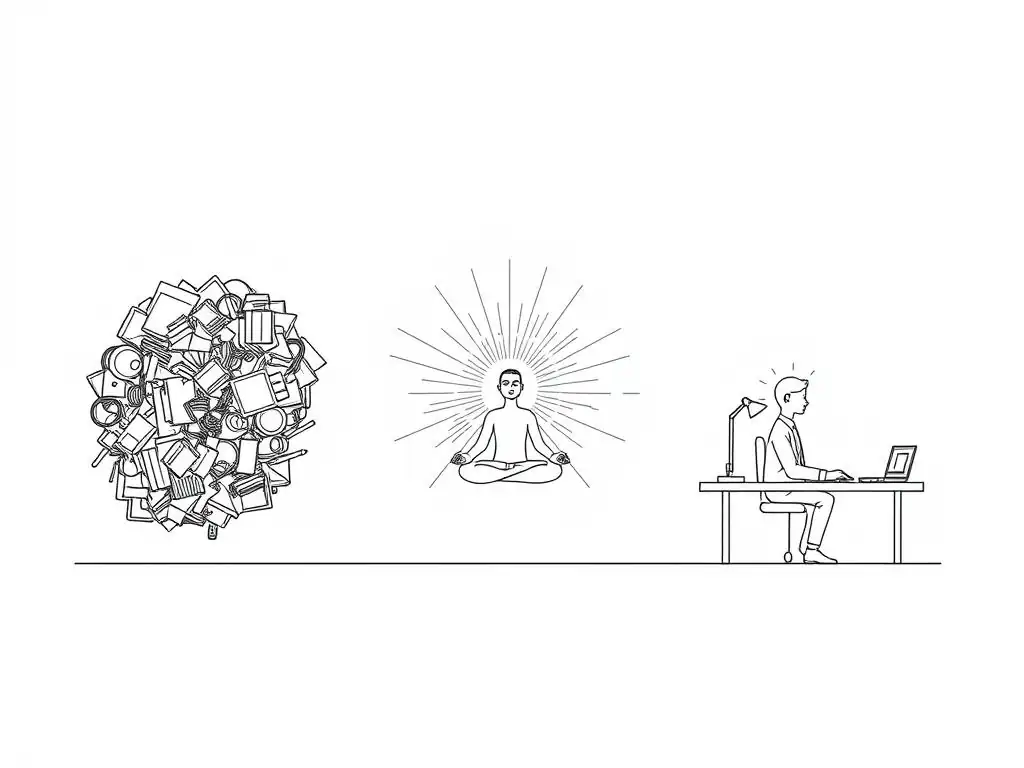
This section explores how mindfulness practices can directly address common productivity obstacles. We'll delve into practical applications, offering actionable strategies to integrate mindfulness into your daily workflow and boost your overall efficiency. Remember, the goal isn't to eliminate all thoughts, but to observe them without judgment, allowing you to regain control and focus. These mindfulness techniques for productivity can significantly impact your ability to manage your time and energy effectively.
Overcoming Procrastination with Mindfulness: A Practical Approach
Procrastination often stems from an avoidance of uncomfortable feelings associated with a task. Mindfulness helps us identify and address these feelings directly, rather than escaping them. Instead of pushing the task aside, we can use mindfulness to acknowledge the discomfort and proceed anyway.
Here's a three-step approach:
- Acknowledge the Resistance: When you find yourself procrastinating, pause. Don't judge yourself; simply acknowledge the feeling of resistance. Notice the physical sensations—tension in your shoulders, a racing heart, perhaps even a knot in your stomach. Label the feeling: "I'm feeling anxious about starting this project."
- Mindful Breathing: Take a few deep, conscious breaths. Focus on the sensation of the air entering and leaving your body. This simple act anchors you in the present moment, reducing the power of anxious thoughts about the future. Try box breathing (inhale for 4, hold for 4, exhale for 4, hold for 4) for a particularly effective technique.
- Break it Down: Often, the sheer size of a task fuels procrastination. Use mindfulness to break the task into smaller, more manageable steps. Focus only on the very next step, making it incredibly easy to begin. Celebrate each small victory to build momentum and confidence. This approach fosters a sense of accomplishment, motivating you to continue. For example, instead of "write the report," the next step might be "open the report document" or even "sit at my desk."
This mindful approach to tackling procrastination shifts the focus from the overwhelming task to the present moment, empowering you to take action and overcome the inertia. Consistent practice strengthens your ability to manage challenging emotions and enhances self-discipline.
Managing Multitasking with Mindfulness: Prioritizing and Focusing on One Task
The myth of multitasking is pervasive, but research consistently shows that attempting to do multiple things at once reduces efficiency and increases errors. Mindfulness helps us break free from this unproductive habit by fostering focus on a single task.
The key is to prioritize ruthlessly. Use a method like the Eisenhower Matrix (urgent/important) to identify your most critical tasks. Then, dedicate your undivided attention to one task at a time. Mindfulness helps maintain this focus by bringing awareness to distractions.
When your mind wanders—and it will—gently redirect it back to the task at hand. This constant redirection strengthens your attention muscles, making it easier to resist distractions over time. Consider using a timer (e.g., the Pomodoro Technique) to structure your work in focused bursts, followed by short breaks for mindful reflection or relaxation.
| Task Category | Example Task | Mindfulness Strategy |
|---|---|---|
| Urgent & Important | Respond to a critical client email | Deep breathing before responding; focus on clear communication |
| Important, Not Urgent | Plan next week's schedule | Mindful planning; visualize successful task completion |
| Urgent, Not Important | Respond to non-critical emails | Batch process; limit time spent; mindful detachment |
| Neither Urgent nor Important | Check social media | Schedule specific times; mindful awareness of time spent |
This mindful approach to task management improves concentration, reduces stress, and ultimately leads to higher quality work and increased productivity. The emphasis on single-tasking, combined with mindful awareness, transforms the way you approach your workload.
Dealing with Distractions: Mindfulness Strategies for Enhanced Concentration
Distractions are inevitable, but mindfulness empowers you to manage them effectively. Instead of fighting distractions, we learn to observe them without judgment and gently redirect our attention.
Several mindfulness techniques prove particularly useful:
- Body Scan Meditation: Regularly practicing body scan meditation increases your awareness of physical sensations. This heightened awareness helps you quickly recognize the onset of distraction (e.g., fidgeting, restlessness) and respond accordingly.
- Mindful Movement: Incorporating short mindful movement breaks throughout the day can help to alleviate stress and improve focus. Simple stretches or a short walk can be incredibly effective.
- The "Pause" Button: When a distraction arises, consciously pause before reacting. Take a deep breath and observe the distraction without judgment. Ask yourself: "Is this truly important right now?" Often, the urge to be distracted fades quickly once acknowledged.
- Creating a Mindful Workspace: Design your workspace to minimize visual and auditory distractions. A clean, organized space promotes focus and reduces the likelihood of your attention being drawn away from your tasks. Consider using noise-canceling headphones or ambient soundscapes to create a more conducive environment for concentration.
By cultivating mindful awareness of distractions, you learn to manage them rather than being controlled by them. This increased control translates directly to improved concentration and overall productivity. Remember, consistency is key; regular practice of these techniques will yield significant improvements in your ability to maintain focus and achieve your goals.
Improving Sleep Quality with Mindfulness: Rest and Recharge for Optimal Performance
Insufficient sleep significantly impacts productivity. Feeling tired and sluggish directly affects cognitive function, decision-making, and overall work performance. Mindfulness techniques offer a powerful pathway to improving sleep quality, thereby boosting productivity. Instead of passively worrying about sleep, mindfulness allows you to actively cultivate a relaxing bedtime routine and address the underlying anxieties that may be preventing restful sleep.
One effective technique is mindful breathing before bed. This involves focusing solely on the sensation of your breath entering and leaving your body. Count your breaths, notice the rise and fall of your chest or abdomen, and gently redirect your attention whenever your mind wanders. Even 5-10 minutes of this practice can significantly calm your nervous system and prepare your body for sleep. Many find it helpful to use a guided meditation app, which provides soothing sounds and instructions to further enhance the experience.
Another crucial aspect is mindful awareness of your thoughts and feelings before sleep. Instead of fighting off racing thoughts, acknowledge them without judgment. Observe them as passing clouds in the sky, recognizing that they don't have to control your state of being. This non-reactive approach helps reduce the mental chatter that often keeps us awake. Journaling can also be a helpful tool; writing down your thoughts and worries can clear your mind, allowing for a more peaceful transition into sleep.
Furthermore, integrating mindfulness into your daily routine can indirectly improve sleep. By practicing mindfulness throughout the day—during work breaks, during meals, or even while commuting—you cultivate a greater sense of presence and calm. This reduces overall stress levels, which are a major contributor to sleep disturbances. Regular mindfulness practice can help regulate your circadian rhythm, making it easier to fall asleep and stay asleep.
Studies have shown a correlation between regular mindfulness meditation and improved sleep quality, highlighting its effectiveness as a natural sleep aid. Remember that consistency is key; even short, daily sessions of mindfulness meditation can yield significant improvements over time. The benefits extend far beyond just sleep; improved sleep quality directly translates into enhanced concentration, improved mood, and significantly increased productivity throughout the day.
Measuring the Impact of Mindfulness on Productivity

Mindfulness techniques for productivity aren't just about feeling good; they're about demonstrably improving your output. Quantifying the impact requires a structured approach, moving beyond subjective feelings to objective measures. This section details methods for tracking progress and demonstrating the tangible benefits of your mindfulness practice. The key is to consistently monitor and adjust your approach to optimize its effectiveness. Remember, the goal is to integrate these techniques seamlessly into your daily routine for sustained productivity improvements.
Tracking Your Progress: Monitoring Your Focus and Mental Clarity
Tracking your progress in mindfulness for improved productivity involves a multi-pronged approach. It's not enough to simply feel more focused; you need data to back it up. Here's a suggested strategy:
- Daily Journaling: Dedicate a few minutes each day to journaling. Note your level of focus throughout the day (on a scale of 1-10, with 10 being peak focus), noting any specific mindfulness exercises you performed and their perceived impact. Also, record instances of mental clarity and moments of distraction. This qualitative data provides valuable insights into your progress.
- Task Completion Tracking: Keep a detailed log of tasks completed daily. Note the time spent on each task and the level of focus maintained during its completion. Compare this data over time to identify trends and correlations between mindfulness practice and task efficiency. This quantitative data helps illustrate the direct link between mindfulness and productivity. For example, you might find that on days with a dedicated 15-minute meditation session, you complete 20% more tasks than on days without.
- Stress Level Monitoring: Use a daily stress-level rating scale (1-10) to assess your overall stress levels. Correlate this data with your mindfulness practice to see if it helps manage stress and improve focus. High stress levels often correlate with decreased productivity. Tracking this helps establish a concrete link between mindfulness, stress reduction, and productivity enhancement.
- Sleep Quality Assessment: Monitor your sleep quality. Adequate sleep is crucial for productivity, and mindfulness practices can often lead to improved sleep patterns. Track your sleep duration and quality (using a sleep tracker or simply noting how rested you feel upon waking) to observe potential positive effects.
By combining these tracking methods, you build a comprehensive picture of your mindfulness practice's impact on your productivity, moving beyond anecdotal evidence to solid data. Remember consistency is key!
Adjusting Your Mindfulness Practice: Refining Your Techniques for Optimal Results
The effectiveness of mindfulness techniques for productivity isn't a one-size-fits-all solution. What works for one person might not work for another, and even what works for you today might need adjustment tomorrow. Regular review and refinement are essential.
Consider these adjustments based on your tracking data:
- Duration and Frequency: If your journaling indicates inconsistent focus levels, experiment with increasing the duration or frequency of your mindfulness practices. Start with small, manageable changes and observe the results.
- Technique Variation: If one technique (e.g., meditation) isn't yielding significant results, try incorporating different mindfulness techniques, such as mindful breathing exercises, body scans, or mindful walking. Explore various approaches to find what best suits your needs and preferences.
- Time of Day: Experiment with different times of day for your mindfulness practice to determine when it’s most effective for boosting your focus and productivity. Observe whether morning sessions provide a more focused start to the day, or if evening sessions help reduce stress and improve sleep quality.
- Environmental Factors: Consider the environment in which you practice mindfulness. A quiet, calming space is generally ideal, but experiment to find what works best for you.
Long-Term Benefits: Sustaining Mindfulness for Lasting Productivity Gains
Consistent mindfulness practice offers significant long-term productivity gains that extend far beyond immediate task completion. These benefits accrue over time, leading to a more sustainable and fulfilling work life.
The sustained benefits include:
- Improved Focus and Concentration: Over time, regular mindfulness practice strengthens your ability to focus and concentrate, reducing distractions and improving your attention span. This translates to increased efficiency and higher quality of work.
- Enhanced Emotional Regulation: Mindfulness helps you develop emotional resilience, allowing you to manage stress and negative emotions more effectively. This reduces burnout and improves your overall well-being, indirectly boosting productivity.
- Increased Self-Awareness: Through consistent practice, you gain a deeper understanding of your thoughts, feelings, and behaviors. This self-awareness enables you to identify and address patterns that hinder your productivity. For example, you might discover that procrastination is linked to specific triggers, allowing you to proactively manage these triggers.
- Improved Decision-Making: Mindfulness promotes clear thinking and reduces impulsive decision-making. This leads to better choices and more efficient use of time and resources.
- Greater Creativity and Innovation: By calming the mind and reducing mental clutter, mindfulness can foster creativity and innovation, leading to more original and effective solutions.
Remember, the journey towards enhanced productivity through mindfulness is a marathon, not a sprint. Consistent effort, mindful adjustment, and patient observation are key to reaping the long-term benefits. By diligently tracking your progress and refining your techniques, you can unlock the transformative power of mindfulness for lasting productivity gains.
Maintaining a Consistent Mindfulness Practice for Long-Term Benefits
Maintaining a consistent mindfulness practice is crucial for reaping its long-term benefits. It's not a quick fix, but a journey of cultivating awareness and self-compassion. Think of it like building a muscle – the more you exercise it, the stronger it becomes.
The initial effort might feel challenging, but the rewards of increased focus, reduced stress, and improved emotional regulation are well worth the investment. This section explores strategies to ensure your mindfulness practice becomes an integral part of your daily life, enhancing your productivity and overall well-being. Consistent practice is key to unlocking the full potential of mindfulness techniques for productivity.
Creating a Daily Mindfulness Routine: Building a Sustainable Habit
Building a sustainable mindfulness routine requires intentionality and consistency. Start small and gradually increase the duration and frequency of your practice. Instead of aiming for an hour-long meditation session immediately, begin with just five minutes daily. Choose a time that works best for your schedule – perhaps first thing in the morning before the day's demands kick in, or during your lunch break as a moment of peaceful respite. Consistency is more important than duration. Here's a sample routine you can adapt:
- Morning: 5 minutes of mindful breathing upon waking.
- Midday: 2 minutes of mindful walking during your lunch break.
- Evening: 5 minutes of body scan meditation before bed.
It's essential to find a practice that fits seamlessly into your daily life. Experiment with different techniques – guided meditations, mindful movement, or simply paying attention to your senses during everyday activities. Tracking your progress can also be motivating. Use a journal or a habit-tracking app to record your mindfulness sessions and reflect on your experiences. Remember, consistency, not perfection, is the key to cultivating a sustainable habit. Small, consistent actions compound over time, leading to significant improvements in your mental clarity and productivity. Think of it as a long-term investment in your mental well-being.
Finding Your Mindfulness Community: Connecting with Others for Support and Motivation
Connecting with others who share your interest in mindfulness can provide invaluable support and motivation. Joining a mindfulness community, whether online or in person, can create a sense of belonging and shared experience. Sharing your experiences and challenges with others can help you stay accountable and motivated on your journey. Consider these options:
- Online communities: Numerous online forums, groups, and apps offer support and resources for mindfulness practitioners. These platforms provide opportunities to connect with people worldwide, share tips, and receive encouragement.
- Local mindfulness groups: Search for local meditation centers or yoga studios that offer group mindfulness classes or workshops. Participating in group sessions can provide a structured environment for practice and create a sense of community.
- Mindfulness retreats: Consider attending a mindfulness retreat for a more immersive experience. These retreats offer intensive mindfulness training and provide opportunities to connect with others in a supportive environment.
The social aspect of mindfulness practice can significantly enhance its effectiveness. Sharing your experiences and learning from others creates a powerful sense of community and shared purpose. This shared journey can help you stay motivated and overcome challenges you might face along the way. The collective effort and mutual support within a mindfulness community can significantly enhance your overall productivity and well-being.
Overcoming Challenges in Maintaining a Mindfulness Practice: Troubleshooting Common Obstacles
Maintaining a consistent mindfulness practice can present challenges. It's crucial to anticipate these obstacles and develop strategies to overcome them. Common challenges include:
- Lack of time: Schedule mindfulness practice into your day as you would any other important appointment. Even short, five-minute sessions can be beneficial.
- Distracted mind: Acknowledge distractions without judgment. Gently redirect your attention back to your breath or chosen focus.
- Lack of motivation: Remind yourself of the benefits of mindfulness. Focus on the positive changes you've already experienced.
- Feeling overwhelmed: Start with shorter sessions and gradually increase the duration as your comfort level improves.
- Negative self-judgment: Practice self-compassion. Be kind to yourself and acknowledge that it's okay to have off days.
Remember that developing a mindfulness practice is a process, not a destination. There will be days when you struggle, and that's perfectly normal. The key is to be patient with yourself, acknowledge your challenges, and continue to show up for your practice. The benefits of consistent mindfulness far outweigh the occasional setbacks. By proactively addressing these challenges, you can create a more sustainable and fulfilling mindfulness practice, ultimately boosting your productivity and overall well-being. Remember, even small, consistent steps towards mindfulness can lead to significant improvements in your mental clarity and focus.
Frequently Asked Questions
What is mindfulness, and how does it relate to productivity?
Mindfulness is the practice of paying attention to the present moment without judgment. By focusing your attention, you reduce distractions and improve your ability to concentrate on tasks, boosting productivity.
How can I incorporate mindfulness techniques into my daily routine?
Start small! Try short meditation sessions, mindful breathing exercises, or simply taking breaks to observe your surroundings. Consistency is key.
Are there specific mindfulness techniques best for improving focus?
Yes! Mindful breathing and body scans can help ground you in the present, reducing mind-wandering. Guided meditations focusing on concentration are also very effective.
How long does it take to see results from practicing mindfulness for productivity?
Results vary, but many people report noticing improvements in focus and concentration within weeks of consistent practice. Patience and persistence are crucial.
What if I find it difficult to quiet my mind during mindfulness exercises?
It's perfectly normal to have racing thoughts. Gently redirect your attention back to your breath or the chosen focus point. Don't get discouraged; it gets easier with practice.
Final Reflection: Cultivating Clarity for a More Productive Life
The pursuit of mental clarity is no longer a luxury; it's a necessity in our increasingly demanding world. The techniques explored in this article – from mindful breathing to meditation and digital detox – are not just trendy wellness practices, but powerful tools for reclaiming focus and boosting productivity in every aspect of our lives. Ignoring the clutter in our minds only serves to hinder our potential, leaving us feeling overwhelmed and unproductive.
The impact of a decluttered mind extends far beyond increased efficiency; it fosters a deeper connection with ourselves and the world around us. It allows us to approach challenges with greater resilience and creativity. As the renowned mindfulness teacher Jon Kabat-Zinn stated, Mindfulness means paying attention in a particular way: on purpose, in the present moment, and non-judgmentally.
This simple yet profound definition encapsulates the transformative power of these practices, impacting not only our professional lives but also our relationships and overall well-being.
Now, consider your own mental landscape. What aspects of your daily routine contribute to mental clutter? What small steps can you take today to begin cultivating more mindfulness? Perhaps it's setting aside five minutes for deep breathing each morning, or consciously disconnecting from technology for an hour each evening. The journey to a clearer, more productive mind begins with a single, mindful breath. Embrace the opportunity to declutter your mind and unlock your full potential.
Unlock Your Mind's Potential: Start Practicing Mindfulness Today
Thank you for exploring the power of mindfulness! We hope you've gained valuable insights into clearing mental clutter and finding inner peace. Now it's time to put these techniques into practice.
Here's how you can begin your mindfulness journey:
- Begin a daily mindfulness meditation practice. Even five minutes a day can significantly improve your focus and clarity. Try focusing on your breath or bodily sensations.
- Share this article with a friend who might also benefit from these techniques. Spreading awareness about mindfulness can create a ripple effect of positivity.
- Track your progress in a journal. Note how your mood and focus change as you incorporate these practices into your daily life. This will help reinforce positive habits.
What's one small step you can take today to cultivate more mindfulness?