
Effortless Memorization: Learn the Secrets of Top Performers


Ready to unlock your brain's full potential? At UltimateLifeHacks, we're dedicated to helping you streamline your life and conquer your goals. Discover the power of effortless memorization with our latest article on memory techniques top performers use. Learn the secrets that separate the extraordinary from the ordinary and prepare to transform your productivity. Dive in and unlock your cognitive efficiency – your future self will thank you.
- Unveiling Memory Techniques Top Performers Use
- Beyond Mnemonics: Advanced Memory Improvement Strategies
- Optimizing Your Learning Environment for Peak Memory Performance
- Memory Techniques Top Performers Use: Practical Application and Case Studies
- Maintaining Long-Term Memory Improvement: Consistency is Key
-
Frequently Asked Questions
- What memory techniques do top performers use?
- How can I improve my memory for everyday tasks?
- Are there any quick memory improvement strategies?
- How long does it take to see results from using memory techniques?
- What resources are available to learn more about memory techniques used by top performers?
- Final Reflection: Mastering Memory, Mastering Life
- Unlock Your Memory's Potential: Take the First Step Today!
Unveiling Memory Techniques Top Performers Use
In today's fast-paced world, the ability to effortlessly recall information is a highly sought-after skill. Whether you're a student cramming for exams, a professional needing to retain complex data, or simply someone striving for improved cognitive efficiency, mastering effective memory techniques can significantly enhance your life. This article delves into the proven memory strategies employed by top performers – individuals who consistently demonstrate exceptional recall and cognitive prowess.
We'll explore powerful techniques that can transform your memory from a limiting factor to a potent asset, ultimately boosting productivity and overall success. We'll move beyond simple memorization strategies and uncover the secrets that allow high-achievers to effortlessly retain and recall vast amounts of information.
Get ready to unlock your brain's full potential and experience the transformative power of enhanced memory. This guide will equip you with practical, actionable strategies to improve your memory recall and boost your cognitive performance, helping you achieve peak efficiency and success.
The Power of Mnemonics: Unlocking Your Memory Potential
Mnemonics are memory aids that use imagery, acronyms, and other techniques to improve recall. They are incredibly effective because they leverage the brain's natural ability to process visual and auditory information more readily than abstract concepts. Top performers often use mnemonics to encode complex information into memorable chunks. For example, the acronym ROY G. BIV helps many remember the colors of the rainbow (Red, Orange, Yellow, Green, Blue, Indigo, Violet). This simple technique transforms a potentially challenging task into a playful and easily recalled sequence.
Beyond simple acronyms, more sophisticated mnemonics involve creating vivid mental images. Imagine needing to remember a grocery list: milk, eggs, bread, cheese, and apples. Instead of simply repeating the list, you could create a bizarre and memorable image: a cow milking an egg-shaped bread loaf while wearing a cheese hat and perched on an apple tree. The more unusual and engaging the image, the easier it will be to recall. This method leverages the brain's preference for associating abstract concepts with concrete, memorable visuals.
The key is to make the images as vivid, unusual, and emotionally engaging as possible. The more senses you involve (sight, smell, touch, etc. ), the stronger the memory trace will become. Regular practice is key to mastering mnemonic techniques and reaping their benefits.
Memory Palace Technique: A Step-by-Step Guide for Beginners
The "Memory Palace," also known as the Method of Loci, is a powerful ancient technique used by memory champions. It involves associating items you need to remember with specific locations in a familiar place, like your home or a frequently traveled route. Imagine your house: you mentally "place" the items you need to remember in different rooms or locations within your house.
For instance, you could picture a carton of milk sitting on your kitchen counter, eggs nestled in a bird's nest on your living room lamp, a loaf of bread resting on your bed, a wheel of cheese in your bathtub, and apples hanging from your chandelier. The more unusual the placement, the better your chances of remembering.
Here's a step-by-step guide:
- Choose a familiar location: Select a place you know very well, with distinct landmarks.
- Create a mental walk-through: Walk through the location mentally, noting key features.
- Associate items with locations: Assign each item you need to remember to a specific location. Use vivid imagery!
- Practice recall: Regularly walk through your mental palace and retrieve the items associated with each location.
- Refine your technique: Experiment with different locations and imagery to find what works best for you.
This technique transforms rote memorization into an engaging, interactive process, significantly improving recall accuracy and efficiency. Consistent practice is essential to mastering this technique, but the rewards are well worth the effort. Many top performers use variations of the Memory Palace technique to remember speeches, presentations, and extensive amounts of information.
Utilizing Spaced Repetition for Long-Term Retention
Spaced repetition is a learning technique based on the psychological spacing effect. It involves reviewing information at increasing intervals, optimizing the timing of review sessions to maximize long-term retention. Instead of cramming all the information at once, spaced repetition strategically schedules reviews, ensuring that information is reinforced at optimal moments to prevent forgetting. Top performers utilize this technique to retain vast amounts of information over extended periods.
The effectiveness of spaced repetition lies in its ability to combat the forgetting curve. By strategically spacing out review sessions, you reinforce memory traces at precisely the point where forgetting is most likely to occur. Numerous studies have shown the superior effectiveness of spaced repetition compared to massed practice (cramming).
Effective implementation often involves using specialized software or apps designed to optimize the scheduling of reviews based on individual learning patterns. Even without dedicated software, applying the principle of spaced repetition – reviewing material after short intervals, gradually increasing the time between reviews – can significantly improve long-term retention. This simple yet powerful technique is a cornerstone of effective learning and memory retention for many high-achievers.
Beyond Mnemonics: Advanced Memory Improvement Strategies

This section delves beyond basic mnemonic devices, exploring advanced memory improvement strategies employed by top performers in diverse fields. While techniques like acronyms and rhymes are helpful starting points, true memory mastery requires a deeper understanding of cognitive processes and the strategic application of effective learning techniques. We'll uncover how professionals across various disciplines—from surgeons remembering complex procedures to lawyers recalling intricate legal arguments—leverage these strategies to achieve peak performance.
These techniques, when practiced consistently, can dramatically enhance your ability to retain information and improve your overall cognitive efficiency. This translates to improved performance in academics, professional settings, and even daily life. The key isn't just remembering; it's understanding and applying the information effectively.
Chunking Information: Mastering the Art of Organization
Chunking is a fundamental memory technique that involves breaking down large pieces of information into smaller, more manageable units. Instead of trying to memorize a long phone number as a single entity (e.g., 555-123-4567), we chunk it into smaller, more easily recalled parts (555-123-4567). This approach significantly improves memorization because our working memory has limitations. The human brain struggles with processing large amounts of information simultaneously. By chunking, we bypass this limitation, making the task less daunting and more achievable.
Consider the example of learning a new language vocabulary. Instead of trying to memorize a list of 50 words at once, group them thematically (e.g., 10 words related to food, 10 related to transportation, etc.). This organized approach allows you to build connections between words, strengthening retention. Furthermore, you can employ visual aids, associating each chunk with a vivid image or story. This multi-sensory approach further enhances memory encoding and recall. Effective chunking dramatically boosts your capacity for information retention, making it a cornerstone of memory techniques top performers utilize.
Active Recall: Testing Yourself for Superior Retention
Passive review, such as simply rereading notes, is surprisingly ineffective compared to active recall. Active recall involves actively retrieving information from memory without looking at your notes or other resources. This process forces your brain to work harder, strengthening neural pathways and improving long-term retention. Think of it as a mental workout for your memory.
One powerful active recall technique is the use of flashcards. Instead of simply reading the information on the card, cover the answer and try to recall it from memory. If you struggle, review the information and try again later. This iterative process strengthens memory consolidation. Another method is self-testing using practice questions or quizzes.
The act of retrieving the information, even if you make mistakes, is crucial for strengthening memory traces. Studies consistently show that active recall significantly outperforms passive review in terms of long-term retention. Top performers in memory-intensive fields, such as medicine and law, heavily rely on active recall strategies for superior knowledge retention. Regular self-testing is a key component of their success.
Mind Mapping for Enhanced Understanding and Recall
Mind mapping is a visual learning technique that helps organize and connect information in a way that’s easy to remember. Instead of linear note-taking, mind maps use a central idea as a starting point, branching out to related concepts and details. This visual representation improves understanding and makes recalling information much easier. The use of colors, images, and keywords further enhances memory encoding.
For example, when studying a historical event, the central idea could be the event itself. Branches could then represent key figures, dates, causes, and consequences. Adding images or keywords associated with each branch further strengthens the memory connections. Mind mapping is particularly effective for complex topics requiring synthesis and understanding of interconnected ideas.
It leverages the brain's natural ability to process visual information, making it a highly effective memory technique top performers use to grasp complex material efficiently. The visual nature of mind maps enhances recall and allows for a more holistic understanding of the subject matter. This method transforms rote memorization into a more engaging and effective learning process.
Optimizing Your Learning Environment for Peak Memory Performance
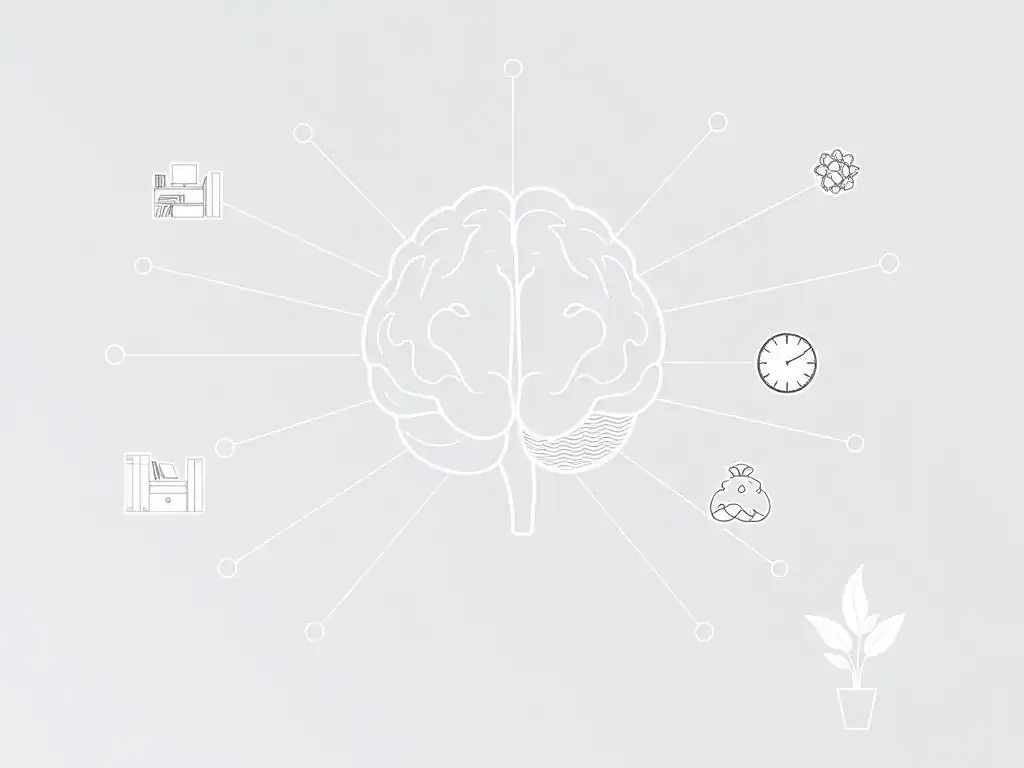
Creating the ideal environment is crucial for effective memory techniques. Top performers understand that external factors significantly impact their ability to learn and retain information. This section explores key environmental adjustments that can dramatically boost your memory performance.
Minimizing Distractions: Creating a Focused Learning Space
Distractions are the enemy of effective learning and memory consolidation. A cluttered, noisy environment makes it incredibly difficult for your brain to focus on encoding new information. Top performers prioritize a distraction-free workspace. This means more than just turning off your phone; it involves consciously creating a sanctuary for learning.
Consider these practical steps:
- Dedicated Study Space: Designate a specific area solely for learning and memory exercises. This helps your brain associate that location with focused activity.
- Noise Reduction: Minimize auditory distractions. Use noise-canceling headphones or find a quiet corner away from bustling activity. White noise or ambient soundscapes can sometimes be beneficial for masking distracting noises.
- Visual Decluttering: A clean, organized space promotes mental clarity. Remove unnecessary items from your desk or study area. Visual clutter can subconsciously compete for your attention, hindering memory encoding.
- Technology Management: Turn off notifications on all devices, including emails and social media. Consider using website blockers to prevent yourself from accessing distracting online content during study sessions. The temptation to check your phone even once can disrupt your concentration and reduce learning effectiveness. Studies show that even brief interruptions can significantly impair cognitive performance.
Remember, a calm, organized environment significantly improves concentration, enabling your brain to fully engage with the memory techniques you are employing. The reduction in mental load allows for deeper processing and better retention.
Prioritizing Sleep: The Crucial Role of Rest in Memory Consolidation
Sleep isn't just a time for rest; it's a critical period for memory consolidation. During sleep, your brain actively processes and strengthens newly acquired information, transferring it from short-term to long-term memory. Memory techniques top performers consistently prioritize sufficient, high-quality sleep.
Insufficient sleep severely impairs memory function. Studies have shown a direct correlation between sleep deprivation and reduced learning capacity. Aim for 7-9 hours of uninterrupted sleep each night. Consistent sleep schedules are also crucial for optimizing your body's natural sleep-wake cycle.
Here are some tips for improving sleep quality:
- Establish a Regular Sleep Schedule: Go to bed and wake up at the same time every day, even on weekends, to regulate your circadian rhythm.
- Create a Relaxing Bedtime Routine: Wind down before bed with calming activities like reading, taking a warm bath, or listening to soothing music. Avoid screen time close to bedtime.
- Optimize Your Sleep Environment: Ensure your bedroom is dark, quiet, and cool. A comfortable mattress and pillows are also essential for quality sleep.
- Address Sleep Disorders: If you suspect you have a sleep disorder, consult a healthcare professional for diagnosis and treatment. Untreated sleep disorders can significantly impede cognitive function and memory performance.
Nutrition and Hydration: Fueling Your Brain for Optimal Function
Your brain is a complex organ that requires the right fuel to function optimally. Proper nutrition and hydration are essential components of effective memory techniques. Top performers understand that what they consume directly impacts their cognitive abilities.
Dehydration, even mild, can impair cognitive function, including memory and concentration. Keep a water bottle handy and sip throughout the day. Avoid excessive caffeine and alcohol, as these can disrupt sleep and negatively affect memory.
A balanced diet rich in fruits, vegetables, and whole grains provides the essential nutrients your brain needs to function optimally. Focus on foods rich in antioxidants, omega-3 fatty acids, and vitamins B and E, all known to support brain health and cognitive function. Consider incorporating foods like blueberries, fatty fish, nuts, and leafy greens into your diet.
Neglecting proper nutrition and hydration is akin to running a car on empty. Fuel your body and brain correctly to maximize your learning potential and memory performance. Consistent, healthy eating habits are a cornerstone of peak cognitive function, especially when combined with effective memory techniques.
Memory Techniques Top Performers Use: Practical Application and Case Studies
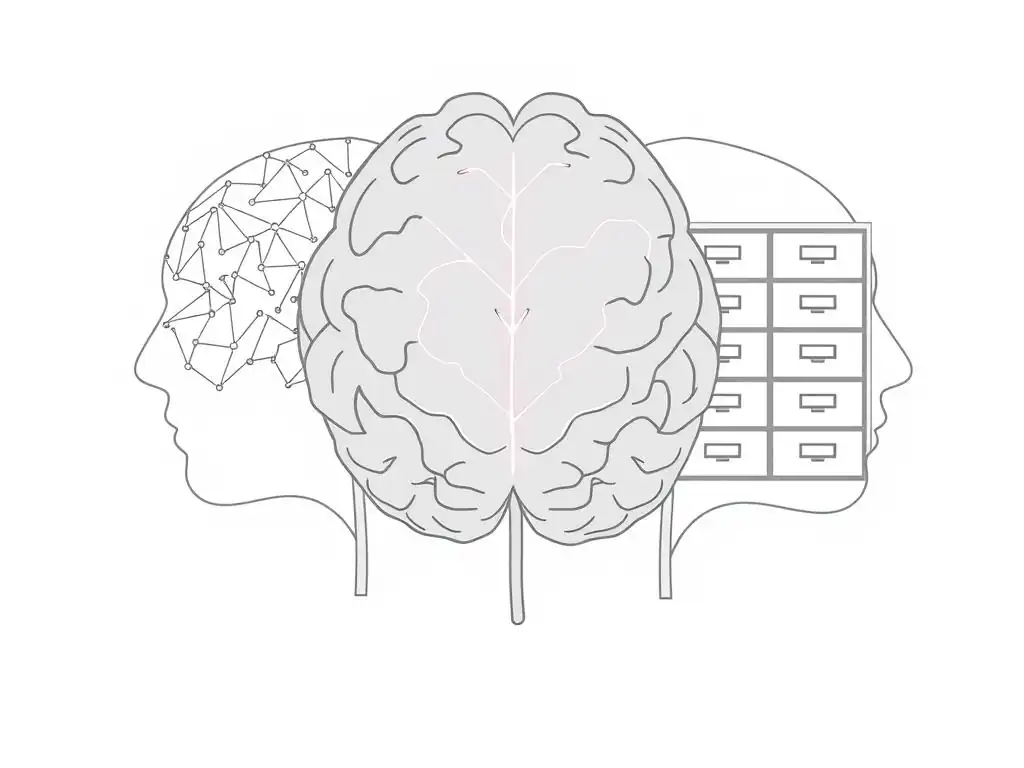
This section delves into the specific memory techniques employed by high-achievers across various fields. We'll explore practical applications and analyze real-world examples to illustrate how these strategies translate into tangible results. Understanding how top performers leverage memory techniques is crucial for anyone seeking to enhance their cognitive abilities and achieve peak performance. The effective application of these techniques requires understanding, practice, and personalization.
Case Study 1: The Memory Techniques of a World Memory Champion
World Memory Champions aren't just gifted; they've mastered specific techniques. Take, for instance, [Name of a World Memory Champion, pending]. Their success isn't solely attributed to innate ability but rather a disciplined application of several memory strategies. One key technique they employ is the Method of Loci, also known as the Memory Palace. This involves associating items to be memorized with specific locations in a familiar environment, such as their childhood home. By mentally "walking" through this space, they can easily recall the associated items.
Furthermore, [Name of a World Memory Champion, pending] utilizes memory peg systems. This involves creating a list of easily memorable images (pegs) and associating them with the items to be remembered. For example, the peg "one" might be a "sun," "two" a "shoe," and so on. This creates a structured framework for recall.
They also employ chunking, grouping information into smaller, manageable units, to improve retention. This is particularly effective for memorizing long sequences of numbers or facts. Their rigorous training regimen involves consistent practice and refinement of these techniques, highlighting the importance of dedicated effort in mastering memory enhancement. They emphasize the value of regular practice, even dedicating specific times for memory training exercises.
Case Study 2: How a Top Neurosurgeon Uses Memory Strategies
The demands on a neurosurgeon's memory are immense. Precise recall of complex anatomical structures, surgical procedures, and patient histories is critical. While specific details about individual neurosurgeons' memory techniques are often confidential, we can infer that effective memory strategies are essential for their success. We can hypothesize that a top neurosurgeon might utilize techniques like spaced repetition, reviewing critical information at increasing intervals to reinforce long-term retention. This system helps combat the forgetting curve and ensures crucial details remain readily accessible during high-pressure situations.
Additionally, the use of mnemonics—memory aids like acronyms or rhymes—could be invaluable for recalling complex medical terminology and procedures. For example, an acronym might be used to remember the steps in a delicate surgical procedure. Furthermore, strong organizational skills and mind mapping could help in visualizing and recalling intricate connections between different aspects of a patient's case.
The ability to quickly access and integrate various pieces of information is paramount in this high-stakes profession, and memory techniques are fundamental to achieving that level of proficiency. The ability to recall details under pressure is likely honed through years of practice and refinement of these techniques.
Integrating Techniques into Your Daily Routine: A Personalized Approach
Successfully integrating memory techniques into your daily life requires a personalized approach. There's no one-size-fits-all solution. Begin by identifying your specific memory challenges. Are you struggling to remember names, facts, or lists? Once you've pinpointed your weaknesses, you can select the most appropriate techniques.
Step-by-Step Guide to Personalization
- Assess your needs: What kind of information do you struggle to remember?
- Choose your techniques: Select methods suitable for your learning style and information type.
- Start small: Begin with one or two techniques and gradually add more as you master them.
- Practice consistently: Regular practice is key to developing strong memory skills.
- Track your progress: Monitor your improvement and adjust your approach accordingly.
Remember, consistency is key. Dedicate short, regular periods to memory training rather than infrequent, long sessions. Experiment with different techniques and find what works best for you. By embracing a personalized approach and practicing consistently, you can significantly improve your memory and unlock your cognitive potential, becoming a more effective and efficient individual. The journey to improved memory is a continuous process of learning and refinement. Embrace the challenge, and you'll reap the rewards.
Maintaining Long-Term Memory Improvement: Consistency is Key
Maintaining improvements in memory isn't a one-time achievement; it's an ongoing process. Think of your memory like a muscle – the more you work it, the stronger it gets. Neglecting your memory training, however, can lead to a decline in performance, much like neglecting physical exercise leads to muscle atrophy. This section delves into the crucial aspects of consistent effort to solidify your memory gains and achieve lasting cognitive enhancement. Top performers don't just learn techniques; they actively cultivate a memory-focused lifestyle.
Regular Practice: Sharpening Your Memory Skills Over Time
Consistent practice is paramount for long-term memory improvement. Simply learning a few memory techniques and then abandoning them will yield minimal results. Instead, integrate memory exercises into your daily routine. Even short, focused sessions (15-20 minutes) can significantly impact your memory capacity over time.
Consider these practical approaches:
- Daily Memory Games: Dedicate a few minutes each day to playing memory games like Sudoku, crosswords, or online memory matching exercises. These games subtly challenge your brain, reinforcing neural pathways associated with memory.
- Mnemonic Practice: Regularly review and apply mnemonic techniques you've learned. This could involve recalling items from a mental shopping list, reconstructing a narrative you created using the method of loci, or revisiting flashcards you've made. The repetition strengthens the memory traces.
- Active Recall: Instead of passively reviewing material, actively try to recall it from memory. This forces your brain to work harder, strengthening the memory connections more effectively than passive rereading.
Remember, consistency, not intensity, is the key here. Short, regular sessions are far more effective than infrequent, marathon study sessions. Think of it as a marathon, not a sprint. 🏃♂️
Continuous Learning: Expanding Your Knowledge and Memory Capacity
The human brain is remarkably adaptable. By continuously challenging yourself with new information and experiences, you actively expand your cognitive reserves and improve your capacity for memory. This isn't just about memorizing facts; it's about engaging in intellectually stimulating activities that keep your brain active and alert.
Here are some strategies to incorporate into your life:
- Embrace lifelong learning: Engage in activities that require you to learn new things – taking online courses, reading books on diverse subjects, learning a new language, or even picking up a new hobby. The process of learning itself strengthens your memory.
- Engage in intellectually stimulating conversations: Discussing complex topics with others sharpens your cognitive skills and improves your ability to remember information.
- Explore different learning methods: Experiment with various learning techniques to discover what works best for you. Different methods cater to different learning styles, maximizing memory retention. This might include visual aids, auditory learning, or kinesthetic learning approaches.
By keeping your mind engaged and constantly learning, you create a fertile ground for memory improvement. The more you learn, the easier it becomes to learn even more. This creates a positive feedback loop that significantly enhances your overall memory capacity.
Tracking Progress and Adapting Your Strategies
Monitoring your progress is essential for optimizing your memory training. Without tracking your improvements, it's difficult to know what's working and what needs adjustment. Regularly assessing your memory performance allows you to fine-tune your strategies and maximize your results.
Here's how to effectively track your progress:
- Maintain a memory journal: Record the techniques you're using, the time spent practicing, and your perceived improvement. Note any challenges you encounter and how you overcame them.
- Use memory tests: Periodically test your memory using standardized memory tests or self-designed assessments. This provides objective data on your progress. Compare your scores over time to see improvements.
- Adapt your approach: If you're not seeing the desired results, don't be afraid to adjust your strategies. Experiment with different techniques, change your practice schedule, or seek additional resources.
Remember, memory improvement is a journey, not a destination. By consistently practicing, continuously learning, and adapting your approach based on your progress, you can unlock your memory's full potential and become a true memory master. This dedication is what separates top performers from the rest. They understand that memory is a skill that requires consistent effort and refinement.
Frequently Asked Questions
What memory techniques do top performers use?
Top performers often utilize techniques like mnemonics, spaced repetition, and mind mapping to improve memory. They also emphasize active recall and consistent practice.
How can I improve my memory for everyday tasks?
Focus on organization, chunking information, and connecting new information to what you already know. Regular review and using visual aids are also helpful.
Are there any quick memory improvement strategies?
Yes! Try techniques like visualizing information, using acronyms, and connecting new information to personal experiences. Even short bursts of practice can make a difference.
How long does it take to see results from using memory techniques?
The time it takes varies depending on the technique and individual effort. However, you should start noticing improvements within a few weeks of consistent practice. Patience and persistence are key.
What resources are available to learn more about memory techniques used by top performers?
Many online courses and books cover memory techniques. Look for resources focused on mnemonics, memory palaces, and speed reading techniques. The UltimateLifeHacks website itself offers many helpful articles!
Final Reflection: Mastering Memory, Mastering Life
The ability to effortlessly recall information isn't just a parlor trick; it's a superpower for navigating the complexities of modern life. In a world saturated with data, those who can efficiently process and retain knowledge possess a significant advantage, impacting everything from career success to personal fulfillment. This advantage isn't innate; it's a skill honed through understanding and applying effective memory techniques.
The exploration of memory techniques, as detailed in this article, reveals a fascinating interplay between cognitive science and practical application. It highlights how seemingly simple strategies can unlock extraordinary potential within each of us. The journey of mastering memory is, in essence, a journey of self-discovery, revealing the untapped potential of our minds. The mind is not a vessel to be filled, but a fire to be kindled.
– Plutarch. This quote perfectly encapsulates the transformative power of actively engaging with memory techniques, moving beyond passive absorption to active engagement and understanding.
Now, consider how you can integrate these techniques into your own life. Perhaps you'll start by implementing the memory palace technique to learn a new language, or utilize spaced repetition to master a challenging subject. Maybe you'll simply begin by consciously paying more attention to the details of your daily life, strengthening your observational skills and, in turn, your memory.
The path to effortless memorization is a personal one, but the rewards – increased confidence, enhanced learning, and a deeper understanding of your own cognitive abilities – are universally transformative. Embrace the journey, and unlock the extraordinary power of your memory.
Unlock Your Memory's Potential: Take the First Step Today!
Thank you for exploring the world of effortless memorization! We hope you discovered practical strategies to enhance your recall and unlock your brain's hidden potential. Now it's time to apply your newfound knowledge.
- Start by implementing one new memorization technique from this article. Focus on mastering a single strategy before progressing to others. Consistent practice yields lasting results.
- Share your progress and key insights from this article on social media. Inspire others and connect with a community that values knowledge and learning. Use #UltimateLifeHacks for a chance to be featured!
- Try a memory-enhancing activity today—such as learning a new word or memorizing a short poem. Even small, consistent efforts lead to significant long-term progress.
Ready to transform your memory and elevate your learning? What small step will you take today to improve your recall?