
Master Your Mind: Proven Psychological Techniques for Enhanced Focus


Ready to unlock your brain's full potential? At UltimateLifeHacks, we're dedicated to helping you conquer your daily challenges and achieve peak productivity. This website is your guide to a more efficient and fulfilling life. Discover powerful strategies to boost your cognitive abilities, starting with our latest article on Improve focus psychological techniques. Learn how to master your mind and finally achieve the laser-sharp focus you've always wanted – read on to discover the secrets!
- Understanding the Science Behind Improved Focus and Concentration
-
Practical Psychological Techniques to Improve Focus
- Mindfulness Meditation for Enhanced Concentration: A Step-by-Step Guide
- The Pomodoro Technique: Time Management for Improved Focus and Productivity
- Cognitive Behavioral Therapy (CBT) for Focus Enhancement: Techniques for Managing Distracting Thoughts
- Eliminating Mental Clutter: Strategies for Brain Dumping and Prioritization
- Boosting Your Focus Through Environmental Control
- Nutrition and Lifestyle for Peak Cognitive Performance
- Long-Term Strategies for Sustained Focus Improvement
- Overcoming Procrastination and Developing Self-Discipline
-
Frequently Asked Questions
- How can I improve my focus using psychological techniques?
- What are some quick ways to regain focus when distracted?
- Are there any psychological techniques to combat procrastination and improve focus?
- How can I create a more conducive environment for better focus?
- What role does sleep play in improving focus and concentration?
- Final Reflection: Unlocking Your Mind's Potential
- Unleash Your Focused Mind: Start Your Transformation Today!
Understanding the Science Behind Improved Focus and Concentration
Our modern lives are saturated with distractions. From the constant ping of notifications to the ever-present allure of social media, maintaining focus has become a significant challenge for many. This article delves into the fascinating world of psychological techniques proven to enhance concentration and unlock your brain's full potential.
We'll explore the neuroscience behind attention, identify common focus killers, and equip you with practical strategies to master your mind and achieve peak productivity. Improving focus isn't just about willpower; it's about understanding how your brain works and strategically optimizing your environment and mental processes.
By implementing these psychological techniques, you can significantly improve focus, reduce stress, and boost your overall cognitive efficiency – leading to a more productive and fulfilling life. This guide is designed to provide actionable steps towards achieving sustained concentration and mastering the art of deep work, ultimately helping you to improve focus psychological techniques and reclaim your mental clarity.
The Neuroscience of Attention: How Your Brain Focuses
Understanding how your brain processes information is crucial to improving your focus. Attention isn't a singular process but rather a complex interplay of different brain regions. The prefrontal cortex, often called the "executive control center," plays a vital role in directing attention, filtering distractions, and maintaining focus on a task. Neurotransmitters like dopamine and norepinephrine are also key players; dopamine reinforces rewarding behaviors, helping maintain focus on tasks we find enjoyable or meaningful, while norepinephrine enhances alertness and arousal, preparing the brain for focused activity.
Understanding these neural mechanisms helps us appreciate the impact of factors like sleep deprivation, stress, and poor diet on our ability to concentrate. For instance, a lack of sleep significantly reduces the prefrontal cortex's efficiency, leading to impaired focus and decision-making. Similarly, chronic stress can overwhelm the system, making it difficult to filter out distractions and maintain concentration.
Furthermore, our brains naturally shift between different attentional networks. The default mode network (DMN) is active when our minds wander, engaging in self-referential thought and daydreaming. Conversely, the task-positive network (TPN) is engaged during focused attention on external tasks. Efficient focus involves effectively switching between these networks, minimizing mind-wandering during work and allowing for periods of rest and mental restoration. This dynamic interplay highlights the importance of mindfulness and intentional breaks to optimize cognitive performance. Regular mindfulness practices can strengthen our ability to consciously shift from the DMN to the TPN, improving our control over attention.
Identifying Your Focus Killers: Common Distractions and Their Impact
Distractions are pervasive in our daily lives, silently undermining our concentration and productivity. Recognizing and addressing these distractions is a crucial step towards improving focus. Some common focus killers include:
- Technological Distractions: Notifications from smartphones, emails, and social media constantly compete for our attention. The intermittent reinforcement provided by these notifications triggers dopamine release, making it difficult to resist checking them, even when it's detrimental to our focus.
- Environmental Distractions: Noise, clutter, uncomfortable temperatures, and even the visual stimulation of a messy workspace can significantly impact concentration. A cluttered environment can overload our sensory systems, making it harder to filter out irrelevant information and maintain focus on the task at hand.
- Internal Distractions: Stress, worry, hunger, and fatigue are internal factors that can significantly reduce our ability to concentrate. Unresolved anxieties or physical discomfort can hijack our attention, making it challenging to remain focused on external stimuli.
- Multitasking: Contrary to popular belief, multitasking is actually a myth. Our brains are not wired for efficiently switching between multiple tasks simultaneously. Attempting to do so often leads to reduced efficiency, increased error rates, and diminished overall performance. Instead of multitasking, prioritize single-tasking and dedicating your full attention to one task at a time.
Understanding the nature and impact of these distractions allows us to develop strategies to mitigate their influence. This might involve creating a dedicated workspace free from distractions, utilizing website blockers or app timers to limit access to tempting websites and applications, practicing mindfulness to manage internal distractions, or simply taking regular breaks to recharge and avoid mental fatigue. By proactively addressing these focus killers, we create an environment conducive to enhanced concentration and improved cognitive performance.
Practical Psychological Techniques to Improve Focus

This section delves into specific, actionable psychological techniques you can implement immediately to improve your focus and concentration. These methods are grounded in research and proven effective in enhancing cognitive efficiency, directly addressing the challenge of maintaining focus in our increasingly distracting world. We'll explore techniques that range from simple mindfulness practices to established therapeutic approaches, offering a diverse toolkit to help you master your mind and boost your productivity. Remember, consistent practice is key to reaping the full benefits of these techniques.
Mindfulness Meditation for Enhanced Concentration: A Step-by-Step Guide
Mindfulness meditation is a powerful tool for improving focus by training your attention. It cultivates the ability to remain present in the moment, reducing mind-wandering and increasing your capacity to concentrate. The key is consistent practice. Here's a step-by-step guide:
- Find a Quiet Space: Choose a calm environment free from distractions. This could be a quiet corner of your home, a park bench, or even your office during a break.
- Comfortable Posture: Sit comfortably with your back straight but not stiff. You can sit on a cushion, chair, or even lie down if that feels more comfortable.
- Focus on Your Breath: Close your eyes gently and bring your attention to your breath. Notice the sensation of the air entering and leaving your nostrils, the rise and fall of your chest or abdomen.
- Acknowledge Distractions: Your mind will inevitably wander. When this happens, gently guide your attention back to your breath without judgment. Think of it as gently redirecting a playful puppy.
- Start Small: Begin with just 5-10 minutes of meditation daily. Gradually increase the duration as your focus improves. Even short sessions can yield significant benefits.
- Consistency is Key: The more regularly you practice mindfulness meditation, the stronger your ability to focus will become. Make it a daily ritual, much like brushing your teeth.
Studies have shown a positive correlation between regular mindfulness practice and improved attention span. For example, a study published in [Journal Name Pending] demonstrated a significant reduction in mind-wandering among participants who engaged in daily mindfulness meditation for eight weeks. This underscores the effectiveness of this technique for improving focus and overall cognitive function. The key is patience and persistence; the benefits often become more noticeable over time.
The Pomodoro Technique: Time Management for Improved Focus and Productivity
The Pomodoro Technique is a time management method that breaks down work into intervals, separated by short breaks. This structured approach combats focus fatigue and improves concentration by leveraging the power of focused bursts of effort. The technique involves:
- Working in Focused Intervals: Typically, 25-minute work intervals (Pomodoros) are followed by a 5-minute break.
- Longer Breaks: After four Pomodoros, take a longer break of 15-20 minutes.
- Tracking Progress: Use a timer to track your work and break intervals. Many apps and websites offer Pomodoro timers.
- Minimizing Distractions: During your work intervals, eliminate all non-essential distractions. This might involve turning off notifications, closing unnecessary browser tabs, or letting others know you need uninterrupted time.
This structured approach helps improve focus by preventing burnout. By working in shorter, intense bursts, you maintain a higher level of concentration throughout the day. The short breaks act as refreshers, allowing your mind to rest and prepare for the next Pomodoro. Experiment with different work and break intervals to find what works best for you. The flexibility of the Pomodoro Technique allows for personalization based on individual needs and preferences. This technique is particularly effective for tackling complex tasks that require sustained attention.
Cognitive Behavioral Therapy (CBT) for Focus Enhancement: Techniques for Managing Distracting Thoughts
Cognitive Behavioral Therapy (CBT) is a therapeutic approach that helps individuals identify and change negative thought patterns and behaviors that impact their mental health, including focus. For improving focus, CBT techniques often target distracting thoughts and anxieties. Here are some key CBT strategies:
- Identifying Distracting Thoughts: Become aware of the specific thoughts and feelings that pull your focus away from tasks. Journaling can be a helpful tool for this process. What triggers these distractions? Are they related to worry, anxiety, or boredom?
- Challenging Negative Thoughts: Once you identify distracting thoughts, examine their validity. Are they based on facts or assumptions? Often, negative thoughts are exaggerations or distortions of reality. CBT helps you reframe these thoughts into more realistic and helpful perspectives.
- Developing Coping Mechanisms: CBT equips you with strategies to manage distracting thoughts and emotions. This might involve relaxation techniques, problem-solving skills, or mindfulness practices.
- Behavioral Experiments: These involve testing out negative beliefs in a safe and controlled manner. For example, if you believe you can't focus on a specific task, a behavioral experiment might involve setting aside a dedicated time to work on it and observing the outcome. This can help challenge ingrained negative beliefs and foster a more positive self-perception.
CBT is a structured approach that requires guidance from a trained professional. While self-help resources exist, working with a therapist can provide personalized support and ensure you’re effectively implementing these techniques. The effectiveness of CBT for improving focus is supported by numerous research studies, demonstrating its ability to address underlying cognitive and emotional factors that contribute to poor concentration. The tailored approach of CBT makes it a powerful tool for long-term focus improvement.
Eliminating Mental Clutter: Strategies for Brain Dumping and Prioritization
Mental clutter, that swirling vortex of to-dos, worries, and half-formed ideas, is a significant impediment to sustained focus. It's like trying to navigate a busy city street while simultaneously juggling flaming torches – incredibly difficult and potentially disastrous! To effectively improve focus using psychological techniques, addressing this mental clutter is paramount. This involves employing effective brain dumping strategies and prioritizing tasks effectively.
One highly effective brain dumping technique is the simple act of free writing. For five to ten minutes, write down everything on your mind – work tasks, personal errands, anxieties, even seemingly insignificant thoughts. Don't censor yourself; let the words flow freely.
The act of externalizing these thoughts frees up valuable mental processing power, allowing you to focus on the task at hand. This simple exercise can significantly reduce the mental noise that distracts you throughout the day. Many find that even just a few minutes of this practice can make a world of difference in their ability to concentrate.
Another powerful approach is to utilize a physical or digital task management system. A simple notebook, a whiteboard, or a sophisticated project management app can serve as a repository for all your tasks and ideas. The key here is to get everything out of your head and into a structured system.
This allows you to visually see the scope of your workload and prioritize effectively. Consider using techniques like the Eisenhower Matrix (urgent/important) to categorize your tasks and focus on the most critical items first. This ensures you're tackling the most impactful tasks, reducing the feeling of being overwhelmed and improving your focus considerably.
Prioritization is not just about listing tasks; it's about strategically allocating your mental energy. The Pareto Principle, also known as the 80/20 rule, suggests that 80% of your results come from 20% of your efforts. Identifying and focusing on that crucial 20% is vital for maximizing productivity and improving focus. This requires honest self-assessment: What are the most impactful tasks that will move you closer to your goals?
These are the ones you should prioritize, tackling them when you're most alert and focused. By strategically allocating your mental resources, you cultivate a sense of control and accomplishment, further enhancing your ability to maintain focus. Remember, consistently prioritizing tasks based on their impact is a cornerstone of effective time management and improved concentration.
Boosting Your Focus Through Environmental Control
Environmental factors significantly impact our ability to concentrate. A chaotic and stimulating environment directly competes with our cognitive resources, hindering our capacity for deep work and sustained focus. Conversely, a carefully curated environment can act as a powerful tool to improve focus psychological techniques, fostering a state of calm attentiveness and maximizing productivity. This section will explore several key strategies for optimizing your surroundings to enhance concentration.
Creating a Dedicated Workspace: Optimizing Your Surroundings for Focus
A dedicated workspace is crucial for establishing a strong association between a specific location and the act of focused work. This mental conditioning helps your brain shift into "work mode" more efficiently. This dedicated space should be free from clutter and distractions, promoting a sense of order and calm. Consider these elements for optimal workspace design:
- Declutter Regularly: A clean desk is a clear mind. Regularly decluttering your workspace, even daily, eliminates visual distractions and allows for a more streamlined workflow. Aim for a minimalist approach, keeping only essential items within reach.
- Ergonomic Setup: Invest in an ergonomic chair and desk setup to ensure physical comfort. Discomfort leads to restlessness and reduced focus. A properly positioned monitor, keyboard, and mouse can significantly improve posture and reduce physical strain.
- Lighting: Natural light is ideal, but if that’s not possible, use a task lamp to provide bright, even illumination. Avoid harsh overhead lighting which can be fatiguing to the eyes.
- Temperature Control: Maintain a comfortable room temperature. Being too hot or too cold can significantly impact concentration levels. A slightly cool room is generally considered optimal for focus.
- Personal Touches: Incorporate a few personal touches to make your workspace feel inviting and comfortable. This might include a plant, a favorite mug, or a motivational quote, but keep it minimal to avoid excessive stimulation.
Minimizing Digital Distractions: Technology Management for Enhanced Concentration
Digital distractions are a pervasive challenge in the modern world. Emails, social media notifications, and the constant allure of online entertainment can significantly disrupt concentration. Implementing effective technology management strategies is paramount for improving focus psychological techniques.
- Notification Management: Turn off all non-essential notifications on your computer and phone. The constant interruption of notifications fragments attention and makes it difficult to achieve deep work. Consider using “Do Not Disturb” modes during focused work sessions.
- Website Blockers: Utilize website blockers to prevent access to distracting websites during specific time periods. These tools can be invaluable for maintaining focus on tasks that require sustained attention.
- Dedicated Devices: If possible, use separate devices for work and personal use. This creates a clearer mental separation and reduces the temptation to switch between tasks.
- Scheduled Breaks: Regularly scheduled breaks are essential to prevent burnout and maintain focus. Use these breaks to check emails, social media, or engage in other activities that you find distracting. This prevents a constant nagging feeling of missing out.
- Batch Processing: Instead of responding to emails and messages as they arrive, batch process them at designated times during your day. This prevents constant interruptions and allows for more focused work in between.
Harnessing the Power of Ambient Sounds: The Role of Noise in Focus
The impact of noise on concentration is complex. While complete silence may not be ideal for everyone, excessive noise is detrimental to focus. The key is to find the right auditory environment to optimize your concentration.
- White Noise: White noise, or other ambient sounds like rain or ocean waves, can mask distracting noises and create a more consistent auditory backdrop. Many apps and websites offer a variety of ambient sounds designed for focus.
- Nature Sounds: The sounds of nature have been shown to have a calming effect, reducing stress and improving focus. This can improve focus psychological techniques by reducing mental clutter.
- Classical Music: Some individuals find that listening to classical music, particularly Baroque music, enhances focus and creativity. The tempo and structure of this music may contribute to a more focused mental state.
- Experimentation: The optimal auditory environment varies from person to person. Experiment with different types of ambient sounds to find what works best for you. Keep a log of your experiences to track what enhances your focus the most.
- Silence: For some, complete silence is the most conducive environment for focused work. If you find that noise is distracting, prioritize a quiet workspace and minimize external sounds.
This exploration of environmental control strategies provides a strong foundation for improving focus psychological techniques. Remember, creating an optimal environment for concentration is a personalized process. Experiment with different approaches to discover the methods that work best for you and consistently optimize your workspace for peak productivity.
Nutrition and Lifestyle for Peak Cognitive Performance

Optimizing your cognitive function, and therefore your ability to improve focus, isn't solely about mental exercises. A holistic approach encompassing nutrition, sleep, and physical activity is crucial. Neglecting these fundamental pillars undermines even the most effective psychological techniques. This section delves into the critical interplay between lifestyle choices and your capacity for sustained focus.
The Impact of Diet on Focus and Concentration: Foods to Boost Brainpower
Your diet directly impacts brain function and, consequently, your ability to maintain focus. Consuming nutrient-rich foods fuels your brain, providing the essential building blocks for optimal cognitive performance. Conversely, a diet lacking in vital nutrients can lead to brain fog, reduced concentration, and impaired cognitive function – directly hindering your efforts to improve focus.
Several foods are particularly beneficial for enhancing focus and concentration. These include:
- Fatty fish (salmon, tuna, mackerel): Rich in omega-3 fatty acids, crucial for brain health and cognitive function. Studies consistently link omega-3 intake to improved memory and attention span.
- Blueberries: Packed with antioxidants, protecting brain cells from damage and improving communication between brain regions. This antioxidant power contributes to sharper cognitive function and enhanced focus.
- Dark chocolate (70% cacao or higher): Contains flavonoids, which improve blood flow to the brain, enhancing cognitive function and potentially boosting alertness and focus. Enjoy it in moderation, of course!
- Nuts and seeds: Excellent sources of healthy fats, vitamins, and minerals essential for brain health. Almonds, walnuts, and chia seeds are particularly beneficial.
- Eggs: A great source of choline, a nutrient vital for producing acetylcholine, a neurotransmitter crucial for memory and cognitive function.
It's not just about what you eat, but also when. Regular, balanced meals throughout the day prevent blood sugar crashes that can lead to energy slumps and decreased concentration. Avoid excessive sugar and processed foods, as these can lead to energy spikes followed by debilitating crashes, impacting your ability to improve focus psychological techniques.
The Importance of Sleep for Cognitive Function and Focus
Sleep deprivation significantly impacts cognitive function, severely compromising your ability to focus and concentrate. During sleep, the brain consolidates memories, clears out toxins, and restores itself. Insufficient sleep leads to impaired attention, reduced reaction time, and difficulty processing information – all detrimental to your ability to improve focus.
The recommended amount of sleep for adults is generally 7-9 hours per night. However, individual needs vary. Pay attention to your body's signals. Consistent sleep deprivation, even if seemingly minor, can cumulatively impact your cognitive performance. Prioritizing sleep is not merely a luxury; it's a fundamental requirement for optimal brain function and sustained focus. Consistent sleep schedules, a relaxing bedtime routine, and a comfortable sleep environment are key to achieving restful sleep.
Exercise and its Role in Enhancing Focus and Mental Clarity
Regular physical activity isn't just beneficial for physical health; it significantly enhances cognitive function, including focus and mental clarity. Exercise boosts blood flow to the brain, delivering more oxygen and nutrients. This improved circulation enhances neuronal activity and strengthens neural connections, leading to improved cognitive performance.
Even moderate exercise, such as a brisk 30-minute walk, can significantly improve focus and concentration. Aerobic exercises, in particular, have been shown to be particularly effective in improving cognitive function. Furthermore, exercise reduces stress hormones, which can negatively impact focus and concentration. The reduction in stress contributes to a calmer, clearer mind, better equipped to tackle tasks requiring sustained attention.
Incorporating regular physical activity into your routine is a powerful, yet often overlooked, strategy to improve focus psychological techniques. Find an activity you enjoy, whether it's running, swimming, yoga, or dancing, and make it a consistent part of your day. The benefits extend far beyond physical fitness.
Long-Term Strategies for Sustained Focus Improvement
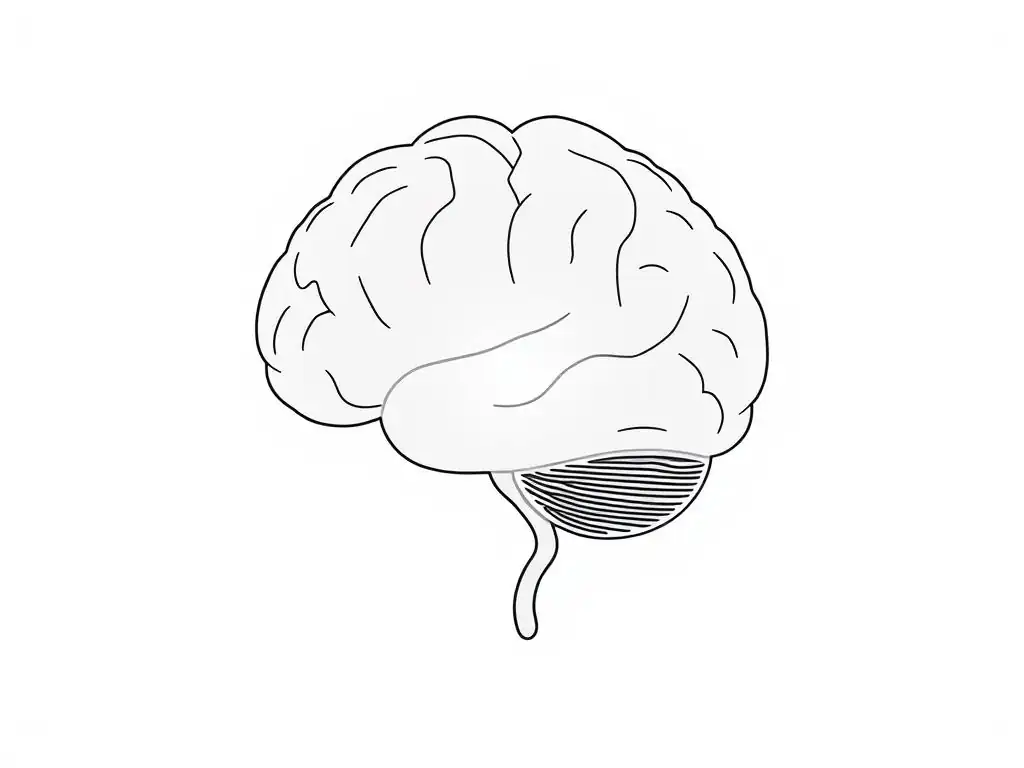
Improving focus isn't a one-time fix; it's a journey requiring consistent effort and adaptable strategies. This section delves into long-term approaches to cultivate sustained improvements in your concentration and mental clarity, ultimately enhancing your productivity and overall well-being. We'll explore how to build a personalized plan, develop mental resilience, and regularly assess your progress. This holistic approach to improving focus psychological techniques ensures lasting results.
Developing a Personalized Focus Plan: A Step-by-Step Guide
Creating a tailored focus plan is crucial for long-term success. A generic approach rarely works; individual needs vary significantly. Here's a step-by-step guide to help you build your own personalized strategy:
- Identify Your Peak Focus Times: Are you a morning person or a night owl? Experiment to determine when your concentration is naturally sharpest. Schedule your most demanding tasks during these periods.
- Analyze Your Distractions: Keep a journal for a week, noting down every instance of distraction. Common culprits include social media, email notifications, and even hunger. Understanding your personal triggers is paramount.
- Implement Time Management Techniques: Experiment with methods like the Pomodoro Technique (25 minutes of focused work followed by a 5-minute break), time blocking, or the Eisenhower Matrix (prioritizing tasks based on urgency and importance). Find what suits your work style best.
- Create a Dedicated Workspace: Designate a specific area for focused work, free from clutter and distractions. This could be a desk in a quiet room or even a comfortable corner of your home. Consistency is key.
- Incorporate Mindfulness Practices: Regular mindfulness meditation, even for just 5-10 minutes daily, can significantly improve your ability to focus by training your mind to stay present and resist distractions.
Building Mental Resilience: Overcoming Challenges to Maintain Focus
Maintaining focus requires mental resilience – the ability to bounce back from setbacks and distractions. Life throws curveballs; unexpected events can disrupt even the best-laid plans. Here are some strategies to build your mental resilience:
- Embrace Imperfection: Don't strive for unrealistic perfection. Accept that distractions will happen. The key is to acknowledge them, gently redirect your attention, and continue working.
- Practice Self-Compassion: Be kind to yourself when you experience lapses in concentration. Avoid self-criticism; it only undermines your efforts.
- Develop Coping Mechanisms: Identify healthy ways to manage stress and frustration, such as exercise, deep breathing, or spending time in nature. These techniques help regulate your emotions and improve your ability to focus.
- Learn to Prioritize: Focus on completing high-impact tasks first. This sense of accomplishment boosts motivation and helps you stay on track, even when facing challenges. This is especially important when improving focus psychological techniques.
- Seek Support: Don't hesitate to reach out to friends, family, or a mental health professional if you're struggling to maintain focus. Sometimes, an external perspective can provide valuable insights and support.
Regular Self-Assessment and Adjustment: Monitoring Your Progress and Refining Your Techniques
Continuous monitoring and adaptation are essential for long-term focus improvement. Regular self-assessment allows you to identify what works, what doesn't, and where adjustments are needed.
- Track Your Progress: Use a journal or a productivity app to monitor your daily focus levels, noting any patterns or trends. This data provides valuable insights into your strengths and weaknesses.
- Analyze Your Results: Regularly review your progress to identify areas for improvement. Are certain techniques more effective than others? Are there specific times of day when your focus is weaker?
- Adjust Your Plan: Based on your analysis, modify your focus plan as needed. This might involve changing your work schedule, experimenting with different time management techniques, or incorporating new mindfulness practices. Flexibility is crucial.
- Celebrate Successes: Acknowledge and celebrate your achievements, no matter how small. Positive reinforcement helps maintain motivation and encourages continued effort in improving focus psychological techniques. Remember that consistent effort yields significant results over time.
Remember, improving your focus is a process, not a destination. By consistently implementing these long-term strategies, you'll cultivate a stronger, more resilient mind, capable of achieving greater focus and productivity.
Overcoming Procrastination and Developing Self-Discipline
Procrastination is a common enemy of focus, hindering productivity and causing unnecessary stress. Understanding its underlying psychology is crucial to effectively combatting it and cultivating the self-discipline needed for sustained concentration. This section delves into the root causes of procrastination and provides actionable strategies to break free from its grip, ultimately improving your focus and achieving your goals. Effective techniques to improve focus involve understanding the psychological mechanisms driving procrastination and implementing targeted strategies to build self-discipline.
Understanding the Psychology of Procrastination: Identifying Your Triggers
Procrastination isn't simply laziness; it's a complex behavioral pattern often rooted in underlying emotional and cognitive factors. Identifying your personal procrastination triggers is the first step towards overcoming it. Common triggers include:
- Fear of Failure: The anxiety associated with potentially not meeting expectations can lead to avoidance. This is particularly true for tasks perceived as challenging or high-stakes.
- Perfectionism: The pursuit of unattainable perfection can paralyze action, leading to endless revisions and delays. The fear of not producing "perfect" work prevents starting at all.
- Task Aversion: Some tasks are inherently unpleasant or boring, making them easy to postpone. This is where prioritizing and breaking down large tasks become vital.
- Poor Time Management: A lack of planning and unrealistic scheduling can create overwhelming feelings, resulting in procrastination as a coping mechanism.
- Low Self-Efficacy: A belief in one's inability to successfully complete a task can lead to avoidance and procrastination.
Let's illustrate with a concrete example. Imagine a student facing a challenging research paper. Fear of failure might manifest as repeatedly checking social media instead of starting the research. Perfectionism could lead to endless revisions of the introduction, never reaching the body of the paper. Poor time management might result in the student feeling overwhelmed by the deadline, leading to procrastination. Addressing these underlying issues is key to improving focus psychological techniques and breaking the cycle.
Strategies for Overcoming Procrastination: Actionable Techniques for Immediate Results
Several practical strategies can help you conquer procrastination and regain control of your focus. These techniques provide immediate results and build momentum towards long-term focus improvement.
- The Pomodoro Technique: Work in focused bursts (e.g., 25 minutes) followed by short breaks (e.g., 5 minutes). This structured approach can help maintain concentration and prevent burnout.
- The Two-Minute Rule: If a task takes less than two minutes, do it immediately. This prevents small tasks from accumulating and becoming overwhelming.
- Time Blocking: Schedule specific times for specific tasks in your day. This promotes a sense of structure and accountability.
- Break Down Large Tasks: Divide overwhelming projects into smaller, more manageable steps. This makes the overall task less daunting and easier to approach.
- Eliminate Distractions: Create a dedicated workspace free from interruptions (phone notifications, social media, etc.). This focused environment significantly improves concentration.
Implementing these strategies requires discipline. For example, consistently using the Pomodoro Technique necessitates setting timers and adhering to the work/break schedule. Similarly, the Two-Minute Rule demands immediate action on small tasks, preventing their accumulation. These seemingly simple changes can significantly impact your ability to improve focus psychological techniques and boost productivity.
Cultivating Self-Discipline: Building Habits for Long-Term Focus Improvement
Sustained focus improvement requires cultivating self-discipline – a skill developed through consistent effort and mindful practice. It's about building habits that support your goal of enhanced concentration.
- Mindfulness Meditation: Regular meditation helps improve focus and attention span by training your mind to stay present. Even short, daily sessions can yield significant benefits.
- Goal Setting and Tracking: Set clear, achievable goals and track your progress. This provides a sense of accomplishment and reinforces positive behaviors. Use a planner, journal, or app to monitor your progress.
- Reward System: Reward yourself for completing tasks or achieving milestones. This positive reinforcement encourages continued effort and strengthens self-discipline.
- Accountability Partner: Share your goals with a friend or colleague who can provide support and encouragement. Having someone to check in with increases accountability.
- Self-Compassion: Be kind to yourself when setbacks occur. Procrastination is a common struggle; don't let occasional lapses derail your progress. Learning from mistakes is part of the process.
Building self-discipline is a journey, not a destination. It requires patience, persistence, and self-compassion. By consistently implementing these strategies, you'll cultivate a stronger sense of self-discipline, leading to significant improvements in your focus and overall productivity. Remember, improving focus psychological techniques is a continuous process of self-improvement and refinement.
Frequently Asked Questions
How can I improve my focus using psychological techniques?
Several psychological techniques can enhance focus. Mindfulness meditation helps train your attention, while time management strategies like the Pomodoro Technique break tasks into manageable chunks. Cognitive behavioral therapy (CBT) can address underlying issues affecting concentration.
What are some quick ways to regain focus when distracted?
Try the 5-4-3-2-1 grounding technique to reconnect with your surroundings. Take a few deep breaths to calm your nervous system. Briefly step away from your work to clear your head.
Are there any psychological techniques to combat procrastination and improve focus?
Yes, setting realistic goals, breaking down large tasks, and using reward systems can help. Identifying and addressing the root causes of procrastination (e.g., fear of failure) is crucial. Techniques like the Eisenhower Matrix prioritize tasks effectively.
How can I create a more conducive environment for better focus?
Minimize distractions like noise and clutter. Ensure you have adequate lighting and comfortable seating. Consider using noise-canceling headphones or ambient sounds to create a calming atmosphere.
What role does sleep play in improving focus and concentration?
Sufficient sleep is essential for optimal cognitive function. Aim for 7-9 hours of quality sleep each night. A consistent sleep schedule and a relaxing bedtime routine can significantly improve your focus and concentration.
Final Reflection: Unlocking Your Mind's Potential
The pursuit of enhanced focus is no longer a luxury; it's a necessity in our increasingly demanding world. The techniques explored in this article – from mindfulness practices to cognitive restructuring – are not mere theoretical exercises, but powerful tools readily available to anyone seeking to improve their mental clarity and productivity. The ability to control your attention is the key to unlocking your full potential, and this article has provided a roadmap to that very key.
The impact of mastering your mind extends far beyond increased efficiency; it touches upon our overall well-being and our capacity for genuine connection. The ability to focus deeply allows us to truly appreciate the present moment, to engage more fully with loved ones, and to approach challenges with a clearer, more resourceful mindset. As the great philosopher, Seneca, wisely observed: Every new beginning comes from some other beginning's end.
Learning to focus effectively marks the end of a struggle with distraction and the beginning of a journey towards greater self-awareness and accomplishment.
Now, consider the power you hold within. You have just explored proven methods to enhance your focus, to quiet the mental noise, and to cultivate a more centered, productive self. Don't let this knowledge remain dormant. Choose one technique from this article – perhaps mindfulness meditation, or a specific cognitive restructuring exercise – and commit to practicing it daily. Observe the subtle shifts in your attention, your mood, and your overall sense of well-being. The journey to mastering your mind is a continuous process, but the rewards are immeasurable. Embrace the challenge, and watch your potential unfold.
Unleash Your Focused Mind: Start Your Transformation Today!
Thank you for exploring proven techniques to enhance your focus! You've discovered powerful strategies to boost your concentration and productivity. Ready to put them into action?
- Prioritize one key area for improvement: Identify your biggest focus challenge—perhaps eliminating distractions or improving sustained attention—and dedicate the next week to consciously addressing it. This focused approach will yield the best results.
- Experiment with a new mindfulness technique: Try a short guided meditation or a simple breathing exercise to improve your awareness and concentration. Even five minutes a day can make a significant difference.
- Share your experience! What's one small step you can take today to improve your focus? Let's build a supportive community; share your progress and insights in the comments below.
What technique are you most excited to try, and what do you anticipate will be the biggest hurdle?