
The Mindset Shift: How to Rewire Your Brain for Success and Positive Thinking


Ready to unlock your brain's full potential and transform your life? At UltimateLifeHacks, we're dedicated to providing practical strategies for boosting productivity and efficiency. This article on "Rewiring your brain for positive thinking and success" dives deep into the cognitive hacks you need to achieve a mindset shift—discover the secrets to unlocking a more positive and successful you. Are you ready to learn how to reprogram your thinking and achieve extraordinary results? Let's begin!
- Understanding the Power of Positive Thinking for Success
-
Practical Techniques to Rewire Your Brain for Positive Thinking
- Mindfulness Meditation for Cultivating Positive Thoughts
- Cognitive Behavioral Therapy (CBT) Techniques for Thought Transformation
- Positive Affirmations and Their Impact on Brain Plasticity
- Visualization Techniques: Programming Your Subconscious Mind for Success
- Gratitude Practices: Shifting Focus to the Positive
- Building a Success Mindset Through Positive Self-Talk
- Maintaining a Positive Mindset for Long-Term Success
- Rewiring Your Brain for Positive Thinking: A Summary and Next Steps
-
Frequently Asked Questions
- How can I rewire my brain for positive thinking?
- What are some practical techniques for positive thinking?
- How long does it take to see results from rewiring my brain for positive thinking?
- Is it possible to permanently change my negative thought patterns?
- How can I maintain positive thinking in the face of challenges?
- Final Reflection: Unlocking Your Potential Through a Positive Mindset
- Unlock Your Positive Potential: Start Rewiring Your Brain Today!
Understanding the Power of Positive Thinking for Success
Positive thinking isn't just about "being happy"; it's a powerful tool for achieving success and improving overall well-being. This article delves into the science behind rewiring your brain for positive thinking, exploring practical techniques to identify and overcome negative thought patterns, ultimately shaping your reality for greater achievement. We'll uncover how cultivating a positive mindset can unlock your potential and lead to a more fulfilling and successful life.
This is crucial in today's fast-paced world, where managing stress and maintaining a productive outlook are essential for navigating challenges and achieving goals. Learning to rewire your brain for positive thinking is not just a self-help concept; it's a scientifically-backed strategy for optimizing your cognitive function and boosting your chances of success. By understanding the neuroscience behind it and implementing practical techniques, you can significantly improve your mental and emotional resilience, leading to a more positive and successful life.
This journey involves recognizing your internal obstacles, understanding how your thoughts shape your reality, and actively cultivating a more positive and productive mindset. Let's begin! ✨
The Neuroscience of Positive Thinking and Brain Rewiring
Neuroplasticity, the brain's ability to reorganize itself by forming new neural connections throughout life, is the key to rewiring your brain for positive thinking. Repeated positive thoughts and actions strengthen neural pathways associated with happiness, optimism, and resilience. Conversely, consistently negative thoughts reinforce negative pathways, leading to a cycle of negativity. Think of it like a garden: if you consistently plant weeds (negative thoughts), they'll overgrow the flowers (positive thoughts). However, by consciously cultivating positive thoughts and behaviors, you're essentially "weeding" your mental garden and nurturing the growth of positive neural pathways.
Studies have shown that mindfulness practices, such as meditation, can significantly impact brain structure and function, increasing grey matter in areas associated with emotional regulation and self-awareness. This translates to improved emotional control, reduced stress, and an enhanced ability to manage negative thoughts. Furthermore, engaging in activities that promote positive emotions, like spending time in nature or practicing gratitude, also strengthens these positive neural pathways.
The process requires consistent effort and patience, but the rewards are immense: a more resilient, optimistic, and successful you. Remember, rewiring your brain is a journey, not a destination. Embrace the process, celebrate small victories, and maintain consistency in your efforts.
Identifying Negative Thought Patterns: Recognizing Your Internal Obstacles
Before you can rewire your brain for positive thinking, you must first identify and understand your negative thought patterns. These patterns often manifest as:
- Catastrophizing: Exaggerating the potential consequences of a negative event.
- All-or-nothing thinking: Viewing situations in extreme, black-and-white terms.
- Overgeneralization: Drawing broad, sweeping conclusions based on a single incident.
- Personalization: Taking responsibility for events outside of your control.
- Mental filtering: Focusing solely on negative aspects while ignoring the positive ones.
Recognizing these patterns is the first step towards breaking free from them. Keeping a journal can be incredibly helpful in tracking your thoughts and identifying recurring negative patterns. By becoming more aware of your internal dialogue, you can begin to challenge and reframe these negative thoughts. For example, if you catch yourself catastrophizing, ask yourself: "What's the most realistic outcome here?" This simple question can help shift your perspective from fear to a more balanced assessment. The process is iterative, requiring consistent self-reflection and conscious effort to interrupt negative thought cycles.
The Link Between Mindset and Achievement: How Thoughts Shape Reality
Your mindset significantly influences your actions and ultimately, your achievements. A fixed mindset, believing your abilities are static and unchangeable, limits your potential. In contrast, a growth mindset, embracing challenges and viewing failures as learning opportunities, fosters resilience and drives success. This is directly tied to the concept of "self-fulfilling prophecies"—if you believe you can succeed, you're more likely to put in the effort and persevere through obstacles. Conversely, a belief in your inability to succeed can lead to self-sabotage and ultimately, failure.
Numerous studies demonstrate a strong correlation between positive thinking and achievement. Individuals with a growth mindset tend to be more persistent, adaptable, and ultimately, more successful in their endeavors. They view setbacks as opportunities for growth, learning from mistakes rather than being discouraged by them. Cultivating a growth mindset involves actively challenging negative self-talk, focusing on progress rather than perfection, and embracing challenges as opportunities for learning and development.
This shift in perspective can unlock your full potential and pave the way for greater success in all areas of your life. Remember, your thoughts are not just reflections of reality; they actively shape it. Choose your thoughts wisely.
Practical Techniques to Rewire Your Brain for Positive Thinking

This section delves into practical, actionable techniques you can use to actively rewire your brain for success and positive thinking. We'll explore evidence-based methods to cultivate a more optimistic and resilient mindset, directly impacting your daily life and achieving your goals. Remember, rewiring your brain for positive thinking is a journey, not a destination, requiring consistent effort and self-compassion. The key is to integrate these techniques into your daily routine for lasting results. Let's explore some powerful methods to achieve this.
Mindfulness Meditation for Cultivating Positive Thoughts
Mindfulness meditation, a cornerstone of positive psychology, is a powerful tool for rewiring your brain for positive thinking. By focusing on the present moment without judgment, you can interrupt negative thought patterns and cultivate a sense of calm and awareness. Regular practice strengthens neural pathways associated with positive emotions, reducing reactivity to stress and promoting emotional regulation.
Studies show that even short daily meditation sessions (as little as 10-15 minutes) can significantly impact brain structure and function. For example, research has demonstrated increased grey matter density in areas associated with self-awareness, emotional regulation, and empathy in individuals who regularly practice mindfulness meditation. 1 This translates to improved emotional intelligence, reduced anxiety, and enhanced ability to manage challenging situations.
To begin, find a quiet space where you can sit comfortably. Close your eyes and focus on your breath, noticing the sensation of the air entering and leaving your body. When your mind wanders (and it will! ), gently redirect your attention back to your breath. Don't judge yourself for stray thoughts; simply acknowledge them and return to your focus. Start with short sessions and gradually increase the duration as you become more comfortable. Consistency is key to experiencing the transformative benefits of mindfulness meditation for rewiring your brain for positive thinking and success.
Cognitive Behavioral Therapy (CBT) Techniques for Thought Transformation
Cognitive Behavioral Therapy (CBT) provides a structured approach to identifying and modifying negative thought patterns. This evidence-based therapy helps you understand the connection between your thoughts, feelings, and behaviors, enabling you to challenge and replace unhelpful thought patterns with more realistic and positive ones. By consciously changing your thinking, you can reshape your emotional responses and ultimately, your actions.
A core CBT technique involves identifying cognitive distortions – systematic errors in thinking that contribute to negative emotions. Common distortions include:
- All-or-nothing thinking: Viewing situations in extremes (e.g., "I'm either a complete success or a total failure").
- Overgeneralization: Drawing sweeping conclusions based on a single event (e.g., "This one setback proves I'm incapable").
- Mental filter: Focusing exclusively on negative aspects while ignoring positive ones.
- Disqualifying the positive: Dismissing positive experiences as insignificant or accidental.
- Jumping to conclusions: Making assumptions without sufficient evidence.
Once you identify these distortions, you can challenge their validity and replace them with more balanced and realistic thoughts. For example, instead of thinking "I failed the presentation, therefore I'm a failure," you might reframe it as "The presentation didn't go as well as I hoped, but I can learn from this experience and improve next time." This conscious reframing helps to rewire your brain for positive thinking and build resilience. Working with a CBT therapist can provide personalized guidance and support in implementing these techniques effectively.
Positive Affirmations and Their Impact on Brain Plasticity
Positive affirmations, repeated statements of positive beliefs, tap into the brain's remarkable plasticity – its ability to change and adapt throughout life. By consistently repeating affirmations, you reinforce positive neural pathways, gradually shifting your subconscious beliefs and promoting a more optimistic outlook. This process isn't about magical thinking; rather, it's about consciously choosing to focus on positive aspects and beliefs, strengthening those neural connections over time.
The effectiveness of positive affirmations is supported by research on neuroplasticity. Repeated exposure to positive stimuli strengthens synaptic connections associated with those stimuli, leading to changes in brain structure and function. 2 This means that by regularly repeating positive affirmations, you literally reshape your brain to be more receptive to positive thoughts and emotions.
However, it's crucial to choose affirmations that resonate authentically with you. Generic statements may not be as effective as personalized affirmations that address specific areas you want to improve. For instance, instead of a general affirmation like "I am successful," a more targeted affirmation might be "I am confident and capable in my work."
Repeat your chosen affirmations several times daily, ideally in a calm and focused state. Combine affirmations with visualization techniques to further enhance their impact on rewiring your brain for positive thinking and achieving your goals. Remember, consistency and genuine belief are key to reaping the benefits of this powerful technique.
1 [Specific study details pending] 2 [Specific study details pending]
Visualization Techniques: Programming Your Subconscious Mind for Success
Visualization is a powerful tool for rewiring your brain for positive thinking and achieving success. It involves creating vivid mental images of desired outcomes, engaging all your senses to make the experience as real as possible. This isn't just wishful thinking; neuroscience shows that the brain can't differentiate between vividly imagined experiences and actual ones. By consistently visualizing success, you're essentially "programming" your subconscious mind to believe in its attainability, boosting your motivation and confidence.
For example, imagine you're aiming for a promotion. Instead of simply thinking "I want a promotion," visualize yourself in the new role: Picture your updated business card, the new responsibilities you'll handle, the conversations you'll have with your team, and the feeling of accomplishment. Engage your senses: What does your new office smell like? What does your upgraded work attire feel like? What sound do you hear in your new, more spacious workspace? The more detailed and sensory-rich your visualization, the more powerful its effect on your subconscious.
Regular practice is key. Aim for at least 10-15 minutes of daily visualization, ideally at the same time each day to establish a routine. Consistency strengthens the neural pathways associated with positive thinking and success, making it easier to maintain a positive mindset and overcome obstacles. Remember, the key is to focus on the feeling of achievement, not just the achievement itself. This emotional connection is crucial for reinforcing positive thought patterns. Furthermore, consider using guided meditations or affirmations to enhance your visualization practice. These tools provide structure and support, making the process more effective and enjoyable.
Gratitude Practices: Shifting Focus to the Positive
Cultivating gratitude is a cornerstone of rewiring your brain for positive thinking. By consciously focusing on what you're thankful for, you shift your attention away from negativity and towards the positive aspects of your life. This simple act has a profound impact on your brain's neural pathways, strengthening connections associated with happiness and well-being while weakening those linked to negativity and stress.
Implementing gratitude practices is surprisingly easy. Start with a daily gratitude journal, writing down three to five things you're grateful for each day. These could be big things, like your health or supportive relationships, or smaller things, like a delicious cup of coffee or a sunny day. The key is to be specific and detailed. Instead of simply writing "I'm grateful for my family," write "I'm grateful for the laughter and support my family provides, especially my sister's encouraging words during a tough project at work." This level of detail strengthens the positive emotional connection.
Another effective technique is to express gratitude to others. A simple "thank you" can go a long way in boosting both your mood and theirs. Consider sending thank-you notes, expressing appreciation verbally, or even performing small acts of kindness to show your gratitude. This outward expression of gratitude reinforces positive feelings within yourself and creates a ripple effect of positivity in your relationships and environment.
Remember to practice active gratitude, meaning truly feeling and appreciating the things you're grateful for, rather than just listing them mechanically. The more sincere and heartfelt your gratitude, the more profound its effect on your brain and overall well-being. Regular practice transforms your mindset, making positive thinking a natural state rather than a conscious effort.
Building a Success Mindset Through Positive Self-Talk
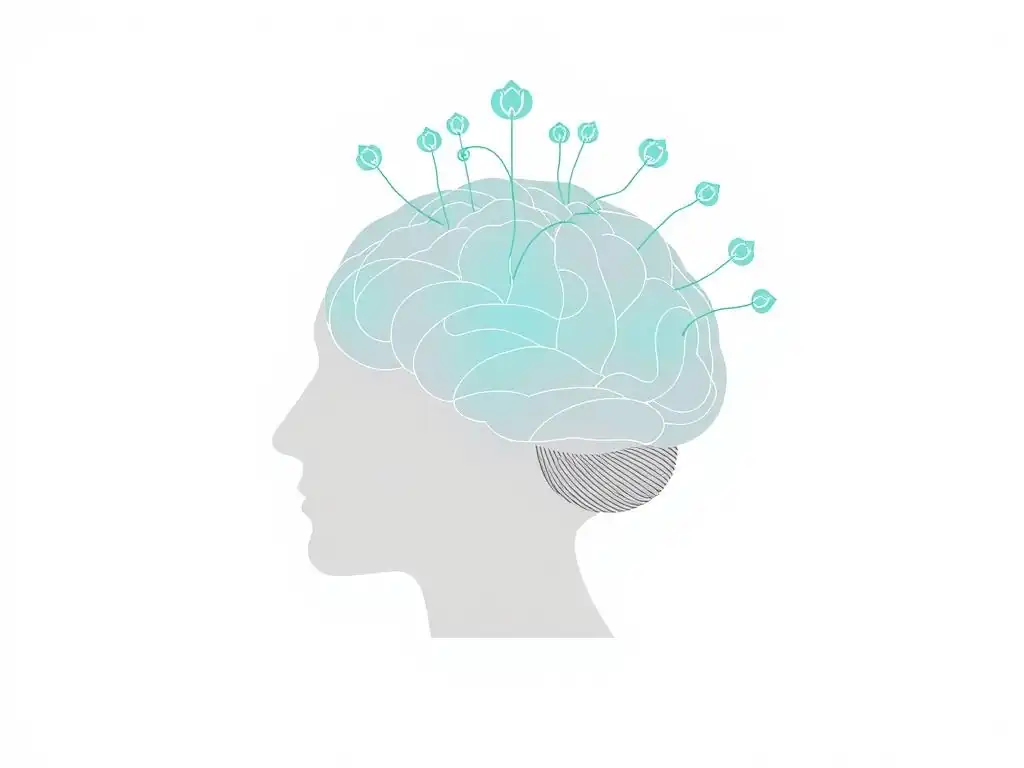
Positive self-talk is the cornerstone of rewiring your brain for success and positive thinking. It's not about ignoring challenges or pretending everything is perfect; it's about consciously choosing optimistic and empowering internal dialogue. This conscious effort directly impacts your emotional state, motivation levels, and ultimately, your achievements. The process involves actively monitoring your thoughts and replacing negative or self-defeating statements with constructive and encouraging ones. This isn't a quick fix; it's a practice requiring consistent effort and self-awareness.
Replacing Negative Self-Talk with Empowering Affirmations
Negative self-talk often manifests as harsh criticism, self-doubt, and catastrophizing. For instance, instead of "I'll never finish this project," try "I can break this project into smaller, manageable steps, and I'll celebrate each milestone." The key is to replace those negative, limiting beliefs with affirmations that are both specific and achievable. Generic affirmations like "I am amazing" can feel inauthentic and ineffective. Instead, focus on affirmations directly related to your goals and current challenges.
Consider this table as a guide for transforming negative self-talk into positive affirmations:
| Negative Self-Talk | Empowering Affirmation |
|---|---|
| "I'm not good enough." | "I am capable and continually learning." |
| "I'll never succeed." | "I am working towards my goals, and progress is progress." |
| "I'm going to fail." | "I will learn from any setbacks, and I am resilient." |
| "This is too hard for me." | "I can handle this challenge one step at a time." |
| "I'm a failure." | "I am learning and growing from my experiences." |
Remember, consistency is key. Repeating your affirmations daily, especially during moments of self-doubt, helps to reinforce the positive messages and gradually rewire your brain's default response to challenges. You can even write them down, record them, or use affirmation apps to aid in this process. The goal is to create a positive feedback loop, strengthening your belief in your abilities and potential.
Challenging Limiting Beliefs: Identifying and Overcoming Internal Barriers
Limiting beliefs, often deeply ingrained from past experiences, significantly hinder progress. These are subconscious assumptions that restrict your potential, such as "I'm not creative," or "I'm not good at public speaking." Identifying these beliefs is the first crucial step to overcoming them. Journaling can be invaluable in this process. Ask yourself: What are the stories I tell myself that hold me back? What evidence supports those stories, and what evidence contradicts them?
Once identified, actively challenge these limiting beliefs. For instance, if you believe "I'm not a risk-taker," consider small, calculated risks to gradually build your confidence. If you believe "I'm not creative," dedicate time to creative pursuits, even if it feels uncomfortable initially. This process isn't about erasing the belief overnight, but about building counter-evidence through consistent action and positive experiences. This empowers you to rewrite your narrative and redefine your capabilities. It's about consciously choosing a belief system that supports your growth and success.
Developing Self-Compassion and Self-Acceptance
Self-compassion, treating yourself with the same kindness and understanding you would offer a friend facing similar struggles, is crucial for rewiring your brain for success. It involves acknowledging your imperfections and mistakes without self-criticism. It's about recognizing that setbacks and failures are a natural part of the learning process, and they don't define your worth.
Cultivating self-acceptance is intertwined with self-compassion. It's about embracing your whole self—strengths, weaknesses, and imperfections—without judgment. This involves actively challenging negative self-judgment and replacing it with self-acceptance. Practice mindfulness and self-reflection to understand your thoughts and feelings without judgment. Remember, self-compassion and self-acceptance are not passive states; they are active practices that require consistent effort and self-awareness. They are essential components in building a resilient and thriving mindset, crucial for achieving lasting success and positive thinking. The journey to rewiring your brain is a marathon, not a sprint. Be patient, persistent, and celebrate every step of progress. 🎉
Setting Realistic Goals and Celebrating Small Wins
Setting realistic goals is paramount to rewiring your brain for positive thinking and achieving success. Many people fall into the trap of setting overly ambitious goals, leading to disappointment and reinforcing negative self-talk. Instead of aiming for the moon and potentially crashing back down, focus on smaller, achievable steps. Break down large, overwhelming tasks into manageable chunks.
For example, if your goal is to write a novel, instead of aiming to write the entire manuscript in a month, focus on writing a chapter a week, or even a set number of words per day. This approach makes the process less daunting and provides a sense of accomplishment with each completed step. This incremental progress is crucial for building momentum and maintaining motivation. Remember, the journey of a thousand miles begins with a single step, and each step forward, no matter how small, contributes to your overall success.
Celebrating these small wins is equally important. Acknowledge and appreciate your accomplishments, no matter how insignificant they may seem. This positive reinforcement strengthens neural pathways associated with success and reinforces positive self-talk. A simple act like writing down your accomplishments in a journal, or sharing them with a supportive friend or family member, can significantly impact your mindset. The act of celebrating small wins creates a positive feedback loop, motivating you to continue striving for your goals. This positive reinforcement counteracts the negative self-talk that can often derail progress.
It's about cultivating a culture of appreciation for your efforts, regardless of the magnitude of the achievement. Think of it as planting seeds of positivity that will blossom into a more resilient and successful you. This consistent positive reinforcement is key to rewiring your brain for success and positive thinking. Don't underestimate the power of self-congratulation in this process! 🎉
Maintaining a Positive Mindset for Long-Term Success
This section delves into the practical strategies for cultivating and preserving a positive mindset, crucial for achieving long-term success and rewiring your brain for positive thinking. It's not about ignoring negativity; it's about managing it effectively and focusing on solutions. Think of it as building mental muscles – the more you exercise your positive thinking, the stronger it becomes.
Building Resilience to Bounce Back from Setbacks
Setbacks are inevitable. The key to maintaining a positive mindset lies in your ability to bounce back from these challenges. Resilience isn't about avoiding difficulties, but about navigating them effectively. Developing resilience involves several key strategies:
- Reframing Negative Thoughts: When faced with a setback, our brains often jump to catastrophic conclusions. Practice reframing these thoughts. Instead of thinking "I failed," try "This didn't work as planned, what can I learn from this?" This simple shift in perspective can significantly impact your emotional response. For example, if you miss a deadline at work, instead of feeling overwhelmed with self-criticism, analyze what caused the delay and implement strategies to prevent it in the future.
- Focusing on Solutions: Dwelling on problems only exacerbates negativity. Actively shift your focus to finding solutions. Break down large problems into smaller, manageable steps. Create a checklist to track your progress and celebrate each small victory. This fosters a sense of accomplishment and reinforces positive thinking.
- Learning from Mistakes: Every setback presents an opportunity for growth. Analyze your mistakes without judgment. What went wrong? What could you have done differently? Use this feedback to improve your approach and prevent similar setbacks in the future. This process transforms setbacks from negative experiences into valuable learning opportunities. Data shows that individuals who actively learn from their mistakes demonstrate significantly higher levels of resilience and success.
Practicing Self-Care for Mental and Emotional Well-being
Self-care is not a luxury; it's a necessity for maintaining a positive mindset and rewiring your brain for positive thinking success. Neglecting your well-being directly impacts your ability to cope with stress and maintain a positive outlook. Prioritizing self-care involves:
- Prioritizing Sleep: Adequate sleep is crucial for cognitive function and emotional regulation. Aim for 7-9 hours of quality sleep each night. Consistent sleep patterns improve mood, reduce stress, and enhance cognitive performance – all essential components of a positive mindset.
- Regular Exercise: Physical activity releases endorphins, which have mood-boosting effects. Even a short walk can significantly improve your mood and reduce stress levels. Studies show a direct correlation between regular physical activity and improved mental well-being.
- Mindfulness and Meditation: Mindfulness practices help you become more aware of your thoughts and emotions without judgment. Regular meditation can reduce stress, anxiety, and improve focus, fostering a more positive and resilient mindset. Even 10-15 minutes of daily meditation can yield significant benefits.
- Healthy Diet: Nourishing your body with a balanced diet provides the fuel your brain needs to function optimally. A diet rich in fruits, vegetables, and whole grains supports mental clarity, energy levels, and overall well-being.
Surrounding Yourself with Positive Influences
Your environment significantly impacts your mindset. Surrounding yourself with positive influences is crucial for maintaining a positive outlook and rewiring your brain for positive thinking success. This involves:
- Cultivating Positive Relationships: Spend time with people who uplift and support you. Limit your exposure to negative or toxic individuals. Positive social interactions boost mood, reduce stress, and foster a sense of belonging, all contributing to a more positive mindset.
- Engaging in Positive Activities: Engage in activities you enjoy and that bring you a sense of accomplishment. This could be anything from pursuing a hobby to volunteering. These activities provide a sense of purpose and fulfillment, boosting your overall well-being and reinforcing positive thinking patterns.
- Limiting Exposure to Negativity: Be mindful of the information you consume. Limit your exposure to negative news, social media, or conversations that drain your energy. Actively choose to focus on positive and uplifting content. This conscious effort significantly impacts your overall mood and mental state. Consider setting specific time limits for social media and news consumption to avoid excessive exposure to negativity.
The process of rewiring your brain for positive thinking is a journey, not a destination. By consistently implementing these strategies, you'll build a stronger, more resilient, and positive mindset, paving the way for lasting success.
Continuous Learning and Personal Growth: Expanding Your Mindset
Continuous learning is not merely about acquiring new skills; it's a fundamental pillar in rewiring your brain for positive thinking and lasting success. The act of learning itself stimulates neuroplasticity, the brain's ability to reorganize itself by forming new neural connections throughout life. This constant reshaping allows you to adopt new perspectives, challenge ingrained negative thought patterns, and cultivate a more optimistic outlook. Think of it as mental exercise – the more you engage in it, the stronger and more resilient your positive thinking muscles become.
Engaging in continuous learning can take many forms. It could be as simple as reading a book on a topic that interests you, listening to a podcast during your commute, or taking an online course to learn a new skill. The key is consistency and a willingness to step outside your comfort zone. Learning new things exposes you to different viewpoints and challenges your preconceived notions, fostering intellectual curiosity and a growth mindset. This, in turn, directly impacts your ability to rewire your brain for success, making you more adaptable, resilient, and optimistic in the face of challenges.
Consider the example of someone struggling with self-doubt. By actively seeking out information and learning strategies for building self-confidence – through books, workshops, or mentorship – they directly address the root of their negative thinking. This proactive approach isn't just about acquiring knowledge; it's about actively reshaping their neural pathways, replacing negative self-talk with positive affirmations and empowering beliefs. This process of continuous learning and self-improvement is crucial for maintaining a positive mindset and achieving long-term success.
The more you learn and grow, the more equipped you are to navigate life's inevitable setbacks with a renewed sense of optimism and determination. Remember, the journey towards rewiring your brain for positive thinking and success is a lifelong commitment to personal growth. Embrace the challenge, and reap the rewards.
Rewiring Your Brain for Positive Thinking: A Summary and Next Steps
This section summarizes the key takeaways from the previous sections on rewiring your brain for success and positive thinking, and provides actionable steps to continue your journey. We’ve explored the fascinating plasticity of the brain and how you can consciously reshape your thought patterns to cultivate a more positive and successful mindset. Remember, rewiring your brain for positive thinking isn't a quick fix; it's a continuous process that requires consistent effort and self-compassion.
The initial stages may feel challenging, but the long-term benefits—increased resilience, improved well-being, and enhanced achievement—are well worth the investment. Think of it as a marathon, not a sprint.
The core principles we've discussed include identifying and challenging negative thought patterns, practicing gratitude, cultivating self-compassion, and actively seeking out positive experiences. By consistently applying these strategies, you'll gradually build new neural pathways that support positive thinking and a more successful life. The power to change your thinking and, subsequently, your life, resides within you.
Actionable Steps to Implement Today
Embarking on this journey of rewiring your brain for positive thinking requires concrete actions. Here are some actionable steps you can implement today:
- Practice Gratitude: Take 5 minutes before bed to jot down three things you are grateful for. Focus on the details—the warmth of the sun on your skin, a kind word from a friend, the delicious taste of your dinner. This simple exercise strengthens positive neural pathways.
- Challenge Negative Thoughts: When a negative thought arises, actively challenge its validity. Ask yourself: Is this thought truly accurate? Is there another way to interpret this situation? Replace negative self-talk with positive affirmations. For example, instead of thinking "I'm going to fail this presentation," try "I'm well-prepared, and I'll do my best."
- Engage in Self-Compassion: Treat yourself with the same kindness and understanding you would offer a dear friend. Acknowledge your imperfections and setbacks without judgment. Remember that everyone makes mistakes; it's part of the learning process.
- Mindful Breathing: Practice mindful breathing exercises for 5-10 minutes daily. Focus on the sensation of your breath entering and leaving your body. This practice helps to calm your nervous system and reduce stress, paving the way for more positive thinking.
- Positive Affirmations: Write down 3-5 positive affirmations that resonate with you and repeat them throughout the day. Examples include: "I am capable," "I am strong," "I am worthy of success." Consistency is key here; the more you repeat them, the more ingrained they become.
Remember to track your progress. A journal can be a powerful tool for monitoring your thoughts, feelings, and actions. This allows you to identify patterns and make adjustments as needed. Consistency is crucial; even small, daily actions contribute significantly to rewiring your brain for positive thinking and overall success.
Resources for Continued Learning and Support
Continuing your journey to rewire your brain for positive thinking requires ongoing learning and support. Consider exploring these avenues for further growth:
- Guided Meditations: Numerous apps offer guided meditations focusing on mindfulness, gratitude, and positive affirmations. These can be invaluable tools for deepening your practice.
- Self-Help Books: Explore books on positive psychology, cognitive behavioral therapy (CBT), and mindfulness. These resources provide valuable insights and practical techniques for managing negative thoughts and fostering positive thinking.
- Therapy or Coaching: Consider seeking professional support from a therapist or coach specializing in positive psychology or CBT. They can provide personalized guidance and support tailored to your specific needs.
- Online Communities: Join online communities or forums focused on personal development and positive thinking. Connecting with like-minded individuals can provide encouragement, inspiration, and a sense of community.
- Workshops and Seminars: Look for workshops and seminars on topics such as mindfulness, stress management, and positive psychology. These provide opportunities for in-person learning and interaction with experts.
By consistently applying the strategies outlined above and utilizing the available resources, you will significantly improve your ability to rewire your brain for positive thinking, leading to a more fulfilling and successful life. Remember, the process is iterative; be patient with yourself, celebrate your progress, and enjoy the journey. The rewards are well worth the effort.
Frequently Asked Questions
How can I rewire my brain for positive thinking?
You can rewire your brain through consistent practice. This includes actively challenging negative thoughts, practicing gratitude, and focusing on your strengths. Mindfulness meditation can also be incredibly helpful.
What are some practical techniques for positive thinking?
Try techniques like affirmations, visualization, and journaling. Focusing on your accomplishments and celebrating small wins can also significantly boost positive thinking. Gratitude exercises are another powerful tool.
How long does it take to see results from rewiring my brain for positive thinking?
The timeframe varies greatly depending on individual commitment and consistency. You may notice small improvements relatively quickly, but significant shifts in mindset can take weeks or even months of dedicated effort. Patience and persistence are key.
Is it possible to permanently change my negative thought patterns?
Yes, it is absolutely possible. While it requires consistent effort and may involve setbacks, neuroplasticity demonstrates that our brains are capable of changing and adapting throughout our lives. Commitment to the process is crucial for long-term success.
How can I maintain positive thinking in the face of challenges?
Develop coping mechanisms to navigate difficult situations. This could involve seeking support from friends or family, practicing self-compassion, and reframing challenges as opportunities for growth. Remember to focus on solutions rather than dwelling on problems.
Final Reflection: Unlocking Your Potential Through a Positive Mindset
The power of positive thinking isn't just a feel-good cliché; it's a scientifically proven pathway to achieving success and lasting well-being. In a world increasingly dominated by negativity bias, consciously rewiring your brain for positivity is not merely advantageous, it's essential for navigating the complexities of modern life and achieving your full potential. This shift in perspective, as explored throughout this article, offers a tangible route to overcoming obstacles and cultivating a life filled with purpose and fulfillment.
The journey towards a positive mindset is a continuous process, a lifelong commitment to self-improvement that ripples outwards, impacting not only our individual lives but also our relationships and communities. The subtle yet profound changes in perspective, from challenging negative self-talk to practicing gratitude, accumulate over time, creating a powerful momentum for growth and achievement. As Eleanor Roosevelt wisely stated, The future belongs to those who believe in the beauty of their dreams.
This belief, nurtured through conscious effort and mindful practice, is the cornerstone of a successful and fulfilling life.
You now hold the key to unlocking your own potential. This isn't about ignoring challenges or pretending negativity doesn't exist; it's about choosing how you respond to those challenges, choosing to focus on solutions, learning from setbacks, and celebrating victories along the way. Begin today. Start small, with one positive affirmation, one act of gratitude, one conscious effort to reframe a negative thought. The journey to rewiring your brain for success and positive thinking begins with a single step, a single choice, a single breath. Embrace the power within you to create the life you desire.
Unlock Your Positive Potential: Start Rewiring Your Brain Today!
Thank you for exploring the power of positive thinking and brain rewiring! You've discovered valuable insights into transforming your mindset, and now it's time to apply this knowledge.
Here's how to begin your journey toward a more positive and successful life:
- Start a daily practice: Dedicate just five minutes each morning to a mindfulness exercise or positive affirmation. This simple habit will lay the foundation for lasting change.
- Share your insights: Connect with others on social media and share a key takeaway that resonated with you. Let's build a supportive community of positive thinkers!
- Continue your learning: Explore the world of positive psychology and mindfulness techniques. Research different practices to discover what works best for you.
What small step will you take today to cultivate a more positive and successful mindset?