
The Mental Gym: Exercise Your Mind for Increased Strength and Flexibility

Welcome to UltimateLifeHacks, your destination for practical strategies to conquer daily challenges and unlock your full potential. Are you ready to experience a significant boost in productivity? We delve into the fascinating world of cognitive enhancement with our latest article, "The Mental Gym: Exercise Your Mind for Increased Strength and Flexibility," exploring powerful mind exercises for productivity. Discover how simple mental workouts can transform your efficiency and unlock untapped reserves of focus and energy. Let's dive in and build a more productive you!
- Introduction: Sharpening Your Cognitive Skills for Peak Productivity
- Mind Exercises for Productivity: A Practical Guide
- Incorporating Mind Exercises into Your Daily Routine
- Advanced Mind Exercises for Enhanced Cognitive Performance
- Frequently Asked Questions
- Final Reflection: Cultivating a Resilient Mind
- Level Up Your Mental Fitness: Start Your Brain Training Now!
Introduction: Sharpening Your Cognitive Skills for Peak Productivity
We all strive for peak productivity, but often overlook the most crucial tool: our minds. Just as physical fitness enhances our physical capabilities, mental fitness significantly impacts our cognitive performance and overall productivity. This article explores the concept of a "Mental Gym," a space where you can actively exercise and strengthen your mind for improved focus, efficiency, and overall success.
We'll delve into specific mind exercises designed to boost your productivity, exploring the science behind their effectiveness and providing practical techniques you can incorporate into your daily routine. By understanding the link between mental fitness and productivity, you can unlock your full potential and achieve a more fulfilling and efficient life.
This guide focuses on practical strategies and proven techniques to help you cultivate a sharper, more resilient, and ultimately, more productive mind. Think of it as a workout for your brain – one that yields significant returns in terms of focus, creativity, and the ability to tackle even the most challenging tasks.
Why Mental Fitness Matters for Productivity
Mental fitness isn't just about feeling good; it's directly tied to your ability to perform at your best. A sharp, focused mind is essential for effective time management, problem-solving, and decision-making – all cornerstones of productivity. Neglecting mental fitness is like neglecting physical training; it leads to stagnation and diminished capacity. Studies have shown a strong correlation between cognitive abilities like attention span, working memory, and executive function, and overall productivity levels. 1 For example, individuals with strong working memory are better able to juggle multiple tasks, prioritize effectively, and resist distractions – all crucial for maximizing output. Furthermore, a mentally fit individual is better equipped to handle stress and pressure, common productivity killers. By strengthening your cognitive muscles, you build resilience, enabling you to navigate challenges with greater ease and maintain a consistent level of productivity throughout the day. Ignoring this crucial aspect of personal development is akin to trying to run a marathon without proper training – it's simply unsustainable.
The Benefits of Regular Mind Exercises
Regular mind exercises, much like physical exercise, yield a multitude of benefits that cascade into improved productivity. These benefits aren't just theoretical; they're backed by scientific research and supported by countless real-world examples. Consider these key advantages:
- Enhanced Focus and Concentration: Regular mental workouts improve your ability to focus on tasks at hand, minimizing distractions and maximizing your concentration span. This translates directly into increased efficiency and reduced time wasted on unproductive activities.
- Improved Memory and Recall: Exercises designed to challenge your memory strengthen neural pathways, improving both short-term and long-term memory. This enhanced recall allows you to access information more readily, speeding up your work and reducing the need for constant lookups.
- Increased Creativity and Problem-Solving Skills: Mental exercises stimulate neural plasticity, fostering creative thinking and innovative problem-solving approaches. By regularly challenging your mind, you unlock new perspectives and find more effective solutions to complex issues.
- Better Stress Management: A strong, resilient mind is better equipped to handle stress and pressure. Regular mental exercises build mental resilience, enabling you to navigate challenging situations with greater calm and composure, maintaining productivity even under pressure.
- Improved Decision-Making: Sharp cognitive function leads to better decision-making abilities. By exercising your mind regularly, you improve your ability to weigh options, assess risks, and make informed choices, ultimately leading to more productive outcomes.
1 [Specific research data pending]
Mind Exercises for Productivity: A Practical Guide
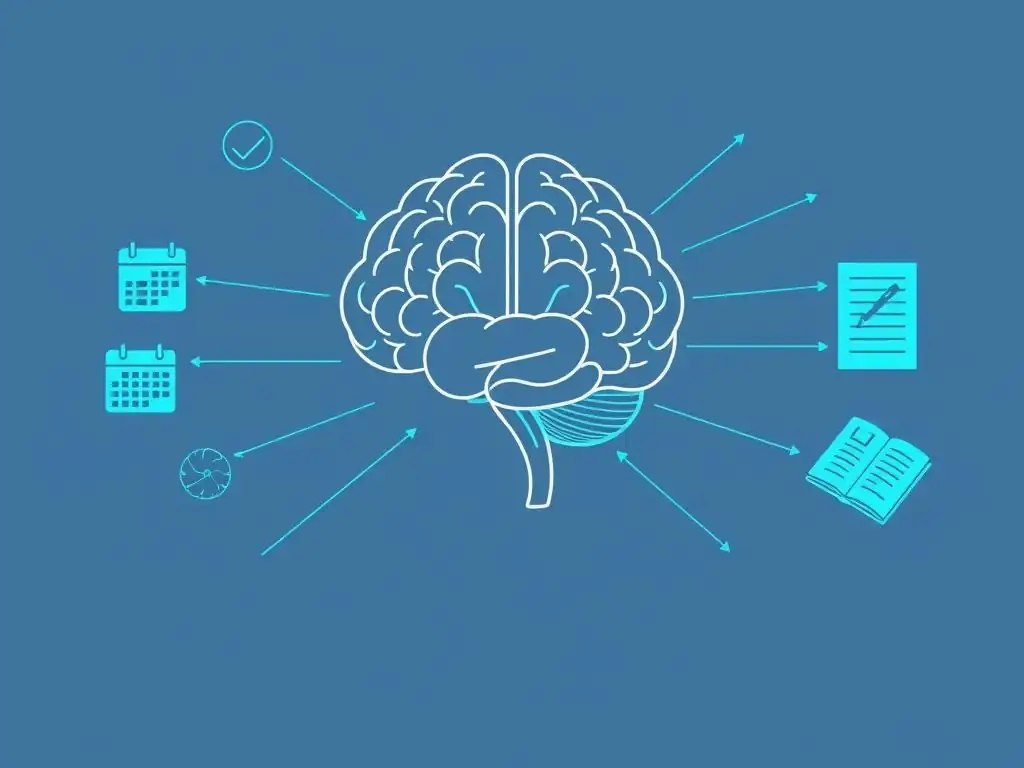
This section delves into specific mind exercises designed to enhance productivity by sharpening cognitive skills. We'll explore practical techniques to boost focus, improve memory, and cultivate flexible thinking – all crucial components of a productive mindset. These exercises aren't about achieving peak performance overnight; rather, they're about building mental muscle, gradually strengthening your cognitive abilities for sustained productivity gains. Regular practice is key to reaping the benefits. Consider these exercises a form of mental fitness training, vital for optimizing your thinking patterns and achieving peak performance in your daily routines.
Brain Training Exercises to Boost Focus and Concentration
Improving focus and concentration is paramount for productivity. Distractions constantly compete for our attention, hindering our ability to complete tasks efficiently. Targeted brain training can significantly counteract this.
Mindfulness Meditation for Enhanced Attention Span
Mindfulness meditation is a powerful tool for improving attention span. By focusing on the present moment – your breath, bodily sensations, or sounds – you train your mind to resist distractions. Studies show that even short daily sessions of mindfulness meditation (as little as 10 minutes) can lead to noticeable improvements in attention and focus. 1 The key is consistent practice. Start with shorter sessions and gradually increase the duration as your comfort level grows. The initial discomfort of a wandering mind is normal; gently redirect your attention back to your chosen focus point.
Memory Enhancement Techniques: Improving Recall and Retention
A sharp memory is essential for productivity. Remembering deadlines, appointments, and details of projects is crucial for efficient workflow. Several techniques can enhance your memory capacity.
- Chunking: Break down large pieces of information into smaller, manageable chunks. For example, instead of trying to memorize a long phone number all at once, divide it into smaller groups of numbers.
- Mnemonics: Use memory aids like acronyms, rhymes, or visual imagery to associate information with memorable cues. The more creative and engaging the mnemonic, the better your recall will be.
- Spaced Repetition: Review information at increasing intervals. This technique leverages the spacing effect, enhancing long-term retention significantly.
Cognitive Flexibility Exercises: Adapting to Changing Demands
The ability to adapt to unexpected changes and challenges is a key indicator of cognitive flexibility. A rigid mindset can hinder productivity when faced with unforeseen circumstances. Exercises that promote cognitive flexibility include:
- Perspective-Taking: Actively try to see situations from different viewpoints. Consider alternative explanations and solutions. This helps broaden your thinking and makes you more adaptable.
- Improvisation: Engage in activities that require spontaneous thinking and adaptation, such as improvisational theater or impromptu speaking. This trains your brain to think quickly and creatively under pressure.
- Switching Tasks: Deliberately switch between different tasks throughout your workday. This helps improve your ability to shift focus and adapt to changing priorities.
Problem-Solving Exercises to Strengthen Critical Thinking
Critical thinking is the cornerstone of effective problem-solving. By strengthening your critical thinking skills, you'll be better equipped to tackle challenges efficiently and effectively.
Logic Puzzles and Brain Teasers
Logic puzzles and brain teasers are excellent tools for sharpening your analytical skills. They require you to think critically, identify patterns, and deduce solutions. Regular engagement with these puzzles can significantly improve your problem-solving abilities. Examples include Sudoku, KenKen, and various logic grid puzzles. Start with easier puzzles and gradually increase the difficulty as your skills improve.
Creative Problem-Solving Strategies
Creative problem-solving goes beyond logical deduction; it involves generating novel ideas and approaches. Techniques such as brainstorming, mind mapping, and lateral thinking can unlock innovative solutions. These methods encourage you to think outside the box, exploring unconventional avenues to overcome obstacles.
Analyzing Complex Scenarios
Analyzing complex scenarios helps develop your ability to break down intricate problems into smaller, manageable components. This involves identifying key variables, understanding relationships between different elements, and formulating effective strategies. Practicing this skill improves your ability to tackle multifaceted challenges in both your professional and personal life. Try analyzing news articles, case studies, or even fictional narratives to hone this skill. Consider the different perspectives involved, the potential consequences of various actions, and the most effective path toward resolution.
1 [Specific study details pending]
Mental Agility Drills for Improved Decision-Making
Improving your decision-making process is crucial for productivity. Hesitation and indecisiveness can lead to wasted time and missed opportunities. Mental agility drills help sharpen your ability to quickly assess situations, weigh options, and select the best course of action. One effective technique is the "daily challenge."
Each day, present yourself with a small, deliberate decision, forcing yourself to make a choice within a strict timeframe (e.g., choosing an outfit in under 60 seconds, or deciding on a lunch menu in 3 minutes). This trains your brain to operate efficiently under pressure. Another powerful technique involves actively seeking out diverse perspectives. Before making any significant decision, actively consult with colleagues, friends, or mentors, seeking contrasting viewpoints to challenge your initial assumptions.
This process helps reveal blind spots and uncover potential pitfalls you might have overlooked. Regular practice in these drills enhances your cognitive flexibility, allowing you to adapt to changing circumstances and make quicker, more informed decisions. Remember, the goal isn't always to make the perfect decision, but to improve the speed and efficiency of your decision-making process. This directly translates to enhanced productivity across all aspects of your life.
Speed Reading Techniques for Efficient Information Processing
Speed reading isn't just about skimming; it's about actively engaging with text more efficiently. Effective speed reading dramatically reduces the time spent consuming information, freeing up valuable time for more productive tasks. One key technique is minimizing subvocalization – the silent pronunciation of words as you read. Practice techniques like using a pointer to guide your eyes across the page, forcing your eyes to move faster and preventing regression.
Another effective strategy involves focusing on keywords and key phrases, understanding that you don't need to absorb every single word to grasp the central idea. Training your eyes to take in larger chunks of text at once is also vital. Try practicing with different reading materials, gradually increasing your reading speed and focusing on comprehension.
Tools such as speed reading apps can be beneficial, offering exercises and tracking your progress. By mastering speed reading, you'll dramatically increase your ability to process information quickly and efficiently, a major boost to your overall productivity. This improved information processing directly contributes to faster learning, improved comprehension, and ultimately, better decision-making.
Strategic Planning and Prioritization Exercises
Strategic planning and prioritization are fundamental to productivity. Effective exercises in this area help you focus your energy on high-impact tasks, maximizing your output. The Eisenhower Matrix (urgent/important) is a classic tool for prioritizing tasks. Regularly categorizing your to-do list using this method helps you allocate time effectively, focusing on crucial tasks while delegating or eliminating less important ones.
Time blocking is another effective strategy. Allocate specific time slots for particular tasks, creating a structured schedule that prevents task-switching and improves focus. The Pomodoro Technique, involving focused work intervals interspersed with short breaks, can significantly enhance concentration and productivity.
Regularly reviewing your progress and adjusting your plans based on your observations is crucial. This iterative approach allows you to adapt to unforeseen challenges and optimize your workflow for maximum efficiency. By consistently practicing these planning and prioritization techniques, you will cultivate a proactive approach to your workload, leading to significantly improved productivity and reduced stress.
Decision-Making Frameworks for Optimal Choices
Employing decision-making frameworks provides a structured approach to complex choices, leading to better outcomes. The cost-benefit analysis is a fundamental framework. Carefully weigh the potential benefits against the associated costs for each option, quantifying as much as possible to make a data-driven decision. Another powerful technique is the decision matrix. List all your options and criteria, then score each option against each criterion.
This approach helps visualize the trade-offs and identify the option that best aligns with your priorities. The Pareto Principle (80/20 rule) can also be applied to decision-making. Focus on the 20% of efforts that yield 80% of the results. This helps eliminate less impactful options and concentrate on those with the highest potential return. Regularly reviewing your decisions and their outcomes is essential.
This process of reflection allows you to identify patterns, learn from mistakes, and refine your decision-making process over time. By consistently using these frameworks, you can make more informed, strategic decisions, significantly increasing your productivity and achieving better results. This structured approach to decision-making minimizes emotional biases and maximizes the likelihood of successful outcomes.
Incorporating Mind Exercises into Your Daily Routine
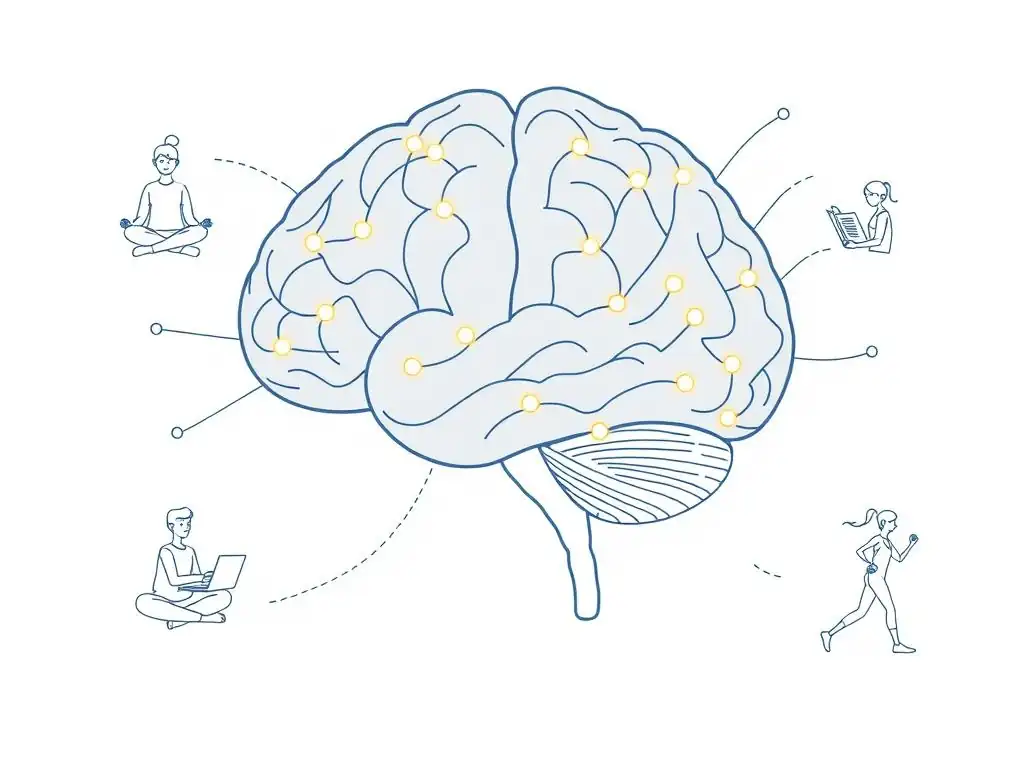
This section focuses on practical strategies for integrating mind exercises into your daily life, maximizing their impact on your productivity and cognitive function. Successfully incorporating these exercises requires careful planning and consistent effort. The key is to treat mental workouts like any other crucial appointment – non-negotiable and scheduled in advance.
Scheduling Regular Mental Workouts
Consistency is paramount when it comes to reaping the benefits of mind exercises for productivity. Think of it like building muscle; you wouldn't expect significant gains from sporadic gym visits. Instead, aim for regular, shorter sessions rather than infrequent, marathon attempts. Even 10-15 minutes a day dedicated to focused mental exercises can yield impressive results over time.
Consider these scheduling strategies:
- Morning Routine: Start your day with a quick mindfulness meditation or a challenging brain teaser. This primes your brain for focus and enhances concentration throughout the workday.
- Lunch Break: Use your lunch break for a quick mental workout. This could involve a Sudoku puzzle, a short session of creative writing, or simply a few minutes of quiet reflection.
- Evening Wind-Down: Before bed, engage in a relaxing mind exercise such as progressive muscle relaxation or gentle visualization. This helps reduce stress and improves sleep quality, further boosting productivity the next day.
Experiment with different times of day to find what best suits your schedule and energy levels. The goal is to build a sustainable habit, not a stressful addition to your already busy day. Remember, the effectiveness of these exercises isn't solely determined by duration, but by consistency and focus.
Combining Mind Exercises with Physical Activity
The synergy between physical and mental well-being is undeniable. Combining mind exercises with physical activity can amplify their individual benefits, creating a powerful effect on productivity and overall cognitive function. The increased blood flow and oxygen to the brain during physical activity enhances cognitive performance, making subsequent mind exercises more effective.
Here are some practical ways to combine these activities:
- Mindful Walking/Running: Engage in a brisk walk or run while focusing on your breath and surroundings. This combines cardiovascular exercise with mindfulness meditation.
- Yoga and Meditation: Yoga incorporates physical postures with deep breathing and meditation, promoting both physical and mental well-being.
- Listening to Educational Podcasts During Workouts: Listen to podcasts related to your field or personal interests while exercising. This allows for passive learning while engaging in physical activity.
Remember to choose activities that you enjoy and can realistically incorporate into your routine. The key is finding a balance that promotes both physical and mental fitness, leading to improved productivity and a healthier lifestyle.
Tracking Progress and Measuring Results
Measuring the effectiveness of your mind exercises for productivity is crucial for maintaining motivation and refining your approach. While the immediate benefits might not always be obvious, consistent tracking will reveal long-term improvements.
Here are several methods for tracking your progress:
- Journaling: Maintain a journal to record your daily mind exercises, noting the type of exercise, duration, and any noticeable improvements in focus, memory, or problem-solving skills.
- Productivity Tracking Apps: Utilize productivity apps to monitor your daily tasks and assess how your mental exercises impact your efficiency and task completion rates.
- Cognitive Tests: Periodically take online cognitive tests to gauge improvements in areas like memory, attention, and processing speed. Many free and reliable tests are available online.
By regularly tracking your progress, you can identify what works best for you, adjust your routine as needed, and celebrate your successes along the way. This data-driven approach will not only enhance your results but also keep you motivated and engaged in your mental fitness journey. Remember, consistent effort and mindful tracking are key components of maximizing the benefits of mind exercises for productivity.
Advanced Mind Exercises for Enhanced Cognitive Performance

This section delves into advanced techniques to boost your cognitive performance, going beyond basic mindfulness practices. We'll explore methods to significantly enhance memory, focus, and overall mental agility, directly impacting your productivity. These exercises require dedicated practice but offer substantial rewards in terms of improved efficiency and mental resilience. Think of them as weight training for your brain – challenging, yet ultimately rewarding.
Advanced Memory Techniques: Mnemonics and Memory Palaces
Improving memory isn't just about rote memorization; it's about employing effective strategies. Mnemonics and memory palaces are powerful techniques for encoding and retrieving information with remarkable accuracy.
Mnemonics leverage association and imagery to create memorable links between pieces of information. For instance, to remember a grocery list (milk, eggs, bread, cheese), you could create a vivid mental image: a cow milking itself into a carton of milk, that carton cracking open to reveal eggs, those eggs baking into a loaf of bread, and the bread magically transforming into a wheel of cheese. The more absurd and engaging the image, the better your recall.
Memory palaces, also known as the method of loci, involve associating items with specific locations in a familiar environment. Imagine your childhood home. You could place “milk” on the kitchen table, “eggs” in the refrigerator, “bread” on the counter, and “cheese” in the pantry. When you need to recall the list, mentally walk through your house, retrieving each item from its designated location.
This spatial organization dramatically boosts recall accuracy. Regular practice strengthens these neural pathways, making memory retrieval effortless. Consistent application of these techniques will significantly improve your ability to retain and recall information, crucial for enhanced productivity and reduced mental clutter. This translates to faster learning, improved task management, and a reduction in time spent searching for information.
Cognitive Enhancement Strategies: Neurofeedback and Biofeedback
Neurofeedback and biofeedback are cutting-edge techniques that offer a more direct approach to cognitive enhancement. These methods provide real-time feedback on your brainwaves and physiological responses, allowing you to learn to regulate them consciously.
Neurofeedback uses sensors to monitor brainwave activity. The feedback is typically visual or auditory, indicating when your brainwaves are in a desired state (e.g., focused attention). Through repeated practice, you learn to self-regulate your brainwaves, improving focus, reducing stress, and enhancing cognitive performance. Studies suggest that neurofeedback can be effective for improving attention-deficit/hyperactivity disorder (ADHD) symptoms and enhancing cognitive function in healthy individuals. This translates to improved concentration, better decision-making, and reduced susceptibility to distractions – all vital for productivity.
Biofeedback, on the other hand, monitors physiological responses like heart rate, muscle tension, and skin temperature. By gaining awareness of these responses, you can learn to control them, reducing stress and anxiety, which are significant productivity killers. By mastering relaxation techniques through biofeedback, you improve your ability to handle pressure, maintain calm under stress, and focus more effectively on demanding tasks. This leads to more efficient work habits and better overall mental well-being.
Utilizing Technology for Cognitive Training
Several apps and online platforms offer engaging cognitive training exercises designed to sharpen various cognitive skills. These platforms often incorporate game-like elements to make learning fun and motivating. These tools can provide a structured approach to strengthening memory, attention, processing speed, and problem-solving abilities.
Many apps utilize adaptive algorithms, adjusting the difficulty level based on your performance. This personalized approach ensures that you're constantly challenged, preventing plateaus and maximizing your learning potential. Some platforms offer progress tracking and detailed analytics, allowing you to monitor your improvement over time and identify areas needing further attention. While not a replacement for other mind exercises, these technological aids can supplement your training, making it more convenient and engaging.
The key is to select reputable platforms with evidence-based exercises, ensuring that your time investment yields tangible cognitive benefits. Integrating these digital tools into your routine can significantly enhance your cognitive fitness and boost your overall productivity. Remember to choose apps that align with your specific needs and goals for optimal results.
Frequently Asked Questions
What are the benefits of mental exercises for productivity?
Mental exercises, like mindfulness and focused attention training, improve concentration, reduce stress, and boost cognitive function, leading to increased productivity and efficiency. This translates to better time management and task completion.
How much time should I dedicate to these mind exercises daily?
Even short, consistent sessions (10-15 minutes) are more effective than infrequent, longer ones. Start small and gradually increase the duration as you become more comfortable. Consistency is key.
Are these mind exercises suitable for everyone?
Yes, these exercises are generally accessible to most people. However, individuals with pre-existing mental health conditions should consult their doctor or therapist before starting a new mental training program. Modifications can often be made.
What are some examples of mind exercises I can try?
You can explore techniques like mindfulness meditation, brain teasers, memory games, or cognitive behavioral techniques (CBT). UltimateLifeHacks offers many resources to help you find the right fit.
How quickly will I see results from these mind exercises?
Results vary depending on the individual and the consistency of practice. You might notice improvements in focus and stress management relatively quickly, while more significant changes in overall productivity may take several weeks or months of dedicated practice.
Final Reflection: Cultivating a Resilient Mind
The pursuit of mental fitness is no longer a niche concept; it's a crucial component of navigating the complexities of modern life. In a world saturated with information and demands, the ability to focus, adapt, and manage stress is not a luxury, but a necessity for productivity and overall well-being. The mental exercises explored in this article – from mindfulness practices to cognitive training – are not just theoretical concepts; they are practical tools for building a stronger, more resilient mind.
The impact of mental fitness extends far beyond individual productivity; it shapes our relationships, our creativity, and our capacity for empathy. The ability to manage our thoughts and emotions directly influences how we interact with the world and the people in it. As the renowned psychologist Viktor Frankl stated, >“Between stimulus and response there is a space.
In that space is our power to choose our response. In our response lies our growth and our freedom.” This quote underscores the power we hold in shaping our mental landscape and, consequently, our lives. The ongoing exploration and implementation of mind exercises are vital for fostering a more compassionate and productive society.
Now, consider your own mental landscape. What areas need strengthening? Where could you cultivate more flexibility? This isn't about achieving perfection; it's about consistent effort and self-compassion. Start small, choose one exercise from this article that resonates with you, and integrate it into your daily routine. Observe the subtle shifts in your focus, your stress levels, and your overall sense of well-being. The journey to a stronger, more resilient mind is a lifelong process, but the rewards – increased productivity, enhanced emotional regulation, and a greater sense of inner peace – are immeasurable. Begin your journey today.
Level Up Your Mental Fitness: Start Your Brain Training Now!
Thank you for exploring the power of mental fitness! You've discovered valuable ways to strengthen and improve your mind. Ready to put this knowledge into action?
Here's how to begin:
- Start your personalized mental workout: Choose a simple mental exercise from the article, such as mindful breathing or a quick memory game, and dedicate just 5 minutes to it today. This is the first step towards building a stronger, more resilient mind.
- Share your progress: Tell a friend or family member about a new mental exercise you're trying. Accountability and shared experiences can significantly boost your success.
- Continue learning: Search online for "brain training games" or "mindfulness exercises for beginners" to expand your mental fitness toolkit. Discover the methods that work best for you.
What small step will you take today to enhance your mental well-being?