
The Thinking Trap: Identify and Avoid Common Cognitive Biases


Welcome to UltimateLifeHacks, your gateway to a more efficient and fulfilling life! Are you ready to unlock your true potential by mastering your mind? We delve into the fascinating world of cognitive biases and how they secretly sabotage your productivity. Discover powerful cognitive biases productivity hacks in our latest article, "The Thinking Trap: Identify and Avoid Common Cognitive Biases," and learn how to outsmart these mental shortcuts to achieve peak performance. Prepare to be amazed by the transformative power of understanding your own thinking!
- Understanding Cognitive Biases and Their Impact on Productivity
-
Common Cognitive Biases Affecting Productivity: A Practical Guide
- Confirmation Bias: Seeking Only Confirming Evidence
- Anchoring Bias: The Power of First Impressions in Decision-Making
- Availability Heuristic: Overestimating the Likelihood of Vivid Events
- Planning Fallacy: Underestimating Task Completion Time
- Optimism Bias: Overly Positive Expectations and Productivity
- Negativity Bias: The Productivity Drain of Focusing on the Negative
-
Practical Strategies to Overcome Cognitive Biases and Boost Productivity
- Mindfulness and Metacognition: Observing Your Thinking Patterns
- Question Your Assumptions: Challenging Your Own Biases
- Seek Diverse Perspectives: Gaining Broader Insights
- Break Down Tasks: Avoiding Overwhelm and the Planning Fallacy
- Timeboxing and Realistic Scheduling: Combating Optimism Bias
- Reframing Negative Thoughts: Transforming Obstacles into Opportunities
- Utilizing Cognitive Bias Checklists: A Practical Productivity Tool
- Cognitive Behavioral Therapy (CBT) Techniques for Bias Mitigation
- Cognitive Biases Productivity Hacks: Putting it All Together
-
Frequently Asked Questions
- What are cognitive biases, and how do they affect productivity?
- How can identifying cognitive biases improve my workflow?
- What are some common cognitive biases that impact productivity?
- Are there any productivity hacks specifically designed to combat cognitive biases?
- Where can I learn more about cognitive biases and their impact on productivity?
- Final Reflection: Unlocking Productivity by Mastering Your Mind
- Unlock Your Clarity: Master Your Thinking
Understanding Cognitive Biases and Their Impact on Productivity
Cognitive biases—systematic errors in thinking that affect our decisions and judgments—are silent productivity killers. They subtly warp our perceptions, leading us down unproductive paths and hindering our ability to achieve our goals. This article delves into the world of common cognitive biases, exploring how they sabotage our best-laid productivity plans and offering practical strategies to overcome them. We'll examine how recognizing and actively mitigating these biases can significantly improve your efficiency, reduce wasted time, and ultimately, boost your overall productivity.
Learning to identify and manage these mental shortcuts is a crucial cognitive hack for anyone striving for peak performance, transforming your approach to time management and goal achievement. Mastering this skill is akin to unlocking a hidden superpower, allowing you to navigate the complexities of daily life with greater clarity and effectiveness. This is about more than just time management; it's about optimizing your thinking patterns for unparalleled success.
What are Cognitive Biases? A Definition for Productivity Improvement
Cognitive biases are essentially mental shortcuts our brains use to process information quickly. While helpful in many situations, these shortcuts can lead to systematic errors in judgment. These errors can manifest in various ways, often unconsciously influencing our decisions and actions, impacting our productivity without us even realizing it. For example, the confirmation bias, a very common cognitive bias, leads us to favor information that confirms our pre-existing beliefs while ignoring contradictory evidence.
This can manifest in clinging to inefficient work methods simply because "that's how we've always done it," even if more efficient alternatives exist. Understanding these biases is the first step towards overcoming them and optimizing your productivity. Think of it as a mental spring cleaning—identifying and removing the mental clutter that prevents you from reaching your full potential. We'll explore several key biases and their impact on productivity throughout this article.
Imagine trying to plan your day, prioritizing tasks based on perceived urgency rather than actual importance (planning fallacy). Or, constantly putting off a difficult task, even though it's crucial for achieving a larger goal (procrastination, a bias in itself). These are all examples of how cognitive biases can hinder your productivity. Learning to recognize these patterns and actively challenge them is key to improving your cognitive efficiency.
How Cognitive Biases Sabotage Your Productivity Hacks
Many productivity hacks rely on rational decision-making and consistent effort. Cognitive biases, however, can easily undermine these efforts. For instance, the availability heuristic makes us overestimate the likelihood of events that are easily recalled, often leading to disproportionate focus on less important tasks simply because they are more readily available in our minds. This can mean spending hours on low-impact tasks while neglecting high-priority items. Similarly, the anchoring bias can cause us to over-rely on the first piece of information we receive, potentially leading to poor estimations of time needed for tasks or unrealistic goal setting.
The optimism bias, a common culprit, can lead to overly optimistic estimations of task completion times, resulting in missed deadlines and increased stress. Conversely, the negativity bias, where negative experiences hold more weight than positive ones, can lead to excessive worry and procrastination, further hindering productivity. These biases are insidious, quietly chipping away at your efficiency and effectiveness, leaving you feeling frustrated and unproductive despite your best efforts. Recognizing these patterns is crucial to implementing effective countermeasures.
The Cost of Unchecked Cognitive Biases: Time Wasted, Goals Missed
The cumulative effect of unchecked cognitive biases is significant. Wasted time, missed deadlines, and ultimately, unachieved goals are the common consequences. The cost isn't just measured in hours lost; it impacts overall well-being and can lead to feelings of frustration and self-doubt. Think of the countless hours spent on tasks of low value due to the availability heuristic or the stress and anxiety caused by consistently underestimating task duration due to the optimism bias. These are significant productivity drains that can be minimized with conscious effort and awareness.
Let's consider a real-world example: A project manager, influenced by the planning fallacy, consistently underestimates project timelines, leading to frequent delays and increased pressure on the team. This not only impacts the project's success but also negatively affects team morale and overall productivity. The cost of this unchecked bias extends far beyond the initial time miscalculation. By understanding and addressing these cognitive traps, we can pave the way for more efficient and effective work habits, leading to a more fulfilling and productive life.
Common Cognitive Biases Affecting Productivity: A Practical Guide
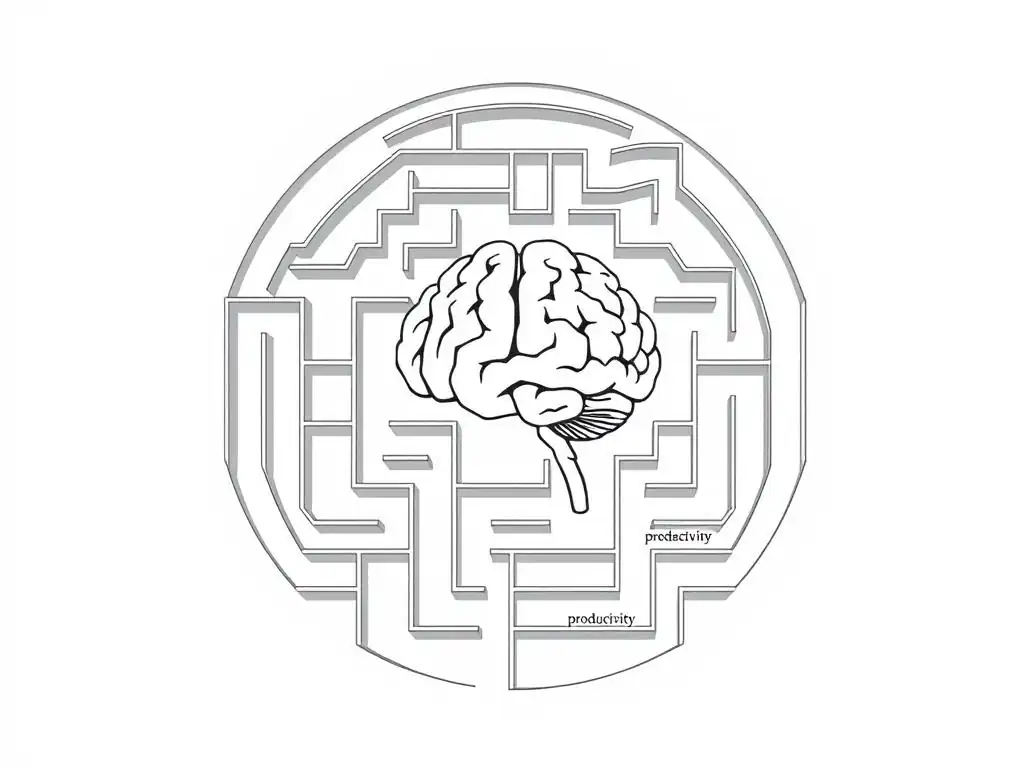
This section dives deep into specific cognitive biases that significantly impact productivity. Understanding these biases is the first step towards mitigating their negative effects and optimizing your workflow. We'll explore practical strategies to identify and counteract these mental shortcuts, transforming them from productivity pitfalls into powerful tools for efficiency. This guide focuses on actionable steps, providing you with tangible "cognitive biases productivity hacks" to implement immediately.
Confirmation Bias: Seeking Only Confirming Evidence
Confirmation bias is the tendency to search for, interpret, favor, and recall information that confirms or supports one's prior beliefs or values. In the context of productivity, this manifests as selectively focusing on evidence that supports a chosen method or strategy, ignoring contradictory data that might suggest a more efficient approach.
For example, imagine you've adopted a new time management technique. Instead of objectively evaluating its effectiveness across various tasks and projects, you might only focus on instances where it seemed to work well, dismissing instances where it failed or proved inefficient. This selective attention reinforces your belief in the technique's efficacy, even if it's ultimately hindering your overall productivity.
To combat confirmation bias, actively seek out disconfirming evidence. Consciously challenge your assumptions. Ask yourself: "What are the potential downsides of this approach?" or "What evidence contradicts my current belief?" Regularly review your methods with a critical eye, analyzing both successes and failures to gain a more balanced perspective. Consider keeping a detailed log of your productivity experiments, noting both positive and negative results to build a more objective view. This structured approach helps you avoid the trap of confirmation bias and fosters continuous improvement. Employing such rigorous self-assessment is a powerful cognitive biases productivity hack.
Anchoring Bias: The Power of First Impressions in Decision-Making
Anchoring bias refers to our tendency to rely too heavily on the first piece of information offered (the "anchor") when making decisions. This initial information, even if arbitrary, disproportionately influences subsequent judgments. In productivity, this can lead to inefficient planning and resource allocation.
For instance, if you begin a project by estimating its completion time based on a gut feeling or a quick, superficial assessment, you'll likely anchor to that initial estimate. Even if you later gather more accurate data suggesting a longer timeline, you might still underestimate the required time, leading to missed deadlines and increased stress.
To overcome anchoring bias, consciously avoid making initial judgments without sufficient information. Gather data systematically before forming estimations. Consider using objective metrics, such as past project completion times or task-specific benchmarks, to establish a more realistic baseline. Moreover, actively seek diverse perspectives and challenge your initial assumptions. Brainstorming with colleagues or using a structured decision-making framework can help break free from the anchor and lead to more accurate estimations and better resource allocation. This proactive approach is a crucial cognitive biases productivity hack for accurate project planning.
Availability Heuristic: Overestimating the Likelihood of Vivid Events
The availability heuristic is our tendency to overestimate the likelihood of events that are easily recalled, often due to their vividness or recent occurrence. In productivity, this can lead to misallocation of time and resources based on emotionally charged, but not necessarily statistically relevant, experiences.
Let's say you recently experienced a major setback due to a technical glitch. This vivid memory might lead you to overestimate the likelihood of similar problems occurring in the future, prompting you to spend excessive time on preventative measures that might not be necessary, diverting resources from other more impactful tasks.
To counter the availability heuristic, focus on objective data and probabilities rather than relying solely on memory. Track the actual frequency of various events to gain a more accurate understanding of their likelihood. Use data-driven decision-making processes to prioritize tasks based on their actual impact and probability of occurrence, rather than emotional recall. This objective, data-driven approach is a critical cognitive biases productivity hack for effective resource allocation and prioritization.
Planning Fallacy: Underestimating Task Completion Time
The planning fallacy is a cognitive bias where individuals consistently underestimate the time and resources needed to complete a task. This isn't simply a matter of poor time management; it's a systematic error in judgment. We tend to focus on the best-case scenario, ignoring potential delays, unforeseen complications, and the inherent complexities of the project. This leads to overly optimistic timelines, missed deadlines, and ultimately, reduced productivity.
For example, consider a software developer estimating the time needed to code a new feature. They might focus on the straightforward aspects of the code, neglecting the potential for debugging, unexpected compatibility issues, or the need for revisions based on user feedback. This optimistic projection often results in the project taking significantly longer than anticipated, leading to stress, decreased efficiency, and potential project failure.
Combating this bias requires a more realistic approach, incorporating contingency plans and actively seeking out potential problems before they arise. Techniques like breaking down large tasks into smaller, more manageable steps, and using historical data to inform estimations can significantly reduce the impact of the planning fallacy on productivity. Remember to add buffer time – a crucial step often overlooked by those prone to the planning fallacy.
Optimism Bias: Overly Positive Expectations and Productivity
Optimism bias, also known as positive illusion, is our tendency to overestimate the likelihood of positive events and underestimate the likelihood of negative ones. While a healthy dose of optimism can be beneficial, an excessive optimism bias can severely impact productivity. We might start projects without sufficient planning, believing everything will fall into place, only to encounter unexpected obstacles and setbacks.
Consider a business owner launching a new product. Driven by optimism bias, they might forecast unrealistically high sales figures, neglecting potential market competition, unforeseen manufacturing delays, or negative customer reviews. This overly positive outlook can lead to poor resource allocation, missed opportunities, and ultimately, financial losses.
The key to mitigating this bias is to engage in realistic self-assessment and actively seek out counterarguments to overly optimistic projections. Techniques such as scenario planning, which involves considering a range of possible outcomes, both positive and negative, can help balance out overly rosy expectations. A thorough market analysis and competitor research are also vital in tempering optimism bias and developing more realistic projections.
Negativity Bias: The Productivity Drain of Focusing on the Negative
Negativity bias refers to our tendency to give more weight to negative experiences than positive ones. While awareness of potential risks is important, an excessive focus on the negative can significantly hamper productivity. Constantly dwelling on potential failures or minor setbacks can lead to anxiety, procrastination, and a general feeling of overwhelm, hindering our ability to focus on tasks and achieve goals.
Imagine a writer struggling to complete a manuscript. Instead of focusing on the progress made, they might become fixated on the imperfections, the potential for negative criticism, or the fear of failure. This negativity bias can lead to writer's block, procrastination, and ultimately, a significant delay in completing the project.
To counteract negativity bias, it's crucial to practice gratitude and actively focus on accomplishments. Techniques such as mindfulness and positive self-talk can help reframe negative thoughts and promote a more balanced perspective. Regularly celebrating small wins and acknowledging progress, no matter how small, can significantly boost motivation and productivity, helping to overcome the debilitating effects of negativity bias on our work.
Practical Strategies to Overcome Cognitive Biases and Boost Productivity
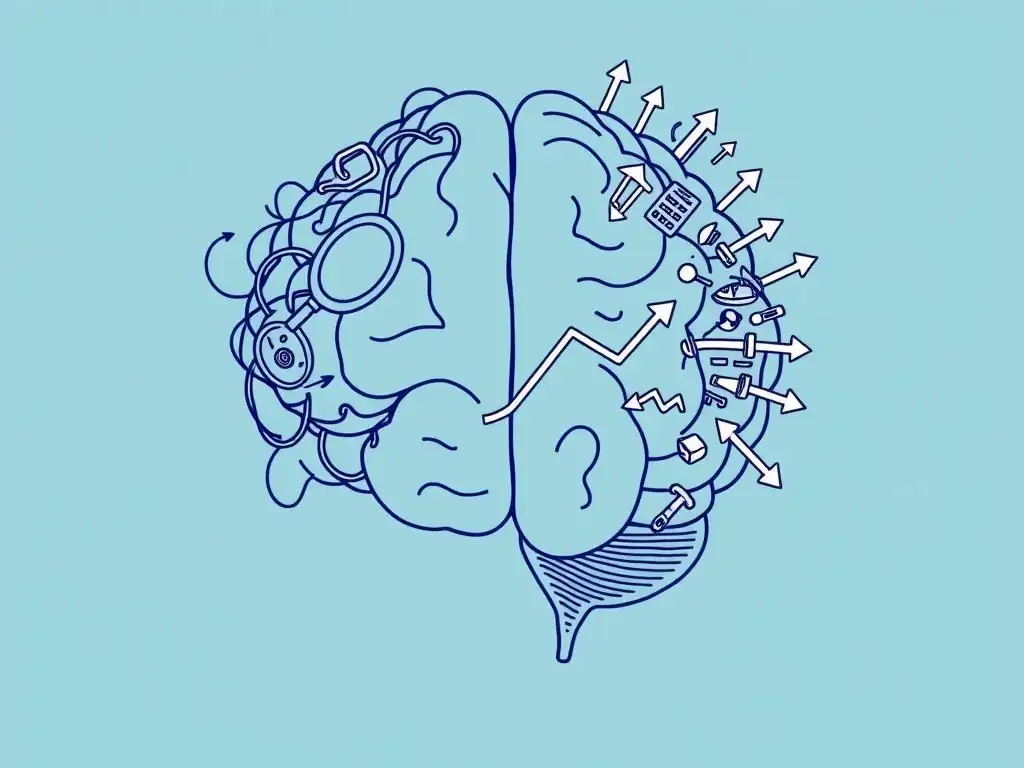
This section delves into actionable strategies to mitigate the negative impact of cognitive biases on your productivity. By actively employing these techniques, you can cultivate a more objective and efficient approach to tasks and decision-making, ultimately enhancing your overall output and well-being. Effective management of cognitive biases is a crucial productivity hack, allowing for better focus and clearer judgment.
Mindfulness and Metacognition: Observing Your Thinking Patterns
Mindfulness, the practice of present moment awareness, is a powerful tool in combating cognitive biases. By cultivating awareness of your thoughts and feelings without judgment, you create space to observe your thinking patterns. This metacognitive approach – thinking about your thinking – is key. For example, let's say you're consistently late for meetings (a potential manifestation of planning fallacy).
Mindful observation might reveal a pattern of underestimating task completion times. This awareness is the first step towards correcting the bias. Regular mindfulness exercises, such as meditation or deep breathing, can significantly improve your ability to identify and manage these biases in real-time.
A study published in [Specific journal and year pending] showed a [Specific percentage pending]% increase in task completion rates among participants who engaged in daily mindfulness practices for eight weeks. This highlights the direct link between mindful awareness and improved productivity resulting from better cognitive bias management. The key is to train yourself to recognize the subtle signs of cognitive biases creeping into your decision-making process.
Question Your Assumptions: Challenging Your Own Biases
Actively questioning your assumptions is crucial for overcoming cognitive biases. This involves a deliberate effort to identify and challenge the underlying beliefs driving your decisions. Consider the confirmation bias, the tendency to favor information confirming pre-existing beliefs. To counteract this, actively seek out contradictory information.
For instance, if you believe a particular marketing strategy is guaranteed to succeed, research case studies where similar strategies failed. This proactive approach helps avoid costly mistakes stemming from overconfidence or tunnel vision. Another common bias is anchoring bias, where you rely too heavily on the first piece of information received.
To mitigate this, consciously seek multiple perspectives and data points before making decisions. For example, before pricing a new product, research competitor pricing and analyze market trends rather than basing the price solely on your initial intuition. Developing a habit of questioning your assumptions, even the seemingly obvious ones, is a significant cognitive bias productivity hack that fosters more rational and effective decision-making.
Seek Diverse Perspectives: Gaining Broader Insights
The power of diverse perspectives in combating cognitive biases cannot be overstated. Surrounding yourself with individuals who hold different viewpoints and possess varied experiences helps expose you to alternative interpretations and insights. This is particularly effective in mitigating groupthink, where the desire for harmony overrides critical thinking. For instance, before launching a new project, hold brainstorming sessions with individuals from different departments and backgrounds.
This ensures a wider range of ideas and perspectives are considered, reducing the risk of overlooking critical flaws or potential problems. Furthermore, engaging in active listening during these discussions is essential. Truly hearing and understanding opposing viewpoints allows for a more comprehensive and less biased assessment of the situation.
By actively seeking out and valuing diverse perspectives, you create a more robust and less susceptible system for decision-making, directly impacting your productivity and the quality of your outcomes. This broader understanding, often overlooked, is a potent cognitive biases productivity hack. It allows for more informed decisions, fewer costly mistakes, and ultimately, greater efficiency.
Break Down Tasks: Avoiding Overwhelm and the Planning Fallacy
Overwhelm is a productivity killer, often fueled by the planning fallacy – the tendency to underestimate the time and resources needed to complete a task. This cognitive bias leads to unrealistic schedules, missed deadlines, and ultimately, decreased productivity. To combat this, the key is to break down large, daunting tasks into smaller, more manageable sub-tasks. Instead of facing the monolithic task of "writing a research paper," for example, consider breaking it down into "research topic," "create outline," "write introduction," "write body paragraphs," "write conclusion," "edit and proofread."
Each smaller task feels less intimidating, fostering a sense of accomplishment as you complete each step. This incremental approach not only reduces the initial feeling of overwhelm but also makes it easier to track progress and adjust your schedule as needed. Furthermore, breaking down tasks allows for more accurate time estimations for each component, mitigating the planning fallacy's impact.
Consider using project management tools or even a simple to-do list to visually represent these smaller tasks and track your progress. This visual representation provides a powerful sense of control and helps maintain momentum. Remember, tackling the "giant" becomes significantly easier when you break it into bite-sized pieces.
Timeboxing and Realistic Scheduling: Combating Optimism Bias
Optimism bias, the tendency to overestimate the likelihood of positive outcomes and underestimate the likelihood of negative ones, frequently leads to unrealistic scheduling. We often believe we can accomplish more in a given timeframe than is realistically possible. Timeboxing is a powerful technique to counteract this bias.
Timeboxing involves allocating a specific amount of time to a task, regardless of whether you think you'll complete it within that timeframe. For instance, instead of vaguely scheduling "work on project X," allocate a specific time block, such as "work on project X from 2:00 PM to 4:00 PM." This enforced structure helps manage time effectively and prevents tasks from expanding to fill all available time (Parkinson's Law).
By setting realistic time limits based on past experiences and acknowledging potential setbacks, you create a more accurate schedule, reducing the likelihood of falling behind and experiencing the frustration associated with unmet expectations. Moreover, the inherent pressure of a time limit can paradoxically boost focus and efficiency, leading to better productivity. Regularly reviewing and adjusting your timeboxes based on actual performance further refines your estimations and minimizes the impact of optimism bias on your schedule.
Reframing Negative Thoughts: Transforming Obstacles into Opportunities
Negative thoughts, fueled by cognitive biases like confirmation bias (favoring information that confirms existing beliefs) and negativity bias (giving more weight to negative experiences), can significantly hinder productivity. Instead of letting these thoughts derail your progress, actively reframe them. This involves consciously challenging negative self-talk and looking for alternative perspectives.
For example, if you encounter a setback on a project, instead of focusing on the failure ("This is a disaster, I'll never finish this"), reframe it as a learning opportunity ("This didn't go as planned, but I can learn from this mistake and improve my approach next time"). This shift in perspective transforms obstacles into valuable learning experiences. Techniques like journaling, mindfulness, and cognitive behavioral therapy (CBT) can be instrumental in identifying and challenging negative thought patterns.
By consciously practicing reframing, you build resilience and develop a more positive and productive mindset. Remember, setbacks are inevitable; it's your response to them that determines your overall success and productivity. Transforming negative thoughts into positive learning experiences is a crucial cognitive hack for boosting productivity and achieving your goals.
Utilizing Cognitive Bias Checklists: A Practical Productivity Tool
Cognitive bias checklists offer a powerful, practical approach to improving productivity by mitigating the negative impacts of flawed thinking. These checklists aren't simply lists of biases; they're structured tools designed to prompt self-reflection and critical analysis at crucial decision-making points. A well-designed checklist might include prompts like: "Have I considered alternative perspectives? ", "Am I letting emotions influence this decision?
", or "Is this conclusion based on sufficient evidence, or am I relying on stereotypes?". The effectiveness stems from the deliberate, systematic approach they encourage. Instead of reacting impulsively based on ingrained biases, individuals using checklists pause to consciously evaluate their thought processes.
The benefits extend beyond individual decision-making. Teams can leverage shared checklists to foster collaborative critical thinking. Imagine a project team using a checklist before approving a marketing campaign.
By systematically considering potential biases like confirmation bias (favoring information confirming existing beliefs) or anchoring bias (over-relying on the first piece of information received), the team can identify and address potential flaws in their strategy before launching the campaign, saving time and resources. The creation of these checklists themselves is a valuable exercise, requiring teams to collectively identify their potential blind spots and vulnerabilities to cognitive biases. This process alone enhances team awareness and communication, further contributing to improved productivity.
Furthermore, regularly reviewing and updating the checklist based on past experiences and emerging biases ensures its ongoing relevance and effectiveness. The consistent use of a cognitive bias checklist can become an ingrained part of a productive workflow, fostering a culture of critical thinking and reducing the impact of cognitive biases on overall productivity.
Cognitive Behavioral Therapy (CBT) Techniques for Bias Mitigation
Cognitive Behavioral Therapy (CBT) provides a robust framework for identifying and modifying cognitive biases impacting productivity. CBT operates on the principle that our thoughts, feelings, and behaviors are interconnected. By targeting maladaptive thinking patterns—those fueled by cognitive biases—CBT aims to reshape these patterns, leading to improved emotional regulation and more effective behaviors.
A key technique is cognitive restructuring, which involves identifying and challenging negative or distorted thoughts stemming from biases. For example, someone prone to negativity bias (focusing disproportionately on negative information) might use CBT to challenge their pessimistic outlook on a project, actively seeking out and weighing positive aspects as well.
Another powerful CBT technique is behavioral experiments. These involve testing out beliefs shaped by biases through real-world actions. If someone suffers from confirmation bias, consistently seeking information supporting their pre-existing beliefs, a behavioral experiment might involve actively seeking out contradictory evidence.
The experience of confronting disconfirming information can help to loosen the grip of the bias, fostering a more objective and balanced perspective. Furthermore, CBT incorporates techniques like mindfulness and self-compassion. Mindfulness helps individuals become more aware of their thoughts and emotions in real-time, allowing them to observe biases as they arise without judgment.
Self-compassion helps individuals to treat themselves with kindness and understanding when biases lead to mistakes, fostering resilience and preventing self-criticism from hindering progress. By combining these techniques, CBT offers a powerful, evidence-based approach to improving productivity by directly addressing the root causes of cognitive bias-driven inefficiencies. The integration of CBT principles into daily routines can lead to significant improvements in decision-making, stress management, and overall productivity.
Cognitive Biases Productivity Hacks: Putting it All Together
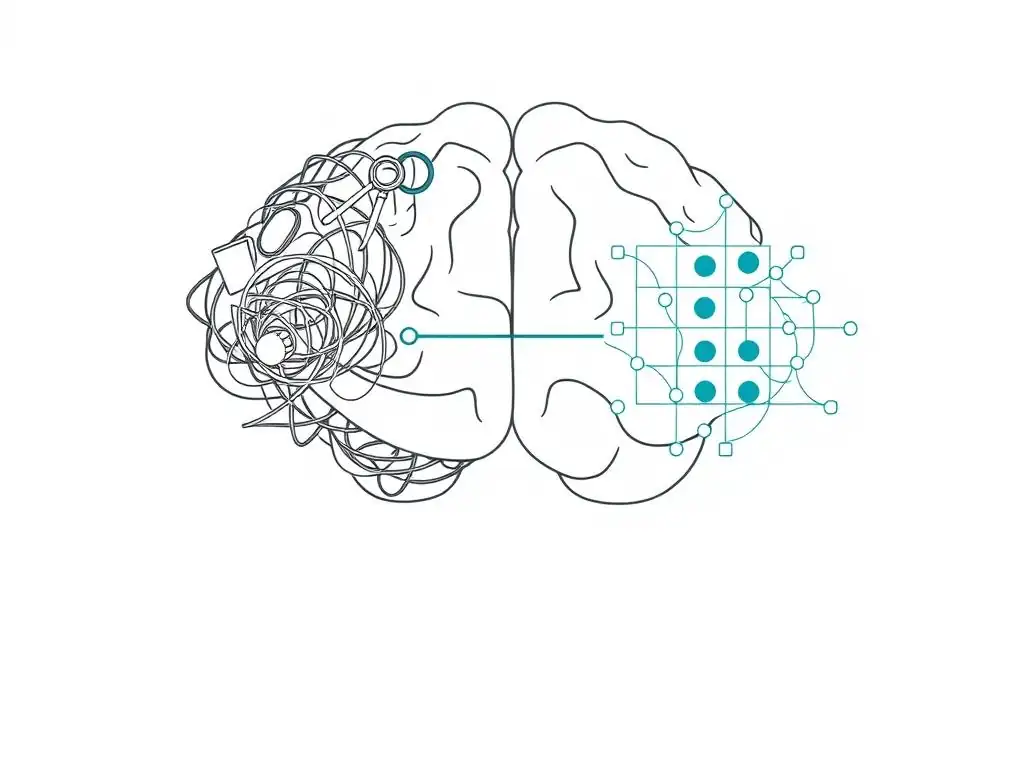
This section focuses on actionable strategies to integrate the knowledge of cognitive biases into your daily life, ultimately boosting your productivity and decision-making. Understanding cognitive biases is only the first step; effectively mitigating their influence requires a proactive and personalized approach. We'll explore practical techniques to build resilience against these mental shortcuts and unlock your full potential. This is about turning awareness into action – transforming theoretical knowledge into tangible productivity gains.
The goal is to cultivate a mindset that actively identifies and counters these biases, leading to more efficient and effective work habits. This isn't about eliminating biases entirely (which is impossible! ), but rather about managing them effectively.
Developing a Personalized Strategy for Bias Mitigation
The key to effectively combating cognitive biases lies in developing a personalized strategy tailored to your individual weaknesses. Everyone falls prey to different biases; what works for one person might not work for another. Start by identifying your most prevalent biases. Do you consistently overestimate your abilities (overconfidence bias)? Are you overly influenced by the first piece of information you receive (anchoring bias)? Do you tend to seek out information that confirms your existing beliefs (confirmation bias)? 🤔
Once you've pinpointed your personal "bias blind spots," you can develop targeted countermeasures. For example, if you struggle with confirmation bias, actively seek out dissenting opinions and challenge your assumptions. If anchoring bias is a problem, consciously avoid focusing on initial numbers or estimates when making decisions.
Consider creating a simple checklist or flowchart:
| Bias | Description | Mitigation Strategy | Example |
|---|---|---|---|
| Confirmation Bias | Favoring information confirming existing beliefs | Actively seek contradictory evidence; consider alternative perspectives | Before making a major purchase, research competitor products and reviews. |
| Availability Heuristic | Overestimating likelihood of easily recalled events | Consider statistical data; challenge gut feelings | Don't let a recent news story about a plane crash deter you from flying. |
| Planning Fallacy | Underestimating time and resources needed for tasks | Break down tasks; add buffer time; use historical data | Instead of estimating project completion in weeks, break it down to daily tasks and add a 20% buffer. |
This personalized approach ensures that your efforts are focused on the areas where you need them most, maximizing your productivity gains. Remember, consistency is key. Regularly review and adjust your strategy as you become more aware of your biases and develop new coping mechanisms.
Regular Self-Reflection and Journaling for Continuous Improvement
Regular self-reflection is crucial for continuous improvement in bias mitigation. A powerful tool for this is journaling. Dedicate a few minutes each day or week to reflect on your decisions and actions. Ask yourself:
- What decisions did I make today?
- Were there any instances where I might have been influenced by a cognitive bias?
- How could I have approached the situation differently?
- What steps can I take to avoid similar biases in the future?
By consistently documenting your thoughts and experiences, you create a valuable record of your progress and identify recurring patterns. This process fosters metacognition – thinking about your thinking – which is essential for effective bias mitigation. Over time, this practice will sharpen your awareness and refine your ability to identify and counteract cognitive biases in real-time. Consider using prompts like: "Today I experienced [Bias Name] when…", followed by a detailed description and analysis. The more specific you are, the more valuable your insights will become.
Integrating Bias-Awareness into Your Daily Routine
The ultimate goal is to seamlessly integrate bias-awareness into your daily routine, making it a natural part of your decision-making process. This requires consistent effort and practice, but the rewards are substantial. Here are some practical strategies:
- Slow down: Before making important decisions, pause and consciously consider potential biases. Take a deep breath and deliberately analyze the information before reacting.
- Seek diverse perspectives: Actively solicit input from others with different backgrounds and viewpoints. This can help counteract your own biases and reveal blind spots.
- Use decision-making frameworks: Employ structured approaches to decision-making, such as cost-benefit analysis or decision matrices, to minimize the impact of biases.
- Embrace experimentation: Don't be afraid to try new strategies and techniques. What works for one person might not work for another, so find what best suits your needs and preferences.
By consistently applying these techniques, you'll gradually develop a more robust and resilient mindset, capable of navigating the complexities of daily life with greater clarity and efficiency. Remember, mitigating cognitive biases is an ongoing journey, not a destination. Embrace the process of continuous learning and self-improvement, and you'll reap the rewards of enhanced productivity and improved decision-making. The journey to mastering your cognitive processes is a marathon, not a sprint! 🏃♂️
Long-Term Benefits of Cognitive Bias Awareness for Productivity and Well-being
Understanding and actively mitigating cognitive biases offers significant long-term advantages for both productivity and overall well-being. The initial effort in learning to identify these mental shortcuts pays substantial dividends over time. By consciously challenging your assumptions and biases, you cultivate a more objective and rational approach to decision-making. This leads to more effective strategies and a reduction in wasted effort stemming from flawed judgments.
For example, consider the planning fallacy, a common bias where individuals underestimate the time and resources needed to complete a task. Someone prone to this bias might consistently overschedule their day, leading to chronic stress and unmet goals. However, by recognizing this tendency, they can proactively add buffer time to their schedules, setting more realistic expectations and reducing the likelihood of feeling overwhelmed. This proactive approach directly translates to improved time management and reduced stress levels—a significant boost to both productivity and well-being.
Furthermore, awareness of biases like confirmation bias—the tendency to favor information confirming existing beliefs—can improve the quality of your work significantly. Instead of selectively seeking information that supports a preconceived notion, you can actively search for contradictory evidence, leading to more thorough analyses and better-informed decisions. This translates to higher-quality outputs and a reduced likelihood of making costly mistakes based on incomplete or biased information. The long-term impact of this heightened critical thinking extends far beyond a single project, fostering a culture of continuous learning and improvement.
The benefits extend beyond the professional sphere. By recognizing biases like anchoring bias (over-relying on the first piece of information received), you can make more rational choices in your personal life, from negotiating prices to making financial decisions. This increased self-awareness fosters a sense of control and empowerment, contributing to greater overall well-being.
The cumulative effect of consistently challenging your biases is a more balanced, rational, and fulfilling life, significantly impacting both your productivity and your happiness. In essence, the investment in understanding cognitive biases is an investment in a more effective and fulfilling life. The return on this investment is a more productive, less stressful, and ultimately happier you.
Frequently Asked Questions
What are cognitive biases, and how do they affect productivity?
Cognitive biases are systematic errors in thinking that affect our decisions and judgments. They can lead to poor time management, ineffective prioritization, and missed opportunities, significantly impacting productivity.
How can identifying cognitive biases improve my workflow?
By recognizing your biases, you can develop strategies to mitigate their negative effects. This might involve using checklists, seeking diverse perspectives, or employing decision-making frameworks to make more objective choices.
What are some common cognitive biases that impact productivity?
Common culprits include the planning fallacy (underestimating task completion time), confirmation bias (seeking only confirming evidence), and anchoring bias (over-relying on initial information). Addressing these directly improves efficiency.
Are there any productivity hacks specifically designed to combat cognitive biases?
Yes! Techniques like timeboxing, breaking down large tasks, and using visual aids can help counteract biases. Mindfulness practices can also improve awareness of your thinking patterns.
Where can I learn more about cognitive biases and their impact on productivity?
UltimateLifeHacks offers numerous articles and resources on cognitive biases and productivity hacks. Explore our website for practical tips and strategies to improve your efficiency and overcome these mental traps.
Final Reflection: Unlocking Productivity by Mastering Your Mind
Understanding cognitive biases isn't just an academic exercise; it's a crucial skill for unlocking peak productivity in our increasingly complex world. The sheer volume of information and decisions we face daily makes us vulnerable to these mental shortcuts, often leading to poor choices and wasted effort. By recognizing and actively mitigating these biases, we can reclaim control over our thoughts and actions, paving the way for significant improvements in efficiency and well-being.
The impact of cognitive biases extends far beyond individual productivity; they shape our perceptions, influence our relationships, and even dictate societal trends. The way we process information, often unconsciously, profoundly affects our choices, from the mundane (what we eat for lunch) to the monumental (career decisions, financial investments). The mind is a wonderful servant, but a terrible master.
This quote perfectly encapsulates the power – and potential peril – of our cognitive processes. Understanding these biases allows us to become more mindful masters of our own minds, rather than being blindly led by them.
Now, consider your own life. What biases have you noticed hindering your productivity? Perhaps confirmation bias has led you to ignore crucial feedback, or the availability heuristic has caused you to overestimate the likelihood of certain risks. Take a moment to reflect on these patterns. By consciously identifying and challenging these ingrained tendencies, you can begin to cultivate a more objective and effective approach to decision-making, leading to greater focus, improved efficiency, and ultimately, a more fulfilling and productive life. The journey to mastering your mind begins with awareness – and the rewards are immeasurable.
Unlock Your Clarity: Master Your Thinking
Thank you for exploring the fascinating world of cognitive biases! You've gained valuable insights into how our minds can sometimes mislead us. Ready to apply this knowledge?
- Identify your biases: Reflect on a recent decision. Can you identify any biases influencing your thinking? Journaling your thoughts can deepen your self-awareness.
- Challenge your assumptions: Actively seek diverse perspectives on issues you feel strongly about. Engage in thoughtful discussions with people holding differing viewpoints.
- Share your insights: Spread the word! Discuss this article with friends or family and see if they recognize these biases in their own lives.
What surprising biases have you discovered in yourself? Share your thoughts below!