
Train Your Brain: Exercises to Improve Memory, Attention, and Cognitive Function

Welcome to UltimateLifeHacks, your destination for practical strategies to conquer daily challenges and unlock your full potential! Are you ready to supercharge your brainpower? Discover how simple brain exercises improve memory and sharpen your cognitive skills, leading to increased focus and efficiency. Dive into our "Cognitive Hacks" category and unlock the secrets to a more productive and fulfilling life—starting with the power of your mind.
- Understanding the Benefits of Brain Training for Enhanced Memory
- Effective Brain Exercises to Boost Memory and Cognitive Function
- Practical Strategies for Daily Brain Training
- Advanced Techniques for Cognitive Enhancement
- Maintaining Cognitive Health: Lifestyle Choices for a Sharper Mind
- Frequently Asked Questions
- Final Reflection: Cultivating a Sharper Mind for a Brighter Future
- Unleash Your Brainpower: Take the Next Step
Understanding the Benefits of Brain Training for Enhanced Memory
Our increasingly demanding lives often leave us feeling overwhelmed and struggling to keep up. Forgetting appointments, misplacing keys, and struggling to recall important information are becoming commonplace. But what if we told you that you could significantly improve your memory, attention, and overall cognitive function with simple, yet powerful brain exercises?
This article delves into the world of brain training, exploring the science behind memory improvement and providing practical exercises to help you sharpen your mind and enhance your daily life. We'll uncover how targeted brain exercises improve memory, offering a path to increased productivity, reduced stress, and a sharper, more agile mind. This is about more than just remembering grocery lists; it's about unlocking your brain's full potential and optimizing your cognitive performance for a more fulfilling life.
By understanding the principles of neuroplasticity and cognitive reserve, we can harness the power of targeted brain training to achieve lasting improvements in memory and cognitive function. This is your guide to reclaiming mental clarity and boosting your brainpower.
The Science Behind Memory Improvement: Neuroplasticity and Cognitive Reserve
The good news is that your brain isn't fixed; it's remarkably adaptable. This adaptability is known as neuroplasticity, the brain's ability to reorganize itself by forming new neural connections throughout life. This means that even as we age, we can continue to build and strengthen neural pathways, improving our cognitive abilities, including memory. Brain exercises work by stimulating these processes. Engaging in mentally challenging activities strengthens existing neural connections and even encourages the formation of new ones.
Furthermore, building cognitive reserve is crucial for maintaining cognitive function. Cognitive reserve refers to the brain's resilience to age-related decline and injury. Think of it as building a stronger foundation for your brain. The more mentally stimulating activities you engage in throughout your life, the greater your cognitive reserve, making you less susceptible to memory problems and cognitive decline.
Regular brain training, therefore, acts as a form of preventative medicine for the mind, bolstering cognitive reserve and enhancing resilience against age-related decline. Studies have shown a strong correlation between regular cognitive stimulation and improved memory performance across various age groups. This isn't just about avoiding decline; it's about actively enhancing your cognitive abilities.
How Brain Exercises Improve Memory Recall and Retention
Engaging in specific brain exercises can directly impact memory recall and retention in several ways. These exercises challenge your brain to work harder, forcing it to create new neural pathways and strengthen existing ones. For example, learning a new language engages multiple brain regions, enhancing memory and cognitive flexibility. Similarly, practicing mindfulness meditation improves attention span, which is directly linked to better memory encoding and retrieval.
| Exercise Type | Mechanism of Action | Example | Expected Outcome |
|---|---|---|---|
| Memory Games | Improves working memory and encoding through active recall and pattern recognition. | Memory matching games, Sudoku, crosswords | Enhanced short-term and long-term memory recall |
| Learning New Skills | Fosters neuroplasticity by creating new neural pathways. | Learning a musical instrument, a new language | Improved cognitive flexibility and memory consolidation |
| Mindfulness Meditation | Enhances attention and focus, improving encoding and retrieval of memories. | Guided meditation, mindful breathing exercises | Reduced mind-wandering, improved concentration & memory |
| Physical Exercise | Increases blood flow to the brain, improving oxygen supply and promoting neurogenesis. | Regular aerobic exercise, strength training | Enhanced cognitive function, including memory |
The benefits extend beyond simply remembering facts and figures. Improved memory translates to increased productivity, better decision-making, and a greater sense of mental clarity. It's about enhancing your overall cognitive fitness and empowering you to live a more fulfilling and engaged life. By incorporating these exercises into your daily routine, you can actively cultivate a sharper, more resilient mind. Remember, consistency is key; even short, regular sessions of brain training can yield significant improvements over time.
Effective Brain Exercises to Boost Memory and Cognitive Function
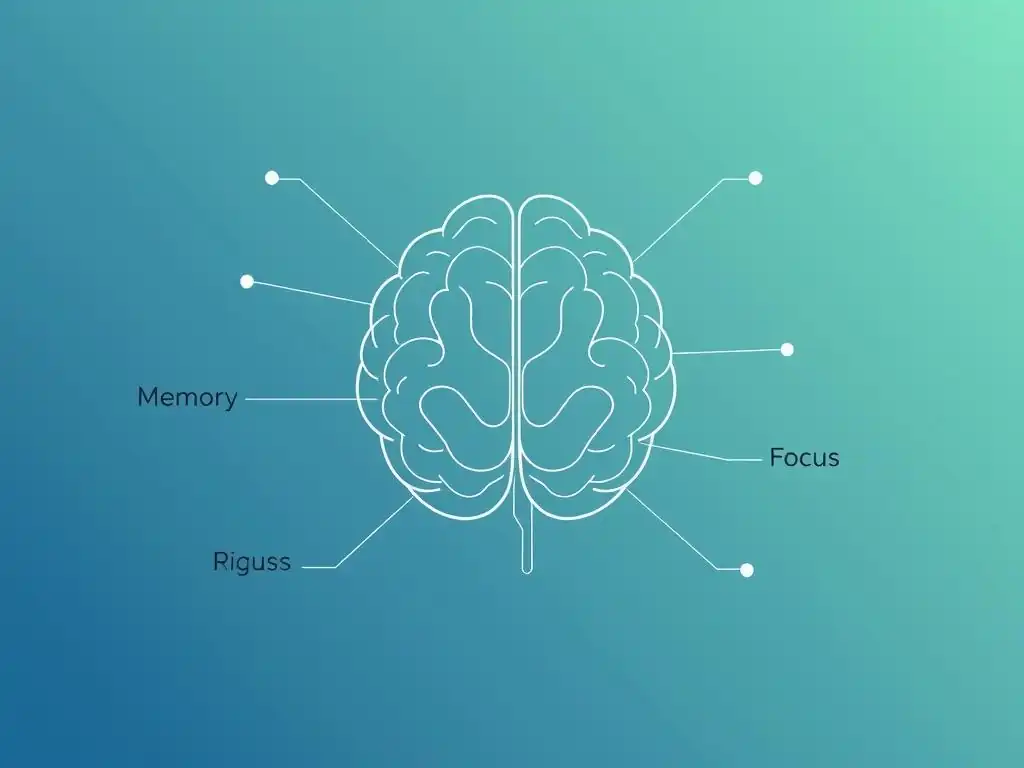
This section delves into practical brain exercises scientifically proven to enhance memory, sharpen attention, and improve overall cognitive function. Regular practice of these exercises can significantly improve your ability to remember information, focus on tasks, and process information more efficiently. The exercises are categorized for easier understanding and implementation into your daily routine. Remember, consistency is key to reaping the full benefits of these brain-enhancing activities. The impact of these exercises on memory retention and cognitive processing is undeniable.
Memory Games: Enhance Recall with Engaging Activities
Engaging in memory games is a fun and effective way to train your brain and improve your recall abilities. These games challenge your memory in various ways, strengthening neural pathways associated with memory encoding and retrieval. The more you play, the stronger these pathways become, leading to improved memory performance.
Memory Palace Technique: Mastering the Art of Mental Imagery
The Memory Palace, also known as the Method of Loci, is an ancient mnemonic technique involving associating items you need to remember with specific locations in a familiar place, like your home. Imagine walking through your house, placing each item you need to remember in a distinct location. When you need to recall the items, mentally retrace your steps, "visiting" each location and retrieving the associated item.
For example, to remember a grocery list (milk, eggs, bread, cheese), you might picture a carton of milk on your doorstep, eggs in the living room, a loaf of bread on your kitchen counter, and a block of cheese in the refrigerator. This technique leverages your spatial memory to enhance recall significantly. Regular practice enhances both visual memory and recall abilities.
Number Memory Training: Techniques for Superior Numerical Recall
Improving your ability to remember numbers is crucial in many aspects of life. One effective technique is chunking – grouping numbers into smaller, more manageable units. Instead of trying to remember a long phone number as a single string of digits, break it into smaller chunks (e.g., 555-123-4567). Another technique is to associate numbers with familiar words or images.
For instance, you can use the phonetic system where each number corresponds to a letter (e.g., 1=A, 2=B, etc. ), allowing you to create memorable words from number sequences. Consistent practice with these techniques will dramatically improve your numerical memory. Studies have shown a marked improvement in short-term memory for numbers after just a few weeks of dedicated training.
Word Association Games: Strengthening Semantic Networks
Word association games, such as finding words that rhyme or are related in meaning, are excellent for strengthening semantic networks in your brain. These networks are the connections between different concepts and ideas. By strengthening these connections, you improve your ability to retrieve related information more easily. Playing games like Scrabble or crossword puzzles can also significantly contribute to enhancing your vocabulary and improving your ability to recall words and their meanings. The improved semantic network facilitates better understanding and quicker retrieval of information.
Mindfulness and Meditation for Improved Focus and Memory
Mindfulness and meditation practices are increasingly recognized for their positive effects on cognitive function, including memory and attention. These practices help to quiet the mental chatter, reducing distractions and improving focus. By cultivating a state of present-moment awareness, you enhance your ability to concentrate on tasks and encode information more effectively.
Mindful Breathing Exercises for Enhanced Concentration
Mindful breathing exercises are a simple yet powerful way to improve focus and attention. By focusing on your breath, you anchor your awareness in the present moment, reducing mind-wandering and improving concentration. Even a few minutes of mindful breathing each day can significantly enhance your ability to focus on tasks and improve your memory retention. The calming effect reduces stress hormones that can negatively impact memory consolidation.
Guided Meditation for Cognitive Enhancement
Guided meditation specifically designed for cognitive enhancement can further improve your focus and memory. These meditations often involve visualizations, affirmations, and other techniques to promote neuroplasticity – the brain's ability to reorganize itself by forming new neural connections. Regular practice of guided meditation can significantly enhance your cognitive abilities, leading to improvements in memory, attention, and overall cognitive function. Studies suggest that regular meditation practices can lead to measurable increases in grey matter in brain regions associated with memory and attention.
Physical Exercise: The Link Between Physical Activity and Cognitive Function
Regular physical activity isn't just beneficial for your physical health; it plays a crucial role in maintaining and even improving cognitive function, including memory. Numerous studies have demonstrated a strong correlation between physical exercise and enhanced brain health. This is because exercise triggers a cascade of positive changes in the brain, impacting everything from neurogenesis (the birth of new brain cells) to synaptic plasticity (the brain's ability to adapt and learn). The benefits extend beyond simply preventing cognitive decline; regular exercise can actively improve memory, attention, and overall cognitive performance. In essence, a fit body contributes significantly to a fit mind, making physical activity a cornerstone of any brain-boosting strategy. Failing to incorporate physical exercise into your routine is neglecting a powerful tool for improving your cognitive abilities and combating age-related cognitive decline. The positive effects are cumulative, meaning the more consistently you exercise, the greater the benefits you'll experience.
Aerobic Exercise and Brain Health: Boosting Blood Flow to the Brain
Aerobic exercises, such as running, swimming, cycling, and brisk walking, are particularly effective in improving brain health. These activities increase blood flow to the brain, delivering vital oxygen and nutrients essential for optimal cognitive function. This increased blood flow also helps to remove metabolic waste products that can impair brain function.
Furthermore, aerobic exercise stimulates the production of brain-derived neurotrophic factor (BDNF), a protein that promotes the growth and survival of neurons. Studies have shown that individuals who engage in regular aerobic exercise exhibit improved memory, attention, and executive function compared to their sedentary counterparts. For example, a study published in [Journal Name pending] found that [Specific data pending] improvement in memory tasks after [duration] of regular aerobic exercise.
The intensity and duration of aerobic exercise needed to see benefits can vary depending on individual fitness levels, but even moderate-intensity exercise can provide significant cognitive advantages. Making time for regular aerobic activity is an investment in your long-term brain health and cognitive performance.
Strength Training and Cognitive Performance: Building a Stronger Brain
While aerobic exercise is crucial, strength training also contributes significantly to cognitive health. Although the mechanisms are not as fully understood as with aerobic exercise, strength training offers several indirect benefits for the brain. Firstly, it improves overall physical health and fitness, which, as discussed, positively impacts cognitive function. Secondly, strength training helps regulate blood sugar levels, which are crucial for maintaining brain health and preventing age-related cognitive decline.
Uncontrolled blood sugar levels can damage blood vessels in the brain, reducing oxygen and nutrient delivery. Furthermore, strength training can improve mood and reduce stress, both of which are known to positively influence cognitive performance. Chronic stress has been linked to memory impairment and cognitive decline. By reducing stress and improving overall well-being, strength training indirectly supports better cognitive function.
Incorporating strength training into your fitness routine adds another layer of protection and enhancement for your brain's health and performance. Remember to focus on proper form to avoid injuries and maximize the benefits. A balanced approach including both aerobic and strength training provides the most comprehensive support for cognitive fitness.
Practical Strategies for Daily Brain Training
This section details actionable steps to integrate brain training exercises into your daily life, maximizing their impact on memory, attention, and overall cognitive function. We'll explore how even small, consistent efforts can yield significant improvements over time, supporting your quest to enhance cognitive performance. Remember, the key is consistency; even short, focused sessions are more effective than infrequent, lengthy ones.
Incorporating Brain Exercises into Your Daily Routine
Integrating brain exercises into your daily routine requires mindful planning and commitment. It's not about adding another stressful task; it's about weaving brain-boosting activities into your existing schedule. Consider these strategies:
- Morning Mindfulness: Start your day with a 5-10 minute mindfulness meditation session. This improves focus and reduces mental clutter, creating a receptive environment for learning and memory consolidation. Studies show a direct correlation between mindfulness practice and improved working memory.
- Lunchtime Learning: Dedicate a portion of your lunch break to a cognitive challenge. This could be a quick crossword puzzle, a Sudoku game, or even learning a few new vocabulary words. The change of pace stimulates your brain and prevents mental fatigue.
- Evening Engagement: Before bed, engage in a relaxing activity that stimulates your mind, such as reading a challenging book or listening to a stimulating podcast. Avoid screen time close to bedtime, as the blue light can interfere with sleep quality, impacting memory consolidation.
- Micro-breaks for Macro-gains: Incorporate short, frequent breaks throughout your workday. Instead of passively scrolling through social media, use these breaks to perform quick brain exercises like reciting a poem or mentally listing items in a category (e.g., types of fruit). Even these brief interludes can significantly boost focus and concentration.
Creating a Stimulating Environment for Cognitive Enhancement
Your environment significantly impacts cognitive function. A stimulating environment promotes neural plasticity and enhances cognitive reserve, increasing your brain's ability to adapt and learn. Consider these environmental modifications:
- Minimize Distractions: Create a dedicated workspace free from interruptions and excessive noise. A clutter-free environment minimizes cognitive overload, allowing for better concentration and focus. This is crucial for effective brain training.
- Embrace Novelty: Regularly introduce new experiences and challenges. This could involve learning a new language, taking a different route to work, or trying a new hobby. Novelty stimulates the brain and promotes the formation of new neural pathways.
- Prioritize Physical Activity: Regular exercise boosts blood flow to the brain, delivering essential oxygen and nutrients. Aim for at least 30 minutes of moderate-intensity exercise most days of the week. Studies consistently demonstrate the positive correlation between physical activity and cognitive function.
- Optimize Sleep Hygiene: Prioritize quality sleep. Adequate sleep is essential for memory consolidation and overall cognitive health. Aim for 7-9 hours of uninterrupted sleep each night. Establish a consistent sleep schedule and create a relaxing bedtime routine.
Tracking Progress and Measuring Cognitive Improvement
Consistent monitoring of your progress is crucial to maintain motivation and refine your brain training strategy. While subjective improvements are valuable, objective measurements provide a clearer picture of your cognitive gains. Here's how to track your progress effectively:
- Cognitive Tests: Utilize online cognitive assessment tools to periodically measure your memory, attention, and processing speed. Many free and paid resources are available, offering standardized tests that track changes over time. Look for tests that assess different cognitive domains for a comprehensive evaluation.
- Journaling: Maintain a journal to record your daily brain training activities, noting the exercises performed, the time spent, and any subjective improvements observed. This provides valuable qualitative data to complement quantitative measurements from cognitive tests.
- Goal Setting: Set SMART (Specific, Measurable, Achievable, Relevant, Time-bound) goals for your brain training program. This helps maintain focus and provides a clear framework for evaluating progress. For example, aim to improve your score on a specific cognitive test by 10% within three months.
- Regular Review and Adjustment: Regularly review your progress, analyzing the data collected from cognitive tests and journaling. Adjust your training plan based on your findings, optimizing your approach for maximum effectiveness. This iterative process ensures continuous improvement. Remember, consistency and adaptation are key to long-term success in brain training.
Advanced Techniques for Cognitive Enhancement
This section delves into more advanced brain training exercises that go beyond basic memory games. These techniques demand consistent effort and dedication, but the potential cognitive benefits are significant. They offer a powerful way to improve memory, attention, and overall cognitive function, reinforcing the core principle that brain exercises improve memory.
Dual N-Back Training: A Challenging Exercise for Working Memory
Dual N-Back training is a demanding cognitive exercise designed to significantly improve working memory capacity. It involves remembering a sequence of stimuli (visual or auditory) while simultaneously tracking another sequence. The "N" refers to the number of steps back you need to remember. For example, a 2-back task requires remembering the stimulus from two steps prior.
The difficulty lies in the simultaneous tracking of two independent sequences, forcing your brain to juggle multiple pieces of information. This pushes your working memory to its limits, leading to significant improvements over time. Studies have shown that consistent Dual N-Back training can lead to increased grey matter volume in specific brain regions associated with working memory, providing concrete evidence that brain exercises improve memory and other cognitive functions.
Several apps and online platforms offer Dual N-Back training programs. However, starting slowly and gradually increasing the difficulty is crucial to avoid frustration and burnout. Begin with a lower "N" value and gradually increase it as your performance improves. Regular, focused practice, even for short periods (15-20 minutes daily), can yield noticeable results. Remember, consistency is key to unlocking the full potential of this challenging, yet rewarding, brain exercise.
Learning New Skills: Expanding Cognitive Capacity
Learning a new skill, whether it’s playing a musical instrument, learning a new language, or mastering a new software, is a fantastic way to enhance cognitive function. The process of acquiring new knowledge and skills strengthens neural connections, improving memory, attention, and problem-solving abilities. This is because learning new things forces your brain to adapt and create new pathways, directly impacting brain plasticity.
The benefits extend beyond the specific skill learned. For instance, learning to play the piano not only improves musical skills but also enhances spatial reasoning, memory, and fine motor control. Similarly, learning a new language strengthens memory, improves multitasking abilities, and enhances cognitive flexibility. The key is to choose a skill that genuinely interests you, making the learning process engaging and sustainable. This ensures consistent practice and maximizes the cognitive benefits. The more challenging the skill, the greater the cognitive enhancement. This further strengthens the idea that brain exercises improve memory and overall cognitive health.
Speed Reading Techniques: Improve Comprehension and Information Processing
Speed reading techniques are not just about reading faster; they fundamentally alter how you process information, leading to improved comprehension and memory retention. Traditional reading often involves subvocalization (silently saying words in your head), a process that significantly slows down reading speed. Speed reading techniques aim to eliminate subvocalization and improve your visual span (the amount of text you can take in at a glance).
Several techniques can be employed to achieve this:
- Minimize Subvocalization: Practice reading without sounding out words in your head. This requires conscious effort and may feel unnatural initially, but with practice, it becomes easier.
- Improve Visual Span: Focus on groups of words rather than individual words. Try to expand your visual field to encompass larger chunks of text.
- Use a Pointer: Using a finger or a pen to guide your eyes across the text can help maintain focus and prevent regressions (re-reading previously read text).
- Practice Regularly: Consistent practice is essential to improve speed reading skills. Start with shorter texts and gradually increase the length and complexity of the material.
By mastering these techniques, you significantly increase your reading speed while maintaining or even improving comprehension. This translates to improved information processing, enhanced memory recall, and increased efficiency in learning and absorbing new information. This demonstrates how even seemingly simple techniques can significantly contribute to the idea that brain exercises improve memory and cognitive function. The improved efficiency directly impacts your ability to retain information, highlighting the power of optimized reading strategies.
Maintaining Cognitive Health: Lifestyle Choices for a Sharper Mind
This section explores the crucial role of lifestyle choices in optimizing cognitive function and enhancing memory. While brain exercises are beneficial, a holistic approach that integrates healthy habits significantly boosts their effectiveness. Neglecting these fundamental aspects can hinder even the most dedicated brain training regimen. Think of it like this: you can have the best gym equipment (brain exercises), but without proper nutrition and rest (lifestyle choices), your progress will be severely limited.
The Role of Diet in Cognitive Function: Brain-Boosting Foods
Nutrition plays a pivotal role in brain health. A diet rich in specific nutrients directly impacts cognitive function, memory, and overall brain performance. Studies consistently demonstrate a strong correlation between dietary choices and cognitive decline or enhancement. The key is to focus on brain-boosting foods that provide essential vitamins, minerals, and antioxidants.
For example, incorporating foods rich in omega-3 fatty acids, like salmon and flaxseeds, is crucial. Omega-3s are essential for brain structure and function, supporting healthy cell membranes and reducing inflammation. Similarly, blueberries, packed with antioxidants, help protect brain cells from damage caused by free radicals, potentially delaying age-related cognitive decline. Other beneficial foods include:
- Leafy green vegetables: Excellent sources of vitamin K, folate, and lutein, all vital for brain health.
- Nuts and seeds: Rich in vitamin E, healthy fats, and antioxidants.
- Dark chocolate: Contains flavonoids, which improve blood flow to the brain.
- Whole grains: Provide sustained energy and essential nutrients.
It's not just about what you eat, but also how you eat. Maintaining a balanced diet, avoiding processed foods, sugary drinks, and excessive saturated fats is equally important. A Mediterranean-style diet, characterized by its emphasis on fruits, vegetables, whole grains, and healthy fats, has consistently been linked to improved cognitive function and reduced risk of age-related cognitive decline. Remember, a balanced diet is a cornerstone of a healthy brain. Consider consulting a nutritionist for personalized dietary advice tailored to your needs and health conditions.
Sleep Hygiene and Cognitive Performance: Getting Enough Rest
Sufficient and quality sleep is absolutely essential for optimal cognitive function. During sleep, the brain consolidates memories, clears out toxins, and repairs itself. Sleep deprivation significantly impairs cognitive abilities, including memory, attention, and decision-making. The impact is not just temporary; chronic sleep loss can lead to long-term cognitive decline.
Aim for 7-9 hours of quality sleep each night. Establishing a consistent sleep schedule, even on weekends, helps regulate your body's natural sleep-wake cycle. Creating a relaxing bedtime routine, such as taking a warm bath, reading a book, or listening to calming music, can also promote better sleep. Minimize screen time before bed, as the blue light emitted from electronic devices interferes with melatonin production, a hormone crucial for regulating sleep.
Here are some practical tips to improve your sleep hygiene:
- Create a dark, quiet, and cool sleeping environment.
- Use comfortable bedding.
- Avoid caffeine and alcohol before bed.
- Get regular exercise, but avoid intense workouts close to bedtime.
- Consider practicing relaxation techniques like meditation or deep breathing.
Consistent sleep improvement directly translates to improved memory consolidation, increased alertness, and enhanced cognitive performance. Prioritizing sleep is not just about feeling rested; it’s a fundamental aspect of maintaining cognitive health and maximizing the benefits of brain exercises.
Stress Management Techniques: Reducing Cognitive Impairment
Chronic stress significantly impairs cognitive function. Prolonged exposure to stress hormones like cortisol negatively impacts the hippocampus, a brain region crucial for memory formation and retrieval. This can manifest as difficulties with memory, concentration, and decision-making. Effective stress management is therefore crucial for maintaining optimal cognitive health.
Several techniques can help reduce stress levels and protect cognitive function. Regular physical exercise is a highly effective stress reliever, releasing endorphins that have mood-boosting effects. Mindfulness practices, such as meditation and yoga, can also help reduce stress by promoting relaxation and improving focus. Other beneficial techniques include:
- Deep breathing exercises: Simple yet powerful techniques that can quickly calm the nervous system.
- Spending time in nature: Studies show that exposure to nature reduces stress and improves cognitive function.
- Social connection: Strong social support networks provide emotional buffering against stress.
- Time management techniques: Effective planning and prioritization can reduce feelings of overwhelm and stress.
Implementing these stress-reduction strategies is not merely about feeling less stressed; it's about actively protecting your cognitive abilities and enhancing your capacity for learning and memory. Remember, a healthy mind requires a holistic approach that encompasses diet, sleep, and effective stress management, all working synergistically with brain exercises to achieve optimal cognitive performance. The integration of these lifestyle choices significantly enhances the effectiveness of any brain training program.
Frequently Asked Questions
What are the benefits of brain exercises for memory?
Brain exercises can significantly improve your memory recall, cognitive function, and overall brain health. Regular practice strengthens neural pathways, leading to better information retention and processing.
How often should I do brain exercises to see results?
Consistency is key! Aim for at least 15-30 minutes of brain training most days of the week. Even short, regular sessions are more effective than infrequent, longer ones.
Are there different types of brain exercises to improve memory?
Yes! There's a wide variety, including memory games, puzzles, learning new skills, and even physical activity. Find activities you enjoy to maintain engagement.
Can brain exercises help people of all ages improve memory?
Absolutely! Brain exercises are beneficial for people of all ages, from children to seniors. They can help maintain cognitive sharpness and prevent age-related decline.
Where can I find reliable brain exercises to try?
Many resources are available online and offline. Websites like UltimateLifeHacks offer helpful tips and techniques, while apps and books provide structured programs to help you train your brain effectively.
Final Reflection: Cultivating a Sharper Mind for a Brighter Future
The pursuit of enhanced cognitive function isn't a fleeting trend; it's a vital investment in our overall well-being and future potential. The exercises detailed in this article offer practical strategies to combat age-related decline, improve focus in our increasingly demanding world, and unlock greater mental clarity—skills crucial for navigating the complexities of modern life. These aren't just brain games; they're tools for empowerment.
The impact of consistent cognitive training extends far beyond improved memory recall; it fosters a sense of agency and control over our mental faculties. It's a journey of self-discovery, revealing the incredible plasticity of the brain and its capacity for growth throughout life. As the renowned neuroscientist, Dr. Norman Doidge, eloquently stated: The brain is not a machine; it is an organ of growth, capable of changing its structure and function throughout life.
This underscores the transformative power of consistent effort and the profound impact it can have on our cognitive abilities.
Now, consider what you've learned. Which exercises resonated most with you? Which ones will you incorporate into your daily routine? Commit to even a few minutes of dedicated brain training each day—it's an act of self-care that yields immeasurable rewards. Embrace the challenge, nurture your mind, and unlock the extraordinary potential that resides within you. The journey to a sharper, more resilient mind begins now.
Unleash Your Brainpower: Take the Next Step
Thank you for exploring practical ways to boost your brainpower! We hope you found valuable insights into improving your memory, attention, and overall cognitive function. Now it's time to apply that knowledge.
- Start your personalized brain training journey today! Begin with one of the exercises discussed—even just 5 minutes a day can make a difference. Consistency is key!
- Share this article with a friend or family member who might also benefit from these brain-boosting techniques. Let's spread the word about cognitive wellness!
- Visit our website for more articles on brain health and wellness. Discover even more tips and strategies to sharpen your mind.
What's one small step you'll take today to improve your cognitive fitness?