
Break Free From the Digital Overload: Simple Steps to a Healthier Mind


Feeling buried under a mountain of notifications and digital distractions? At UltimateLifeHacks, we understand the struggle. This is where you'll discover practical strategies to reduce digital overwhelm easily, reclaiming your time and mental clarity. Dive into our expert advice on digital minimalism and unlock a more focused, productive, and ultimately, happier you. Ready to take control of your digital life? Let's begin!
- Understanding Digital Overwhelm and its Impact on Mental Wellbeing
- Practical Strategies to Reduce Digital Overwhelm Easily
- Cultivating a Healthier Relationship with Technology: Long-Term Strategies
- Maintaining a Balanced Digital Life: Ongoing Practices for Sustainable Wellbeing
-
Frequently Asked Questions
- How can I reduce digital overwhelm easily?
- What are some quick wins to manage digital distractions?
- How can I improve my focus amidst constant digital interruptions?
- Are there any apps that can help me reduce digital overwhelm?
- What's the best way to disconnect from technology and improve my mental health?
- Final Reflection: Reclaiming Your Mind in a Digital Age
- Reclaim Your Focus: Start Your Digital Detox Journey Today!
Understanding Digital Overwhelm and its Impact on Mental Wellbeing
In today's hyper-connected world, the constant influx of information and notifications from our digital devices can lead to a state of overwhelming stress and anxiety – what we often call "digital overload." This isn't simply a matter of feeling busy; it's a pervasive feeling of being perpetually bombarded, unable to disconnect, and struggling to manage the demands of our digital lives.
This article will explore the science behind digital overwhelm, its detrimental effects on mental wellbeing, and, most importantly, provide practical, actionable steps to reclaim your mental peace and reduce digital overwhelm easily. We'll delve into the neuroscience of distraction, the link between excessive screen time and mental health issues, and offer simple strategies to regain control of your digital consumption.
Ultimately, the goal is to help you navigate the digital landscape with greater awareness and intentionality, fostering a healthier relationship with technology and improving your overall mental wellbeing. This is crucial for anyone seeking to achieve a better work-life balance and reduce stress in their daily lives.
Recognizing the Symptoms of Digital Overload
Feeling overwhelmed by technology isn't just a matter of feeling tired. It manifests in a variety of ways. Recognizing these symptoms is the first step towards addressing the problem. Are you experiencing any of the following?
- Constant feelings of anxiety and stress, even when not directly using technology.
- Difficulty concentrating or focusing on tasks, even simple ones.
- Sleep disturbances, including insomnia or difficulty unwinding before bed.
- Irritability and short temper, often triggered by notifications or interruptions.
- A persistent feeling of being "behind" or overwhelmed by emails, messages, and social media updates.
- Physical symptoms such as headaches, eye strain, or muscle tension.
- Withdrawal from social interactions in favor of digital engagement.
- Neglecting personal responsibilities due to excessive time spent online.
If you're experiencing several of these symptoms, it's crucial to take proactive steps to manage your digital consumption. Ignoring these signs can lead to more serious mental health issues. Remember, seeking help is a sign of strength, not weakness.
The Neuroscience of Digital Distraction
Our brains are not designed for the constant stimulation of modern digital life. Every notification, every email, every social media update triggers a release of dopamine, a neurotransmitter associated with reward and pleasure. This constant dopamine rush creates a feedback loop, making us crave more and more digital stimulation. This, in turn, leads to:
- Reduced attention span: The constant stream of notifications trains our brains to switch tasks rapidly, making sustained focus increasingly difficult.
- Impaired cognitive function: Studies show a correlation between excessive screen time and decreased cognitive performance, including memory and problem-solving abilities.
- Increased stress and anxiety: The constant pressure to stay connected and respond to digital demands contributes to elevated cortisol levels (the stress hormone), leading to chronic stress and anxiety.
- Sleep disruption: The blue light emitted from screens interferes with melatonin production, a hormone crucial for regulating sleep-wake cycles. This can lead to insomnia and other sleep disorders.
This constant state of "partial attention" negatively impacts our ability to focus, learn, and engage in meaningful activities, contributing significantly to feelings of digital overwhelm. Understanding the neurological underpinnings of this phenomenon is key to developing effective coping strategies.
The Link Between Excessive Screen Time and Mental Health Issues
The evidence is mounting: excessive screen time is strongly linked to a range of mental health issues, including:
| Mental Health Issue | Correlation with Excessive Screen Time | Explanation |
|---|---|---|
| Depression | Strong | Increased social isolation, sleep disruption, and negative social comparison. |
| Anxiety | Strong | Constant notifications, fear of missing out (FOMO), and cyberbullying. |
| Attention Deficit Disorder (ADD) | Moderate | Reduced attention span and impaired cognitive function due to constant stimulation. |
| Insomnia | Strong | Blue light exposure and disrupted sleep cycles. |
It's important to note that correlation doesn't equal causation. However, the consistent findings across numerous studies highlight the need for mindful digital consumption. Reducing screen time and implementing strategies to manage digital overload can significantly improve mental wellbeing and reduce the risk of developing these mental health issues. The key is balance and intentionality in our digital interactions.
Practical Strategies to Reduce Digital Overwhelm Easily
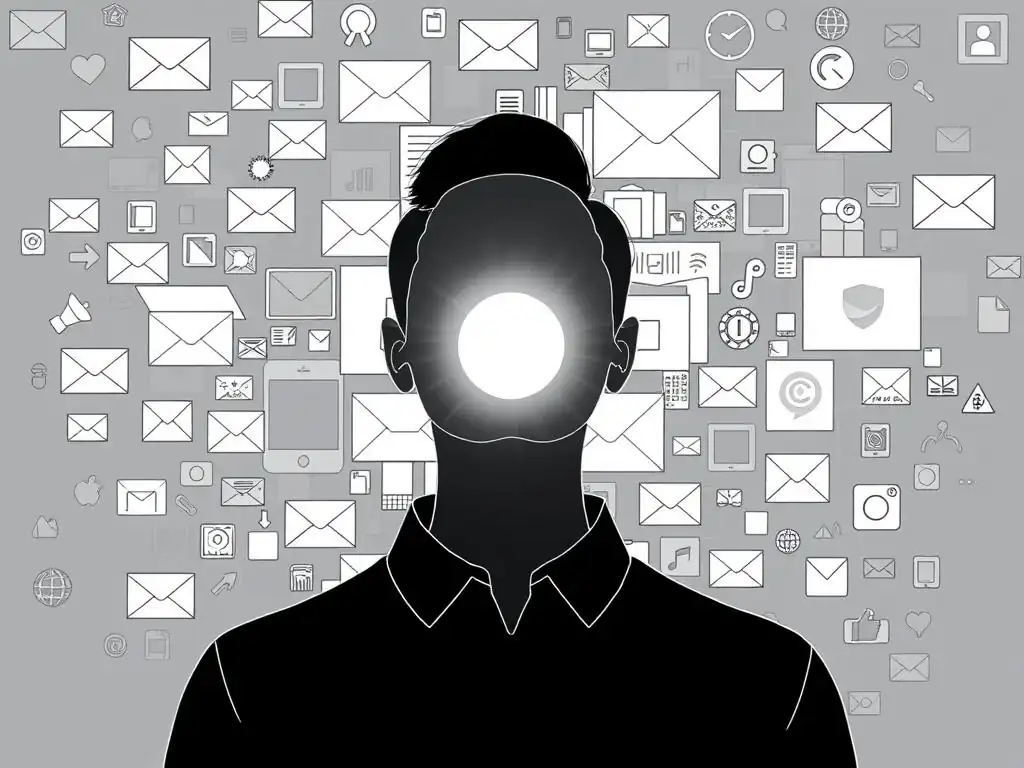
Feeling overwhelmed by the constant influx of digital information? Many struggle to manage the demands of modern technology, leading to stress, anxiety, and a feeling of being constantly "on." This section provides practical strategies to reduce digital overwhelm easily, reclaiming your time and mental energy. Implementing even a few of these techniques can significantly improve your digital wellbeing and contribute to a healthier, more balanced life. We'll focus on decluttering your digital life and mastering your digital consumption, offering actionable steps to achieve a calmer, more mindful relationship with technology.
Declutter Your Digital Life: A Step-by-Step Guide to Digital Minimalism
Digital minimalism isn't about completely abandoning technology; it's about intentionally curating your digital environment to support your well-being, rather than detract from it. This involves a conscious effort to reduce the noise and reclaim control over your digital life. Let's break down the process step-by-step.
Step 1: Identify Your Digital Time Sinks
Before you can declutter, you need to understand where your time is going. Take a week to honestly track your digital usage. Note how much time you spend on each app, website, or platform. You might be surprised by the results!
Many find that social media, news sites, and email consume far more time than they initially realize. This awareness is the first crucial step towards reducing digital overwhelm easily. Use a built-in screen time tracker on your phone or download a dedicated app to make this process easier. Analyzing this data helps you pinpoint the specific areas needing attention.
Step 2: Unsubscribe from Unnecessary Emails and Notifications
Unsubscribe from newsletters, promotional emails, and any other mailing lists that don't serve a clear purpose. A cluttered inbox contributes significantly to digital overwhelm. Use the "unsubscribe" link at the bottom of emails. For excessive notifications, adjust your settings on various platforms to minimize interruptions. This simple act can dramatically reduce the constant stream of digital distractions, promoting a more peaceful and focused state. Think about it: how many emails do you really need to receive daily?
Step 3: Delete Unused Apps and Accounts
Take a look at your smartphone and computer. How many apps do you rarely or never use? Deleting these unused apps frees up space and reduces visual clutter, making your devices feel less overwhelming. Similarly, review your online accounts. Do you really need all those inactive social media profiles or subscription services you've forgotten about? Deleting unused accounts enhances your digital security and simplifies your online life. This action directly contributes to reducing digital overwhelm easily.
Step 4: Organize Your Digital Files and Folders
A disorganized digital space mirrors a disorganized mind. Create a clear and logical system for storing your digital files. Use descriptive folder names and regularly delete unnecessary documents. Consider cloud storage for better organization and accessibility. A well-organized digital environment fosters productivity and reduces the stress associated with searching for misplaced files. This contributes directly to reducing digital overwhelm easily and improving efficiency.
Mastering Your Digital Consumption: Techniques for Mindful Tech Use
Decluttering is just the first step. Mindful tech use involves actively managing your relationship with technology to prevent future digital overload. This section provides techniques to cultivate a healthier, more balanced digital life.
Setting Daily Screen Time Limits: Using Apps and Techniques
Many smartphones and operating systems offer built-in screen time tracking and limiting features. Utilize these tools to set daily limits for specific apps or your overall screen time. Explore apps designed to help you manage your digital consumption. These tools provide valuable insights into your usage patterns and help you stay accountable to your goals. Setting boundaries reduces the potential for excessive screen time, a major contributor to digital overwhelm.
Scheduling Dedicated Digital Detox Times: Creating "Tech-Free" Zones
Schedule regular periods throughout your day or week where you disconnect entirely from technology. These "digital detox" periods allow your mind to rest and recharge, reducing stress and improving focus. Designate specific spaces in your home as "tech-free zones," such as your bedroom or dining area. This conscious separation of technology from relaxation areas helps you create a healthier balance. Even short, regular breaks can significantly reduce digital overwhelm easily.
Prioritizing Real-Life Interactions Over Digital Ones
Make a conscious effort to prioritize face-to-face interactions with loved ones over digital communication. Genuine human connection is crucial for mental wellbeing, and excessive reliance on digital communication can lead to feelings of isolation and loneliness. Schedule time for activities that don't involve screens, such as spending time in nature, engaging in hobbies, or connecting with friends and family in person. This shift in focus can dramatically reduce digital overwhelm and improve overall quality of life. Remember, real-life connections are irreplaceable.
Simple Techniques to Manage Digital Notifications Effectively
Digital notifications, while seemingly innocuous, are significant contributors to digital overwhelm. The constant pinging and buzzing disrupt focus, fragment attention, and create a sense of urgency that's often unwarranted. Effectively managing these notifications is crucial for reclaiming mental peace and boosting productivity.
This involves a multi-pronged approach, focusing on minimizing unnecessary alerts, batching responses, and utilizing built-in features designed to promote focus. By implementing these strategies, you can significantly reduce the mental clutter caused by the incessant stream of digital interruptions. The benefits extend beyond simply feeling less stressed; you'll find you're able to dedicate more focused time to tasks, improving both the quality and speed of your work.
This leads to a more satisfying and productive workday, leaving you with more energy and mental clarity for personal pursuits. The key is to be intentional about how you interact with your devices and to prioritize meaningful interactions over reactive responses to every notification.
Turning Off Non-Essential Notifications
One of the most effective ways to reduce digital overwhelm easily is to ruthlessly eliminate non-essential notifications. Many apps bombard us with alerts for trivial updates—a new follower on a social media platform, a friend's latest post, or a game reminding us to log in. These notifications rarely contain time-sensitive information and are primarily designed to keep us engaged, often at the expense of our focus and well-being.
Take control by navigating to the notification settings of each app on your phone and computer. Systematically review each category of notification and disable those that don't require immediate attention. For example, you might keep notifications on for urgent messages from your boss or family, but turn off notifications for social media updates, gaming apps, and news feeds.
This simple act can dramatically reduce the frequency of interruptions and significantly improve your concentration. Remember, you can always check these apps manually when you have dedicated time for them; you don't need constant alerts to stay informed. This conscious choice to disconnect from the constant stream of information is a powerful step towards reducing digital overwhelm.
Batch Processing Emails and Messages
Instead of reacting to each email or message as it arrives, adopt a batch-processing approach. Constantly checking emails and messages throughout the day fragments your attention and creates a sense of constant pressure to respond. Instead, schedule specific times during the day to dedicate to responding to communications.
For instance, you might check your emails three times a day: once in the morning, once in the afternoon, and once before leaving work. Similarly, you might allocate a specific time block for responding to messages on messaging apps. This structured approach prevents your inbox from constantly demanding your attention and allows you to focus more effectively on other tasks.
You'll find that your work becomes more efficient, and you'll experience less mental fatigue from the constant switching between tasks. This method is a powerful tool for reclaiming your time and mental energy, enabling you to prioritize deep work and reduce the feeling of being constantly bombarded with requests. By batching your email and message responses, you'll be surprised at how much more productive and less overwhelmed you feel.
Utilizing "Do Not Disturb" Modes
Most smartphones and computers offer "Do Not Disturb" modes, which allow you to silence notifications for a specified period. These modes are invaluable tools for creating focused work sessions or dedicated periods of relaxation. Use these modes strategically.
For example, activate "Do Not Disturb" during meetings, while working on important projects, or when you need dedicated time for deep thinking. You can customize these modes to allow calls from specific contacts or to permit notifications from essential apps. This ensures that you don't miss critical communications while still minimizing distractions.
Many devices allow you to schedule "Do Not Disturb" periods automatically, further enhancing your ability to control your digital environment and promote periods of focused concentration. By strategically utilizing these features, you can effectively manage your digital interactions and foster a more peaceful and productive environment. Experiment with different settings and schedules to find what works best for your individual workflow and needs; this is a personalized approach to reducing digital overwhelm easily.
Cultivating a Healthier Relationship with Technology: Long-Term Strategies

This section focuses on developing sustainable strategies to reduce digital overwhelm easily and cultivate a healthier relationship with technology in the long run. It's not about eliminating technology entirely, but about regaining control and using it mindfully. The key is to shift from reactive, compulsive technology use to proactive, intentional engagement.
Mindful Technology Use: Integrating Digital Wellbeing into Your Daily Routine
Integrating digital wellbeing into your daily routine requires conscious effort and planning. It's about creating intentional spaces free from digital distractions to allow for deeper focus and relaxation. Consider these practical steps:
- Schedule "Digital Detox" Periods: Dedicate specific times each day – perhaps an hour before bed or during lunch – completely free from screens. Use this time for activities that promote relaxation and mindfulness, such as reading a physical book, meditation, spending time in nature, or engaging in a hobby. The goal is to reduce digital overwhelm easily by creating these deliberate breaks.
- Create a Technology-Free Zone: Designate a specific area in your home, such as your bedroom or dining room, as a technology-free zone. This helps to establish boundaries and reinforces the importance of disconnecting. This simple change can significantly reduce nighttime screen time, improving sleep quality and reducing overall digital stress.
- Utilize Technology's Built-in Features: Many smartphones and computers offer built-in features to help manage screen time and reduce notifications. Take advantage of these features! Set limits on app usage, schedule "Do Not Disturb" periods, and customize notification settings to reduce interruptions. Experiment to find the settings that best suit your needs and help you reduce digital overwhelm easily.
Developing Healthy Digital Habits: Tips for Sustainable Change
Sustainable change requires more than just temporary fixes; it demands the cultivation of healthy digital habits. This section focuses on practical tips for long-term success in managing your digital consumption.
- Prioritize Your Tasks: Before you even open your laptop or phone, make a list of the most important things you need to accomplish. Tackle these first, avoiding the temptation to get sidetracked by less important digital tasks. This approach helps you to focus on what truly matters and reduces the feeling of being constantly overwhelmed.
- Batch Similar Tasks: Group similar digital tasks together, such as responding to emails or checking social media. This approach reduces context switching and improves efficiency, leading to less overall screen time and reduced digital overwhelm easily. Instead of constantly checking emails throughout the day, designate specific times for email management.
- Practice the "Two-Minute Rule": If a digital task takes less than two minutes, do it immediately. This prevents small tasks from piling up and becoming overwhelming. This simple strategy reduces the mental clutter associated with managing numerous small digital tasks, contributing to a reduction in digital overwhelm easily.
Seeking Support for Digital Overload: Resources and Communities
Overcoming digital overload often requires support and community. Connecting with others who share similar challenges can provide encouragement, practical advice, and a sense of shared experience.
- Online Communities and Forums: Numerous online communities and forums are dedicated to digital minimalism and wellbeing. These platforms offer a space to share experiences, ask questions, and learn from others' successes and challenges. The collective wisdom and shared experiences can be invaluable in navigating the complexities of reducing digital overwhelm easily.
- Therapy and Counseling: If you're struggling significantly with digital overload, consider seeking professional help. A therapist can provide guidance and support in developing coping mechanisms and strategies for managing your relationship with technology. They can also help address any underlying mental health concerns that may be contributing to your digital overwhelm.
- Mindfulness and Meditation Apps: While technology itself can be a source of stress, certain apps can be helpful tools for managing it. Many mindfulness and meditation apps offer guided exercises designed to reduce stress and improve focus, which can be especially beneficial in managing digital overload. These apps can help you cultivate a more mindful approach to technology use, ultimately reducing digital overwhelm easily.
Remember, reducing digital overwhelm easily is a journey, not a destination. Be patient with yourself, celebrate small victories, and remember that sustainable change takes time and consistent effort.
Maintaining a Balanced Digital Life: Ongoing Practices for Sustainable Wellbeing
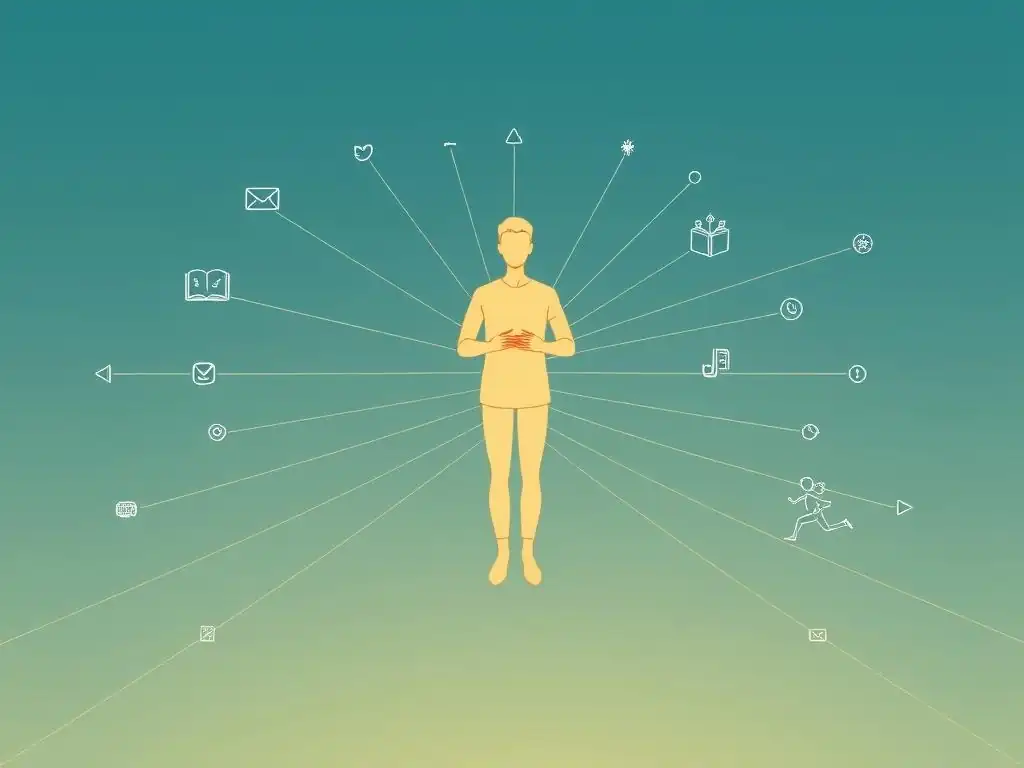
This section focuses on cultivating long-term habits to prevent digital overwhelm from recurring and maintain a healthier relationship with technology. It's not enough to simply take a break; we need strategies for sustained digital wellbeing. Successfully reducing digital overwhelm easily requires consistent effort and mindful integration of digital practices into our daily lives.
Regular Digital Detox Practices
Regular digital detox practices are crucial for preventing burnout and maintaining a healthy perspective. These aren't about complete abstinence, but rather about consciously disconnecting to recharge and refocus. Think of it as preventative maintenance for your mental health. The frequency and duration of these detoxes will vary depending on individual needs and digital consumption habits.
A good starting point is scheduling one full day per week, or even just a few hours, completely free from screens. This could involve spending time in nature, engaging in hobbies, connecting with loved ones face-to-face, or simply relaxing without the constant stimulation of notifications. Even shorter, more frequent breaks throughout the day can be beneficial. Consider implementing a "no-phone" hour before bed to improve sleep quality, or taking a 15-minute break from screens every couple of hours to rest your eyes and mind.
Experiment with different techniques to find what works best for you. Some people find success with using apps that track screen time and help them set limits, while others prefer a more manual approach, simply turning off their devices at designated times. The key is consistency and mindfulness. The goal isn't to eliminate technology entirely, but to consciously regulate your interaction with it to reduce digital overwhelm easily.
Remember to replace screen time with activities that genuinely nourish you. Reading a physical book, taking a walk, listening to music, or practicing mindfulness are all excellent alternatives.
The Importance of Self-Care in Combating Digital Overload
Self-care is paramount in combating digital overload and preventing its recurrence. It's not a luxury; it's a necessity for maintaining both mental and physical wellbeing in our increasingly digital world. Digital overwhelm often manifests as stress, anxiety, and even physical symptoms like headaches and eye strain. Prioritizing self-care provides the tools and resilience to manage these effects.
This involves a holistic approach, encompassing various aspects of wellbeing:
- Physical Self-Care: Prioritize sleep, nutrition, and exercise. Regular physical activity releases endorphins, which have mood-boosting effects. A balanced diet provides the energy and nutrients your body needs to cope with stress. Adequate sleep is crucial for cognitive function and emotional regulation.
- Mental Self-Care: Engage in activities that promote relaxation and mental clarity. This could include meditation, yoga, deep breathing exercises, or simply spending time in nature. Journaling can be a helpful way to process emotions and identify triggers for digital overwhelm.
- Emotional Self-Care: Connect with supportive friends and family. Talking about your feelings and experiences can provide valuable perspective and emotional support. Seek professional help if you're struggling to manage your digital consumption or its effects on your mental health.
Long-Term Strategies for Preventing Digital Overwhelm Recurrence
Sustaining a healthy relationship with technology requires proactive, long-term strategies. It's about creating a sustainable digital lifestyle that supports your overall wellbeing. Here are some key strategies to prevent digital overwhelm from recurring:
- Mindful Technology Use: Become more aware of your digital habits. Track your screen time, identify your triggers for excessive use, and consciously choose how you spend your time online. Do you find yourself mindlessly scrolling through social media? Are you constantly checking emails? Becoming aware of these patterns is the first step towards changing them.
- Setting Boundaries: Establish clear boundaries around your technology use. This might involve setting specific times for checking emails, limiting social media usage, or creating technology-free zones in your home. Communicate these boundaries to others to ensure you have the support you need.
- Prioritizing Offline Activities: Make time for activities that don't involve screens. Engage in hobbies, spend time in nature, connect with loved ones face-to-face, and prioritize activities that bring you joy and fulfillment. These activities provide a counterbalance to the constant stimulation of the digital world. This helps to reduce digital overwhelm easily and sustainably.
By consistently implementing these strategies, you can create a more balanced and sustainable relationship with technology, fostering a healthier mind and reducing the risk of future digital overwhelm. Remember, it's a journey, not a destination. Be patient with yourself, and celebrate your progress along the way. 🎉
Frequently Asked Questions
How can I reduce digital overwhelm easily?
Start by unsubscribing from unnecessary emails and notifications. Then, schedule specific times for checking social media and emails, rather than constantly reacting to them. This will help you regain control of your time and attention.
What are some quick wins to manage digital distractions?
Turn off non-essential notifications on your phone and computer. Use website blockers to limit time spent on distracting sites. Even small changes can make a big difference in reducing your digital overwhelm.
How can I improve my focus amidst constant digital interruptions?
Practice mindfulness and meditation techniques to improve your concentration. Create a dedicated work space free from digital distractions. Break down large tasks into smaller, manageable chunks.
Are there any apps that can help me reduce digital overwhelm?
Yes, many apps help manage notifications, limit screen time, and block distracting websites. Research apps that fit your needs and preferences; look for ones focusing on time management and digital wellbeing.
What's the best way to disconnect from technology and improve my mental health?
Schedule regular digital detox periods – even short breaks can help. Engage in activities you enjoy that don't involve screens, like reading, spending time in nature, or exercising. Prioritize sleep and self-care routines.
Final Reflection: Reclaiming Your Mind in a Digital Age
The relentless tide of digital information threatens to drown us, leaving many feeling overwhelmed and disconnected. This isn't just a modern inconvenience; it's a pervasive issue impacting our mental well-being, relationships, and overall quality of life. The simple steps outlined in this article—from mindful digital detoxing to setting boundaries and prioritizing real-world connections—offer a lifeline in this increasingly noisy world.
The pervasive nature of digital technology has profoundly reshaped our lives, subtly altering our attention spans, sleep patterns, and even our sense of self. We are constantly bombarded with notifications, updates, and demands for our attention, making it increasingly difficult to find moments of peace and quiet. >“The real voyage of discovery consists not in seeking new landscapes, but in having new eyes.” – Marcel Proust.
This quote resonates deeply because true rejuvenation comes not from escaping technology entirely, but from cultivating a new perspective on our relationship with it. We must learn to see the digital world not as a master, but as a tool to be used mindfully and intentionally.
You now hold the power to reshape your relationship with technology. Start small. Choose one strategy from this article—perhaps setting a specific time to disconnect each day, or consciously limiting social media scrolling—and integrate it into your routine. Observe the impact on your mood, your energy levels, and your overall sense of well-being. Remember, reclaiming your mental space is a journey, not a destination. Embrace the process, celebrate your progress, and rediscover the joy of a life lived fully present, both online and off.
Reclaim Your Focus: Start Your Digital Detox Journey Today!
Thank you for exploring practical ways to manage digital overload and prioritize your mental well-being. We hope you found the tips and strategies helpful! Now, let's put them into action.
Here are a few simple steps to begin reclaiming your focus:
- Establish a "digital sunset": Designate a specific time each day to power down your devices and disconnect from screens. Even 30 minutes can make a significant difference!
- Share your experience: Discuss this information and your personal experiences with friends and family. Encourage them to try some of these techniques as well.
- Embrace a screen-free hobby: Explore a new activity that doesn't involve screens – such as reading a physical book, gardening, or spending time in nature.
What small step can you take today to reduce your digital consumption and cultivate a more peaceful state of mind?