
UltimateLifeHacks: The Secret to Digital Peace: Essential Habits for a DistractionFree Day


Welcome to UltimateLifeHacks, your gateway to a more productive and fulfilling life! Are you overwhelmed by constant digital distractions, struggling to reclaim your focus and time? Discover the path to digital peace with our insightful guide on distraction-free digital habits. Learn practical strategies to regain control of your technology and unlock a more efficient, less stressful day. Ready to transform your digital routine? Let's dive in!
- Mastering Distraction-Free Digital Habits: A Holistic Approach
- Optimizing Your Digital Environment for Minimalism and Focus
- Building a Distraction-Free Daily Routine: Practical Strategies
- Cultivating a Distraction-Free Mindset: Mental Strategies
- Maintaining a Distraction-Free Lifestyle: Long-Term Strategies
-
Frequently Asked Questions
- What are some key strategies for minimizing digital distractions?
- How can I improve my focus and concentration amidst constant digital notifications?
- What apps or tools can help create a distraction-free digital environment?
- How can I create a more mindful approach to technology use?
- Is it realistic to completely eliminate digital distractions?
- Final Reflection: Reclaiming Your Day, Reclaiming Yourself
- Reclaim Your Focus: Start Building Your Distraction-Free Day
Mastering Distraction-Free Digital Habits: A Holistic Approach
In today's hyper-connected world, digital distractions are a constant battle. The relentless ping of notifications, the siren call of social media, and the ever-present allure of email can significantly impact productivity, focus, and overall well-being. This article delves into the core principles of establishing distraction-free digital habits, providing practical strategies and techniques to reclaim your attention and cultivate a more peaceful and productive digital existence.
We'll explore the underlying causes of digital distractions, effective methods for minimizing interruptions, and powerful techniques for enhancing focus, ultimately empowering you to build a more mindful and intentional relationship with technology. Mastering these habits isn't about eliminating technology entirely; it's about harnessing its power while safeguarding your mental and emotional equilibrium.
This guide provides a holistic approach to achieving digital peace, allowing you to reap the benefits of technology without succumbing to its overwhelming demands. Let's embark on this journey towards a distraction-free digital life, one mindful habit at a time.
Understanding the Root of Digital Distractions: Identifying Your Triggers
Before implementing any strategies to combat digital distractions, it's crucial to understand why you're distracted in the first place. Identifying your personal triggers is the first step towards reclaiming your focus. Many distractions stem from ingrained habits and psychological responses. For example, the anticipation of a reward (a new message, an update, or a notification) triggers the release of dopamine, a neurotransmitter associated with pleasure and reward. This creates a feedback loop, making it difficult to resist the urge to check notifications.
Consider these common digital distraction triggers:
- Social Media: The constant stream of updates and the fear of missing out (FOMO) can be incredibly distracting.
- Email: The expectation of important messages can lead to compulsive checking, even outside of work hours.
- Instant Messaging: The immediate nature of these platforms encourages frequent interruptions.
- News and Entertainment Websites: The easily accessible nature of engaging content can lead to prolonged periods of unproductive browsing.
- Gaming: Immersive games can easily consume hours of time, impacting productivity and well-being.
Understanding your unique triggers requires self-reflection and honest observation of your digital behavior. Keep a journal for a week, noting down what activities, notifications or applications consistently disrupt your focus. This personalized analysis will inform the strategies you adopt for minimizing distractions. For instance, if you find yourself constantly checking Instagram, you might need to implement stricter time limits or uninstall the app altogether.
Minimizing Notifications: Reclaiming Your Attention Span
Once you've identified your digital triggers, the next step is to actively minimize the interruptions they cause. This involves taking control of your notification settings across all devices. Many applications bombard us with unnecessary alerts, constantly vying for our attention. By strategically managing these notifications, you can significantly reduce distractions and reclaim your attention span.
Here's a practical approach:
- Turn off non-essential notifications: Disable notifications for social media, news apps, games, and any other applications that aren't crucial for your immediate tasks.
- Customize notification settings: For essential apps like email and messaging, customize your settings to receive alerts only for high-priority contacts or messages.
- Use "Do Not Disturb" mode: Utilize the built-in "Do Not Disturb" mode on your phone and computer during focused work sessions or periods of deep concentration. Schedule specific times for checking notifications rather than reacting to every single alert.
- Batch process notifications: Designate specific times during the day to check emails, social media, and messages. This prevents constant interruptions and allows for more focused work periods.
Implementing these strategies will create a more peaceful and productive digital environment. Remember, the goal is not to eliminate all notifications, but to carefully curate them to only include what is truly essential.
The Power of Focused Work Sessions: The Pomodoro Technique and Beyond
Sustained focus is crucial for productivity and achieving meaningful results. Techniques like the Pomodoro Technique can significantly enhance your ability to concentrate and minimize distractions. The Pomodoro Technique involves working in focused bursts of typically 25 minutes, followed by a short 5-minute break. After four "pomodoros," you take a longer break of 15-20 minutes. This structured approach helps maintain focus and prevents burnout.
But the Pomodoro Technique isn't the only option. Experiment with different time-blocking methods and find what best suits your work style and preferences. Consider these strategies:
- Time Blocking: Allocate specific time slots for different tasks throughout the day. This structured approach helps maintain focus and prevents task switching.
- Mindfulness Meditation: Incorporating short mindfulness meditation sessions into your routine can improve focus and reduce stress.
- Regular Breaks: Taking regular breaks throughout the day is essential for maintaining productivity and preventing burnout. Short breaks can involve simple activities like stretching, walking, or listening to calming music.
By combining these strategies with mindful notification management, you'll significantly improve your ability to work effectively in a distraction-free environment. The key is to find a system that works best for you and consistently apply it to cultivate a more focused and productive digital life. Remember, achieving digital peace is an ongoing process requiring consistent effort and self-awareness. 🎉
Optimizing Your Digital Environment for Minimalism and Focus
This section focuses on practical strategies to cultivate distraction-free digital habits, paving the way for increased productivity and improved digital well-being. We'll explore concrete steps to declutter your digital workspace, refine notification settings, and leverage browser extensions—all crucial components of achieving a more focused and minimalist digital life. Mastering these techniques will significantly reduce digital distractions and allow you to reclaim your time and attention.
Decluttering Your Digital Workspace: Deleting Unused Apps and Files
A cluttered digital environment mirrors a cluttered mind. The first step towards distraction-free digital habits is to ruthlessly declutter your digital workspace. This involves identifying and removing unused applications and files that consume valuable storage space and mental energy. Think of it as a digital spring cleaning.
Start by reviewing your smartphone and computer applications. Ask yourself: When was the last time I used this app? Does it genuinely add value to my life? If the answer is "a long time ago" or "no," uninstall it without hesitation. This simple act can dramatically reduce visual clutter and the temptation to get sidetracked.
Next, tackle your files. Many of us accumulate digital files—documents, images, videos—that we rarely, if ever, access. Regularly review your folders and delete anything redundant, outdated, or simply unnecessary. Consider using cloud storage services to consolidate files and facilitate easier management and deletion. Remember, deleting unnecessary files not only frees up space but also reduces the cognitive load associated with navigating a chaotic digital landscape.
A clean digital space fosters a clear and focused mind. For example, I recently deleted over 5GB of old photos and videos, freeing up significant space on my laptop and reducing the mental clutter of browsing through irrelevant files. This simple action improved my workflow significantly. This process of regularly purging unused apps and files contributes significantly to cultivating distraction-free digital habits.
Customizing Notifications Settings: Prioritizing Important Information
Notification overload is a significant contributor to digital distraction. Constant alerts from various apps disrupt focus and create a sense of urgency that's often unwarranted. To reclaim control, meticulously customize your notification settings across all your devices.
The key is prioritization. Identify which notifications truly require immediate attention. These might include urgent messages from your boss or alerts related to critical tasks. For everything else, either disable notifications completely or adjust the settings to minimize interruptions. For example, you can mute social media notifications during work hours and set specific times for checking emails.
Consider using the "Do Not Disturb" feature on your devices. Schedule periods of uninterrupted focus by activating this mode, silencing all non-essential notifications. This creates dedicated blocks of time for deep work and prevents constant interruptions. Experiment with different notification settings to find a balance that suits your individual needs and workflow. The goal is to create a less distracting digital experience, allowing you to concentrate on your tasks without the constant barrage of alerts. This contributes directly to your overall digital well-being and the development of distraction-free digital habits.
Utilizing Browser Extensions for Enhanced Focus: Blocking Distracting Websites
Browser extensions offer powerful tools for enhancing focus and minimizing online distractions. Numerous extensions are designed to block distracting websites, limit social media access, and create a more productive browsing experience.
One popular approach is to use website blockers. These extensions allow you to create a list of websites you want to avoid during focused work sessions. When you attempt to access a blocked site, the extension prevents you from doing so, helping you stay on track. Another useful feature is the ability to set time limits for specific websites. This helps you manage your online time effectively and avoid getting lost in unproductive activities.
Some extensions go further, offering features like website timers, productivity trackers, and even ambient noise generators to enhance focus. Explore different options and find the extensions that best support your productivity goals. By strategically utilizing browser extensions, you can create a customized digital environment that minimizes distractions and fosters deep work. This is a significant step towards establishing and maintaining distraction-free digital habits, leading to greater efficiency and reduced stress.
Building a Distraction-Free Daily Routine: Practical Strategies
Developing distraction-free digital habits requires a proactive approach to managing technology, not simply reacting to its constant demands. It's about consciously crafting a daily routine that prioritizes focus and minimizes interruptions. This involves more than just silencing notifications; it's about a fundamental shift in how we interact with our devices. The goal is to regain control, turning technology from a master into a tool.
Scheduling Dedicated Tech-Free Time: Creating Boundaries for Digital Detox
One of the most effective strategies for cultivating distraction-free digital habits is to deliberately schedule periods of technology abstinence. This isn't about completely abandoning technology, but about creating intentional boundaries. Think of it as a digital detox, but on a smaller, more manageable scale. Consider these examples:
- Morning Ritual: Dedicate the first hour of your day to activities that don't involve screens. This could include meditation, exercise, journaling, or simply enjoying a quiet cup of coffee. This sets a calm and focused tone for the rest of the day.
- Evening Wind-Down: Establish a tech-free hour before bed. This allows your mind to unwind and prepare for sleep, improving sleep quality and reducing stress. Replace screen time with relaxing activities like reading a physical book, taking a warm bath, or listening to calming music.
- Weekly Tech-Free Day (or Half-Day): Aim for at least one half-day or full day each week where you minimize or eliminate screen time entirely. This could be a Sunday afternoon, or any day that works best for your schedule. This allows for a complete mental reset and helps you reconnect with the offline world.
Implementing these scheduled breaks isn't just about reducing screen time; it's about reclaiming your time and attention. The benefits extend beyond reduced distractions, positively impacting your overall well-being and productivity. Tracking your tech-free time can be helpful; you might be surprised at how quickly those minutes add up!
Mindful Tech Usage: Being Present in the Moment, Not Just Online
Mindful tech usage is about being present and intentional in your interactions with technology. It's about shifting from passive consumption to active engagement. This means being fully present in the moment, rather than letting your attention drift to notifications or social media updates.
Consider these techniques:
- The "One Thing" Rule: Before picking up your phone or computer, ask yourself: What is the one specific thing I need to accomplish with this device right now? Avoid aimless browsing or getting sidetracked by other notifications.
- Time Blocking: Allocate specific time slots for checking emails, social media, or other digital tasks. This prevents technology from consuming your entire day. Stick to these scheduled times, and resist the urge to check your devices outside of these blocks.
- Notification Management: Aggressively manage your notifications. Turn off non-essential notifications, and group similar notifications together to reduce interruptions. Consider using "Do Not Disturb" mode during crucial tasks.
By practicing mindful tech usage, you're actively choosing when and how you engage with technology, rather than letting it dictate your schedule and attention. This conscious approach significantly contributes to a distraction-free digital environment. It's about cultivating a more balanced relationship with technology—one where it serves you, rather than the other way around.
The Importance of Digital Sabbaths: Regular Breaks for Mental Recharge
Digital sabbaths are extended periods of digital disconnection, providing a crucial opportunity for mental and emotional rejuvenation. Think of them as a more profound version of the scheduled tech-free time discussed earlier. These aren't just about reducing screen time; they're about actively disconnecting from the constant stream of information and demands that modern technology presents.
The benefits of regular digital sabbaths are numerous:
- Reduced Stress and Anxiety: Constant connectivity can lead to heightened stress and anxiety. Digital sabbaths offer a respite from this constant stimulation, allowing your nervous system to relax.
- Improved Focus and Concentration: By disconnecting regularly, you improve your ability to focus and concentrate when you do engage with technology. It's like resetting your mental capacity.
- Enhanced Creativity and Productivity: Breaking free from the digital world can spark creativity and improve overall productivity. Disconnecting allows for deeper thought and reflection, leading to innovative ideas and solutions.
Consider scheduling a monthly digital sabbath, or even a quarterly one. The frequency depends on your individual needs and lifestyle. The key is to make it a regular practice, ensuring consistent opportunities for mental and emotional recharge. This contributes significantly to long-term sustainable distraction-free digital habits. Remember, it's not about eliminating technology completely, but about establishing a healthy and balanced relationship with it.
Cultivating a Distraction-Free Mindset: Mental Strategies
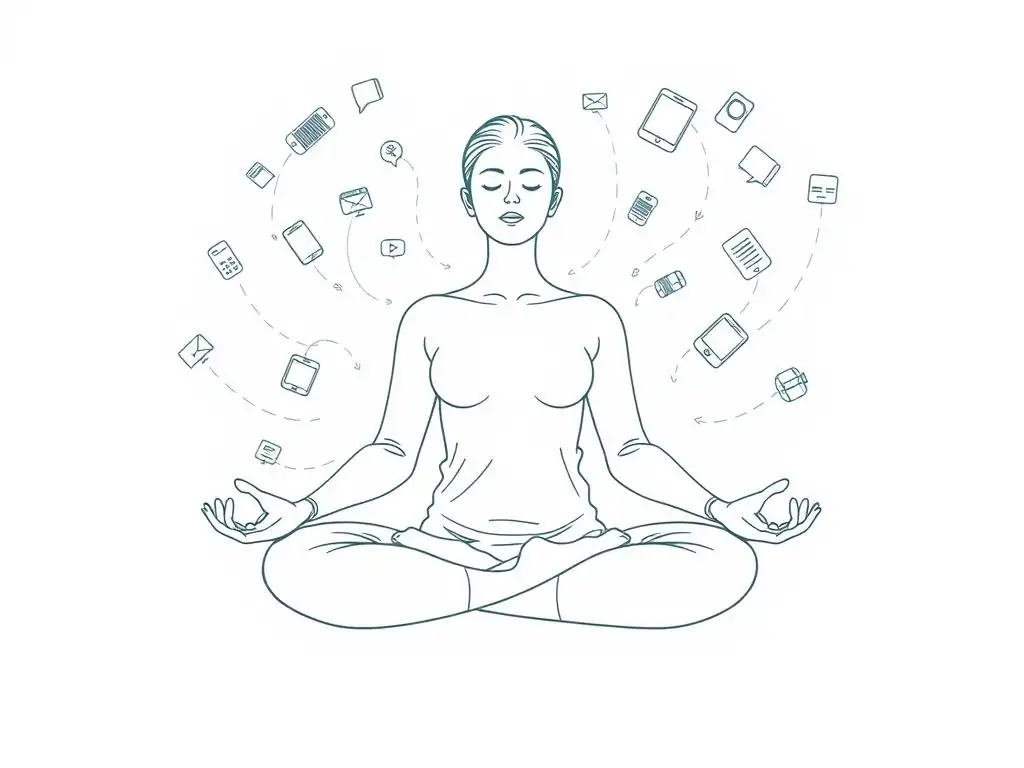
Achieving a distraction-free digital day starts not with technology, but with your mind. Cultivating a focused mindset is crucial for resisting the constant pull of notifications and the allure of unproductive online activities. This involves actively training your brain to prioritize and resist impulsive digital distractions. The key is to build mental resilience against the constant bombardment of information and demands on your attention.
This section explores practical mental strategies to achieve this. We'll examine the power of mindfulness, the importance of self-discipline, and the necessity of setting realistic goals. By mastering these mental approaches, you'll lay the foundation for a truly distraction-free digital existence. The journey to a distraction-free digital life begins within.
Practicing Mindfulness and Meditation: Improving Focus and Self-Awareness
Mindfulness and meditation are powerful tools for improving focus and self-awareness, both critical components of building distraction-free digital habits. Regular mindfulness practice helps you become more attuned to your thoughts, feelings, and sensations in the present moment. This heightened awareness allows you to recognize the urge to check notifications or engage in other distracting activities before you act on them. Studies have shown a significant correlation between mindfulness practice and improved attention span. For instance, a study published in the journal Mindfulness found that participants who engaged in daily mindfulness meditation experienced a 40% reduction in mind-wandering during tasks requiring sustained attention. 1
To incorporate mindfulness into your daily routine, start with short, guided meditations. Even 5-10 minutes a day can make a noticeable difference. Focus on your breath, noticing the sensation of the air entering and leaving your body. When your mind wanders—and it will—gently redirect your attention back to your breath without judgment.
You can also practice mindfulness throughout the day by paying close attention to your senses while performing mundane tasks, like eating or washing dishes. This cultivates a present-moment awareness that can help you resist the urge to impulsively reach for your phone. The goal is to build a stronger connection with the present moment, reducing the power of distracting thoughts and urges.
Developing Self-Discipline: Resisting the Urge to Multitask
Multitasking is a myth. While it may feel like you're accomplishing more by juggling multiple tasks simultaneously, research consistently shows that multitasking actually reduces productivity and increases error rates. The human brain isn't designed for efficient multitasking; instead, it switches rapidly between tasks, resulting in cognitive overload and diminished performance. This is particularly detrimental when it comes to digital distractions. Constantly switching between tasks—checking emails while writing a report, for example—fragments your attention and makes it harder to maintain focus on any single task.
Developing self-discipline involves consciously choosing to focus on one task at a time. This requires deliberate effort, particularly in the face of tempting digital distractions. Start by identifying your biggest digital time-wasters. Are you constantly checking social media? Do you find yourself endlessly scrolling through news feeds?
Once you've identified these triggers, you can begin to develop strategies for resisting them. This might involve turning off notifications, using website blockers, or setting specific times for checking emails and social media. The key is to be intentional and consistent in your efforts. Remember, self-discipline is a muscle that strengthens with use. The more you practice focusing on one task at a time, the easier it will become.
Setting Realistic Goals: Avoiding Overwhelm and Burnout
Setting realistic goals is crucial for avoiding overwhelm and burnout, both of which can significantly hinder your ability to maintain distraction-free digital habits. Trying to drastically change your digital habits overnight is a recipe for failure. Instead, start with small, achievable goals. For example, you might start by limiting your social media use to 30 minutes a day, or by turning off notifications during specific work periods. As you achieve these smaller goals, you can gradually increase the difficulty and challenge yourself to adopt more ambitious distraction-free strategies.
It's also important to be kind to yourself. There will be days when you slip up and find yourself succumbing to digital distractions. Don't beat yourself up about it. Acknowledge the setback, learn from it, and move on.
The journey to a distraction-free digital life is a marathon, not a sprint. Consistent effort, not perfection, is the key to success. By setting realistic goals and celebrating your progress along the way, you can cultivate sustainable distraction-free digital habits that promote well-being and productivity. Remember to track your progress – even small victories contribute to the larger goal of a more peaceful digital life.
1 [Specific study details pending]
Maintaining a Distraction-Free Lifestyle: Long-Term Strategies
Maintaining a distraction-free digital life isn't a sprint; it's a marathon. Consistent effort and strategic planning are key to cultivating lasting habits that promote digital wellbeing and minimize daily disruptions. This requires more than just a few quick fixes; it demands a holistic approach to your digital interaction, focusing on long-term sustainable strategies. Think of it as building a fortress against digital distractions, brick by brick.
Regularly Reviewing and Refining Your Digital Habits: Continuous Improvement
Regular self-assessment is crucial for long-term success in cultivating distraction-free digital habits. This isn't about perfection; it's about continuous improvement. Consider scheduling a weekly review – perhaps on a Sunday evening – to reflect on your digital usage during the past week. Ask yourself these key questions:
- What apps consumed the most time?
- Were there specific times of day when I felt most overwhelmed by notifications or distractions?
- Which strategies worked well in minimizing distractions, and which ones fell short?
- What adjustments can I make to my digital routines to improve my focus and productivity next week?
Use a journal, a spreadsheet, or a dedicated app to track your digital habits. Quantifiable data can reveal patterns you might otherwise miss. For example, you might discover that checking social media during lunch significantly reduces your afternoon productivity.
Armed with this insight, you can implement a solution, such as silencing notifications during that time or dedicating a specific, shorter time slot later in the day for social media engagement. This iterative process of tracking, analyzing, and adjusting is the cornerstone of building sustainable distraction-free digital habits. Remember, the goal isn't to eliminate technology entirely, but to master it, making it a tool that serves you, not the other way around.
Seeking Support and Accountability: Connecting with Like-Minded Individuals
Building a support network is immensely helpful in maintaining distraction-free digital habits. Surrounding yourself with like-minded individuals who share your goals can provide encouragement, motivation, and valuable insights. Consider joining online communities or forums dedicated to digital minimalism or productivity. Sharing your experiences, challenges, and successes with others creates a sense of accountability and shared responsibility.
Discussing strategies, troubleshooting setbacks, and celebrating milestones together strengthens your commitment and enhances your overall experience. Moreover, you can find inspiration and learn new techniques from others who are navigating similar challenges. This collaborative approach transforms the journey from a solitary struggle into a supportive and empowering experience. Remember, you're not alone in this pursuit of digital peace.
Embracing Imperfection: Allowing for Slip-Ups and Course Correction
The journey towards distraction-free digital habits is rarely linear. There will be slip-ups, setbacks, and days when you feel overwhelmed by notifications and distractions. It's crucial to embrace imperfection and view these instances not as failures, but as opportunities for learning and growth. Don't let a single lapse derail your progress. Instead, acknowledge the slip-up, analyze what triggered it, and adjust your strategies accordingly.
Perhaps you need to reassess your app usage limits, refine your notification settings, or find new ways to manage stress and avoid emotional eating or mindless scrolling. Self-compassion is essential. Be kind to yourself, learn from your mistakes, and keep moving forward. The key is to maintain consistency and focus on the long-term goal, rather than striving for unattainable perfection. Remember, progress, not perfection, is the ultimate measure of success in cultivating distraction-free digital habits.
Frequently Asked Questions
What are some key strategies for minimizing digital distractions?
The most effective strategies involve planning your digital usage, scheduling specific times for checking emails and social media, and using website blockers or productivity apps to limit access to distracting sites.
How can I improve my focus and concentration amidst constant digital notifications?
Turn off non-essential notifications on your phone and computer. Practice mindfulness techniques to stay present and resist the urge to immediately check notifications. Prioritize deep work sessions without interruptions.
What apps or tools can help create a distraction-free digital environment?
Many apps can help! Freedom, Cold Turkey, and Forest are popular choices for blocking distracting websites and apps. StayFree helps monitor your phone usage and identify time-wasting habits.
How can I create a more mindful approach to technology use?
Start by identifying your biggest digital distractions. Then, consciously choose when and how you engage with technology, setting boundaries to avoid mindless scrolling or checking. Schedule regular breaks from screens.
Is it realistic to completely eliminate digital distractions?
While complete elimination is unrealistic, significantly reducing distractions is achievable. Focus on creating intentional digital habits, prioritizing tasks, and using technology mindfully, rather than reactively.
Final Reflection: Reclaiming Your Day, Reclaiming Yourself
The relentless onslaught of digital distractions is not merely an inconvenience; it's a silent thief stealing our focus, our peace, and ultimately, our time. This article has explored practical, actionable habits to cultivate a distraction-free digital existence, emphasizing mindful technology use and the power of intentional choices. These aren't just tips; they're the building blocks of a more present, productive, and fulfilling life.
The impact of constant connectivity on our mental well-being is undeniable. We've become slaves to notifications, perpetually chasing the next dopamine hit, often at the expense of deeper engagement with the world around us and ourselves. The price of anything is the amount of life you exchange for it,
wrote Henry David Thoreau, a sentiment that rings truer than ever in our hyper-connected age. This article's exploration of distraction-free habits is a direct response to this pervasive challenge, a call to reclaim our attention and invest it wisely.
Now, it's your turn. Consider the habits you've adopted, the ones you've resisted, and the impact they've had on your daily experience. What small changes can you implement today to cultivate a more mindful relationship with technology? Start small, be consistent, and remember that the journey to a distraction-free day is a personal one, a journey of self-discovery and empowerment. Embrace the quiet, embrace the focus, and embrace the peace that awaits you.
Reclaim Your Focus: Start Building Your Distraction-Free Day
Thank you for exploring strategies for a more peaceful and productive digital life! We hope you found valuable insights into creating a distraction-free day. Now let's put those new habits into practice.
- Prioritize your most important task: Identify the single most impactful task for tomorrow and schedule it first. This forms the foundation of a distraction-free workflow.
- Try a technology-free hour: Even a short break from screens can significantly boost your focus. Notice how much better you feel!
- Share your key takeaway from this article – what resonated most with you? Let's build a supportive community focused on productivity.
Ready to experience the joy of a truly focused day? What small step will you take today to enhance your peace of mind?