
Escape the Digital Noise: A Guide to Finding Peace Through a Tech Detox


Are you feeling overwhelmed by the constant digital deluge? At UltimateLifeHacks, we understand the struggle. This is why we've crafted the Digital Detox Peace Productivity Guide, your roadmap to reclaiming your time and energy. Discover practical strategies to minimize digital distractions and unlock a newfound sense of peace and productivity. Ready to break free from the noise and rediscover a more balanced, fulfilling life? Let's dive in!
- Understanding the Need for a Digital Detox for Improved Productivity
- Planning Your Digital Detox: A Step-by-Step Guide
- Practical Steps to Minimize Digital Distractions
- Alternative Activities to Enhance Well-being During Your Detox
- Maintaining Your Digital Detox and Long-Term Benefits
- Resources and Further Reading on Digital Detox and Minimalism
- Frequently Asked Questions
- Final Reflection: Reclaiming Your Peace in a Digital World
- Rediscover Your Inner Calm: Take Control of Your Tech Use
Understanding the Need for a Digital Detox for Improved Productivity
In today's hyper-connected world, the constant barrage of notifications, emails, and social media updates can feel overwhelming. We're perpetually tethered to our devices, blurring the lines between work, leisure, and personal time. This constant connectivity, while seemingly offering convenience and connection, often leads to a significant decrease in productivity and a detrimental impact on our mental well-being.
This guide explores the profound effects of digital overload and provides practical strategies for a successful digital detox, helping you reclaim your peace and boost your productivity. We'll delve into identifying your personal digital distractions, understanding the direct link between digital noise and reduced output, and finally, offering actionable steps to achieve a more balanced and fulfilling life, free from the relentless demands of the digital world. This digital detox peace productivity guide will empower you to regain control and prioritize what truly matters.
The Overwhelming Effects of Constant Connectivity on Mental Well-being
Constant connectivity contributes to a state of perpetual low-level stress. The incessant stream of information bombards our brains, making it difficult to focus and relax. This constant stimulation can lead to:
- Increased anxiety and stress: The pressure to stay constantly updated and respond immediately to notifications can trigger anxiety and overwhelm.
- Sleep disturbances: The blue light emitted from screens interferes with melatonin production, leading to poor sleep quality. A recent study showed a 40% increase in sleep problems among individuals who use their phones for more than two hours before bed. 1
- Reduced attention span: Our brains become accustomed to rapid information shifts, making it challenging to concentrate on tasks requiring sustained attention.
- Burnout and fatigue: The constant demands of the digital world can lead to mental and emotional exhaustion, significantly impacting overall well-being.
- Social comparison and low self-esteem: Social media often presents a curated and unrealistic portrayal of others' lives, leading to feelings of inadequacy and low self-esteem.
This constant state of hyper-vigilance significantly impacts our ability to relax, recharge, and ultimately, be productive. Taking a break from technology allows our brains to reset and restore their natural rhythms, leading to improved mental clarity and emotional resilience.
Identifying Your Digital Distractions: A Self-Assessment
Before embarking on a digital detox, it's crucial to identify your specific digital distractions. Take some time for honest self-reflection, considering the following questions:
- Which apps or websites consume the most time? Track your screen time using built-in features on your devices.
- What triggers your urge to check your phone or computer? Is it boredom, anxiety, or a habit?
- How do you feel when you're disconnected from technology? Do you experience withdrawal symptoms like anxiety or restlessness?
- What are your most significant time-wasting activities online? Are you spending hours scrolling through social media or playing games?
Use the following table to help you organize your findings:
| Digital Distraction | Time Spent (approx.) | Emotional Response | Trigger |
|---|---|---|---|
| Social Media (e.g., Instagram, Facebook) | 2 hours/day | Occasional anxiety, FOMO 2 | Boredom, loneliness |
| 1 hour/day | Stress, feeling overwhelmed | Notification sounds | |
| Gaming | 30 minutes/day | Relaxation, but guilty feeling | Stress, boredom |
| News websites | 1 hour/day | Anxiety, feeling overwhelmed | Habit |
By pinpointing your specific digital distractions, you can develop a personalized digital detox plan that addresses your individual needs and challenges.
The Link Between Digital Overload and Reduced Productivity: A Productivity Killer
The constant influx of digital notifications and information fragments our attention, making it incredibly difficult to focus on complex tasks. Studies show a direct correlation between excessive technology use and decreased productivity. This is because:
- Context switching: Constantly switching between tasks and apps reduces cognitive function and increases error rates. Multitasking is a myth; our brains are simply not designed for it.
- Reduced deep work: Deep work, the state of focused concentration necessary for high-quality output, is severely hampered by constant digital interruptions.
- Procrastination: The ease of accessing entertainment and social media online makes it tempting to procrastinate on important tasks.
- Decision fatigue: The constant stream of choices presented online leads to decision fatigue, reducing our ability to make effective decisions.
A digital detox allows you to reclaim your focus, enhance your concentration, and ultimately, achieve greater productivity. By minimizing distractions, you create space for deep work and enhance your ability to complete tasks efficiently and effectively. The result? Increased output, improved quality of work, and a greater sense of accomplishment.
1 [Specific study information pending]
2 FOMO = Fear Of Missing Out
Planning Your Digital Detox: A Step-by-Step Guide

This section provides a practical framework for planning your digital detox, ensuring a smooth transition and maximizing its effectiveness in achieving digital detox peace and improved productivity. We'll explore how to set realistic goals, choose a suitable detox duration, and develop coping strategies for managing tech triggers. This structured approach will help you navigate your digital detox journey successfully, leading to a more peaceful and productive life.
Setting Realistic Goals and Expectations for Your Tech Detox
Embarking on a digital detox requires careful consideration of your personal circumstances and capabilities. Setting unrealistic expectations can lead to frustration and ultimately, failure. Instead, focus on achievable goals. Start by identifying specific areas where technology negatively impacts your well-being. For example, are you constantly checking social media, leading to anxiety and wasted time? Or does excessive screen time interfere with your sleep?
Consider these questions to define realistic goals:
- What specific technology are you aiming to reduce or eliminate? (e.g., social media, email, gaming)
- What are your primary reasons for undertaking this detox? (e.g., improved sleep, reduced stress, increased productivity)
- What are your realistic limitations? (e.g., work requirements, social obligations)
Instead of aiming for a complete digital blackout immediately, start small. Perhaps dedicate one hour each day to a tech-free activity. Gradually increase this time as you feel comfortable. Celebrate small victories along the way, reinforcing positive behaviors and building momentum. Remember, consistency is key to achieving lasting change. This process is about finding a balance, not complete elimination of technology; a healthy relationship with technology is the true goal.
Choosing Your Detox Duration: Short-Term vs. Long-Term Strategies
The optimal duration of your digital detox depends on your individual needs and goals. Short-term detoxes, lasting a few hours, a day, or a weekend, are ideal for resetting your relationship with technology and experiencing its immediate benefits. They provide a taste of what a life with less digital noise can offer. These can be incredibly effective for boosting productivity and reducing stress, even in short bursts. Think of them as "digital mini-breaks."
Long-term detoxes, extending for weeks or even months, are more suitable for individuals seeking profound changes in their digital habits. These require more careful planning and commitment. They allow for a deeper exploration of alternative activities and a more complete restructuring of routines. Long-term detoxes are often necessary for addressing deeply ingrained habits and achieving lasting improvements in mental well-being and overall productivity.
Consider this table comparing short-term and long-term strategies:
| Feature | Short-Term Detox | Long-Term Detox |
|---|---|---|
| Duration | Hours, days, weekend | Weeks, months |
| Goal | Reset, rejuvenation, stress reduction | Habit restructuring, profound behavioral change |
| Commitment | Lower | Higher |
| Planning | Minimal | Extensive |
| Effectiveness | Immediate, noticeable | Gradual, long-lasting |
Remember to choose a duration that aligns with your personal circumstances and goals. Don't feel pressured to follow a specific timeframe. The most important aspect is consistency and commitment to the process.
Identifying Your Tech Triggers and Creating Coping Mechanisms
Understanding your tech triggers is crucial for successful digital detox. Triggers are specific situations, emotions, or thoughts that lead you to reach for your devices. Identifying these triggers allows you to develop effective coping mechanisms. Common triggers include boredom, stress, loneliness, and the urge to check notifications.
Consider keeping a journal to track your tech usage. Note the time, the app used, and the context in which you used it. This will reveal patterns and pinpoint your triggers. For example, you might discover you reach for your phone when feeling stressed after work.
Once you've identified your triggers, develop alternative coping mechanisms. Instead of reaching for your phone when stressed, consider:
- Mindfulness exercises: Deep breathing, meditation.
- Physical activity: A short walk, some stretching.
- Creative pursuits: Reading a book, listening to music, drawing.
- Social interaction: Calling a friend, spending time with loved ones.
Developing and practicing these coping mechanisms is vital for successfully navigating your digital detox. By proactively addressing your triggers, you can build resilience and maintain a healthier relationship with technology, ultimately leading to greater peace and productivity. This proactive approach significantly contributes to the success of your digital detox. 🧘♀️
Practical Steps to Minimize Digital Distractions
This section provides actionable strategies to reduce digital distractions and reclaim your peace. Implementing these steps will significantly contribute to a successful digital detox, fostering improved focus and enhanced productivity. The goal is not complete abstinence, but mindful consumption of technology. Think of it as a digital diet, rather than a complete fast.
Managing Notifications and Email Overload: Techniques for Taming the Digital Tide
The constant barrage of notifications is a major contributor to digital noise and stress. Many find themselves perpetually reacting to pings and alerts, disrupting workflow and inner peace. To regain control, consider these techniques:
- Turn off non-essential notifications: Most apps bombard you with unnecessary updates. Disabling notifications for social media, games, and news apps is a crucial first step. Prioritize only essential notifications, such as calls and messages from close contacts. Experiment with silencing all notifications for a set period and observe the difference in your focus and calm.
- Schedule dedicated email checking times: Constantly checking email creates a reactive cycle. Instead, allocate specific times during the day to address emails. This prevents you from being constantly interrupted and allows you to approach email processing with intention rather than reacting to every incoming message. This structured approach significantly reduces email-induced stress. For example, check emails only at 10 am and 4 pm.
- Unsubscribe from unnecessary mailing lists: Many inboxes are cluttered with unwanted newsletters and promotional emails. Actively unsubscribe from lists you no longer find valuable. This reduces the volume of incoming emails and improves the clarity of your inbox, contributing to a more peaceful digital experience.
- Utilize email filters and rules: Most email clients offer filtering options. Create rules to automatically sort emails into folders based on sender or subject, allowing you to prioritize urgent messages and manage less important ones efficiently. This streamlining process significantly improves email management.
Setting Boundaries with Technology: Creating Designated Tech-Free Zones and Times
Establishing clear boundaries with technology is paramount for a successful digital detox. This involves creating physical and temporal spaces free from digital distractions. Think of it as creating sanctuaries for your mind.
- Tech-free zones: Designate specific areas in your home, such as your bedroom or dining room, as tech-free zones. This creates physical spaces where you can disconnect and relax without the constant presence of screens. These zones should be associated with relaxation and peace. The bedroom, in particular, should be a tech-free haven to improve sleep quality.
- Tech-free times: Schedule specific times each day, or even entire days per week, as completely tech-free. This could include an hour before bed, a weekend morning, or even a full day dedicated to disconnecting and reconnecting with yourself and your surroundings. This structured approach is key to breaking the cycle of constant connectivity.
- The "digital Sabbath": Consider implementing a weekly "digital Sabbath," a period of complete digital abstinence. This allows for a deeper rest and restoration, reducing stress and improving mental well-being. This could be a full day or even just a few hours, depending on your needs and preferences. This practice fosters a healthier relationship with technology.
Utilizing Productivity Apps and Tools to Support Your Detox
Ironically, certain apps can aid in your digital detox. The key is to select tools that reduce your overall digital engagement, rather than increasing it.
- Website blockers: These apps help you limit access to distracting websites during focused work periods. They provide the structure needed to avoid the temptation of social media or news sites during crucial tasks. This allows for a deeper level of concentration and reduced mental clutter.
- Focus timers (Pomodoro Technique): Employing techniques like the Pomodoro Technique, using apps designed to support it, can enhance productivity by breaking down work into focused intervals with short breaks. This structured approach reduces digital fatigue and improves task completion. This method promotes mindful engagement with tasks, reducing the need for constant digital stimulation.
- Mindfulness and meditation apps: These apps can help you cultivate mindfulness and reduce stress, which are crucial aspects of a successful digital detox. By incorporating mindfulness practices, you become more aware of your digital consumption habits and can make more conscious choices about your technology use. This fosters a healthier relationship with technology, reducing the need for constant digital stimulation.
This structured approach to minimizing digital distractions paves the way for a more peaceful and productive life. Remember, the goal is not to eliminate technology entirely, but to cultivate a healthier and more mindful relationship with it. By implementing these strategies, you can reclaim your time, reduce stress, and experience the benefits of a more balanced life.
Alternative Activities to Enhance Well-being During Your Detox

Embarking on a digital detox for improved peace and productivity requires a proactive approach to filling the void left by screens. Simply abstaining from technology isn't enough; you need to replace unproductive screen time with activities that nurture your mind, body, and soul. This section offers concrete suggestions to help you cultivate a more balanced and fulfilling life, free from the constant pull of digital distractions.
This guide will help you discover alternative activities to enhance well-being during your digital detox, boosting your peace and productivity levels significantly. Remember, the goal is to replace the negative aspects of technology with positive, enriching experiences.
Exploring Mindfulness and Meditation Techniques for Inner Peace
Mindfulness and meditation are powerful tools for cultivating inner peace and reducing stress – two key benefits of a digital detox. These practices help you focus on the present moment, rather than dwelling on past anxieties or future uncertainties, often amplified by constant digital notifications. Regular meditation, even for just 5-10 minutes a day, can significantly improve your mental clarity and emotional regulation.
Several techniques can be explored. Guided meditations, readily available through apps (although you'll want to avoid these during your detox! ), or even simple breathing exercises can be very effective. Focusing on your breath, noticing the sensation of air entering and leaving your body, anchors you in the present. Body scans, where you systematically bring awareness to different parts of your body, can help you release physical tension often unconsciously held due to stress.
Consider incorporating mindfulness into everyday activities. While washing dishes, for example, fully engage your senses: notice the warmth of the water, the scent of the soap, the feel of the dishes in your hands. This mindful approach transforms mundane tasks into opportunities for presence and tranquility. The benefits of this mindful approach extend beyond your detox period, supporting long-term peace and productivity.
Engaging in Offline Hobbies and Activities: Reconnecting with the Real World
A digital detox provides the perfect opportunity to rediscover or develop offline hobbies. These activities not only distract from technology but also foster creativity, self-expression, and a sense of accomplishment. Think about activities you enjoyed before the digital age dominated your leisure time, or explore something entirely new.
Here are a few ideas:
- Creative pursuits: Painting, drawing, writing, knitting, playing a musical instrument – these activities tap into your creative energy and provide a sense of satisfaction from creating something tangible.
- Physical activities: Gardening, hiking, yoga, dancing – movement is crucial for both physical and mental well-being. Engage in activities that bring you joy and help you connect with your body.
- Social activities: Spending quality time with loved ones, joining a book club, volunteering – human connection is essential for a fulfilling life. Prioritize meaningful interactions over fleeting digital connections.
Remember to schedule time for these activities, just as you would schedule meetings or appointments. Treat them as important commitments to your well-being.
Connecting with Nature: The Restorative Power of the Outdoors
Spending time in nature is a remarkably effective way to reduce stress and improve mental well-being. Studies have shown that even short periods in green spaces can lower cortisol levels (the stress hormone) and boost mood. A digital detox is the perfect time to reconnect with the natural world and experience its restorative power.
Consider these options:
- Forest bathing (Shinrin-yoku): This Japanese practice involves immersing yourself in the forest atmosphere, engaging all your senses – the sights, sounds, smells, and textures of nature.
- Hiking or walking: Explore local trails, parks, or even your own neighborhood. Pay attention to the details around you – the changing colors of the leaves, the songs of the birds, the feel of the sun on your skin.
- Gardening: Connecting with nature through gardening offers a unique sense of accomplishment and a deeper appreciation for the natural world. The simple act of planting a seed and watching it grow can be incredibly therapeutic.
The benefits of connecting with nature extend far beyond stress reduction. It fosters a sense of calm, perspective, and appreciation for the world around us – all crucial elements in achieving lasting peace and productivity. Regular exposure to nature can become a valuable tool even after your digital detox concludes.
Maintaining Your Digital Detox and Long-Term Benefits
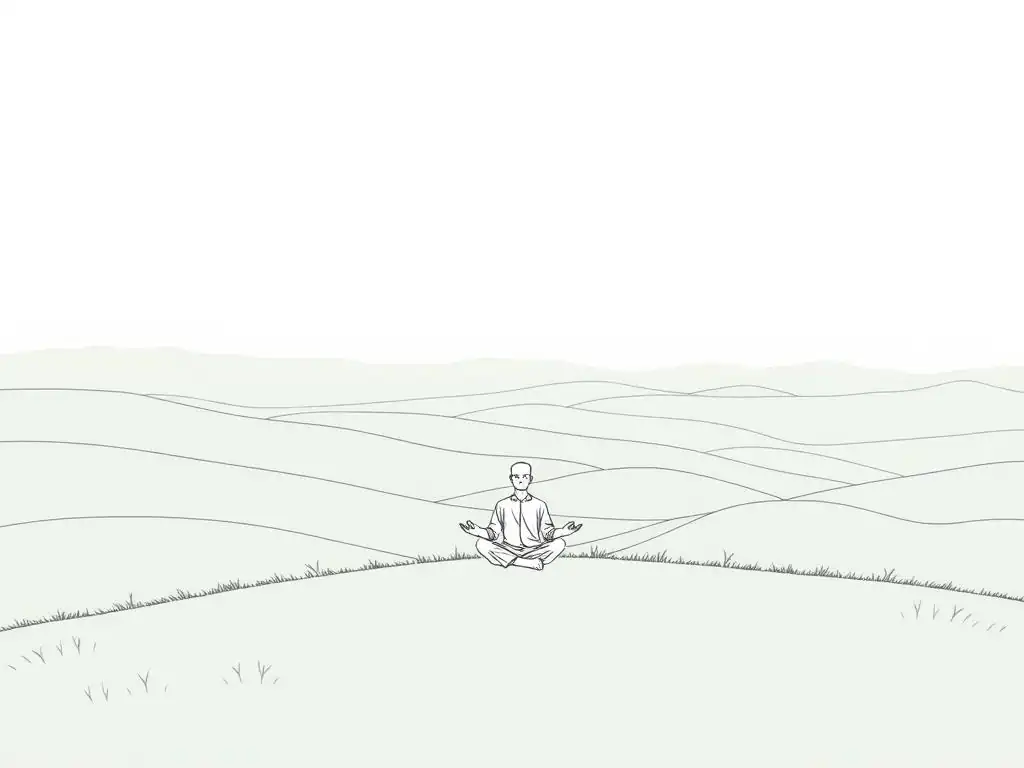
This section focuses on sustaining the positive effects of your digital detox and integrating technology back into your life mindfully. Achieving lasting peace and improved productivity requires a strategic approach, going beyond the initial tech-free period. We'll explore how to build a sustainable digital lifestyle that prioritizes well-being and efficiency. Remember, the goal isn't to eliminate technology entirely, but to cultivate a healthier relationship with it. This is key to reaping the long-term benefits of a digital detox.
Gradually Reintegrating Technology: A Sustainable Approach to Digital Minimalism
The key to a successful long-term digital detox isn't an abrupt cut-off, but a gradual reintroduction of technology. Think of it as a carefully curated selection, not a free-for-all. Instead of diving headfirst back into endless notifications, start by reintroducing apps and platforms one at a time. Ask yourself: What is the essential function of this technology? Does it truly enhance my life or does it detract from my peace and productivity?
Consider using a time-blocking approach. Schedule specific times for checking emails or social media, rather than allowing yourself constant access. This helps to regain control and prevents technology from dictating your schedule. For example, you could dedicate 30 minutes in the morning and 30 minutes in the evening to respond to emails and messages. Beyond this, focus on your prioritized tasks.
Experiment with different approaches to find what works best for you. Some people find success with a "zero inbox" policy, aiming to clear their inbox completely at the end of each day. Others prefer to batch their email responses, setting aside a specific block of time to tackle them all at once.
Building a Sustainable Digital Lifestyle: Tips for Long-Term Success
Maintaining a healthy relationship with technology requires consistent effort and self-awareness. It's not a one-time fix, but an ongoing process of refinement and adjustment. Here are some practical tips to help you establish a sustainable digital lifestyle:
- Mindful Technology Use: Before picking up your phone or opening your laptop, ask yourself: "What am I hoping to achieve with this?" This simple act of intentionality can drastically reduce mindless scrolling and unproductive time spent online.
- Digital Decluttering: Regularly review your apps and social media accounts. Unsubscribe from unnecessary newsletters, delete unused apps, and unfollow accounts that drain your energy or don't bring value to your life. A cleaner digital space fosters a clearer mind.
- Prioritize Offline Activities: Make time for activities that don't involve screens. Engage in hobbies, spend time in nature, connect with loved ones face-to-face, or pursue creative projects. These activities are crucial for maintaining balance and preventing technology from dominating your life.
- Set Boundaries: Communicate your need for digital downtime to friends, family, and colleagues. Let them know that you'll be less available during certain times, and establish clear expectations for communication.
- Technology Sabbaths: Consider setting aside specific days or periods where you completely disconnect from technology. This could be a weekly "digital sabbath" where you unplug completely, focusing instead on rest and rejuvenation. This practice helps to reset and maintain a balanced relationship with technology.
The Lasting Impact of a Digital Detox on Productivity and Mental Clarity: A New Found Peace
The long-term effects of a successful digital detox extend far beyond simply reducing screen time. Many individuals report significant improvements in various aspects of their lives, including enhanced focus, reduced stress, and increased overall well-being. The benefits often translate into greater productivity and a sense of calm and peace.
A study by [specific information pending] showed a correlation between reduced social media usage and improved sleep quality, mental well-being, and self-esteem. This highlights the significant impact that our digital habits can have on our overall health and happiness. By creating space for offline activities and mindful technology use, you can cultivate a more balanced and fulfilling life, characterized by increased productivity and a profound sense of peace.
The goal is not to fear technology, but to master it, using it as a tool to enhance your life, rather than letting it control it. This is the essence of a sustainable digital detox—a path to a more peaceful and productive you.
Resources and Further Reading on Digital Detox and Minimalism
This section provides a curated list of resources to help you deepen your understanding of digital detox and minimalism, and to support your journey towards a more peaceful and productive life, free from the constant demands of technology. Remember, a successful digital detox isn't about complete abstinence, but rather about mindful consumption and intentional engagement with technology.
Recommended Books and Articles on Digital Wellness
Finding reliable information about digital wellness can be overwhelming. To help you navigate this landscape, we've compiled a selection of books and articles that offer valuable insights and practical strategies for achieving digital balance. These resources cover various aspects of digital detox, from understanding the impact of technology on mental health to implementing effective strategies for reducing screen time and reclaiming your attention.
The selection emphasizes diverse perspectives and approaches, catering to different needs and preferences. Some focus on the philosophical aspects of minimalism, while others provide actionable steps for managing technology use effectively.
- Books: We recommend exploring titles focusing on the impact of technology on mental health, such as those examining the correlation between excessive screen time and anxiety or depression. Another valuable area of exploration is the intersection of digital minimalism and productivity techniques like time blocking or the Pomodoro Technique. Specific book titles and authors are pending further research to ensure the most relevant and up-to-date recommendations. [Specific book titles and authors pending]
- Articles: Look for articles that delve into practical strategies for reducing screen time, such as setting daily limits, utilizing app blockers, or scheduling dedicated "tech-free" periods. High-quality articles will often provide case studies, research findings, or anecdotal evidence supporting their claims. Furthermore, consider articles that explore the concept of "digital decluttering," which mirrors the principles of physical decluttering, helping you identify and eliminate unnecessary digital possessions. [Specific article titles and sources pending]
Helpful Apps and Tools to Support Digital Minimalism
Technology itself can be a powerful tool in achieving a digital detox. Ironically, apps and tools can help you manage your technology consumption more effectively. These tools offer various functionalities, ranging from simple screen time trackers to sophisticated app blockers and website filters. The key is to choose tools that align with your specific needs and goals.
| App/Tool Category | Example App/Tool (Pending Research) | Key Features | Potential Benefits |
|---|---|---|---|
| Screen Time Trackers | [App name pending] | Tracks daily usage, provides usage reports | Increased awareness of technology consumption habits |
| App Blockers | [App name pending] | Restricts access to specific apps during set times | Improved focus and productivity |
| Website Filters | [App name pending] | Blocks access to distracting websites | Reduced time spent on unproductive online activities |
| Focus & Productivity Apps | [App name pending, e.g., Forest] | Gamified focus timers, ambient sounds | Enhanced concentration and reduced distractions |
| Mindfulness & Meditation Apps | [App name pending, e.g., Calm, Headspace] | Guided meditations, mindfulness exercises | Stress reduction, improved mental well-being |
Remember to choose apps and tools carefully. Avoid those that are overly complex or intrusive. The goal is to regain control over your technology use, not to create another source of stress or anxiety. The effectiveness of these tools depends heavily on your commitment to using them consistently and thoughtfully. A digital detox is a personal journey, and the right tools can significantly contribute to your success. 🧘♀️
Frequently Asked Questions
What is a digital detox, and why should I consider one?
A digital detox is a period where you consciously disconnect from technology to improve your mental and physical well-being. It helps reduce stress, improve focus, and reconnect with yourself and the physical world. Increased productivity is a common side effect.
How long should my digital detox last?
The ideal length depends on your needs and goals. Start with a short period, like a weekend or a few hours daily, and gradually increase the duration as you feel comfortable. Even small breaks can be beneficial. Consistency is key.
What are some practical steps to take during a digital detox?
Turn off notifications, delete distracting apps, and designate specific times for checking emails and social media. Engage in offline activities like reading, spending time in nature, or pursuing hobbies. Plan your detox in advance.
Will I feel withdrawal symptoms during a digital detox?
Yes, it's possible to experience symptoms like anxiety or restlessness, especially initially. This is normal. Gradually reducing your technology use can help minimize these effects. Remember that the benefits outweigh the temporary discomfort.
How can I maintain the positive effects of my digital detox after it's over?
Develop healthy technology habits, such as setting time limits for app usage and establishing designated device-free zones. Continue engaging in the offline activities you enjoyed during your detox. Mindful technology use is key to long-term success.
Final Reflection: Reclaiming Your Peace in a Digital World
The relentless hum of notifications and the constant pull of screens are no longer a futuristic fantasy; they are the lived reality of modern life. This pervasive digital noise impacts our mental well-being, productivity, and ability to connect authentically with ourselves and others, creating a pervasive sense of overwhelm that hinders our ability to truly thrive. Finding peace amidst this chaos is not a luxury, but a necessity.
The journey towards a healthier relationship with technology is a deeply personal one, a process of rediscovering the quiet spaces within ourselves that have been drowned out by the constant influx of information. It's about reclaiming agency over our time and attention, choosing intentionality over reactivity. As the poet Mary Oliver wisely reminds us, Pay attention. Be astonished. Tell about it.
This simple yet profound advice speaks to the heart of a digital detox: by silencing the external noise, we create space to truly listen to ourselves, to the subtle whispers of our intuition and the quiet joy of being present in the moment.
You now have the tools to begin your own journey towards a more balanced relationship with technology. Consider this guide not as a rigid set of rules, but as a springboard for experimentation and self-discovery. What small changes can you implement today to reduce digital clutter and cultivate more peace in your life? Start small, be patient with yourself, and remember that the pursuit of peace is a continuous process, a journey of self-discovery that unfolds one mindful moment at a time. Embrace the silence, and let the quietude reveal the richness of your inner world.
Rediscover Your Inner Calm: Take Control of Your Tech Use
Thank you for exploring ways to find peace in our increasingly digital world. We hope you've gained valuable insights into reclaiming your focus and energy. Now, let's put those insights into action!
- Prioritize your digital detox: This week, identify one area where you'll reduce your screen time—even 30 minutes less can make a significant difference. Focus on a single area to make the process manageable and effective.
- Share your experience: Tell us about the area you've chosen for a tech detox and your plan for disconnecting. Let's inspire each other! Sharing your progress can help you stay accountable and motivated.
- Explore mindful alternatives: Try a new offline hobby, such as yoga, nature walks, or simply spending quality time with loved ones. Disconnecting from technology allows you to reconnect with yourself and the world around you.
What small step will you take today to disconnect from technology and reconnect with yourself?