
Tech Detox and Focus: How to Sharpen Your Mind by Limiting Digital Input


Ready to reclaim your time and sharpen your focus? At UltimateLifeHacks, we're dedicated to helping you optimize your daily life. In today's hyper-connected world, learning to reduce digital distractions is crucial. Discover how mastering the art of digital minimalism can unlock unprecedented levels of productivity and mental clarity—dive into our insightful article on "Tech Detox and Focus" and learn how to regain control of your mind.
- Understanding the Impact of Digital Overload on Focus
-
Practical Strategies to Reduce Digital Distractions and Improve Mind Focus
- Minimizing Smartphone Usage: Techniques and Time Management Strategies
- Optimizing Your Digital Workspace: Decluttering Your Desktop and Reducing Notifications
- Scheduling Dedicated "Tech-Free" Time: Creating Digital Detox Rituals
- Utilizing Productivity Apps to Manage Digital Input and Boost Concentration
- Mindfulness and Meditation Techniques for Enhanced Focus Amidst Digital Noise
- Creating a Tech-Free Environment for Enhanced Concentration
-
Long-Term Strategies for Sustained Focus and Reduced Digital Dependence
- Developing Healthy Digital Habits: Creating a Sustainable Tech-Life Balance
- Cultivating Offline Interests and Hobbies: Finding Alternative Sources of Engagement
- The Benefits of a Tech Detox for Mental Well-being and Improved Productivity
- Maintaining a Tech Detox Routine: Tips for Long-Term Success and Avoiding Relapse
- Measuring Your Progress and Adjusting Your Tech Detox Strategy
-
Frequently Asked Questions
- How can I reduce digital distractions to improve focus?
- What are some practical ways to detox from technology?
- How can I improve my focus and concentration after a tech detox?
- What are the benefits of reducing digital input on mental well-being?
- Are there any apps or tools that can help me reduce digital distractions?
- Final Reflection: Reclaiming Your Mind in a Digital Age
- Rediscover Your Focus: Take Control of Your Digital Life
Understanding the Impact of Digital Overload on Focus
Our increasingly digital world offers unparalleled convenience, yet this constant connectivity comes at a cost. The relentless stream of notifications, emails, and social media updates bombards our brains, fracturing our attention and hindering our ability to focus deeply. This article explores the detrimental effects of excessive digital input on cognitive function and mental clarity, offering practical strategies to reclaim your focus through a targeted tech detox.
We'll delve into the science behind digital distractions, explore how constant connectivity impacts your brain, and help you recognize the signs of digital exhaustion, ultimately empowering you to cultivate a sharper, more focused mind by consciously reducing your digital intake and improving your concentration. This is crucial for anyone seeking to boost productivity, enhance creativity, and improve overall well-being. Learning to manage digital distractions is key to unlocking your mental potential and achieving a more balanced, fulfilling life.
This guide provides actionable steps to help you navigate the digital landscape mindfully, prioritizing deep work and reducing the mental clutter caused by excessive screen time. The goal is to learn how to reduce digital distractions for better mind focus.
The Science Behind Digital Distractions and Reduced Attention Spans
Numerous studies demonstrate a direct correlation between excessive screen time and diminished attention spans. Our brains are wired to respond to novelty and stimulation; the constant influx of information from digital devices triggers a dopamine rush, creating a cycle of seeking more stimulation. This constant stimulation, however, weakens our ability to sustain focus on a single task for extended periods.
Research suggests that multitasking, often fueled by digital distractions, actually reduces overall productivity and increases error rates. Instead of efficiently handling multiple tasks, our brains switch rapidly between them, resulting in shallower processing and diminished cognitive performance. Furthermore, the blue light emitted from screens can disrupt our circadian rhythm, impacting sleep quality and further exacerbating attention problems.
The result is a vicious cycle: poor sleep leads to reduced focus, which leads to increased screen time, perpetuating the problem. This constant bombardment impacts our ability to engage in deep work and truly concentrate on the tasks at hand, hindering both productivity and overall well-being. Understanding this neurological impact is the first step towards reclaiming your attention.
How Constant Connectivity Affects Cognitive Function and Mental Clarity
Constant connectivity doesn't just affect attention span; it impacts our cognitive function in several significant ways. The constant stream of information prevents our brains from engaging in the deep, focused thinking necessary for problem-solving, creativity, and innovation. We become accustomed to superficial engagement, skimming information rather than processing it deeply.
This "shallow thinking" can lead to reduced analytical skills and impaired decision-making. Moreover, the pressure to constantly respond to emails, messages, and notifications creates a state of chronic stress, which further impairs cognitive function. Stress hormones like cortisol interfere with memory consolidation and the ability to focus.
This constant state of "being on" prevents our brains from entering a state of rest and repair, crucial for optimal cognitive performance. The cumulative effect is a decline in mental clarity, reduced creativity, and an increased susceptibility to mental fatigue. This constant barrage of information actively reduces the quality of our thought processes and our capacity to learn and create.
Recognizing the Signs of Digital Exhaustion and Information Overload
Recognizing the signs of digital exhaustion is crucial for initiating a successful tech detox. Symptoms can vary, but common indicators include:
- Mental fatigue: Feeling constantly drained and unable to concentrate.
- Irritability and anxiety: Experiencing increased frustration and restlessness.
- Sleep disturbances: Difficulty falling asleep or staying asleep.
- Reduced productivity: Struggling to complete tasks efficiently.
- Impaired memory: Difficulty remembering details or recalling information.
- Physical symptoms: Headaches, eye strain, and neck pain.
- Emotional numbness: Feeling disconnected from yourself and your surroundings.
If you experience several of these symptoms regularly, it's a clear indication that you may be suffering from digital exhaustion and information overload. Addressing this issue is not merely about improving productivity; it's about safeguarding your mental and physical health. Taking proactive steps to limit your digital input can significantly improve your overall well-being and help you reclaim your focus and mental clarity. The journey to a healthier relationship with technology begins with self-awareness and a commitment to change.
Practical Strategies to Reduce Digital Distractions and Improve Mind Focus
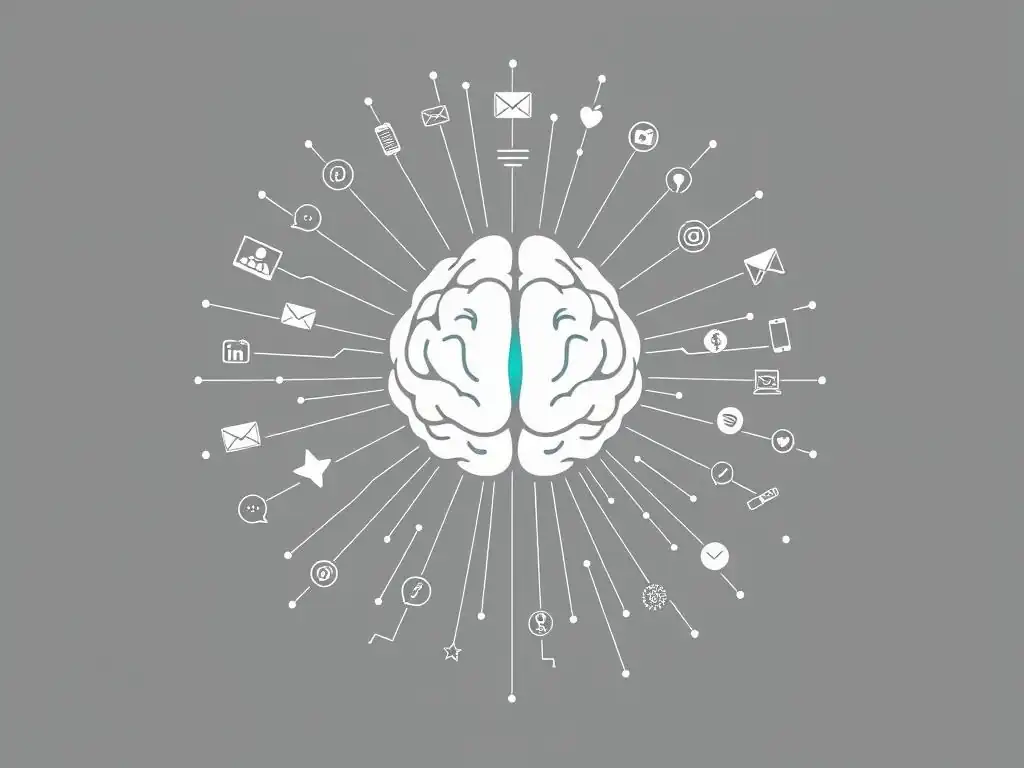
This section delves into actionable strategies to curtail digital distractions and cultivate enhanced mental focus. We'll explore techniques to minimize smartphone usage, optimize your digital workspace, and establish dedicated tech-free periods. By implementing these practices, you can significantly reduce digital overload and reclaim your mental clarity. The goal is to improve your ability to focus and reduce the negative impact of digital distractions on your mind.
Minimizing Smartphone Usage: Techniques and Time Management Strategies
Smartphones, while undeniably useful, are significant sources of digital distraction. Constant notifications, the allure of social media, and the ease of checking emails can severely fragment attention. To mitigate this, consider these strategies:
- Turn off non-essential notifications: Silence notifications for social media apps, games, and less urgent communication channels. Prioritize only essential alerts, such as calls and messages from close contacts. This drastically reduces the frequency of interruptions.
- Utilize app timers and blockers: Many apps and browser extensions limit daily usage time. Set reasonable limits for time-consuming apps and enforce them. Consider using app blockers during focused work periods to eliminate temptation entirely.
- Schedule dedicated smartphone time: Instead of passively responding to notifications throughout the day, allocate specific times for checking emails, social media, and other apps. This approach fosters intentionality and prevents reactive, distracting usage. For example, dedicate 30 minutes in the morning and 30 minutes in the evening for checking your phone.
- Practice mindful smartphone usage: When you do use your phone, be present and intentional. Avoid mindless scrolling. Engage with content purposefully, and then consciously put your phone away.
| Technique | Description | Impact on Focus |
|---|---|---|
| Notification Management | Turn off non-essential notifications | Reduces interruptions, improves concentration |
| App Timers/Blockers | Limit daily app usage | Prevents excessive app use, enhances focus |
| Scheduled Smartphone Time | Allocate specific times for checking apps | Reduces reactive usage, promotes intentionality |
| Mindful Smartphone Usage | Engage purposefully with apps, avoid mindless scrolling | Improves concentration, minimizes distraction |
The effectiveness of these techniques can be tracked using a journal or a productivity app. Note the time spent on your phone each day and how it impacts your focus and overall productivity. Adjust your strategies based on your observations. Remember, even small changes can make a significant difference in reducing digital distractions and improving your ability to focus.
Optimizing Your Digital Workspace: Decluttering Your Desktop and Reducing Notifications
A cluttered digital workspace mirrors a cluttered mind. A desktop overflowing with icons, unread emails, and open tabs creates visual noise and hinders concentration. Optimizing your digital environment is crucial for improving focus.
- Declutter your desktop: Organize files into folders, delete unnecessary documents, and remove unused shortcuts. A clean, organized desktop promotes visual clarity and reduces cognitive overload.
- Manage your email inbox: Unsubscribe from irrelevant newsletters and mailing lists. Employ the "inbox zero" approach, regularly processing and archiving emails to keep your inbox manageable.
- Reduce browser tabs: Close unnecessary tabs to minimize visual distractions. Group related tabs into windows to improve organization.
- Customize notification settings: Minimize or disable non-essential notifications from applications and your operating system. Choose only alerts that require immediate attention.
By implementing these strategies, you create a calmer, more focused digital environment. The reduction in visual clutter directly translates to a clearer mind, allowing you to concentrate more effectively. Consider using desktop organization tools to further streamline your workspace. Remember to regularly maintain this order to sustain its positive effects.
Scheduling Dedicated "Tech-Free" Time: Creating Digital Detox Rituals
Incorporating regular periods free from digital devices is essential for mental well-being and improved focus. These "digital detox" periods allow your mind to rest and recharge, enhancing your ability to concentrate when you do engage with technology.
- Establish a daily tech-free hour: Designate a specific time each day, perhaps before bed or upon waking, to disconnect from all screens. Engage in activities that promote relaxation and mindfulness, such as reading, meditation, or spending time in nature.
- Plan a weekly digital detox: Set aside a larger block of time each week, perhaps a weekend afternoon or an entire day, completely free from technology. Use this time to pursue hobbies, connect with loved ones, or simply relax and unwind.
- Create a pre-sleep digital detox ritual: Avoid screen time for at least an hour before bed. The blue light emitted from screens can interfere with sleep, negatively impacting mental clarity and focus. Instead, engage in calming activities to prepare for sleep.
- Utilize technology mindfully: Even during times when you are using technology, be mindful of your usage. Avoid mindless scrolling or multitasking. Focus on one task at a time, and take regular breaks to avoid burnout and maintain focus.
Creating and adhering to these digital detox rituals will significantly contribute to reducing digital distractions and cultivating better mind focus. The benefits extend beyond improved concentration, positively impacting sleep quality, stress levels, and overall well-being. Experiment with different approaches to find a routine that best suits your lifestyle and preferences. The key is consistency and intentionality.
Utilizing Productivity Apps to Manage Digital Input and Boost Concentration
Productivity apps can be powerful allies in your quest to reduce digital distractions and enhance focus. The key is to use them strategically, not to add another layer of digital clutter. Instead of passively scrolling through social media, actively manage your digital intake with tools designed to promote concentration.
For example, apps like Forest offer a gamified approach, rewarding sustained periods of focus by growing a virtual tree. Interrupting your focus to check your phone kills the tree, providing a visual and motivating deterrent. Other apps, such as Freedom, allow you to block distracting websites and apps for pre-determined periods, ensuring uninterrupted work sessions.
The effectiveness of these apps lies in their ability to create a structured environment, preventing impulsive digital engagement. Remember to select apps that align with your specific needs and work style; experimenting with different options is crucial to finding the perfect fit. Don't overload yourself with too many apps—focus on a few key tools that effectively manage your digital consumption and promote deep work.
Consider also apps that help you manage your time more effectively. Time-blocking apps, for example, allow you to schedule specific time slots for particular tasks, thus reducing the likelihood of getting sidetracked by non-essential digital activities. This structured approach to time management is particularly helpful for those who struggle with task switching and find it difficult to maintain focus throughout the day.
By pre-allocating time for specific tasks, including dedicated "digital detox" periods, you can create a more balanced relationship with technology and avoid the constant pull of digital notifications. The combination of time management and digital restriction apps allows for a holistic approach to reducing digital distractions and boosting concentration. Remember to track your progress and adjust your app usage based on your experience to optimize their effectiveness.
Finally, remember that even the most effective productivity app will not work miracles if you do not actively engage in mindful usage. Mindful technology use involves being present and aware of how you're using technology and its impact on your focus and mood. It's about consciously choosing when to engage with technology and when to disconnect, rather than passively reacting to notifications and impulses.
Mindfulness and Meditation Techniques for Enhanced Focus Amidst Digital Noise
In today's hyper-connected world, cultivating mindfulness is paramount to reducing digital distractions and improving focus. Mindfulness practices, such as meditation, help train your mind to resist the constant pull of digital notifications and the urge to multitask. Regular meditation, even for short periods (10-15 minutes daily), enhances your ability to stay present and resist impulsive behavior, including checking your phone unnecessarily.
This improved self-awareness translates into a greater capacity to focus on the task at hand, minimizing interruptions from digital stimuli. Through consistent practice, you’ll develop a stronger ability to observe your thoughts and feelings without judgment, allowing you to recognize when you're getting distracted and gently redirect your attention back to the present moment.
Specific meditation techniques can be particularly effective in managing digital distractions. For example, the body scan meditation helps you become more aware of your physical sensations, grounding you in the present moment and reducing the tendency to get lost in the virtual world. Similarly, mindful breathing exercises can help calm your nervous system and reduce stress, both of which are often exacerbated by excessive digital input.
By incorporating these practices into your daily routine, you create a mental buffer against the constant barrage of digital stimuli. The result is improved concentration, reduced stress, and a greater sense of control over your relationship with technology. Remember, the goal isn't to eliminate technology entirely, but rather to cultivate a more mindful and balanced relationship with it.
Beyond formal meditation, integrating mindfulness into your daily life can be just as beneficial. This might involve paying closer attention to your surroundings during your commute, savoring your meals without checking your phone, or engaging in activities that fully absorb your attention, such as reading a book or going for a walk. These seemingly small adjustments can significantly impact your ability to focus and resist digital distractions.
The key is to cultivate a heightened awareness of your thoughts and actions, allowing you to make conscious choices about how you engage with technology rather than reacting impulsively to notifications and urges. This mindful approach is essential for long-term success in reducing digital distractions and cultivating a more focused and present mind. The more you practice, the easier it becomes to resist the allure of the digital world and fully engage in the present moment.
Creating a Tech-Free Environment for Enhanced Concentration
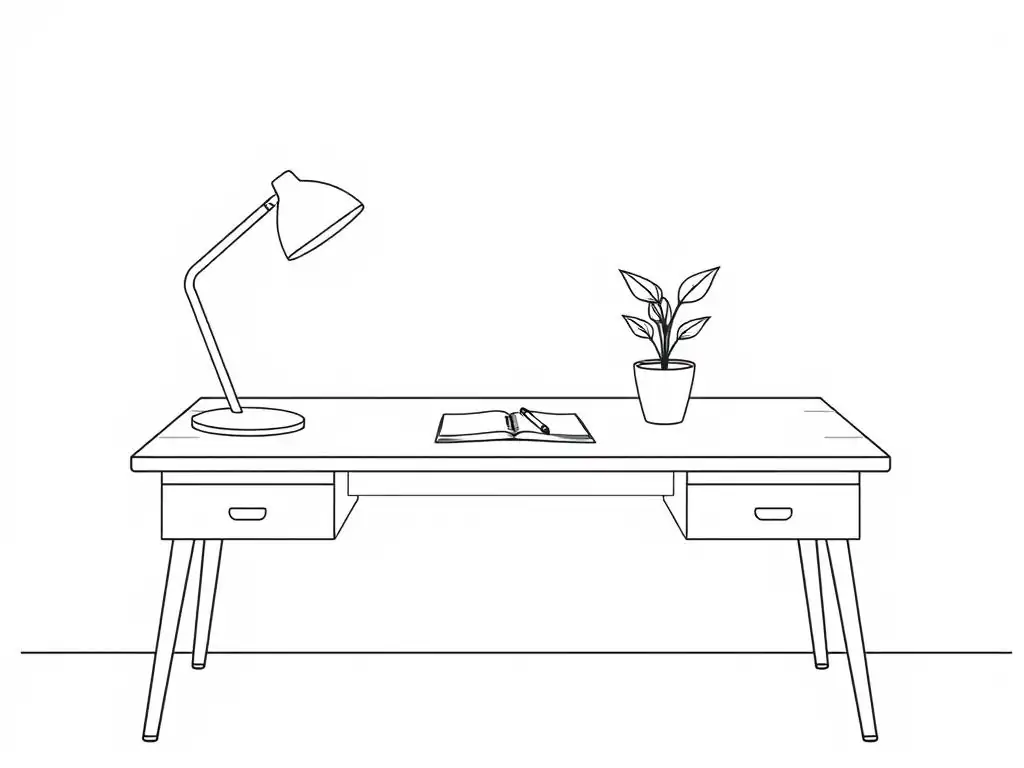
This section explores practical strategies to minimize digital distractions and cultivate a space conducive to focused thinking. Reducing digital distractions is crucial for improving mind focus and reclaiming mental clarity. We'll delve into specific techniques to create a tech-free haven, thereby enhancing your cognitive performance and overall well-being. The goal is to transform your environment from a source of constant interruption into a sanctuary for deep work and mindful engagement.
Designing a Digital Detox Space: A Sanctuary for Focus and Reflection
Designing a dedicated space free from technological interruptions is paramount for effective digital detox. This isn't just about removing devices; it's about cultivating an atmosphere that promotes relaxation, concentration, and introspection. Consider these elements:
- Physical Decluttering: A clean, organized space directly impacts mental clarity. Remove unnecessary items, creating a sense of calm and spaciousness. Think minimalist design – less visual clutter means less mental clutter.
- Ambient Lighting: Soft, natural light is ideal. Avoid harsh overhead lighting, opting instead for lamps or strategically placed windows. Dim lighting in the evening can promote relaxation and better sleep, further reducing stress and improving focus the next day.
- Sensory Stimulation: Incorporate elements that appeal to your senses without being overwhelming. The gentle sound of nature, the scent of essential oils (lavender is known for its calming properties), or a comfortable texture like a soft blanket can all contribute to a more peaceful environment.
- Designated Tech-Free Zone: Clearly define the area as a technology-free zone. This might involve physically removing all devices or placing them in a designated storage area outside the space. The key is to make it inconvenient to access technology, thereby reinforcing the commitment to your digital detox.
- Personal Touches: Personalize the space with items that inspire you and promote relaxation. This could include plants, artwork, inspirational quotes, or anything that evokes a sense of peace and tranquility.
Establishing Boundaries with Technology: Setting Limits and Sticking to Them
Successfully reducing digital distractions requires establishing clear boundaries with technology. This involves setting realistic limits on your technology use and actively enforcing those limits. Here's how:
- Schedule Tech-Free Times: Designate specific periods throughout the day – perhaps an hour in the morning and an hour before bed – completely free from technology. Treat these times as sacred and non-negotiable appointments with yourself.
- Technology Time Budgets: Allocate a specific amount of time each day for checking emails, social media, and other digital activities. Use a timer to track your usage and stick to your allotted time. Consider using apps that monitor screen time to help you stay accountable.
- Notification Management: Disable non-essential notifications on your phone and computer. The constant buzz and pings of notifications are major contributors to digital distraction, significantly impacting your ability to concentrate.
- Digital Sabbaths: Consider incorporating regular "digital sabbaths" into your routine – a day or even just a few hours each week completely free from technology. This allows your mind to rest and recharge, leading to improved focus and productivity.
- Accountability Partner: Share your goals with a friend or family member who can provide support and encouragement. Having someone to check in with can significantly increase your chances of success.
Utilizing Technology Mindfully: Digital Tools for Enhanced Productivity, Not Distraction
While reducing overall technology usage is key to reducing digital distractions and improving mind focus, some technology can actually enhance productivity when used mindfully. The key is to use these tools strategically, not letting them become sources of distraction.
- Website Blockers: Utilize website blockers to temporarily restrict access to distracting websites during focused work sessions. Many free and paid options are available.
- Focus Apps: Explore apps designed to promote focus and concentration through techniques like the Pomodoro Technique. These apps can help you break your work into manageable intervals with short breaks in between.
- Note-Taking Apps: Transition from pen and paper to digital note-taking for improved organization and accessibility. Choose a note-taking app that integrates well with other productivity tools you use.
- Mindfulness Apps: Use mindfulness and meditation apps to cultivate mental clarity and reduce stress, which directly impacts your ability to concentrate.
- Selective App Usage: Carefully curate the apps on your phone and computer, removing anything that consistently distracts you. Prioritize apps that support your goals and remove anything that doesn't add value to your life.
The effective reduction of digital distractions requires a multifaceted approach that combines environmental design, boundary setting, and mindful technology usage. By implementing these strategies, you can create a more focused and productive life, reclaiming your mental energy and enhancing your overall well-being. Remember, the journey to improved mind focus is a continuous process, requiring consistent effort and self-awareness.
Long-Term Strategies for Sustained Focus and Reduced Digital Dependence
This section delves into establishing lasting habits to minimize digital distractions and cultivate a sharper, more focused mind. We'll move beyond temporary tech detoxes and explore sustainable strategies for long-term mental well-being and increased productivity. The key is to integrate conscious choices into your daily routine, rather than relying on willpower alone.
This approach allows for a more balanced and fulfilling relationship with technology, rather than a strained, on-again-off-again cycle. Remember, the goal is not to eliminate technology entirely, but to consciously manage its influence on your mental state and daily productivity. Consistent effort in this area will yield significant returns in the long run.
Developing Healthy Digital Habits: Creating a Sustainable Tech-Life Balance
Creating a sustainable tech-life balance requires a multifaceted approach. It’s not about complete abstinence, but mindful integration. Start by identifying your peak productivity times and schedule your most demanding tasks during these periods, minimizing digital interruptions. Consider using website blockers or app timers (like Freedom or Forest) to limit access to distracting platforms during focused work sessions.
These tools provide external accountability, aiding in self-regulation. Furthermore, establish dedicated "digital downtime" periods each day. This could be an hour before bed, or a specific block of time in the afternoon, completely free from screens. This allows your mind to rest and recharge, improving sleep quality and overall cognitive function.
Experiment to find a schedule that works best for you. The effectiveness of these strategies hinges on consistency; small, consistent changes are more powerful than sporadic, intense efforts. Regularly review and adjust your digital habits as needed to maintain a balance that serves your needs and promotes a healthier relationship with technology. This iterative process is crucial for long-term success in reducing digital distractions and enhancing mind focus.
Cultivating Offline Interests and Hobbies: Finding Alternative Sources of Engagement
Reducing digital distractions involves proactively seeking alternative sources of engagement. Cultivating offline interests and hobbies is crucial for creating a richer, more fulfilling life while naturally reducing your reliance on technology for entertainment and stimulation. Consider revisiting old passions or exploring entirely new avenues.
This could involve anything from reading physical books and engaging in creative pursuits like painting or writing, to joining a sports team or volunteering in your community. The key is to find activities that genuinely captivate you and provide a sense of accomplishment and satisfaction. These activities not only serve as healthy distractions from technology but also contribute to personal growth and overall well-being.
For example, dedicating 30 minutes each evening to reading a physical book can significantly reduce screen time and improve sleep quality. Similarly, joining a local hiking group can provide both physical exercise and a social connection, fostering a sense of community and reducing feelings of isolation often associated with excessive technology use. The benefits extend beyond simply reducing screen time; engaging in offline hobbies cultivates a more balanced and fulfilling life, reducing the likelihood of falling back into patterns of excessive digital consumption.
The Benefits of a Tech Detox for Mental Well-being and Improved Productivity
The benefits of reducing digital distractions extend far beyond simply improving focus. A tech detox, even a short one, can significantly improve mental well-being and boost productivity. Studies have shown a strong correlation between excessive screen time and increased levels of anxiety, stress, and depression. By reducing digital input, you allow your mind to rest and recover, reducing mental fatigue and improving mood.
This, in turn, leads to increased productivity and improved cognitive function. Furthermore, disconnecting from the constant stream of notifications and information allows for deeper, more focused work. This enhanced concentration leads to higher quality output and a greater sense of accomplishment. The reduction in digital noise allows for clearer thinking and improved decision-making capabilities.
For instance, a recent study [specific information pending] indicated a significant improvement in cognitive performance after just a week of reduced screen time. This improvement encompassed areas such as attention span, memory recall, and problem-solving skills. The positive impact on mental clarity and productivity makes regular tech detoxes a valuable strategy for anyone seeking to optimize their well-being and enhance their overall performance. The long-term benefits of consciously managing your digital consumption are profound and far-reaching, impacting both your mental health and your ability to achieve your goals.
Maintaining a Tech Detox Routine: Tips for Long-Term Success and Avoiding Relapse
Maintaining a tech detox isn't a sprint; it's a marathon. Consistency is key to reaping the long-term benefits of reduced digital distractions and improved focus. Many people start strong, but the initial enthusiasm can wane, leading to relapse. To avoid this, consider these crucial strategies:
First, gradual implementation is far more effective than cold turkey. Instead of abruptly eliminating all devices, gradually reduce your screen time. Start by limiting social media usage to specific times of the day, then extend that to other digital activities. This approach minimizes the shock to your system and makes the process more manageable. For example, you might start by reducing your daily social media use by 30 minutes, then gradually decrease it by another 15 minutes each week until you reach a sustainable level.
Second, identify your triggers. What situations or emotions lead you to reach for your phone or computer? Is it boredom, stress, loneliness, or a habit? Understanding your triggers allows you to develop proactive coping mechanisms. Perhaps instead of scrolling through Instagram when feeling stressed, you could practice deep breathing exercises or go for a walk. Keeping a journal to track your digital usage and the circumstances surrounding it can be incredibly insightful.
Third, build a supportive environment. Let your friends and family know about your tech detox goals. Their understanding and support can be invaluable in preventing temptation. Additionally, find accountability partners who are also working on reducing their digital consumption. Sharing your progress and challenges can strengthen your resolve and provide encouragement.
Fourth, replace digital habits with healthy alternatives. When you find yourself craving digital stimulation, replace it with a productive or enjoyable offline activity. This could involve reading a book, spending time in nature, pursuing a hobby, engaging in mindful activities like meditation or yoga, or spending quality time with loved ones. Developing a repertoire of engaging offline activities ensures you have healthy alternatives readily available.
Fifth, be kind to yourself. Relapses happen. Don't beat yourself up if you slip up; instead, acknowledge it, learn from it, and get back on track. View setbacks as opportunities for growth and refinement of your strategy.
The key is to not let a single lapse derail your entire progress. Focus on the long-term goal and celebrate your successes along the way. Remember, the journey towards reduced digital dependence is a process of continuous improvement, not perfection. By consistently applying these strategies, you can successfully maintain your tech detox routine and enjoy the many benefits of a sharper, more focused mind.
Measuring Your Progress and Adjusting Your Tech Detox Strategy
Reducing digital distractions to improve mind focus is a journey, not a sprint. Regularly measuring your progress and adapting your tech detox strategy is crucial for long-term success. This section details how to track your digital consumption, assess the impact of your detox, and refine your approach for sustainable change. Remember, the goal isn't complete abstinence, but mindful consumption. The key is to identify your problem areas and adjust your strategy accordingly to cultivate a healthier relationship with technology.
Tracking Your Digital Consumption: Monitoring Usage and Identifying Problem Areas
Accurately tracking your digital consumption is the first step towards effective tech detox. Many smartphones and operating systems offer built-in screen time tracking features. These provide detailed reports on daily and weekly usage, broken down by app. For example, you might discover you spend three hours daily on social media, significantly more than your intended limit. This data gives you concrete evidence of your digital habits, highlighting areas needing attention.
Beyond built-in features, consider using dedicated productivity apps designed for time management and digital well-being. These apps often offer more granular tracking and insightful visualizations of your usage patterns. They can identify peak usage times, helping you understand when you're most susceptible to digital distractions. This allows for more strategic planning of your detox.
Analyzing this data, you might observe patterns – perhaps you check email compulsively first thing in the morning, leading to a cascade of unproductive tasks. Or, maybe late-night social media scrolling hinders your sleep quality. Identifying these problem areas enables targeted interventions. The goal is not to eliminate all digital use but to consciously regulate it. For instance, instead of banning social media entirely, you might set a daily limit or designate specific times for checking updates.
Assessing the Impact of Your Tech Detox: Evaluating Mental Clarity and Productivity Gains
After implementing your tech detox strategy, it's crucial to evaluate its impact on your mental clarity and productivity. This isn't just about reducing screen time; it’s about observing the qualitative changes in your mental state and work output. Did you experience increased focus during work sessions? Did you feel less anxious or overwhelmed throughout the day? Did your sleep improve?
Consider journaling your experiences. Note down your daily energy levels, your ability to concentrate, and any noticeable shifts in your mood. Quantifiable metrics, such as task completion rates or project deadlines met, can also provide valuable data. For example, if you previously struggled to complete a specific task within a given timeframe, a successful tech detox might lead to significantly improved efficiency.
Remember that improvements might not be immediate. It takes time to break ingrained habits and retrain your brain to focus without constant digital stimulation. Be patient and persistent, consistently monitoring your progress. If you find yourself struggling to maintain focus, it's a sign that your strategy might need adjusting. Perhaps you need to further reduce your screen time, experiment with different apps, or explore alternative mindfulness techniques.
Adapting Your Strategy: Refining Your Approach for Optimal Results and Sustainable Change
Your tech detox journey is iterative. The initial strategy you implement might not be perfect, and adjustments are inevitable. Regularly reviewing your progress and adapting your strategy is key to achieving long-term, sustainable change. This involves analyzing the data you've collected, identifying areas for improvement, and implementing refinements to your approach.
For example, if your initial goal was to reduce social media use by 50%, but you only managed 25%, you might need to implement stricter limitations or explore alternative strategies. This could involve uninstalling distracting apps, using website blockers, or employing the Pomodoro Technique to better manage your time. Additionally, consider incorporating mindfulness practices like meditation, which can further enhance focus and reduce reliance on digital stimulation.
Sustainable change requires a holistic approach. It's not just about limiting screen time; it's about cultivating a healthier relationship with technology. By continuously monitoring your progress, adapting your strategy, and integrating mindfulness techniques, you can effectively reduce digital distractions, sharpen your mind, and achieve a more balanced and fulfilling life. Remember, the process is about finding what works best for you, and that requires ongoing adjustments and experimentation.
Frequently Asked Questions
How can I reduce digital distractions to improve focus?
Reducing digital distractions involves consciously limiting your exposure to technology. Try techniques like turning off notifications, using website blockers, and scheduling specific times for checking emails and social media. Mindful breaks are also crucial.
What are some practical ways to detox from technology?
A tech detox could involve setting aside specific device-free times each day, or even a full day each week. You could also replace screen time with activities like reading, exercising, or spending time in nature. Prioritize real-world interactions.
How can I improve my focus and concentration after a tech detox?
After a tech detox, your ability to focus should improve. However, to maintain this, continue practicing mindfulness techniques, such as meditation or deep breathing exercises. Establish a consistent routine to support your improved focus.
What are the benefits of reducing digital input on mental well-being?
Reducing digital input can significantly reduce stress and anxiety, improve sleep quality, and increase overall mental clarity. It allows your brain to rest and process information more effectively, leading to a greater sense of well-being.
Are there any apps or tools that can help me reduce digital distractions?
Yes, many apps can help! Website blockers like Freedom or Cold Turkey can restrict access to distracting sites. Focus apps like Forest or Focus To-Do can help you stay on task. Explore options to find what works best for you.
Final Reflection: Reclaiming Your Mind in a Digital Age
The relentless barrage of digital notifications and information is not just a modern inconvenience; it's a fundamental challenge to our ability to focus and achieve genuine mental clarity. We've explored the insidious ways technology can hijack our attention, leading to decreased productivity, heightened stress, and a diminished sense of self. But the good news is, reclaiming control is within our grasp.
The impact of constant digital stimulation on our mental well-being is profound and far-reaching. It's reshaping our attention spans, altering our sleep patterns, and even influencing our social interactions. The real problem is not that we have too little time, but that we have too much television.
– Seneca. This ancient wisdom rings truer than ever in our hyper-connected world. The struggle to disconnect isn't a sign of weakness; it's a testament to the powerful grip technology has on our lives, a grip we can consciously loosen. The journey towards mindful technology use is a personal one, requiring self-awareness and a commitment to prioritizing mental well-being.
You now hold the tools to cultivate a healthier relationship with technology. Consider the strategies discussed – from scheduling dedicated "digital detox" periods to consciously curating your digital environment. Start small, be patient with yourself, and celebrate every step you take towards a more focused and fulfilling life. Embrace the quiet moments, the space for reflection, and the joy of uninterrupted thought. The path to a sharper mind begins with a conscious choice to reclaim your attention, one digital distraction at a time.
Rediscover Your Focus: Take Control of Your Digital Life
Thank you for exploring the benefits of a digital detox! We hope you've gained valuable insights into regaining focus and mental clarity. Now let's put those insights into action.
- Start your personalized digital detox today: Identify one digital distraction you'll limit this week. This could be social media, email notifications, or a specific app. Even small changes can make a significant difference!
- Share your experience: Tell us about the distraction you've chosen and your initial thoughts in the comments section on our website. Let's inspire each other!
- Track your progress: Keep a simple journal to note how you feel over the next few days, paying attention to changes in your focus and energy levels. This will help you determine what works best for you.
What's the one digital distraction you're ready to tackle this week, and how will you measure its impact on your focus?