
UltimateLifeHacks: Escape the Digital Rabbit Hole Practical Strategies to Stay on Task


Dive into a world of practical solutions designed to reclaim your time and boost your productivity! At UltimateLifeHacks, we equip you with the tools to conquer daily challenges and optimize your routines. Are you struggling to stay on task amidst the constant barrage of digital distractions? Discover effective strategies in our latest article on Digital Minimalism, and learn how to finally escape the digital rabbit hole. Let's unlock your full potential together!
- Understanding the Digital Distraction Problem: Why We Struggle to Stay on Task
-
Practical Strategies to Minimize Digital Distractions and Stay on Task
- Website Blockers and Productivity Apps: Leveraging Technology for Focus
- Time Blocking and Task Prioritization: Mastering Your Schedule
- The Pomodoro Technique: Structured Work Intervals for Enhanced Focus
- Mindfulness and Meditation: Training Your Brain to Resist Distractions
- Decluttering Your Digital Workspace: Creating a Streamlined Environment
- Setting Boundaries: Digital Detox and Offline Time
- Optimizing Your Digital Environment for Improved Focus
- Maintaining Focus Throughout the Day: Long-Term Strategies
- Reclaiming Your Focus: A Path to Improved Productivity and Wellbeing
-
Frequently Asked Questions
- How can I minimize digital distractions while working?
- What are some practical strategies to stay on task?
- How can I improve my focus and concentration?
- What are the best apps or tools to help me stay on task and avoid digital distractions?
- How do I deal with the urge to check my phone or social media while working?
- Final Reflection: Reclaiming Your Focus in a Hyper-Connected World
- Reclaim Your Focus: Simple Steps to a More Productive You
Understanding the Digital Distraction Problem: Why We Struggle to Stay on Task
The constant barrage of notifications, emails, and social media updates in today's digital world presents a significant challenge to our focus and productivity. Staying on task amidst this digital deluge is a struggle many face, impacting not only our work efficiency but also our mental wellbeing.
This article delves into the science behind digital distractions, helps you identify your personal weaknesses, and offers practical strategies to reclaim your focus and conquer the digital rabbit hole. We'll explore how our brains are wired to respond to these distractions, how to recognize your individual triggers, and ultimately, how to minimize their impact and cultivate a more focused and productive life.
Mastering the art of staying on task in the digital age isn't just about improving efficiency; it's about reclaiming control over your time, attention, and mental health. The strategies presented here will empower you to navigate the digital landscape with greater intentionality and achieve a healthier relationship with technology.
The Neuroscience of Digital Distractions: How Our Brains React to Notifications
Our brains are wired to seek novelty and reward. Notifications, by their very nature, represent potential rewards – a new message, an exciting update, or a social interaction. This triggers a release of dopamine, a neurotransmitter associated with pleasure and motivation.
This dopamine hit reinforces the behavior of checking notifications, creating a feedback loop that makes it increasingly difficult to resist the urge to constantly check our devices. Furthermore, the intermittent nature of notifications creates a state of heightened arousal and anticipation, making it harder to concentrate on tasks requiring sustained attention. Studies have shown that even the anticipation of a notification can significantly impair cognitive performance, leading to reduced focus and increased error rates.
The constant switching between tasks, triggered by these notifications, also impacts our working memory and cognitive flexibility, making it challenging to effectively switch back to the original task. Understanding this neurological basis is crucial to developing effective strategies to overcome digital distractions.
Identifying Your Personal Digital Distractions: Recognizing Your Weaknesses
Identifying your specific digital distractions is the first step toward overcoming them. This requires honest self-reflection and observation of your own behavior. What apps or notifications consistently pull your attention away? Is it social media, email, news alerts, or something else entirely? Consider keeping a log for a few days, noting each instance of distraction and the context in which it occurred. This can reveal patterns and highlight your personal weaknesses. For example:
| Type of Distraction | Frequency | Impact on Task |
|---|---|---|
| Social Media Notifications (Instagram, Facebook) | 15+ times/hour | Significant disruption, requiring 5-10 minutes to refocus each time |
| Email Notifications | 5-7 times/hour | Moderate disruption, requiring 2-3 minutes to refocus |
| News Alerts | 3-4 times/hour | Minor disruption, easily refocused |
By analyzing this data, you can pinpoint the most significant culprits and prioritize strategies to address them. Are you particularly vulnerable during specific times of day? Understanding these patterns allows for targeted interventions, such as scheduling specific times for checking social media or silencing non-essential notifications during periods of focused work. The key is to be mindful and honest about your weaknesses to create effective solutions.
The Cost of Digital Distraction: Lost Productivity and Mental Wellbeing
The cumulative effect of constant digital distractions is substantial. Lost productivity is a major consequence, leading to missed deadlines, decreased efficiency, and ultimately, increased stress. The constant switching between tasks fragments our attention, making it harder to achieve deep work and complete complex projects.
Beyond productivity, digital distractions also negatively impact our mental wellbeing. The constant stream of information and notifications can lead to feelings of anxiety, overwhelm, and even depression. The fear of missing out (FOMO) fueled by social media can exacerbate these feelings, creating a cycle of distraction and negative emotions.
The inability to disconnect and focus can also lead to sleep disturbances, further compounding the negative effects. Recognizing the significant cost of digital distraction – both professionally and personally – underscores the importance of implementing strategies to regain control of our attention and prioritize our mental health. The investment in learning to manage digital distractions is an investment in your overall wellbeing.
Practical Strategies to Minimize Digital Distractions and Stay on Task
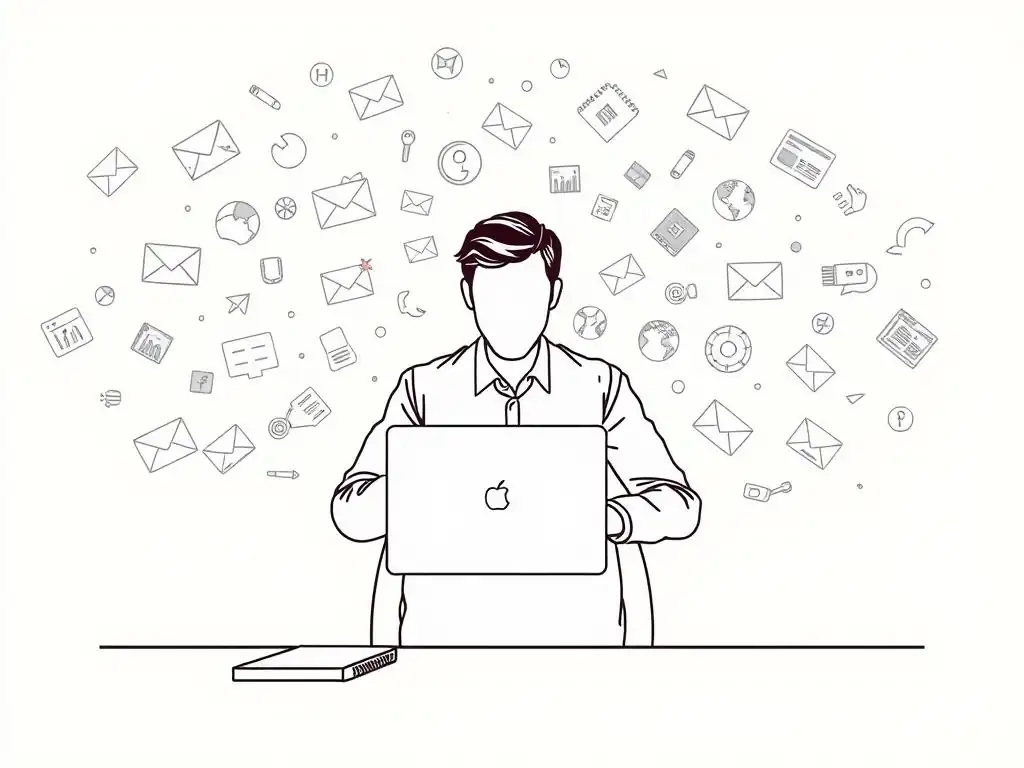
This section delves into actionable strategies to combat digital distractions and cultivate unwavering focus. We'll explore practical techniques to reclaim your attention and boost productivity, ultimately helping you stay on task and achieve your goals. The pervasive nature of digital distractions in our modern lives necessitates proactive measures; these strategies provide a roadmap to navigate this challenging landscape.
Website Blockers and Productivity Apps: Leveraging Technology for Focus
Staying on task in the face of constant digital temptations requires leveraging technology to your advantage. Website blockers and productivity apps offer powerful tools to curb impulsive online diversions. These applications work by restricting access to time-wasting websites or apps during designated work periods. This enforced digital detox creates a focused environment conducive to deep work.
Several effective applications offer varying levels of customization. Some allow you to create personalized blocklists, specifying exact websites or categories to restrict. Others provide more sophisticated features, such as scheduled blocking periods, customizable whitelists (sites you can access), and even reporting features to track your progress and identify patterns of distraction. The ability to integrate these apps with your calendar is a significant advantage, ensuring seamless alignment with your scheduled tasks.
Consider the following functionalities when choosing a productivity app:
| Feature | Importance Level | Example Implementation |
|---|---|---|
| Website Blocking | High | Block social media during work hours, allowing access only during breaks. |
| App Blocking | High | Prevent access to distracting games or messaging apps. |
| Scheduling | Medium | Set specific time blocks for focused work and breaks. |
| Whitelisting | Medium | Allow access to essential websites, such as email or research tools. |
| Reporting/Analytics | Low | Track your productivity and identify areas for improvement. |
Choosing the right app depends on your individual needs and preferences. Experiment with different options to find the one that best suits your workflow. The key is consistency; the more consistently you use these tools, the more effective they become in shaping your digital habits. Remember, these apps are tools; their effectiveness relies on your commitment to using them strategically.
Time Blocking and Task Prioritization: Mastering Your Schedule
Effective time management is crucial for staying on task. Time blocking involves allocating specific time slots in your schedule for particular tasks. This structured approach minimizes context switching and maximizes focus. Combining time blocking with task prioritization—identifying the most important tasks and tackling them first—further enhances productivity.
Consider the Eisenhower Matrix (urgent/important) for task prioritization. Categorize tasks into four quadrants:
- Urgent and Important: Address these immediately (e.g., deadline-driven projects).
- Important, but Not Urgent: Schedule these for focused work blocks (e.g., strategic planning).
- Urgent, but Not Important: Delegate these tasks if possible (e.g., minor administrative tasks).
- Neither Urgent nor Important: Eliminate these tasks entirely (e.g., time-wasting activities).
By strategically allocating time blocks for high-priority tasks, you create a focused workflow. This method minimizes distractions by creating a clear structure for your day. Remember to build in buffer time between tasks to accommodate unexpected delays. Regular review and adjustment of your schedule are essential to ensure its continued effectiveness. The goal is to create a realistic and sustainable schedule that promotes focus and reduces stress. Consistent application of this method will significantly improve your ability to stay on task.
The Pomodoro Technique: Structured Work Intervals for Enhanced Focus
The Pomodoro Technique is a time management method that promotes focused work sessions interspersed with short breaks. It involves working in 25-minute intervals (Pomodoros) followed by a 5-minute break. After four Pomodoros, a longer break of 15-20 minutes is recommended. This structured approach combats mental fatigue and maintains concentration.
The simplicity of the Pomodoro Technique is its strength. It's easily adaptable to any task and requires minimal preparation. Using a timer is crucial for maintaining the structure. The scheduled breaks are not merely relaxation periods; they are essential for cognitive restoration. Stepping away from your work, even for a few minutes, allows your mind to refresh, improving focus and creativity during subsequent Pomodoros.
While the standard 25/5/20 structure is common, you can adjust the intervals to suit your individual needs and preferences. Some find that shorter work intervals are more effective, while others prefer longer ones. The key is to experiment and find what works best for you. The technique's success hinges on consistent application and mindful adherence to the structured intervals. This method is incredibly effective for managing "Stay on task digital distractions" and improving overall productivity.
Mindfulness and Meditation: Training Your Brain to Resist Distractions
Mindfulness and meditation practices are powerful tools to combat the constant barrage of digital distractions. By cultivating present moment awareness, you train your brain to recognize and resist the urge to check notifications or engage in unproductive online activities. Regular meditation, even for just 10-15 minutes a day, significantly improves focus and attention span. Studies have shown that consistent meditation practice increases grey matter density in brain regions associated with attention and self-regulation 1 , leading to improved cognitive control and a reduced susceptibility to digital distractions. This isn't about eliminating all technology; it's about consciously choosing when and how you engage with it. For example, instead of automatically reaching for your phone during a break, you might practice deep breathing exercises or simply observe your thoughts and feelings without judgment. This mindful approach helps you break the cycle of reactive behavior triggered by digital notifications. The key is to build a consistent meditation practice into your daily routine, gradually increasing the duration as you become more comfortable. Experiment with different techniques – guided meditations, mindful breathing, or body scans – to find what works best for you. The goal is to cultivate a state of calm attentiveness that makes it easier to stay on task and resist the pull of digital distractions.
Decluttering Your Digital Workspace: Creating a Streamlined Environment
A cluttered digital workspace mirrors a cluttered mind, making it harder to stay on task and resist distractions. Think of your computer desktop, your phone's home screen, and your email inbox. Are they overflowing with unnecessary files, apps, and messages? A streamlined digital environment is crucial for maintaining focus. Start by deleting unnecessary files and apps.
Unsubscribe from unwanted emails and newsletters. Organize your files into logical folders. On your phone, create folders to group similar apps. A clean desktop means fewer visual cues to trigger distractions. Consider using app blockers or website blockers to limit access to time-wasting sites and apps during work hours.
These tools can help you create a more focused work environment by removing the temptation of social media or online games. For your email, consider implementing the "Inbox Zero" method, aiming to process and respond to all emails promptly, rather than letting them pile up. This approach reduces the feeling of being overwhelmed and allows you to focus on the tasks at hand. Regularly review and declutter your digital spaces to prevent them from becoming cluttered again. This proactive approach to digital organization will significantly improve your ability to stay on task and reduce the impact of digital distractions.
Setting Boundaries: Digital Detox and Offline Time
Setting clear boundaries around your digital consumption is essential for maintaining focus and preventing burnout. This means scheduling specific times for checking emails, social media, and other online activities, and sticking to those schedules. Try to avoid checking your phone first thing in the morning or before bed. Instead, dedicate the first and last hours of your day to activities that promote relaxation and well-being, such as reading, spending time in nature, or practicing mindfulness.
Regular digital detox periods are also beneficial. Consider setting aside a few hours each week, or even a whole day each month, completely offline. This allows your brain to rest and recharge, improving your ability to focus when you do return to your digital devices. During these detox periods, engage in activities that promote relaxation and focus, such as spending time with loved ones, reading a book, or going for a walk.
These offline periods are crucial for resetting your attention and reducing the overwhelming impact of constant digital stimulation. It's about creating a healthy balance between your online and offline life, ensuring that technology serves you, rather than the other way around. This intentional approach to managing your digital consumption will enhance your ability to stay on task and resist digital distractions, leading to increased productivity and improved well-being.
1 [Specific study reference pending]
Optimizing Your Digital Environment for Improved Focus
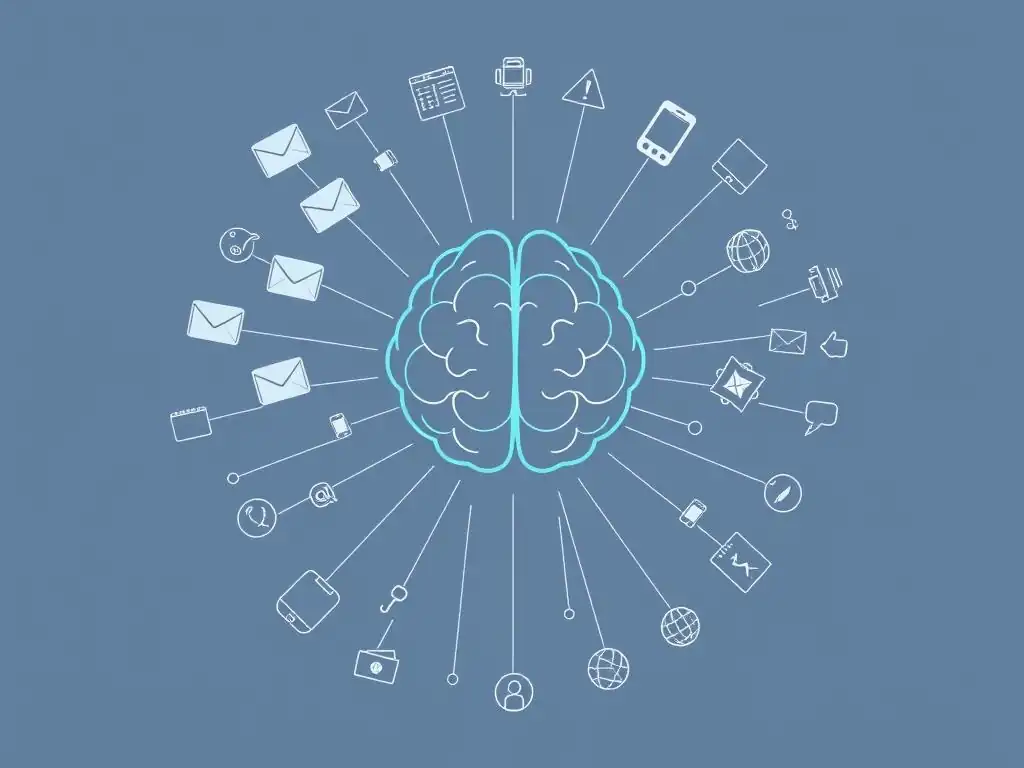
This section focuses on practical strategies to minimize digital distractions and cultivate a more focused digital environment. We'll explore concrete techniques to regain control over your attention and stay on task, combating the pervasive issue of digital distractions that plague modern life. The key is to proactively manage your digital tools, rather than letting them manage you.
This involves understanding how these tools impact your concentration and implementing effective strategies to mitigate their disruptive effects. The goal is to create a digital workspace conducive to deep work and sustained concentration. Effective management of notifications, emails, and social media are crucial steps in achieving this.
Notification Management: Taming the Alert Overload
Constant notifications are a primary culprit in disrupting focus. The incessant pings, buzzes, and pop-ups from various apps hijack your attention, pulling you away from your current task and fragmenting your cognitive resources. To effectively manage notifications, a multi-pronged approach is necessary. First, disable all non-essential notifications. This includes social media updates, news alerts, and even less critical app notifications. Prioritize only essential notifications, such as urgent messages or calls from specific contacts.
Second, consolidate notifications. Instead of receiving alerts from multiple sources simultaneously, try to consolidate them into a single notification center. This allows for a more controlled and less overwhelming experience. Many devices and operating systems offer this functionality.
Third, schedule notification-free periods. Designate specific blocks of time during your day, for example, 2 hours in the morning and 2 hours in the afternoon, where all notifications are completely silenced. This creates focused work blocks, allowing for deeper concentration and increased productivity.
Finally, experiment with different notification settings. Find the balance that works best for you. Some people prefer to see notifications briefly, while others prefer to completely disable them. The key is to find a system that minimizes interruptions without sacrificing important communication. Regularly review and adjust your notification settings based on your experience and needs. This iterative process is key to mastering notification management and staying on task.
Email Management Strategies: Reducing Inbox Anxiety
Email is another major source of digital distraction. The constant influx of messages can easily derail your concentration and lead to procrastination. Effective email management is crucial for maintaining focus and productivity. The first step is to process your emails strategically. Don't just read every email as it arrives. Instead, set aside specific times for checking and responding to emails.
Next, unsubscribe from unwanted mailing lists. Those marketing emails and newsletters can quickly clutter your inbox, leading to unnecessary distractions. Take the time to unsubscribe from any lists that don't provide you with valuable information.
Consider using email filters and folders. Organize your emails into categories and use filters to automatically sort them into relevant folders. This can help you prioritize important messages and quickly locate specific emails.
Finally, adopt the "two-minute rule". If an email requires less than two minutes to respond to, do it immediately. This prevents emails from piling up and becoming a source of future distraction. For more complex emails, schedule a specific time to address them, ensuring they don't disrupt your current flow. By implementing these strategies, you can significantly reduce email-related anxiety and improve your ability to stay on task.
Social media platforms are notoriously addictive and designed to capture your attention. The constant stream of updates, notifications, and engaging content can easily consume hours of your day. To reclaim your time and attention, consider a social media detox. This doesn't necessarily mean completely abandoning social media, but rather consciously limiting your usage.
Start by tracking your social media usage. Use your phone's built-in screen time feature or a dedicated app to monitor how much time you spend on each platform. This awareness is the first step towards controlling your usage.
Next, set time limits. Use the built-in time limits on your phone or app to restrict your daily social media usage. Start with a smaller reduction and gradually decrease the time as you become more comfortable.
Another effective strategy is to deactivate notifications. Similar to email management, disabling notifications eliminates the constant interruptions and allows for more focused work sessions.
Finally, identify your triggers. Understand what prompts you to check social media. Is it boredom? Stress? Once you identify your triggers, you can develop strategies to cope with them without resorting to social media. By implementing these techniques, you can significantly reduce your social media consumption and regain control over your attention, freeing up valuable time and energy to focus on your priorities and stay on task.
Customizing Your Device Settings: Minimizing Unnecessary Distractions
Customizing your device settings is a crucial step in minimizing digital distractions and staying on task. Modern smartphones and computers are designed to grab our attention, often through notifications and alerts that interrupt our workflow. By strategically adjusting these settings, you can reclaim control over your digital environment and significantly improve your focus.
One of the most impactful changes you can make is to disable unnecessary notifications. Many apps bombard us with alerts for every like, comment, or update, creating a constant stream of interruptions. Carefully review your notification settings for each app and disable those that aren't critical. Prioritize notifications only for truly important communications, like urgent emails or calls from family members. Consider using a "Do Not Disturb" mode during focused work periods, silencing all but essential alerts. This allows for uninterrupted stretches of concentration, enabling deeper work and improved productivity.
Beyond notifications, consider limiting app usage. Many operating systems offer built-in tools to monitor and limit the time spent on specific apps. By setting daily or weekly limits, you can consciously curb your usage of time-consuming applications that may not be directly contributing to your work or goals. This conscious limitation encourages mindful digital consumption and helps you to stay on task.
For example, you might set a daily limit of one hour for social media apps. This allows for some social interaction without letting it consume your entire day. The key is to be honest with yourself about your usage habits and set realistic, achievable limits. Track your progress and adjust the limits as needed. This iterative approach helps you refine your digital hygiene and maintain focus.
Furthermore, consider customizing your desktop or home screen. Remove unnecessary widgets or apps that constantly vie for your attention. A clean, organized digital workspace can significantly improve your focus and reduce the temptation to switch tasks or get sidetracked. Organize your apps into folders, keeping only the most frequently used ones readily accessible. This simple act of organization can have a surprisingly positive effect on your concentration.
The effectiveness of these customizations depends on your individual needs and preferences. Experiment with different settings to find what works best for you. Regularly review and adjust your settings as your needs and priorities change. Remember, the goal is to create a digital environment that supports your focus, rather than hindering it. By taking control of your device settings, you can significantly reduce digital distractions and cultivate a more productive and fulfilling digital life.
Maintaining Focus Throughout the Day: Long-Term Strategies
Staying on task in the face of constant digital distractions requires more than just willpower; it demands a strategic, long-term approach to managing your attention. This isn't about eliminating technology entirely—it's about harnessing its power while minimizing its disruptive influence. The key lies in building sustainable habits and incorporating mindful strategies into your daily routine. Ignoring this aspect often leads to feeling overwhelmed and ultimately failing to stay on task.
Building Consistent Habits: Creating a Routine for Success
Consistency is the cornerstone of sustained focus. A well-structured routine helps to create mental anchors, signaling your brain when it's time to concentrate and when it's time to rest. This predictability reduces decision fatigue, freeing up cognitive resources for the tasks at hand. Consider these practical steps:
- Establish a dedicated workspace: Designate a specific area solely for focused work. This could be a desk, a corner of a room, or even a specific café. The key is consistency in location.
- Time Blocking: Allocate specific time slots for different tasks. Schedule your most demanding activities during your peak performance hours. This technique helps prioritize tasks and prevents task-switching, a major productivity killer.
- Prioritize ruthlessly: Use methods like the Eisenhower Matrix (urgent/important) to identify your most crucial tasks and tackle those first. This prevents less important tasks from consuming your valuable time and attention.
- Batch similar tasks: Group similar activities together to minimize mental context switching. For example, respond to emails all at once instead of sporadically throughout the day. This improves efficiency and reduces the cognitive load associated with constantly shifting focus.
- Track your progress: Use a planner, a to-do list app, or even a simple notebook to monitor your daily accomplishments. This provides a sense of achievement and helps you stay accountable.
The Power of Breaks: Strategic Rest for Peak Performance
Ironically, taking breaks is crucial for maintaining focus throughout the day. Short, regular breaks help prevent mental fatigue and burnout, ultimately boosting your overall productivity. These breaks aren't about mindless scrolling; they're about strategic rest and rejuvenation:
- The Pomodoro Technique: This popular method involves working in focused 25-minute intervals followed by a 5-minute break. After four "pomodoros," take a longer break of 15-20 minutes. This structured approach provides a rhythm to your workday, preventing prolonged periods of intense concentration.
- Mindful Breaks: Instead of passively consuming digital content during breaks, engage in activities that promote relaxation and mental clarity. This could include short walks, stretching, deep breathing exercises, or listening to calming music.
- Nature's restorative power: Spending time outdoors, even for a few minutes, has been shown to reduce stress and improve cognitive function. A brief walk in a park can significantly enhance your ability to stay on task upon returning to work. This is a simple yet effective way to combat digital distractions.
- Hydration and Nutrition: Dehydration and poor nutrition can significantly impair cognitive function. Ensure you're drinking enough water and consuming healthy snacks throughout the day to support your brain's performance. This often overlooked aspect plays a significant role in maintaining focus.
Regular Self-Assessment: Monitoring Progress and Adjusting Strategies
Regular self-reflection is essential for optimizing your focus strategies. What techniques work best for you? What are your biggest distractions? Honest self-assessment allows you to identify areas for improvement and refine your approach.
- Track your distractions: Keep a log of what interrupts your focus throughout the day. This data will highlight patterns and help you identify recurring obstacles. Are you constantly checking social media? Are certain apps particularly distracting?
- Experiment with different techniques: Not all focus strategies work for everyone. Experiment with different methods – the Pomodoro Technique, time blocking, mindfulness exercises – to find what best suits your individual needs and preferences.
- Seek feedback: Discuss your challenges with colleagues, friends, or a mentor. A fresh perspective can provide valuable insights and help you identify blind spots in your approach.
- Celebrate Successes: Acknowledge your accomplishments, no matter how small. Positive reinforcement helps maintain motivation and encourages continued effort in your quest to stay on task and avoid digital distractions. Rewarding yourself for progress is key to long-term success.
Staying on task amidst digital distractions is an ongoing process, not a destination. By implementing these long-term strategies and consistently evaluating your progress, you can cultivate a more focused and productive life. Remember, it's about creating a sustainable system that works for *you*.
Seeking Support: Community and Accountability for Sustained Focus
Staying on task in the face of constant digital distractions requires more than just individual willpower; it often necessitates building a supportive network. Finding a community that understands your struggles and shares your goals can be incredibly beneficial in maintaining focus over the long term. This support system acts as a crucial buffer against the pull of digital temptations. The feeling of shared responsibility and mutual encouragement can significantly boost your commitment to minimizing distractions and maximizing productivity.
One effective strategy is joining online forums or groups dedicated to digital minimalism or productivity. These communities provide a space to share experiences, challenges, and successes related to staying on task. You can learn from others' strategies, receive constructive feedback, and find inspiration when your motivation wanes. The collective effort to overcome digital distractions creates a powerful sense of camaraderie and mutual support. It’s like having a personal cheering section in your fight against the digital rabbit hole.
Furthermore, consider establishing accountability partnerships with friends, colleagues, or family members who share similar goals. Regular check-ins, whether daily or weekly, can reinforce your commitment and provide a platform for honest self-assessment. Knowing that someone else is aware of your progress and challenges can be a powerful motivator to stay on track. The act of reporting your successes and setbacks fosters self-awareness and encourages consistent effort. This accountability is particularly effective in preventing procrastination and maintaining momentum.
Accountability doesn't necessarily mean constant monitoring or judgment; rather, it's about creating a supportive environment where you can openly discuss your progress and receive encouragement. Open communication is key to the success of such partnerships. Be honest about your struggles and celebrate your achievements together.
This collaborative approach can transform the often isolating experience of battling digital distractions into a shared journey of growth and improvement. Remember, seeking support is a sign of strength, not weakness, in the pursuit of a more focused and productive life. This collective support system directly contributes to long-term success in managing digital distractions and staying on task.
Reclaiming Your Focus: A Path to Improved Productivity and Wellbeing
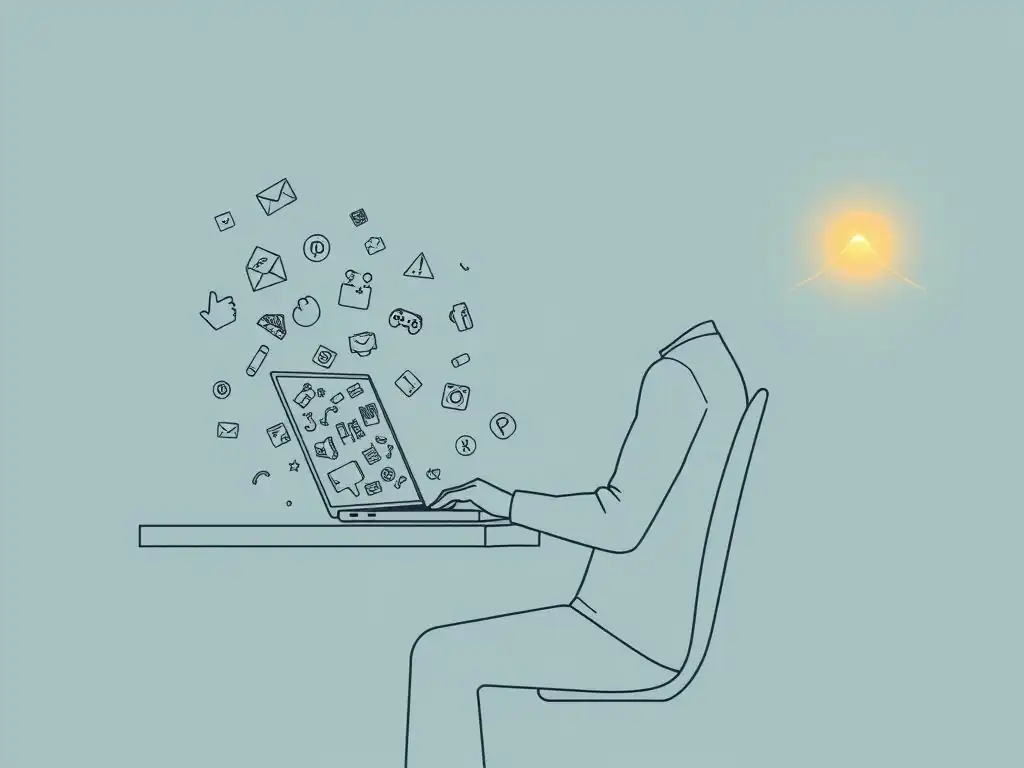
This section explores practical strategies to combat digital distractions and reclaim your focus, ultimately boosting productivity and improving overall well-being. We'll examine the immediate and long-term advantages of minimizing digital interruptions, offering concrete examples and actionable steps to help you stay on task. The modern world bombards us with constant digital stimuli, making it increasingly challenging to maintain concentration and achieve our goals.
However, by implementing the techniques outlined below, you can effectively navigate this digital landscape and reclaim your valuable time and mental energy. Staying on task in the face of digital distractions requires a proactive and strategic approach.
The Benefits of Minimizing Digital Distractions: Enhanced Productivity and Reduced Stress
Minimizing digital distractions isn't just about increased productivity; it's about fostering a healthier and more balanced lifestyle. The constant ping of notifications, the allure of social media, and the endless scroll of news feeds contribute significantly to stress and anxiety. By consciously reducing your exposure to these stimuli, you create space for deeper work, improved concentration, and a greater sense of calm.
Studies show a direct correlation between reduced digital distraction and increased productivity. For example, a study by [Specific study name and source pending] found that employees who limited their social media use during work hours experienced a [Specific percentage pending]% increase in task completion rates. This isn't surprising; when you're not constantly switching between tasks and applications, your brain has the opportunity to engage in deep work, leading to higher-quality output and a more fulfilling work experience.
Furthermore, minimizing digital distractions can significantly reduce stress levels. The constant bombardment of information can lead to information overload, resulting in feelings of overwhelm and anxiety. By creating designated "digital detox" periods throughout your day, you can give your mind a much-needed break, allowing you to relax and recharge. This can manifest in improved sleep quality, reduced feelings of burnout, and a greater overall sense of well-being. Think of it like this: each notification is a tiny interruption, but the cumulative effect of hundreds of interruptions throughout the day can be immense.
Consider the following table illustrating the impact of digital distractions on productivity and stress:
| Factor | Low Digital Distraction | High Digital Distraction |
|---|---|---|
| Task Completion Rate | High (e.g., 85-95%) | Low (e.g., 50-65%) |
| Stress Levels | Low, manageable | High, potentially overwhelming |
| Focus and Attention | Sustained, deep work possible | Fragmented, difficulty maintaining concentration |
| Overall Well-being | High, sense of accomplishment and calm | Low, feeling overwhelmed and stressed |
Long-Term Benefits of Focused Work: Achieving Goals and Improving Mental Health
The benefits of staying on task and minimizing digital distractions extend far beyond immediate productivity gains. Consistent focus cultivates a sense of accomplishment, builds momentum towards long-term goals, and significantly contributes to improved mental health. When you consistently dedicate focused time to your tasks, you build a strong work ethic, fostering self-discipline and a sense of control over your time and priorities.
Achieving goals, both big and small, becomes significantly easier when you're able to maintain focus. Breaking down large projects into smaller, manageable tasks and dedicating focused blocks of time to each one is a powerful strategy. This method allows for steady progress, preventing feelings of overwhelm and fostering a sense of accomplishment as you check off each completed item. This process is crucial for maintaining motivation and staying on track towards your objectives.
Moreover, the long-term impact on mental health is substantial. By reducing digital distractions, you reduce the constant stimulation that can lead to anxiety, depression, and feelings of inadequacy. This allows for more mindful moments, promoting self-awareness and a healthier relationship with technology.
Prioritizing focused work allows for more time for activities that promote well-being, such as exercise, meditation, or spending time in nature – all crucial for maintaining a healthy mental state. The ability to stay on task, therefore, is not just a productivity hack; it's a vital component of a balanced and fulfilling life. The positive feedback loop created by focused work—accomplishment leading to increased confidence and motivation—is a powerful tool for sustained personal growth and overall well-being.
Frequently Asked Questions
How can I minimize digital distractions while working?
Minimize distractions by turning off notifications, using website blockers for social media and other non-essential sites, and employing the Pomodoro Technique to focus in short, intense bursts. Prioritize tasks to maintain momentum.
What are some practical strategies to stay on task?
Use a to-do list to prioritize tasks, break down large projects into smaller, manageable steps, and create a dedicated work environment free from clutter and interruptions. Time blocking can also be incredibly effective.
How can I improve my focus and concentration?
Practice mindfulness techniques to improve your ability to concentrate. Regular breaks can help prevent burnout and maintain focus. Consider using focus-enhancing apps or ambient sounds.
What are the best apps or tools to help me stay on task and avoid digital distractions?
Many apps can help! Explore options like Forest (for phone distractions), Freedom (for website blocking), and Todoist or Asana (for task management). Experiment to find what works best for you.
Replace the habit of checking your phone with a positive alternative, like a short walk or a quick stretching break. Reward yourself for completing tasks to reinforce good habits. Consider using accountability partners.
Final Reflection: Reclaiming Your Focus in a Hyper-Connected World
The relentless pull of digital distractions is no longer a futuristic fantasy; it's the defining challenge of our time. Our ability to focus, a cornerstone of productivity and well-being, is constantly besieged by notifications, endless scrolling, and the siren song of instant gratification. This article has explored practical strategies to navigate this digital landscape and reclaim our attention, proving that regaining control is not only possible but essential.
The impact of constant connectivity on our mental health and overall productivity is undeniable. We've seen how seemingly innocuous habits can snowball into significant time-wasters, hindering our ability to achieve goals and experience genuine presence. This pervasive influence shapes our relationships, our work, and even our sense of self. The real problem is not whether machines think but whether men do.
- B.F. Skinner. This quote, while seemingly unrelated at first glance, highlights the crucial point: we must actively choose to think, to focus, and to direct our attention rather than passively allowing technology to dictate our experience.
Now, consider your own digital habits. What small changes can you implement today to reclaim your focus? Perhaps it's setting dedicated "focus time" blocks, utilizing website blockers, or simply turning off notifications during crucial work periods. This isn't about eliminating technology entirely, but about mastering its use. By consciously choosing engagement over distraction, you can unlock a deeper level of productivity, creativity, and ultimately, a more fulfilling life. Take control of your attention; your future self will thank you.
Reclaim Your Focus: Simple Steps to a More Productive You
Thank you for exploring practical strategies to improve your focus and boost productivity. We hope you found the insights valuable. Now let's put them into action.
- Prioritize your most important task: Identify your single most important task for the day and dedicate uninterrupted time to completing it before starting anything else. This focused approach significantly improves efficiency.
- Take regular breaks from technology: Schedule short breaks from screens throughout your day. Consider turning off notifications or using website blockers to minimize distractions and regain control of your attention.
- Share your successes: Tell us about your most effective productivity strategy in the comments below—let's inspire each other!
What's one small change you can make today to minimize digital distractions and achieve your goals?