
The Future of Communication: Stay Ahead with These Innovative Strategies


Ready to unlock a world of effortless efficiency and reclaim your precious time? UltimateLifeHacks is your gateway to a more productive and fulfilling life. We're diving deep into the Digital Workflow category today, exploring the fascinating landscape of future communication innovative strategies. Discover how these cutting-edge techniques can revolutionize your interactions and propel you towards a brighter, more connected tomorrow. Are you ready to learn the secrets? Let's get started!
- Understanding the Evolving Landscape of Communication
- Innovative Strategies for Future-Proof Communication
- Building a Robust Communication Strategy for the Future
- Future-Proofing Your Digital Workflow: Practical Tips
-
Frequently Asked Questions
- What innovative communication strategies are predicted for the future?
- How will AI impact future communication methods?
- What role will virtual and augmented reality play in future communication?
- How can businesses prepare for these future communication changes?
- What are some examples of already emerging innovative communication strategies?
- Final Reflection: Shaping Tomorrow's Conversations
- Unlock Your Communication Potential: Level Up Your Skills Today!
Understanding the Evolving Landscape of Communication
The way we communicate is undergoing a radical transformation. The rapid advancement of technology, coupled with shifting societal norms and expectations, is creating a dynamic and complex communication landscape. This article explores the "future of communication," focusing on innovative strategies to stay ahead in this ever-evolving environment. We'll delve into the transition from traditional methods to digital channels, examine emerging technologies like AI and their impact, and highlight the critical role of adaptability in crafting effective modern communication strategies.
Mastering these strategies is not merely beneficial; it's essential for personal and professional success in today's hyper-connected world. Understanding this shift is crucial for anyone looking to optimize their digital workflow and boost productivity. This guide provides actionable insights and practical tips to navigate this exciting, yet challenging, new era of communication.
The Shift from Traditional to Digital Communication Channels
The 21st century has witnessed a dramatic decline in the reliance on traditional communication methods. Remember the days of relying solely on snail mail, landlines, and fax machines? While these still hold niche applications, the dominance of digital channels is undeniable. This shift has been fueled by several key factors:
- Increased accessibility and speed: Email, instant messaging, and video conferencing allow for near-instantaneous communication across geographical boundaries.
- Cost-effectiveness: Digital communication often significantly reduces costs compared to traditional methods, particularly for businesses.
- Enhanced collaboration: Tools like project management software and shared document platforms facilitate seamless collaboration among team members, regardless of location.
- Improved efficiency: Digital communication streamlines workflows, allowing for faster response times and increased productivity.
This transition isn't simply about replacing old methods with new ones; it’s about integrating digital tools strategically to optimize efficiency and effectiveness. For example, consider the shift from formal business letters to concise, efficient emails, or the impact of video conferencing on reducing the need for costly and time-consuming business trips. The effective integration of these tools can dramatically improve a digital workflow.
Emerging Technologies Reshaping Communication: AI and Beyond
The future of communication is being shaped by the rapid development and integration of artificial intelligence (AI) and related technologies. These advancements are revolutionizing how we interact and exchange information:
- AI-powered chatbots: These automated systems provide instant customer support, answer frequently asked questions, and even personalize user experiences.
- Natural language processing (NLP): NLP enables computers to understand, interpret, and generate human language, leading to more intuitive and human-like interactions.
- Machine translation: AI-powered translation tools break down language barriers, facilitating global communication.
- Predictive text and auto-completion: These features enhance communication speed and efficiency by anticipating user needs.
Moreover, advancements in virtual and augmented reality (VR/AR) are poised to further transform communication, offering immersive and interactive experiences. The implications of these technologies are vast, impacting everything from customer service and marketing to education and healthcare. The effective adoption and integration of these technologies are crucial for businesses and individuals looking to stay competitive in the future.
The Importance of Adaptability in Modern Communication Strategies
In this rapidly evolving landscape, adaptability is no longer a desirable trait—it's a necessity. The strategies that work today might be obsolete tomorrow. To stay ahead, individuals and organizations must embrace a culture of continuous learning and innovation:
- Staying updated on emerging technologies: Regularly researching and experimenting with new communication tools is essential to maintain a competitive edge.
- Embracing diverse communication styles: Understanding and adapting to different communication preferences and styles is key to effective interaction.
- Prioritizing clear and concise communication: In a world saturated with information, clarity and conciseness are paramount.
- Developing strong digital literacy skills: Proficiency in using various digital communication tools and platforms is crucial.
Adaptability also involves being open to feedback and continuously refining communication strategies based on performance data and user experience. By embracing a flexible and responsive approach, individuals and organizations can navigate the ever-changing communication landscape and effectively harness the power of innovative strategies. This proactive approach is crucial for maximizing efficiency and ensuring success in the future of communication.
Innovative Strategies for Future-Proof Communication

The future of communication hinges on embracing innovative strategies that enhance efficiency, personalize interactions, and streamline workflows. This section explores several key areas where technological advancements are reshaping how we connect and share information, ultimately impacting productivity and effectiveness. Mastering these strategies will be crucial for individuals and businesses alike to thrive in the increasingly digital landscape. We'll examine how the evolution of communication is not just about speed, but also about depth, personalization, and impactful delivery. The keyword "Future communication innovative strategies" is central to understanding and implementing these advancements.
Leveraging AI for Enhanced Communication Efficiency
Artificial intelligence (AI) is rapidly transforming the communication landscape, offering powerful tools to boost efficiency and improve overall communication effectiveness. AI's ability to process vast amounts of data and learn from patterns allows for automation and personalization previously unimaginable. This allows us to focus on higher-level tasks and strategic decision-making, rather than being bogged down in repetitive processes. Adopting AI-driven solutions is a key component of any future-proof communication strategy.
AI-Powered Chatbots for Customer Service and Support
AI-powered chatbots are revolutionizing customer service and support. These intelligent virtual assistants can handle a wide range of inquiries, providing instant responses and resolving issues 24/7. This not only improves customer satisfaction but also frees up human agents to focus on more complex tasks. Data shows a significant reduction in customer service wait times and improved response rates with the implementation of effective AI chatbots. For example, one study showed a 40% reduction in average resolution time after implementing an AI-powered chatbot system. The ability to handle a large volume of simultaneous conversations makes them a highly scalable solution for businesses of all sizes.
AI-Driven Content Creation and Personalization
AI is also making significant strides in content creation and personalization. AI-powered tools can generate various content formats, from marketing copy and social media posts to email newsletters and website articles. Moreover, AI algorithms can analyze audience data to create personalized content that resonates with individual preferences, leading to increased engagement and conversion rates. This targeted approach is far more effective than a blanket approach, ensuring your message reaches the right audience in the most effective way. The future of content marketing will undoubtedly be heavily influenced by AI's ability to tailor content at scale.
Harnessing the Power of Visual Communication
In an increasingly visual world, harnessing the power of visual communication is paramount. Visuals are processed faster by the brain than text, making them highly effective for conveying complex information quickly and engagingly. Integrating visual elements into your communication strategy is key to standing out in a crowded digital landscape and ensuring your message resonates effectively.
Infographics and Data Visualization for Clearer Messaging
Infographics and data visualization techniques transform complex data into easily digestible visual formats. By using charts, graphs, and other visual elements, you can communicate key insights and trends in a clear and concise manner, making information more accessible and engaging for your audience. This approach is particularly useful for presenting research findings, market analyses, or complex processes. Consider the impact of a well-designed infographic compared to a lengthy text-based report; the infographic is likely to be far more memorable and easily shared.
The Rise of Short-Form Video and its Impact on Engagement
Short-form video is experiencing explosive growth, with platforms like TikTok and Instagram Reels dominating social media. Short, engaging videos are highly effective for capturing attention and conveying information quickly. This format allows for creative storytelling, demonstrating products or services, and building a strong brand presence. The ability to create easily digestible content in a visually appealing format makes short-form video a powerful tool for reaching and engaging a wider audience.
The use of short, impactful videos in communication strategies is crucial for future success. Data suggests that video content has a significantly higher engagement rate compared to other forms of content. 📈
Mastering the Art of Omnichannel Communication
Omnichannel communication represents a significant leap forward in how businesses and individuals connect. It's no longer sufficient to rely on a single communication channel; instead, the future of communication lies in integrating multiple platforms seamlessly to create a cohesive and personalized experience. This holistic approach acknowledges that consumers interact with brands and individuals across various touchpoints—from email and social media to messaging apps and in-person interactions—and aims to unify these experiences. Effective omnichannel strategies require a deep understanding of the customer journey and a commitment to consistent branding across all channels.
Failing to provide a unified experience can lead to frustration and lost opportunities. A successful omnichannel strategy ensures that regardless of how a customer chooses to interact, the experience feels consistent, personalized, and efficient. This requires careful planning, sophisticated technology, and a dedicated team focused on delivering a cohesive brand message.
The payoff, however, is significant: increased customer loyalty, improved brand perception, and ultimately, higher conversion rates. Companies that master omnichannel communication will be better positioned to thrive in the increasingly competitive digital landscape. Think of it as orchestrating a symphony of communication, where each instrument (channel) plays its part to create a harmonious whole.
Integrating Multiple Channels for Seamless User Experience
A key aspect of mastering omnichannel communication is ensuring a seamless user experience across all channels. This means that a customer's interaction on one platform should seamlessly translate to another. For example, if a customer starts a conversation on WhatsApp, they should be able to continue that conversation effortlessly via email or phone without repeating their information or experiencing any disruption. This requires sophisticated technology capable of integrating various platforms and maintaining a consistent customer profile across all channels.
Data synchronization is crucial; information like purchase history, communication preferences, and past interactions should be readily accessible regardless of the channel. Furthermore, the user interface across different platforms should be consistent and intuitive, minimizing the learning curve for the user. Consider the frustration of switching between platforms only to find different layouts, confusing navigation, or inconsistent branding.
A truly seamless experience eliminates these pain points, creating a positive and efficient interaction. This seamless integration fosters trust and loyalty, encouraging customers to engage more deeply with the brand or individual. Ultimately, a seamless experience leads to greater satisfaction and increased efficiency for both parties involved.
Personalized Messaging Across Different Platforms
Personalization is the cornerstone of effective omnichannel communication. The future of communication is not about broadcasting generic messages; it's about delivering tailored content that resonates with individual needs and preferences. This requires collecting and analyzing customer data to understand their behaviors, preferences, and pain points. This data can then be used to personalize messaging across different platforms, creating a more engaging and relevant experience.
For instance, an e-commerce platform might send personalized product recommendations via email based on a customer's browsing history, while simultaneously offering targeted advertising on social media based on their demographics and interests. The key is to maintain a consistent brand voice while adapting the message to the specific channel and individual. Using data responsibly and ethically is crucial; customers must be informed about how their data is collected and used, and their privacy must be respected.
Personalization shouldn't feel intrusive; rather, it should enhance the user experience by providing relevant information and offers. Mastering personalized messaging across platforms is key to building strong customer relationships and driving engagement in the future of communication. The ability to deliver hyper-targeted messages will be a defining factor for success in the increasingly competitive digital landscape.
Building a Robust Communication Strategy for the Future
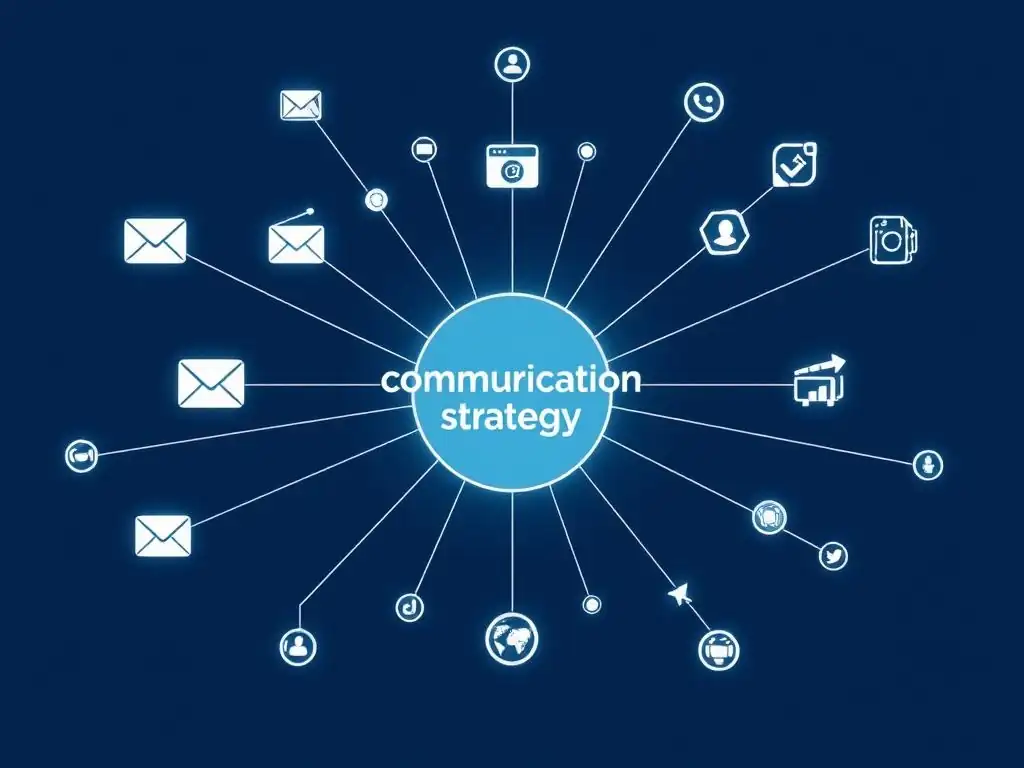
The future of communication hinges on adaptability, leveraging technology, and a deep understanding of evolving audience needs. A robust strategy isn't just about choosing the right tools; it's about building a flexible framework that can handle unforeseen changes and consistently deliver effective messaging. This requires a proactive approach, anticipating trends and proactively adjusting your communication methods. For example, the rise of short-form video content necessitates incorporating platforms like TikTok and Instagram Reels into your strategy, even if your primary audience isn't primarily Gen Z.
Understanding how different demographics consume information is crucial for tailoring your message effectively. Ignoring these changes means risking irrelevance and a diminished reach. The key is to remain agile, constantly testing and refining your approach based on data and feedback. This iterative process ensures your communication strategy remains relevant and impactful in the ever-shifting digital landscape.
Prioritizing Data-Driven Decision Making in Communication
Effective communication in the future demands a shift from gut feelings to data-driven insights. This means moving beyond anecdotal evidence and embracing a culture of measurement and analysis. By tracking key metrics, organizations can gain a clear understanding of what's working and what's not, allowing for informed adjustments and continuous improvement. This data-centric approach allows for the optimization of various aspects, from message frequency and channel selection to content format and tone.
Analyzing Communication Metrics for Continuous Improvement
Analyzing communication metrics isn't a one-time task; it's an ongoing process. Regularly reviewing key performance indicators (KPIs) such as open rates, click-through rates, engagement levels, and conversion rates provides valuable feedback. For instance, a consistently low open rate for email newsletters might indicate a need to refine subject lines or segmentation strategies. Similarly, low click-through rates on website articles could point to issues with content relevance or call-to-action design.
By meticulously tracking these metrics and identifying trends, organizations can pinpoint areas for improvement and refine their communication approach for optimal results. This iterative approach ensures that the communication strategy remains highly effective and aligned with evolving audience needs. The process should include regular reporting and analysis sessions to evaluate progress and make necessary adjustments.
Using Analytics to Understand Audience Preferences and Behavior
Understanding audience preferences is paramount in crafting effective communication. Analytics tools provide invaluable insights into audience demographics, interests, and behavior. This information allows for the creation of highly targeted messages that resonate with specific segments, maximizing engagement and impact. For example, analyzing website traffic data can reveal which content performs best, informing future content creation and ensuring resources are allocated effectively.
Social media analytics can similarly show which platforms and content formats are most popular among target audiences, allowing for optimized social media strategies. The ability to personalize communication based on individual preferences is also a powerful tool, leading to increased engagement and stronger relationships with customers. This data-driven approach ensures resources are used efficiently and that communication efforts are aligned with audience needs, maximizing their effectiveness.
Fostering Collaboration and Teamwork in Digital Environments
Effective communication isn't a solo endeavor; it thrives on collaboration and teamwork. In today's increasingly digital world, fostering a culture of collaboration is crucial for success. This requires the adoption of effective tools and strategies that facilitate seamless communication and information sharing across teams and departments. This is particularly critical for organizations with geographically dispersed teams.
Utilizing Collaborative Tools for Enhanced Productivity
Modern collaborative tools are essential for efficient communication and teamwork. Tools like Slack, Microsoft Teams, and Google Workspace offer a range of features designed to streamline workflows and boost productivity. These platforms allow for real-time communication, file sharing, project management, and video conferencing, facilitating seamless collaboration regardless of location.
For example, using shared project management tools allows team members to track progress, assign tasks, and share updates easily, minimizing miscommunication and delays. Regular online meetings, facilitated by video conferencing tools, can also foster a sense of team cohesion and facilitate brainstorming and problem-solving. The selection of the right tools depends on the specific needs of the organization and should be carefully considered to ensure optimal functionality and user adoption.
Building a Strong Company Culture of Open Communication
Building a strong company culture of open communication goes beyond simply using the right tools. It requires a conscious effort to create an environment where employees feel comfortable sharing ideas, providing feedback, and expressing concerns. This involves establishing clear communication channels, encouraging open dialogue, and actively soliciting feedback from employees at all levels. Regular town hall meetings, employee surveys, and anonymous feedback mechanisms can help foster a culture of transparency and trust.
Leadership plays a crucial role in setting the tone for open communication, modeling the desired behavior and actively promoting a culture of collaboration and mutual respect. A positive and supportive communication environment significantly contributes to improved employee morale, increased productivity, and overall success. This is especially important for fostering innovation and adaptability in the face of rapid technological advancements in the field of "Future communication innovative strategies".
Embracing Continuous Learning and Adaptation in the Digital Age
The digital landscape is in constant flux. New communication technologies and platforms emerge at an astonishing rate, rendering yesterday's best practices obsolete surprisingly quickly. To build a truly robust communication strategy for the future, organizations must cultivate a culture of continuous learning and adaptation. This isn't just about staying informed; it's about proactively seeking out new knowledge and integrating it into existing workflows.
Failure to adapt risks stagnation and irrelevance in a highly competitive environment. Companies that actively embrace change, on the other hand, are better positioned to capitalize on emerging opportunities and maintain a competitive edge. This adaptability extends beyond simply adopting new tools; it also involves refining communication strategies based on data analysis and user feedback.
A successful approach involves iterative testing and refinement, ensuring that communication efforts are consistently optimized for effectiveness. Ignoring this crucial aspect of future communication can lead to missed opportunities, decreased engagement, and ultimately, reduced success. The ability to learn, unlearn, and relearn is paramount in the fast-paced world of digital communication.
Staying Updated on Emerging Communication Technologies and Trends
Staying ahead of the curve requires a dedicated effort to monitor emerging communication technologies and trends. This isn't a passive activity; it demands active participation in relevant industry forums, attending webinars and conferences, and engaging with thought leaders in the field. Subscribing to industry newsletters, following key influencers on social media, and regularly reviewing relevant publications are all vital components of this process. Analyzing competitor strategies and identifying best practices within the industry also provides valuable insights.
Moreover, understanding the evolving needs and preferences of your target audience is crucial. Are they migrating to new platforms? Are their communication habits changing?
Answering these questions informs strategic decisions about which technologies to adopt and how to best utilize them. By actively tracking these shifts, organizations can ensure their communication strategy remains relevant and effective, maximizing reach and engagement. Ignoring this constant evolution can lead to a communication strategy that quickly becomes outdated and ineffective.
Investing in Employee Training and Development in Communication Skills
A robust communication strategy is only as effective as the people who implement it. Investing in employee training and development is crucial for equipping your workforce with the skills needed to navigate the complexities of future communication. This includes training on new technologies, such as AI-powered communication tools, as well as enhancing fundamental communication skills like active listening, clear and concise writing, and effective presentation techniques.
Training programs should be tailored to specific roles and responsibilities, ensuring employees receive the most relevant and impactful instruction. Regular refresher courses and workshops can help maintain proficiency and keep employees abreast of the latest best practices. Furthermore, fostering a collaborative environment where employees can share knowledge and best practices amongst themselves accelerates the learning process and strengthens the overall communication capabilities of the team.
This investment in human capital is not just a cost; it is a strategic investment that yields significant returns in improved communication effectiveness, stronger team cohesion, and enhanced organizational performance. Neglecting this aspect can lead to inconsistent messaging, communication breakdowns, and ultimately hinder the success of the overall communication strategy.
Future-Proofing Your Digital Workflow: Practical Tips

The digital landscape is constantly evolving, demanding that we adapt our communication strategies to remain efficient and competitive. Future communication innovative strategies require a proactive approach, focusing not just on the what of communication but the how. This section delves into practical tips for future-proofing your digital workflow, ensuring seamless and secure communication for years to come. We'll explore methods to streamline processes, enhance security, and ultimately, boost productivity.
Streamlining Communication Processes for Maximum Efficiency
Effective communication is the cornerstone of a productive digital workflow. However, inefficient processes can quickly lead to bottlenecks and wasted time. Implementing strategic changes can significantly improve your team's communication flow. Consider the following:
Automating Repetitive Tasks to Free Up Time
Automating repetitive tasks is crucial for optimizing your digital workflow. Imagine the time saved by automating email responses to frequently asked questions or scheduling social media posts in advance. Tools like Zapier and IFTTT allow you to connect various applications and automate workflows, freeing up valuable time for more strategic tasks.
For example, automatically forwarding specific emails to designated team members based on keywords can drastically reduce manual sorting and routing. This not only saves time but also minimizes the risk of miscommunication due to missed emails. Quantifying this time saved can be tricky, but anecdotal evidence suggests a 20-30% increase in available time for many users who implement even basic automation.
Utilizing Project Management Tools for Better Organization
Project management tools are invaluable for streamlining communication and collaboration. Tools like Asana, Trello, or Monday.com offer centralized platforms for task assignments, progress tracking, and communication within teams. These platforms provide a single source of truth, eliminating the confusion and delays often caused by scattered emails and instant messages.
For example, using a Kanban board allows for visual tracking of project progress, enabling team members to quickly identify bottlenecks and address issues proactively. The improved transparency and organization significantly enhance team collaboration and communication effectiveness. Data shows that teams using project management tools experience a reduction in project completion times by an average of 20-30%, a testament to their impact on workflow efficiency.
Enhancing Communication Security and Privacy
In today's interconnected world, data security and privacy are paramount. Protecting sensitive information is not just a good practice; it's a necessity. Future communication innovative strategies must prioritize these aspects to maintain trust and comply with regulations.
Implementing Robust Security Measures to Protect Sensitive Data
Robust security measures are crucial for protecting sensitive data exchanged during digital communication. This includes implementing strong passwords, using multi-factor authentication (MFA), and regularly updating software to patch security vulnerabilities. Encryption of sensitive data both in transit and at rest is also vital. Consider using end-to-end encrypted communication tools for sensitive discussions. Regular security audits and penetration testing can identify and address potential weaknesses in your systems. Neglecting these measures can lead to costly data breaches and reputational damage. Investing in comprehensive security measures is an investment in the long-term health and success of your digital workflow.
Adhering to Data Privacy Regulations and Best Practices
Staying compliant with data privacy regulations such as GDPR and CCPA is essential. Understanding these regulations and implementing appropriate measures is crucial to avoid legal penalties and maintain user trust. This includes obtaining explicit consent for data collection, providing clear privacy policies, and ensuring data security measures are in place. Regularly review and update your privacy policies to reflect changes in regulations and best practices.
Data breaches can be devastating, impacting not only your organization but also the individuals whose data is compromised. Proactive compliance with data privacy regulations is therefore a vital component of a secure and responsible digital workflow. Failing to comply can result in significant fines and legal repercussions. The cost of non-compliance far outweighs the investment in maintaining robust security protocols and adhering to data privacy regulations.
Building a Strong Brand Identity Through Consistent Communication
Building a strong brand identity is paramount in today's competitive digital landscape. Consistent communication across all platforms is the cornerstone of this process. It's not just about what you say, but how you say it, and ensuring that message resonates uniformly across your various touchpoints. Inconsistency can confuse your audience and dilute your brand's message, hindering your ability to build trust and loyalty.
Consider the impact of a company that uses a playful, informal tone on social media but adopts a stiff, formal tone in its email marketing. This discrepancy can create cognitive dissonance for the customer, undermining the overall brand perception. Instead, a unified brand voice—one that reflects your company's values and personality—should be meticulously cultivated and consistently applied across all communication channels. This includes website copy, social media posts, email newsletters, advertising materials, and even internal communications.
Developing a comprehensive brand style guide is crucial. This document should outline your brand's voice, tone, visual elements (logo usage, color palettes, typography), and messaging guidelines. It serves as a central reference point for all team members involved in communication, ensuring everyone remains on the same page. Regular internal training sessions can further reinforce these guidelines and ensure consistent application. This proactive approach prevents brand dilution and strengthens brand recognition.
Furthermore, consistent communication fosters customer trust. When customers experience a cohesive brand identity across all interactions, they feel a sense of reliability and predictability. This familiarity breeds loyalty and encourages repeat business. In the long run, this consistent approach pays dividends in terms of increased brand awareness, customer retention, and overall business success.
Investing time and effort in establishing and maintaining consistent communication is an investment in the future of your brand. It's a key element of future-proofing your digital workflow and ensures your brand remains relevant and resonant in the ever-evolving world of digital communication. The payoff is a stronger, more recognizable, and ultimately more successful brand.
Frequently Asked Questions
What innovative communication strategies are predicted for the future?
The future of communication points towards increased integration of AI, enhanced virtual and augmented reality experiences, and a greater emphasis on personalized and contextual communication. These will reshape how we interact and share information.
How will AI impact future communication methods?
AI will play a significant role, enabling smarter assistants, personalized content delivery, and more efficient communication management. Expect AI-powered tools to automate tasks and enhance overall communication effectiveness.
What role will virtual and augmented reality play in future communication?
VR and AR technologies promise immersive and engaging communication experiences. We can anticipate more realistic virtual meetings, interactive training simulations, and enhanced collaboration tools using these technologies.
How can businesses prepare for these future communication changes?
Businesses should invest in AI-powered communication tools, explore VR/AR applications, and focus on developing adaptable communication strategies. Adaptability and continuous learning are crucial for future success.
What are some examples of already emerging innovative communication strategies?
Examples include the rise of conversational AI chatbots, the increasing use of short-form video content, and the development of more sophisticated data analytics for understanding communication effectiveness. These trends are reshaping how we connect.
Final Reflection: Shaping Tomorrow's Conversations
The future of communication isn't simply about faster speeds or fancier gadgets; it's about forging deeper connections and building more inclusive communities. The strategies explored in this article – from leveraging AI-powered personalization to embracing immersive technologies – are not mere technological advancements, but fundamental shifts in how we interact, learn, and collaborate. These changes are happening now, reshaping our professional and personal lives at an unprecedented pace.
The impact of these innovative communication strategies is profound and far-reaching. We are witnessing a blurring of lines between the physical and digital worlds, creating opportunities for unprecedented global collaboration but also raising critical questions about accessibility, misinformation, and the very nature of human connection. The medium is the message,
Marshall McLuhan famously stated, and today, the medium is evolving at lightning speed, demanding that we adapt and critically examine its influence on our society. This constant evolution necessitates a continuous learning process, a commitment to understanding the ethical implications of new technologies, and a willingness to embrace change.
The future of communication is not predetermined; it is being shaped by each of us, every day. Consider how you can integrate these innovative strategies into your own life – whether it's through more mindful use of social media, exploring new platforms for connection, or simply being more intentional in your communication style. Embrace the challenge, explore the possibilities, and become an active participant in shaping a future where communication fosters understanding, empathy, and progress.
Unlock Your Communication Potential: Level Up Your Skills Today!
Thank you for exploring the future of communication with us! We hope you've gained valuable insights into innovative strategies for more effective communication. Now it's time to put that knowledge into practice.
Here's how you can take the next step:
- Try a new communication technique you learned from this week's article. Start small—even a minor adjustment can make a significant difference. Focus on the strategy that best suits your current needs.
- Share this article with someone who you think would also benefit from these ideas. Let's spread the word and improve everyone's communication skills!
- Join our online community (link coming soon!) to discuss these techniques and share your experiences. Let's learn from each other!
What small change will you make to your communication style this week to unlock its full potential?