
Keep Your Gutters Clear: Prevent Water Damage with Regular Maintenance

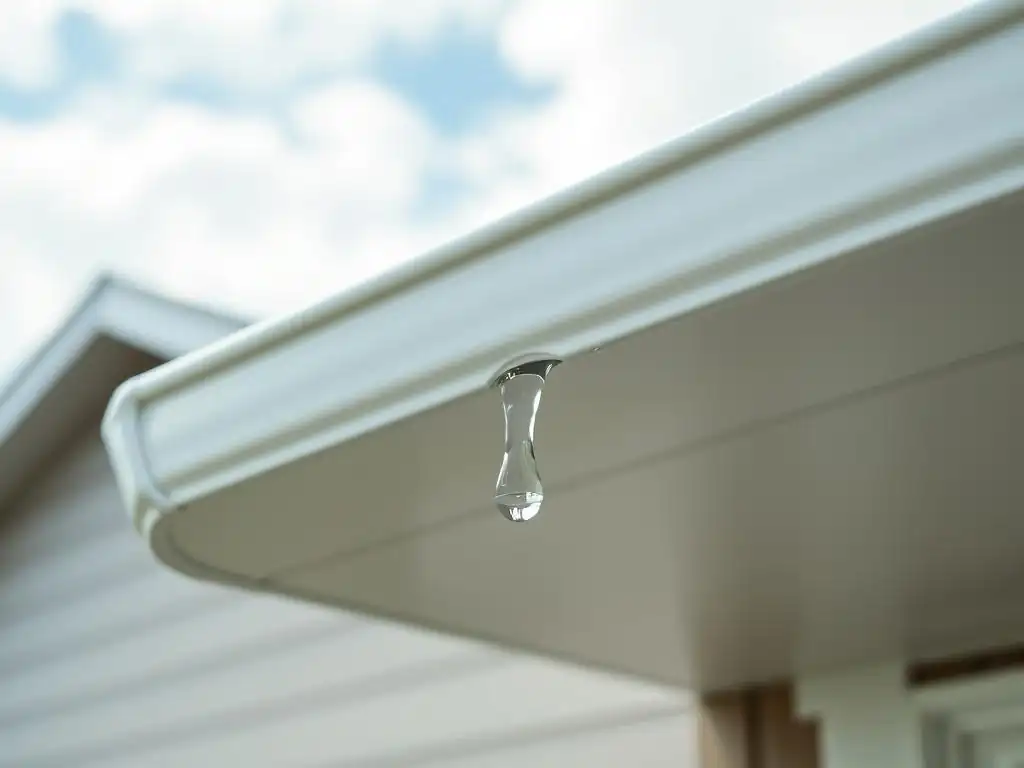
Ready to unlock a world of effortless efficiency and reclaim your precious time? UltimateLifeHacks is your go-to resource for practical tips and tricks to transform your daily life. We're diving deep into the often-overlooked details that make a significant difference – like learning why clean gutters prevent water damage. Discover how simple maintenance can save you from costly repairs and stress. Let's get started on your journey to a more productive and fulfilling life!
- Understanding the Importance of Clean Gutters for Home Protection
- Identifying Signs of Clogged Gutters and Water Damage
- A Step-by-Step Guide to Cleaning Your Gutters
- Maintaining Clean Gutters: Preventative Measures
- When to Call a Professional Gutter Cleaning Service
- The Long-Term Benefits of Clean Gutters: Protecting Your Home Investment
- Frequently Asked Questions
- Final Reflection: The Unsung Heroes of Home Protection
- Unlock a Worry-Free Home: Take Charge of Your Gutters Now!
Understanding the Importance of Clean Gutters for Home Protection
Maintaining a clean and efficient gutter system is paramount for protecting your home from costly and potentially devastating water damage. This seemingly simple task is often overlooked, yet it plays a crucial role in preserving the structural integrity of your roof, foundation, and even your landscaping. Neglecting gutter maintenance can lead to a cascade of problems, from minor inconveniences like overflowing gutters to major structural issues that require expensive repairs.
This article will delve into the critical relationship between clean gutters and water damage prevention, providing practical tips and advice to ensure your home remains safe and sound. Understanding the importance of regular gutter cleaning is a significant step towards proactive home maintenance and safeguarding your investment. Clean gutters prevent water damage, a simple truth that saves homeowners considerable time, money, and stress in the long run.
The Link Between Clogged Gutters and Water Damage
Clogged gutters are a primary culprit behind many instances of water damage. When leaves, twigs, and other debris accumulate in your gutters, they prevent rainwater from flowing freely. This leads to a buildup of water, which can cause several problems:
- Overflowing gutters: The most immediate consequence of clogged gutters is overflowing water. This water can spill over the sides of the gutters, running down the exterior walls of your home. Prolonged exposure to this water can lead to rotting wood, damaged siding, and the growth of mold and mildew.
- Roof damage: Water that backs up in clogged gutters can seep under the shingles and into the roof structure. This can cause significant damage to the roof decking, leading to leaks, rot, and the need for costly repairs or even roof replacement.
- Foundation damage: Water that overflows from gutters can saturate the soil around your home's foundation. This excess moisture can weaken the foundation, causing cracks and settling, potentially leading to structural instability. This damage can be extremely expensive to repair.
- Basement flooding: In severe cases, water that has saturated the soil around the foundation can seep into the basement, causing flooding and significant damage to your belongings.
How Debris Accumulation Leads to Gutter Clogs
The accumulation of debris in your gutters is a gradual process, often going unnoticed until the problem becomes significant. Several factors contribute to this accumulation:
- Seasonal changes: Autumn leaves are a major contributor to gutter clogs. However, other debris such as pine needles, twigs, and even small animals can also accumulate throughout the year.
- Tree proximity: Homes located near trees are particularly susceptible to clogged gutters due to the constant influx of leaves and other organic matter.
- Weather conditions: Strong winds can blow debris into your gutters, even if your home is not near trees.
- Lack of regular maintenance: The most significant factor contributing to gutter clogs is the absence of regular cleaning and maintenance.
Preventing Costly Roof and Foundation Repairs Through Gutter Maintenance
Regular gutter cleaning is a proactive measure that can prevent costly repairs and protect your home from significant water damage. A simple cleaning schedule, along with occasional inspections, can make a world of difference:
- Frequency: Ideally, gutters should be cleaned at least twice a year, in spring and autumn. However, homes in areas with significant tree cover may require more frequent cleaning.
- Inspection: Regularly inspect your gutters for signs of damage or clogs. Look for areas where water is pooling or overflowing.
- Cleaning methods: Use appropriate safety measures when cleaning your gutters. Consider using a gutter cleaning tool to reach difficult areas. Always prioritize safety!
- Repair and replacement: Address any damaged or deteriorated sections of your gutters promptly. Repairing or replacing damaged gutters is far less expensive than dealing with the consequences of water damage.
By consistently following a simple gutter maintenance routine, you significantly reduce the risk of costly repairs and ensure the longevity and protection of your home. Remember, clean gutters prevent water damage—a small investment of time and effort that yields substantial long-term benefits.
Identifying Signs of Clogged Gutters and Water Damage
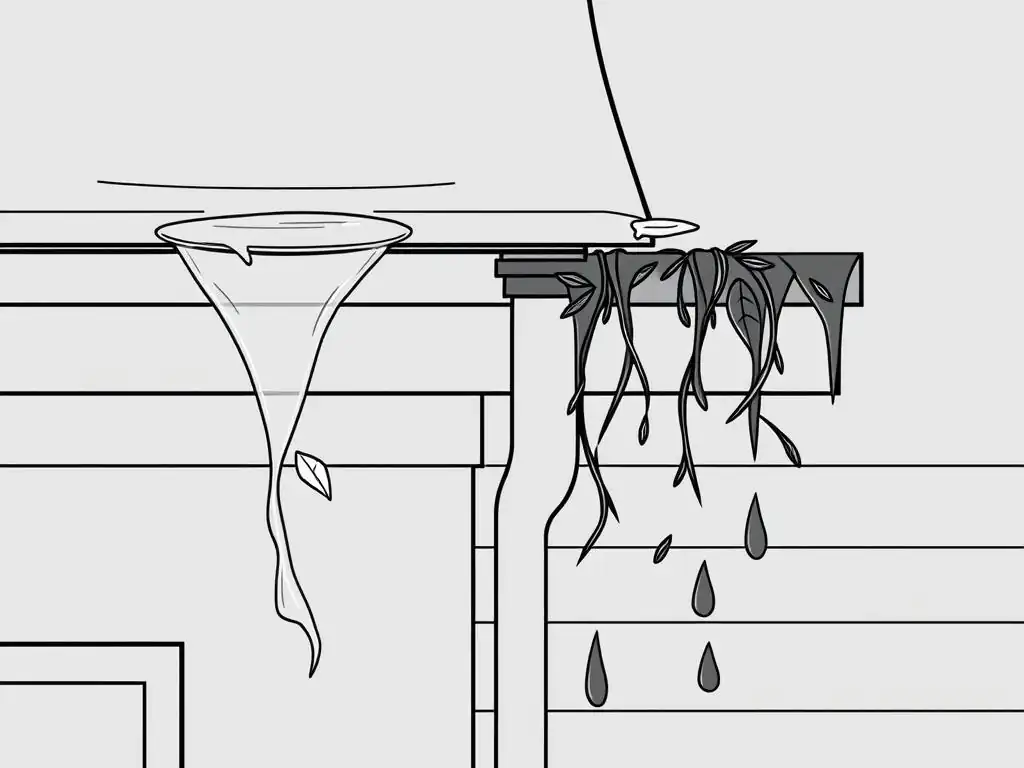
This section focuses on recognizing the early warning signs of clogged gutters and the resulting water damage. Early detection is key to preventing costly repairs and protecting your home's structural integrity. Ignoring these signs can lead to significant problems, so regular inspection is crucial. Proactive maintenance, including regular gutter cleaning, is a fundamental aspect of preventing water damage and ensuring your home's longevity. Remember, clean gutters prevent water damage.
Visual Inspection: What to Look For in Your Gutters
A thorough visual inspection is the first step in identifying potential gutter problems. Start by looking for obvious signs of blockage. This includes:
- Debris Buildup: Leaves, twigs, pine needles, and other organic matter are common culprits. A significant accumulation of debris restricts water flow, leading to overflowing gutters. Look for areas where the gutters are completely or partially filled with debris. The more debris, the higher the risk of water damage.
- Sagging Gutters: Overloaded gutters can sag or pull away from the fascia board. This indicates a serious blockage and potential structural damage. Sagging gutters are a clear sign that immediate attention is needed. This is a strong indicator that clean gutters prevent water damage is more than just a suggestion.
- Rust and Corrosion: Look for signs of rust or corrosion on the gutters themselves. This weakens the structure and can lead to leaks, exacerbating any water damage issues. Regular cleaning can help prevent this type of deterioration.
- Pooling Water: Standing water in the gutters after a rain shower is a definite sign of a blockage. The water should flow freely; pooling suggests a significant obstruction. This is a critical sign that immediate action is required to prevent further problems.
Consider using a sturdy ladder and wearing appropriate safety gear when inspecting your gutters from above. A pair of binoculars can be helpful for reaching hard-to-see areas.
Recognizing Early Signs of Water Damage in Your Home
Even with regular gutter cleaning, subtle signs of water damage might appear. Early detection is paramount for minimizing repair costs. Look for these indicators:
- Staining on Walls or Ceilings: Dark stains, often appearing as streaks or patches, are a strong indication of water penetration. These stains might be discolored, indicating the presence of mildew or mold, which can be a significant health hazard.
- Peeling Paint or Wallpaper: Water damage can cause paint or wallpaper to peel or bubble. This is a clear sign of moisture penetration behind the surface. The location of this damage can often pinpoint the source of the leak.
- Musty Odor: A persistent musty or mildew smell, particularly in areas near the roofline or walls, suggests hidden water damage and potential mold growth. This often accompanies visible signs of staining.
- Soft or Rotting Wood: Check for areas where wood feels unusually soft or spongy. This indicates rot, a common consequence of prolonged exposure to moisture. This type of damage can be extensive and costly to repair.
Remember, even minor water damage can escalate quickly if left unaddressed. Prompt action is crucial to prevent extensive and costly repairs.
Identifying Potential Leaks and Water Intrusion Points
Pinpointing the exact location of leaks and water intrusion is crucial for effective repairs. While clogged gutters are a major contributor, other sources can exist. Consider these potential entry points:
- Damaged Flashing: Flashing is the metal material that seals the joints between different roof components. Damage to flashing can allow water to penetrate the roof and walls. Inspect carefully around chimneys, vents, and skylights.
- Cracked or Missing Roof Tiles/Shingles: Damaged roof tiles or shingles create pathways for water to enter the attic or interior spaces. Regular roof inspections are essential for preventative maintenance.
- Faulty Caulking: Caulk seals gaps and cracks around windows, doors, and other exterior features. Deteriorated caulking can allow water to penetrate these areas. Regular caulking maintenance can significantly improve the home's weather resistance.
- Foundation Cracks: Cracks in the foundation can allow groundwater to seep into the basement or crawl space. This is a more serious issue requiring professional assessment and repair.
A systematic approach to identifying these potential entry points, combined with regular gutter maintenance, significantly reduces the risk of water damage. Remember that clean gutters prevent water damage, but addressing all potential entry points is equally important for comprehensive protection.
A Step-by-Step Guide to Cleaning Your Gutters
This section provides a detailed, step-by-step guide on how to effectively clean your gutters, ensuring you prevent costly water damage. Regular gutter cleaning is crucial for maintaining the structural integrity of your home and preventing potential problems like foundation cracks and basement flooding. Remember, clean gutters prevent water damage, a fact that saves you significant time and money in the long run.
Gathering the Necessary Tools and Safety Equipment
Before you begin cleaning your gutters, assembling the right tools and safety equipment is paramount. Neglecting this step can lead to accidents and inefficient cleaning. Here's a checklist:
- Ladder: A sturdy, stable ladder that extends at least three feet above the gutter line is essential. Check its stability before use and ensure it's on level ground.
- Gloves: Wear heavy-duty work gloves to protect your hands from sharp debris, splinters, and potential chemical irritants.
- Safety Glasses: Protect your eyes from flying debris and potential splashes of cleaning solutions.
- Trowel or Scoop: A small trowel or scoop is ideal for removing larger debris like leaves and twigs.
- Bucket: A bucket is needed to collect the removed debris.
- Garden Hose with Nozzle: A garden hose with a nozzle allows for efficient rinsing of the gutters after debris removal. A pressure washer can be used for tougher clogs but requires extra caution to avoid damaging the gutters.
- Gutter Cleaning Tool (Optional): Specialized gutter cleaning tools are available to make the process easier and faster, particularly for long stretches of gutters. These tools often extend your reach and can scoop out debris more efficiently.
- Safety Harness (Optional but Recommended): For two-story homes or difficult-to-reach areas, a safety harness connected to a secure point on the house is a crucial safety measure.
Safe Gutter Cleaning Techniques: Ladders and Safety Measures
Cleaning gutters involves working at heights, making safety a top priority. Improper ladder use is a leading cause of injuries during home maintenance. Always follow these safety guidelines:
- Ladder Placement: Place the ladder on firm, level ground, ensuring it's positioned at the correct angle (generally a 4:1 ratio – for every four feet of height, the base should be one foot away from the wall). Avoid placing the ladder on soft surfaces like grass or loose gravel.
- Three-Point Contact: Always maintain three points of contact with the ladder (two hands and one foot, or two feet and one hand). Never overreach.
- Spotter: If possible, have a spotter assist you, especially when working at significant heights.
- Weather Conditions: Avoid cleaning gutters during inclement weather, such as rain, snow, or strong winds. Wet surfaces reduce traction, increasing the risk of falls.
- Regular Ladder Inspection: Before each use, inspect the ladder for any damage, such as broken rungs or loose connections. Replace or repair any damaged parts immediately.
- Avoid Overreaching: If the ladder cannot reach a section of gutter safely, move it to a new position rather than overreaching. This prevents falls and ensures efficient cleaning.
Effective Methods for Removing Debris from Gutters
Several methods exist for removing debris from gutters, each with its own advantages and disadvantages. Selecting the right method depends on the amount of debris, the type of gutter, and your comfort level with heights.
- Manual Removal: This involves using a trowel or scoop to manually remove leaves, twigs, and other debris. It's effective for smaller amounts of debris and allows for precise cleaning. However, it can be time-consuming and laborious, especially for long stretches of gutters.
- Gutter Cleaning Tool: Using a specialized gutter cleaning tool significantly speeds up the process, particularly for larger gutters and significant debris buildup. These tools often have a scoop or claw mechanism that allows you to reach and remove debris without climbing the ladder extensively.
- Rinsing with a Hose: After removing larger debris, rinse the gutters with a garden hose to remove any remaining sediment or loose material. Use a nozzle to direct the water flow effectively and avoid splashing. Remember to be mindful of the surrounding plants and landscaping.
Remember, consistent gutter cleaning is key to preventing water damage. By following these steps and prioritizing safety, you can ensure your home is protected from the damaging effects of clogged gutters. Regular maintenance, even small tasks like cleaning gutters, will save you from larger, more expensive repairs in the future. The investment in time and effort now is a significant return on investment in the long term.
Cleaning Gutters: Removing Leaves, Sticks, and Other Debris
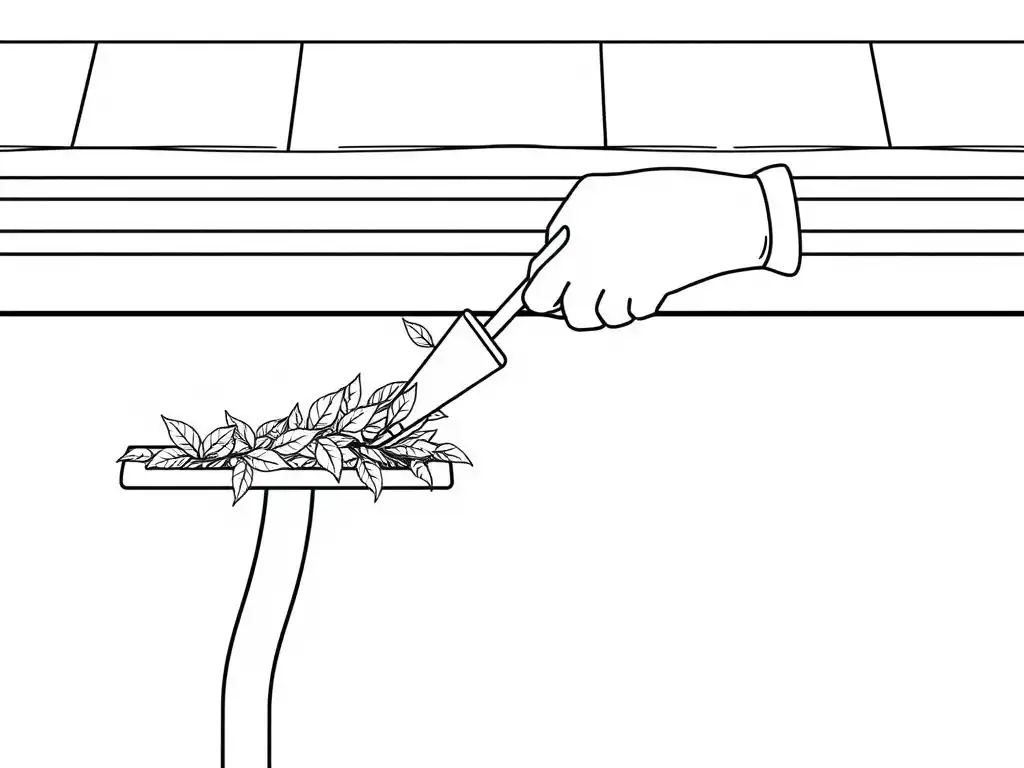
Cleaning your gutters involves more than just a quick sweep. Thorough removal of debris is crucial for preventing water damage. Start by assessing the situation. Are your gutters overflowing with leaves? Are there large branches or nests obstructing the flow? The amount of debris will dictate your approach.
For lightly clogged gutters, a sturdy trowel or a gutter scoop can effectively remove leaves and smaller twigs. Work systematically, section by section, ensuring you clear the entire length of the gutter. For heavily clogged gutters, you might need more specialized tools. A gutter cleaning tool with a telescopic handle allows you to reach difficult areas without the need for a ladder, significantly improving safety. Remember to wear gloves to protect your hands from dirt, grime, and potential pests. Dispose of the collected debris responsibly; avoid simply dumping it on the ground, as this can lead to further blockages.
Proper disposal methods might include using biodegradable bags or adding the debris to your compost pile, depending on its composition. Regular cleaning, ideally twice a year (spring and autumn), will keep debris buildup manageable and prevent the need for extensive cleaning efforts. Ignoring even small accumulations can lead to significant issues down the line, impacting the structural integrity of your home and increasing the risk of costly repairs. Consider the weight of the debris; heavy accumulations can cause sagging gutters, potentially leading to water damage and structural problems. Therefore, proactive and diligent cleaning is paramount in maintaining healthy gutters and protecting your property. Always prioritize safety when working at heights; consider using a sturdy ladder and asking for help if needed.
Flushing Gutters and Downspouts for Optimal Drainage
Once the debris is removed, the next crucial step is flushing your gutters and downspouts. This ensures water flows freely and prevents pooling, a major cause of water damage. A garden hose with a strong nozzle is your primary tool for this task. Begin by flushing the gutters from the highest point, working your way down. Direct the water flow towards the downspouts to clear any remaining debris or clogs.
Pay close attention to the downspouts themselves; these often become clogged with leaves and mud, hindering the efficient drainage of water away from your house. Use a plumber's snake or a specialized downspout cleaning tool to dislodge stubborn blockages. If the blockage is particularly stubborn, you may need to detach the downspout to access and clean it thoroughly. Remember to check the downspout's connection to the gutter; a loose connection can cause water to overflow, negating the benefits of cleaning the gutters. After flushing, inspect the gutters and downspouts for any remaining debris or signs of damage.
Look for cracks, holes, or loose sections that need repair. Addressing these issues promptly prevents future problems and ensures the long-term effectiveness of your gutter system. Proper flushing not only prevents water damage but also extends the lifespan of your gutters, saving you money on costly repairs or replacements in the long run. By combining thorough debris removal with efficient flushing, you significantly reduce the risk of water damage and maintain a healthy, well-functioning gutter system.
Maintaining Clean Gutters: Preventative Measures
Clean gutters prevent water damage, a fact often overlooked until significant problems arise. Proactive maintenance is key to avoiding costly repairs and ensuring the longevity of your home's exterior. This section details preventative measures you can take to minimize gutter clogs and maintain optimal drainage. Regular cleaning, coupled with preventative strategies, will significantly reduce the risk of water damage and save you both time and money in the long run. Ignoring gutter maintenance can lead to a cascade of issues, from minor leaks to extensive structural damage. Let's explore how to stay ahead of the game.
Regular Gutter Cleaning Schedule: A Seasonal Approach
A consistent cleaning schedule is paramount for preventing gutter clogs. While the frequency depends on factors like tree proximity and local weather patterns, a good rule of thumb is to clean your gutters at least twice a year: once in the spring after winter debris accumulation and again in the fall before leaves begin to drop. However, homes in areas with heavy tree cover might need more frequent cleaning, potentially every three months or even more often. Consider these seasonal approaches:
- Spring Cleaning: Focus on removing winter debris like twigs, ice chunks (if any remain), and accumulated mud. This is often a less intensive clean compared to the fall.
- Autumn Cleaning: This is the most crucial cleaning of the year. The sheer volume of leaves and other autumnal debris can quickly overwhelm gutters, leading to significant blockages and potential overflow.
Think of it like this: a consistent cleaning schedule is an investment in your home's protection. It's far less expensive and time-consuming to perform regular maintenance than to deal with the consequences of neglected gutters. A proactive approach is significantly more cost-effective in the long run compared to reactive repairs after water damage occurs.
Preventing Future Clogs: Utilizing Gutter Guards and Protection
While regular cleaning is crucial, installing gutter guards offers a significant layer of protection against future clogs. These devices prevent leaves and debris from entering the gutters in the first place. Several types of gutter guards are available, each with its advantages and disadvantages:
- Mesh Guards: These are among the most popular options, offering fine mesh screens that allow water to pass through while blocking larger debris. They are relatively inexpensive and easy to install.
- Foam Guards: These guards fill the gutter with a foam material, allowing water to pass through while trapping debris. They are typically more effective than mesh guards but can be more expensive.
- Brush Guards: These guards utilize a brush-like material to deflect debris. They are generally less effective than mesh or foam guards but can be a good option for areas with heavy debris.
The best type of gutter guard depends on your specific needs and budget. Consider factors like the amount of tree cover near your home, the frequency of heavy rainfall, and your budget when making your selection. Investing in quality gutter guards is a long-term investment that significantly reduces the need for frequent cleaning and minimizes the risk of water damage. The upfront cost is often offset by reduced maintenance and repair expenses over time.
Simple Tips to Keep Gutters Clear and Functional Year-Round
Beyond regular cleaning and gutter guards, several simple practices can help maintain clean and functional gutters year-round:
- Trim overhanging branches: Trees are a major source of gutter clogs. Regularly trimming branches that overhang your roof will significantly reduce the amount of debris that falls into your gutters. This preventative measure alone can dramatically decrease the frequency of cleaning needed.
- Inspect your gutters regularly: Regular visual inspections can help identify minor problems early on, preventing them from escalating into larger, more costly issues. Look for signs of damage, sagging, or leaks.
- Flush your gutters with a garden hose: After cleaning, use a garden hose to flush out any remaining debris. This ensures that your gutters are completely clear and ready for optimal drainage. This simple step can make a significant difference in preventing future clogs.
Following these simple tips, along with the previously discussed measures, will contribute significantly to keeping your gutters clean and functional, thereby preventing costly water damage and ensuring the long-term health of your home. Remember, Clean gutters prevent water damage – a simple truth with significant long-term benefits. 🧹🏠
When to Call a Professional Gutter Cleaning Service
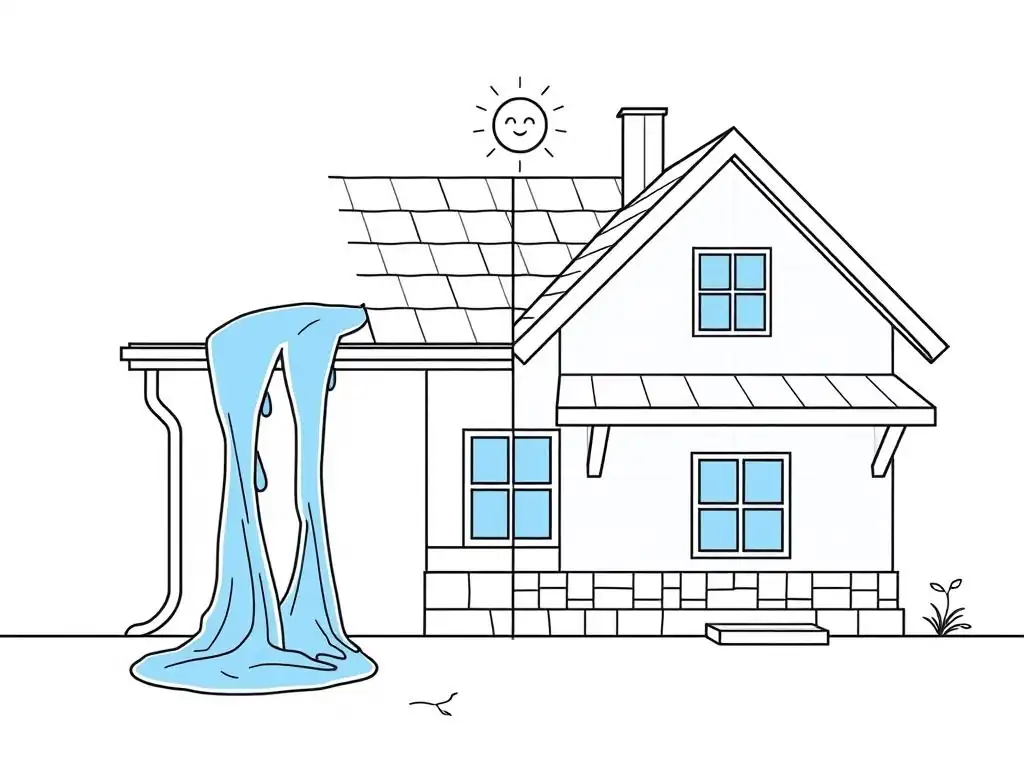
Regular gutter cleaning is crucial for preventing water damage to your home. While many homeowners tackle this task themselves, there are instances where professional help is not just recommended, but necessary. Understanding when to call a professional ensures your home's protection and avoids potential risks. Clean gutters prevent water damage, and knowing your limitations is a key part of that prevention.
Recognizing When DIY Gutter Cleaning is Insufficient
Attempting DIY gutter cleaning when conditions are unsafe or beyond your capabilities can lead to accidents and further damage. Consider professional help if:
- Your gutters are extremely high or difficult to access: Reaching high gutters requires specialized equipment and safety precautions that most homeowners lack. Falling from a ladder can lead to serious injury. The risk outweighs the benefits of a DIY approach in such cases. For example, a two-story house with complex gutter systems is a prime candidate for professional cleaning.
- Your gutters are heavily clogged with debris: Extremely clogged gutters might require power washing or other techniques beyond basic DIY tools. A build-up of leaves, twigs, mud, and other organic matter can be incredibly heavy and difficult to remove manually. Ignoring this can lead to overflowing gutters and significant water damage.
- You have health concerns: Individuals with physical limitations, such as back problems, mobility issues, or fear of heights, should prioritize safety and enlist professional services. Preventing injury is paramount.
- You lack the necessary tools and experience: Improper cleaning techniques can damage your gutters, leading to costly repairs. Professional cleaners possess the expertise and specialized tools to clean effectively and safely without causing harm. This includes the proper use of ladders, safety harnesses, and gutter cleaning tools.
Benefits of Hiring Professional Gutter Cleaning Services
Professional gutter cleaning offers numerous advantages beyond simply getting the job done. These services bring peace of mind and often save money in the long run. Clean gutters prevent water damage, and professionals ensure this preventative maintenance is done correctly.
- Safety: Professionals are trained and equipped to work at heights safely, minimizing the risk of accidents. They use appropriate safety gear, ladders, and other equipment to ensure a safe working environment.
- Efficiency and thoroughness: Professionals have the experience and tools to clean gutters thoroughly and efficiently, removing all debris and ensuring proper drainage. This thoroughness minimizes the risk of future clogs and water damage.
- Expertise and specialized tools: Professionals possess specialized tools and techniques to handle even the most challenging clogs and gutter systems. They can identify and address potential problems that a homeowner might miss.
- Warranty and insurance: Reputable companies offer warranties on their work and carry liability insurance, protecting both the homeowner and the service provider.
Finding Reputable and Reliable Gutter Cleaning Professionals
Choosing the right gutter cleaning service is crucial. Clean gutters prevent water damage, but only if the cleaning is done correctly. Here's how to find a reliable professional:
- Check online reviews and ratings: Websites and apps dedicated to reviewing local businesses provide valuable insights into the quality of service and customer satisfaction.
- Ask for references: A reputable company will gladly provide references from satisfied customers.
- Get multiple quotes: Comparing quotes from several companies helps ensure you're getting a fair price.
- Verify insurance and licensing: Confirm that the company carries liability insurance and is properly licensed to operate in your area.
- Clarify the scope of work: Ensure the quote includes all aspects of the cleaning process, such as debris removal and gutter inspection. This prevents unexpected costs later. Understanding the details upfront ensures you get the best value for your money.
Choosing the right time to hire a professional gutter cleaning service is a vital component of home maintenance. By understanding when DIY is insufficient and prioritizing safety and thoroughness, you can effectively safeguard your home from water damage and ensure the longevity of your gutter system. Remember, clean gutters prevent water damage—professional cleaning often guarantees this vital protection.
The Long-Term Benefits of Clean Gutters: Protecting Your Home Investment
Clean gutters prevent water damage, a fact often overlooked until significant problems arise. Regular gutter maintenance is far more than just a chore; it's a crucial investment in the longevity and value of your home. Neglecting your gutters can lead to a cascade of expensive repairs, significantly impacting your property's value and potentially leading to structural damage. This section explores the long-term financial and structural benefits of prioritizing gutter cleaning.
Clean Gutters Prevent Water Damage: A Summary
The most immediate benefit of clean gutters is the prevention of water damage. Clogged gutters lead to water overflow, which can saturate the soil around your foundation, causing cracks and leaks in your basement or crawlspace. This water can also seep into your walls, leading to mold growth, rot, and costly repairs. Studies show that water damage is one of the most common and expensive types of home insurance claims.
By proactively cleaning your gutters, you significantly reduce the risk of these costly issues. Regular cleaning, ideally twice a year (spring and fall), is a simple preventative measure that pays off handsomely in the long run. Think of it as an insurance policy for your home, protecting against potentially catastrophic water damage.
Saving Money on Repairs: The Economic Advantages of Gutter Maintenance
The financial benefits of clean gutters are substantial. Repairing water damage, replacing rotting fascia boards, or fixing foundation cracks can cost thousands of dollars. These expenses are entirely avoidable with consistent gutter maintenance. Consider the following cost breakdown (these are estimates and will vary depending on location and severity of damage):
| Repair Type | Average Cost Range |
|---|---|
| Foundation Crack Repair | $500 - $5,000+ |
| Basement Waterproofing | $1,000 - $10,000+ |
| Roof Repair (water damage) | $1,000 - $10,000+ |
| Fascia Board Replacement | $200 - $1,000+ per section |
The cost of regular gutter cleaning, on the other hand, is minimal. Hiring a professional or doing it yourself is a small price to pay compared to the potential costs of neglecting this simple task. This cost-benefit analysis clearly demonstrates the economic advantages of prioritizing gutter maintenance. Regular cleaning is a small investment that yields significant long-term savings. Preventing even a single instance of significant water damage can easily offset the cost of professional gutter cleaning for several years.
Extending the Lifespan of Your Home: The Value of Preventative Maintenance
Clean gutters prevent water damage, thereby significantly extending the lifespan of your home. Water damage weakens the structural integrity of your house, leading to premature deterioration. By preventing water intrusion, you protect your home's foundation, walls, roof, and other critical components. This preventative maintenance approach is key to maintaining the overall value of your property and ensuring it remains structurally sound for years to come.
Regular gutter cleaning is a simple act of preventative maintenance that contributes to the long-term health and value of your biggest investment: your home. Think of it as a proactive measure that safeguards your home against the insidious effects of water damage, ensuring that your property remains a valuable and safe haven for years to come. The small effort involved in cleaning your gutters far outweighs the potential consequences of neglect. 🏠
Frequently Asked Questions
How often should I clean my gutters?
Ideally, you should clean your gutters twice a year, in spring and fall. However, areas with heavy tree cover may require more frequent cleaning, possibly every three months.
What are the signs that my gutters need cleaning?
Look for clogged downspouts, overflowing gutters during rainfall, and visible debris like leaves and twigs. Water stains on your siding are also a warning sign.
What tools do I need to clean my gutters?
You'll need a ladder, work gloves, a scoop or trowel, and a garden hose to rinse them out afterward. Consider safety glasses for protection from debris.
Can I prevent gutter clogs altogether?
While complete prevention is difficult, you can minimize clogs by regularly removing large debris, installing gutter guards, and trimming overhanging branches.
What happens if I don't clean my gutters regularly?
Neglecting gutter maintenance can lead to water damage to your roof, foundation, and siding. This can result in expensive repairs and even structural problems.
Final Reflection: The Unsung Heroes of Home Protection
Clean gutters aren't just about aesthetics; they're the unsung heroes preventing costly and disruptive water damage to your home. Neglecting this simple maintenance task can lead to foundation cracks, roof leaks, and even mold infestations – problems far exceeding the minor effort required for regular cleaning. The cost of repair vastly outweighs the cost of prevention.
The impact of consistent gutter maintenance extends beyond the individual homeowner, influencing the overall health and longevity of our communities. Properly maintained homes contribute to a more resilient and stable housing market. A stitch in time saves nine,
a proverb that perfectly encapsulates the wisdom of preventative home maintenance. Ignoring the subtle signs of gutter blockage can lead to significant and expensive problems down the line, impacting not only your home but also potentially your neighborhood's property values.
Consider the simple act of clearing your gutters as an investment in your peace of mind and the future of your home. Take a moment today to inspect your gutters. Is there a build-up of leaves and debris? If so, take action. You'll not only be protecting your home from potential water damage but also fostering a sense of responsibility and proactive care for your property. The small effort you invest now will yield significant rewards in the long run, ensuring your home remains a safe and comfortable haven for years to come.
Unlock a Worry-Free Home: Take Charge of Your Gutters Now!
You've learned about the importance of gutter maintenance, and now you're equipped to protect your home from costly water damage. Ready to put your new knowledge into action?
- Schedule your gutter cleaning today. Don't wait for a problem—proactive maintenance is key! Consider hiring a professional gutter cleaning service or tackling the job yourself this weekend.
- Share this important information with your friends and family. Help them avoid the stress and expense of water damage.
- Let's talk! What's your biggest challenge when it comes to gutter maintenance, and how do you handle it?
Ready to make your home safer and more secure?