
The Beginner's Guide to Risk Tolerance: Understanding Your Comfort Level


Ready to unlock a more efficient and fulfilling life? At UltimateLifeHacks, we're dedicated to providing you with practical strategies to conquer your daily challenges. But before you optimize your schedule, it's crucial to understand your financial foundation. This is why we're diving into Risk Tolerance Assessment for beginners. Are you ready to discover your comfort level with risk and take control of your financial future? Let's begin!
- Defining Risk Tolerance for Beginners: What Does It Really Mean?
- Assessing Your Risk Tolerance: Practical Methods and Tools
- Risk Tolerance and Investment Strategies: Matching Your Profile to Your Investments
- Adjusting Your Risk Tolerance Over Time: A Dynamic Approach
- Real-World Examples: Case Studies in Risk Tolerance
- Conclusion: Embracing Your Risk Tolerance for Successful Investing
- Frequently Asked Questions
- Final Reflection: Embracing Uncertainty, Shaping Your Future
- Unlock Your Financial Future: Take Control of Your Risk
Defining Risk Tolerance for Beginners: What Does It Really Mean?
Understanding your risk tolerance is paramount to successful investing, especially for beginners. It's not just about how much money you're willing to potentially lose; it's about your emotional and psychological comfort level with the possibility of experiencing market fluctuations. This beginner's guide will help you navigate the complexities of risk tolerance assessment, enabling you to make informed investment decisions aligned with your personal circumstances and financial goals.
We'll explore how to identify your personal risk profile, consider your financial objectives, and understand the influence of age on your investment strategy. Mastering your risk tolerance is key to building a robust and sustainable financial future, minimizing stress, and maximizing your long-term returns. This guide will equip you with the tools and knowledge to confidently assess your risk tolerance and build a portfolio that works for you.
Understanding Your Personal Risk Profile: A Crucial First Step
Before diving into specific investment strategies, you need to understand your personal risk profile. This involves honestly assessing your comfort level with potential losses. Are you comfortable with the possibility of short-term market dips, knowing that your investments might fluctuate in value? Or do you prefer a more conservative approach, prioritizing capital preservation over potentially higher returns?
Several factors contribute to your risk profile:
- Investment Experience: Beginners often have lower risk tolerance than experienced investors. This is perfectly normal – familiarity breeds comfort.
- Financial Situation: Your current financial stability significantly impacts your risk tolerance. Those with a larger financial cushion are generally more comfortable taking on higher risks.
- Personality Traits: Are you naturally risk-averse or do you embrace challenges? Your personality plays a significant role in shaping your investment approach.
- Time Horizon: The time you have until you need the money significantly affects your risk tolerance. Longer time horizons allow for greater risk-taking as you have more time to recover from potential losses.
Consider this example: A young professional with a long time horizon (e.g., saving for retirement) might have a higher risk tolerance than someone nearing retirement who needs their money sooner. The younger investor can afford to weather market downturns, while the older investor needs more stability. Understanding these nuances is critical to building a suitable investment strategy.
Identifying Your Financial Goals: Short-Term vs. Long-Term Investments
Your financial goals are intrinsically linked to your risk tolerance. Short-term goals, such as saving for a down payment on a house or a vacation, require a more conservative investment approach, prioritizing capital preservation over high growth. You wouldn't want to risk losing money shortly before needing it.
Long-term goals, like retirement planning, afford you more flexibility to take on higher risks. The longer the time horizon, the more opportunity there is for your investments to recover from potential setbacks. Therefore, your risk tolerance can be higher for long-term investments.
| Goal Type | Time Horizon | Risk Tolerance | Investment Strategy Example |
|---|---|---|---|
| Down Payment | Short-Term | Low | High-yield savings account |
| Retirement | Long-Term | Moderate/High | Stocks and mutual funds |
| Emergency Fund | Short-Term | Very Low | Savings account, money market |
This table illustrates how different financial goals necessitate varying levels of risk tolerance and corresponding investment strategies. Understanding this relationship is fundamental to effective financial planning.
The Impact of Age on Risk Tolerance: A Life Stage Approach to Investing
Age is another crucial factor influencing risk tolerance. Younger investors typically have a longer time horizon and can afford to take on more risk. They have more time to recover from potential losses and can benefit from the higher growth potential of riskier assets.
As people approach retirement, their risk tolerance generally decreases. They need to preserve their capital and minimize the risk of significant losses. Their focus shifts from growth to capital preservation.
A simplified example:
A 25-year-old might comfortably invest a significant portion of their portfolio in stocks, while a 60-year-old might prefer a more balanced portfolio with a greater allocation to bonds and lower-risk investments.
This age-based approach to risk tolerance isn't rigid; individual circumstances always matter. However, recognizing the general trend helps in making informed decisions about your investment strategy as you navigate different life stages. Remember to regularly reassess your risk tolerance as your circumstances and goals evolve. This ongoing evaluation is key to maintaining a financially secure future.
Assessing Your Risk Tolerance: Practical Methods and Tools

Understanding your risk tolerance is crucial before making any investment decisions. A well-defined risk tolerance ensures your investment strategy aligns with your financial goals and your comfort level with potential losses. This section explores practical methods and tools to help beginners accurately assess their risk tolerance, paving the way for smarter investment choices. Ignoring this crucial step can lead to poor investment decisions and significant financial stress. Remember, a proper risk tolerance assessment is a cornerstone of successful investing, regardless of your experience level. Let's delve into some effective techniques to help you determine your own risk profile.
The Questionnaire Approach: Using Online Risk Tolerance Assessments
Many online platforms offer free risk tolerance questionnaires. These assessments typically present a series of questions designed to gauge your comfort level with potential investment losses and your investment time horizon. The questions often involve hypothetical scenarios, such as: "How would you feel if your investment lost 20% of its value?" or "What is your primary investment goal – short-term gains or long-term growth? ".
These questionnaires utilize a scoring system to categorize your risk tolerance into levels like:
- Conservative: Prefers low-risk investments with minimal potential for loss, even if it means lower returns.
- Moderate: Balances risk and return, accepting some potential loss for higher potential gains.
- Aggressive: Comfortable with higher risk investments for potentially greater returns, accepting higher potential losses.
While convenient, it's important to remember that online questionnaires offer a general indication of your risk tolerance. They don't account for all the nuances of your individual circumstances. Consider using multiple questionnaires from different reputable sources to get a more comprehensive picture. The results should be viewed as a starting point for further self-reflection and professional consultation.
Important Note: The accuracy of online assessments depends heavily on your honesty and self-awareness. Answering truthfully, even if it reveals a lower risk tolerance than you'd prefer, is crucial for making sound investment choices.
The Portfolio Analysis Method: Evaluating Your Current Investment Mix
If you already have investments, analyzing your current portfolio can reveal a lot about your implicit risk tolerance. This method involves examining the asset allocation of your existing investments. For example:
| Asset Class | Percentage Allocation | Risk Level |
|---|---|---|
| Cash/Savings | 60% | Very Low |
| Bonds | 30% | Low |
| Stocks | 10% | Moderate to High |
A portfolio heavily weighted towards cash and bonds suggests a conservative risk tolerance. Conversely, a portfolio dominated by stocks indicates a higher risk tolerance. This analysis provides a retrospective view of your risk tolerance, showing how you've implicitly managed risk in the past. Comparing this to the results of questionnaires can help you gain a clearer understanding of your current comfort level. This method is particularly useful for investors who have been investing for some time. It allows for a more nuanced understanding of your risk profile, going beyond simple questionnaires.
Considering Your Emotional Response to Market Volatility: A Key Indicator
Your emotional response to market fluctuations is a powerful indicator of your risk tolerance. How do you react to market downturns? Do you panic and sell your investments at a loss, or do you remain calm and ride out the volatility? This is a crucial aspect often overlooked in simple questionnaires.
A key element of successful investing is emotional discipline. Your ability to withstand market volatility is as important as your investment strategy itself.
Analyzing your past behavior during market corrections (periods of significant price decline) provides invaluable insight. Did you make rash decisions based on fear or emotion? Or did you maintain a long-term perspective? Understanding your emotional responses to market events is critical in determining your true risk tolerance and building an investment strategy that aligns with your psychological profile.
This self-awareness is invaluable in managing your investments responsibly and preventing emotional decision-making during market turbulence. Consider keeping a journal to track your emotional responses to market events over time. This can help identify patterns and improve your self-awareness in the future.
Risk Tolerance and Investment Strategies: Matching Your Profile to Your Investments
Understanding your risk tolerance is paramount before embarking on any investment journey. A risk tolerance assessment helps you determine your comfort level with potential losses in exchange for potential gains. This assessment is crucial because it directly influences the types of investments suitable for your financial goals and personality. Ignoring your risk tolerance can lead to poor investment decisions, anxiety, and ultimately, suboptimal financial outcomes.
For beginners, this process might feel overwhelming, but breaking it down into manageable steps makes it significantly easier. This section explores how your risk tolerance profile dictates your investment strategy. We'll examine various investment vehicles and how they align with different risk appetites. Remember, determining your risk tolerance is a personal journey, and it's perfectly acceptable to adjust your approach over time as your circumstances and understanding evolve.
Conservative Investing Strategies for Low Risk Tolerance: Bonds, CDs, and Savings Accounts
Individuals with a low risk tolerance prioritize capital preservation above all else. They're generally averse to significant fluctuations in their investment portfolio and prefer steady, predictable returns, even if those returns are modest. For these investors, conservative strategies are the most appropriate.
This approach typically involves allocating the majority of their investment portfolio to low-risk assets such as:
- Savings Accounts: Offer FDIC insurance (up to $250,000 per depositor, per insured bank) and provide easy access to funds. However, returns are typically very low, often barely outpacing inflation.
- Certificates of Deposit (CDs): These offer higher interest rates than savings accounts but lock your money in for a specified period. Early withdrawal penalties can apply. Like savings accounts, CDs generally offer FDIC insurance.
- Government Bonds: Issued by the government, these bonds are considered extremely low-risk, providing a relatively stable return. However, yields are often lower than other investment options.
- High-Yield Savings Accounts: While still considered low-risk, these accounts offer higher interest rates than traditional savings accounts, providing a slightly better return.
The key characteristic of a conservative investment strategy is its emphasis on minimizing potential losses. While returns might be slower, the peace of mind associated with preserving capital outweighs the potential for higher, but riskier, gains. This strategy is ideal for individuals nearing retirement, those with limited investment experience, or anyone prioritizing financial security above aggressive growth.
Moderate Investing Strategies: Balancing Risk and Reward
A moderate risk tolerance signifies a willingness to accept some level of market fluctuation in exchange for potentially higher returns. Moderate investors understand that some investments will experience periods of decline, but they believe the long-term growth potential outweighs the short-term risks. This approach necessitates a diversified portfolio that balances both low-risk and higher-risk investments.
A typical moderate portfolio might include a mix of:
- Bonds: Providing stability and reducing overall portfolio volatility.
- Stocks: Offering the potential for higher growth, but also increased risk. A diversified mix of stocks across different sectors is usually recommended.
- Mutual Funds: Providing diversification across various asset classes, allowing for exposure to both stocks and bonds within a single investment.
- Real Estate Investment Trusts (REITs): Offering exposure to the real estate market, which can provide a hedge against inflation.
The allocation between these asset classes depends on the individual's specific risk tolerance within the moderate range. Someone closer to the conservative end might have a larger percentage allocated to bonds, while someone closer to the aggressive end might hold a larger percentage in stocks. Regularly reviewing and rebalancing the portfolio is crucial to maintain the desired risk level. This approach aims to achieve a balance between capital preservation and growth, making it a suitable strategy for many investors with a long-term investment horizon.
Aggressive Investing Strategies for High Risk Tolerance: Stocks, Options, and Cryptocurrencies
High-risk tolerance investors are comfortable with significant market fluctuations and are primarily focused on maximizing potential returns. They're willing to accept substantial losses in pursuit of potentially high gains. This approach often involves investments with higher volatility and risk.
Aggressive strategies typically include:
- Stocks: A significant portion of the portfolio is allocated to individual stocks or stock mutual funds, focusing on growth stocks with higher potential for appreciation but also greater risk of decline.
- Options: These derivative instruments offer leveraged returns, but also carry substantial risk. Options trading requires a significant understanding of market dynamics and financial instruments.
- Cryptocurrencies: These digital assets are highly volatile and speculative, offering the potential for significant gains but also the risk of substantial losses. Cryptocurrency investments are generally considered to be very high-risk.
- Leveraged ETFs: These exchange-traded funds use borrowed money to amplify returns, but this also amplifies losses.
This strategy isn't suitable for everyone. It requires a strong understanding of market trends, a long-term investment horizon, and the ability to withstand significant portfolio fluctuations. It's crucial for investors pursuing this approach to conduct thorough research and only invest money they can afford to lose. This strategy is best suited for investors with a high risk tolerance and a long-term perspective, understanding that significant losses are a possibility. Remember, even with a high risk tolerance, diversification remains important to mitigate some of the inherent risks.
Adjusting Your Risk Tolerance Over Time: A Dynamic Approach
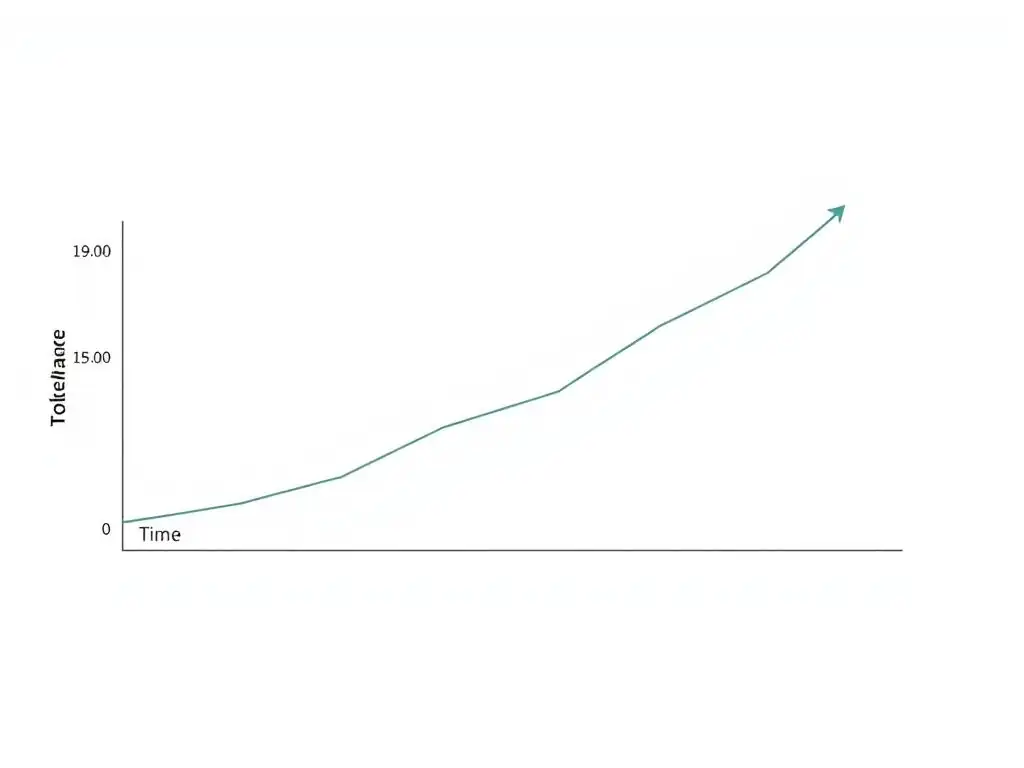
Risk tolerance isn't a static concept; it's a journey, not a destination. What feels comfortable at 25 might feel wildly inappropriate at 55. Your risk tolerance assessment beginners should understand this crucial aspect. Life changes, financial goals, and even your personality can shift your comfort level with risk.
Therefore, regularly reviewing and adjusting your investment strategy based on your evolving risk tolerance is vital for long-term financial success. Ignoring this dynamic nature can lead to significant financial setbacks. A proactive approach to managing your risk tolerance ensures your investments align with your current life stage and future aspirations. This isn't about abandoning your investment strategy entirely but rather about making informed adjustments to maintain a balanced and sustainable approach.
Re-evaluating Your Risk Profile: Regular Check-Ins and Adjustments
Regularly reviewing your risk profile isn't just a good idea—it's essential for effective investing. Consider scheduling annual reviews, perhaps coinciding with your birthday or a significant financial milestone. During these check-ins, re-evaluate your current financial situation, including:
- Your time horizon: How long until you need the invested funds? A longer time horizon generally allows for greater risk tolerance.
- Your financial goals: Have your short-term or long-term goals changed? A sudden need for a large sum of money might necessitate a shift towards lower-risk investments.
- Your risk tolerance questionnaire results: Redoing your initial risk tolerance assessment can highlight any significant shifts in your comfort levels. Many online tools provide updated questionnaires.
- Market conditions: While you shouldn't panic-sell, significant market fluctuations can influence your risk tolerance. A professional advisor can guide you through navigating these changes.
- Your emotional state: Are you feeling more or less confident in the market? Emotional decision-making can lead to poor investment choices. Try to maintain objectivity and rely on your previously established risk tolerance guidelines.
This systematic approach helps you stay on track, ensuring your investment strategy remains aligned with your evolving needs and preferences. Remember, flexibility is key. Don't be afraid to make adjustments as necessary.
Life Events and Their Impact on Risk Tolerance: Marriage, Children, and Retirement
Significant life events often necessitate a reassessment of your risk tolerance. For instance:
| Life Event | Impact on Risk Tolerance | Rationale |
|---|---|---|
| Getting Married | Potentially Decreases | Shared financial responsibilities and increased joint assets require caution. |
| Having Children | Potentially Decreases | Increased financial responsibilities (education, healthcare) necessitate stability. |
| Approaching Retirement | Potentially Decreases | Preservation of capital becomes more crucial than aggressive growth. |
These are just examples, and the impact can vary greatly depending on individual circumstances. For example, a high-earning couple with significant savings might maintain a higher risk tolerance even after having children. Conversely, a single parent with limited savings might prioritize lower-risk investments to ensure financial security. The key is to carefully consider how these life events change your financial priorities and adjust your investment strategy accordingly. A thorough risk tolerance assessment beginners guide should address these life milestones.
Seeking Professional Advice: Consulting a Financial Advisor for Personalized Guidance
While self-assessment tools are helpful, seeking professional guidance from a certified financial advisor offers invaluable personalized support. A financial advisor can provide a comprehensive risk tolerance assessment, tailored to your unique circumstances and financial goals. They can help you:
- Understand your current risk profile in detail.
- Develop a long-term investment strategy that aligns with your risk tolerance.
- Navigate market volatility and make informed decisions during uncertain times.
- Re-evaluate your portfolio regularly and make necessary adjustments.
- Create a diversified portfolio to mitigate risks effectively.
Remember, investing involves inherent risks. Seeking professional advice can significantly enhance your chances of achieving your financial goals while minimizing potential losses. Don't hesitate to leverage the expertise of a financial advisor to navigate the complexities of investing and managing your risk tolerance effectively. 📈
Real-World Examples: Case Studies in Risk Tolerance

This section provides concrete examples of how different risk tolerance levels manifest in real-world investment strategies. Understanding these scenarios can help beginners better grasp the concept of risk tolerance assessment and its impact on financial planning. Remember, your risk tolerance is personal and should reflect your individual circumstances and financial goals. A proper risk tolerance assessment for beginners is crucial before making any investment decisions.
Case Study 1: The Conservative Investor and Their Retirement Plan
Sarah, a 55-year-old accountant nearing retirement, has a low risk tolerance. She prioritizes capital preservation above all else. Her retirement plan is heavily weighted towards low-risk investments. This means a significant portion of her portfolio is allocated to:
- Government bonds: These offer a steady, albeit modest, return with minimal risk of capital loss.
- High-yield savings accounts: Providing liquidity and a safe haven for a portion of her savings.
- Certificates of Deposit (CDs): Offering fixed interest rates over a specified period, minimizing volatility.
Sarah understands that her returns will likely be lower than those of more aggressive investors, but she values the peace of mind that comes with knowing her principal is secure. Her strategy reflects a classic risk tolerance assessment for beginners prioritizing security over potentially higher, but riskier, returns. This approach aligns perfectly with her nearing retirement and need for capital preservation. She regularly reviews her portfolio to ensure it continues to meet her low-risk tolerance and retirement goals. She accepts a lower potential return in exchange for significantly reduced risk.
Case Study 2: The Moderate Investor and Their Balanced Portfolio
Mark, a 35-year-old software engineer, has a moderate risk tolerance. He aims for a balance between growth and security. His portfolio is diversified across a range of asset classes, including:
- Stocks: A significant portion, but not overwhelmingly so, is allocated to a mix of large-cap and small-cap stocks for growth potential.
- Bonds: A substantial portion is invested in bonds to provide stability and reduce overall portfolio volatility.
- Real Estate Investment Trusts (REITs): Offering diversification and potential for income generation.
Mark understands that his investments will fluctuate in value, but he's comfortable with some level of risk to achieve long-term growth. His balanced approach demonstrates a common outcome of a risk tolerance assessment for beginners who are comfortable with some level of market fluctuation in pursuit of higher returns. This strategy is suitable for someone with a longer time horizon, allowing for recovery from potential market downturns. His regular portfolio reviews focus on rebalancing to maintain his desired asset allocation and risk level.
Case Study 3: The Aggressive Investor and Their High-Growth Strategy
David, a 28-year-old entrepreneur, has a high risk tolerance. He's willing to accept significant volatility in exchange for the potential for high returns. His investment strategy focuses on:
- Growth stocks: A significant portion of his portfolio is allocated to high-growth companies, even those considered speculative.
- Emerging markets: He invests in developing economies, accepting higher risk for potentially greater rewards.
- Cryptocurrencies: A smaller, but still notable, portion of his portfolio is dedicated to cryptocurrencies, reflecting a high-risk, high-reward approach.
David understands that he could experience substantial losses, but he's comfortable with this possibility given his long time horizon and his belief in his ability to weather market downturns. This approach, while potentially very lucrative, highlights the importance of a thorough risk tolerance assessment for beginners, as it is not suitable for everyone. A significant understanding of market dynamics and a longer time horizon are prerequisites for this aggressive approach.
His regular portfolio reviews focus on identifying and managing potential risks within his high-growth strategy. He is comfortable with the potential for significant short-term losses in pursuit of long-term, high-growth potential.
Conclusion: Embracing Your Risk Tolerance for Successful Investing
Understanding your risk tolerance is not merely a theoretical exercise; it's the cornerstone of successful long-term investing. Ignoring your comfort level with risk can lead to impulsive decisions, emotional selling during market downturns, and ultimately, suboptimal investment outcomes. By honestly assessing your risk tolerance, you're empowering yourself to make informed choices aligned with your financial goals and personality. This process, while initially requiring introspection, paves the way for a more confident and potentially more profitable investment journey. Remember, there's no "one size fits all" approach to investing; your unique risk tolerance dictates your investment strategy. Accepting this fundamental truth is crucial for building a portfolio that truly works for you. This understanding allows for a more peaceful and productive relationship with your investments, reducing stress and anxiety associated with market fluctuations. The goal isn't to eliminate risk entirely—that's impossible—but to manage it effectively based on your individual circumstances and preferences.
Key Takeaways: Actionable Steps for Beginners
Let's summarize the key steps to take after completing a risk tolerance assessment as a beginner investor:
- Define Your Financial Goals: Clearly outline your short-term and long-term financial objectives. Are you saving for retirement, a down payment on a house, or your child's education? Knowing your goals helps determine the appropriate level of risk you can comfortably take. For example, someone saving for retirement in 30 years might tolerate more risk than someone saving for a down payment in 2 years.
- Diversify Your Portfolio: Don't put all your eggs in one basket! Diversification is crucial regardless of your risk tolerance. Spread your investments across different asset classes (stocks, bonds, real estate, etc.) to mitigate risk. This reduces the impact of potential losses in any single investment.
- Regularly Review and Adjust: Your risk tolerance might change over time due to life events (marriage, birth of a child, job change). It's vital to periodically review your investment strategy and adjust it as needed. This ongoing assessment ensures your portfolio remains aligned with your evolving circumstances and risk appetite. Consider reviewing your portfolio at least annually, or even more frequently during periods of significant market volatility.
- Seek Professional Advice: If you're unsure about any aspect of investing or risk management, don't hesitate to seek professional advice from a qualified financial advisor. They can help you create a personalized investment plan tailored to your specific needs and risk tolerance. A financial advisor can provide valuable insights and support, especially during challenging market conditions.
- Start Small and Gradually Increase: Begin with a small investment amount that you're comfortable losing. As you gain experience and confidence, you can gradually increase your investment amounts and explore different investment options. This approach minimizes potential losses while allowing for gradual growth. This is particularly important for beginners who are still learning about the market and developing their investment strategies.
Resources for Further Learning: Books, Websites, and Courses
While this guide offers a foundational understanding of risk tolerance assessment for beginners, continued learning is essential for building a robust and successful investment strategy. Consider exploring the following resources to deepen your understanding:
- Books: Numerous books provide comprehensive guides to investing and risk management. Look for titles focusing on beginner-friendly explanations and practical strategies. Consider searching for titles focusing on "investing for beginners" and "risk management for investors".
- Websites: Many reputable financial websites offer educational resources, articles, and tools related to investing and risk assessment. Look for websites with a strong track record and a focus on providing accurate and unbiased information.
- Courses: Online courses and workshops provide structured learning experiences on various aspects of investing, including risk tolerance assessment and portfolio management. Choose courses offered by reputable organizations or financial institutions. Look for courses that offer interactive exercises and assessments to reinforce your learning.
Remember, successful investing is a journey, not a sprint. Continuous learning and adaptation are key to navigating the complexities of the market and achieving your financial goals. By embracing your risk tolerance and continuously expanding your knowledge, you'll be well-equipped to manage your investments effectively and confidently.
Frequently Asked Questions
What is a risk tolerance assessment?
A risk tolerance assessment is a questionnaire or process designed to help you understand your comfort level with potential losses when making financial or other significant decisions. It helps determine your investment strategy.
Why should beginners care about risk tolerance?
Understanding your risk tolerance is crucial for making informed decisions about investments, career choices, and even personal projects. It helps you avoid unnecessary stress and potential losses. Avoid making rash decisions.
How can I assess my risk tolerance?
Many online questionnaires and quizzes can help you assess your risk tolerance. Consider your past financial decisions and emotional responses to losses. Consult a financial advisor for personalized guidance.
What if my risk tolerance changes over time?
Your risk tolerance is not static; it can change based on life circumstances, financial goals, and personal experiences. It's important to periodically reassess your tolerance to ensure your decisions align with your current situation.
Are there different types of risk tolerance assessments?
Yes, there are various types, ranging from simple questionnaires to in-depth assessments conducted by financial professionals. The best type depends on your needs and the complexity of your decisions. Simple online quizzes are a great starting point for beginners.
Final Reflection: Embracing Uncertainty, Shaping Your Future
Understanding your risk tolerance isn't just about investments; it's about understanding your relationship with uncertainty itself, a fundamental aspect of navigating life's unpredictable journey. The ability to assess your comfort level with risk is a powerful tool, impacting everything from financial decisions to career choices and personal relationships. This knowledge empowers you to make informed choices aligned with your values and aspirations, rather than being driven by fear or impulsive reactions.
The journey of self-discovery regarding risk tolerance is ongoing. It's a process of continuous learning and adaptation, shaped by experiences and evolving perspectives. As we navigate life's complexities, our understanding of our own risk appetite naturally shifts. The only constant in life is change,
Heraclitus wisely observed, and this applies equally to our capacity for embracing the unknown. This understanding allows us to approach challenges with greater clarity and resilience, making conscious choices rather than being swept along by the currents of chance.
Now, consider your own risk profile. What areas of your life have you approached with caution, and where have you boldly embraced the unknown? Take a moment to reflect on how understanding your risk tolerance can inform your future decisions, from the seemingly small to the profoundly significant. This isn't about eliminating risk entirely—that's impossible—but about consciously choosing the level of risk you're comfortable with, empowering you to build a life that truly reflects your values and aspirations. Embrace the journey of self-discovery, and watch your future unfold with greater intention and confidence.
Unlock Your Financial Future: Take Control of Your Risk
Understanding your comfort level with financial risk is crucial for building a secure and fulfilling financial future. This knowledge is the foundation for a successful investment strategy. Now let's put that knowledge into action.
- Develop a personalized investment plan: Take some time to create a plan that reflects your unique risk tolerance and aligns with your short-term and long-term financial goals. Consider how much risk you're willing to take to achieve your objectives. This is a key step in securing your financial future.
- Share your plan: Discuss your investment strategy with a trusted friend or family member. Talking through your plan can help solidify your understanding and may offer valuable new perspectives.
- Continue learning: Explore additional resources to deepen your understanding of investment strategies tailored to your specific risk profile. Numerous online resources and financial advisors can provide valuable guidance.
What concrete step will you take today to better manage your financial risk?