
The Endowment Effect: Why You Overvalue What You Already Own


Unlock the secrets to a more efficient and fulfilling life with UltimateLifeHacks. Are you curious why you seem to cling to possessions far beyond their actual worth? We delve into the fascinating psychology behind the endowment effect, exploring why we often overvalue owned possessions. Discover how understanding this phenomenon can revolutionize your financial wellness and tech usage, leading to smarter decisions and a more streamlined life. Dive in and uncover the surprising truths waiting for you!
- Understanding the Psychology of Overvaluing Owned Possessions
- How the Endowment Effect Impacts Financial Decisions
- Practical Strategies to Combat the Endowment Effect
-
Tools and Resources to Help You Overcome the Endowment Effect
- Financial Planning Apps: Mint, Personal Capital – Features and Benefits
- Behavioral Economics Books: Thinking, Fast and Slow by Daniel Kahneman, Predictably Irrational by Dan Ariely – Understanding Cognitive Biases
- Therapy and Coaching for Financial Decisions: Seeking Professional Guidance for Better Financial Health
- Case Study: Overcoming the Endowment Effect in a Specific Scenario (e.g., selling a car)
- Conclusion: Mastering Your Financial Decisions by Understanding the Endowment Effect
- Frequently Asked Questions
- Final Reflection: The Enduring Power of Possession
- Unlock Smarter Decisions: Overcome the Endowment Effect Today!
Understanding the Psychology of Overvaluing Owned Possessions
The human tendency to place a higher value on things we already possess, compared to identical items we don't own, is a fascinating quirk of our psychology. This phenomenon, known as the endowment effect, significantly impacts our financial decisions, often leading to suboptimal choices. Understanding the endowment effect is crucial for making smarter financial decisions, improving our negotiating skills, and even fostering more rational consumer behavior.
This article delves into the underlying psychology of the endowment effect, exploring the cognitive biases that fuel it and providing real-world examples to illustrate its pervasive influence on our lives. We'll explore how recognizing this bias can empower you to make more objective and financially sound choices, ultimately contributing to your overall financial wellness. Learning to navigate the endowment effect is a powerful tool in the arsenal of anyone striving for improved financial literacy and a more fulfilling financial life.
The Endowment Effect Defined: Why We Value What We Have More Than What We Could Have
The endowment effect, a cornerstone of behavioral economics, describes the psychological tendency to overvalue something simply because we own it. This isn't just about sentimental attachment; it's a demonstrable cognitive bias affecting our perception of value. Imagine you're given a coffee mug.
You might be willing to sell it for, say, $5. However, if someone else owns the same mug and offers to sell it to you, you might be unwilling to buy it for less than $7. This discrepancy highlights the endowment effect in action – the mere act of possessing the mug has increased its perceived value in your eyes.
This difference in valuation isn't based on any objective change in the mug itself; it stems from the psychological impact of ownership. Numerous studies have consistently demonstrated this phenomenon across various goods and services, underscoring its significant influence on decision-making. The feeling of loss associated with parting with something we own plays a crucial role in this inflated valuation.
Cognitive Biases and the Endowment Effect: Loss Aversion and Status Quo Bias
Several cognitive biases contribute to the endowment effect. The most prominent are loss aversion and status quo bias. Loss aversion refers to the psychological principle that the pain of losing something is felt more strongly than the pleasure of gaining something of equal value.
This means that the prospect of losing our mug weighs more heavily on our minds than the potential gain from selling it and purchasing something else. This is why we often hold onto assets longer than we should, even when a better opportunity presents itself. The status quo bias, on the other hand, refers to our preference for maintaining the current state of affairs.
We're often more comfortable sticking with what we have, even if a change might be beneficial. The combination of loss aversion and status quo bias creates a powerful force that reinforces the endowment effect, making it harder to make rational, objective decisions about our possessions. These biases are not always conscious; they operate subtly, influencing our choices without our full awareness.
Real-World Examples of the Endowment Effect in Action: From Coffee Mugs to Collectible Stamps
The endowment effect isn't confined to hypothetical coffee mugs. It manifests in countless real-world scenarios, impacting our financial choices significantly. Consider the reluctance many people have to sell stocks that have lost value – the pain of realizing the loss outweighs the potential benefit of cutting losses and reinvesting.
Similarly, homeowners often overestimate the value of their property, clinging to it even when market conditions suggest selling would be prudent. Collectors, whether of stamps, coins, or art, often assign significantly higher value to their collections than objective market values would suggest, influenced by the emotional attachment and the pride of ownership. Even seemingly trivial decisions, such as choosing between two similar products, can be influenced by the endowment effect.
If you've already used a particular brand of software, for instance, you might be less inclined to switch to a potentially better alternative, simply because you're already familiar and comfortable with the existing one. Understanding these examples highlights the far-reaching influence of the endowment effect on our everyday lives and financial decisions. Recognizing this bias is the first step towards mitigating its impact and making more informed choices.
How the Endowment Effect Impacts Financial Decisions

The endowment effect, a well-documented cognitive bias, significantly influences our financial decisions. It describes our tendency to place a higher value on things we already own, regardless of their objective market value. This seemingly simple bias can have profound consequences on our financial well-being, leading to poor investment choices, suboptimal selling prices, and missed opportunities for financial growth.
Understanding how the endowment effect manifests itself in different financial contexts is crucial for making smarter, more rational choices. This section will explore how this psychological phenomenon affects key financial decisions, offering practical strategies to mitigate its impact and optimize your financial outcomes. The core issue is that we overvalue owned possessions psychology, leading to irrational behavior.
The Endowment Effect and Investment Strategies: Holding onto Losing Investments
One common manifestation of the endowment effect is the reluctance to sell underperforming investments. Investors often hold onto losing stocks or bonds longer than they should, hoping for a recovery. This behavior is driven by the perceived loss aversion—the pain of selling at a loss feels more significant than the pleasure of selling at a profit, even if the objective market analysis suggests selling.
For example, an investor might hold onto a stock that has decreased by 50% of its initial value, clinging to the hope it will return to its original price, ignoring the potential for further losses or better investment opportunities elsewhere. This irrational attachment, fueled by the endowment effect, can significantly hinder portfolio diversification and overall investment performance.
The psychological impact of selling at a loss outweighs the logical financial decision to cut losses and reinvest. This is a classic example of how overvalue owned possessions psychology interferes with rational financial planning.
Data shows that a significant portion of investors exhibit this behavior. Studies have consistently revealed that individuals are more likely to hold onto losing investments than to sell them, even when facing clear evidence suggesting a need for divestment. This tendency to overvalue owned possessions psychology is amplified by the framing of the investment—the initial purchase price acts as an anchor, biasing the perceived value even after significant market fluctuations.
The Endowment Effect and Selling Your Assets: Pricing Your Possessions Too High
The endowment effect also affects how we price our possessions when selling them. Whether it's a used car, antiques, or collectibles, we tend to inflate the asking price, influenced by the sentimental value and our personal attachment to the item. We often fail to objectively assess its market value, leading to prolonged selling times or ultimately, failure to sell at all.
This is particularly relevant in the context of selling personal belongings online or through consignment shops. For instance, someone selling a vintage record player might price it significantly higher than comparable models on the market, simply because they enjoyed using it for many years. This unrealistic pricing, driven by the overvalue owned possessions psychology effect, directly impacts the ability to successfully liquidate assets.
Consider this example: A person inherited a painting they don't particularly like. While a professional appraisal might value it at $500, the owner, influenced by the endowment effect, might list it for $1000, hindering its sale and preventing the acquisition of needed capital. This illustrates how a seemingly small bias can have significant financial repercussions.
Overcoming the Endowment Effect in Real Estate: Avoiding Emotional Attachment When Selling a Home
Selling a home is often a highly emotional experience, making it a prime example of the endowment effect in action. Homeowners often overvalue their property due to the associated memories, improvements they've made, and the emotional connection they've developed. This can lead to an unrealistic pricing strategy, hindering a timely and profitable sale.
To mitigate this, it's crucial to separate emotional attachment from the objective market value. Employing professional real estate agents who can provide unbiased market analysis is essential. Focusing on market data, comparable sales, and the realistic expectations of potential buyers is key to overcoming the endowment effect and achieving a successful sale.
To successfully navigate the sale of a home, consider these strategies: Objectively assess the property's condition and market value; research comparable properties recently sold in the area; seek professional advice from real estate agents and appraisers; and emotionally detach from the property, focusing on the financial benefits of the sale. By adopting these strategies, sellers can avoid the pitfalls of overvalue owned possessions psychology and make sound financial decisions.
Practical Strategies to Combat the Endowment Effect
The endowment effect, that psychological tendency to overvalue what we already own, significantly impacts our financial decisions. Understanding its mechanics is crucial, but equally important is learning how to mitigate its influence. This section outlines practical strategies to help you make more objective and financially sound choices, freeing you from the grip of the endowment effect and paving the way for better financial wellness. We'll explore methods to objectively assess value, emotionally detach from possessions, and cultivate mindful decision-making.
Objective Valuation Techniques: Using Market Data to Assess True Value
Overvaluing owned possessions psychology often stems from a lack of objective perspective. We become emotionally attached, blinding ourselves to the true market value. Combatting this requires a deliberate shift towards objective valuation techniques. One powerful method is to leverage market data. Before selling or making any financial decisions involving an item, research its current market price. Check online marketplaces like eBay or specialized resale websites for comparable items, noting their condition and pricing. Consider factors like wear and tear, age, and demand when comparing.
For example, let's say you're considering selling an old bicycle. Instead of relying on sentimental value, consult online marketplaces to see what similar bicycles in comparable condition are selling for. This provides a concrete, objective number to base your asking price on, mitigating the influence of the endowment effect and potentially leading to a more realistic sale price.
This data-driven approach helps replace emotional attachment with a factual understanding of the item's worth. Remember to factor in any necessary repairs or cleaning costs to accurately reflect the item's true market value. This prevents overestimation based on sentimental attachment rather than realistic market analysis.
The Power of Perspective: Detaching Emotionally from Possessions
The emotional connection we develop with our possessions fuels the endowment effect. To counteract this, actively cultivate a detached perspective. Imagine you're selling your belongings on behalf of someone else – a friend or family member. This mental exercise helps distance yourself from the emotional baggage associated with the item, allowing you to view it more objectively and assess its value more rationally.
Another effective technique is to regularly declutter. The act of letting go of possessions, even small ones, can help reduce the emotional attachment you have to your belongings. Consider the "one in, one out" rule: for every new item you acquire, get rid of a similar one. This prevents accumulation and strengthens the practice of detaching from items. This process isn't just about clearing physical space; it's about clearing mental space, reducing the emotional weight attached to material possessions and improving financial decision-making. The less cluttered your environment, the clearer your thinking becomes, allowing for more rational financial choices.
Mindfulness and Financial Decisions: Practicing Awareness to Avoid Impulsive Decisions
Mindfulness plays a crucial role in overcoming the endowment effect. By practicing mindfulness, you become more aware of your thoughts and emotions, enabling you to identify and challenge the biases driving your decisions. Before making any significant financial decisions, especially those involving possessions, pause and reflect. Ask yourself: "Am I making this decision based on the item's actual value, or am I letting sentimental attachment cloud my judgment?"
Furthermore, cultivating a mindful approach to spending and consumption can help prevent impulsive purchases that contribute to the endowment effect. Before buying something new, take time to consider whether you truly need it. Research alternatives, weigh the pros and cons, and allow yourself time to reflect before making the purchase.
This mindful approach helps reduce impulsive purchases that later become emotionally attached possessions, thus avoiding the cycle of overvaluation. This thoughtful process strengthens your ability to make rational, financially sound decisions, significantly reducing the impact of the endowment effect on your financial well-being. Practicing mindfulness is a continuous process, but the rewards – improved financial health and reduced stress – are well worth the effort.
Tools and Resources to Help You Overcome the Endowment Effect

The endowment effect, that pesky psychological quirk where we overvalue what we already own, can significantly impact our financial decisions. Understanding its mechanics is only half the battle; actively combating it requires tools and strategies. This section explores resources that can help you make more rational, less emotionally driven financial choices, ultimately leading to better financial health and improved decision-making related to overvalue owned possessions psychology.
Financial Planning Apps: Mint, Personal Capital – Features and Benefits
Financial planning apps offer a structured approach to managing your finances, helping you gain a clearer picture of your assets and liabilities. This objective overview can help mitigate the endowment effect by providing a detached perspective on your possessions. Let's examine two popular options:
- Mint: Mint excels at providing a comprehensive overview of your financial life. It aggregates data from various accounts – checking, savings, credit cards, investments – presenting a unified dashboard. This consolidated view allows you to see the true value of your assets, combating the inflated perception often associated with the endowment effect. Its budgeting tools further help you prioritize spending and make informed decisions about what to keep and what to let go. Mint's ease of use makes it accessible to a wide range of users, regardless of their financial literacy level.
- Personal Capital: Personal Capital is geared towards a more sophisticated user, offering advanced features like investment tracking and retirement planning tools. While its interface might be slightly steeper than Mint's, the detailed analysis provided helps you objectively evaluate your investment portfolio. This objective perspective is crucial in overcoming the endowment effect, especially when dealing with investments that may have lost value but hold sentimental significance. Features like fee analysis can also help you make more rational choices about your investments, preventing emotional attachment from clouding your judgment.
Behavioral Economics Books: Thinking, Fast and Slow by Daniel Kahneman, Predictably Irrational by Dan Ariely – Understanding Cognitive Biases
Books on behavioral economics provide invaluable insights into the psychological mechanisms driving our financial decisions. Understanding the endowment effect's roots in cognitive biases allows for a more proactive approach to managing it. Two seminal works are particularly helpful:
- Thinking, Fast and Slow by Daniel Kahneman: This Nobel Prize-winning work delves into the two systems of thinking – System 1 (fast, intuitive) and System 2 (slow, deliberative) – and how they influence our judgments. Kahneman's work illuminates how our intuitive System 1 often overestimates the value of our possessions, leading to the endowment effect. By understanding this process, you can consciously engage your System 2 to make more rational decisions.
- Predictably Irrational by Dan Ariely: Ariely's engaging exploration of behavioral economics highlights numerous cognitive biases, including the endowment effect. He uses numerous real-world examples to illustrate how these biases impact our choices, providing practical strategies to overcome them. This book equips you with the knowledge to recognize and counteract the endowment effect in your everyday financial decisions. Reading these books provides a strong foundation for understanding the overvalue owned possessions psychology and how to counteract it.
Therapy and Coaching for Financial Decisions: Seeking Professional Guidance for Better Financial Health
For some, overcoming the endowment effect may require professional assistance. Financial therapists and coaches specialize in helping individuals address the psychological aspects of financial decision-making.
They provide a safe space to explore the emotional attachments to possessions, helping you identify the underlying reasons for overvaluing them. Through personalized strategies and techniques, they guide you toward more rational financial behaviors, fostering a healthier relationship with money. This approach is particularly beneficial for those struggling with significant emotional attachment to their assets or those facing complex financial situations where objective decision-making is crucial. Professional guidance can be invaluable in navigating the complexities of overvalue owned possessions psychology and developing long-term financial well-being.
Case Study: Overcoming the Endowment Effect in a Specific Scenario (e.g., selling a car)
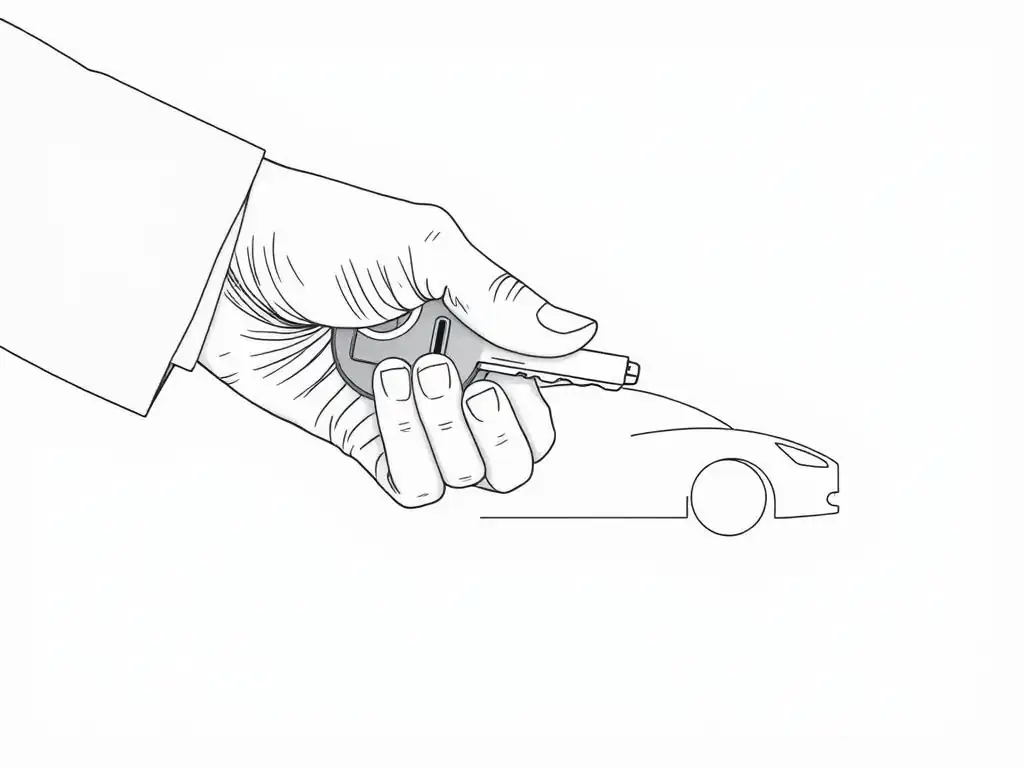
This section delves into a practical example of how the endowment effect – that psychological bias causing us to overvalue owned possessions psychology – can manifest and how it can be overcome. We'll examine the sale of a used car, a common scenario where emotional attachment frequently clashes with rational financial decision-making. The endowment effect often leads to inflated pricing expectations, hindering a quick and profitable sale.
Analyzing the Emotional Attachment to the Vehicle
Many car owners develop a strong emotional connection with their vehicles. This isn't just about the functionality; it's about memories associated with road trips, family outings, and personal milestones. This sentimental value is often difficult to quantify, yet significantly influences the perceived worth. For instance, consider Sarah, who owned a ten-year-old sedan.
While objectively the car's market value was around $5,000 based on comparable listings, Sarah struggled to let it go for less than $7,000. She justified this higher price by citing the "many happy memories" associated with the vehicle – a clear manifestation of the endowment effect impacting her perception of its worth. The overvalue owned possessions psychology principle was clearly at play. The emotional attachment added a subjective, intangible value that far exceeded the car's actual market value.
This emotional attachment often clouds judgment, leading to unrealistic expectations and potentially missed opportunities. Understanding this emotional component is crucial to mitigating the endowment effect's influence. The key is to separate the sentimental value from the objective market value.
Developing an Objective Valuation Strategy
To combat the endowment effect and achieve a successful sale, Sarah needed a structured approach to valuation. This involved several steps:
- Researching comparable vehicles: Sarah meticulously researched online listings of similar cars (make, model, year, mileage) to establish a realistic price range. She focused on recently sold vehicles rather than asking prices, gaining a clearer picture of the actual market value.
- Considering vehicle condition: A thorough assessment of the car's condition, including wear and tear, any necessary repairs, and its overall mechanical state, was crucial. This helped her understand potential deductions from the average market price.
- Consulting professional valuations: While not always necessary, seeking a professional appraisal from a reputable source can provide an unbiased perspective and further solidify a realistic pricing strategy. This external validation helps counter the subjective overvaluation often caused by the endowment effect.
- Prioritizing a quick sale: Setting a reasonable price, even slightly below the average market value, can significantly increase the likelihood of a speedy sale. This approach prioritizes the financial benefits of a swift transaction over clinging to a potentially inflated price.
The Result: A Successful and Profitable Sale
By employing a systematic approach that separated emotion from logic, Sarah successfully sold her car. She initially struggled with the idea of accepting a price lower than her emotional valuation. However, after carefully analyzing comparable listings and considering the car’s condition, she set a price slightly below the average market value. This strategic move resulted in a quick sale within a week, netting her $5,800 – a profitable outcome that exceeded her initial expectations.
This example clearly demonstrates that understanding and actively mitigating the overvalue owned possessions psychology bias can lead to better financial outcomes. The key takeaway is the importance of objective evaluation and a willingness to detach from emotional attachments when making financial decisions. The successful sale of Sarah's car serves as a testament to the power of strategic planning in overcoming the endowment effect.
Conclusion: Mastering Your Financial Decisions by Understanding the Endowment Effect
The endowment effect, a powerful cognitive bias, significantly impacts our financial decisions. Understanding its mechanisms is crucial for making rational choices and avoiding costly mistakes. We've explored how this bias leads us to overvalue our possessions, influencing everything from selling a used car to investing in stocks. By recognizing this tendency, we can mitigate its influence and cultivate a more objective approach to financial management. The key is to consciously separate emotional attachment from monetary value.
Key Takeaways and Actionable Steps to Implement
This section offers practical steps to counter the endowment effect and make smarter financial decisions. Remember, the goal isn't to eliminate emotional attachment entirely—that's unrealistic—but to manage it effectively.
- Practice detachment: Before making a financial decision involving something you own, try to imagine you don't possess it. What would you pay for it then? This mental exercise creates distance, fostering a more objective perspective. For example, before setting a price for your old smartphone, consider what you’d pay for a similar model on the secondhand market.
- Seek external opinions: Get feedback from unbiased sources. A friend, family member, or even an online forum can offer a fresh perspective on the value of your possessions. Their detached viewpoint can help you identify any inflated valuations based on sentimental attachment.
- Set a realistic timeframe: Don't rush into decisions. Give yourself ample time to consider the pros and cons, allowing the emotional intensity to subside. A cooling-off period can significantly reduce the impact of the endowment effect.
- Focus on opportunity cost: Analyze what you could gain by selling or letting go of an item. The potential returns from a different investment or purchase might outweigh the sentimental value of something you already own. Consider this carefully when deciding whether to hold onto a depreciating asset.
- Utilize decision-making frameworks: Employ structured decision-making tools, such as cost-benefit analysis or decision matrices. These frameworks help to prioritize objective factors over emotional biases.
The table below summarizes these actionable steps:
| Step | Description | Example |
|---|---|---|
| Practice detachment | Imagine you don't own the item. What would you pay for it? | Before selling a car, research comparable models and prices. |
| Seek external opinions | Get feedback from unbiased sources to assess the item's true market value. | Ask a friend or consult online forums for price comparisons. |
| Set a realistic timeframe | Avoid impulsive decisions; give yourself time for rational evaluation. | Wait a few days before selling an item, especially if it holds sentimental value. |
| Focus on opportunity cost | Consider potential gains from alternative investments or purchases. | Compare the return from selling a stock to the potential returns from another. |
| Utilize decision frameworks | Employ structured tools (cost-benefit analysis, decision matrices) to prioritize objective factors. | Create a spreadsheet comparing the costs and benefits of keeping or selling an item. |
By consistently applying these strategies, you can significantly reduce the influence of the endowment effect on your financial decisions, leading to better outcomes and improved financial wellness.
Continued Learning and Resources for Financial Wellness
Further exploration into behavioral economics and cognitive biases will enhance your understanding of the endowment effect and its broader implications. Consider exploring resources on:
- Prospect Theory: This theory explains how individuals make decisions under conditions of risk and uncertainty, often deviating from rational economic models.
- Loss Aversion: This bias describes the tendency to feel the pain of a loss more strongly than the pleasure of an equivalent gain. It's closely related to the endowment effect.
- Mental Accounting: This concept explores how people categorize and treat money differently depending on its source and intended use.
Investing in your financial literacy is an investment in your future. By consistently learning and applying these principles, you can build a stronger foundation for making sound financial choices and achieving lasting financial wellness. Remember, understanding the psychology behind your financial decisions is just as important as understanding the financial concepts themselves.
Frequently Asked Questions
What is the endowment effect?
The endowment effect is a psychological bias where we place a higher value on things we already own, simply because we own them. This happens even if the item's objective value hasn't changed.
Why does the endowment effect happen?
The endowment effect is linked to loss aversion, our tendency to feel the pain of a loss more strongly than the pleasure of an equivalent gain. We're more likely to avoid losing something we possess than to gain something new of similar value.
How does the endowment effect impact my decision-making?
It can lead to poor financial decisions, like overpricing items when selling or being unwilling to trade for better options. It affects choices ranging from selling a car to choosing a new phone.
Can I overcome the endowment effect?
Yes, by practicing mindfulness and consciously considering the objective value of items, rather than their sentimental value or your attachment. Focusing on the potential benefits of letting go can help.
How does this relate to productivity and time management (as per UltimateLifeHacks)?
Understanding the endowment effect helps you declutter efficiently. By recognizing your tendency to overvalue possessions, you can make more rational decisions about what to keep and what to let go of, freeing up time and mental space.
Final Reflection: The Enduring Power of Possession
The endowment effect isn't just an interesting psychological quirk; it's a powerful force shaping our economic decisions, our relationships, and even our sense of self. Understanding this bias is crucial in navigating the complexities of modern life, from making sound financial choices to fostering healthier attachments to material possessions. Ignoring its influence leaves us vulnerable to irrational choices and missed opportunities.
The endowment effect's impact extends far beyond simple market transactions. It subtly influences our attachment to ideas, beliefs, and even people. We cling to outdated perspectives, resist change, and sometimes even prioritize the familiar over the potentially better. We are all prisoners of our own experiences. We tend to overvalue what we know and undervalue what we don't.
This quote highlights the insidious nature of the endowment effect, reminding us that our perceived value is often skewed by our pre-existing relationship with an object or idea.
Consider the implications of this bias in your own life. Are you holding onto possessions that no longer serve you, simply because you've owned them for a long time? Are you clinging to relationships that have become stagnant, fearing the unknown of letting go? Take a moment to honestly assess your attachments. Identify where the endowment effect might be clouding your judgment, and challenge yourself to make decisions based on objective value rather than emotional attachment. By understanding and actively combating this bias, you can unlock greater freedom, make more rational choices, and ultimately, live a more fulfilling life.
Unlock Smarter Decisions: Overcome the Endowment Effect Today!
Thanks for exploring the fascinating world of the endowment effect! You've gained a powerful tool to understand why we sometimes overvalue possessions. Let's put this knowledge into practice.
- Identify a possession you're hesitant to part with: Choose something—a sentimental trinket, a rarely worn piece of clothing, or even a seldom-used digital file. This is the first step to recognizing your own biases.
- Share your experience in the comments below! Let's discuss how the endowment effect influences our decisions.
- Consider a simple exchange: Could you trade this item for something of similar value that you'd use and appreciate more? Even small adjustments can significantly improve your decision-making.
Ready to make more rational and fulfilling choices? What will you examine today to see if the endowment effect is influencing your decisions?