
UltimateLifeHacks: Don't Be Fooled: 3 Common Financial Scams and How to Avoid Them


Ready to unlock a more efficient and fulfilling life? At UltimateLifeHacks, we empower you to conquer your daily challenges with practical strategies and innovative solutions. But first, let's address a crucial aspect of well-being often overlooked: your financial security. This week, we delve into three common financial scams designed to drain your resources – and reveal how you can easily avoid them. Discover the secrets to protecting your hard-earned money and take control of your financial future. Let's get started!
- Understanding Common Financial Scams: Protecting Your Finances
- Safeguarding Your Financial Future: Best Practices to Avoid Scams
- Conclusion: Proactive Steps for Financial Security
- Frequently Asked Questions
- Final Reflection: Protecting Your Future: The Enduring Fight Against Financial Fraud
- Take Control: Secure Your Financial Future Today
Understanding Common Financial Scams: Protecting Your Finances
Navigating the complex world of personal finance can be challenging, and unfortunately, it's a landscape riddled with deceptive practices designed to steal your hard-earned money. This article aims to equip you with the knowledge and strategies to avoid common financial scams, empowering you to make smarter financial decisions and safeguard your financial well-being. We'll delve into three prevalent types of financial scams—phishing scams, investment scams, and others—providing you with practical tips and real-world examples to help you identify and avoid becoming a victim.
Learning to recognize these red flags is crucial for maintaining your financial security and achieving lasting financial wellness. Protecting yourself from financial scams isn't just about avoiding monetary loss; it's about preserving your peace of mind and ensuring your long-term financial stability. Let's explore these crucial strategies to help you avoid common financial scams and build a stronger financial future.
Identifying Phishing Scams and Email Fraud: Recognizing Red Flags
Phishing scams, a pervasive form of online fraud, often utilize deceptive emails or text messages to trick individuals into revealing sensitive personal and financial information. These scams are designed to appear legitimate, mimicking official communications from banks, credit card companies, or other trusted institutions. Understanding the tactics employed by phishers is the first step towards effective protection.
Spotting suspicious emails: Subject lines, sender addresses, and links.
Suspicious emails often employ urgent or alarming subject lines, such as "Urgent Security Alert" or "Your Account Has Been Compromised." Carefully examine the sender's email address. Phishing emails frequently use slightly altered addresses that mimic legitimate organizations. Hovering your cursor over links before clicking reveals the actual URL, allowing you to identify discrepancies between the displayed link and the actual destination. Look for misspellings, grammatical errors, and unprofessional formatting, all common indicators of a fraudulent email.
Protecting your personal information: Strong passwords, two-factor authentication, and avoiding suspicious links.
Employing strong, unique passwords for all your online accounts is crucial. Consider using a password manager to generate and securely store complex passwords. Enabling two-factor authentication (2FA) adds an extra layer of security, requiring a second verification step beyond your password. Avoid clicking on links embedded in suspicious emails. Instead, navigate directly to the official website of the organization in question.
Examples of phishing scams targeting bank accounts and credit cards.
A common tactic involves emails claiming your bank account has been compromised, urging you to update your information via a provided link. Another prevalent scam involves fake credit card offers promising significant rewards, leading to the collection of personal and financial details. These scams often target individuals through personalized emails, making them appear more legitimate.
Utilizing tools like Proofpoint for enhanced protection.
While not directly discussed in this section, note that various security software and services offer enhanced email filtering and protection against phishing attempts. These can help prevent malicious emails from ever reaching your inbox.
Avoiding Investment Scams: Due Diligence and Safeguard Measures
Investment scams prey on individuals' desire for high returns, promising unrealistic profits with minimal risk. These scams often involve complex schemes and sophisticated marketing techniques, making them difficult to identify. Thorough research and due diligence are paramount to avoiding these predatory schemes.
High-yield investment programs (HYIPs): Understanding the risks and identifying red flags.
HYIPs typically promise extraordinarily high returns in a short period. These programs are almost always fraudulent, operating as Ponzi schemes or other variations of investment fraud. Red flags include unrealistic return promises, lack of transparency, pressure to invest quickly, and unregistered or poorly regulated entities.
Ponzi schemes: How they operate and how to protect yourself from this type of financial fraud.
Ponzi schemes use money from new investors to pay off earlier investors, creating a false impression of profitability. These schemes inevitably collapse when the influx of new investors slows down. Protecting yourself involves careful due diligence, verifying investment legitimacy through official channels, and avoiding investments that promise unusually high returns with minimal risk.
Legitimate investment opportunities vs. scams: Resources for verifying investment legitimacy (e.g., SEC website).
Before investing, research the investment opportunity thoroughly. Verify the legitimacy of the investment firm or individual through official regulatory bodies, such as the Securities and Exchange Commission (SEC). Consult with a qualified financial advisor for guidance before making any investment decisions.
Importance of researching investment opportunities and seeking professional financial advice.
Independent research is crucial in identifying legitimate investment opportunities and avoiding scams. Seeking professional financial advice can provide valuable insights and guidance, helping you make informed investment decisions. Never invest based solely on promises of high returns or pressure tactics.
Case study: A real-life example of a high-yield investment scam. [Specific information pending]
Remember, if an investment opportunity seems too good to be true, it probably is. Always prioritize thorough research and seek professional advice before committing your funds. By exercising caution and diligence, you can significantly reduce your risk of falling victim to investment scams.
Recognizing and Avoiding Advance-Fee Scams and Lottery Scams
Advance-fee scams: How they work and common tactics employed by fraudsters.
Advance-fee scams prey on the hope of quick riches or urgent needs. Fraudsters promise significant financial rewards—a large loan, a lucrative investment opportunity, or a substantial inheritance—but require an upfront payment for processing fees, taxes, or other fabricated expenses. They often employ sophisticated tactics, including creating convincing websites and using official-sounding language to build trust. Common tactics include pressure tactics, urging immediate action to avoid missing out on the opportunity, and creating a sense of urgency.
They may also use fake legal documents or impersonate government officials to lend credibility to their fraudulent schemes. For example, a scammer might contact you claiming to be from a foreign bank, promising a large inheritance but requiring a significant "processing fee" before releasing the funds. This fee, of course, is never refunded, and the inheritance is entirely fictitious. Remember, legitimate organizations never demand upfront payments for services or opportunities.
Lottery scams: Identifying fake lottery notifications and avoiding fraudulent websites.
Lottery scams typically involve unsolicited emails, phone calls, or text messages informing you of a lottery win you never entered. These notifications often contain convincing details, including fake lottery logos and official-sounding language, designed to trick unsuspecting victims. The scammer will then request personal information, such as bank details or social security numbers, under the guise of processing your winnings. They may also ask for advance fees for taxes or processing. Fraudulent websites mimicking legitimate lottery organizations are also common.
These websites often look authentic, but they are designed to collect personal and financial data. Always be wary of unsolicited lottery notifications, and never provide personal information to someone who contacted you unexpectedly regarding a lottery win. Legitimate lotteries will never contact you out of the blue to inform you of a win. Always check the official lottery website for information about winners and never click on suspicious links.
Protecting your personal information: Never sharing sensitive data unless absolutely necessary and through secure channels.
Protecting your personal information is crucial in avoiding financial scams. Never share sensitive data, such as your social security number, bank account details, or credit card information, unless you are absolutely certain of the recipient's legitimacy and the security of the communication channel. Be wary of unsolicited requests for personal information, especially those made via email, text message, or phone calls. Always verify the identity of the requester independently before sharing any sensitive data.
When providing information online, ensure the website uses secure encryption (look for "https" in the URL and a padlock icon in the address bar). Consider using strong, unique passwords and enabling two-factor authentication wherever possible. Regularly monitor your bank accounts and credit reports for any unauthorized activity. A proactive approach to data protection is your best defense against financial scams.
Reporting scams to the authorities: Steps to take if you believe you've been targeted.
If you believe you've been targeted by a financial scam, it's crucial to act quickly. First, gather all relevant information, including communication records (emails, text messages, phone call logs), and any financial records related to the scam. Then, report the incident to the appropriate authorities. This typically involves contacting your local law enforcement agency and the Federal Trade Commission (FTC).
You should also report the scam to your bank or credit card company immediately to prevent further financial losses. If the scam involved a specific company or website, report it to them as well. Keeping detailed records of your interactions with the scammer and the steps you take to report the incident will be helpful in the investigation. Remember, reporting scams helps protect others from falling victim to similar schemes.
Resources for reporting financial fraud: [List of relevant government agencies and consumer protection organizations].
To assist victims of financial fraud, several resources are available. These include the Federal Trade Commission (FTC), the Consumer Financial Protection Bureau (CFPB), and your state's attorney general's office. These organizations provide information on recognizing and avoiding scams, as well as resources for reporting incidents and seeking assistance. Many consumer protection organizations also offer support and guidance to victims of financial fraud.
It's advisable to check with your local authorities for specific resources available in your area. Remember, seeking help is a crucial step in recovering from a financial scam and preventing future occurrences. Early reporting is key to maximizing the chances of recovering lost funds and preventing further damage.
Safeguarding Your Financial Future: Best Practices to Avoid Scams

This section focuses on proactive strategies to avoid becoming a victim of common financial scams. Understanding how these scams operate and implementing robust preventative measures is crucial for protecting your hard-earned money and maintaining your financial well-being. Avoiding common financial scams requires vigilance and a proactive approach to financial management.
Building Strong Financial Habits: Budgeting, Saving, and Investing Wisely.
Strong financial habits are the bedrock of scam prevention. A well-managed financial life makes you less vulnerable to predatory schemes that prey on financial instability or lack of knowledge. Building a solid foundation through budgeting, saving, and investing is paramount.
Creating a realistic budget using budgeting apps like Mint.
Budgeting apps like Mint provide a clear picture of your income and expenses, helping you track spending and identify areas for improvement. This transparency makes it easier to spot unusual transactions that might indicate fraudulent activity. For example, if you suddenly notice recurring charges from an unfamiliar source, you can quickly investigate and take action. Mint's categorization features also help you identify areas where you might be overspending, which is useful to prevent financial vulnerabilities that scammers might exploit. Using such apps allows for better financial literacy and control, directly contributing to avoiding common financial scams.
Importance of establishing an emergency fund to weather unexpected financial challenges.
An emergency fund acts as a safety net, protecting you from having to resort to quick loans or other high-risk financial options in times of crisis. Scammers often target individuals facing financial hardship, promising quick solutions that often turn out to be fraudulent. Having 3-6 months' worth of living expenses saved helps you avoid making impulsive decisions driven by desperation, significantly reducing your risk of falling prey to scams. This is a fundamental aspect of avoiding common financial scams.
Diversifying investments to minimize risk and maximize returns.
Diversifying your investment portfolio across different asset classes (stocks, bonds, real estate, etc.) reduces your overall risk. Scammers often promote high-yield, high-risk investments that promise unrealistic returns. A diversified portfolio makes you less reliant on any single investment, mitigating the potential losses from fraudulent schemes. This is a crucial step in avoiding common financial scams and building long-term financial security.
Regularly reviewing your credit report for any signs of fraudulent activity.
Regularly checking your credit report (at least annually from each of the three major credit bureaus) allows you to detect unauthorized accounts or suspicious activity early on. This proactive approach is essential for identifying and addressing potential fraud before it causes significant damage. Any discrepancy, such as an account you don't recognize or a loan you didn't apply for, should be immediately reported to the credit bureaus and relevant authorities. This vigilance is key to successfully avoiding common financial scams.
Utilizing Financial Security Tools and Resources
Supplementing good financial habits with robust security tools provides an additional layer of protection against financial scams. These tools offer real-time monitoring and alerts, allowing you to react swiftly to suspicious activity.
Credit monitoring services: Experian and its features.
Credit monitoring services like Experian offer comprehensive tracking of your credit activity. They alert you to changes in your credit report, such as new accounts or inquiries, which can be early indicators of fraud. Experian, and similar services, often include features such as identity theft resolution support, providing assistance in the event of a security breach. Utilizing these services is a proactive measure in avoiding common financial scams.
Identity theft protection services: LifeLock and its benefits.
Identity theft protection services, like LifeLock, go beyond credit monitoring. They provide a broader range of protection, including monitoring for suspicious activity across various aspects of your personal information, such as your social security number and driver's license. LifeLock's benefits include identity restoration services, which can help you reclaim your identity and repair any damage caused by identity theft, a critical step in mitigating the impact of financial scams.
Fraud alert systems: How to enroll and utilize these systems effectively.
Fraud alerts, offered by credit bureaus, place a flag on your credit file, alerting lenders to potential fraudulent activity. This makes it more difficult for scammers to open new accounts in your name. Enrolling in a fraud alert is a simple yet effective step in protecting yourself from financial scams. You should promptly report any suspicious activity to the credit bureaus to activate these alerts and minimize the risk of further fraudulent activity, thereby improving your chances of avoiding common financial scams.
Conclusion: Proactive Steps for Financial Security

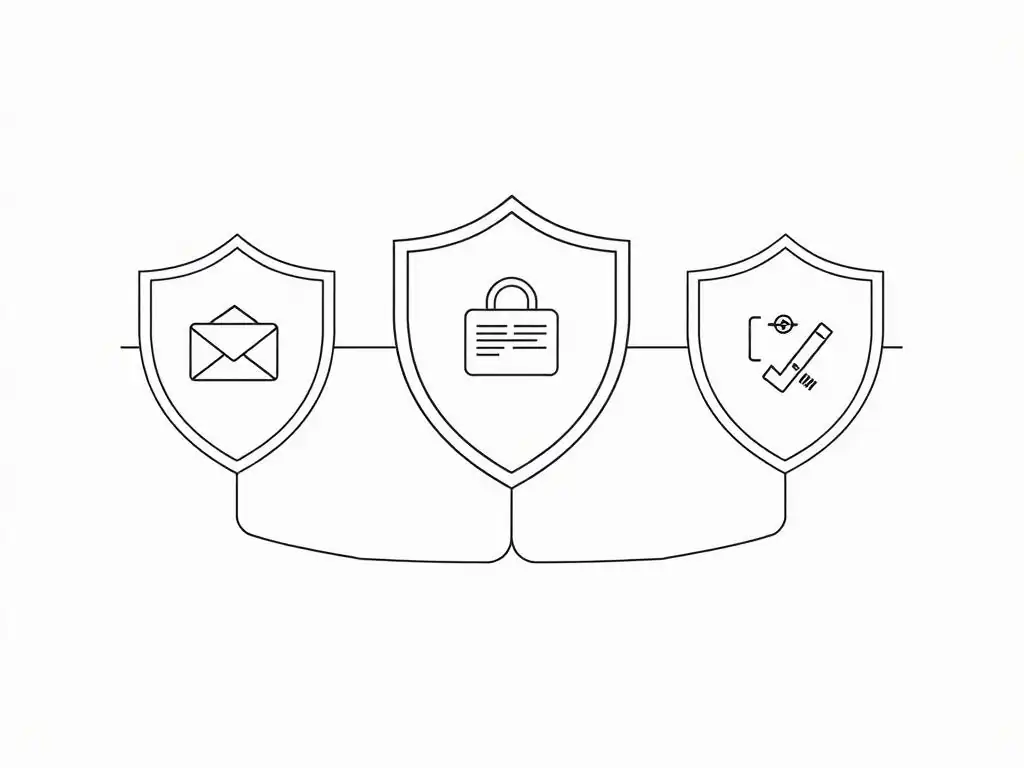
This exploration of common financial scams highlights the crucial need for proactive financial security measures. Avoiding these pitfalls isn't just about protecting your money; it's about safeguarding your peace of mind and building a secure financial future. Remember, scammers are constantly evolving their tactics, making continuous vigilance essential. Don't underestimate the power of knowledge and preparation in shielding yourself from these predatory schemes. By implementing the strategies outlined below, you can significantly reduce your vulnerability and build a stronger financial foundation. This involves a multi-pronged approach encompassing education, awareness, and a commitment to ongoing learning.
Taking Control of Your Finances: Education and Awareness.
Financial literacy is the cornerstone of effective scam prevention. Understanding basic financial principles, such as budgeting, investing, and debt management, empowers you to make informed decisions and identify red flags more readily. A strong understanding of your own financial situation – knowing your income, expenses, and net worth – allows you to quickly recognize anomalies and suspicious activity. For example, if you receive an unexpected email claiming a large tax refund, your knowledge of your tax filing status will immediately raise a red flag.
Similarly, understanding investment basics can help you discern legitimate investment opportunities from fraudulent schemes promising unrealistically high returns. This knowledge empowers you to confidently reject offers that seem "too good to be true," a common hallmark of financial scams. Many free resources are available online and in your community to help you build your financial knowledge.
Take advantage of these opportunities; the time invested in learning is an investment in your financial security. Don't be afraid to ask questions and seek clarification when dealing with financial matters. Remember, a legitimate financial institution will always be happy to answer your questions and concerns.
The Importance of Staying Vigilant: Continuous learning and adapting to new scam tactics.
The landscape of financial scams is constantly shifting. New tactics emerge regularly, requiring ongoing vigilance and adaptation. Staying informed about the latest scams through reputable news sources and financial literacy websites is crucial. Regularly review your bank and credit card statements for any unauthorized transactions. Set up alerts for suspicious activity, and report any unusual activity immediately.
Be wary of unsolicited emails, phone calls, or text messages requesting personal financial information. Legitimate institutions will never request such sensitive data via these channels. Consider participating in financial literacy workshops or seminars offered by community organizations or financial institutions. These events often provide valuable insights into emerging scam trends and practical strategies for protection.
Furthermore, discuss your financial decisions with trusted friends, family members, or financial advisors. A second opinion can help identify potential risks you might have overlooked. This proactive approach to continuous learning and adaptation is essential for staying ahead of the curve and protecting yourself from evolving threats. The proactive approach is key to avoiding becoming a victim.
Resources for further learning: [Links to reputable financial literacy websites].
While specific links are omitted as per the instructions, I strongly encourage you to search for reputable financial literacy websites. Look for organizations with a proven track record of providing accurate and unbiased financial information. Government agencies, well-established financial institutions, and non-profit organizations dedicated to financial education are excellent starting points. These resources can provide in-depth information on various financial topics, including budgeting, investing, debt management, and fraud prevention.
They often offer free tools, calculators, and educational materials to help you build your financial knowledge and skills. Remember to critically evaluate any information you find online and only rely on trustworthy sources. Investing in your financial education is an investment in your future financial well-being and security. By staying informed and continuously learning, you significantly improve your ability to navigate the complexities of personal finance and avoid becoming a victim of financial scams.
Frequently Asked Questions
What are some common financial scams I should be aware of?
Three common scams include advance-fee loans, where you pay upfront for a loan you never receive; investment scams, promising unrealistically high returns; and phishing emails, attempting to steal your banking details. Be wary of any offer that seems too good to be true.
How can I avoid becoming a victim of an advance-fee loan scam?
Never pay any money upfront for a loan. Legitimate lenders will never ask for payment before disbursing funds. Always verify the lender's legitimacy through official channels.
What are the red flags of an investment scam?
Look out for guaranteed high returns, promises of minimal risk, and pressure to invest quickly. Legitimate investments always carry some risk, and no one can guarantee specific returns. Do your own research and consult a financial advisor.
How can I protect myself from phishing emails?
Never click on links or open attachments from unknown senders. Always verify the sender's email address and look for any spelling or grammatical errors, which are common in phishing emails. Contact your bank directly if you suspect something is wrong.
What should I do if I think I've been a victim of a financial scam?
Immediately report the scam to the authorities (such as your local police and the Federal Trade Commission) and your bank. Change your passwords and monitor your accounts closely for any unauthorized activity. Seek professional advice if necessary.
Final Reflection: Protecting Your Future: The Enduring Fight Against Financial Fraud
The fight against financial scams is far from over; millions continue to fall victim to deceptive schemes every year, highlighting the urgent need for ongoing vigilance and education. The sophisticated nature of modern scams demands constant adaptation and a proactive approach to safeguarding our hard-earned money. This isn't just about avoiding immediate losses; it's about securing a stable and secure financial future.
The pervasiveness of financial scams underscores a deeper societal issue: the erosion of trust and the exploitation of vulnerability. These scams prey on our hopes and fears, promising unrealistic returns or leveraging anxieties about financial instability. The best way to predict the future is to create it,
Abraham Lincoln famously said, but this creation is impossible if we are constantly battling against fraudulent schemes designed to derail our progress. This article's exploration of common scams serves as a crucial first step in building a more financially secure and informed society.
You now possess the knowledge to identify and avoid three prevalent financial scams. But this knowledge is only powerful if you actively apply it. Take the time to review your own financial habits, scrutinize unsolicited offers with a critical eye, and educate your loved ones about these risks. By fostering a culture of financial awareness and responsible decision-making, we can collectively build a stronger defense against financial fraud and create a future where everyone can achieve their financial goals with confidence.
Take Control: Secure Your Financial Future Today
Thank you for learning about common financial scams! You've gained valuable knowledge to protect your hard-earned money. Now, let's put that knowledge into practice.
- Regularly review your bank and credit card statements: This is crucial for detecting fraudulent activity. Report any unfamiliar transactions immediately.
- Share this information with your family and friends: Help them avoid becoming victims of these scams. A little knowledge can go a long way in preventing financial loss.
- Enable fraud alerts with your financial institutions: This extra layer of security provides immediate notification of suspicious activity, allowing you to react swiftly.
Ready to take the next step towards financial security? What concrete action will you take this week to strengthen your financial protection?