
UltimateLifeHacks: The Hidden Costs of Convenience: Are You Overpaying?


Are you truly saving time or secretly overspending? UltimateLifeHacks dives deep into the often-overlooked world of hidden costs of convenience, revealing how seemingly time-saving choices can significantly impact your budget. Discover surprising ways seemingly minor conveniences drain your resources and learn practical strategies to reclaim control of your time and finances. Uncover the truth behind the trade-off and start optimizing your daily life, one smart choice at a time. Let's explore the surprising realities of convenience...and how to outsmart them.
- Understanding the True Price of Time-Saving Services
-
Hidden Costs in Everyday Life: Examples and Case Studies
- Subscription Services: The Sneaky Drain on Your Wallet (e.g., Netflix, Spotify, meal kit delivery services)
- Grocery Delivery Apps: Convenience vs. Cost Comparison (e.g., Instacart vs. traditional grocery shopping)
- Ride-Sharing Services: Evaluating the True Cost of Uber and Lyft (vs. public transport or car ownership)
- Fast Food and Takeout: The Hidden Calories and Financial Impact
- Strategies to Minimize Hidden Costs While Maintaining Convenience
- Balancing Convenience and Cost: Finding the Sweet Spot
- Tools and Resources for Smart Financial Decisions
- Frequently Asked Questions
- Final Reflection: Reclaiming Time, Redefining Value
- Unlock Your Savings: Take Control of Your Spending Today!
Understanding the True Price of Time-Saving Services
We live in a world obsessed with convenience. From grocery delivery services and meal kit subscriptions to pre-chopped vegetables and on-demand cleaning services, the allure of saving time is undeniable. But have you ever stopped to consider the true cost of this convenience?
This article delves into the often-overlooked "hidden costs of convenience," exploring how seemingly small time-saving choices can significantly impact your finances over time. We'll unpack the psychology behind our attraction to instant gratification, analyze common areas where convenience costs us more than we realize, and provide practical strategies to help you make smarter financial decisions without sacrificing all the benefits of a streamlined life. Ultimately, we aim to equip you with the knowledge to balance convenience with financial prudence, optimizing both your time and your budget.
Understanding the hidden costs of convenience is crucial for achieving true financial wellness and maximizing your productivity. This isn't about deprivation; it's about making informed choices that align with your financial goals.
The Allure of Convenience: Why We Choose Speed Over Savings
The human brain is wired to prioritize immediate gratification. The satisfaction of a quickly completed task, a readily available meal, or a pristine home without lifting a finger outweighs the often-distant consideration of long-term financial implications. This is amplified by sophisticated marketing strategies that highlight the ease and speed of convenience services, often subtly obscuring the actual cost.
Think about it: a $15 meal kit might save you 30 minutes of grocery shopping and cooking time, but over a month, that adds up to a considerable sum. The convenience is tempting, but the cumulative cost can be surprisingly high. This psychological bias – preferring immediate reward over delayed gratification – often leads us to overspend without fully realizing the impact on our budgets.
We justify these costs by focusing on the time saved, often neglecting the bigger financial picture. Understanding this psychological aspect is the first step in breaking free from the cycle of overspending on convenience.
Let's examine some common examples of hidden costs associated with convenience:
| Service | Perceived Benefit | Hidden Costs | Potential Savings Strategies |
|---|---|---|---|
| Grocery Delivery Services | Saves shopping time, avoids impulse buys | Delivery fees, higher prices than in-store | Plan your shopping list meticulously, utilize store coupons, consider less frequent larger shopping trips |
| Meal Kit Subscriptions | Easy meal planning & prep | Subscription fees, potentially higher food costs | Cook more meals from scratch, explore cheaper alternatives to meal kits |
| Pre-chopped Vegetables | Saves time on food preparation | Significantly higher price per unit than whole produce | Learn basic knife skills and allocate time for prepping |
| On-Demand Cleaning Services | Clean home without effort | High hourly rates, potential for recurring costs | Prioritize cleaning tasks, incorporate cleaning into your routine |
| Ride-Sharing Services | Convenient transportation | Significantly higher cost than public transport | Utilize public transport or carpooling whenever possible |
These are just a few examples. The key takeaway is that the seemingly small extra cost of convenience adds up dramatically over time. These hidden costs often go unnoticed, buried within our monthly expenses, subtly eroding our savings. By becoming more mindful of these expenses, we can start making more conscious choices.
Analyzing Your Spending: Identifying Areas Where Convenience Costs You
To effectively manage your spending and minimize the hidden costs of convenience, it's crucial to analyze your spending habits. Start by tracking your expenses for a month, paying close attention to where you're spending money on convenience services. Categorize your expenses and identify areas where you're consistently overspending due to convenience.
Once you've identified these areas, you can start to explore alternative, more cost-effective solutions. This could involve learning new skills (like cooking or basic home repairs), planning ahead, or simply being more mindful of your purchasing decisions. The goal is not to eliminate convenience entirely, but to strategically choose where you invest in it, ensuring that the benefits outweigh the costs.
By consciously evaluating the trade-off between convenience and cost, you can make informed decisions that optimize both your time and your finances. Remember, smart financial decisions are about making choices that align with your long-term goals, not about sacrificing all enjoyment.
This section delves into the often-overlooked financial implications of prioritizing convenience. We'll examine specific examples to illustrate how seemingly small conveniences can significantly impact your budget over time. Understanding these "hidden costs of convenience" is crucial for making informed financial decisions and optimizing your spending. The key is to weigh the value of convenience against its true monetary cost, a crucial element of effective time management and financial wellness.
Subscription Services: The Sneaky Drain on Your Wallet (e.g., Netflix, Spotify, meal kit delivery services)
Subscription services offer undeniable convenience. Netflix provides instant entertainment, Spotify delivers countless songs at your fingertips, and meal kit services simplify meal planning and grocery shopping. However, the cumulative cost of multiple subscriptions can be surprisingly high. Let's consider a typical scenario:
- Netflix: $15.99/month
- Spotify Premium: $9.99/month
- Meal Kit Service (2 meals/week): $60/month (This varies greatly depending on the service and plan chosen)
These three services alone total approximately $86 per month, or $1032 annually. That's a substantial amount that could be allocated to other financial priorities like savings, debt reduction, or investments. Many people subscribe to several more services than these, leading to an even larger hidden cost. Consider carefully whether the convenience justifies the expense.
Could you replace some services with cheaper alternatives or free options? A thorough review of your subscriptions, perhaps annually, is a valuable exercise in budget optimization. Analyzing your usage of each service can also help determine which subscriptions provide the best value for your money. The goal isn't necessarily to eliminate all subscriptions, but to consciously choose those that align best with your budget and lifestyle.
Grocery Delivery Apps: Convenience vs. Cost Comparison (e.g., Instacart vs. traditional grocery shopping)
Grocery delivery apps like Instacart offer unparalleled convenience, especially for busy individuals. However, the convenience comes at a price. Let's compare a typical grocery shopping trip:
| Shopping Method | Cost of Goods | Delivery/Service Fee | Tip (estimated) | Total Cost | Time Saved (estimated) |
|---|---|---|---|---|---|
| Traditional Grocery Store | $100 | $0 | $0 | $100 | 1 hour |
| Instacart | $100 | $7-$10 | $10-$15 | $117-$125 | 30 minutes |
This table shows that while the cost of goods remains the same, the delivery fees and tips significantly increase the final cost. The time saved might be valuable, but it's crucial to weigh that against the increased expense. The true cost of convenience with Instacart (or similar services) isn't just the additional fees, but also the potential for impulse purchases driven by the ease of ordering. Furthermore, many shoppers find that they tend to order more when using delivery services, further increasing the overall cost. Careful consideration of the trade-off between convenience and cost is essential.
Ride-Sharing Services: Evaluating the True Cost of Uber and Lyft (vs. public transport or car ownership)
Ride-sharing services like Uber and Lyft offer flexibility and convenience, especially in urban areas. However, their cost can quickly escalate, especially compared to alternative transportation options.
Let's compare a 10-mile commute:
- Uber/Lyft: $20-$30 (depending on surge pricing and time of day)
- Public Transport: $2-$5 (significantly cheaper, though possibly slower)
- Car Ownership: [Specific information pending - requires detailed breakdown of car payment, insurance, gas, maintenance, etc.]
The cost of car ownership is more complex and variable, but the table illustrates the potential savings of public transport. While Uber and Lyft offer unmatched convenience, their frequent use can significantly strain your budget. Consider the frequency of your rides and explore alternatives like public transport, cycling, or walking to mitigate the hidden costs. Peak-hour surge pricing can further inflate the cost of ride-sharing, making it even less economical than other options. Strategic planning and consideration of these factors are essential for making informed transportation choices.
The allure of fast food and takeout is undeniable; convenience reigns supreme when hunger strikes and time is short. However, this convenience comes at a steep price, impacting not only our wallets but also our health. The seemingly small savings in time often translate into significant long-term expenses, both financially and in terms of health consequences.
One significant hidden cost is the cumulative effect of frequent purchases. A single fast food meal might seem affordable, but ordering lunch and dinner out several times a week quickly adds up. Consider this: a daily $15 takeout lunch adds up to approximately $3,900 annually – enough to cover a significant portion of a household bill or contribute substantially to savings.
This doesn't even account for the occasional weekend splurge or larger family meals ordered in. The financial impact is amplified further by the fact that these meals frequently lack nutritional value, leading to potential health issues down the line.
Beyond the immediate cost, the hidden health repercussions contribute to a further drain on resources. Regular consumption of high-calorie, processed foods can lead to weight gain, increasing the risk of developing chronic conditions like diabetes, heart disease, and obesity. These conditions necessitate medical care, medications, and potentially lifestyle changes, all of which carry substantial financial burdens.
The cost of treating these health issues significantly outweighs the short-term savings of convenience. For example, managing type 2 diabetes can involve costly medications, regular doctor visits, and potential complications requiring hospitalization – expenses that easily surpass the cost of preparing healthy meals at home.
Furthermore, the convenience of takeout often masks the hidden labor costs. While you're saving time in the kitchen, someone else is spending their time preparing your food. That time has a cost, reflected in the price you pay. By preparing meals at home, you are effectively investing your time in a way that saves money in the long run.
This investment, while requiring initial effort, yields significant returns in both financial savings and improved health outcomes. A well-planned weekly meal prep session can drastically reduce the temptation to resort to expensive and unhealthy takeout options. It's a proactive measure that directly combats the hidden costs of convenience. The time investment upfront significantly outweighs the ongoing financial and health implications of repeatedly choosing convenience over careful planning.
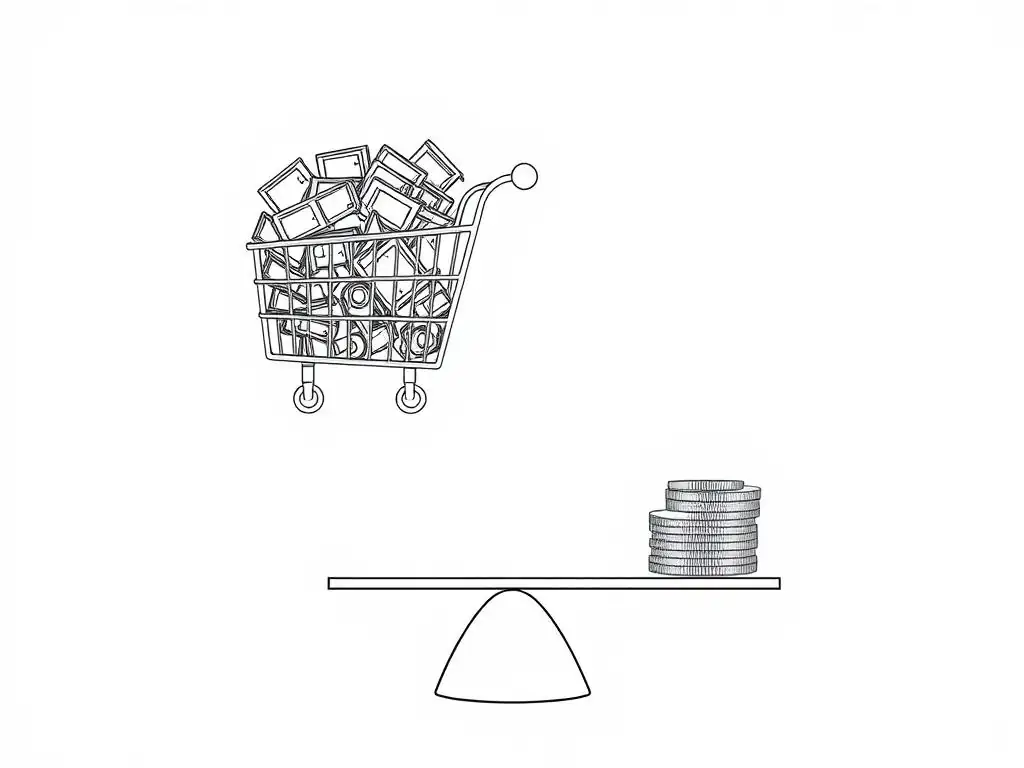
Convenience often comes with a price tag, sometimes a hefty one. Many seemingly small purchases add up over time, significantly impacting your budget. This section explores practical strategies to reduce these "hidden costs of convenience" without sacrificing the ease and speed modern life offers.
Understanding these hidden expenses is the first step towards reclaiming control of your finances and maximizing your time. The key is to find a balance between convenience and cost-effectiveness, a delicate dance between speed and savings. This involves mindful spending habits and leveraging technology and clever strategies to get the most out of your money and time.
Budgeting Apps to Track Spending and Identify Overspending (e.g., Mint, YNAB)
Tracking your spending is crucial to identifying areas where you're overspending on convenience. Budgeting apps offer a powerful solution. Tools like Mint and YNAB (You Need A Budget) provide detailed breakdowns of your spending habits, categorizing transactions and highlighting areas of potential savings.
For example, you might discover you're spending a significant amount on takeout meals or ride-sharing services, expenses that could be significantly reduced by planning meals ahead and utilizing public transport or walking when feasible. These apps often provide visual representations of your spending, making it easy to spot trends and patterns. Many offer features like budgeting tools, allowing you to set spending limits for different categories, sending alerts when you approach your limits, and even providing personalized financial advice.
By using these apps consistently, you can gain a clear understanding of your spending habits and identify areas where you can cut back without compromising your lifestyle. The time invested in tracking your spending is far outweighed by the long-term savings. Think of it as a proactive approach to managing your finances, a "hidden cost of convenience" reducer.
Smart Shopping Strategies: Finding Deals and Discounts
Smart shopping is about more than just comparing prices; it's about strategically seeking out deals and discounts to reduce hidden costs. This includes utilizing loyalty programs, signing up for email newsletters from your favorite retailers (to receive exclusive offers and early access to sales), and exploring cashback websites and apps that offer rewards for shopping at participating stores. Consider exploring different retailers for the same products. Price discrepancies can be surprisingly large, demonstrating that convenience isn't always the cheapest option.
Additionally, consider buying in bulk when appropriate for non-perishable goods. While requiring more upfront storage space, this often translates to significant savings per unit. Finally, embrace the power of comparison shopping websites; these tools quickly compare prices across various retailers, helping you identify the best deals and avoid impulse purchases driven by convenience. This strategic approach to shopping can significantly reduce the hidden costs of convenience over time.
Negotiating Prices and Utilizing Coupons
Negotiating prices, particularly for larger purchases or services, is a powerful yet often overlooked tactic. Don't be afraid to politely ask for a discount, especially if you're a loyal customer or are making a significant purchase. Many businesses are willing to negotiate, particularly if you're paying in cash or making a large purchase. Similarly, utilizing coupons and discount codes can significantly reduce the cost of everyday purchases.
Many websites and apps specialize in aggregating coupons and deals, making it easy to find savings on a wide range of products and services. Remember, even small discounts add up over time, contributing to substantial savings. This proactive approach to cost reduction demonstrates a savvy understanding of personal finance, mitigating the often-overlooked "hidden costs of convenience" and maximizing your budget. The time spent searching for coupons or negotiating a price is a worthwhile investment when you consider the significant long-term savings.
DIY Alternatives: Saving Money by Doing It Yourself (e.g., home repairs, meal preparation)
Embracing DIY projects is a powerful strategy to slash the "hidden costs of convenience" while simultaneously enhancing your skills and potentially saving significant time in the long run. Let's explore how tackling tasks yourself, instead of outsourcing them, can translate into both financial and temporal gains.
Consider home repairs. Hiring a handyman for minor fixes like leaky faucets or replacing a broken light switch can easily cost upwards of $50-$100, depending on location and the complexity of the job. However, with a little research (plenty of online tutorials exist!
), a basic toolkit, and some patience, you can often complete these repairs yourself for a fraction of the cost – the primary expense being the initial investment in tools, which can be amortized over numerous future repairs. This not only saves money but also provides a sense of accomplishment and self-sufficiency. For example, replacing a leaky faucet typically involves a trip to the hardware store (costing around $20-$30 for parts) and an hour or two of your time, but avoids a potentially much larger service bill.
Meal preparation offers another excellent avenue for cost savings. While convenient, regularly ordering takeout or relying on pre-prepared meals can significantly increase your grocery bill. Planning your meals ahead of time and preparing them at home allows you to control ingredients, portion sizes, and ultimately, the overall cost. The initial time investment in planning and prepping ingredients might seem daunting, but the long-term benefits are considerable.
For instance, preparing a large batch of soup or chili on the weekend can provide multiple meals throughout the week, significantly reducing the cost and time spent on individual meal preparation during busy weekdays. The time saved from not having to order or pick up takeout adds up quickly, too. The financial savings here are substantial; a single takeout meal can easily cost $15-$25, easily adding up to hundreds of dollars per month.
Furthermore, the act of engaging in DIY projects can be surprisingly therapeutic and stress-relieving. The sense of accomplishment from completing a task independently can boost your mood and contribute to a greater sense of well-being. This intrinsic reward adds an extra layer of value to the cost-saving benefits, making DIY a truly multifaceted approach to minimizing the hidden costs of convenience and maximizing your time efficiency. The "hidden cost" of not learning a skill is far greater than the initial effort required to master it. The long-term rewards of DIY extend far beyond immediate financial savings.
Balancing Convenience and Cost: Finding the Sweet Spot
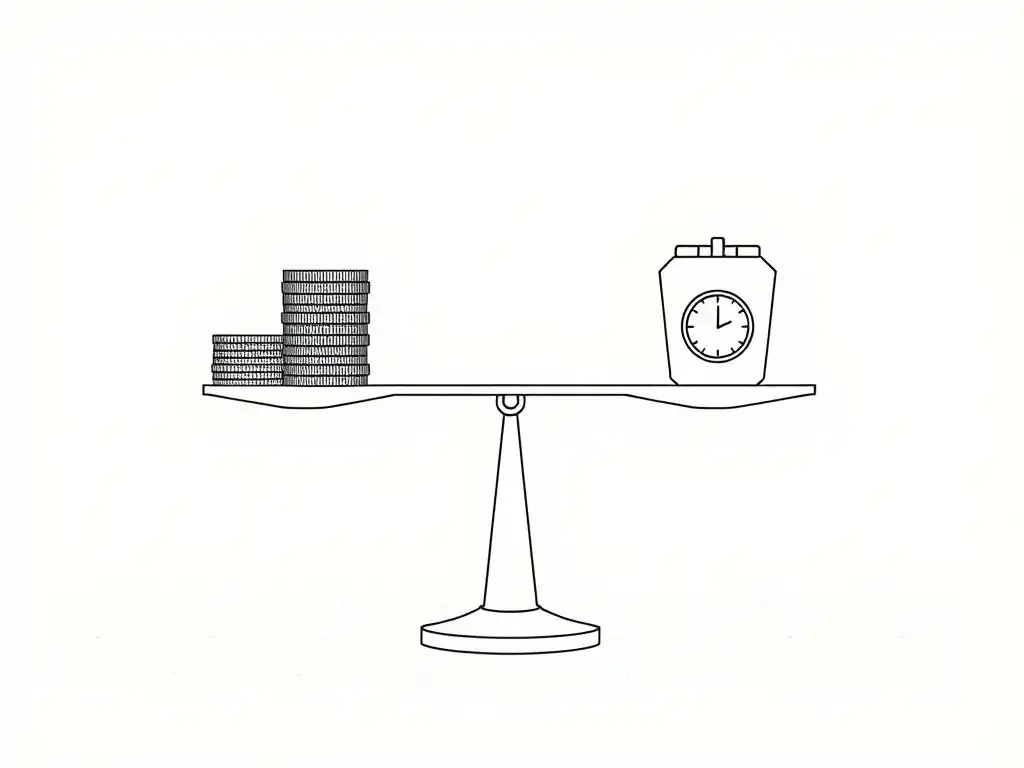
This section delves into the delicate balance between convenience and cost, a crucial aspect of managing personal finances effectively. Many "time-saving" conveniences come with a hefty price tag, often obscuring their true cost. Understanding this dynamic is key to making informed financial decisions and avoiding the "hidden costs of convenience" trap.
We'll explore how to identify these hidden costs and develop strategies to optimize spending while maintaining a comfortable lifestyle. The goal isn't to eliminate convenience entirely, but to strategically choose where to invest your money and time for maximum return. This involves a critical assessment of your spending habits and a realistic approach to budgeting.
Prioritizing Needs vs. Wants: A Realistic Approach to Spending
The first step in navigating the complexities of convenience costs is to differentiate between needs and wants. This seemingly simple distinction often proves surprisingly challenging. A realistic approach involves creating a detailed budget, categorizing expenses as either necessary or discretionary. For example, groceries are a need, while restaurant meals are often a want (although occasional outings can be part of a balanced lifestyle). Similarly, public transport might be a need, while a personal car is often a want, carrying significant hidden costs like insurance, maintenance, and fuel.
Consider this example: A busy professional might opt for pre-chopped vegetables for convenience, paying a premium for time saved. While convenient, this adds up significantly over time. Alternatively, dedicating 30 minutes weekly to chopping vegetables can lead to substantial long-term savings. The key is to consciously evaluate the trade-off between convenience and cost for each purchase.
A mindful approach can reveal significant opportunities to reduce unnecessary spending without sacrificing quality of life. This involves a conscious effort to distinguish between impulsive purchases and carefully considered needs. Tracking your spending habits for a month can reveal surprising patterns and highlight areas where cost-cutting measures can be implemented without impacting your overall well-being.
The Value of Time: Is Convenience Worth the Extra Expense?
The hidden costs of convenience often manifest in the value of your time. While seemingly intangible, time is a precious resource. Many convenience services offer a time-saving benefit, but the financial cost might outweigh the time saved, especially when considering the opportunity cost. This opportunity cost represents the potential earnings or other benefits forgone by choosing convenience over a more cost-effective option.
For instance, consider meal delivery services. While convenient, the fees and tips can significantly exceed the cost of preparing a meal at home. The time saved might only be 30-45 minutes, which could be spent on higher-value activities like pursuing a side hustle or engaging in leisure activities.
Analyzing the hourly rate effectively earned by choosing convenience reveals its true cost. A thorough analysis of your time allocation and the potential earnings from alternative uses of that time is crucial in determining whether convenience is truly worth the financial investment. This approach allows for a more comprehensive understanding of the total cost of convenience, including both monetary and opportunity costs.
Long-Term Savings Strategies: Investing in Your Future
Strategically managing the hidden costs of convenience contributes significantly to long-term financial wellness. By consciously choosing cost-effective alternatives whenever possible, you can free up resources for more substantial investments in your future. These investments could include retirement planning, emergency funds, or pursuing educational opportunities.
Consider automating savings: setting aside a portion of your income regularly, even small amounts, can yield impressive results over time due to compound interest. This consistent saving habit reduces the impact of impulsive spending, allowing for more significant financial stability. The money saved by avoiding excessive convenience costs can significantly accelerate your progress towards these long-term financial goals.
Moreover, by prioritizing needs over wants and carefully evaluating the true cost of convenience, you can build a stronger financial foundation and secure a more prosperous future. This disciplined approach to financial management sets the stage for achieving your long-term goals, including financial independence and security.
Tools and Resources for Smart Financial Decisions
This section explores the practical tools and resources available to help you navigate the complexities of personal finance and minimize the hidden costs of convenience. By leveraging these resources, you can actively manage your finances, track spending, and make informed decisions to optimize your financial well-being. Remember, understanding your spending habits is the first step towards escaping the trap of unnecessary expenses and reclaiming valuable time.
Recommended Budgeting Apps and Financial Planning Tools (e.g., Personal Capital, Fidelity)
Choosing the right budgeting app or financial planning tool can significantly impact your ability to track expenses and make smart financial decisions. Different tools cater to various needs and levels of financial sophistication. Some focus on simple budgeting and expense tracking, while others offer more advanced features like investment management and financial planning.
Many excellent options exist, each with its own strengths and weaknesses. For instance, some popular choices include apps that categorize transactions automatically, provide insightful visualizations of spending habits, and offer personalized financial advice based on your data. Others integrate seamlessly with your bank accounts for effortless tracking and reporting. The key is to select a tool that aligns with your financial goals and technological proficiency.
Consider these factors when choosing a financial management tool:
- Ease of use: How intuitive is the interface? Can you easily input transactions and generate reports?
- Features: Does it offer budgeting tools, expense tracking, investment tracking, financial planning features, or debt management tools?
- Security: What security measures are in place to protect your financial data?
- Integration: Does it integrate with your bank accounts and other financial institutions?
- Cost: Is the app free, or does it involve a subscription fee? Are there any hidden costs associated with premium features?
Here's a sample table comparing features of hypothetical budgeting apps to illustrate the point:
| App Name | Automatic Categorization | Investment Tracking | Financial Planning | Cost |
|---|---|---|---|---|
| BudgetWise Pro | Yes | Yes | Yes | $9.99/month |
| SimpleSpend | Yes | No | No | Free |
| FinanceFlow Premier | Yes | Yes | Limited | $4.99/month |
| MoneyManager Basic | No | No | No | Free (with ads) |
Remember to research thoroughly before committing to any paid service. Many free options offer robust functionality, and paying for premium features might not always be necessary. Finding the right balance between features and cost is crucial for effective personal finance management.
Websites and Blogs for Smart Financial Advice
Beyond dedicated apps, numerous websites and blogs provide valuable insights into personal finance management and strategies for minimizing hidden costs. These resources often offer articles, guides, and tutorials on various topics, from budgeting and saving to investing and debt reduction. Many reputable sources provide unbiased, evidence-based advice to help you make informed decisions.
However, it's crucial to be discerning when selecting online resources. Not all financial advice found online is accurate or reliable. Always verify information from multiple sources and consult with a qualified financial advisor for personalized guidance, especially for complex financial matters.
Look for websites and blogs that cite credible sources and avoid those that promote specific products or services without disclosing potential conflicts of interest. Reading financial news sites and blogs can help you stay informed about market trends and economic developments that might impact your financial decisions. Staying informed is a key component of effective financial management and minimizing hidden costs in the long run.
Books and Courses on Personal Finance Management
Books and courses offer a more structured approach to learning about personal finance. Many excellent resources are available, catering to different learning styles and levels of financial knowledge. These resources often provide a comprehensive overview of various financial topics, including budgeting, saving, investing, debt management, and retirement planning. They can offer a deeper understanding of financial concepts and provide practical strategies for improving your financial well-being.
When choosing books or courses, consider the author's credentials and reputation. Look for resources that are up-to-date and based on sound financial principles. Some popular books cover budgeting techniques, investment strategies, and debt reduction methods in detail. Online courses often provide interactive learning experiences and opportunities for personalized feedback. While the initial investment in a course or book might seem like an added expense, the long-term benefits of improved financial literacy and reduced hidden costs far outweigh the initial outlay. Investing in your financial education is an investment in your future.
Frequently Asked Questions
Hidden costs of convenience refer to the unexpected expenses associated with time-saving products or services. These can include subscription fees, higher prices for pre-prepared meals, or the cost of constantly replacing disposable items. Ultimately, these seemingly small costs add up significantly.
How do convenience items impact my budget?
Convenience items often inflate your spending without you fully realizing it. By opting for speed and ease, you may be sacrificing long-term financial savings. Careful budgeting and awareness are key to mitigating this.
Are all convenience items bad for my budget?
Not necessarily. Some convenience items can be cost-effective if used strategically. For example, a slow cooker can save money on takeout, but pre-cut vegetables might not be worth the premium. Consider the value against the cost.
Start by identifying your spending habits. Track your expenses to pinpoint areas where convenience is costing you more than it saves. Then, explore alternatives like meal prepping or using reusable items.
What are some practical ways to save time and money?
Focus on planning and preparation. This includes meal prepping, batch cooking, and organizing your schedule efficiently. These methods can save you both time and money in the long run by reducing impulse purchases and wasted resources.
Final Reflection: Reclaiming Time, Redefining Value
The relentless pursuit of convenience, while seemingly time-saving, often masks a significant hidden cost—one measured not in dollars and cents alone, but in the erosion of our autonomy and the depletion of our resources. We've explored how seemingly small conveniences, from subscription boxes to pre-chopped vegetables, can quickly accumulate into substantial financial burdens, subtly impacting our long-term financial health and well-being. This isn't just about budgeting; it's about mindful consumption.
The impact of this constant push for convenience extends far beyond our wallets; it shapes our relationship with time itself. We've become accustomed to instant gratification, sacrificing the slower, more deliberate processes that foster creativity, connection, and self-sufficiency. The price of anything is the amount of life you exchange for it,
wrote Henry David Thoreau, a sentiment that resonates deeply when considering the true cost of convenience. This isn't about rejecting all modern conveniences, but about cultivating a conscious awareness of their impact on our lives, our values, and our environment.
Consider this: What truly matters to you? Is it the fleeting satisfaction of a quick fix, or the lasting rewards of mindful choices? Take a moment to audit your own consumption habits. Identify areas where you might be overpaying for convenience, and explore alternatives that align with your values and long-term goals. You have the power to redefine value, to reclaim your time, and to build a life that is both fulfilling and financially sustainable. Start small, make conscious choices, and watch the positive ripple effect unfold.
Unlock Your Savings: Take Control of Your Spending Today!
Thanks for exploring the often-hidden costs of everyday life with us! We hope you've gained valuable insights into how seemingly small conveniences can significantly impact your budget. Now let's put that knowledge into action.
- Track your spending: This week, create a personalized budget tracker to list your daily expenses. Pay close attention to expenses driven by convenience, and identify areas where you can realistically cut back. This simple step can reveal surprising savings opportunities.
- Share your discoveries: Tell us about a surprising expense you discovered in the comments below! Let's build a community of savvy savers together.
- Challenge a friend: Share this article with a friend or family member and encourage them to track their convenience costs with you. Sharing the journey makes it even more rewarding.
Ready to rediscover financial freedom? What's the first unnecessary expense you're tackling?