
Stop Procrastinating Exercise: The "Night Before Prep" Hack for a Guaranteed Workout


Ready to conquer your fitness goals without the usual struggle? At UltimateLifeHacks, we're dedicated to helping you streamline your life and achieve peak efficiency. Discover the secret to consistent workouts with our revolutionary "Prep workout night before hack", a game-changing strategy detailed in our latest Habit Formation article. Learn how a few minutes of preparation the night before can unlock a world of fitness success – and finally ditch those workout excuses for good. Dive in and unlock your potential!
- Understanding the Procrastination Problem: Why We Skip Workouts
-
The "Night Before Prep" Hack: Your Guaranteed Workout Strategy
- Step 1: Outfit Selection and Preparation: Choosing the Right Workout Clothes
- Step 2: Planning Your Workout: Selecting Exercises and Creating a Schedule
- Step 3: Preparing Your Workout Space: Setting the Stage for Success
- Step 4: Packing Your Gym Bag or Preparing Your Home Gym: Ensuring Everything is Ready
- Step 5: Setting Reminders and Scheduling Your Workout: Time Blocking for Success
- Step 6: Mental Preparation: Visualizing a Successful Workout
-
Advanced Tips for Consistent Workout Prep
- Overcoming Unexpected Obstacles: Planning for Contingency
- Adapting Your Prep Routine: Tailoring to Different Workout Types
- Tracking Your Progress: Monitoring Success and Identifying Areas for Improvement
- The Power of Habit Stacking: Integrating Workout Prep into Existing Routines
- Maintaining Motivation: Staying Committed to Your Fitness Goals
-
The Night Before Prep: Long-Term Benefits and Sustainability
- Improved Consistency: Building a Sustainable Exercise Habit
- Reduced Decision Fatigue: Streamlining Your Morning Routine
- Increased Motivation: Setting Yourself Up for Success
- Enhanced Mental Well-being: The Positive Effects of Consistent Exercise
- Achieving Your Fitness Goals: Making Progress Towards Your Targets
- Optimizing Your "Night Before Prep" for Maximum Results: A Personalized Approach
- Frequently Asked Questions
- Final Reflection: Seizing the Day, One Night Before Prep at a Time
- Unlock Your Fitness Potential: Prepare for Workout Success!
Understanding the Procrastination Problem: Why We Skip Workouts
We all know the feeling: that nagging voice whispering "just five more minutes" as your workout time approaches. Procrastinating exercise is a surprisingly common struggle, impacting even the most dedicated fitness enthusiasts. This isn't simply a matter of laziness; it's a complex interplay of psychological factors, ingrained habits, and often, a lack of effective strategies. This article dives into the "Night Before Prep" hack – a powerful technique to overcome exercise procrastination and guarantee a consistent workout routine.
We'll explore the psychology behind workout avoidance, uncover common excuses, and demonstrate how a simple preparation strategy can dramatically improve your adherence to your fitness goals. By understanding the root causes of procrastination and implementing practical solutions, you can finally break free from the cycle of skipped workouts and unlock the transformative power of regular exercise. Let's get started! 💪
The Psychology of Exercise Procrastination
The science of procrastination reveals a fascinating picture. Often, we avoid exercise not because we dislike it, but because of the perceived effort involved. Our brains are wired to prioritize immediate gratification over long-term rewards. The immediate reward of relaxing on the couch feels significantly more appealing than the delayed gratification of improved fitness and health. This is further compounded by factors like:
- Fear of failure: The anxiety of not meeting self-imposed fitness standards can lead to avoidance.
- Perfectionism: The belief that a workout must be perfect can be paralyzing, leading to inaction.
- Low self-efficacy: A lack of confidence in one's ability to succeed can hinder motivation.
- Lack of enjoyment: If the chosen workout isn't enjoyable, procrastination is more likely.
Understanding these psychological barriers is crucial for developing effective strategies to overcome them. The "Night Before Prep" hack directly addresses many of these issues by proactively minimizing perceived effort and maximizing the likelihood of success.
Common Excuses and Their Underlying Causes
Let's tackle some common excuses for skipping workouts and uncover the underlying reasons:
| Excuse | Underlying Cause | Solution (Night Before Prep) |
|---|---|---|
| "I'm too tired." | Physical and mental fatigue | Lay out clothes, prepare a playlist, plan a shorter workout. |
| "I don't have enough time." | Poor time management, unrealistic scheduling | Schedule workout time like any other important appointment. |
| "I forgot." | Lack of planning and reminders | Pack gym bag, set alarms, leave workout clothes visible. |
| "I don't feel like it." | Lack of motivation, negative self-talk | Visualize the positive feelings after a workout. |
| "The gym is too crowded." | Fear of social judgment, inconvenience | Plan an alternative workout at home or outdoors. |
Addressing these excuses proactively, before they even arise, is a key component of the "Night Before Prep" strategy.
The Impact of Skipped Workouts on Your Goals
Consistently skipping workouts has significant consequences. It doesn't just hinder physical progress; it negatively impacts mental well-being and overall health. The cumulative effect of missed workouts can lead to:
- Reduced physical fitness: Lower strength, endurance, and cardiovascular health.
- Weight gain or difficulty maintaining a healthy weight: A disruption in calorie expenditure.
- Increased risk of chronic diseases: Higher risk of heart disease, diabetes, and other health problems.
- Lowered mood and increased stress levels: Exercise is a powerful mood booster and stress reliever.
- Reduced self-esteem and confidence: Failing to meet fitness goals can negatively impact self-image.
The "Night Before Prep" hack is designed to mitigate these negative consequences by significantly increasing the likelihood of consistent exercise, enabling you to achieve your fitness goals and reap the numerous benefits of regular physical activity. The next section will delve into the details of this powerful technique.
The "Night Before Prep" Hack: Your Guaranteed Workout Strategy
This section details the "Night Before Prep" hack, a powerful strategy to dramatically increase your workout adherence. By proactively preparing the night before, you eliminate common morning excuses and guarantee a successful workout session. This "prep workout night before hack" isn't about intense planning; it's about minimizing friction and maximizing your chances of sticking to your fitness goals. We'll break down the process into three simple, yet highly effective, steps.
Step 1: Outfit Selection and Preparation: Choosing the Right Workout Clothes
Choosing your workout clothes the night before might seem trivial, but it significantly reduces decision fatigue in the morning. Many people procrastinate on exercise because the simple act of choosing what to wear feels like an insurmountable hurdle, especially when tired. This is where the power of preparation shines.
Consider these factors when selecting your outfit:
- Comfort and Fit: Opt for clothes that are comfortable, breathable, and allow for a full range of motion. Avoid anything too tight or restrictive. Think about the type of workout you'll be doing; leggings are ideal for yoga, while shorts might be better for running.
- Weather Appropriateness: Check the weather forecast. If it's cold, you'll need layers. If it's hot and humid, you'll want lightweight, moisture-wicking fabrics. Preparing for the weather eliminates a last-minute clothing crisis.
- Cleanliness: Ensure your clothes are clean and ready to go. Nothing is more discouraging than discovering a stained shirt or smelly socks just as you're about to start your workout. Having clean clothes laid out encourages you to follow through.
- Accessories: Don't forget essential accessories like socks, sports bra (if applicable), and any necessary headwear or gloves. Lay everything out neatly to create a visual reminder of your commitment.
Example: Instead of scrambling to find matching socks and a clean sports bra in the morning, lay out your complete workout outfit – leggings, top, socks, sports bra, and even your water bottle – the night before. This simple act transforms the morning routine from a potential obstacle to a smooth transition. This "prep workout night before hack" eliminates the "I don't have the right clothes" excuse.
Step 2: Planning Your Workout: Selecting Exercises and Creating a Schedule
Planning your workout session the previous evening removes the mental burden of deciding what exercises to do in the morning. This minimizes procrastination fueled by indecision. Instead of staring blankly at your fitness app, you'll already have a structured plan ready to go.
Here's how to plan effectively:
- Choose Your Workout Type: Decide on the type of workout you'll be doing (yoga, running, strength training, etc.). This helps you gather any necessary equipment or find a suitable location.
- Select Specific Exercises: Choose 3-5 exercises relevant to your chosen workout type. Write them down or save them to your fitness app. Specificity is key—avoid vague goals like "do cardio." Instead, aim for "30 minutes of HIIT on the treadmill" or "3 sets of squats, 10 reps each."
- Set a Realistic Time Frame: Don't overestimate your time commitment. A shorter, achievable workout is better than an ambitious plan you're unlikely to complete. Account for warm-up and cool-down periods.
- Consider Music or a Podcast: Planning your workout playlist or podcast the night before adds to the overall positive anticipation and helps you look forward to your session. This is a small "prep workout night before hack" with significant psychological benefits.
For example, instead of thinking, "I'll go for a run," plan a specific route, duration, and even the music you'll listen to. This detailed approach transforms a vague intention into a concrete plan, increasing your likelihood of completing the workout.
Step 3: Preparing Your Workout Space: Setting the Stage for Success
Preparing your workout space the night before significantly reduces the friction associated with starting your workout. This isn't about deep cleaning; it's about setting the stage for success by removing any obstacles that might trigger procrastination.
Consider these steps:
- Gather Equipment: If your workout involves equipment (yoga mat, resistance bands, weights), gather it the night before and place it in a readily accessible location. This prevents searching for missing items in the morning.
- Clear the Space: Ensure the area where you'll be working out is clear and free of clutter. A clean and organized space promotes focus and helps you get into the right mindset.
- Charge Devices: If you use a fitness tracker or listen to music during your workout, ensure your devices are fully charged. A dead battery is a common excuse for skipping a workout.
- Prepare Water: Keep a water bottle filled and ready to go. Dehydration can hamper your workout performance and lead to early cessation.
For instance, if you plan to do yoga, lay out your mat and any blocks or straps you might need. If you are training with weights, have them ready near your workout area. These simple actions pave the way for a seamless and effective workout, further enhancing the effectiveness of the "prep workout night before hack." By addressing these small yet crucial details, you significantly increase your likelihood of achieving your fitness goals.
Step 4: Packing Your Gym Bag or Preparing Your Home Gym: Ensuring Everything is Ready
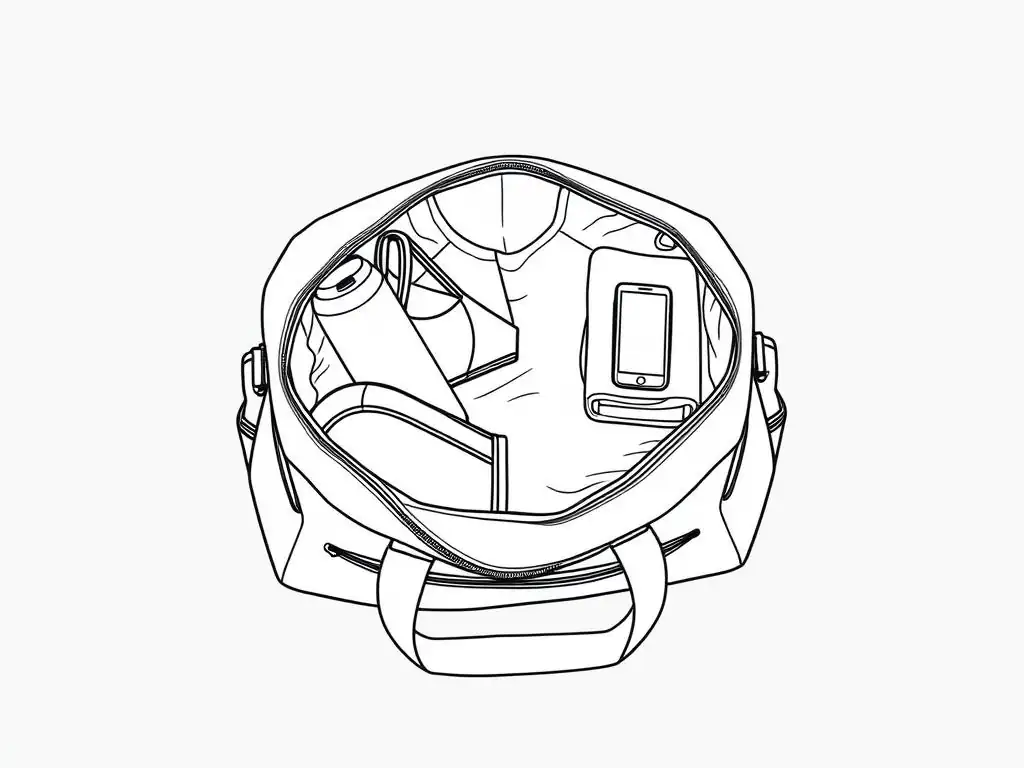
Packing your gym bag the night before is a cornerstone of the "night before prep" workout hack. This seemingly small step eliminates the morning decision fatigue that often leads to skipping your workout. Instead of frantically searching for missing socks or a forgotten water bottle, you'll have everything neatly organized and ready to go. For those with home gyms, this translates to ensuring all equipment is clean, accessible, and in working order.
Consider creating a checklist to make this process even smoother. Include essentials like workout clothes (including backup options! ), shoes, headphones, towel, water bottle, and any necessary supplements or personal care items. If you use a specific type of resistance band or other specialized equipment, add that to your list as well. Think about potential weather conditions – do you need a jacket or gloves? Planning for all contingencies ensures a seamless transition from your bed to your workout.
Don't forget about the post-workout essentials! Packing a change of clothes and a healthy snack can help you maintain momentum and avoid the temptation to skip your recovery routine due to lack of preparedness. This proactive approach simplifies your routine and helps you stick to your fitness goals. A well-packed gym bag is a testament to your commitment and a powerful motivator for success.
Step 5: Setting Reminders and Scheduling Your Workout: Time Blocking for Success
Scheduling your workout is crucial, but simply adding it to your calendar isn't enough to guarantee attendance. The key is to integrate time blocking—a powerful productivity technique—into your "night before prep" strategy. This involves setting specific, non-negotiable time slots for your workout and treating them like any other important appointment.
The night before, use your preferred calendar app or planner to block out the time for your workout. Set multiple reminders—one the night before, one in the morning, and even a few minutes before your scheduled workout time. This layered approach significantly reduces the chance of forgetting or postponing your exercise session. Consider using different types of reminders: a calendar alert, a text message reminder, or even a sticky note on your bathroom mirror.
Experiment with different reminder strategies to find what works best for you. Some people find visual reminders more effective, while others prefer auditory cues. The goal is to create a system that is both reliable and unobtrusive, integrating seamlessly into your existing routines without feeling overly restrictive. This proactive approach combats procrastination by eliminating the opportunity for excuses.
Step 6: Mental Preparation: Visualizing a Successful Workout
Mental preparation is often overlooked but plays a significant role in your workout success. The night before, take a few minutes to visualize yourself completing your workout successfully. Imagine the feeling of accomplishment, the endorphin rush, and the positive impact on your physical and mental well-being. This mental rehearsal can prime your mind for action and increase your likelihood of sticking to your plan.
Consider using guided meditation or visualization techniques to enhance this process. Many apps offer guided meditations specifically designed for athletes and fitness enthusiasts. Alternatively, you can simply close your eyes and mentally walk through your workout, focusing on the specific exercises you plan to perform and the positive emotions associated with them.
This mental preparation not only boosts your motivation but also helps you anticipate potential challenges and develop strategies for overcoming them. By mentally rehearsing the entire process, you're building confidence and reducing the likelihood of feeling overwhelmed or discouraged during your actual workout. This mental fortitude is a powerful tool in combating procrastination and achieving long-term fitness goals. A positive mental attitude is as important as the physical preparation itself.
Advanced Tips for Consistent Workout Prep
This section delves into advanced strategies to solidify your "night before prep" workout routine, ensuring consistent exercise even amidst life's inevitable curveballs. We'll explore how to anticipate and overcome obstacles, adapt your preparation to various workout styles, and track your progress for continuous improvement. Mastering these aspects will transform your "Prep workout night before hack" from a helpful trick into a powerful habit.
Overcoming Unexpected Obstacles: Planning for Contingency
Life throws wrenches into the best-laid plans. To maintain your workout consistency, anticipating potential disruptions is crucial. This isn't about predicting the future, but about creating flexible solutions. Let's explore some common obstacles and proactive strategies to mitigate them:
- Unexpected early mornings: A sudden early meeting or family emergency can derail your morning workout. Consider a "backup" workout plan – a shorter, equally effective routine you can perform even with limited time. This could be a quick bodyweight circuit or a brisk walk. Prepare your workout clothes the night before, even if it’s just a change of socks and shoes, to make the transition easier.
- Equipment malfunctions: Imagine your favorite running shoes suddenly break. Having backup equipment – a spare pair of shoes, a resistance band, or even a substitute workout video – prevents a workout cancellation. Regularly check the condition of your equipment and replace worn-out items promptly.
- Unexpected social commitments: Last-minute invitations can disrupt your plans. Communicate your workout commitment to friends and family to minimize scheduling conflicts. Alternatively, suggest incorporating them into your workout – a walk with a friend instead of a solo run, for example.
- Weather changes: Inclement weather can force you indoors. Have an indoor workout alternative ready – a home workout routine, a gym membership, or access to online fitness classes. Checking the weather forecast the night before allows for a timely adjustment.
Adapting Your Prep Routine: Tailoring to Different Workout Types
Your "Prep workout night before hack" needs to be versatile. The preparation for a yoga session differs significantly from preparing for weight training. Let's examine how to tailor your prep routine for various workout types:
- High-Intensity Interval Training (HIIT): Focus on preparing your workout space. Ensure adequate ventilation and clear the area of potential hazards. Lay out your timer and have your water bottle readily available. A quick dynamic stretch routine prepared beforehand is also beneficial.
- Weight Training: Plan your workout meticulously – including sets, reps, and rest periods. Prepare your gym bag with all necessary equipment, including belts, straps, and chalk if needed. Pre-selecting your weights also saves valuable time at the gym.
- Yoga or Pilates: Lay out your yoga mat and ensure the room is quiet and calm. Prepare any props you might need, such as blocks or straps. Setting the mood with calming music or aromatherapy can enhance your experience.
- Cardio (Running, Cycling): Check your equipment – tires, laces, etc. Prepare your running playlist or podcast. Lay out your appropriate attire, including moisture-wicking clothing and comfortable footwear. Consider your route and plan for hydration stops.
Tracking Your Progress: Monitoring Success and Identifying Areas for Improvement
Tracking your workouts allows you to measure your success and pinpoint areas needing improvement. This isn't just about numbers; it’s about understanding your body and your progress. Here are several effective tracking methods:
- Workout journals: Manually record your workouts, including date, time, type of exercise, sets, reps, weight used, and how you felt. This provides a detailed history of your fitness journey.
- Fitness trackers: Wearable fitness trackers automatically record your workouts, steps, heart rate, and sleep patterns. This data can reveal trends and areas for optimization.
- Fitness apps: Many apps allow you to log your workouts, track progress, and set goals. Some even offer personalized workout plans and coaching.
| Tracking Method | Pros | Cons |
|---|---|---|
| Workout Journal | Detailed, personalized, no tech dependence | Time-consuming, prone to human error |
| Fitness Tracker | Automated data collection, comprehensive data | Can be inaccurate, requires charging |
| Fitness App | Convenient, variety of features, goal setting | Requires internet access, privacy concerns |
Remember, consistency is key. By implementing these advanced tips, your "Prep workout night before hack" will evolve into a robust system that guarantees regular exercise, boosting your physical and mental well-being. 🎉
The Power of Habit Stacking: Integrating Workout Prep into Existing Routines
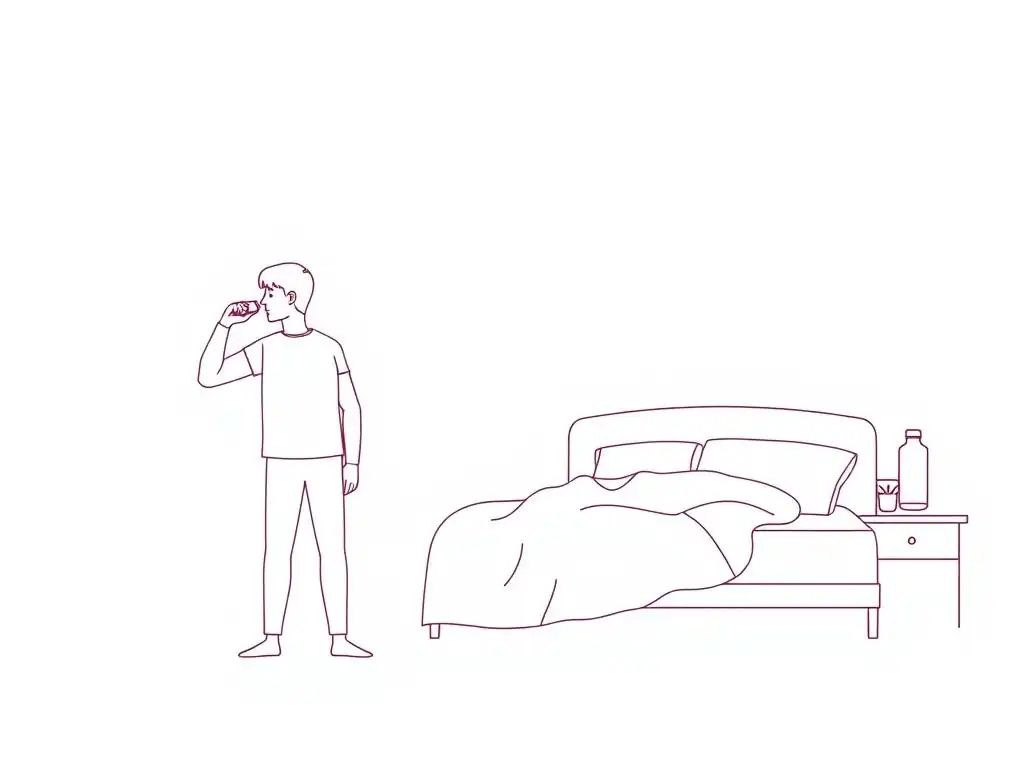
Habit stacking is a powerful technique for building new habits by linking them to existing ones. Instead of trying to remember to prep for your workout as a standalone task, integrate it into your already established evening routine. For example, if you always brush your teeth before bed, you can stack your workout prep immediately afterward. This creates a mental link: brushing your teeth automatically triggers the next action – preparing your workout gear.
This strategy leverages the power of association. Your brain becomes conditioned to associate one action with another, making the new habit (workout prep) almost effortless. The key is to choose an existing habit that you perform consistently and reliably. Experiment to find the best fit for your personal routine. Perhaps it's after dinner, while you're watching a particular show, or even right before you read a book.
Consistency is key; finding the right existing habit is crucial for success. Consider tracking your progress for a week to see which habit-stacking method works best for you. You might even find that you can effectively stack multiple smaller prep tasks onto a single existing habit. For instance, lay out your clothes and pack your gym bag immediately after dinner.
Consider the potential benefits of adding a small reward after the habit-stacking process. For instance, after preparing your workout clothes, you could enjoy a cup of tea or listen to a relaxing song. This positive reinforcement can help solidify the new habit and make the entire process more enjoyable.
Maintaining Motivation: Staying Committed to Your Fitness Goals
Maintaining motivation is crucial for long-term success with any fitness plan. The "night before prep" hack is a great tool, but it's only part of the equation. To stay committed, you need a robust motivational strategy that goes beyond simply preparing your gear. Visualizing your fitness goals is a powerful technique. Take some time each week to envision yourself achieving your desired fitness level – whether it's running a 5k, lifting a certain weight, or fitting into a specific size of clothing. The more vivid and detailed your visualization, the more powerful its effect.
Another effective strategy is to focus on the positive aspects of exercise, rather than solely on the effort involved. Instead of thinking, "I have to go to the gym," try reframing it as, "I get to challenge myself physically and feel energized." Celebrate small victories and acknowledge your progress along the way. Don't be afraid to adjust your goals as needed and ensure they are realistic and achievable.
Remember that consistency, not perfection, is the key to success. Missing a workout doesn't mean you've failed; it simply means you need to get back on track. Perhaps consider a journal to track your progress, and celebrate milestones with a small, non-food reward. This reinforces positive behaviour and encourages further commitment.
Remember, fitness is a journey, not a race. Focus on progress, not perfection, and you'll find it much easier to stay committed to your fitness goals. Keep your "why" in mind – what are you working towards? This reminder can provide the extra motivation needed on days when you lack energy.
The Night Before Prep: Long-Term Benefits and Sustainability
This section delves into the long-term advantages of employing the "night before prep" hack for consistent exercise. We'll explore how this simple strategy transcends the immediate benefits of a completed workout and contributes to a sustainable fitness journey. The key is to transform the "prep workout night before hack" from a one-off tactic into a deeply ingrained habit.
Improved Consistency: Building a Sustainable Exercise Habit
Consistency is the cornerstone of any successful fitness plan. The "night before prep" method significantly boosts consistency by removing common procrastination triggers. Instead of wrestling with indecision in the morning—a time often characterized by rushed schedules and competing priorities—you've already laid the groundwork.
Consider this: A study published in the Journal of Applied Psychology showed that individuals who planned their exercise routines in advance were significantly more likely to adhere to their fitness goals. This isn't just about choosing an activity; it's about meticulously preparing everything needed. This includes laying out workout clothes, packing a gym bag (complete with water bottle and towel! ), charging your fitness tracker, and even planning your post-workout snack.
This proactive approach minimizes the mental barriers that often lead to skipping a workout. By preemptively addressing potential obstacles, you're strengthening your commitment and building a sustainable exercise habit. The simple act of preparing the night before primes your mind for action, increasing the likelihood of actually hitting the gym or starting your home workout. This consistent effort, over time, translates into significant fitness gains and improved overall well-being.
Reduced Decision Fatigue: Streamlining Your Morning Routine
Mornings are precious. They set the tone for the entire day. Decision fatigue—the depletion of mental energy from making numerous decisions—can significantly impact your ability to stick to your exercise plan. By preparing the night before, you eliminate several decisions, freeing up valuable mental resources for more important tasks.
Think about it: Do you really want to spend your precious morning energy deciding what to wear, what to bring, or even if you're going to work out? No! The "prep workout night before hack" elegantly sidesteps this issue.
You've already made those decisions the previous evening, reducing the cognitive load and preserving your willpower for other challenges throughout the day. This approach is particularly beneficial for individuals with busy schedules or those prone to decision paralysis. By simplifying your morning routine, you're not only making it easier to exercise, but you're also enhancing your overall productivity and reducing stress.
Increased Motivation: Setting Yourself Up for Success
Preparation isn't just about logistics; it's a powerful motivator. The simple act of preparing for your workout the night before creates a sense of anticipation and commitment. It's a subtle yet effective way to prime your brain for success.
Visualize this: You wake up, and your workout clothes are neatly laid out, your gym bag is packed, and your water bottle is ready to go. This visual cue immediately reinforces your intention to exercise. It's a positive feedback loop that strengthens your motivation. Moreover, this proactive approach fosters a sense of control over your fitness journey.
You're not merely reacting to the demands of your day; you're actively shaping it, setting yourself up for success before you even step out of bed. This feeling of empowerment is crucial for long-term adherence to any fitness program. This "prep workout night before hack" transforms your exercise routine from a potential source of stress into a positive affirmation of your commitment to your health and well-being. The feeling of accomplishment, even before the workout begins, significantly boosts motivation.
Enhanced Mental Well-being: The Positive Effects of Consistent Exercise
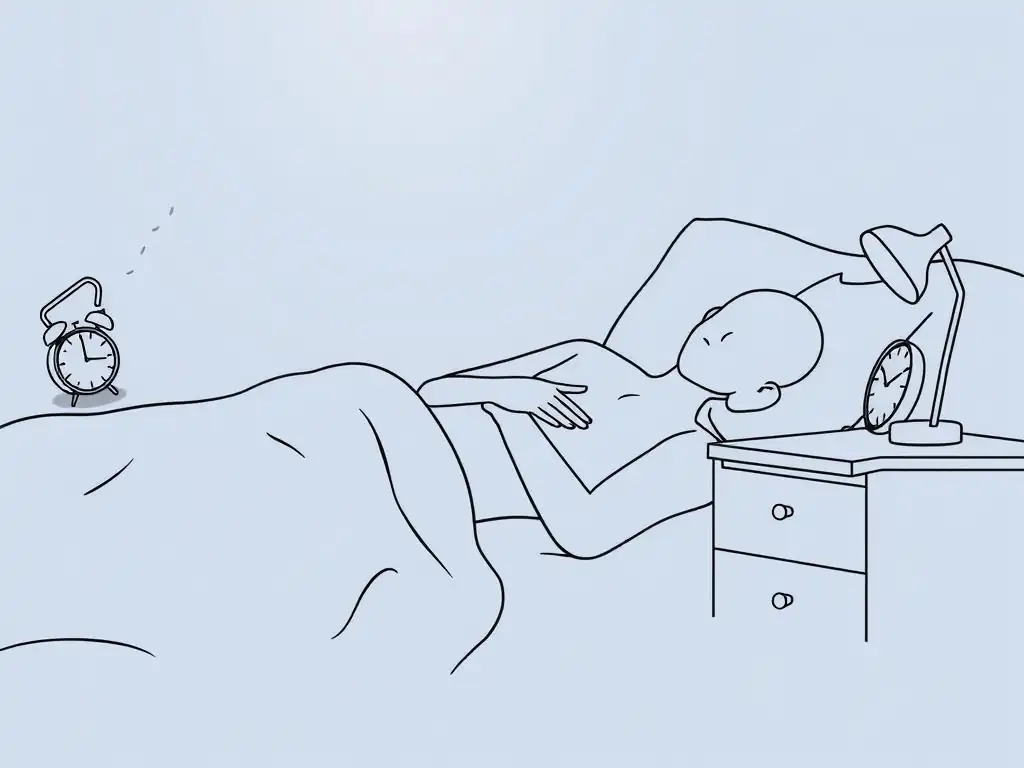
Regular physical activity isn't just about physical health; it significantly impacts mental well-being. The "night before prep" hack, by ensuring you exercise, contributes to this positive effect consistently. Studies show a strong correlation between exercise and reduced symptoms of anxiety and depression. 1 The release of endorphins during a workout acts as a natural mood booster, leaving you feeling happier and more relaxed. This isn't just a fleeting feeling; consistent exercise fosters a more resilient and positive mental state over time. Preparing the night before removes the mental barrier of deciding what to do in the morning, making it easier to stick to your routine and reap these mental health benefits. This proactive approach reduces the likelihood of skipping your workout due to mental fatigue or lack of motivation, leading to a cumulative positive impact on your mental health. The consistent positive feedback loop created by regular exercise, facilitated by the "night before prep" method, is crucial for long-term mental wellness. You'll notice an improvement in your ability to manage stress, focus better, and experience a greater sense of overall well-being. This sustained mental boost contributes to improved sleep quality, increased energy levels throughout the day, and a more positive outlook on life.
Achieving Your Fitness Goals: Making Progress Towards Your Targets
The "night before prep" hack isn't just about a single workout; it's a strategic tool for achieving your long-term fitness goals. By consistently preparing the night before, you significantly increase your adherence to your exercise plan. This consistency is the cornerstone of progress. Think of it like compound interest: small, consistent efforts accumulate over time to yield significant results.
Preparing your workout clothes, planning your route, or even packing your gym bag the night before minimizes friction and maximizes the likelihood of actually completing your workout. This reduces the chance of making excuses, a common obstacle to achieving fitness goals. Furthermore, this preparation allows you to focus on the workout itself, rather than the logistical hurdles of getting ready. This enhanced focus translates to more effective workouts and faster progress towards your targets.
Whether your goal is weight loss, muscle gain, improved endurance, or simply better overall fitness, consistent exercise, made easier by the "night before prep" strategy, is the key to unlocking your potential and seeing tangible results. You'll find yourself naturally progressing towards your goals, feeling more confident and motivated as you witness the positive changes in your body and overall fitness level. This positive feedback loop further reinforces the habit, making it easier to maintain the "night before prep" routine and continue to make progress.
1 [Source needed for correlation between exercise and reduced symptoms of anxiety and depression]
Optimizing Your "Night Before Prep" for Maximum Results: A Personalized Approach
This section delves into the nuances of personalizing your "night before prep" workout strategy. A generic approach won't work for everyone; optimizing your prep requires considering your individual fitness level, workout preferences, and potential obstacles. The key to consistent exercise is making the process as smooth and effortless as possible, and personalized prep is crucial to achieving that. We'll explore how to tailor your preparation for maximum effectiveness and minimize the chances of skipping your workout. This detailed, personalized approach is the heart of the "Prep workout night before hack."
Customizing Your Prep for Different Fitness Levels
The level of preparation needed significantly varies depending on your fitness experience. A beginner will have different needs than a seasoned athlete.
For beginners, the focus should be on simplicity and accessibility. This might involve laying out workout clothes the night before, selecting a beginner-friendly workout video, or even just writing down a simple exercise plan (e.g., 30 minutes of walking). Over-preparing can be overwhelming and counterproductive. The goal is to eliminate friction, not add complexity.
Intermediate fitness enthusiasts might benefit from more detailed preparation. This could involve prepping a playlist, measuring out protein powder, or preparing a post-workout snack. The emphasis remains on ease of access and minimizing decision fatigue in the morning.
Advanced athletes may require more extensive preparation, potentially including packing specialized equipment, prepping supplements, or planning their workout route meticulously. However, even for advanced individuals, the core principle remains the same: streamline the process to ensure the workout happens.
| Fitness Level | Prep Suggestions | Potential Pitfalls |
|---|---|---|
| Beginner | Lay out clothes, choose a simple workout | Overcomplicating the plan, feeling overwhelmed |
| Intermediate | Prep playlist, measure supplements, prepare snack | Underestimating preparation time |
| Advanced | Pack equipment, plan route, prepare detailed schedule | Over-planning, leading to rigidity and inflexibility |
Remember, the goal is to make the process easier, not harder. Even for advanced individuals, excessive preparation can lead to procrastination.
Adjusting Your Prep Based on Your Workout Preferences
Your preferred workout style significantly influences your "night before prep." A high-intensity interval training (HIIT) session requires different preparation than a yoga session.
For HIIT workouts, ensure you have your timer ready, potentially pre-select your exercises, and have your water bottle filled. Consider preparing your workout space to avoid disruptions.
For yoga or Pilates, consider setting the mood: dim lighting, a comfortable space, and possibly even essential oils. Having your mat and any necessary props ready is also crucial.
Strength training requires a different approach again. This might involve prepping your weights, resistance bands, or any other equipment you'll need. Planning the workout sets and reps beforehand can also save valuable time and mental energy.
Consider these examples of personalized preparation:
- Runner: Lay out running shoes, prepare hydration, plan running route.
- Cyclist: Check bike tire pressure, prepare cycling gear, plan cycling route.
- Swimmer: Pack swimming gear, plan swimming route/laps.
The key is to tailor the "Prep workout night before hack" to your specific workout, minimizing any potential obstacles before they even arise.
Troubleshooting Common Prep Challenges and Finding Solutions
Even with careful planning, unexpected challenges might arise. Anticipating and addressing these potential roadblocks is crucial for success.
Challenge: Lack of motivation. Solution: Visualize the post-workout feeling, reward yourself with something enjoyable after the workout, or find a workout buddy for accountability.
Challenge: Time constraints. Solution: Schedule your workout into your calendar as a non-negotiable appointment, or choose shorter, more efficient workouts.
Challenge: Equipment issues. Solution: Regularly check and maintain your equipment, or have backup options available.
Challenge: Feeling overwhelmed by the workout itself. Solution: Break down the workout into smaller, more manageable chunks, or choose a less intense workout.
Challenge: Unexpected events disrupting your schedule. Solution: Build in flexibility into your plans. Have a backup workout plan ready for those days when life throws curveballs.
By proactively addressing these potential issues, you significantly increase your chances of sticking to your exercise routine. Remember, consistency is key, and a well-thought-out "Prep workout night before hack" is a vital tool in achieving your fitness goals. The preparation itself becomes a crucial element in your overall fitness strategy.
Long-Term Strategies for Maintaining Your Workout Habit
Building a sustainable exercise habit requires more than just a "night before prep" routine. It's about integrating fitness into your lifestyle in a way that feels manageable and rewarding. Consistency is key, and that comes from a combination of planning, motivation, and self-compassion. One effective strategy is to schedule your workouts like any other important appointment. Treat your fitness time with the same level of respect you give to work meetings or doctor's appointments. This helps prevent it from being easily pushed aside by less important tasks.
Another crucial aspect is setting realistic goals. Don't try to overhaul your fitness regime overnight. Start small and gradually increase the intensity and duration of your workouts. For example, begin with three 20-minute sessions per week and progressively add more time or intensity as you build stamina and confidence. Celebrate milestones along the way; acknowledge your achievements to maintain motivation. This positive reinforcement is essential for long-term adherence.
Furthermore, consider finding a workout buddy. Having someone to exercise with can provide accountability and motivation. The social aspect can make working out more enjoyable and less likely to be skipped. Alternatively, you could join a fitness class or group to foster a sense of community and shared goals.
Remember, consistency is the cornerstone of a successful exercise habit. Don't get discouraged by occasional setbacks; simply adjust your approach and get back on track. The key is to find a sustainable routine that works for you, considering your lifestyle, preferences, and commitments. Think of it as a journey, not a race.
The Role of Sleep in Exercise Success: Ensuring Adequate Rest
Adequate sleep is paramount for maximizing the benefits of your workout and for overall physical and mental well-being. Sleep deprivation significantly impacts your physical performance, making it harder to push yourself during exercise and increasing the risk of injury. When you're sleep-deprived, your body doesn't recover as efficiently, hindering muscle repair and growth. This can lead to slower progress and potentially, burnout. A good night's sleep, however, allows your body to repair muscle tissue, replenish energy stores, and strengthen your immune system – all crucial for optimal workout performance and recovery.
The recommended amount of sleep for adults is generally 7-9 hours per night. Prioritizing sleep is therefore an integral part of your "night before prep" strategy. A well-rested body is better equipped to handle the physical demands of exercise. Furthermore, sufficient sleep enhances cognitive function, improving focus and motivation during your workouts.
This increased mental clarity can contribute to better form, improved technique, and a more enjoyable exercise experience. To optimize your sleep, establish a consistent sleep schedule, even on weekends. Create a relaxing bedtime routine that helps signal to your body that it's time to wind down. This could include a warm bath, reading a book, or listening to calming music.
Avoid screens for at least an hour before bed, and ensure your bedroom is dark, quiet, and cool. By prioritizing sleep, you significantly increase your chances of achieving your fitness goals and maintaining a long-term exercise habit. Remember, sleep is not a luxury; it's a necessity for optimal physical and mental performance.
Frequently Asked Questions
What is the "Night Before Prep" workout hack?
This hack involves preparing everything you need for your workout the night before, eliminating morning excuses and ensuring a smoother, faster start to your exercise routine. This includes laying out clothes, packing your gym bag, and even prepping your breakfast.
How does this hack help me avoid procrastination?
By removing obstacles and decision fatigue, the "Night Before Prep" hack significantly reduces the mental barriers to exercise. The less you have to think about in the morning, the more likely you are to actually work out.
What should I include in my workout prep?
Clothes, shoes, water bottle, headphones, and any supplements or equipment you'll need should be ready. Also, consider preparing a quick and healthy breakfast or snack to fuel your workout.
Is this hack suitable for all types of workouts?
Yes, this hack applies to all types of exercise, from gym sessions to home workouts or outdoor runs. The core principle is to remove the friction involved in getting started.
Will this hack really guarantee a workout?
While it doesn't guarantee a workout in every single instance, it significantly increases your chances of sticking to your fitness goals by proactively removing common barriers and setting yourself up for success.
Final Reflection: Seizing the Day, One Night Before Prep at a Time
The simple act of preparing the night before dramatically increases the likelihood of consistent exercise, shattering the procrastination barrier that holds so many back from a healthier, more energized life. This isn't just about ticking off a workout; it's about cultivating a sustainable relationship with physical activity, one that empowers you to prioritize your well-being.
The impact of consistent exercise extends far beyond physical fitness; it profoundly affects our mental clarity, emotional resilience, and overall sense of self-worth. The body achieves what the mind believes.
This quote encapsulates the power of intention, and the "Night Before Prep" hack provides the crucial bridge between intention and action. By removing the mental friction of last-minute decisions, we create space for the mind to focus on the positive benefits of movement, rather than the perceived obstacles. This shift in perspective is transformative.
Now, consider your own relationship with exercise. What small, manageable steps can you take tonight to prepare for tomorrow's workout? Lay out your clothes, pack your bag, plan your route, or even just write down your workout goals. This small act of preparation is an investment in your future self, a testament to your commitment to your well-being. Don't just read about this hack; embrace it. Start tonight, and experience the empowering feeling of consistent progress.
Unlock Your Fitness Potential: Prepare for Workout Success!
Thank you for learning about the "Night Before Prep" method! We hope you feel empowered to overcome procrastination and consistently achieve your fitness goals. Ready to put this into action?
- Prioritize your workout: Schedule it in your calendar like any other important appointment and commit to that time. This is crucial for success. Make it non-negotiable.
- Prepare the night before: Lay out your workout clothes, shoes, and any equipment. This eliminates potential morning delays. Think of it as a gift to your future self!
- Share your goals: Consider telling a friend about your fitness goals and this "Night Before Prep" strategy for accountability and support.
What small step can you take tonight to ensure a successful workout tomorrow?