
UltimateLifeHacks: The "Grocery Game Plan" for Effortless Healthy Shopping

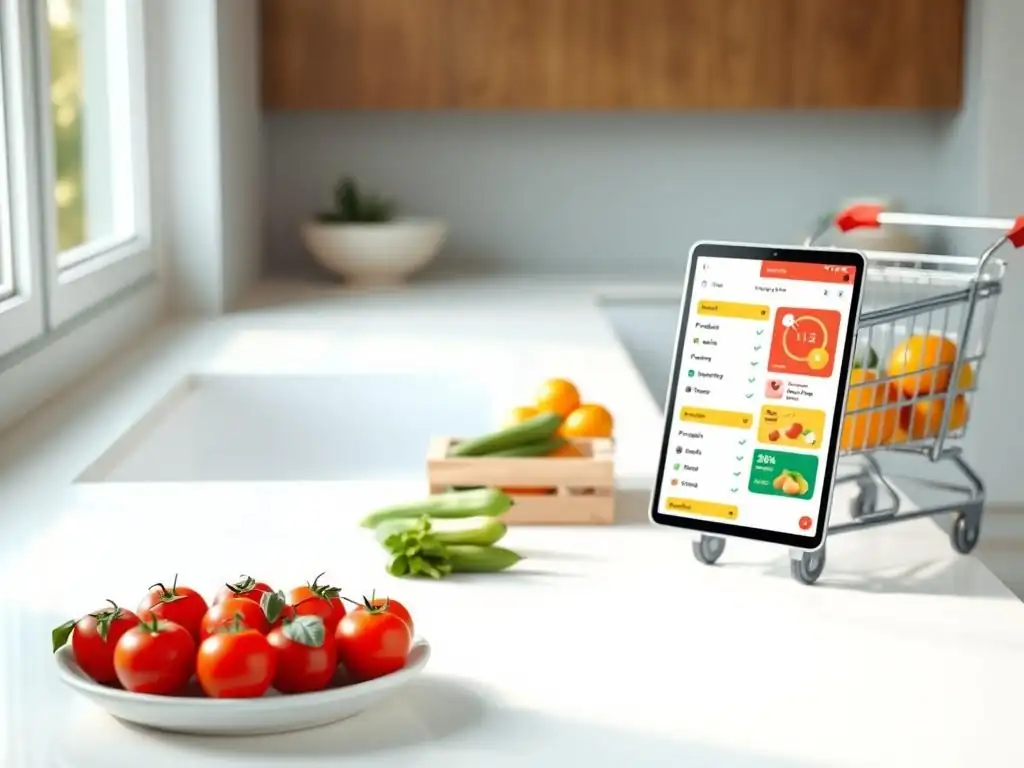
Ready to reclaim precious hours from your week? At UltimateLifeHacks, we're dedicated to helping you optimize your daily life. This month, we dive deep into habit formation with our groundbreaking "Grocery Shopping Time Saving Plan". Discover how to effortlessly navigate the grocery store, ensuring healthy choices without sacrificing your valuable time. Learn the secrets to a streamlined shopping experience and unlock a more efficient, fulfilling you. Let's get started!
- Planning Your Grocery Shopping: A Time-Saving Strategy
- Mastering the Art of Efficient Grocery Shopping
- Optimizing Your Grocery Shopping Post-Trip
- Advanced Grocery Shopping Hacks for Ultimate Efficiency
- Tracking Your Progress and Refining Your Grocery Game Plan
-
Frequently Asked Questions
- How can I save time during my grocery shopping trips?
- What's the best way to organize my grocery shopping list?
- Are there any time-saving strategies for choosing healthy options quickly?
- How can I avoid impulse purchases at the grocery store?
- What role does meal planning play in efficient grocery shopping?
- Final Reflection: Harvesting the Rewards of a Streamlined Grocery Experience
- Unlock Your Effortless Healthy Eating: Conquer the Grocery Store!
Planning Your Grocery Shopping: A Time-Saving Strategy
Grocery shopping, a seemingly mundane task, often consumes more time and energy than we realize. Juggling work, family, and personal commitments, many of us find ourselves rushing through the aisles, grabbing whatever’s convenient, and ultimately wasting both money and time. This often leads to unhealthy impulse buys and a less-than-optimal diet.
But what if grocery shopping could be transformed from a stressful chore into a streamlined, efficient process? This article unveils a comprehensive "Grocery Game Plan" designed to significantly reduce your grocery shopping time while simultaneously promoting healthier eating habits. By implementing a strategic approach, you’ll not only save precious minutes but also cultivate a more mindful and effective relationship with your food choices.
We'll explore how meticulous planning, list creation, and in-store organization can revolutionize your grocery shopping experience, turning it into a quick and efficient task that supports your overall well-being. This "Grocery Game Plan" is specifically designed to help you conquer the "Grocery shopping time saving plan" challenge, leaving you with more time for the things that truly matter.
Defining Your Weekly Meal Plan: The Foundation of Efficient Grocery Shopping
Before even setting foot in the supermarket, the key to efficient grocery shopping lies in planning your meals for the week. This seemingly simple step eliminates the daily struggle of deciding what to cook, preventing impulsive takeout orders and reducing food waste. Consider your schedule, dietary preferences, and any leftovers you might have. A well-structured meal plan provides a solid foundation for creating a precise grocery list, minimizing the chances of buying unnecessary items.
For example, a sample weekly meal plan might look like this:
| Day | Breakfast | Lunch | Dinner |
|---|---|---|---|
| Monday | Oatmeal with berries | Salad with grilled chicken | Chicken stir-fry |
| Tuesday | Yogurt with granola | Leftover chicken stir-fry | Lentil soup |
| Wednesday | Scrambled eggs with toast | Sandwich | Pasta with vegetables |
| Thursday | Smoothie | Leftover pasta | Baked salmon with quinoa |
| Friday | Pancakes | Salad | Pizza |
| Weekend | Flexible, based on leftovers and preferences | Flexible | Flexible |
Creating a detailed meal plan, even a simple one, dramatically reduces the time spent browsing the supermarket aisles, deciding what to buy on the spot. This proactive approach ensures you purchase only what you need, saving you money and time. Remember to account for snacks and drinks as well!
Creating a Detailed Grocery List Based on Your Meal Plan: Avoiding Impulse Buys
With your weekly meal plan in place, the next step is to translate it into a detailed grocery list. This list should be comprehensive, including every ingredient needed for each meal, down to the spices and condiments. This level of detail prevents those frustrating last-minute trips to the store because you forgot a crucial ingredient.
To maximize efficiency, consider organizing your list by grocery store sections (produce, dairy, meat, etc.). This will allow you to move through the store systematically, minimizing backtracking and wasted time. A well-structured list also helps you avoid impulse buys; by sticking to your plan, you'll resist the temptation of tempting but unnecessary items. Use checkboxes next to each item to track your progress as you shop. 🛍️
Categorizing Your Grocery List for Organized Shopping: Streamlining the In-Store Experience
Categorizing your grocery list significantly improves the efficiency of your in-store experience. Instead of randomly searching for items, you can move systematically through the store, section by section. This approach minimizes wasted time and unnecessary wandering.
Consider this example of a categorized grocery list:
- Produce:
- Apples (3)
- Bananas (6)
- Berries (1 pint)
- Spinach (1 bag)
- Onions (2)
- Garlic (1 bulb)
- Dairy & Refrigerated:
- Milk (1 gallon)
- Yogurt (2 containers)
- Cheese (1 block)
- Eggs (1 dozen)
- Meat & Seafood:
- Chicken breasts (2 lbs)
- Salmon fillet (1)
- Pantry:
- Quinoa (1 bag)
- Pasta (1 box)
- Lentils (1 bag)
- Olive oil (1 bottle)
- Spices (as needed)
This organized approach ensures a swift and focused shopping experience, turning a potentially tedious task into a quick and efficient one. By following this "Grocery Game Plan," you’ll not only save time but also improve the quality of your diet and reduce food waste. Remember, planning is the key to conquering your grocery shopping challenges!
Mastering the Art of Efficient Grocery Shopping
This section delves into practical strategies to transform your grocery shopping experience from a time-consuming chore into a streamlined, efficient process. We'll explore techniques to minimize time spent in the store, leverage technology for optimal planning, and implement smart shopping habits that ensure you stick to your budget while prioritizing healthy choices. This "Grocery shopping time saving plan" will revolutionize your weekly routine and free up valuable time for more enjoyable activities.
Efficient grocery shopping starts before you even enter the store. Planning your route is crucial. Most supermarkets follow a similar layout: produce, dairy, bakery, meat, and then canned goods and dry staples. However, your optimal route depends on your shopping list.
To minimize wasted steps, organize your shopping list by store section. For example:
- Produce Section: Spinach, bananas, avocados, bell peppers.
- Dairy Section: Milk, yogurt, cheese.
- Meat Section: Chicken breast, ground turkey.
- Dry Goods/Pantry: Oats, quinoa, canned beans.
By grouping items according to their location, you create a logical path through the store, minimizing backtracking and wasted time. Consider using a color-coded system on your list, with each color corresponding to a store section. This visual cue will further streamline your shopping trip. Think of it like a treasure hunt, but with healthy food as the prize! 🥕
Furthermore, avoid browsing aisles that aren't relevant to your needs. Impulse buys are the enemy of efficient grocery shopping. Sticking to your meticulously planned list will prevent you from straying and wasting precious time.
Utilizing Store Apps and Online Grocery Ordering: Saving Time and Effort
Technology offers powerful tools to drastically reduce grocery shopping time. Many supermarkets have dedicated apps that offer features like digital coupons, store maps, and even the ability to create and manage your shopping list digitally. These apps allow you to pre-plan your purchases, ensuring you don't forget anything. This eliminates the need for extensive in-store browsing.
Beyond apps, consider the convenience of online grocery ordering and delivery or curbside pickup. While there might be a slight markup on prices, the time saved significantly outweighs the cost for many individuals, especially those with busy schedules. You can plan your order at your leisure, ensuring you select only the items you need, minimizing impulse purchases and reducing shopping time to virtually zero! This is a game changer for busy professionals and parents alike.
| Feature | App-Based Shopping | Online Ordering |
|---|---|---|
| Time Savings | Moderate | High |
| Convenience | High | Very High |
| Cost | Generally Lower | Potentially Higher |
| Impulse Purchases | Reduced | Significantly Reduced |
Employing Smart Shopping Techniques: Budgeting and Prioritizing Healthy Choices
Efficient grocery shopping isn't just about speed; it's about making smart choices that align with your budget and health goals. Planning your meals for the week before you shop is essential. This allows you to create a precise shopping list, eliminating unnecessary purchases and reducing food waste. A well-planned meal prep strategy is a cornerstone of any successful "Grocery shopping time saving plan."
Prioritize purchasing whole, unprocessed foods. These are generally cheaper and more nutritious than processed alternatives. For example, buying whole grains like oats or quinoa instead of pre-packaged breakfast cereals saves money and promotes healthier eating habits.
Furthermore, comparing prices per unit (e.g., price per ounce or kilogram) helps you identify the best value for your money. Don't just focus on the overall price tag; consider the quantity and cost per serving to make informed decisions. This mindful approach ensures you maximize your budget while sticking to your healthy eating goals. This strategic approach to budgeting and healthy choices is a crucial element in mastering the art of efficient grocery shopping.
Optimizing Your Grocery Shopping Post-Trip
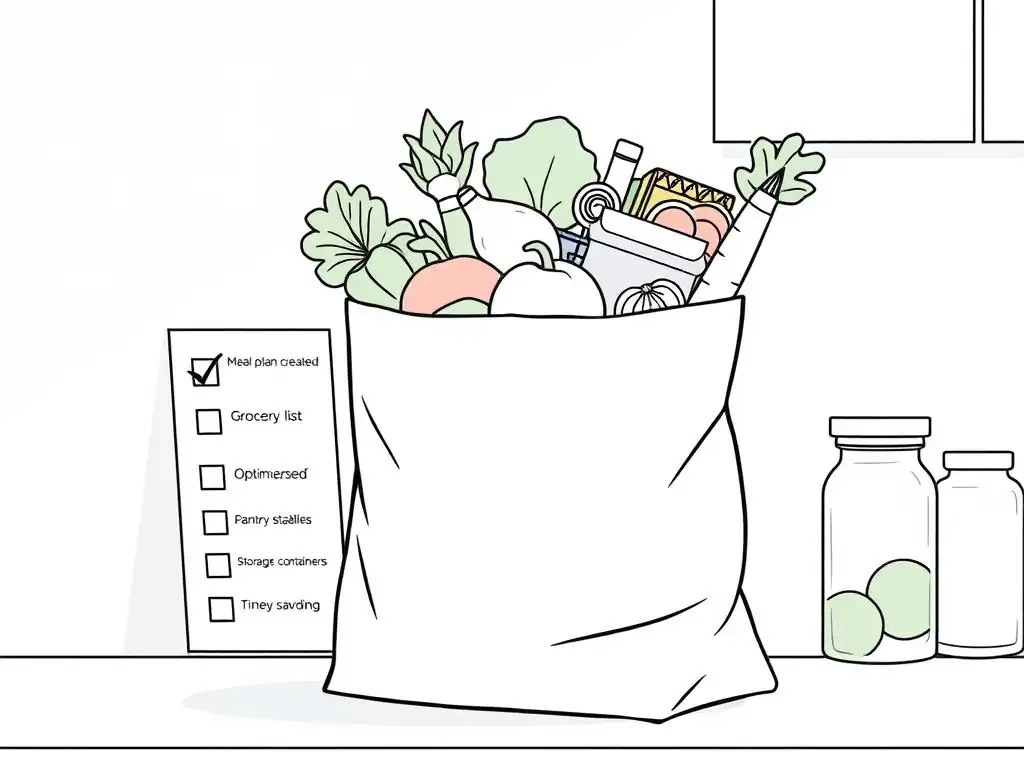
This section focuses on maximizing the efficiency of your grocery shopping experience after you've left the store, transforming your haul into a well-organized and readily accessible resource. A poorly managed post-shopping routine can negate the time saved during the shopping trip itself. Let's explore how to avoid that.
Efficient Unpacking and Storage: Maintaining Freshness and Organization
Efficient unpacking and storage are crucial for maintaining the freshness of your groceries and ensuring easy access to ingredients throughout the week. This isn't just about putting things away; it's about a strategic approach to organization.
First, prioritize. Perishable items like meat, dairy, and leafy greens should be unpacked and refrigerated immediately upon arrival. This prevents spoilage and maximizes shelf life. Think of it like a triage system – the most time-sensitive items get immediate attention.
Next, organize by category. Designate specific areas in your refrigerator and pantry for different food groups. This allows for quick identification of ingredients when meal planning. For example, dedicate one shelf to dairy products, another to fruits and vegetables, and another to leftover containers. A labeled system, using sticky notes or a whiteboard, can be incredibly helpful, especially for larger families.
Finally, consider your workflow. Place frequently used items at eye level and easily accessible locations. Less frequently used items can be stored higher or lower. This minimizes time spent searching for ingredients during meal preparation. This seemingly small detail can add up to significant time savings over time. Efficient storage also helps prevent food waste by ensuring you can easily see what you have and use it before it expires.
Meal Prepping Strategies: Saving Time During the Week
Meal prepping is a powerful strategy to drastically reduce the time spent on cooking during the week. By dedicating a block of time (even just a couple of hours on a weekend) to preparing ingredients or even entire meals in advance, you significantly streamline your weeknight routine.
Consider these time-saving meal prep techniques:
- Batch cooking: Prepare large batches of grains (rice, quinoa), roasted vegetables, or sauces that can be used as bases for multiple meals.
- Portioning: Divide prepped ingredients or meals into individual containers for easy grab-and-go lunches and dinners. This eliminates the need for cooking decisions during busy weekdays.
- Theme nights: Designate specific nights for certain types of meals (e.g., taco Tuesday, pasta Wednesday). This simplifies grocery shopping and meal planning.
- Utilize leftovers creatively: Don't let leftovers languish in the fridge! Repurpose them into new dishes. Leftover roasted chicken can become chicken salad or soup; leftover rice can be used in fried rice or burrito bowls. This reduces food waste and saves cooking time.
Leftover Management Techniques: Minimizing Food Waste and Maximizing Resources
Effective leftover management is a cornerstone of both efficient grocery shopping and minimizing food waste. It's about strategically using leftovers to create new meals, reducing your need to buy fresh ingredients and saving money.
Here's how to master leftover management:
| Leftover Type | Storage Method | Repurposing Ideas |
|---|---|---|
| Cooked Chicken | Airtight container | Chicken salad, soups, tacos, quesadillas |
| Roasted Vegetables | Airtight container | Salads, frittatas, omelets, pasta dishes |
| Cooked Grains | Airtight container | Fried rice, burrito bowls, grain salads |
| Leftover Sauce | Freezer-safe container | Base for pasta sauce, marinade for meat, stir-fry |
By implementing these techniques, you'll not only save time but also reduce food waste and potentially save money on your grocery bill. The key is to develop a system that works for your lifestyle and preferences. Remember, even small changes in your post-grocery routine can lead to significant improvements in your overall efficiency and reduce stress. This contributes to a more relaxed and enjoyable experience with healthy eating habits. 🥗
Advanced Grocery Shopping Hacks for Ultimate Efficiency

This section delves into advanced strategies to significantly reduce your grocery shopping time, ensuring you maintain a healthy diet without sacrificing precious hours of your week. We'll explore how to leverage technology, plan strategically, and optimize your purchasing habits to achieve ultimate grocery shopping efficiency. The goal? To reclaim your time and enjoy the benefits of healthy eating without the usual hassle. This "Grocery shopping time saving plan" is designed to transform your weekly routine.
Utilizing Grocery Delivery Services: Convenience and Time Optimization
Grocery delivery services have revolutionized how we approach grocery shopping. Instead of spending an hour or more navigating crowded aisles, you can order your groceries online and have them delivered directly to your door. This convenience translates directly into significant time savings. Consider these points:
- Time Saved: A typical grocery shopping trip can easily take 45 minutes to an hour, including travel time. Using a delivery service eliminates travel time entirely and significantly reduces the time spent browsing and selecting items. This translates to hours saved per month, which could be spent on more fulfilling activities.
- Reduced Impulse Purchases: One of the biggest challenges of in-person grocery shopping is impulse buying. Online shopping allows for more focused purchasing, reducing the likelihood of grabbing unnecessary items, ultimately saving you money and promoting healthier eating habits.
- Accessibility: For individuals with mobility limitations or busy schedules, grocery delivery offers unparalleled accessibility, making healthy eating attainable for everyone.
- Comparison Shopping: Many delivery services allow you to compare prices across different stores, helping you find the best deals and stick to your budget. This feature significantly enhances your "Grocery shopping time saving plan".
- Organized Shopping Lists: Online platforms often integrate with shopping list apps, allowing for seamless organization and efficient purchasing. This feature minimizes the time spent searching for items within the store.
Batch Cooking for Weekly Meals: Significant Time Savings
Batch cooking is a cornerstone of efficient meal preparation and significantly contributes to a streamlined "Grocery shopping time saving plan". By preparing large portions of meals on one day, you eliminate the need for daily cooking, freeing up considerable time throughout the week.
- Planning is Key: Successful batch cooking requires careful planning. Create a weekly meal plan, considering your dietary needs and preferences. Then, create a comprehensive grocery list based on your planned meals.
- Efficiency Through Repetition: Choose recipes with similar ingredients to minimize the number of different items you need to purchase and prepare. For example, roasted vegetables can be used as a base for multiple meals throughout the week.
- Storage Solutions: Invest in appropriate storage containers to preserve the quality and freshness of your cooked meals. Proper storage is crucial for maximizing the benefits of batch cooking.
- Portion Control: Divide your cooked meals into individual portions for easy and convenient access throughout the week. This helps with portion control and minimizes food waste.
- Time Savings Calculation: Consider the time saved: Instead of spending 30-45 minutes cooking each day, you might spend 2-3 hours preparing several meals once a week. The time saved is substantial, allowing you to focus on other priorities.
Bulk Buying Strategies: Cost-Effective Healthy Eating
Bulk buying can be a powerful tool for both cost savings and healthy eating, seamlessly integrating into your "Grocery shopping time saving plan". However, it's crucial to approach bulk buying strategically to avoid waste.
- Storage Space: Before engaging in bulk buying, assess your available storage space. Ensure you have adequate refrigeration and freezer space to store your purchases properly.
- Perishability: Choose items with longer shelf lives for bulk purchases. Items like grains, legumes, and frozen fruits and vegetables are ideal candidates.
- Consumption Rate: Only buy in bulk items you know you'll consume before they expire. Consider your household size and eating habits to avoid unnecessary waste.
- Cost Analysis: Always compare unit prices when buying in bulk. While the initial cost might seem higher, the per-unit cost often works out cheaper, particularly for non-perishable items.
- Organized Storage: Invest in clear, airtight containers to properly store bulk items, preventing spoilage and maintaining freshness. This will ensure that your bulk purchase translates into significant savings and not waste.
This comprehensive approach to grocery shopping, incorporating delivery services, batch cooking, and strategic bulk buying, empowers you to reclaim valuable time and enjoy the rewards of a healthy diet without the usual time commitment. This refined "Grocery shopping time saving plan" will significantly improve your efficiency and well-being.
Tracking Your Progress and Refining Your Grocery Game Plan
This section focuses on the crucial step of monitoring your progress and making adjustments to your grocery shopping time saving plan. Consistent tracking allows you to identify what works, what doesn't, and ultimately, optimize your approach for maximum efficiency and healthy eating. Without this feedback loop, your carefully crafted plan risks becoming ineffective over time. Let's dive into the key aspects of refining your "Grocery Game Plan."
Monitoring Spending and Identifying Areas for Improvement
Tracking your grocery spending is paramount to understanding where your money goes and identifying areas for potential savings. This isn't just about cutting costs; it's about aligning your spending with your healthy eating goals. Start by keeping a detailed record of each shopping trip. You can use a simple spreadsheet, a dedicated budgeting app, or even a notebook. Record the date, total spent, and a breakdown of major categories (produce, meat, dairy, grains, etc. ).
Consider these strategies for effective spending monitoring:
- Categorize your expenses: This helps pinpoint areas of overspending. Are you buying too many snacks? Is your produce going bad before you can use it? Detailed categorization provides the answers.
- Compare across weeks: Track your spending week-to-week to see trends. Did you spend significantly more one week than others? What factors contributed to this increase? This comparative analysis highlights potential inefficiencies.
- Set a realistic budget: Establish a weekly or monthly grocery budget that aligns with your financial capabilities and healthy eating goals. Regularly comparing your actual spending to your budget will indicate whether you are on track.
For example, if you notice consistently high spending on processed foods, you can adjust your shopping list to include more whole foods and home-cooked meals. This not only saves money but also contributes to a healthier diet. The key is to be observant and adapt your strategy based on the data you collect. Remember, consistent monitoring is the cornerstone of a successful grocery shopping time saving plan.
Adapting Your Strategy Based on Results: Continuous Optimization
Your "Grocery Game Plan" shouldn't be static; it should be a living document that evolves with your needs and experiences. Regularly reviewing your spending data and shopping habits is essential for continuous optimization. This iterative process ensures that your plan remains effective and efficient over the long term.
Here's how to adapt your strategy:
- Analyze your shopping lists: Review past shopping lists to identify recurring purchases and patterns. Are there items you consistently buy but rarely use? Are there healthier alternatives you could substitute?
- Experiment with different strategies: Try different approaches, such as meal prepping, using online grocery delivery services, or adopting a specific diet plan (e.g., Mediterranean, DASH). Track the results of each experiment to determine its effectiveness.
- Seek external resources: Explore online resources, apps, and communities dedicated to healthy eating and budget-friendly grocery shopping. These resources can provide valuable insights and inspiration.
Think of your grocery shopping time saving plan as a continuous experiment. The more you track, adapt, and refine, the more effective it will become. This iterative approach ensures long-term success and contributes significantly to your overall health and well-being.
Long-Term Sustainability: Maintaining Healthy Habits
The ultimate goal of any grocery shopping time saving plan is to instill sustainable healthy habits. This means creating a system that you can maintain over the long term without feeling overwhelmed or restricted. Long-term success requires more than just efficient shopping; it requires mindful planning and consistent effort.
To ensure the sustainability of your "Grocery Game Plan":
- Integrate it into your lifestyle: Don't treat your plan as a temporary fix; instead, integrate it into your daily routine. This might involve setting aside specific times for meal planning and grocery shopping.
- Be flexible and forgiving: Life happens. There will be weeks when you deviate from your plan. Don't beat yourself up about it; simply adjust your strategy and get back on track.
- Celebrate your successes: Acknowledge and celebrate your progress. This positive reinforcement will help you stay motivated and committed to your healthy eating goals. Reward yourself with non-food related treats! 🎉
Maintaining healthy habits is a marathon, not a sprint. Consistent effort, combined with a flexible and adaptable approach, is key to long-term success in achieving your grocery shopping and healthy eating objectives. By consistently monitoring your progress, adapting your strategies, and celebrating your achievements, you can create a sustainable "Grocery Game Plan" that supports your well-being for years to come.
Frequently Asked Questions
How can I save time during my grocery shopping trips?
Planning is key! Create a detailed shopping list based on your meal plan for the week. This helps you avoid impulse buys and speeds up the process. Stick to your list.
What's the best way to organize my grocery shopping list?
Categorize your list by store sections (produce, dairy, etc.). This allows for efficient navigation and minimizes backtracking. You can also use a shopping app to further streamline the process.
Are there any time-saving strategies for choosing healthy options quickly?
Pre-select healthy alternatives for common items beforehand. For example, decide on specific brands of whole grains or vegetables. This prevents indecision and reduces browsing time.
How can I avoid impulse purchases at the grocery store?
Shop on a full stomach to minimize cravings. Stick to the perimeter of the store, where fresh produce and healthier options are usually located. Avoid the heavily merchandised center aisles.
What role does meal planning play in efficient grocery shopping?
Meal planning is essential for saving time and money. Knowing what you'll eat for the week allows you to create a precise shopping list, eliminating guesswork and reducing shopping time.
Final Reflection: Harvesting the Rewards of a Streamlined Grocery Experience
The "Grocery Game Plan" isn't just about saving time; it's about reclaiming precious moments in your life and investing them in what truly matters. In a world obsessed with efficiency, mastering the art of grocery shopping—a seemingly mundane task—becomes a powerful act of self-care and intentional living. This strategic approach to shopping isn't a fleeting trend; it's a sustainable lifestyle choice that yields significant long-term benefits.
The impact of a well-organized grocery trip extends far beyond the immediate act of purchasing food. It ripples outwards, influencing our relationship with food, our overall health, and even our stress levels. The best way to find yourself is to lose yourself in the service of others.
While not directly about grocery shopping, this quote highlights the ripple effect of prioritizing efficiency – freeing up time and energy to focus on what truly nourishes us, both physically and emotionally. A streamlined grocery experience allows us to invest more time in meaningful connections, personal pursuits, and ultimately, a more fulfilling life.
Now, consider your own grocery habits. What small adjustments could you make to create a more efficient and enjoyable shopping experience? Perhaps it's creating a detailed list, utilizing online ordering, or simply dedicating a specific time slot each week. Embrace the power of intentionality. By implementing even a few of the strategies discussed, you can transform a potentially tedious chore into a productive and empowering experience, leaving you with more time, energy, and peace of mind to enjoy the things that truly matter.
Unlock Your Effortless Healthy Eating: Conquer the Grocery Store!
Thank you for exploring the Grocery Game Plan! We hope you feel confident navigating the grocery store and creating healthier, simpler meals. Ready to apply your new skills?
- Craft your personalized shopping list: Plan a week's worth of meals based on your preferences and what's readily available. This is the first step toward consistent healthy eating!
- Share your favorite healthy shopping tips and recipes: Let's build a supportive community of healthy eaters! Share your successes and challenges in the comments below – we'd love to hear your grocery strategies.
- Try a new healthy recipe this week using ingredients you've strategically selected!
What's the first item you're adding to your next shopping list?