
Office to Awesome: Quick Bodyweight Workouts for Professionals


Feeling overwhelmed by your to-do list and neglecting your well-being? At UltimateLifeHacks, we believe a healthier, more efficient you is within reach. Discover how to reclaim your time and energy with practical strategies, starting with our latest article on Quick bodyweight workouts professionals can easily incorporate into their busy schedules. Ready to transform your office routine into an awesome opportunity for fitness? Let's dive in!
- Quick Bodyweight Workouts: Maximize Your Lunch Break
- Bodyweight Exercises for Busy Professionals: Office-Friendly Moves
- Benefits of Incorporating Quick Workouts into Your Day
- Creating a Sustainable Quick Workout Routine for Professionals
- Advanced Bodyweight Workouts for Professionals
- Frequently Asked Questions
- Final Reflection: Reclaiming Your Power: Body, Mind, and Career
- Unlock Your Peak Performance: Boost Energy & Focus Today!
Quick Bodyweight Workouts: Maximize Your Lunch Break
Feeling sluggish at work? Lack of time shouldn't mean sacrificing your fitness! This article explores the power of quick bodyweight workouts for busy professionals, offering efficient routines to revitalize your energy levels and improve your overall well-being without needing a gym membership or specialized equipment. We'll delve into several options, catering to different time constraints and fitness levels, all designed to be seamlessly integrated into your workday.
Learn how to transform your lunch break – or even those spare 5 minutes between meetings – into a mini-fitness session that boosts productivity and enhances your physical and mental health. These routines are perfect for maximizing your limited time and achieving your fitness goals, regardless of your busy schedule. Let's dive into simple yet effective ways to incorporate "quick bodyweight workouts professionals" can easily follow.
5-Minute Full Body Blast: No Equipment Needed
This workout is perfect for those incredibly tight lunch breaks or even a quick energizer mid-afternoon. Remember to consult your doctor before starting any new workout routine.
This routine focuses on compound movements that work multiple muscle groups simultaneously, maximizing calorie burn and muscle engagement in minimal time. Here's the breakdown:
- Warm-up (30 seconds): Jumping jacks, high knees, arm circles.
- Workout (4 minutes):
- Squats: 30 seconds (focus on proper form – chest up, back straight)
- Push-ups (modified on knees if needed): 30 seconds
- Walking Lunges: 30 seconds per leg
- Plank: 30 seconds (engage your core!)
- Burpees (modified if needed): 30 seconds
- Cool-down (30 seconds): Static stretches, holding each for 15 seconds (e.g., hamstring stretch, quad stretch, tricep stretch).
Remember to focus on proper form over speed. Even a few repetitions done correctly will be more effective than many done poorly. Listen to your body and take breaks when needed. This 5-minute routine can easily be repeated multiple times throughout the day for even greater benefits. You'll be surprised how much you can achieve in just a few minutes!
10-Minute Core Strengthening Routine for Desk Jockeys
Long hours sitting at a desk can wreak havoc on your posture and core strength. This 10-minute routine targets your abdominal and back muscles, improving posture and preventing back pain.
This routine emphasizes core stability and strength, crucial for maintaining good posture and preventing common desk-related aches and pains.
- Warm-up (1 minute): Gentle torso twists, cat-cow stretches.
- Workout (8 minutes):
- Crunches: 3 sets of 15-20 repetitions.
- Leg Raises: 3 sets of 15-20 repetitions.
- Plank: 3 sets, holding for 30-60 seconds.
- Russian Twists: 3 sets of 15-20 repetitions per side.
- Bicycle Crunches: 3 sets of 15-20 repetitions per side.
- Cool-down (1 minute): Gentle stretching focusing on the abdominal and back muscles.
Remember to breathe deeply throughout each exercise and focus on controlled movements. Consistency is key; aim to perform this routine 2-3 times per week for optimal results. This routine provides a solid foundation for improving core strength and posture, crucial for combating the effects of prolonged sitting.
15-Minute High-Intensity Interval Training (HIIT) for Energy Boost
HIIT workouts are incredibly efficient, maximizing calorie burn and boosting metabolism in a short amount of time. This 15-minute routine combines bursts of intense exercise with short recovery periods. It's a fantastic way to combat the afternoon slump and revitalize your energy levels.
This high-intensity routine is designed to elevate your heart rate and burn calories efficiently. Remember to listen to your body and modify the exercises as needed.
- Warm-up (2 minutes): Jumping jacks, high knees, arm circles, dynamic stretches.
- Workout (12 minutes): Perform each exercise for 45 seconds, followed by 15 seconds of rest. Repeat the circuit twice.
- Burpees: A full-body exercise that combines a squat, push-up, and jump.
- Mountain Climbers: A great cardio and core exercise.
- Jumping Jacks: A classic cardio exercise.
- High Knees: A great way to improve cardiovascular fitness.
- Butt Kicks: Another effective cardio exercise.
- Cool-down (1 minute): Static stretches, holding each for 15-20 seconds (e.g., hamstring stretch, quad stretch, calf stretch).
This HIIT workout is perfect for boosting energy levels and improving cardiovascular health. The combination of intense exercise and short rest periods maximizes calorie burn and improves endurance. Remember to stay hydrated throughout the workout and listen to your body. Even on busy days, squeezing in this 15-minute session can make a significant difference in your energy levels and overall well-being. 🎉
Bodyweight Exercises for Busy Professionals: Office-Friendly Moves
This section details quick and effective bodyweight exercises ideal for busy professionals who want to incorporate fitness into their workday without needing a gym or specialized equipment. These exercises target major muscle groups and can be performed discreetly at your desk or using office furniture. Remember to consult your physician before starting any new workout routine. Prioritizing your physical well-being alongside your professional responsibilities is key to a balanced and productive life. Let's dive into some simple yet powerful moves that maximize your time and energy.
Chair Dips for Triceps and Shoulders
Chair dips are a fantastic way to strengthen your triceps and shoulders using nothing more than a sturdy chair. This exercise is surprisingly effective and can be performed multiple times throughout the day, accumulating significant results over time. Here's how to do it correctly:
- Setup: Find a sturdy chair against a wall for extra stability. Position yourself facing away from the chair, placing your hands shoulder-width apart on the edge of the seat. Your fingers should be pointing forward. Extend your legs out in front of you, keeping your knees slightly bent. This is your starting position.
- Execution: Slowly lower your body by bending your elbows, keeping them close to your sides. Lower yourself until your upper arms are parallel to the floor. Pause briefly at the bottom. Then, push back up to the starting position by extending your elbows. Focus on controlled movements to avoid injury.
- Reps and Sets: Aim for 3 sets of 10-15 repetitions. You can increase the number of sets and reps as you get stronger. Remember to listen to your body and stop if you feel any pain.
- Variations: For a more challenging variation, you can elevate your feet on another chair or a stable platform, increasing the resistance. Alternatively, for a less intense version, you can keep your knees bent at a 90-degree angle.
This simple exercise is a great addition to your quick bodyweight workout routine, allowing you to sneak in some strength training even during a busy workday. The benefits extend beyond physical fitness; regular chair dips can also improve posture and reduce the risk of upper body injuries associated with prolonged desk work. Remember to maintain proper form to maximize effectiveness and prevent injuries. Consistent effort, even with small exercises, yields significant results. Integrating quick bodyweight workouts into your daily routine demonstrates a commitment to your health and well-being, enhancing both your physical and mental performance.
Desk Push-Ups for Chest and Shoulders
Desk push-ups offer a modified version of the traditional push-up, making it accessible to individuals of varying fitness levels. This exercise primarily targets your chest and shoulders, but also engages your core for stability. The desk provides support, reducing the intensity compared to floor push-ups. Here's a step-by-step guide:
- Setup: Stand facing your desk, placing your hands shoulder-width apart on the edge of the desk. Your fingers should be pointing forward. Keep your body straight, forming a straight line from your head to your heels. Your feet should be slightly back from your desk, maintaining balance.
- Execution: Slowly lower your chest towards the desk by bending your elbows, keeping them close to your sides. Pause briefly when your chest is a few inches from the desk. Then, push back up to the starting position by extending your elbows. Maintain a controlled pace throughout the movement.
- Reps and Sets: Begin with 2-3 sets of 8-12 repetitions. As you gain strength, gradually increase the number of reps and sets.
- Variations: To increase the difficulty, move your hands further apart, or try performing incline push-ups by using a higher surface. To decrease the difficulty, move your hands closer together or lean slightly forward.
Regular desk push-ups contribute to improved upper body strength, enhancing posture and reducing the strain caused by prolonged sitting. This exercise fits seamlessly into a busy professional’s schedule, requiring minimal space and time. Remember to focus on proper form to avoid injury and maximize the benefits. Incorporating these quick workouts into your day helps boost energy levels and improve overall well-being.
Standing Calf Raises for Leg Strength
Standing calf raises are a simple yet effective exercise that targets your calf muscles, improving leg strength and stability. These can be performed virtually anywhere, making them ideal for busy professionals seeking quick workout options. Here's how to execute them:
- Setup: Stand with your feet shoulder-width apart, holding onto a chair or desk for balance if needed. Keep your back straight and your core engaged.
- Execution: Slowly raise yourself onto the balls of your feet, keeping your heels off the ground. Hold for a second at the top, then slowly lower your heels back down to the ground. Focus on controlled movements to avoid injury.
- Reps and Sets: Aim for 3 sets of 15-20 repetitions. You can increase the number of sets and reps as you get stronger.
- Variations: For a greater challenge, you can perform these on an uneven surface or hold weights in your hands.
Standing calf raises are a subtle yet powerful addition to your quick bodyweight workout routine. They enhance leg strength, improve balance, and contribute to overall lower body fitness. The simplicity of this exercise allows for easy integration into your daily routine, even during short breaks. Remember consistency is key; even short bursts of exercise accumulate to significant results over time. Prioritizing these quick, effective workouts shows a dedication to both professional success and personal well-being. The combination creates a more balanced and fulfilling life.
Wall Sit for Improved Leg Endurance
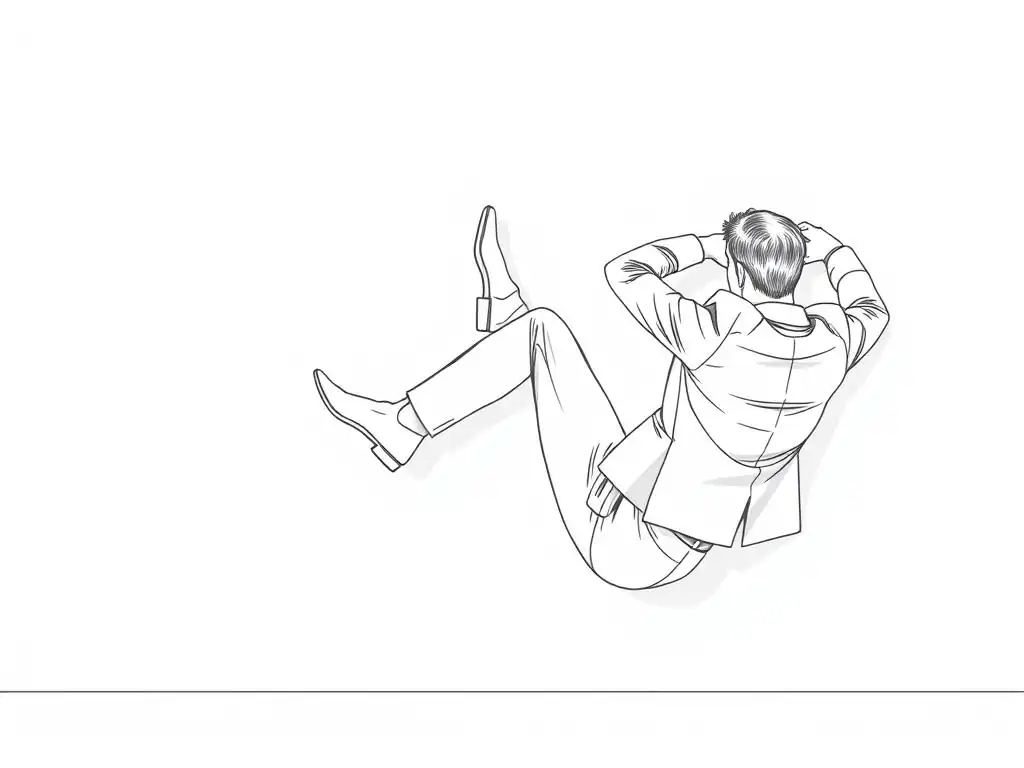
The wall sit is a fantastic isometric exercise, meaning you hold a static position, perfect for boosting leg endurance and strength without needing any equipment. This makes it ideal for busy professionals who want a quick workout during their lunch break or even between meetings. To perform a wall sit, find a clear wall space and stand with your back flat against it, feet shoulder-width apart, around 18 inches from the wall. Slowly slide down the wall until your thighs are parallel to the floor, as if you were sitting in an invisible chair.
Keep your back straight and your core engaged to maintain proper posture and prevent injury. Hold this position for as long as you comfortably can, gradually increasing the duration as your strength improves. Start with 30-second intervals and aim for 60 seconds or more as you progress. Remember to focus on proper form over time; a shorter, perfectly executed wall sit is far more beneficial than a longer one with poor form.
You’ll feel the burn in your quads and glutes, building leg strength and improving overall fitness. This exercise is particularly helpful for improving posture, which can suffer from prolonged sitting at a desk. Many professionals find incorporating a few wall sits throughout their workday helps counteract the negative effects of sedentary work.
Simple Stretching Exercises to Relieve Tension
Prolonged sitting can lead to significant muscle tension, particularly in the neck, shoulders, and back. Incorporating simple stretching exercises into your workday can dramatically reduce this tension and improve your overall well-being. A quick 5-10 minute stretching routine can significantly boost energy levels and increase focus. Here are a few examples:
- Neck stretches: Gently tilt your head to the right, bringing your ear towards your shoulder. Hold for 15-20 seconds, then repeat on the left side. You can also perform neck rotations, slowly turning your head clockwise and then counter-clockwise.
- Shoulder stretches: Reach one arm across your body and gently pull it towards your chest with your opposite hand. Hold for 15-20 seconds, then repeat on the other side. Another effective shoulder stretch involves raising one arm overhead and gently bending it, pulling your elbow towards your head with your opposite hand.
- Back stretches: Sit upright in your chair and gently twist your torso to the right, reaching your right arm behind you. Hold for 15-20 seconds, then repeat on the left side. You can also perform a seated cat-cow stretch, gently arching and rounding your back.
- Wrist and hand stretches: Extend one arm forward and bend your wrist up and down, gently stretching your fingers and wrists. You can also make a fist and then extend your fingers, repeating several times.
Remember to breathe deeply during each stretch, holding each position for 15-20 seconds. These simple stretches can be performed at your desk throughout the day, helping to prevent stiffness and improve circulation. Regular stretching not only alleviates tension but also contributes to better posture and reduced risk of work-related injuries. Consider setting reminders to stretch every hour or two, especially if you spend most of your day sitting. Listening to your body and adjusting the intensity of the stretches based on your individual needs is also crucial for maximizing the benefits and avoiding any potential strain.
Benefits of Incorporating Quick Workouts into Your Day
Integrating short, effective workouts into your busy professional schedule offers a wealth of advantages beyond simply improving physical fitness. These quick bursts of activity can significantly impact your overall well-being and productivity, leading to a more balanced and fulfilling work-life integration. Let's delve into the specific benefits:
Increased Energy and Focus Throughout the Workday
Feeling sluggish mid-afternoon? A quick bodyweight workout can be your secret weapon against the dreaded afternoon slump. Physical activity boosts blood flow to the brain, delivering more oxygen and nutrients. This increased circulation enhances cognitive function, leading to improved concentration and sharper mental clarity. Studies have shown that even 10-15 minutes of moderate-intensity exercise can significantly increase alertness and reduce feelings of fatigue.
Think of it as a mini-power-up for your brain! This translates to higher productivity, better decision-making, and a more effective workday. You'll find yourself tackling tasks with renewed vigor and focus, making those challenging projects seem less daunting. This increased energy is not just a temporary boost; consistent short workouts contribute to sustained energy levels throughout the day, reducing the need for excessive caffeine or sugary snacks.
Improved Mood and Reduced Stress Levels
The demands of a professional career can be incredibly stressful. Quick bodyweight workouts provide a fantastic outlet for stress relief. Exercise stimulates the release of endorphins, natural mood boosters that have powerful stress-reducing effects. These "feel-good" chemicals interact with receptors in your brain, reducing the perception of pain and promoting a sense of well-being.
Regular physical activity, even in short bursts, can significantly decrease levels of cortisol, the stress hormone often associated with anxiety and burnout. Furthermore, the simple act of taking a break from work to focus on your physical health can create mental space and improve emotional regulation. You'll find yourself better equipped to handle workplace pressures, fostering a more positive and resilient mindset. This translates to improved relationships with colleagues and a more harmonious work environment.
Enhanced Physical Fitness and Health
While these quick workouts might not replace a full gym session, they are incredibly effective in improving your overall physical fitness and health. Consistent short workouts contribute significantly to maintaining a healthy weight, improving cardiovascular health, and building muscle strength and endurance. Bodyweight exercises are incredibly versatile and can target various muscle groups, leading to a full-body workout in a short amount of time. Even small improvements in fitness can have a substantial impact on your long-term health, reducing the risk of chronic diseases like heart disease, type 2 diabetes, and some types of cancer.
The cumulative effect of regular, short workouts significantly contributes to a healthier lifestyle, improving your overall vitality and well-being. This improved physical health translates to reduced sick days and increased energy levels, ultimately boosting your productivity and overall quality of life. Remember, even small steps towards a healthier lifestyle can yield significant results.
Better Posture and Reduced Back Pain
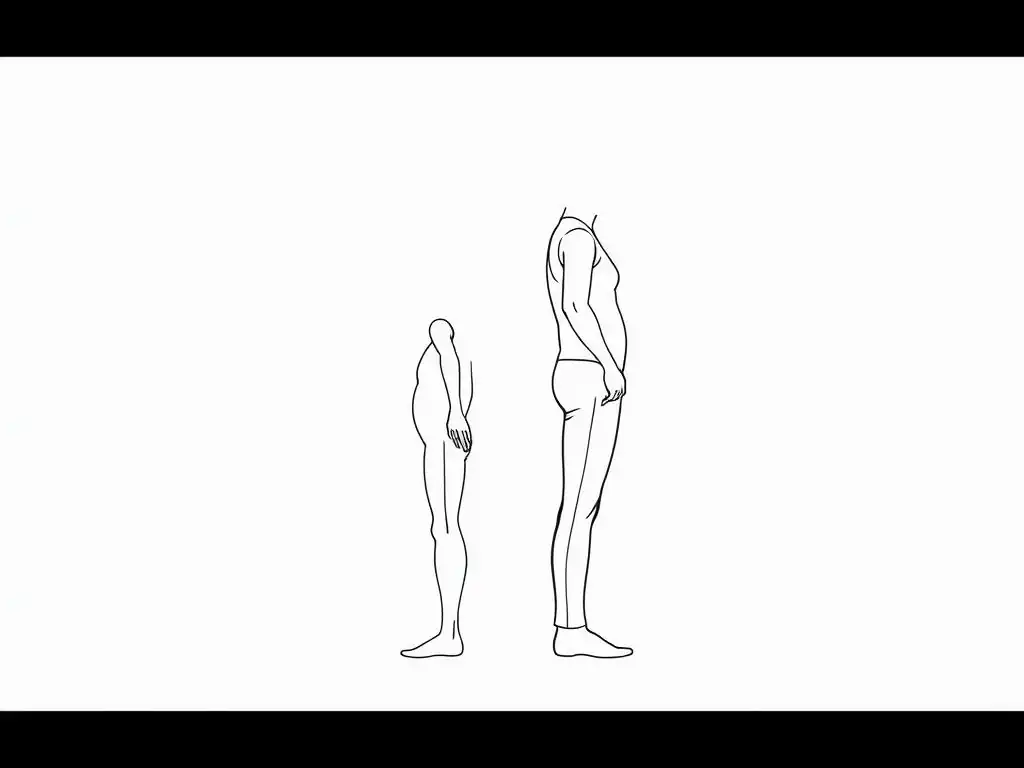
Prolonged sitting, a common occurrence for many professionals, can lead to poor posture and chronic back pain. Slouching weakens core muscles, contributing to imbalances that manifest as aches and stiffness. However, incorporating quick bodyweight workouts can significantly mitigate these issues. Exercises like planks, bridges, and bird-dog stretches directly strengthen the core muscles responsible for maintaining proper posture.
A strong core acts as a natural support system for your spine, reducing strain and preventing slouching. Even a few minutes of these exercises daily can lead to noticeable improvements in posture and a reduction in back pain. This is because these exercises improve muscle strength and flexibility, correcting postural imbalances and reducing the pressure on the spine.
Many professionals report a significant decrease in back pain and improved posture after just a few weeks of regular bodyweight exercises, illustrating the effectiveness of this simple yet powerful approach to wellness. Consider adding these exercises to your daily routine to maintain a healthy back and improve your overall well-being. Remember to consult with a healthcare professional if you experience persistent or severe back pain.
Improved Sleep Quality
The connection between physical activity and sleep quality is well-established. Regular exercise, even short bursts of bodyweight workouts, can significantly improve your sleep. Quick bodyweight workouts increase your body temperature, and the subsequent cooling-down period after the workout can promote relaxation and better sleep onset. Furthermore, physical activity helps regulate your circadian rhythm, the natural sleep-wake cycle. By engaging in consistent exercise, you're helping to synchronize your body's internal clock, leading to more regular and restorative sleep. The reduction in stress and anxiety resulting from physical activity also plays a crucial role. Many professionals find that incorporating a quick bodyweight workout into their day helps them unwind and de-stress, making it easier to fall asleep and stay asleep throughout the night. This is because physical activity releases endorphins, natural mood boosters that combat stress and improve overall well-being. A study by the National Sleep Foundation showed a significant improvement in sleep quality among participants who engaged in regular moderate-intensity exercise. 1 Prioritizing quick bodyweight workouts can be a simple yet effective strategy to tackle sleep problems and improve your overall sleep hygiene. Remember to avoid intense workouts close to bedtime to allow your body to wind down properly.
1 [Specific information pending: Reference to the National Sleep Foundation study on exercise and sleep quality]
Creating a Sustainable Quick Workout Routine for Professionals
This section focuses on building a sustainable quick bodyweight workout routine tailored to the demanding schedules of professionals. Consistency is key, and this involves more than just finding time; it's about creating a system that integrates seamlessly into your life. We'll explore strategies to make quick bodyweight workouts a non-negotiable part of your day, regardless of your current fitness level or schedule constraints.
Remember, even short, effective workouts can significantly improve your physical and mental well-being. The goal is to find a balance between intensity and sustainability to avoid burnout and ensure long-term adherence. This approach focuses on optimizing your quick bodyweight workouts for maximum impact within your limited time frame.
Scheduling Your Workouts: Finding Time in a Busy Schedule
Finding time for exercise as a professional can feel like a monumental task. However, with strategic planning, even a few minutes each day can make a significant difference. Instead of aiming for large blocks of time, consider incorporating shorter, more frequent workouts. Think of it as micro-workouts!
Here are some effective scheduling strategies:
- Early Morning Workouts: Rise 30 minutes earlier and complete a quick routine before the workday begins. This sets a positive tone for the day and gets your blood flowing.
- Lunchtime Fitness: Use your lunch break for a brisk walk, some bodyweight exercises, or a quick yoga session. This helps refresh you for the afternoon.
- Evening Routine: Dedicate 15-20 minutes before dinner or before winding down for the night to a focused workout.
- Utilizing Downtime: Incorporate short bursts of exercise throughout your day. Take the stairs instead of the elevator, walk during phone calls, or do some stretches during breaks.
Think about your typical workday. Identify even small pockets of time – 5, 10, or 15 minutes – that you can consistently dedicate to exercise. Write these times into your calendar as non-negotiable appointments with yourself. Treat your workouts with the same importance as any other crucial meeting. This proactive approach significantly increases your chances of sticking to your routine. Remember, even small increments of activity add up over time.
Choosing the Right Exercises for Your Fitness Level
Selecting appropriate exercises is crucial for both safety and effectiveness. Beginners should focus on fundamental movements, gradually increasing intensity and complexity as they gain strength and endurance. Regardless of your fitness level, proper form is paramount to prevent injuries. Start with fewer repetitions and sets, focusing on maintaining correct posture and movement patterns.
Here’s a sample workout plan you can adapt to your fitness level:
| Exercise | Beginner (Reps/Sets) | Intermediate (Reps/Sets) | Advanced (Reps/Sets) |
|---|---|---|---|
| Squats | 10/2 | 15/3 | 20/4 |
| Push-ups | Wall Push-ups (10/2) | Knee Push-ups (15/3) | Standard Push-ups (20/4) |
| Lunges (each leg) | 10/2 | 15/3 | 20/4 |
| Plank | 30 seconds/2 | 60 seconds/3 | 90 seconds/4 |
| Jumping Jacks | 30 seconds/2 | 60 seconds/3 | 90 seconds/4 |
Remember to consult a healthcare professional before starting any new workout routine, especially if you have pre-existing health conditions. Listen to your body and don't push yourself too hard, especially in the beginning. Progress gradually, focusing on proper form rather than speed or the number of repetitions. The key is to find a routine that's challenging but sustainable. These quick bodyweight workouts are designed to be adaptable to your needs.
Tracking Your Progress and Staying Motivated
Tracking your progress is vital for maintaining motivation and making adjustments to your routine as needed. Use a journal, fitness app, or spreadsheet to record your workouts, including the exercises performed, sets, repetitions, and how you felt. This will provide valuable insights into your fitness journey. Notice the improvements in your strength, stamina, and overall fitness. Celebrate these milestones!
Here are some tips to stay motivated:
- Set Realistic Goals: Start with achievable goals and gradually increase the intensity and duration of your workouts.
- Find a Workout Buddy: Working out with a friend can provide accountability and support.
- Reward Yourself: Celebrate your achievements with non-food rewards, such as a new workout outfit or a relaxing activity.
- Listen to Upbeat Music: Music can significantly enhance your workout experience.
- Visualize Success: Imagine yourself achieving your fitness goals. This positive visualization can boost your motivation.
Staying motivated requires consistent effort and self-compassion. There will be days when you miss a workout, and that's okay. Don't let a missed workout derail your progress. Simply get back on track with your next scheduled workout. Remember, consistency is more important than perfection. Use these strategies to ensure your quick bodyweight workouts become a fulfilling and sustainable part of your life.
Incorporating Workouts into Your Daily Commute
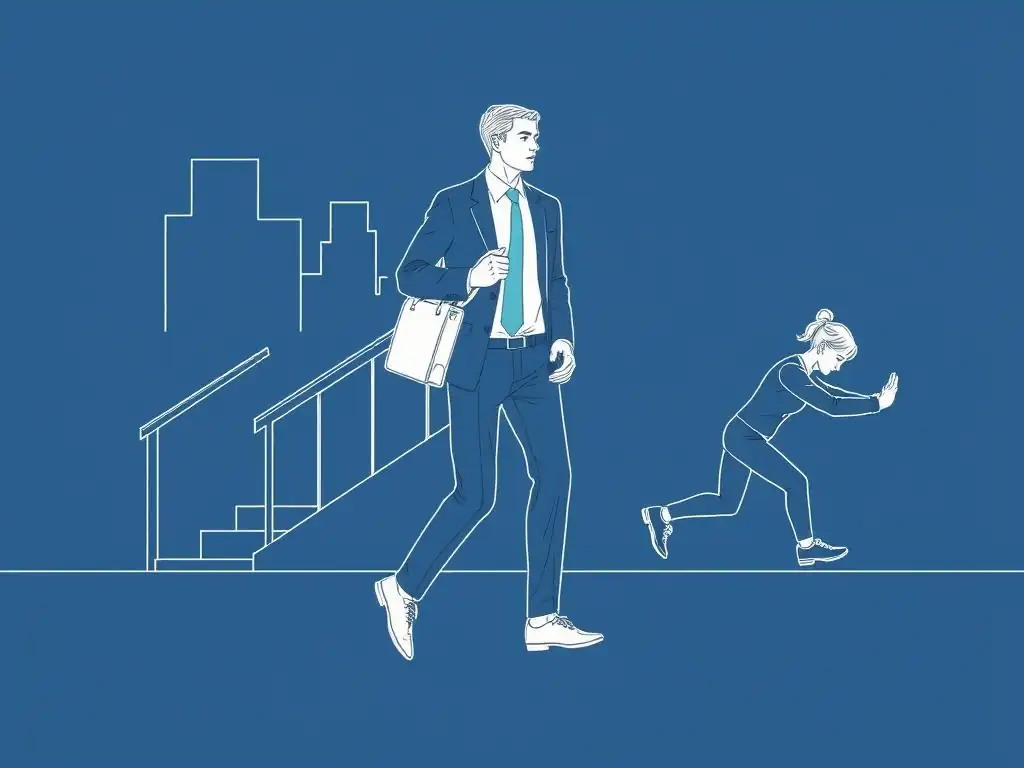
Many professionals find it challenging to fit workouts into already packed schedules. However, a surprisingly effective strategy is to integrate short bursts of exercise into your daily commute. This can be particularly beneficial for those with sedentary jobs. Instead of relying solely on public transport or driving, consider incorporating walking or cycling portions into your journey.
Even a 20-minute brisk walk each way can significantly contribute to your daily activity levels. This approach not only boosts your fitness but also reduces stress and improves mental clarity, making you more productive upon arrival at the office. For those who utilize public transport, consider getting off a stop or two early and walking the remaining distance. This small change can add up to considerable exercise over the course of a week.
Furthermore, for those who drive, parking further away from your workplace can be a great way to sneak in some extra steps. This simple adjustment can easily add an extra 10-15 minutes of walking to your day, which, when combined with other short bursts of activity, can make a significant difference. Remember, consistency is key. Even small changes in your commute can contribute to a healthier lifestyle.
The key is to find a sustainable approach that fits your specific commute and preferences. Don't be afraid to experiment with different methods until you find what works best for you. This approach is a fantastic way to improve your fitness while simultaneously reducing your carbon footprint – a win-win situation!
The Importance of Rest and Recovery
Quick bodyweight workouts for professionals are fantastic for boosting fitness and energy levels, but their effectiveness hinges on adequate rest and recovery. Ignoring this crucial aspect can lead to overtraining, injuries, and a plateau in your fitness progress. Rest and recovery aren't just about sleeping enough (although that's vital – aim for 7-9 hours of quality sleep each night!
), it also encompasses active recovery and mindful rest days. Active recovery involves low-impact activities like gentle stretching, yoga, or a leisurely walk, which promote blood flow and help your muscles recover without putting excessive strain on them. This is crucial after intense workouts.
Scheduling dedicated rest days is equally important. Your body needs time to repair and rebuild muscle tissue. Pushing yourself every day without rest can lead to burnout and injuries. Listen to your body – if you're feeling unusually fatigued or experiencing persistent muscle soreness, take a rest day. Don't feel guilty about taking a break; it's a necessary component of a sustainable fitness routine.
Think of rest days as an active part of your fitness plan, not as a sign of weakness. In fact, incorporating proper rest and recovery into your routine will ultimately lead to better, longer-lasting results and reduce the risk of injuries, allowing you to maintain a consistent workout schedule for the long term. Remember, a well-rested body is a stronger and more resilient body. Prioritizing rest is not a luxury; it's a necessity for optimal fitness and overall well-being.
Advanced Bodyweight Workouts for Professionals
This section delves into more challenging bodyweight exercises suitable for professionals who have established a foundation of basic bodyweight movements and are seeking to increase the intensity and effectiveness of their workouts. Remember to listen to your body and adjust the exercises based on your fitness level. Consistent, progressive overload is key to seeing results with quick bodyweight workouts for professionals.
More Challenging Bodyweight Exercises: Progression for Intermediate Levels
Once you've mastered fundamental exercises like push-ups, squats, and lunges, it's time to progress. Here are some advanced variations to challenge your body and boost your fitness level:
- Plyometric Push-Ups: These explosive push-ups involve a powerful upward thrust, adding a significant plyometric component. This increases power and improves muscle activation. Start with a lower number of repetitions and focus on proper form to prevent injury.
- Pistol Squats: The ultimate leg strength test! Pistol squats challenge balance and single-leg strength. Beginners should practice assisted pistol squats using a chair or wall for support before attempting the full movement. Progress gradually to avoid strain.
- Bulgarian Split Squats: These are a fantastic unilateral exercise that targets the quads, glutes, and hamstrings. By placing one foot behind you on a bench or chair, you increase the range of motion and challenge your balance. Ensure the front knee doesn't extend beyond your toes.
- Decline Push-Ups: By elevating your feet, you increase the difficulty of standard push-ups, placing more emphasis on your upper chest and shoulders. Start with a small incline and gradually increase the angle as you get stronger.
- L-Sits: This advanced core exercise requires significant strength and balance. Begin by working towards holding an L-sit against a wall before attempting a freestanding L-sit. Progress slowly and focus on proper form to avoid injury.
Remember to prioritize proper form over the number of repetitions. Start with fewer repetitions of these advanced exercises and gradually increase the number as you gain strength and confidence. Consistency is crucial for seeing improvements. These quick bodyweight workouts for professionals offer a significant advantage due to their accessibility and effectiveness.
Adding Resistance Bands for Increased Intensity
Resistance bands are a fantastic and portable way to increase the intensity of your bodyweight workouts. They offer a simple way to add resistance to a wide variety of exercises, leading to greater muscle hypertrophy and strength gains. Here's how to incorporate them:
| Exercise | Resistance Band Placement | Effect |
|---|---|---|
| Push-Ups | Around upper back | Increased chest, tricep, and shoulder work |
| Squats | Around thighs | Increased glute and quad activation |
| Lunges | Around thighs | Increased glute and quad activation |
| Rows | Around feet/knees | Increased back and bicep engagement |
| Bicep Curls | Around wrists | Increased bicep isolation |
| Triceps Extensions | Around wrists | Increased tricep isolation |
By strategically placing the resistance band, you can effectively target specific muscle groups and amplify the challenge of each exercise. Experiment with different band resistances to find the right level of difficulty for your fitness level. This is a great way to make your quick bodyweight workouts for professionals even more effective.
Combining Bodyweight Exercises with Cardio
To maximize calorie burn and improve cardiovascular health, incorporate short bursts of cardio between your bodyweight exercises. This high-intensity interval training (HIIT) approach is highly effective for busy professionals:
- Example Workout:
- 30 seconds of jumping jacks
- 30 seconds rest
- 10 push-ups
- 30 seconds rest
- 15 squats
- 30 seconds rest
- 10 burpees
- 30 seconds rest
- Repeat the circuit 2-3 times.
This method allows for a complete workout in a minimal amount of time. You can adjust the exercises and rest periods to fit your fitness level and time constraints. Remember to prioritize proper form to avoid injuries. This approach to quick bodyweight workouts for professionals optimizes both strength training and cardiovascular fitness. Remember to stay hydrated throughout your workout! 💦
Creating a Personalized Workout Plan Based on Your Goals
Crafting a personalized bodyweight workout plan requires careful consideration of your fitness goals, current fitness level, and available time. Begin by defining your objectives. Are you aiming to increase strength, improve endurance, enhance flexibility, or simply maintain a healthy weight? Once your goals are clear, you can structure your workouts accordingly.
For strength gains, focus on compound exercises like push-ups, squats, lunges, and planks, incorporating variations to challenge different muscle groups. Progressive overload is key; gradually increase the difficulty by adding repetitions, sets, or modifying the exercise itself (e.g., incline push-ups for beginners, decline push-ups for advanced). Remember to prioritize proper form to prevent injuries.
If endurance is your primary goal, incorporate more repetitions and sets with shorter rest periods between exercises. Consider adding cardio elements like burpees, mountain climbers, or jump squats to elevate your heart rate. Circuit training, where you perform multiple exercises back-to-back with minimal rest, is particularly effective for improving endurance.
For flexibility and mobility, include stretches before and after your workouts. Dynamic stretches, performed before your workout, prepare your muscles for activity, while static stretches, held for 15-30 seconds after your workout, improve flexibility and reduce muscle soreness. Incorporate yoga poses or Pilates exercises into your routine for enhanced flexibility and core strength.
Finally, consider your available time. A 15-minute workout can be just as effective as a longer one if it’s intense and well-structured. Prioritize compound exercises that work multiple muscle groups simultaneously to maximize your workout efficiency. Remember consistency is key; even short, regular workouts are more beneficial than infrequent, long sessions. Tailor your plan to fit your schedule and stick to it! Regularly reassess your progress and adjust your plan as needed to ensure you continue making progress towards your goals.
Integrating Bodyweight Training with Other Fitness Activities
Bodyweight training is remarkably versatile and can be seamlessly integrated with other fitness activities. Its adaptability makes it an excellent complement to various workout routines, enhancing overall fitness and preventing plateaus. For example, incorporating bodyweight exercises into your existing cardio routine can significantly boost its effectiveness. Adding a set of push-ups or squats before or after your run or cycling session will increase muscle engagement and calorie burn.
Similarly, bodyweight exercises can be a valuable addition to strength training programs. They can serve as warm-ups to activate muscles before lifting weights, improving performance and reducing injury risk. Furthermore, bodyweight exercises can be used as active recovery between sets of weight training, keeping your muscles engaged while allowing for brief rest periods. This approach enhances blood flow and reduces muscle stiffness.
For those who enjoy team sports or other recreational activities, bodyweight training can be a beneficial cross-training tool. The improved strength, endurance, and flexibility gained from bodyweight exercises often translate directly into enhanced performance in other activities. For instance, a runner who incorporates bodyweight strength training might experience improved speed and stamina.
Likewise, a basketball player who focuses on bodyweight exercises to enhance core strength and agility will likely see improvements on the court. Remember to listen to your body and adjust your training based on the demands of your primary fitness activities to avoid overtraining and injuries. The key is to find a balance that supports your overall fitness goals without causing burnout.
Frequently Asked Questions
How much time do these workouts actually take?
These workouts are designed to be quick and efficient, taking anywhere from 10 to 15 minutes. You can easily fit them into your busy workday.
Do I need any special equipment for these workouts?
No, these are bodyweight workouts, meaning you only need your body and a little space. No gym membership or expensive equipment is required.
Are these workouts suitable for all fitness levels?
Yes, the routines are designed to be adaptable to various fitness levels. You can modify exercises to make them easier or harder as needed. Listen to your body and adjust accordingly.
Will these workouts really help me feel better at work?
Absolutely! Increased energy levels, reduced stress, and improved focus are all common benefits. Regular exercise boosts your overall well-being, leading to better productivity.
What if I'm short on space? Can I still do these workouts?
Yes! Many of the exercises can be performed in a small area, even your office or a hotel room. Focus on exercises that don't require a lot of movement space.
Final Reflection: Reclaiming Your Power: Body, Mind, and Career
The relentless pace of professional life often leaves us depleted, but reclaiming our physical and mental well-being isn't a luxury—it's a necessity. Integrating quick, effective bodyweight workouts into our daily routines isn't just about physical fitness; it's about cultivating resilience, boosting productivity, and ultimately, thriving in our careers.
The impact of incorporating even short bursts of exercise into a demanding workday is profound. It's not just about the physical benefits – increased energy, improved sleep, reduced stress – but also the mental clarity and focus that follow. The body achieves what the mind believes.
This simple statement encapsulates the power of the mind-body connection, and how prioritizing physical well-being directly translates to enhanced mental performance and a more fulfilling professional life. The shift towards prioritizing wellness within the workplace is gaining momentum, and this is a testament to the growing understanding of its crucial role in overall success.
You, the busy professional, hold the key to unlocking your potential. Don't let the demands of your career overshadow the importance of self-care. Start small, choose one exercise from the article, and commit to it daily. Observe the subtle shifts in your energy levels, your focus, and your overall sense of well-being. Remember, this isn't about achieving perfection; it's about making a conscious choice to invest in yourself, one quick workout at a time. Your body, mind, and career will thank you for it.
Unlock Your Peak Performance: Boost Energy & Focus Today!
Thank you for exploring quick bodyweight workouts designed to revitalize your workday! We hope you've discovered practical ways to boost your energy and focus amidst your busy schedule. Now, let's put that knowledge into action!
- Prioritize your well-being: Schedule a short workout for tomorrow morning. Even a few minutes of exercise can make a significant difference!
- Share your favorite energizing exercise in the comments below – let's build a supportive community of productive, healthy professionals!
- Experiment with different workout routines throughout the week to find what best suits your lifestyle.
Ready to transform your workday from stressful to successful? What small step will you take this week to boost your energy and focus?