
Simple Steps to a Happier You: Practical Mental Wellness Hacks for Daily Life

Feeling overwhelmed by the daily grind? Discover how small changes can make a massive difference. At UltimateLifeHacks, we're dedicated to helping you unlock your full potential. This week, we delve into the surprisingly simple world of Daily Mental Wellness Hacks, offering practical strategies to boost your mood and improve your overall well-being. Ready to experience a happier, more productive you? Let's dive in!
-
Daily Mental Wellness Hacks: Boosting Your Mood Every Day
- Incorporating Mindfulness into Your Daily Routine: Simple Mindfulness Exercises
- The Power of Positive Self-Talk: Reframing Negative Thoughts
- Prioritizing Sleep Hygiene for Improved Mental Wellbeing: Sleep Hacks for Better Mental Health
- The Importance of Physical Activity for Mental Wellness: Exercise as a Mood Booster
-
Practical Mental Wellness Strategies for Stress Management
- Stress Reduction Techniques: Deep Breathing and Progressive Muscle Relaxation
- Time Management Techniques to Reduce Stress: Prioritizing Tasks and Avoiding Overwhelm
- Setting Realistic Goals and Expectations: Avoiding Burnout Through Effective Goal Setting
- Building a Strong Support System: The Importance of Social Connections for Mental Health
- Nutrition and Mental Wellness: Fueling Your Mind for Optimal Function
- Cultivating Gratitude for Enhanced Mental Wellness
- Simple Daily Habits for Long-Term Mental Wellness
- Maintaining Mental Wellness: Seeking Professional Help When Needed
-
Frequently Asked Questions
- How can I incorporate mental wellness into my already busy schedule?
- What are some quick mental wellness hacks I can use at work?
- Are there any simple techniques to improve my sleep quality for better mental wellness?
- How can I manage stress and anxiety using daily mental wellness hacks?
- What if I'm struggling with more serious mental health issues? What should I do?
- Final Reflection: Cultivating Daily Joy: The Enduring Power of Small Changes
- Unlock Your Happiest Self: Start Practicing Today!
Daily Mental Wellness Hacks: Boosting Your Mood Every Day
Feeling overwhelmed? Stressed out? In today's fast-paced world, prioritizing mental wellness can often fall by the wayside. But what if we told you that incorporating simple, daily mental wellness hacks could significantly improve your mood and overall wellbeing? This article explores practical strategies to boost your mental health, focusing on readily implementable techniques that require minimal time commitment yet deliver substantial benefits. We'll delve into the power of mindfulness, the importance of positive self-talk, and the crucial role of sleep hygiene in cultivating a happier, healthier you.
These daily mental wellness hacks are designed to be easily integrated into your existing routine, empowering you to take proactive steps towards a more balanced and fulfilling life. Let's embark on this journey towards a happier, healthier you, one small step at a time. Remember, even small changes can make a big difference in your overall mental wellbeing. Let's get started! 🎉
Incorporating Mindfulness into Your Daily Routine: Simple Mindfulness Exercises
Mindfulness, the practice of paying attention to the present moment without judgment, is a powerful tool for reducing stress and anxiety. It doesn't require hours of meditation; even short bursts of mindfulness throughout the day can yield significant benefits. Here are a few simple exercises you can incorporate into your daily routine:
- Mindful Breathing: Take a few minutes throughout your day to focus solely on your breath. Notice the sensation of the air entering and leaving your body. If your mind wanders (which it will! ), gently guide your attention back to your breath. This simple exercise can help calm your nervous system and center your focus.
- Body Scan Meditation: Lie down or sit comfortably and bring your attention to different parts of your body, noticing any sensations without judgment. Start with your toes and gradually move upwards, noticing the subtle sensations in each part of your body.
- Mindful Walking: Pay close attention to the feeling of your feet on the ground as you walk. Notice the rhythm of your steps, the movement of your body, and the sensations in your muscles. Engage all your senses – the sounds, sights, and smells around you.
This consistent practice of mindfulness can help you become more aware of your thoughts and feelings, enabling you to respond to stress more effectively and cultivate a greater sense of calm throughout your day. Even 5-10 minutes of daily mindful practice can make a noticeable difference in reducing stress and anxiety levels. Try it and experience the difference! 🧘♀️
The Power of Positive Self-Talk: Reframing Negative Thoughts
Our internal dialogue significantly impacts our mental wellbeing. Negative self-talk can fuel anxiety and depression, while positive self-talk can boost confidence and resilience. Learning to reframe negative thoughts is a crucial mental wellness hack.
Consider this example: Instead of thinking, "I'm going to fail this presentation," try reframing it as, "I'm going to do my best, and I've prepared thoroughly." This seemingly small shift in perspective can significantly reduce anxiety and improve your performance.
Here's a practical approach to cultivating positive self-talk:
- Identify negative thoughts: Pay attention to your inner dialogue and identify recurring negative thought patterns.
- Challenge negative thoughts: Ask yourself if these thoughts are based on facts or assumptions. Often, negative thoughts are based on distorted perceptions or fears.
- Replace negative thoughts with positive affirmations: Replace negative thoughts with positive and realistic affirmations. For example, instead of "I'm a failure," try "I'm learning and growing."
Regular practice of positive self-talk can gradually shift your mindset from negative to positive, improving your self-esteem and overall mental wellbeing. It’s a powerful tool that requires consistent effort but yields significant rewards. Start small, be patient with yourself, and celebrate your progress! 👍
Prioritizing Sleep Hygiene for Improved Mental Wellbeing: Sleep Hacks for Better Mental Health
Sleep is fundamental to mental health. Insufficient or poor-quality sleep can exacerbate existing mental health challenges and contribute to the development of new ones. Prioritizing sleep hygiene is therefore a crucial aspect of daily mental wellness.
Here are some practical sleep hacks for better mental health:
- Establish a consistent sleep schedule: Go to bed and wake up around the same time each day, even on weekends, to regulate your body's natural sleep-wake cycle.
- Create a relaxing bedtime routine: Engage in calming activities before bed, such as reading, taking a warm bath, or listening to relaxing music. Avoid screen time at least an hour before bed.
- Optimize your sleep environment: Ensure your bedroom is dark, quiet, and cool. Invest in comfortable bedding and consider using earplugs or an eye mask if needed.
- Limit caffeine and alcohol before bed: These substances can interfere with sleep quality.
Prioritizing sleep hygiene is not just about getting enough sleep; it's about ensuring the quality of your sleep. Aim for 7-9 hours of quality sleep each night to support your mental and physical wellbeing. A well-rested mind is a happier and more resilient mind. 😴
The Importance of Physical Activity for Mental Wellness: Exercise as a Mood Booster
Regular physical activity isn't just beneficial for your physical health; it's a powerful tool for enhancing your mental wellbeing. Exercise acts as a natural mood booster, combating stress, anxiety, and depression. The release of endorphins during physical activity is key to this mood elevation. Endorphins are neurochemicals that interact with the opiate receptors in the brain, reducing the perception of pain and creating a feeling of euphoria – often described as a "runner's high." This effect is particularly pronounced during moderate-intensity aerobic exercises like brisk walking, swimming, or cycling.
Beyond endorphins, exercise offers several other mechanisms for improving mental health. Physical activity reduces levels of cortisol, the stress hormone, which contributes to feelings of anxiety and tension. Studies have shown a clear correlation between regular exercise and reduced symptoms of depression and anxiety disorders. Moreover, exercise can improve sleep quality, a crucial factor in maintaining mental wellness. Poor sleep exacerbates stress and negatively impacts mood regulation, while sufficient sleep allows the brain to rest and repair, improving cognitive function and emotional resilience.
The positive effects of exercise on mental wellness aren't limited to intense workouts. Even short bursts of activity throughout the day, such as taking the stairs instead of the elevator or going for a quick walk during your lunch break, can make a significant difference. The key is consistency. Aim for at least 30 minutes of moderate-intensity exercise most days of the week. Finding an activity you enjoy is crucial for long-term adherence. Whether it's dancing, team sports, yoga, or simply a brisk walk in nature, incorporating regular movement into your daily routine is a simple yet profoundly effective daily mental wellness hack. Remember to consult your physician before starting any new exercise program, especially if you have pre-existing health conditions. Prioritizing physical activity is an investment in both your physical and mental health, leading to a happier, healthier you. This is a fundamental element of daily mental wellness hacks.
Practical Mental Wellness Strategies for Stress Management
Stress is a ubiquitous part of modern life, impacting our mood, productivity, and overall well-being. Effectively managing stress is crucial for cultivating daily mental wellness. This section explores practical strategies to mitigate stress and foster a calmer, more balanced state of mind. Implementing these techniques can significantly improve your daily life and contribute to a happier you. The key is consistent practice and finding what works best for your individual needs.
Stress Reduction Techniques: Deep Breathing and Progressive Muscle Relaxation
Deep breathing and progressive muscle relaxation are two powerful techniques readily accessible to anyone, requiring no special equipment or extensive training. These methods target the physiological responses to stress, calming the nervous system and promoting a sense of relaxation.
Deep breathing exercises, such as diaphragmatic breathing (belly breathing), involve consciously slowing down your breathing rate. Inhaling deeply into your abdomen, holding for a few seconds, and exhaling slowly can significantly reduce your heart rate and blood pressure, easing feelings of anxiety. Aim for 5-10 minutes of deep breathing exercises at least twice a day – perhaps first thing in the morning and before bed. Consistency is key to experiencing the full benefits.
Progressive muscle relaxation involves systematically tensing and releasing different muscle groups in your body. Starting with your toes and working your way up to your head, you tense each muscle group for a few seconds, then release, noticing the difference in sensation. This process helps release physical tension that often accompanies stress, promoting a sense of calm and reducing overall muscle tension. A guided progressive muscle relaxation audio track can be particularly helpful for beginners.
Time Management Techniques to Reduce Stress: Prioritizing Tasks and Avoiding Overwhelm
Effective time management is a cornerstone of stress reduction. Feeling overwhelmed by a never-ending to-do list is a significant contributor to daily stress. By implementing effective time management strategies, you can regain control of your time and reduce feelings of being constantly behind.
Prioritizing tasks using methods like the Eisenhower Matrix (urgent/important) helps to focus your energy on what truly matters. This prevents you from getting bogged down in less important tasks, leaving you feeling more accomplished and less stressed. Breaking down large tasks into smaller, more manageable steps also reduces the feeling of being overwhelmed. This "chunking" technique makes projects feel less daunting and allows for a sense of progress, boosting motivation and reducing stress.
Furthermore, scheduling dedicated breaks throughout your day is crucial for preventing burnout. These breaks can be as simple as a 5-minute walk, some light stretching, or a mindful moment of quiet reflection. Regular breaks help to maintain focus and prevent mental fatigue, contributing significantly to better stress management and overall daily mental wellness. This can be a game changer for many individuals struggling with overwhelming schedules.
Setting Realistic Goals and Expectations: Avoiding Burnout Through Effective Goal Setting
Setting realistic goals and expectations is paramount in preventing burnout and maintaining long-term mental wellness. Unrealistic expectations often lead to feelings of inadequacy, frustration, and ultimately, stress. By setting achievable goals, you can cultivate a sense of accomplishment and maintain a positive outlook.
Start by identifying your priorities and breaking down large goals into smaller, manageable steps. This makes the overall goal less intimidating and provides a sense of progress as you complete each step. Use a planner or to-do list to track your progress and celebrate your achievements along the way. This positive reinforcement helps maintain motivation and prevents feelings of being overwhelmed.
Remember to incorporate flexibility into your goal setting. Life is unpredictable, and unexpected events can derail even the best-laid plans. Build in buffer time and be prepared to adjust your goals as needed. This adaptability helps to prevent frustration and maintain a positive mindset, crucial elements for daily mental wellness hacks. Don't be afraid to adjust your approach; the goal is progress, not perfection. This mindful approach will reduce unnecessary stress and contribute to a happier, healthier you.
Building a robust support system is crucial for navigating the daily stresses of life and maintaining strong mental wellness. Strong social connections act as a buffer against stress, providing emotional resilience and a sense of belonging. Feeling isolated and alone significantly increases the risk of mental health challenges, while strong social ties offer protection against these risks. This isn't just about having a large number of acquaintances; it's about cultivating meaningful relationships with people who offer genuine support and understanding.
Consider the power of a simple phone call with a loved one during a stressful day. That conversation, filled with empathy and understanding, can significantly reduce feelings of overwhelm and anxiety. Sharing your burdens with someone who cares can lighten the load and provide a fresh perspective, helping you to reframe challenging situations and find solutions you might have overlooked.
The benefits extend beyond emotional support. Social connections can also provide practical assistance. Need help with childcare? A friend or family member might be able to lend a hand, freeing up valuable time and reducing stress. Facing a difficult decision? Trusted advisors can offer valuable insights and help you weigh your options. This practical support frees up mental energy that can be used for other things, leading to improved focus and reduced mental fatigue.
Furthermore, engaging in social activities, whether it's joining a book club, volunteering, or participating in a sports team, fosters a sense of community and purpose. These activities provide opportunities for positive interactions, boosting self-esteem and reducing feelings of isolation. The shared experiences and camaraderie create a sense of belonging, which is essential for mental well-being.
Even seemingly small interactions, like a friendly chat with a coworker or a smile exchanged with a stranger, can contribute to a more positive and supportive environment. Prioritizing building and maintaining these connections is a proactive step towards improving your daily mental wellness. Remember, nurturing your relationships is an investment in your mental health – a powerful daily mental wellness hack.
Nutrition and Mental Wellness: Fueling Your Mind for Optimal Function
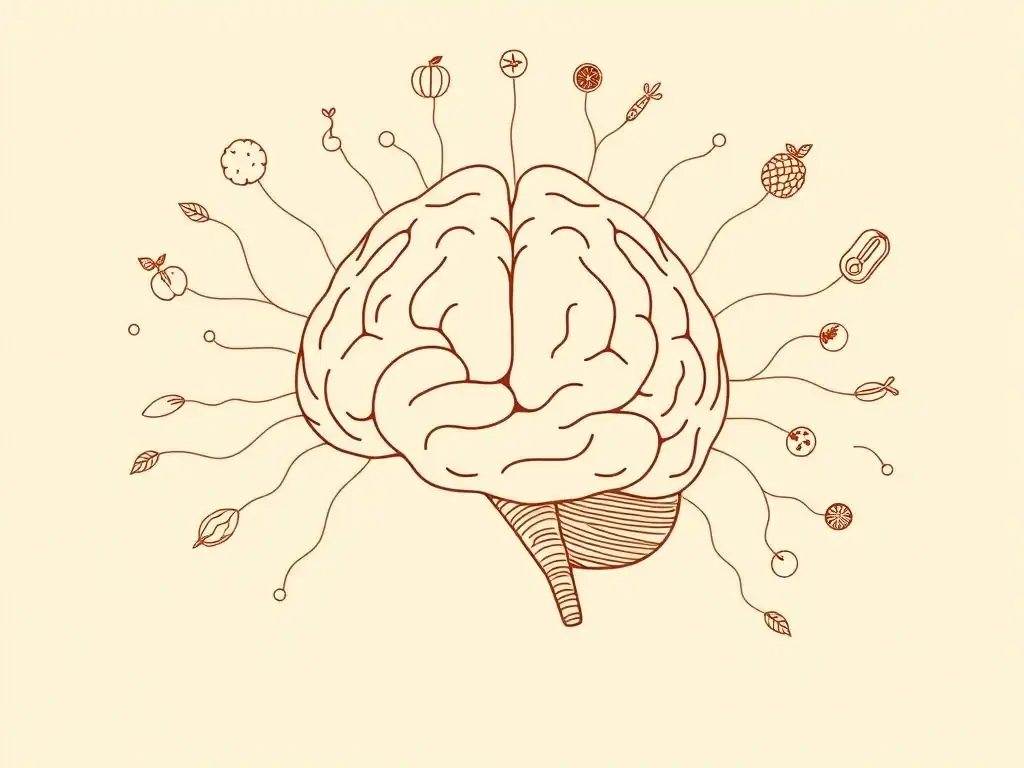
Maintaining good mental health is intrinsically linked to our physical well-being, and a crucial aspect of this connection lies in nutrition. What we consume directly impacts our brain function, mood regulation, and overall cognitive performance. Ignoring this vital link can significantly hinder our efforts towards achieving daily mental wellness. This section explores the crucial role of diet and mindful eating practices in supporting mental wellbeing.
The Role of Diet in Mental Health: Foods to Boost Mood and Cognitive Function
The saying "you are what you eat" holds particular significance when discussing mental health. A diet rich in nutrient-dense foods provides the building blocks for neurotransmitter production, influencing mood and cognitive function. For instance, foods high in omega-3 fatty acids, like salmon and flaxseeds, are crucial for brain health and can help reduce symptoms of depression and anxiety. Similarly, foods rich in B vitamins, such as leafy greens and whole grains, are essential for energy production and nerve function, contributing to improved mood and concentration.
Conversely, a diet heavy in processed foods, saturated fats, and added sugars can negatively impact brain function and mental health. These foods can lead to inflammation, hormonal imbalances, and fluctuations in blood sugar levels, all of which can exacerbate symptoms of anxiety, depression, and other mental health conditions. Prioritizing a balanced diet rich in fruits, vegetables, whole grains, lean proteins, and healthy fats is a powerful step towards optimizing brain health and improving mood.
Think of it as investing in your brain's performance – the right fuel leads to optimal output. A simple swap from sugary cereals to oatmeal with berries can make a significant difference.
Hydration and Mental Clarity: The Importance of Drinking Enough Water
Often overlooked, hydration plays a surprisingly significant role in mental clarity and overall cognitive function. Dehydration can lead to headaches, fatigue, and difficulty concentrating, all of which can negatively impact mental wellbeing. Even mild dehydration can impair cognitive performance, affecting attention, memory, and mood. Maintaining adequate hydration is therefore crucial for supporting optimal brain function and promoting a positive mental state.
Aim for consistent hydration throughout the day. Carry a reusable water bottle and sip on it regularly. Consider setting reminders on your phone or using a hydration tracking app to ensure you're meeting your daily water intake goals. The recommended daily intake varies depending on factors like activity level and climate, but generally aiming for at least eight glasses of water per day is a good starting point. Remember, even slight dehydration can affect your mood and focus, so prioritize staying well-hydrated for optimal daily mental wellness hacks.
Mindful Eating Practices for Improved Mental Wellbeing: Eating Slowly and Paying Attention
Mindful eating is more than just consuming food; it's about cultivating a conscious awareness of the eating process. This practice involves paying attention to the taste, texture, and smell of your food, eating slowly, and savoring each bite. By engaging all your senses during meals, you're more likely to feel satisfied with smaller portions, reducing the likelihood of overeating and promoting better digestion.
Beyond the physical benefits, mindful eating has been linked to reduced stress and improved emotional regulation. Taking the time to appreciate your food can reduce feelings of anxiety and promote a sense of calm and presence. This practice encourages a connection between your mind and body, fostering a greater sense of self-awareness and promoting overall mental wellbeing.
Try experimenting with mindful eating techniques and notice how it affects your mood and energy levels. It's a simple yet powerful daily mental wellness hack that can have a profound impact. Even dedicating just five minutes to a mindful meal can create a noticeable difference.
Cultivating Gratitude for Enhanced Mental Wellness
Gratitude, the appreciation of what one has, is a powerful tool for improving mental well-being. Numerous studies have shown a strong correlation between practicing gratitude and increased happiness, reduced stress, and improved overall mental health. This isn't just about feeling good; gratitude actively changes our brain chemistry, fostering positive emotions and resilience. By consciously focusing on the positive aspects of our lives, we shift our perspective from what's lacking to what we already possess, leading to a more optimistic outlook and a greater sense of contentment.
This section will delve into practical ways to cultivate gratitude as part of your daily mental wellness routine. The key is consistency; even small, regular acts of gratitude can significantly impact your emotional well-being. Think of it as a mental vitamin, essential for a healthy and happy mind.
Practicing Gratitude Daily: Keeping a Gratitude Journal
One of the most effective ways to cultivate gratitude is through daily journaling. This simple practice involves taking a few minutes each day to write down things you're grateful for. It doesn't have to be grand gestures; small things like a sunny day, a delicious meal, or a kind word from a friend all count. The act of writing itself helps solidify the feeling of gratitude, reinforcing positive emotions. Consider using a dedicated notebook or a digital app specifically designed for gratitude journaling.
Some people find it helpful to set a specific time each day, perhaps before bed or first thing in the morning, to ensure consistency. The more consistent you are, the more significant the positive impact will be. Try to include at least three things daily. For example:
- The warmth of the sun on my face.
- A delicious cup of coffee.
- A helpful conversation with a colleague.
This simple practice can dramatically shift your perspective, helping you focus on the positive aspects of your day, even amidst challenges. Over time, you'll notice an increased sense of appreciation for the good things in your life, leading to improved mood and reduced stress. Remember, it's the consistency, not the length of the entry, that truly matters.
Expressing Gratitude to Others: The Benefits of Showing Appreciation
Expressing gratitude isn't just about internal reflection; it also involves actively showing appreciation to others. This can take many forms, from a simple "thank you" to a heartfelt letter or a thoughtful gift. The act of expressing gratitude to others not only strengthens relationships but also boosts your own well-being. When we show appreciation, we release endorphins, contributing to feelings of happiness and connection. This positive feedback loop reinforces the practice of gratitude, creating a virtuous cycle of positive emotions.
Consider these examples:
- Sending a thank-you note to a friend for their support.
- Expressing appreciation to your partner for their love and care.
- Giving a compliment to a colleague on their work.
These small gestures can have a profound impact on both the recipient and yourself. Think about people who have positively impacted your life, and make a conscious effort to express your gratitude to them. You'll be surprised by the positive response you receive, and the boost to your own emotional well-being. It’s a win-win situation!
Focusing on the Positive Aspects of Life: Shifting Your Perspective
Cultivating gratitude involves actively shifting your perspective to focus on the positive aspects of your life. This isn't about ignoring challenges or pretending negative emotions don't exist; rather, it's about consciously choosing to focus on what's good, even in difficult times. This requires a conscious effort to reframe negative thoughts and appreciate the silver linings. For example, instead of dwelling on a missed opportunity, consider what you learned from the experience and how you can apply that knowledge in the future. This cognitive reframing is a crucial element of gratitude practice and contributes significantly to overall mental wellness.
Here's a practical exercise: At the end of each day, write down three positive things that happened, no matter how small. This could be anything from a pleasant conversation to a successful task completed. This simple act reinforces positive memories and helps shift your focus away from negativity. By consciously choosing to focus on the positive, you'll find yourself feeling happier and more resilient in the face of adversity. This positive mindset is a cornerstone of daily mental wellness hacks. Remember, the more you practice this, the easier it becomes. It's about training your brain to see the good.
Simple Daily Habits for Long-Term Mental Wellness
This section explores the power of consistent, small actions in cultivating lasting mental wellbeing. We'll delve into practical strategies you can integrate into your daily routine to foster a more positive and resilient mindset. Remember, even minor adjustments can yield significant improvements in your overall emotional state. The key is consistency and making these practices a non-negotiable part of your day, much like brushing your teeth or eating a healthy meal. Think of these as small investments in your mental health, with substantial long-term returns. Small changes, big impact—that's the essence of daily mental wellness hacks.
Creating a Relaxing Bedtime Routine: Preparing for a Restful Night's Sleep
A consistent and relaxing bedtime routine is crucial for improving sleep quality and reducing stress. Sleep deprivation significantly impacts mood and cognitive function, making a calming pre-sleep ritual essential for daily mental wellness. Instead of scrolling through social media before bed – a common culprit in disrupting sleep – try these alternatives:
- Warm bath or shower: The drop in body temperature after a warm bath signals your body it's time to rest.
- Reading a physical book: Avoid screens; the blue light emitted interferes with melatonin production.
- Gentle stretching or yoga: Releasing physical tension can alleviate mental stress.
- Meditation or mindfulness exercises: Even 5-10 minutes can make a difference in calming your mind.
- Listening to calming music: Choose instrumental music with a slow tempo.
Establishing a regular sleep schedule, aiming for 7-9 hours of sleep per night, is equally vital. Avoid large meals or caffeine close to bedtime. Consider using a sleep tracker to monitor your sleep patterns and identify areas for improvement. Remember, consistency is key; stick to your routine as much as possible, even on weekends, to regulate your body's natural sleep-wake cycle. Prioritizing sleep is a fundamental daily mental wellness hack.
Incorporating Daily Self-Care Practices: Prioritizing Your Wellbeing
Daily self-care isn't selfish; it's essential for maintaining mental and emotional balance. It's about consciously engaging in activities that nurture your physical, mental, and emotional wellbeing. These practices are personalized; what works for one person might not work for another. The goal is to identify activities that bring you joy, relaxation, and a sense of accomplishment. Here are a few examples:
- Mindful moments: Take short breaks throughout the day to simply breathe and be present. Even a few minutes of mindful breathing can significantly reduce stress levels.
- Physical activity: Exercise releases endorphins, which have mood-boosting effects. Find an activity you enjoy, whether it's a brisk walk, yoga, or dancing.
- Healthy eating: Nourishing your body with healthy foods provides sustained energy and improves mood.
- Spending time in nature: Studies show that spending time outdoors reduces stress and improves mental wellbeing.
- Connecting with loved ones: Social connection is crucial for mental health. Make time for meaningful interactions with family and friends.
Consider creating a self-care checklist to track your daily practices. This helps ensure consistency and highlights areas needing more attention. Remember, self-care is an ongoing process, not a one-time event. Consistent self-care is a powerful daily mental wellness hack.
Regular Reflection and Journaling for Self-Awareness: Understanding Your Emotions
Regular reflection and journaling provide a valuable tool for self-awareness and emotional regulation. By taking time to process your thoughts and feelings, you gain a deeper understanding of your emotional patterns and triggers. This improved self-awareness is crucial for managing stress and building resilience. Journaling doesn't require lengthy entries; even a few minutes of writing can be beneficial.
Here’s how to make journaling a daily mental wellness hack:
- Focus on gratitude: Begin each entry by listing three things you're grateful for. This simple practice shifts your focus towards the positive aspects of your life.
- Identify and process emotions: Describe your feelings throughout the day, noting any triggers or patterns. This helps you understand what situations or thoughts affect your mood.
- Set intentions for the next day: Use your journal to plan for the following day, setting goals and intentions to improve your mental wellbeing.
- Track progress: Review your journal entries regularly to identify progress, setbacks, and areas for improvement. This process of self-reflection is incredibly valuable.
Consider using prompts to guide your reflections. For example: "What was the most challenging aspect of my day? ", "What brought me joy today? ", or "What am I looking forward to tomorrow?". Remember, the goal is not to judge yourself but to gain a deeper understanding of your emotional landscape. Consistent journaling is a potent daily mental wellness hack.
Maintaining Mental Wellness: Seeking Professional Help When Needed
Maintaining good mental health is a journey, not a destination. While daily mental wellness hacks can significantly improve your mood and emotional wellbeing, it's crucial to understand when professional help is necessary. Ignoring warning signs can lead to more significant challenges down the line, impacting various aspects of your life, from work productivity to personal relationships. This section focuses on recognizing when professional intervention is beneficial and navigating the process of finding appropriate support.
Recognizing Signs of Mental Health Challenges: When to Seek Professional Support
Recognizing the signs of a mental health challenge is the first crucial step towards seeking help. These signs can vary widely depending on the individual and the specific condition. However, some common indicators warrant professional attention. These include:
- Persistent sadness or low mood: Feeling down for more than two weeks, experiencing a significant loss of interest in activities once enjoyed, and exhibiting changes in appetite or sleep patterns are all potential red flags. This isn't simply a "bad day"—it's a persistent state impacting daily functioning.
- Increased anxiety or worry: Excessive worry, difficulty concentrating, irritability, restlessness, and physical symptoms like rapid heartbeat or shortness of breath could indicate an anxiety disorder. If these feelings are overwhelming and interfering with daily life, professional help is recommended.
- Significant changes in behavior or personality: Sudden shifts in personality, withdrawal from social activities, changes in hygiene habits, or unusual irritability might signify an underlying mental health issue. Family and friends often notice these changes first.
- Difficulty concentrating or making decisions: Struggling to focus, experiencing memory problems, or finding it impossible to make even simple decisions can point to underlying mental health concerns. This significantly impacts productivity and daily functioning.
- Thoughts of self-harm or suicide: These are serious warning signs requiring immediate professional help. If you or someone you know is experiencing such thoughts, reach out to a crisis hotline or mental health professional immediately. Don't hesitate; your life is valuable.
Finding Mental Health Resources and Professionals: Accessing Help and Support
Seeking professional help for mental health concerns can feel daunting, but numerous resources are available to guide you. Finding the right professional and accessing support is crucial for effective treatment. Here's a breakdown of how to navigate this process:
- Primary Care Physician (PCP): Your PCP is often a good starting point. They can provide a preliminary assessment, refer you to specialists, and offer basic counseling or medication management if appropriate.
- Mental Health Professionals: Several types of mental health professionals can provide support, including psychiatrists (medical doctors specializing in mental health who can prescribe medication), psychologists (specialists in diagnosing and treating mental illnesses through therapy), and therapists (licensed professionals offering various therapeutic approaches).
- Online Resources and Directories: Many online resources offer directories of mental health professionals, allowing you to search by location, specialization, and insurance coverage. These platforms often provide information on different types of therapy and treatment options.
- Support Groups: Connecting with others who share similar experiences can provide valuable support and a sense of community. Support groups offer a safe space to share feelings and learn coping mechanisms.
Remember to research professionals thoroughly, read reviews, and schedule consultations to find the best fit for your needs. Finding the right therapist is a personal journey, and it might take some time to find the right match.
Building a Sustainable Mental Wellness Plan: Long-Term Strategies for Mental Wellbeing
Developing a sustainable mental wellness plan is key to long-term mental health. This plan should integrate daily mental wellness hacks with professional support and self-care practices to create a holistic approach to wellbeing. Here are some key components:
- Regular Therapy Sessions: Consistency is crucial. Regular sessions with a therapist allow for ongoing support, monitoring of progress, and adjustments to the treatment plan as needed.
- Medication Management (if necessary): If medication is prescribed, adhering to the prescribed dosage and schedule is vital for its effectiveness. Regular check-ups with the psychiatrist are necessary to monitor progress and make adjustments as needed.
- Self-Care Practices: Incorporating daily self-care practices, such as mindfulness exercises, regular physical activity, a balanced diet, and sufficient sleep, significantly contributes to mental wellbeing. These practices support the effectiveness of therapy and medication.
- Stress Management Techniques: Learning and practicing stress management techniques, such as deep breathing exercises, progressive muscle relaxation, or yoga, is crucial for managing daily stressors and preventing mental health challenges.
- Building a Supportive Network: Surrounding yourself with supportive friends, family, and community members provides a crucial safety net and enhances resilience during challenging times.
Building a strong mental wellness plan requires commitment and effort, but the rewards are immeasurable. Remember that seeking professional help is a sign of strength, not weakness. Prioritizing your mental health is an investment in your overall well-being and happiness. By incorporating daily mental wellness hacks alongside professional support and self-care, you can build a robust foundation for a happier, healthier life.
Frequently Asked Questions
How can I incorporate mental wellness into my already busy schedule?
Even small changes make a difference. Try a 5-minute meditation, a short walk outdoors, or practicing mindful breathing throughout your day. Consistency is key, not duration.
What are some quick mental wellness hacks I can use at work?
Take short breaks to stretch, step away from your computer, or listen to calming music. Practice deep breathing exercises to reduce stress. Prioritize tasks to avoid feeling overwhelmed.
Are there any simple techniques to improve my sleep quality for better mental wellness?
Establish a consistent sleep schedule, create a relaxing bedtime routine (avoid screens!), and ensure your bedroom is dark, quiet, and cool. Prioritize sleep hygiene for improved mental clarity.
How can I manage stress and anxiety using daily mental wellness hacks?
Practice mindfulness techniques like meditation or yoga. Engage in activities you enjoy, like hobbies or spending time in nature. Connect with supportive friends and family.
What if I'm struggling with more serious mental health issues? What should I do?
These hacks are for general well-being, but if you're struggling with serious issues, please seek professional help. Contact a therapist or counselor to discuss your concerns and explore treatment options.
Final Reflection: Cultivating Daily Joy: The Enduring Power of Small Changes
The pursuit of mental wellness is not a destination, but a continuous journey, and the small steps we take each day significantly impact our overall well-being. The simple, practical hacks explored in this article – from mindful breathing exercises to prioritizing gratitude – are not mere fleeting trends, but powerful tools readily available to everyone seeking a happier, healthier life. Their accessibility and effectiveness make them crucial in navigating the complexities of modern life.
The impact of consistent self-care practices on our mental landscape is profound and far-reaching. We've seen how seemingly insignificant actions can ripple outwards, influencing not only our personal happiness but also our relationships and productivity. The cumulative effect of these small changes is transformative. As the ancient Greek philosopher Epictetus wisely stated, It's not what happens to you, but how you react to it that matters.
This rings especially true when considering our response to daily stressors and the power we hold in shaping our emotional responses.
Now, consider your own life. Which of these mental wellness hacks resonated most deeply with you? Which one are you ready to integrate into your daily routine, starting today? Perhaps it's a commitment to five minutes of mindful breathing each morning, or a simple act of gratitude journaling before bed. The journey to a happier you begins with a single step, a single conscious choice. Embrace the power of small changes, and watch as they blossom into a life filled with greater joy, resilience, and peace.
Unlock Your Happiest Self: Start Practicing Today!
Thank you for exploring these simple yet powerful mental wellness techniques! We hope you found practical strategies to boost your happiness and well-being. Now it's time to put them into action.
- Prioritize one small change: Choose just one strategy—mindful breathing, journaling, or a short walk—and commit to incorporating it into your daily routine this week.
- Share your journey: Tell a friend or family member about your chosen technique and invite them to join you! Shared experiences enhance the benefits.
- Discover your unique path to happiness: Experiment with different techniques. What small changes bring you the greatest sense of peace and joy? Share your discoveries in the comments below!
Ready to embark on your journey to a happier you? What's the first step you'll take today?