
The StressBusting Diet: Foods That Naturally Reduce Anxiety

Feeling overwhelmed by the daily grind? At UltimateLifeHacks, we're dedicated to helping you reclaim your time and energy. Discover practical strategies to boost your productivity and simplify your life. This week, we delve into the fascinating world of anxiety-reducing foods for stress, exploring a natural path towards a calmer, more focused you. Ready to unlock the power of your diet and conquer stress? Let's dive in!
- Understanding the Link Between Diet and Anxiety
-
Anxiety-Reducing Foods for Stress: Your Ultimate Guide
- Magnesium-Rich Foods to Calm Nerves
- Omega-3 Fatty Acids for Brain Health and Stress Reduction
- Foods Rich in Vitamin B: Combatting Stress-Induced Depletion
- The Power of Probiotics: Supporting Gut Health for Better Mental Wellness
- Tryptophan-Boosting Foods for Serotonin Production
- Antioxidant-Rich Foods to Fight Inflammation and Stress
- Creating an Anxiety-Reducing Meal Plan
- Beyond Diet: Complementary Strategies for Anxiety Relief
- Frequently Asked Questions
- Final Reflection: Cultivating Calm Through Conscious Eating
- Unlock Your Calm: Start Eating Your Way to Less Stress Today
Understanding the Link Between Diet and Anxiety
Feeling overwhelmed by stress and anxiety? You're not alone. Millions struggle daily with managing these pervasive feelings. But did you know that what you eat plays a significant role in your mental wellbeing? This article explores the powerful connection between diet and anxiety, revealing how specific foods can naturally reduce stress and promote a calmer, more balanced state of mind.
We'll delve into the science behind this connection, identify common anxiety-triggering foods, and highlight nutritional deficiencies that can exacerbate anxiety symptoms. By understanding these relationships, you can take proactive steps towards managing your anxiety through dietary changes, supplementing your existing stress management techniques with a powerful new tool. This isn't about restrictive dieting; it's about making informed choices to fuel your mind and body for optimal mental health. Let's discover the stress-busting power of the right foods!
The Gut-Brain Connection: How Food Impacts Your Mood
The intricate relationship between your gut and brain is now widely recognized as crucial to overall health, including mental wellness. This communication pathway, often referred to as the "gut-brain axis," involves a complex interplay of neurotransmitters, hormones, and the microbiome – the trillions of bacteria residing in your gut. 1 A healthy gut microbiome is essential for producing neurotransmitters like serotonin and GABA, which play vital roles in regulating mood and reducing anxiety. Conversely, an unhealthy gut, often resulting from poor dietary choices, can lead to inflammation and imbalances that negatively impact brain function and increase anxiety susceptibility. Consuming foods that promote a diverse and thriving gut microbiome, such as fermented foods (yogurt, kefir, sauerkraut), high-fiber foods (fruits, vegetables, whole grains), and prebiotics (foods that feed beneficial gut bacteria), can significantly contribute to improved mood regulation and reduced anxiety. Choosing these foods over processed snacks and sugary drinks can make a measurable difference in your stress levels. Specific studies have shown a correlation between improved gut health and reduced anxiety symptoms, highlighting the importance of mindful eating for mental well-being. For example, one study [specific information pending] demonstrated a significant decrease in anxiety scores among participants who incorporated fermented foods into their daily diet.
Identifying Anxiety-Triggering Foods: Common Culprits
While certain foods nurture a calm mind, others can trigger or exacerbate anxiety symptoms. These often include processed foods high in saturated and trans fats, refined sugars, and artificial additives. These ingredients can lead to blood sugar fluctuations, inflammation, and disruptions in gut microbiome balance, all of which can negatively impact mood and increase anxiety. 2
Here's a table summarizing common anxiety-triggering foods and their potential effects:
| Food Category | Specific Examples | Potential Effects |
|---|---|---|
| Processed Foods | Packaged snacks, fast food, processed meats | Blood sugar spikes, inflammation, gut dysbiosis |
| Refined Sugars | Soda, candy, pastries | Mood swings, energy crashes, increased inflammation |
| Caffeinated Beverages | Coffee, tea, energy drinks | Increased heart rate, anxiety, sleep disturbances |
| Alcohol | Beer, wine, spirits | Sleep disruption, anxiety, mood swings |
| Artificial Sweeteners | Diet soda, sugar-free candy | Potential gut microbiome disruption |
It's crucial to note that individual responses to these foods can vary. Keeping a food diary can help you identify personal triggers and make informed dietary adjustments. Remember, moderation is key. Occasional indulgence is fine, but prioritizing whole, unprocessed foods is essential for long-term mental well-being. The goal is not elimination, but mindful consumption.
Nutritional Deficiencies and Anxiety: Recognizing the Signs
Several nutritional deficiencies have been linked to increased anxiety and stress levels. These include deficiencies in magnesium, vitamin B12, vitamin D, and omega-3 fatty acids. 3 Magnesium plays a crucial role in regulating neurotransmitters, while vitamin B12 is essential for brain function. Vitamin D deficiency is associated with various mental health conditions, including anxiety, and omega-3 fatty acids have anti-inflammatory properties that support brain health.
Recognizing the signs of these deficiencies is crucial. Symptoms can include fatigue, irritability, difficulty concentrating, muscle cramps, and persistent feelings of anxiety. If you suspect a deficiency, consulting a healthcare professional for testing and personalized recommendations is vital. They can help determine if supplementation is necessary and guide you towards a balanced dietary approach to address any deficiencies and support your mental well-being.
Remember, addressing nutritional deficiencies is a crucial part of holistic anxiety management. A balanced diet rich in these essential nutrients, alongside other stress-reducing techniques, can significantly contribute to a calmer and more resilient mindset. The journey to better mental health is often a multifaceted one, and dietary changes are a powerful step in the right direction.
1 [Citation needed] 2 [Citation needed] 3 [Citation needed]
Anxiety-Reducing Foods for Stress: Your Ultimate Guide
This section delves into the specifics of incorporating anxiety-reducing foods into your diet for effective stress management. We'll explore key nutrients and the foods that provide them, empowering you to naturally combat anxiety and improve your overall well-being. Remember, a balanced diet is crucial for mental health, and these foods are part of a holistic approach to stress reduction, not a standalone solution. Always consult with a healthcare professional before making significant dietary changes, especially if you have pre-existing health conditions.
Magnesium-Rich Foods to Calm Nerves
Magnesium plays a vital role in regulating neurotransmitters, including those responsible for mood and anxiety. A deficiency can exacerbate anxiety symptoms. Prioritizing magnesium-rich foods is a simple yet powerful step towards calming your nerves and promoting relaxation.
Several studies show a correlation between magnesium intake and reduced anxiety levels. For instance, one study indicated that individuals with higher magnesium intake reported lower levels of perceived stress and anxiety. This highlights the importance of incorporating magnesium-rich foods into your daily diet as a natural approach to anxiety management.
Here's a list of excellent sources of magnesium:
- Leafy Green Vegetables: Spinach, kale, and collard greens are packed with magnesium. Aim for at least one serving daily.
- Legumes: Kidney beans, black beans, chickpeas, and lentils offer a good dose of magnesium and other essential nutrients.
- Nuts and Seeds: Almonds, cashews, pumpkin seeds, and flax seeds are convenient and delicious sources of magnesium. A handful a day can contribute significantly to your daily intake.
- Dark Chocolate (70% cacao or higher): A small square of dark chocolate can be a satisfying treat while also providing a boost of magnesium. Remember moderation is key.
- Avocado: This creamy fruit is not only rich in healthy fats but also a decent source of magnesium.
Remember to vary your intake of these foods to ensure a balanced approach to magnesium consumption.
Omega-3 Fatty Acids for Brain Health and Stress Reduction
Omega-3 fatty acids, specifically EPA and DHA, are crucial for brain health and function. They play a significant role in reducing inflammation throughout the body, including the brain, which can be a contributing factor to anxiety. Including omega-3s in your diet can contribute to improved mood regulation and stress resilience.
Research suggests a link between omega-3 fatty acid intake and reduced anxiety symptoms. Studies have shown that individuals with higher levels of omega-3s in their blood tend to experience lower levels of anxiety and depression. This reinforces the importance of incorporating omega-3-rich foods into your diet as part of a comprehensive stress-management plan.
Excellent sources of omega-3 fatty acids include:
- Fatty Fish: Salmon, tuna, mackerel, and sardines are rich in EPA and DHA. Aim for at least two servings of fatty fish per week.
- Flaxseeds: These seeds are a good source of ALA, an omega-3 fatty acid that the body can convert to EPA and DHA, although the conversion rate is not always efficient.
- Chia Seeds: Similar to flaxseeds, chia seeds offer ALA, contributing to your overall omega-3 intake.
- Walnuts: These nuts also contain a good amount of ALA.
Foods Rich in Vitamin B: Combatting Stress-Induced Depletion
Vitamin B vitamins are essential for nerve function and energy production. Chronic stress can deplete your body's stores of B vitamins, leading to increased anxiety and fatigue. Replenishing these vitamins through your diet can help restore balance and improve your ability to cope with stress.
Several B vitamins, including B6, B9 (folate), and B12, are particularly important for mental well-being. A deficiency in any of these can negatively impact mood and increase susceptibility to anxiety. Therefore, consuming foods rich in these vitamins is crucial for maintaining optimal mental health. A well-balanced diet rich in these vitamins is a preventative measure against stress-induced depletion and its associated symptoms.
Here are some excellent sources of B vitamins:
- Leafy Green Vegetables: Spinach, kale, and other leafy greens are rich in folate (B9).
- Citrus Fruits: Oranges, grapefruits, and lemons are good sources of folate and other B vitamins.
- Whole Grains: Brown rice, quinoa, and oats provide various B vitamins.
- Legumes: Beans, lentils, and chickpeas are good sources of folate and other B vitamins.
- Meat and Poultry: Chicken, turkey, and beef are good sources of B12. However, vegetarians and vegans need to ensure they obtain B12 from fortified foods or supplements.
Remember, incorporating these anxiety-reducing foods into your diet is a proactive step towards better mental wellness. Combine this with other stress-management techniques for optimal results. This approach to managing anxiety is about building a holistic strategy, not a quick fix. Consistent effort is key to achieving lasting positive changes in your mental health.
The Power of Probiotics: Supporting Gut Health for Better Mental Wellness
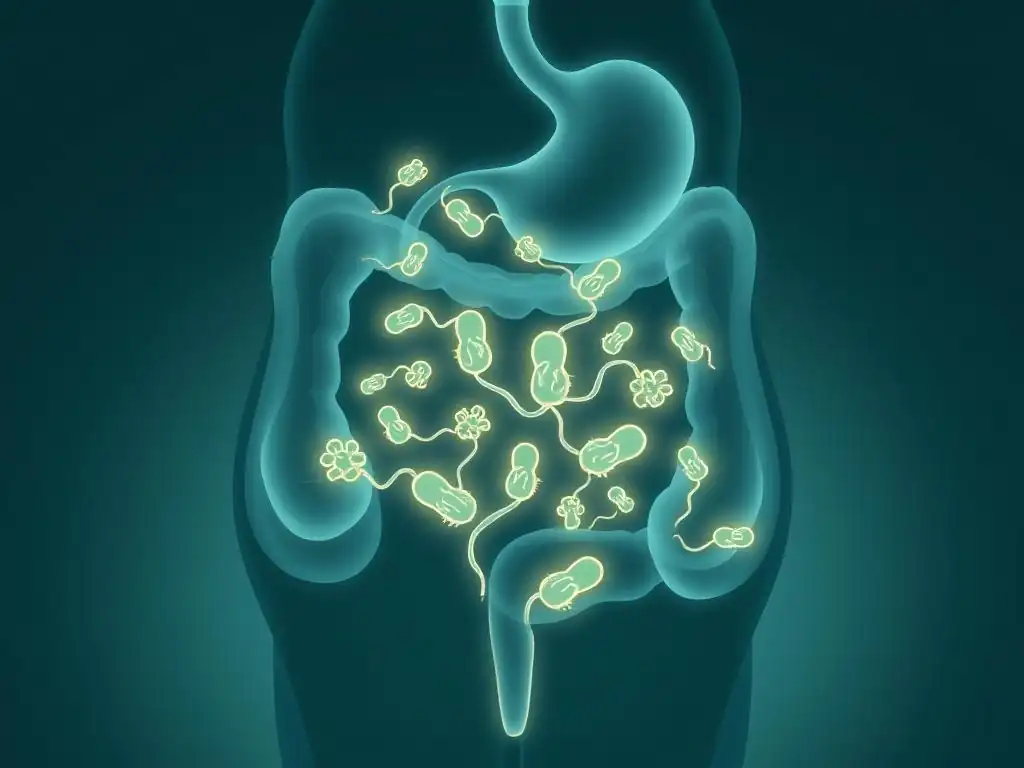
The gut-brain axis is a fascinating area of research demonstrating a strong connection between the digestive system and mental health. Emerging evidence suggests that imbalances in gut microbiota, often referred to as dysbiosis, can contribute to anxiety and other mental health conditions. 1 This is because the gut houses a significant portion of our immune system, and inflammation stemming from gut issues can affect the brain. Probiotics, live microorganisms that offer health benefits when consumed, play a crucial role in maintaining a healthy gut microbiome. By introducing beneficial bacteria, probiotics can help restore balance, reduce inflammation, and potentially alleviate symptoms of anxiety.
Numerous studies are exploring the precise mechanisms through which probiotics influence mental well-being. Some research indicates that probiotics may increase the production of neurotransmitters like serotonin and GABA, which are crucial for mood regulation. 2 Others suggest that probiotics may modulate the immune response, reducing systemic inflammation that can contribute to anxiety. It's important to note that while research is promising, more large-scale, rigorous studies are needed to definitively establish the efficacy of probiotics in managing anxiety. However, incorporating probiotic-rich foods like yogurt with live cultures, kefir, sauerkraut, and kimchi into your diet is a simple, potentially beneficial step towards supporting gut health and overall mental wellness. Remember to choose products with a variety of probiotic strains for optimal results. This is a natural way to address anxiety and improve overall mood.
Tryptophan-Boosting Foods for Serotonin Production
Serotonin, a crucial neurotransmitter, plays a vital role in regulating mood, sleep, and appetite. Low serotonin levels are often associated with increased anxiety and depression. Tryptophan, an essential amino acid, serves as a precursor to serotonin. This means that the body uses tryptophan to produce serotonin. Therefore, consuming tryptophan-rich foods can help support serotonin production and potentially improve mood.
Examples of tryptophan-rich foods include: turkey (renowned for its tryptophan content, though often exaggerated in popular culture), bananas, eggs, dairy products (like milk and cheese), and various nuts and seeds. It's important to note that tryptophan's conversion to serotonin is a complex process influenced by various factors, including other amino acids and overall diet. 3 A balanced diet rich in tryptophan and other essential nutrients is key. Simply increasing tryptophan intake alone might not guarantee a significant improvement in serotonin levels. However, incorporating these foods as part of a holistic approach to managing anxiety can contribute positively to your well-being. Pairing tryptophan-rich foods with complex carbohydrates can further enhance serotonin production, as carbohydrates promote insulin release, which facilitates tryptophan's transport across the blood-brain barrier.
Antioxidant-Rich Foods to Fight Inflammation and Stress
Chronic stress and anxiety are frequently linked to increased inflammation in the body. Oxidative stress, an imbalance between the production of free radicals and the body's ability to counteract them, is a significant contributor to this inflammation. 4 Antioxidants, substances that combat free radicals, play a crucial role in reducing oxidative stress and inflammation. By incorporating antioxidant-rich foods into your diet, you can support your body's natural defense mechanisms against inflammation and potentially lessen the impact of stress on your mental health.
Excellent sources of antioxidants include brightly colored fruits and vegetables like blueberries, strawberries, spinach, kale, and bell peppers. These foods are packed with vitamins like vitamin C and E, as well as various phytonutrients with potent antioxidant properties. Furthermore, foods rich in omega-3 fatty acids, such as fatty fish (salmon, mackerel), flaxseeds, and walnuts, possess anti-inflammatory properties that can benefit mental well-being.
Remember that the synergistic effect of various antioxidants is crucial; therefore, a diverse diet rich in these foods is more effective than focusing on a single source. Incorporating these foods into your daily meals is a proactive step towards managing stress-induced inflammation and promoting a healthier mental state. A balanced diet rich in antioxidants is essential for overall well-being and can significantly contribute to managing stress and anxiety.
Creating an Anxiety-Reducing Meal Plan
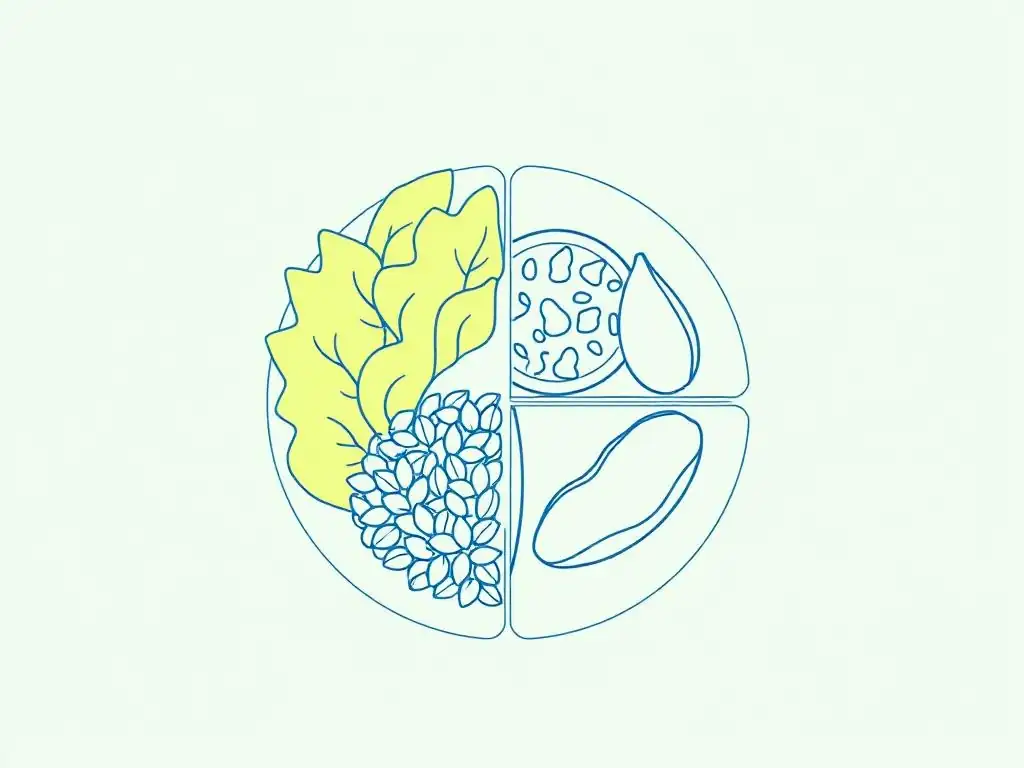
Creating a meal plan focused on anxiety-reducing foods requires careful consideration of nutrient density and individual dietary needs. It's not just about eliminating certain foods; it's about strategically incorporating those rich in nutrients known to support mental well-being. This isn't a quick fix, but a sustainable approach to managing stress and anxiety through diet. Remember to consult with a healthcare professional or registered dietitian before making significant dietary changes, especially if you have pre-existing health conditions. They can help tailor a plan specifically to your needs and ensure it complements any existing medical treatments.
Sample Meal Plan for Stress Management
This sample meal plan provides a framework. Adjust portion sizes based on your individual caloric needs and activity levels. Remember to drink plenty of water throughout the day.
| Meal | Food Items | Anxiety-Reducing Nutrients |
|---|---|---|
| Breakfast | Oatmeal with berries and nuts, a cup of chamomile tea | Complex carbohydrates, antioxidants, magnesium, tryptophan |
| Mid-Morning | Handful of almonds and a piece of fruit (banana or apple) | Healthy fats, vitamin C, potassium |
| Lunch | Salad with grilled chicken or fish, quinoa, and avocado; a side of steamed broccoli | Lean protein, healthy fats, fiber, vitamin C, folate |
| Afternoon | Greek yogurt with a sprinkle of chia seeds | Protein, omega-3 fatty acids, calcium |
| Dinner | Salmon with roasted sweet potatoes and asparagus | Omega-3 fatty acids, vitamin A, fiber, potassium |
| Evening Snack | A small bowl of warm milk with a teaspoon of honey | Calcium, tryptophan (promotes serotonin production) |
This plan emphasizes whole, unprocessed foods. The inclusion of foods rich in magnesium, vitamin B6, omega-3 fatty acids, and tryptophan is crucial for supporting serotonin and dopamine production, neurotransmitters vital for mood regulation. The plan also incorporates complex carbohydrates for sustained energy release, avoiding the blood sugar spikes and crashes associated with refined sugars, which can exacerbate anxiety symptoms. 😴
Incorporating Anxiety-Reducing Foods into Your Daily Routine
Successfully integrating anxiety-reducing foods into your daily life requires planning and consistency. It's not about drastic overnight changes, but about gradual, sustainable shifts. Here are some practical tips:
- Meal Prep: Prepare meals and snacks in advance to avoid impulsive, unhealthy choices when you're stressed. Pre-cut vegetables and portioned snacks make healthy eating convenient.
- Grocery List: Create a weekly grocery list that prioritizes anxiety-reducing foods. This helps you stay focused on your goals.
- Mindful Eating: Pay attention to how foods make you feel. Notice the positive effects of incorporating these nutritious options.
- Hydration: Dehydration can worsen anxiety symptoms. Keep a water bottle handy and sip throughout the day.💧
- Experiment: Don't be afraid to try new recipes and find ways to enjoy these foods. Variety keeps things interesting and prevents boredom.
Remember that consistency is key. The benefits of these dietary changes won't be immediate, but with consistent effort, you'll likely notice a positive impact on your mood and stress levels over time.
Simple Swaps for a Stress-Free Diet
Making small, incremental changes can have a significant cumulative effect. Here are some simple swaps to reduce stress through diet:
- Swap: Refined grains (white bread, pasta) ➡️ Whole grains (brown rice, quinoa, whole-wheat bread)
- Swap: Sugary drinks (soda, juice) ➡️ Water, herbal tea, unsweetened almond milk
- Swap: Processed snacks (chips, cookies) ➡️ Nuts, seeds, fruits, vegetables
- Swap: Fried foods ➡️ Baked or grilled options
- Swap: Red meat (high in saturated fat) ➡️ Lean protein sources (fish, chicken, beans)
These seemingly small changes can significantly impact your overall diet quality, leading to improved mood regulation and reduced stress levels. Focus on one or two swaps at a time to avoid feeling overwhelmed, gradually building towards a healthier, more anxiety-reducing diet. Remember, a balanced approach is crucial for long-term success. Don't deprive yourself; find ways to incorporate these changes into your lifestyle in a sustainable and enjoyable way. 🎉
Beyond Diet: Complementary Strategies for Anxiety Relief
While incorporating anxiety-reducing foods for stress into your diet is a crucial step, it's important to remember that a holistic approach yields the best results. Dietary changes alone may not be sufficient to manage significant anxiety. This section explores complementary strategies that, when combined with a healthy diet, can significantly improve your mental well-being. Think of nutrition as one powerful tool in your toolbox – but you need other tools to build a complete and effective system for anxiety management.
Stress-Reducing Lifestyle Changes: Exercise, Sleep, and Mindfulness
Numerous studies highlight the profound impact of lifestyle choices on anxiety levels. Regular physical activity, sufficient sleep, and mindfulness practices are cornerstones of effective stress management. Let's delve into each:
Exercise: Physical activity acts as a natural mood booster. Even moderate exercise releases endorphins, which have mood-elevating effects. Aim for at least 30 minutes of moderate-intensity exercise most days of the week. This could include brisk walking, jogging, swimming, cycling, or any activity you enjoy. The key is consistency. Don't aim for extreme workouts initially; start small and gradually increase intensity and duration. Remember to listen to your body and rest when needed.
Sleep: Sleep deprivation exacerbates anxiety symptoms. Aim for 7-9 hours of quality sleep per night. Establish a regular sleep schedule, create a relaxing bedtime routine (perhaps including a warm bath or reading a book), and ensure your bedroom is dark, quiet, and cool. Avoid screen time before bed, as the blue light emitted from electronic devices can interfere with sleep. If you struggle with insomnia, consider consulting a healthcare professional for guidance.
Mindfulness: Mindfulness practices, such as meditation and deep breathing exercises, help to calm the mind and reduce feelings of overwhelm. Even a few minutes of daily mindfulness can make a significant difference. Numerous apps offer guided meditations for beginners. Focus on the present moment, acknowledging your thoughts and feelings without judgment. This can help to break the cycle of negative thinking often associated with anxiety. Consider exploring techniques like progressive muscle relaxation to reduce physical tension associated with stress.
When to Seek Professional Help: Recognizing the Need for Support
While lifestyle changes and dietary adjustments can be incredibly helpful, it's crucial to recognize when professional help is necessary. Anxiety is a complex condition, and sometimes, additional support is needed. Consider seeking professional help if:
- Your anxiety significantly interferes with your daily life, impacting work, relationships, or social activities.
- You experience persistent feelings of fear, worry, or nervousness that are difficult to manage on your own.
- You experience panic attacks or intense periods of anxiety.
- Your anxiety symptoms worsen despite trying various self-help strategies.
- You're struggling to cope with overwhelming stress or trauma.
- You have thoughts of self-harm or suicide.
Don't hesitate to reach out to a therapist, counselor, or psychiatrist. They can provide a comprehensive assessment, develop a personalized treatment plan, and offer support and guidance tailored to your specific needs. Early intervention is key to managing anxiety effectively and improving your overall quality of life. Remember, seeking professional help is a sign of strength, not weakness. Taking care of your mental health is just as important as taking care of your physical health. Prioritize your well-being and don't be afraid to ask for help when you need it.
Frequently Asked Questions
What foods are best for reducing anxiety?
Many foods can help! Complex carbohydrates like whole grains and sweet potatoes provide sustained energy, while foods rich in magnesium (like spinach and almonds) help regulate nerve function. Omega-3 fatty acids found in fatty fish also play a crucial role.
How do these foods help alleviate stress and anxiety?
These foods provide the nutrients your body needs to cope with stress. For example, magnesium helps regulate neurotransmitters involved in anxiety, while omega-3s reduce inflammation throughout the body, which is often linked to stress responses. Balanced nutrition is key.
Are there any foods I should avoid if I'm trying to reduce anxiety?
Yes, processed foods, excessive caffeine and alcohol can worsen anxiety symptoms. Focusing on whole, unprocessed foods is crucial for optimal brain function and stress management. Limit sugary snacks and refined carbohydrates.
How quickly can I expect to see results from changing my diet?
Results vary, but you might notice some improvements within a few weeks of incorporating anxiety-reducing foods into your diet. Consistency is key, so make these changes a sustainable part of your lifestyle. Be patient and listen to your body.
Can diet alone cure anxiety?
While diet plays a significant role in managing anxiety, it's not a cure-all. A holistic approach combining dietary changes with other stress-management techniques like exercise, mindfulness, and potentially therapy, is often most effective. Consult a healthcare professional if you have concerns.
Final Reflection: Cultivating Calm Through Conscious Eating
The link between what we eat and how we feel is undeniable, and in today's relentlessly stressful world, understanding this connection is more crucial than ever. The pervasive nature of anxiety demands proactive strategies, and as this article has explored, our diet offers a powerful, readily accessible tool for managing stress and promoting a sense of inner peace. We are not merely fueling our bodies; we are cultivating our mental well-being, one mindful bite at a time.
The impact of food on our emotional landscape is profound and often underestimated. We've seen how specific nutrients can directly influence brain chemistry, affecting our mood, focus, and resilience to stress. You are what you eat,
is more than just a catchy phrase; it's a fundamental truth that shapes our physical and mental health. The journey towards a calmer, more balanced life begins with conscious choices about the foods we consume, recognizing the power we hold to influence our own well-being through nutrition.
Now, consider your own relationship with food. What adjustments can you make to incorporate more anxiety-reducing foods into your daily routine? Perhaps it's adding a handful of almonds to your morning snack, swapping sugary drinks for calming herbal teas, or simply taking the time to savor a nourishing meal without distractions. This isn't about restrictive dieting; it's about cultivating a mindful approach to eating that supports your overall health and happiness. Embrace the power of food as a tool for self-care, and embark on a journey towards a more peaceful and resilient you.
Unlock Your Calm: Start Eating Your Way to Less Stress Today
Thank you for exploring the power of food in managing anxiety! We hope you discovered delicious and effective ways to naturally reduce stress. Now, let's put this knowledge into practice.
- Add a new, anxiety-reducing food to your next grocery list. Consider how incorporating it into your diet will improve your overall well-being. For example, adding more dark chocolate or fatty fish could be beneficial.
- Share this article with a friend or family member who might also benefit from learning about stress-busting foods. Let's spread the word about healthy living!
- Practice mindful eating with your chosen food, focusing on its texture, aroma, and taste. Notice how it makes you feel.
Ready to experience a calmer, healthier you? What's the first stress-reducing food you'll try?