
The 5Minute Meditation That Will Instantly Calm Your Mind


Welcome to UltimateLifeHacks, your destination for practical tips and tricks to master your daily life! Are you feeling overwhelmed and stressed? Discover how to reclaim your peace with Quick Calming Meditation Techniques. Our guide on the 5-Minute Meditation That Will Instantly Calm Your Mind reveals simple yet powerful methods to find tranquility amidst the chaos. Ready to unlock a more efficient and balanced life? Let's dive in!
- Understanding the Power of Quick Calming Meditation Techniques
- Preparing for Your 5-Minute Meditation Session
- The Guided 5-Minute Meditation: A Step-by-Step Guide
- Enhancing Your Meditation Practice for Maximum Results
- Maintaining a Healthy Lifestyle Through Mindful Practices
-
Frequently Asked Questions
- How long does this meditation technique actually take?
- What if I find it hard to quiet my mind during meditation?
- Are there any specific requirements or equipment needed for this meditation?
- Will this meditation technique work for everyone?
- What are the benefits of practicing this quick calming meditation technique regularly?
- Final Reflection: Finding Stillness in the Five-Minute Miracle
- Unlock Your Inner Calm: Start Meditating Today
Understanding the Power of Quick Calming Meditation Techniques
In today's fast-paced world, stress and anxiety are common challenges. Finding moments of peace and tranquility can feel like a luxury, but incorporating even short periods of meditation into your daily routine can significantly impact your overall well-being. This article explores the benefits of quick calming meditation techniques, specifically focusing on a 5-minute practice designed to instantly calm your mind and reduce stress levels.
We'll delve into the science behind these techniques, highlight the advantages of regular short meditations, and explain why five minutes is the ideal timeframe for maximum impact on your mental and emotional state. Learning to manage stress effectively is crucial for maintaining a healthy lifestyle, boosting productivity, and enhancing your overall quality of life.
Mastering quick calming meditation techniques provides a readily accessible tool for achieving this crucial balance. This guide will equip you with the knowledge and practical steps to integrate this powerful practice into your daily routine, improving your resilience and inner peace.
The Science Behind Instant Stress Relief
The physiological effects of stress are well-documented. When faced with stressful situations, our bodies activate the "fight-or-flight" response, releasing hormones like cortisol and adrenaline. These hormones increase heart rate, blood pressure, and muscle tension, leaving us feeling anxious and on edge. Quick calming meditation techniques offer a counter-response.
Studies show that even brief meditation sessions can activate the parasympathetic nervous system, responsible for the "rest-and-digest" response. This counteracts the effects of stress hormones, lowering heart rate and blood pressure, and promoting relaxation. Deep breathing exercises, a core component of many short meditation practices, help regulate the autonomic nervous system, further reducing feelings of anxiety and promoting a sense of calm.
The brain's response to meditation is also notable. Functional MRI studies demonstrate that regular meditation practice can increase grey matter density in areas associated with emotional regulation and self-awareness, enhancing your capacity to manage stress and improve mental clarity. This improved brain function translates to better focus, improved decision-making, and a greater sense of emotional resilience.
Benefits of Incorporating Short Meditations into Your Daily Routine
Incorporating short meditation sessions into your daily routine yields a multitude of benefits, extending far beyond immediate stress reduction. Regular practice can lead to significant improvements in various aspects of your life. For instance:
- Improved Focus and Concentration: Regular meditation enhances your ability to focus and concentrate, reducing mental clutter and improving productivity.
- Enhanced Emotional Regulation: Meditation helps you develop greater awareness of your emotions, enabling you to manage them more effectively and respond to challenging situations with greater composure.
- Better Sleep Quality: Practicing short meditations before bed can promote relaxation and improve sleep quality, leading to more restful nights and increased energy levels during the day.
- Reduced Blood Pressure and Heart Rate: As mentioned earlier, regular meditation can contribute to lower blood pressure and heart rate, reducing the risk of cardiovascular problems.
- Increased Self-Awareness: Meditation cultivates self-awareness, helping you to understand your thoughts, feelings, and behaviors better, leading to personal growth and improved self-understanding. This increased self-awareness can also be instrumental in identifying and addressing underlying causes of stress.
The cumulative effect of these benefits contributes to a healthier, more balanced, and fulfilling life. Even small, consistent efforts can yield remarkable results.
Why 5 Minutes is the Perfect Amount of Time
Five minutes might seem insignificant, but it's surprisingly effective when it comes to meditation. Many people struggle to find large blocks of time for self-care, making a short, focused meditation session ideal. A 5-minute practice is easily integrated into a busy schedule – before work, during a lunch break, or before bed.
It's short enough to avoid feeling overwhelming or time-consuming, yet long enough to experience the calming effects of meditation. This manageable timeframe encourages consistency, making it easier to establish a regular practice and reap the long-term benefits. Furthermore, a 5-minute meditation can be tailored to your needs and preferences.
You can focus on deep breathing, guided imagery, or mindfulness techniques, selecting what works best for you and your current state of mind. The brevity of the practice makes it accessible to even the busiest individuals, proving that even small acts of self-care can have a profound impact on your well-being. The key is consistency: a short, daily practice is far more beneficial than infrequent, longer sessions.
Preparing for Your 5-Minute Meditation Session
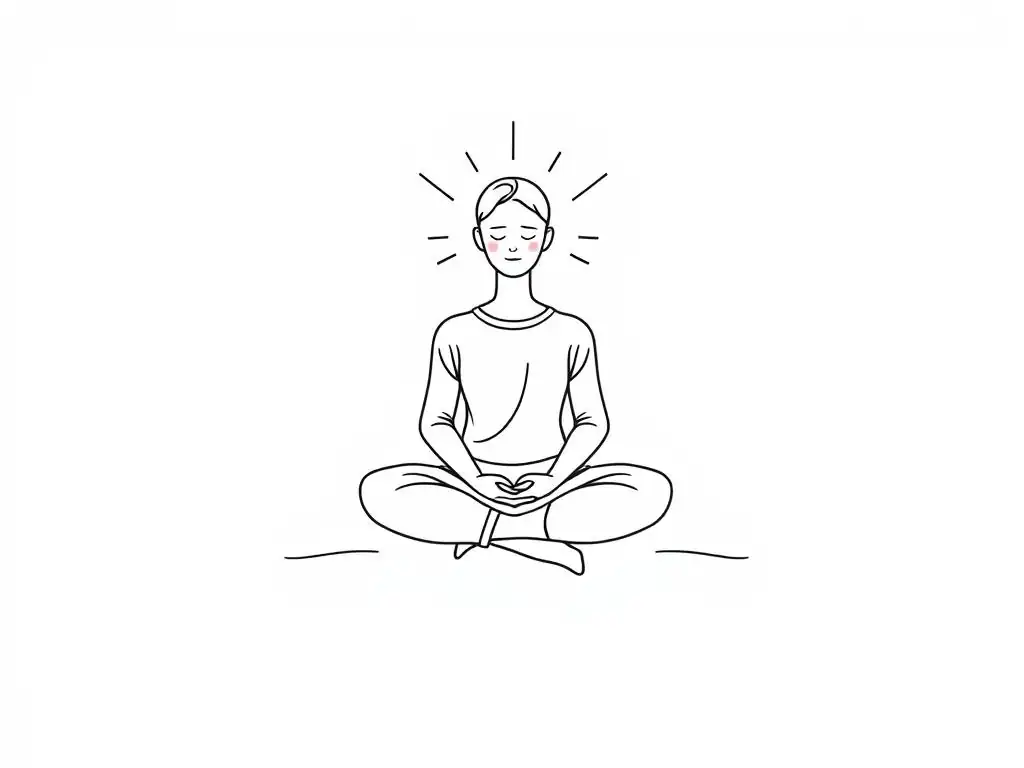
This section details the crucial preparatory steps to ensure your 5-minute meditation is effective and calming. Proper preparation significantly enhances the experience, allowing you to fully reap the benefits of even a short meditation session. Remember, consistency is key, so making these preparations a routine will maximize your results over time. We'll cover finding the right environment, selecting a comfortable posture, and setting your intention – all vital components for a successful quick calming meditation technique.
Finding a Quiet and Comfortable Space
The environment plays a significant role in the effectiveness of your meditation. A quiet space minimizes distractions, allowing you to focus inward. This doesn't necessarily mean complete silence; gentle ambient sounds like nature sounds can even be beneficial for some. However, avoid spaces with loud noises, disruptive conversations, or constant interruptions.
Consider these factors when choosing your space:
- Temperature: A comfortably cool or warm room is ideal. Avoid extreme temperatures that might make you fidgety or uncomfortable.
- Lighting: Soft, dim lighting is usually preferred, as bright lights can be stimulating. Natural light, if available and not too harsh, can also be a good option.
- Furniture: Choose a comfortable chair or cushion if sitting. If lying down, ensure a supportive surface that prevents discomfort. A supportive back is crucial for maintaining good posture.
- Clutter: A clutter-free space promotes a clearer mind. Try to create a calm and organized area before beginning your meditation.
Experiment to find what works best for you. Some people find a dedicated meditation corner beneficial, while others may prefer to meditate in different locations depending on their mood and schedule. The key is consistency and finding a place where you feel relaxed and able to focus.
Choosing the Right Posture: Sitting or Lying Down
Your posture significantly impacts your meditation experience. While many associate meditation with a seated posture, lying down can also be effective, particularly for beginners or those with physical limitations. However, lying down carries a higher risk of falling asleep, so it's important to be mindful of this.
Seated Posture:
- Cross-legged: A traditional method, promoting good spinal alignment. Use cushions for support if needed.
- Chair: Sit upright with your feet flat on the floor. Ensure your back is straight but not rigid.
- Important Considerations: Maintain a comfortable, yet alert posture. Avoid slouching or hunching.
Lying Down Posture:
- Supine: Lie on your back with your arms relaxed at your sides, palms facing upwards.
- Important Considerations: Be mindful of potential drowsiness. Consider using a pillow under your knees to support your lower back.
Ultimately, the best posture is one that allows you to sit or lie comfortably without excessive strain or discomfort. Experiment with different positions to discover what suits you best, focusing on maintaining an alert and relaxed state.
Setting Your Intention for the Meditation
Before beginning your quick calming meditation technique, setting a clear intention helps to focus your mind and enhances the overall experience. Your intention doesn't need to be complex; a simple goal will suffice. This could be as straightforward as:
- Reducing stress and anxiety: Focus on letting go of worries and tensions.
- Improving focus and concentration: Cultivate mental clarity and sharpness.
- Cultivating feelings of peace and calm: Embrace a sense of tranquility and serenity.
- Connecting with your inner self: Explore your inner thoughts and feelings without judgment.
Write down your intention before you start. Keep it simple and concise. For example, instead of "I want to completely eliminate all stress from my life," try "I intend to feel calmer and more relaxed during this meditation." This focused intention will guide your meditation and help you achieve your desired outcome. Remember, even a short, focused meditation session with a clear intention can have a profound impact on your mental well-being.
The Guided 5-Minute Meditation: A Step-by-Step Guide
This section provides a detailed, step-by-step guide to a quick calming meditation technique, perfect for incorporating into even the busiest schedules. This 5-minute practice focuses on cultivating mindfulness and reducing stress, offering a potent antidote to the daily pressures of modern life. Remember, consistency is key; even short, regular meditation sessions can yield significant benefits for your mental well-being.
This guided meditation is designed to help you achieve a state of calm and focus quickly, making it ideal for those new to meditation or short on time. We will explore several quick calming meditation techniques to help you find what works best for you.
Minute 1: Focusing on Your Breath and Body Sensations
Begin by finding a comfortable seated or lying-down position. Close your eyes gently. Bring your attention to your breath. Notice the sensation of the air entering your nostrils, filling your lungs, and leaving your body. Don't try to control your breath; simply observe it. Feel the rise and fall of your chest or abdomen. This is a fundamental quick calming meditation technique.
Now, expand your awareness to include the sensations in your body. Notice any tension you might be holding in your shoulders, jaw, or anywhere else. Try to gently release this tension, allowing your muscles to relax. Perhaps you feel a slight tingling sensation in your fingertips or a warmth spreading through your body. Acknowledge these sensations without judgment.
This mindful awareness of your body is a key component of many effective quick calming meditation techniques. Focus on the present moment, letting go of thoughts about the past or future. This initial minute sets the stage for deeper relaxation. Concentrate on the simple act of breathing and feeling your body.
Minute 2: Expanding Your Awareness to Include Sounds and Emotions
As you continue to breathe deeply and mindfully, gently expand your awareness to include the sounds around you. You might hear birds chirping, cars passing by, or the hum of a refrigerator. Simply acknowledge these sounds without getting caught up in them. Notice the subtle nuances of each sound, the way they rise and fall in intensity. Don't judge these sounds as good or bad; simply observe them as they are. This helps to ground you in the present moment, a core principle of many quick calming meditation techniques.
Now, turn your attention inward, acknowledging any emotions that arise. You might feel anxious, stressed, happy, or peaceful. Allow these emotions to come and go without resistance. Observe them as fleeting clouds passing across the sky. Don't try to suppress or analyze them; simply acknowledge their presence and let them pass naturally. This practice of non-judgmental awareness of emotions is a powerful tool for emotional regulation – a crucial element of many quick calming meditation techniques.
Minute 3: Letting Go of Thoughts and Mental Distractions
As you continue your meditation, you'll likely notice thoughts arising in your mind. This is perfectly normal. Don't fight these thoughts; simply acknowledge them and gently redirect your attention back to your breath and body sensations. Think of your mind as a clear blue sky, and your thoughts as clouds drifting by. You can watch the clouds, but you don't have to get caught up in them. This gentle redirection is a crucial aspect of various quick calming meditation techniques.
Continue to breathe deeply and mindfully for the remaining two minutes. With each exhale, imagine releasing any tension, stress, or negative emotions you're holding onto. Allow yourself to sink deeper into a state of relaxation and peace. Maintain your focus on your breath and body sensations, gently guiding your attention back whenever your mind wanders.
This consistent practice of focusing your attention will improve your ability to manage stress and achieve a state of calm throughout your day. Remember, even these short, 5-minute sessions can significantly impact your overall well-being. This concludes this specific quick calming meditation technique; experiment and find what resonates with you best.
Minute 4: Cultivating a Sense of Calm and Peace
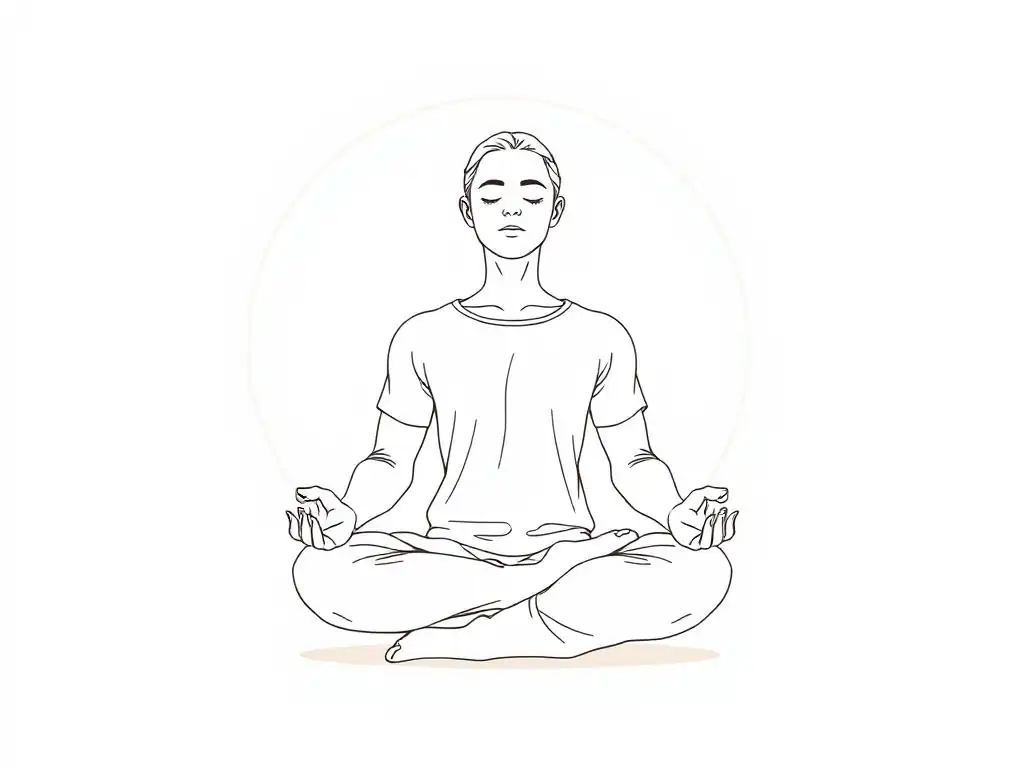
As you continue to focus on your breath, notice any remaining thoughts or sensations. Don't judge them; simply acknowledge their presence and gently guide your attention back to your breath. Imagine your breath as a soft, calming wave washing over you, gently easing away any tension or stress. This is a crucial part of quick calming meditation techniques; allowing yourself to simply be in this moment, without striving for anything more. Feel the calmness spreading through your body, from your toes to the crown of your head.
Let go of any need to control your experience; surrender to the present moment. Notice the subtle shifts in your body as you relax deeper. Perhaps you feel a softening in your muscles, a slowing of your heart rate, or a lightness in your chest. Embrace these sensations; they are indicators of your growing inner peace.
This is your space, your sanctuary. Allow yourself to fully inhabit this feeling of calm and peace, savoring the stillness within. Remember, even five minutes of dedicated focus on your breath can have profoundly positive effects. Many find that regular practice of even these quick calming meditation techniques significantly reduces daily stress.
Minute 5: Gently Returning to Your Normal State of Awareness
As the final minute approaches, gently bring your awareness back to your surroundings. Wiggle your fingers and toes, feeling the sensation of your body against the surface beneath you. Take a few deep, conscious breaths, fully expanding your lungs with each inhalation and releasing any remaining tension with each exhalation. When you're ready, slowly open your eyes, carrying the sense of calm and peace with you into your day.
Don't expect to feel completely transformed; the goal isn't to eliminate all thoughts or feelings. Instead, aim for a subtle shift in your perspective, a renewed sense of presence and tranquility. The benefits of this quick calming meditation technique are cumulative; regular practice will gradually enhance your ability to find inner peace and manage stress effectively.
Remember to integrate this practice into your daily routine, even just for these five minutes, to reap the long-term benefits for your mental and emotional well-being. This simple technique is a powerful tool for cultivating inner peace and managing the stresses of daily life, a perfect example of how even small changes can lead to significant improvements in your overall health and well-being. Consider journaling about your experience to better understand and track your progress with these quick calming meditation techniques.
Enhancing Your Meditation Practice for Maximum Results
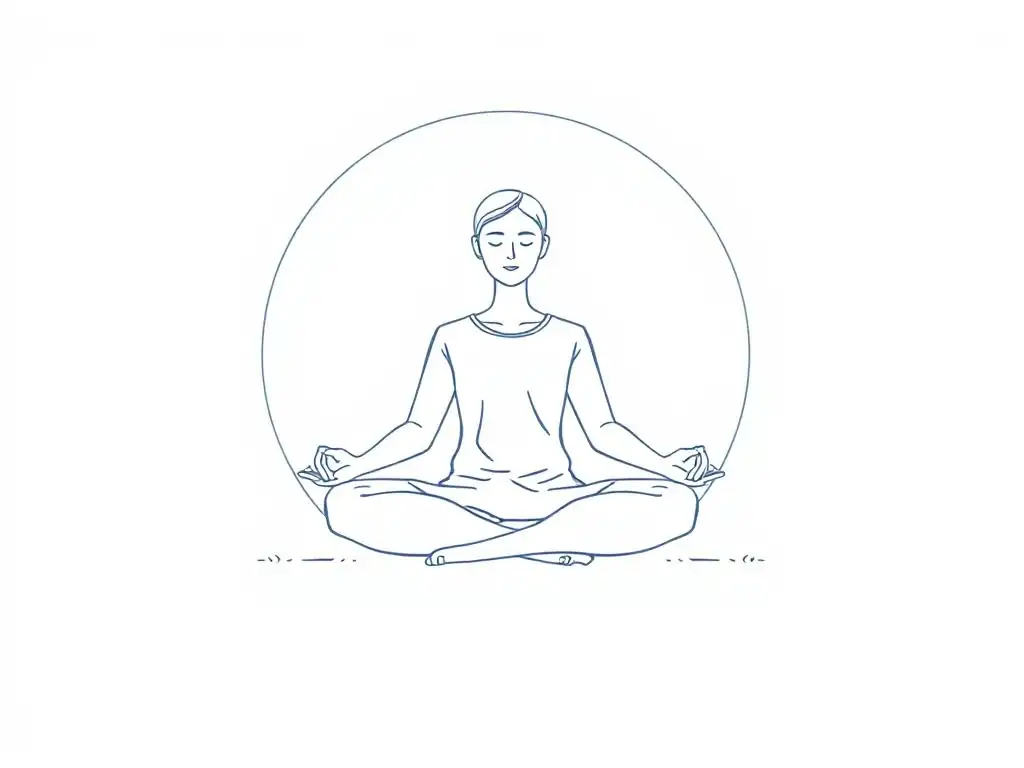
This section focuses on maximizing the benefits of your 5-minute meditation practice. Consistent practice is key to experiencing the full calming effects and integrating mindfulness into your daily life. We'll explore strategies to build a sustainable meditation habit and techniques to extend the benefits beyond your dedicated meditation time.
Remember, even small, consistent efforts yield significant results when it comes to cultivating inner peace and reducing stress. This is crucial for achieving a healthy work-life balance and improving overall well-being. The more you practice, the more readily available the calming effects will become, allowing you to access that inner peace even in challenging situations.
Tips for Maintaining Consistency and Building a Habit
Building a daily meditation habit requires dedicated effort and strategic planning. It's not about perfection; it's about consistency. Here are some practical tips to help you stick to your 5-minute practice:
- Schedule it: Treat your meditation time like any other important appointment. Schedule it in your calendar and set reminders. Consistency is key to forming a habit. 📅
- Find your ideal time: Experiment with different times of day to find what works best for you. Some people prefer mornings to set a positive tone for the day, while others find evenings ideal for winding down.
- Create a dedicated space: Designate a quiet, comfortable area for your meditation practice. This helps signal your mind that it's time to relax and focus. Even a small corner can be transformed into a peaceful sanctuary. 🧘♀️
- Start small and gradually increase: Don't try to meditate for an hour right away. Begin with your 5 minutes and gradually increase the duration as you feel more comfortable. Small, consistent progress is more effective than sporadic, intense efforts.
- Track your progress: Use a journal or app to track your meditation sessions. Seeing your progress can be incredibly motivating and help you stay committed. Visualizing your success reinforces the positive habit loop. 📈
- Be kind to yourself: Some days you might find it easier to meditate than others. Don't get discouraged if you miss a day or two. Simply acknowledge it and gently return to your practice the next day. Self-compassion is crucial for long-term success. 💖
- Reward yourself: Celebrate your milestones! Acknowledge your achievements, no matter how small. This positive reinforcement helps solidify the habit. 🎉
Incorporating Mindfulness Techniques Throughout Your Day
The benefits of your 5-minute meditation can be amplified by incorporating mindfulness techniques into your daily routine. These short bursts of mindfulness can help you stay grounded and centered throughout the day, reducing stress and enhancing your overall sense of well-being. Think of it as extending the calm you cultivate during your dedicated meditation time. Here are a few examples:
- Mindful breathing: Take a few deep, conscious breaths throughout the day, particularly during moments of stress or anxiety. Focus on the sensation of the air entering and leaving your body.
- Mindful walking: Pay attention to the sensation of your feet on the ground as you walk. Notice the rhythm of your steps and the movement of your body.
- Mindful eating: Savor each bite of your food, paying attention to the taste, texture, and smell. Eat slowly and mindfully, without distractions.
- Body scan meditation: Briefly scan your body, noticing any tension or discomfort. Gently release any tension you find. This can be done in just a minute or two.
Exploring Other Quick Calming Meditation Techniques for Variety
While the 5-minute meditation is a great starting point, exploring other quick calming meditation techniques can add variety and keep your practice engaging. Variety helps prevent boredom and ensures you continue to reap the benefits of meditation. Here are a few options:
- Loving-Kindness Meditation: Focus on sending feelings of love and compassion to yourself and others. Even a minute or two can make a difference. This cultivates positive emotions and reduces stress.
- Guided Meditation: Use a guided meditation app or audio track to help you focus and relax. Guided meditations often incorporate visualizations or affirmations to enhance the experience.
- Walking Meditation: Combine movement with mindfulness by taking a slow, deliberate walk, paying attention to your senses and the rhythm of your steps.
- Progressive Muscle Relaxation: Systematically tense and release different muscle groups in your body to relieve physical tension and promote relaxation.
Remember that consistency and mindful application of these techniques are crucial for experiencing the full benefits of quick calming meditation techniques. By incorporating these strategies into your daily life, you can cultivate a more peaceful and balanced existence.
Identifying and Addressing Common Meditation Challenges
Many beginners find the initial stages of meditation challenging. The mind, accustomed to a constant stream of thoughts, resists the stillness. This resistance manifests in various ways, hindering the experience and potentially leading to frustration. Understanding these common hurdles is the first step towards overcoming them and reaping the benefits of a consistent meditation practice.
One of the most prevalent challenges is the incessant chatter of the mind – a whirlwind of thoughts, worries, and plans vying for attention. This mental noise can feel overwhelming, making it difficult to find a quiet space within. Another common obstacle is discomfort in the physical body. Whether it's stiffness, tingling, or even pain, physical sensations can easily distract from the meditative state.
Impatience is another significant factor. The expectation of immediate results or frustration at the perceived lack of progress can disrupt the process. Finally, difficulty focusing and maintaining attention is a very real challenge. The mind naturally wanders, and redirecting it back to the breath or chosen focus point requires consistent effort and practice.
Addressing these challenges requires a multifaceted approach. For the mental chatter, techniques like labeling your thoughts ("thinking," "planning," "worrying") can help create distance and reduce their power. Gentle redirection of focus back to your breath or a mantra is crucial. For physical discomfort, adjusting your posture, using props like cushions or bolsters, or choosing a more comfortable position can make a significant difference. Remember, meditation isn't about achieving perfect stillness; it's about cultivating awareness and gentle redirection.
To combat impatience, remember that meditation is a journey, not a race. Celebrate small victories and focus on the process rather than the outcome. Consistent, even short, daily practice yields more significant benefits than sporadic longer sessions. Finally, to improve focus, start with shorter meditation sessions and gradually increase the duration as your attention span improves.
Mindfulness exercises throughout the day, such as paying close attention to the sensations of eating or walking, can also strengthen your focus muscles. Remember, persistence and self-compassion are key to navigating these common meditation challenges and transforming them into opportunities for growth and deeper understanding of your mind. The journey towards a calm and focused mind is a personal one, and recognizing and addressing these hurdles will significantly improve your meditation experience and its positive impact on your life. Don't be discouraged by initial difficulties; embrace them as part of the learning process.
Maintaining a Healthy Lifestyle Through Mindful Practices
This section explores the crucial role of mindful practices, specifically quick calming meditation techniques, in maintaining a healthy lifestyle. We'll delve into how integrating even short meditation sessions can significantly impact your overall well-being, complementing other healthy habits, and leading to a more personalized approach to stress management. The benefits extend far beyond simple relaxation; consistent mindful practice contributes to improved physical health, enhanced cognitive function, and increased emotional resilience. The key is finding a technique that fits seamlessly into your daily routine, making it a sustainable and effective part of your self-care strategy.
The Link Between Stress Reduction and Overall Well-being
Stress is a pervasive modern ailment, impacting nearly every aspect of our lives. Chronic stress, left unmanaged, can lead to a cascade of negative health consequences, from cardiovascular problems and weakened immunity to digestive issues and mental health disorders. Quick calming meditation techniques offer a powerful antidote. Studies have shown that even five minutes of daily meditation can significantly reduce cortisol levels – the primary stress hormone. This reduction translates to tangible improvements in various areas:
- Improved Sleep Quality: Lower cortisol levels promote better sleep, leading to increased energy and improved cognitive function throughout the day. Many find that a short evening meditation session helps quiet the mind and prepares them for restful sleep.
- Enhanced Mood Regulation: Meditation helps regulate the limbic system, the emotional center of the brain. This leads to improved mood stability, decreased anxiety, and increased feelings of calm and well-being. Regular practice can help you navigate daily stressors with greater ease and resilience.
- Increased Focus and Concentration: By training the mind to focus on the present moment, meditation enhances attention span and concentration. This is particularly beneficial in today's fast-paced world, where distractions are abundant. Improved focus translates to increased productivity and better performance in various aspects of life.
- Boosted Immune System: Chronic stress weakens the immune system, making individuals more susceptible to illness. By reducing stress levels, meditation can contribute to a stronger immune response and improved overall health. This is a significant long-term benefit of incorporating quick calming meditation techniques into your routine.
Combining Meditation with Other Healthy Habits (e.g., Exercise, Diet)
The benefits of quick calming meditation techniques are amplified when combined with other healthy lifestyle choices. Think of it as a holistic approach to well-being, where each element supports and enhances the others.
| Healthy Habit | Synergistic Effect with Meditation |
|---|---|
| Regular Exercise | Meditation enhances focus during workouts, promoting better performance and stress release afterward. |
| Balanced Diet | A clear mind fostered by meditation promotes mindful eating, reducing emotional eating and improving digestion. |
| Sufficient Sleep | Meditation improves sleep quality, creating a positive feedback loop where better sleep enhances meditation's effectiveness. |
Consider this example: A person who incorporates a 5-minute morning meditation, followed by a brisk walk and a nutritious breakfast, sets a positive tone for the entire day. This proactive approach to well-being creates a ripple effect, positively influencing energy levels, mood, and productivity. The synergy between these healthy habits is undeniable. Remember that consistency is key; even small, regular efforts yield significant long-term results.
Personalized Approaches to Stress Management and Mental Wellness
Finding the right quick calming meditation technique is crucial for long-term success. What works for one person might not work for another. Experimentation is key. Consider these personalized approaches:
- Guided Meditations: Apps and online resources offer a vast library of guided meditations, catering to various needs and preferences. These guided sessions can be particularly helpful for beginners.
- Mindful Breathing: Focus on your breath, noticing the sensation of the air entering and leaving your body. This simple technique can be practiced anywhere, anytime.
- Body Scan Meditation: Bring awareness to different parts of your body, noticing any sensations without judgment. This helps release physical tension and promotes relaxation.
- Walking Meditation: Pay close attention to the physical sensations of walking – the movement of your feet, the rhythm of your steps. This combines physical activity with mindfulness.
Remember that the goal isn't to achieve a state of complete stillness; it's about cultivating awareness and managing your mental state. Be patient with yourself, and celebrate small victories along the way. The journey towards mental wellness is unique to each individual, and finding the right approach takes time and self-discovery. Embrace the process, and enjoy the benefits of incorporating quick calming meditation techniques into your daily life. 🧘♀️
Frequently Asked Questions
How long does this meditation technique actually take?
The meditation is designed to be completed within five minutes, making it perfect for busy schedules. It focuses on quick, effective calming, not lengthy sessions.
What if I find it hard to quiet my mind during meditation?
It's normal to have racing thoughts. Gently redirect your attention back to your breath or chosen focus point each time it wanders. Practice makes perfect.
Are there any specific requirements or equipment needed for this meditation?
No special equipment is needed. You can practice this anywhere, anytime, using only your mind and body. Find a comfortable position and begin.
Will this meditation technique work for everyone?
While it's effective for many, individual experiences vary. Consistency is key. If it doesn't feel right initially, experiment with different times of day or try modifying the technique slightly.
What are the benefits of practicing this quick calming meditation technique regularly?
Regular practice can lead to reduced stress and anxiety, improved focus and concentration, and a greater sense of calm and well-being. It's a great tool for daily self-care.
Final Reflection: Finding Stillness in the Five-Minute Miracle
The relentless pace of modern life demands a counterbalance, and that counterbalance, increasingly, is found in the simple act of mindful presence. The five-minute meditation techniques explored in this article aren't just fleeting trends; they represent a powerful tool for navigating the anxieties and stresses of our digitally saturated world. This isn't about escaping reality; it's about equipping ourselves to engage with it more fully, more calmly, and more effectively.
The impact of these simple practices extends far beyond individual stress reduction. They offer a pathway to cultivating inner peace, a resource increasingly valued in a society often characterized by burnout and overwhelm. The ability to find stillness amidst the chaos is a skill that translates into improved relationships, enhanced creativity, and a greater sense of self-awareness. As the poet Mary Oliver wisely wrote: Pay attention. Be astonished. Tell about it.
This simple act of mindful attention, even for just five minutes, allows us to experience the astonishment of the present moment and, in turn, to tell a more peaceful story about our lives.
Now, consider this: what small change can you implement today to incorporate even a fraction of this stillness into your daily routine? Perhaps it's setting aside five minutes before your workday begins, or using a short meditation to transition between tasks. The key isn't perfection, but intention. Start small, be consistent, and allow the transformative power of these simple practices to unfold within you. Embrace the five-minute miracle, and discover the profound calm it can bring.
Unlock Your Inner Calm: Start Meditating Today
Thank you for exploring the power of mindful meditation! We hope you discovered valuable techniques to calm your mind. Now, let's put those insights into practice.
Here's how to integrate meditation into your daily life:
- Begin with a short session: Find a quiet space, sit comfortably, and try a meditation technique. Even five minutes can significantly improve your well-being.
- Share your experience: Discuss your meditation journey with a friend and invite them to join you. Mutual support can be incredibly beneficial.
- Experiment with different approaches: Try guided meditations, breathing exercises, or walking meditations to find what suits you best.
Ready to embrace a calmer, more focused life? What small step will you take today to cultivate inner peace?