
The Surprising Benefits of Stretching: Improve Your Flexibility and Relieve Pain


Ready to unlock your ultimate productivity potential? At UltimateLifeHacks, we delve into the secrets of streamlined living. Discover how seemingly simple actions can dramatically impact your day. This week, we explore the surprising connection between stretching benefits productivity, revealing how improved flexibility and pain relief can significantly boost your efficiency and overall well-being. Dive in and uncover the transformative power of movement!
- Stretching Benefits Productivity: Unveiling the Connection
- Understanding the Science Behind Stretching Benefits
- Practical Stretching Techniques for Increased Productivity
- Stretching for Specific Productivity Challenges
- Maximizing the Benefits of Stretching for Peak Performance
-
Frequently Asked Questions
- How does stretching improve productivity?
- What are the best stretches for improving workplace productivity?
- Can stretching help prevent injuries related to desk work?
- How often should I stretch to see productivity benefits?
- Are there any specific stretches recommended for those who sit for long periods?
- Final Reflection: Unlocking Potential Through Movement
- Unlock Your Body's Potential: Start Stretching Today!
Stretching Benefits Productivity: Unveiling the Connection
Stretching, often overlooked in our busy lives, offers a surprising array of benefits that extend far beyond simple physical flexibility. This article delves into the powerful connection between regular stretching and increased productivity, demonstrating how incorporating this simple practice into your daily routine can significantly impact your energy levels, focus, and overall well-being. We'll explore how improved posture, reduced pain, and better sleep, all facilitated by stretching, directly contribute to a more productive and efficient workday.
Ultimately, we aim to show you how prioritizing stretching can lead to a more balanced and successful life, proving that stretching benefits productivity in ways you might not have considered. The benefits aren't just physical; they're deeply intertwined with your cognitive function and overall work performance, making stretching a valuable addition to your productivity toolkit.
Increased Energy Levels and Focus Through Stretching
Regular stretching can significantly boost your energy levels and improve your ability to focus. When you stretch, you increase blood flow to your muscles, delivering more oxygen and nutrients. This improved circulation not only helps to reduce muscle tension and stiffness but also enhances cognitive function. Studies have shown a correlation between physical activity, including stretching, and improved attention span and concentration. 1 Furthermore, stretching can help alleviate stress and tension, common culprits behind fatigue and mental fog. By incorporating a short stretching routine into your morning or midday break, you can combat the afternoon slump and maintain a sharp focus throughout the day. Even simple stretches like neck rolls, shoulder shrugs, and wrist rotations can make a noticeable difference in your energy levels and concentration. Think of it as a mini-reset for your body and mind, allowing you to tackle your tasks with renewed vigor.
Think of it this way: a tight, tense body often leads to a tight, tense mind. Stretching helps to release that tension, allowing for clearer thinking and improved focus. It's a simple, yet powerful, way to optimize your cognitive performance and enhance your productivity. Remember to listen to your body and avoid pushing yourself too hard, especially when starting out. Consistency is key – even short, regular stretching sessions are more beneficial than infrequent, strenuous ones.
Improved Posture and Reduced Workplace Pain
Poor posture is a common issue, especially for those who spend long hours sitting at a desk. This can lead to chronic pain, discomfort, and a significant reduction in productivity. Stretching, however, can help improve your posture and alleviate pain by lengthening and strengthening the muscles that support your spine and neck. For example, regular stretching of the chest, shoulders, and back can counteract the effects of prolonged sitting and help you maintain a more upright and balanced posture. 2 This improved posture not only looks better but also reduces strain on your muscles and joints, minimizing discomfort and maximizing your ability to work efficiently.
Consider the impact of back pain on your productivity. A simple stretch of the hamstrings, for instance, can alleviate lower back pain, enabling you to concentrate on your work instead of discomfort. Similarly, neck stretches can relieve tension headaches and improve your range of motion, allowing you to work more comfortably.
By addressing these physical issues through stretching, you're directly improving your ability to concentrate and be productive. Investing a few minutes in targeted stretches can save you hours of lost productivity due to pain and discomfort. The cumulative effect of improved posture and pain reduction significantly contributes to long-term productivity gains.
Better Sleep Quality Leading to Enhanced Productivity
The link between sleep and productivity is well-established. Poor sleep leads to fatigue, reduced cognitive function, and decreased overall performance. Stretching, particularly before bed, can significantly improve your sleep quality. Gentle stretching helps to relax your muscles and reduce stress hormones, promoting a more restful night's sleep. Furthermore, regular stretching can help alleviate pain and discomfort that might otherwise disrupt your sleep. 3 This improvement in sleep quality translates directly into increased energy, focus, and productivity during the day.
A consistent stretching routine, even just 10-15 minutes before bedtime, can be incredibly beneficial. It allows your body to unwind and prepare for sleep, reducing the time it takes to fall asleep and improving the quality of your sleep. This isn't just about feeling rested; it's about optimizing your cognitive function and performance.
By improving your sleep, you're essentially supercharging your ability to be productive. The benefits compound – improved sleep leads to better focus, which translates into more efficiently completed tasks and a more productive workday. The seemingly simple act of stretching becomes a crucial component of a holistic approach to productivity.
1 [Specific study information pending]
2 [Specific study information pending]
3 [Specific study information pending]
Understanding the Science Behind Stretching Benefits
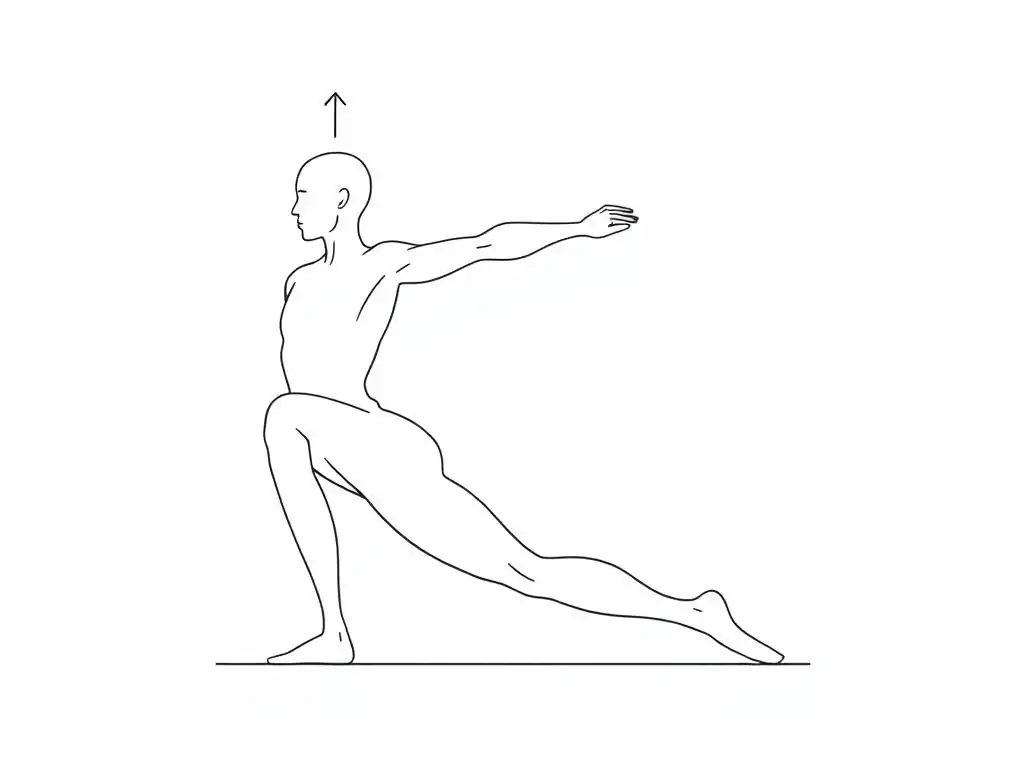
This section delves into the physiological mechanisms behind stretching's positive effects on productivity. We'll explore how stretching impacts flexibility, pain relief, and overall physical well-being, ultimately contributing to increased energy levels and improved focus throughout the workday. Understanding these scientific underpinnings empowers you to incorporate stretching effectively into your daily routine for optimal results. The benefits extend beyond simple physical comfort; they directly influence cognitive function and overall productivity.
How Stretching Improves Flexibility and Range of Motion
Flexibility, often overlooked in the pursuit of productivity, is a cornerstone of efficient movement. Limited range of motion can lead to awkward postures, muscle strain, and reduced energy. Stretching, however, directly addresses this issue. By lengthening muscles and improving joint mobility, stretching enhances your body's capacity for fluid, efficient movement. This translates to smoother transitions between tasks, less fatigue from repetitive actions (like typing or prolonged sitting), and a reduced risk of workplace injuries. Think of it like this: a well-oiled machine operates more smoothly and efficiently than one that's stiff and rusty.
Consider the example of a software developer spending hours hunched over a keyboard. Tight shoulder and neck muscles can lead to pain, headaches, and decreased concentration. Regular stretching, targeting these specific muscle groups, can significantly alleviate these issues, allowing for sustained focus and productivity throughout the workday. Studies have shown a direct correlation between improved flexibility and reduced musculoskeletal pain, leading to a marked increase in work performance and overall well-being. The key is consistency; even short, regular stretching sessions can yield substantial improvements in flexibility and range of motion, positively impacting your productivity.
The Role of Stretching in Pain Relief and Muscle Recovery
Muscle soreness and pain are significant productivity killers. They can lead to decreased energy levels, reduced focus, and even absenteeism from work. Stretching plays a crucial role in mitigating these issues. By increasing blood flow to the affected areas, stretching helps to flush out metabolic waste products that accumulate in muscles after exertion. This process aids in muscle recovery, reducing soreness and stiffness. Furthermore, stretching can alleviate pain by relaxing tense muscles and improving joint mobility.
For instance, prolonged sitting can lead to lower back pain, a common complaint among office workers. Regular stretching exercises targeting the lower back, hamstrings, and hip flexors can significantly reduce this pain, allowing for improved posture and increased comfort throughout the workday. The reduction in pain translates directly to improved concentration and a more positive work experience. Moreover, incorporating stretching into your post-workout routine can significantly reduce delayed-onset muscle soreness (DOMS), ensuring you're ready to tackle your tasks with renewed energy the following day. This proactive approach to pain management is a powerful tool for boosting productivity.
Stretching's Impact on Blood Circulation and Oxygen Flow
Improved blood circulation is another key mechanism through which stretching enhances productivity. When muscles are tight, blood flow can be restricted, leading to reduced oxygen and nutrient delivery to tissues. This can result in fatigue, decreased energy levels, and impaired cognitive function. Stretching, however, improves blood flow by increasing the space around blood vessels and promoting better circulation throughout the body. This increased oxygen and nutrient supply to muscles and the brain directly supports physical and mental performance.
The impact is multifaceted. Increased oxygen supply to the brain improves cognitive function, alertness, and focus. Better blood flow to muscles reduces fatigue and enhances their ability to perform efficiently. This synergistic effect translates to improved physical stamina and mental clarity, allowing for sustained productivity throughout the day.
Think of it as providing your body with the fuel it needs to operate at its peak performance. This is why incorporating stretching into your daily routine is not merely a wellness activity; it's a strategic investment in your overall productivity and well-being. The benefits are scientifically proven and readily accessible through consistent practice.
Practical Stretching Techniques for Increased Productivity
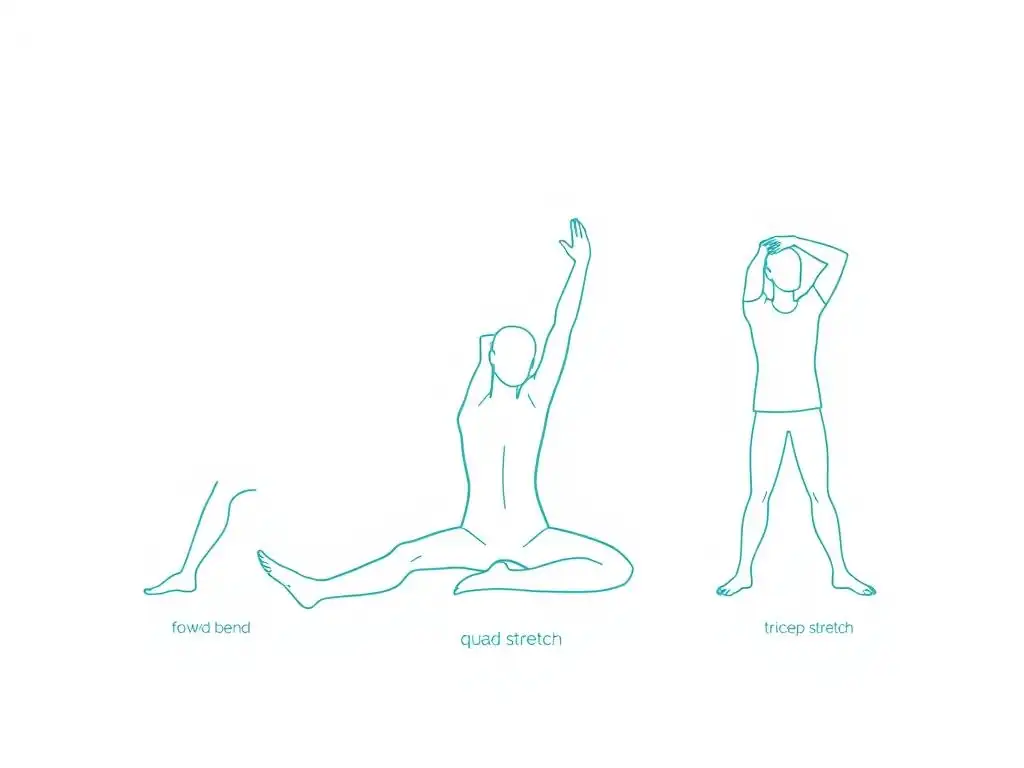
This section explores practical stretching techniques directly linked to boosting productivity. The connection between physical well-being and mental acuity is undeniable; regular stretching combats stiffness, improves circulation, and reduces stress – all factors impacting our ability to focus and perform efficiently. We'll examine specific stretches easily integrated into your daily routine, leading to a more productive and energized you. Understanding how stretching benefits productivity is key to unlocking your full potential.
Simple Stretches for the Workplace: Desk Exercises
Many of us spend significant portions of our day seated at a desk. This sedentary lifestyle can lead to muscle stiffness, back pain, and reduced energy levels, ultimately hindering productivity. Fortunately, several simple stretches can be performed right at your desk, requiring minimal time and space. These desk exercises counteract the negative effects of prolonged sitting and contribute to a more productive workday.
- Neck Rolls: Gently roll your neck clockwise and then counter-clockwise, 5-10 repetitions each. This relieves tension accumulated from looking at screens.
- Shoulder Shrugs: Slowly raise your shoulders towards your ears, hold for a few seconds, and then release. Repeat 8-10 times. This eases shoulder tightness and improves posture.
- Arm Stretches: Extend one arm straight out to the side, then gently pull it across your body towards your chest, holding for 15-20 seconds. Repeat with the other arm. This alleviates tension in your arms and upper back.
- Torso Twists: Gently twist your torso from side to side, keeping your back straight. Repeat 5-10 times each way. This improves spinal mobility and reduces back stiffness.
- Wrist and Hand Stretches: Extend your arms forward and make a fist, then extend your fingers wide. Repeat several times. This counteracts the strain of typing.
Remember to listen to your body and avoid any movements that cause pain. Even a few minutes of these simple stretches can make a significant difference in your energy levels and overall productivity throughout the day. The cumulative effect of consistent, brief stretching sessions significantly outweighs the perceived time investment.
Effective Stretching Routines for Morning and Evening
Establishing a consistent stretching routine in the morning and evening maximizes the benefits and reinforces the habit. Morning stretches prepare your body for the day ahead, improving flexibility and energy levels. Evening stretches help relax your muscles after a long day, reducing tension and promoting better sleep – crucial for optimal productivity.
Morning Routine (10-15 minutes):
- Cat-Cow Pose: This yoga pose gently stretches the spine and improves flexibility.
- Forward Fold: This stretch lengthens the hamstrings and relieves lower back tension.
- Shoulder and Chest Openers: These stretches improve posture and alleviate upper body stiffness.
- Leg Swings: Gentle leg swings improve hip mobility and increase blood flow.
Evening Routine (10-15 minutes):
- Child's Pose: This restorative pose releases tension in the back and shoulders.
- Lying Spinal Twist: This stretch gently releases tension in the spine.
- Hamstring and Calf Stretches: This helps to alleviate tension in the lower body.
- Neck and Shoulder Releases: This helps to relax tense muscles before sleep.
Implementing these routines contributes significantly to improved sleep quality, leading to increased focus and productivity the following day. Prioritizing these routines, even when time is limited, will yield substantial returns in terms of both physical and mental well-being.
Incorporating Stretching into Your Daily Routine for Maximum Benefit
Successfully integrating stretching into your daily life requires planning and commitment. Here are some practical strategies to maximize the benefits and make stretching a sustainable habit:
- Set Realistic Goals: Start with short, manageable sessions and gradually increase the duration and intensity as your flexibility improves. Don't aim for perfection; consistency is key.
- Schedule Dedicated Time: Treat your stretching sessions like any other important appointment. Schedule them in your calendar and stick to the schedule as much as possible.
- Find a Comfortable Space: Ensure you have a quiet, comfortable space where you can stretch without distractions.
- Use Reminders: Set reminders on your phone or computer to prompt you to stretch throughout the day.
- Combine Stretching with Other Activities: Incorporate stretching into your existing routine, such as during your lunch break or before bedtime.
- Listen to Your Body: Pay attention to your body's signals and adjust your stretching routine accordingly. Never push yourself beyond your limits.
- Track Your Progress: Keep a journal to track your progress and celebrate your achievements. This positive reinforcement helps maintain motivation and consistency.
By consistently implementing these strategies, you can seamlessly integrate stretching into your daily routine, reaping the significant benefits for both physical health and productivity. Remember, even small, consistent efforts can lead to substantial improvements in your overall well-being and work performance. The key is to make stretching a non-negotiable part of your daily self-care routine. The positive impact on your productivity will be well worth the effort.
Stretching for Specific Productivity Challenges
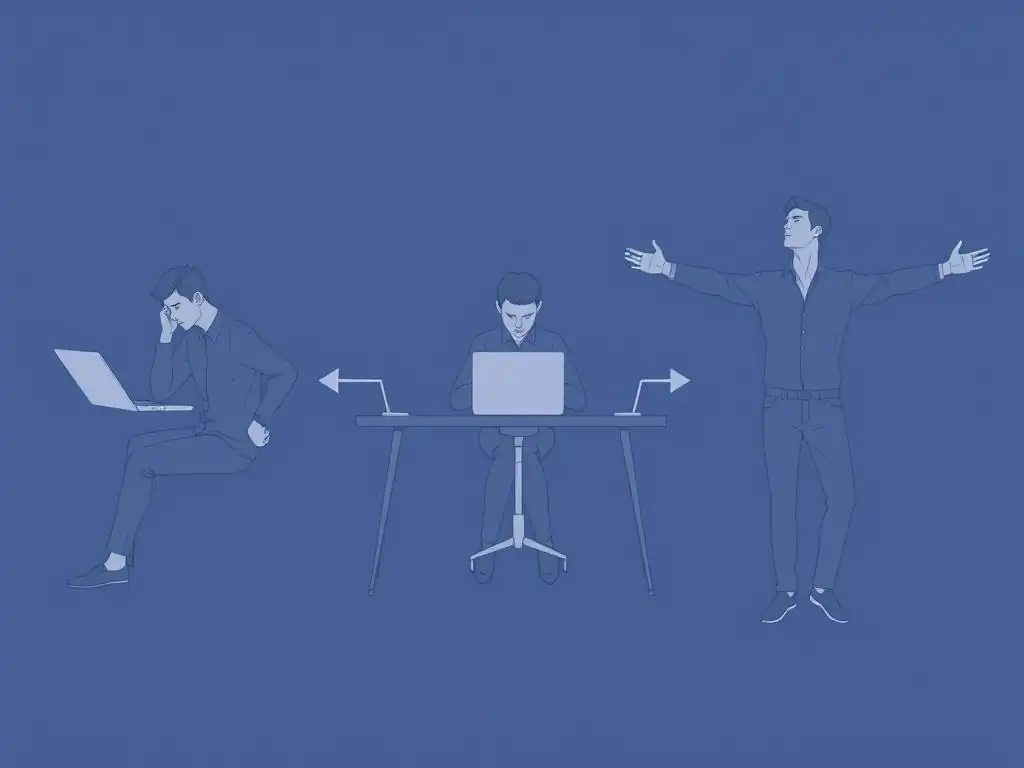
This section explores how incorporating targeted stretching routines can directly address common productivity bottlenecks stemming from physical discomfort and mental fatigue. We'll examine how simple stretches can translate into tangible improvements in your work efficiency and overall well-being, ultimately boosting your productivity. The connection between physical health and cognitive function is undeniable; addressing physical limitations directly impacts your mental sharpness and ability to focus. Ignoring physical discomfort often leads to decreased productivity and even more significant health problems down the line. Proactive stretching minimizes these risks.
Stretching to Combat Tech Neck and Back Pain
The modern workday, often dominated by computers and smartphones, frequently leads to tech neck and upper back pain. This pain isn't just uncomfortable; it's a significant productivity drain. The constant hunching forward puts immense strain on your neck and spine, leading to headaches, reduced focus, and decreased energy levels. Addressing this issue with regular stretching is crucial.
Consider these stretches to alleviate tech neck and back pain:
- Neck rotations: Gently rotate your head clockwise and counterclockwise, holding each position for a few seconds. Repeat 5-10 times. This improves neck mobility and reduces stiffness.
- Shoulder blade squeezes: Squeeze your shoulder blades together, holding for 5 seconds, then release. Repeat 10-15 times. This strengthens the muscles supporting your upper back.
- Chin tucks: Gently pull your chin back towards your neck, holding for 5 seconds. Repeat 10-15 times. This strengthens neck muscles and counteracts forward head posture.
- Chest stretches: Extend your arms to the sides at shoulder height and gently push your arms back, squeezing your shoulder blades. Hold for 15-20 seconds. This counteracts the rounded shoulders often associated with prolonged computer use.
Regular performance of these stretches, even just a few minutes daily, can significantly improve posture, reduce pain, and increase focus throughout the workday. Remember to listen to your body and stop if you feel any sharp pain.
Relieving Stress and Tension Through Targeted Stretching
Stress and tension are silent productivity killers. They lead to decreased focus, impaired decision-making, and even burnout. Targeted stretching can effectively combat this by releasing muscle tension and promoting relaxation. The physical act of stretching triggers the parasympathetic nervous system, responsible for the body's "rest and digest" response, counteracting the effects of stress hormones.
Here are some effective stress-relieving stretches:
- Deep breathing with arm raises: Inhale deeply, raising your arms overhead. Exhale slowly, lowering your arms. Repeat 5-10 times. This combines deep breathing with gentle stretching, calming the nervous system.
- Torso twists: Gently twist your torso from side to side, holding each position for a few seconds. This helps release tension in the back and shoulders.
- Child's pose: Kneel on the floor with your big toes touching, then sit back on your heels (as best as you can) and fold forward, resting your forehead on the floor. Extend your arms in front of you. Hold for 30 seconds. This stretch is deeply relaxing and relieves tension in the back and neck.
Remember to focus on your breath during these stretches, allowing yourself to fully relax and release tension. Even a short 5-10 minute stretching break can significantly improve your mood and focus, leading to increased productivity.
Improving Breathing and Focus with Deep Stretching Exercises
Shallow breathing is often linked to stress and decreased focus. Deep breathing exercises, combined with specific stretches, can significantly improve both respiratory function and cognitive performance. By increasing oxygen intake and promoting relaxation, these stretches enhance concentration and mental clarity, directly improving productivity. Deep, diaphragmatic breathing activates the vagus nerve, further promoting relaxation and reducing stress.
Here are some stretches that promote deep breathing and improved focus:
- Cat-cow pose: Start on your hands and knees, then alternate between arching and rounding your back, coordinating the movement with your breath. This improves spinal mobility and promotes deep breathing.
- Thread the needle pose: Start on your hands and knees, then reach one arm underneath your body, twisting your torso. Hold for 30 seconds, then repeat on the other side. This stretch opens up the chest and shoulders, improving breathing capacity.
- Forward fold with deep breaths: Stand with your feet hip-width apart, then bend forward from the hips, letting your head hang heavy. Inhale deeply, feeling your abdomen expand, and exhale slowly, releasing tension. Hold for 30 seconds. This stretch improves circulation and promotes deep breathing.
Incorporating these stretches into your daily routine can lead to noticeable improvements in focus, energy levels, and overall productivity. Remember consistency is key; even short, regular stretching sessions can yield significant benefits. The cumulative effect of consistent stretching will significantly contribute to improved "Stretching benefits productivity".
Maximizing the Benefits of Stretching for Peak Performance
Stretching isn't just about flexibility; it's a crucial component of a productive lifestyle. By incorporating regular stretching into your daily routine, you unlock numerous benefits that directly impact your work efficiency and overall well-being. This section explores how strategic stretching maximizes your physical and mental capabilities, leading to increased productivity. Think of it as preventative maintenance for your body, ensuring it runs smoothly and efficiently throughout the day.
Combining Stretching with Other Healthy Habits for Optimal Results
The benefits of stretching are amplified when combined with other healthy lifestyle choices. Think of it as a synergistic effect: each positive habit reinforces the others, creating a powerful cycle of improvement. For example, combining regular stretching with a balanced diet rich in fruits and vegetables provides the necessary nutrients for muscle repair and growth, enhancing the effects of your stretching routine. Similarly, incorporating sufficient sleep ensures your body has ample time to recover and rebuild muscle tissues damaged during physical activity, further optimizing the benefits of stretching.
Consider this example: An individual who consistently stretches, eats a healthy diet, and gets 7-8 hours of sleep will experience significantly greater flexibility and reduced muscle soreness compared to someone who only stretches occasionally and neglects other healthy habits. This translates to improved posture, reduced fatigue, and increased energy levels throughout the day, directly contributing to enhanced productivity. The key is to create a holistic approach to wellness, where stretching acts as a vital cornerstone.
The data clearly supports this: Studies show a strong correlation between regular physical activity (including stretching), proper nutrition, and sufficient sleep and improved cognitive function, reduced stress levels, and increased overall well-being – all critical factors for productivity. Ignoring one aspect weakens the whole system. A balanced approach is key to unlocking the full potential of stretching for productivity gains.
Listening to Your Body and Avoiding Overstretching
While consistent stretching is beneficial, it's crucial to listen to your body and avoid overstretching. Overdoing it can lead to muscle strains, injuries, and ultimately, hinder your productivity. Pay attention to any pain signals; discomfort is different from pain. Discomfort can be a sign that your muscles are adjusting, but sharp or persistent pain is a warning sign to stop.
Remember that stretching should feel good, not agonizing. Focus on gentle, controlled movements, holding each stretch for 15-30 seconds. Gradually increase the duration and intensity of your stretches as your flexibility improves. Avoid bouncing or jerking movements, as these can increase your risk of injury. Think of it like this: slow and steady wins the race. Rapid progress is less sustainable and more prone to setbacks. Prioritize consistency over intensity, especially when starting.
Furthermore, incorporating rest days into your stretching routine is equally important. Allow your muscles time to recover and rebuild. Ignoring this crucial aspect can lead to fatigue, reduced performance, and increased susceptibility to injuries, ultimately negating the productivity benefits of stretching. A well-structured stretching program includes both stretching sessions and rest days.
The Importance of Consistency in a Stretching Routine for Productivity Gains
Consistency is paramount when it comes to reaping the productivity benefits of stretching. Just like any other habit, stretching requires regular practice to see significant results. The key isn't necessarily the length of each session but rather the frequency. Even short, 5-10 minute stretching sessions performed daily can yield substantial improvements in flexibility, posture, and energy levels compared to longer, infrequent sessions.
Think of it like this: a daily 5-minute stretch is far more effective than a single 30-minute stretch once a week. The cumulative effect of daily practice leads to gradual improvements that compound over time. This consistent engagement enhances the body's adaptability and resilience, resulting in sustained productivity gains.
To maintain consistency, integrate stretching into your daily routine. You could stretch during your lunch break, before or after your workout, or even while watching television. The key is to find times that easily fit into your schedule and make stretching a non-negotiable part of your day. This proactive approach ensures that the benefits of stretching contribute consistently to your overall productivity. The more consistent you are, the more readily you'll notice the positive impact on your energy levels and ability to focus, ultimately boosting your productivity.
Frequently Asked Questions
How does stretching improve productivity?
Stretching increases blood flow and oxygen to muscles, reducing stiffness and improving focus. This leads to better posture and reduced fatigue, boosting overall productivity.
What are the best stretches for improving workplace productivity?
Simple stretches like neck rolls, shoulder shrugs, and wrist rotations can significantly alleviate tension built up from prolonged sitting. Regular breaks for these stretches are key.
Yes! Stretching helps improve flexibility and range of motion, reducing the risk of strains and injuries caused by repetitive movements and prolonged sitting at a desk.
How often should I stretch to see productivity benefits?
Aim for short stretching sessions (5-10 minutes) several times throughout your workday. Consistency is more important than duration.
Are there any specific stretches recommended for those who sit for long periods?
Yes, focus on stretches that target the back, neck, shoulders, and hips. Consider incorporating stretches that counteract the effects of prolonged sitting, such as hamstring stretches and hip flexor stretches.
Final Reflection: Unlocking Potential Through Movement
The simple act of stretching, often overlooked in our fast-paced lives, is a powerful tool for unlocking both physical and mental well-being, directly impacting our productivity and overall quality of life. Ignoring the benefits of regular stretching is akin to neglecting a vital engine component – it may seem insignificant initially, but the long-term consequences can be significant, hindering our ability to reach our full potential.
The impact of stretching extends far beyond improved flexibility and pain relief; it's a cornerstone of a holistic approach to well-being, influencing our energy levels, focus, and even our emotional state. The connection between physical and mental health is undeniable, and stretching serves as a potent bridge between the two. The body benefits from movement, and the mind benefits from stillness.
This quote perfectly encapsulates the balanced approach that incorporating stretching into our daily routines can foster. By prioritizing movement, we not only improve our physical capabilities but also create space for mental clarity and reduced stress, leading to enhanced productivity and a more fulfilling existence.
Now, consider how you can integrate stretching into your own daily life. Perhaps it's a few minutes of gentle stretches before starting your workday, incorporating a short yoga session into your lunch break, or simply taking a few mindful moments to stretch out those tight muscles after a long day. Don't underestimate the power of these small, consistent actions. Embrace the opportunity to unlock your body's potential, experience the transformative effects of regular stretching, and discover a more productive, energized, and joyful you.
Unlock Your Body's Potential: Start Stretching Today!
Thank you for exploring the amazing benefits of stretching! We hope you feel empowered to move more freely and comfortably. Ready to put this new knowledge into action?
- Start your personalized stretching routine today. Even a short daily session of 5-10 minutes can significantly improve your flexibility and well-being. Begin with the stretches described in the article, gradually increasing the intensity and duration as your body adapts.
- Share your stretching journey with friends and family. Encourage them to discover the benefits for themselves and perhaps even join you for a session!
- Challenge yourself: Regularly introduce new stretching techniques to maintain motivation and continue expanding your knowledge and skills.
What simple stretch will you add to your daily routine first?