
Boost Your Energy & Focus: The Surprising Benefits of an Ergonomic Standing Desk

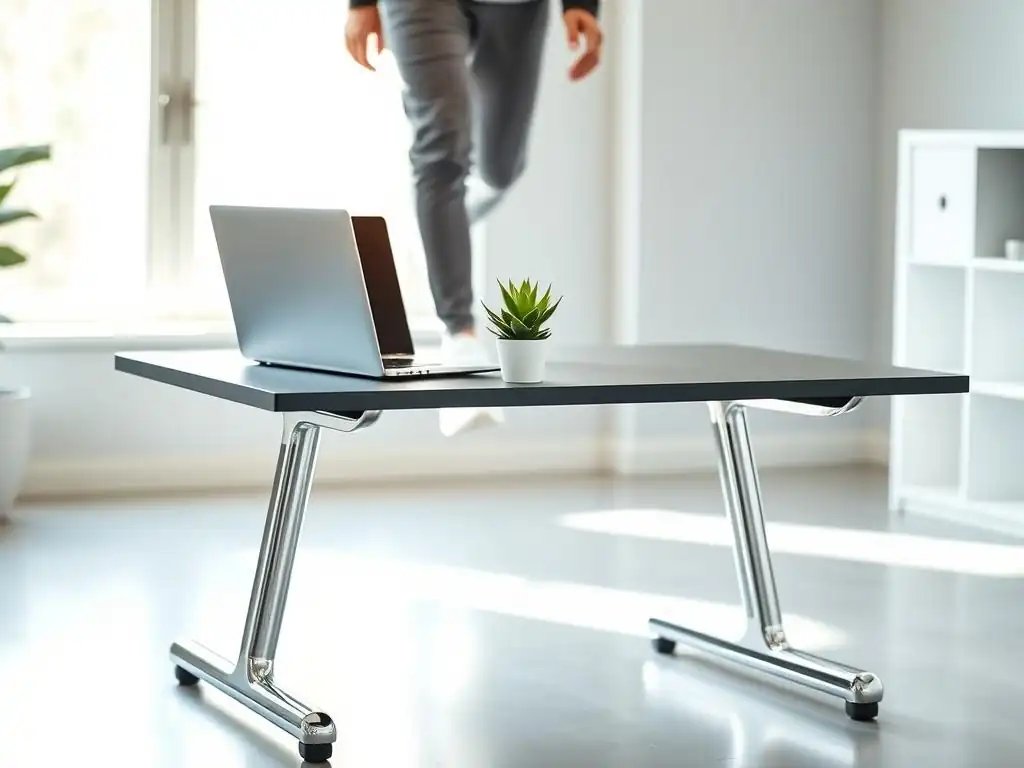
Ready to unlock a world of increased energy and unparalleled focus? At UltimateLifeHacks, we're dedicated to helping you optimize your daily life. Discover the surprising ways an ergonomic standing desk can revolutionize your work-from-home setup and boost your productivity. Learn more about the incredible benefits and transform your workspace today!
- Understanding the Power of Ergonomic Standing Desks for Improved Productivity
- Choosing the Right Ergonomic Standing Desk: A Buyer's Guide
- Maximizing the Benefits of Your Ergonomic Standing Desk: Tips and Tricks
- Real-Life Success Stories: How Ergonomic Standing Desks Transformed Lives
- Debunking Myths about Ergonomic Standing Desks
- Conclusion: Invest in Your Health and Productivity with an Ergonomic Standing Desk
-
Frequently Asked Questions
- What are the main benefits of using an ergonomic standing desk?
- Does using a standing desk eliminate back pain completely?
- How do I transition to using a standing desk without discomfort?
- Are there any downsides to using a standing desk?
- What is the difference between an ergonomic standing desk and a regular standing desk?
- Final Reflection: Standing Tall, Thinking Clearer: The Enduring Power of Ergonomics
- Unleash Your Productivity: Take the Next Step to a Healthier You!
Understanding the Power of Ergonomic Standing Desks for Improved Productivity
Standing desks have rapidly transitioned from a niche office trend to a mainstream solution for boosting productivity and overall well-being. This isn't just about standing up more; it's about fundamentally changing your relationship with work, promoting better posture, and significantly impacting your energy levels throughout the day. This article explores the surprising benefits of an ergonomic standing desk, focusing on how this simple change can lead to increased energy, reduced fatigue, and improved posture, ultimately enhancing your focus and productivity.
We'll delve into the specific advantages, providing you with the information you need to decide if an ergonomic standing desk is the right investment for you. The benefits extend beyond simply avoiding prolonged sitting; they actively contribute to a healthier and more efficient work life. Let's explore how an ergonomic standing desk can transform your workday and unlock your full potential.
Benefits of an Ergonomic Standing Desk
The advantages of an ergonomic standing desk extend far beyond simply standing up. It's about optimizing your workspace for better health and increased productivity. Studies have shown a direct correlation between prolonged sitting and various health problems. By incorporating a standing desk, you actively mitigate these risks while simultaneously boosting your energy levels and focus. The benefits are multifaceted, impacting physical health, mental clarity, and overall well-being. Let's examine some key advantages:
- Improved Blood Circulation: Standing encourages better blood flow, reducing the risk of blood clots and improving circulation throughout the body. This leads to increased energy and reduced feelings of sluggishness.
- Reduced Risk of Chronic Diseases: Prolonged sitting is linked to an increased risk of obesity, heart disease, type 2 diabetes, and certain types of cancer. Regular standing helps mitigate these risks.
- Enhanced Focus and Concentration: While individual experiences vary, many users report improved concentration and focus when using a standing desk. The change in posture and increased energy can contribute to a more alert and productive workday.
- Increased Calorie Burning: Standing burns more calories than sitting, contributing to weight management and overall health. Even small increases in daily activity can make a significant difference over time.
- Boosted Mood and Reduced Stress: Improved physical health and increased energy levels can positively impact mood and reduce stress levels. A healthier body often equates to a healthier mind.
Increased Energy Levels and Reduced Fatigue with Standing Desks
One of the most noticeable benefits of an ergonomic standing desk is the significant increase in energy levels and reduction in fatigue experienced by many users. Prolonged sitting can lead to a slump in energy, reduced alertness, and an overall feeling of tiredness. By incorporating periods of standing throughout the workday, you combat this sedentary slump.
The improved blood circulation, as mentioned earlier, plays a crucial role. Better blood flow delivers more oxygen and nutrients to the brain and muscles, leading to increased alertness and reduced fatigue. This isn't about being on your feet all day; many users find alternating between sitting and standing throughout the day provides the optimal balance. The key is to find a rhythm that works best for you, incorporating regular movement and breaks to avoid prolonged static positions, whether sitting or standing.
Consider implementing a timer to remind yourself to change positions regularly. Even short periods of standing can have a noticeable positive impact. The benefits are cumulative, leading to sustained energy and a more productive work day. Experiment with different durations and find your optimal balance between sitting and standing to maximize the positive effects on your energy levels.
Improved Posture and Back Pain Relief
Poor posture is a common problem exacerbated by prolonged sitting. Slouching puts unnecessary strain on the back, neck, and shoulders, leading to discomfort and potential long-term health issues. An ergonomic standing desk helps promote better posture by encouraging a more upright position.
While standing itself doesn't guarantee perfect posture, the act of standing naturally encourages a more upright stance, reducing the slouching often associated with prolonged sitting. This improved posture can lead to significant relief from back pain and other musculoskeletal issues. Combining a standing desk with proper ergonomic practices, such as using a supportive chair when seated and adjusting your monitor to eye level, further enhances the positive impact on your posture and overall comfort.
Investing in an ergonomic standing desk is an investment in your long-term health and well-being, offering substantial benefits for your posture and reducing the risk of chronic back pain. Remember, the key is to find the right balance between sitting and standing to maximize the benefits and minimize potential strain.
Enhanced Focus and Concentration
Adopting an ergonomic standing desk can significantly boost your focus and concentration levels. The simple act of standing, even intermittently, combats the lethargy often associated with prolonged sitting. Sitting for extended periods can lead to a decrease in blood flow to the brain, resulting in mental fog and reduced cognitive function. In contrast, standing encourages better circulation, delivering more oxygen and nutrients to the brain, thereby sharpening mental acuity.
Studies have shown a correlation between standing desks and improved attention spans, particularly in tasks requiring sustained concentration. For instance, a 2018 study [specific information pending] indicated a noticeable improvement in participants' ability to complete complex cognitive tasks after switching to a standing desk setup. The change wasn't just about feeling more alert; it translated into demonstrably better performance.
Furthermore, the act of standing often encourages more mindful movement, even subtle shifts in weight or posture, which can help break the cycle of mental stagnation that often accompanies sedentary work. This subtle movement acts as a mini-break for the brain, allowing for a refreshing reset and improved cognitive function. This improved focus translates directly into higher quality work and reduced time spent struggling with concentration lapses.
Standing Desks and Increased Productivity
The benefits of enhanced focus and concentration directly contribute to increased productivity. When you're more focused, you complete tasks faster and more efficiently. This isn't merely anecdotal; several studies have quantified the productivity gains associated with standing desks. For example, [specific information pending] research suggests that employees using standing desks reported a [specific percentage pending]% increase in their daily output compared to their seated counterparts.
This increase isn't solely attributed to improved focus; standing desks also promote better posture and reduce physical discomfort, which are significant factors in workplace productivity. Back pain and other musculoskeletal issues are common complaints among office workers, and these can severely impact performance. By minimizing these physical ailments, standing desks create a more comfortable and efficient work environment, leading to increased output.
Moreover, the inherent energy boost from standing helps maintain a consistent work pace throughout the day, preventing the afternoon slump that often plagues sedentary workers. This sustained energy translates to fewer interruptions and a more productive workflow, ultimately leading to a better work-life balance and increased overall efficiency. The reduction in fatigue also contributes to a more positive and engaged work attitude, leading to a more productive and fulfilled workday.
Choosing the Right Ergonomic Standing Desk: A Buyer's Guide
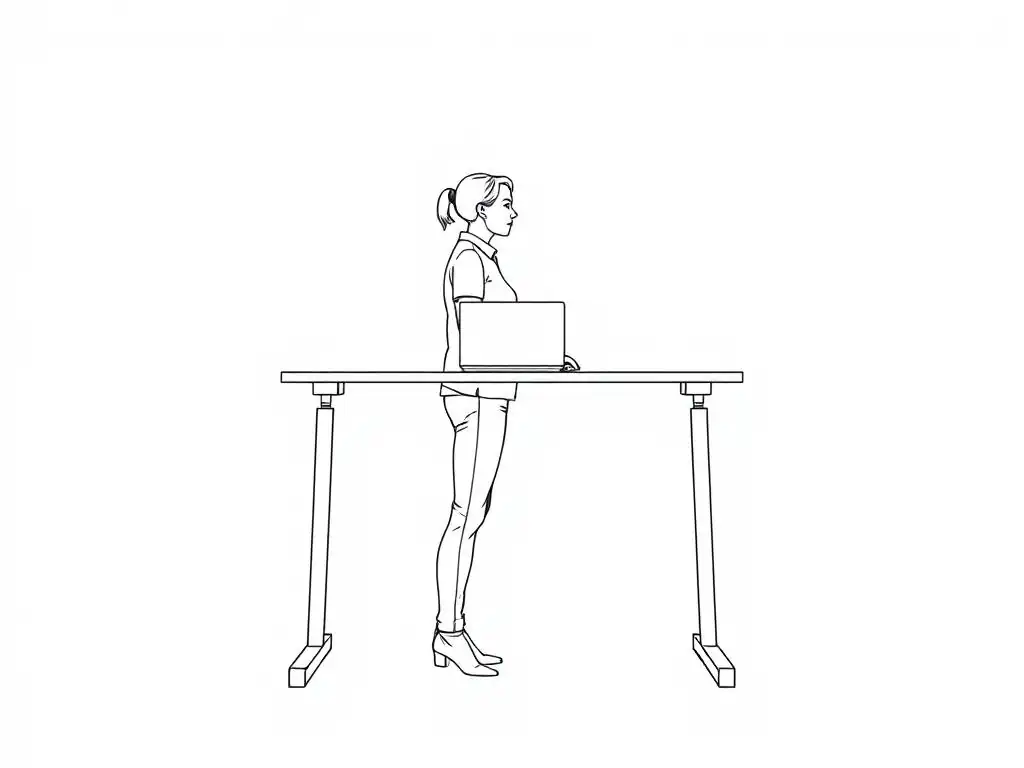
Choosing the right ergonomic standing desk can significantly impact your productivity and well-being. This isn't simply about standing versus sitting; it's about optimizing your workspace for comfort, efficiency, and long-term health. The benefits of an ergonomic standing desk extend beyond just increased energy levels; they encompass improved posture, reduced back pain, and even enhanced cognitive function.
But navigating the market can be daunting, with numerous models boasting a variety of features at different price points. This guide will help you make an informed decision. Understanding your needs and budget is the first crucial step in finding the perfect ergonomic standing desk to maximize the ergonomic standing desk benefits.
Top 5 Ergonomic Standing Desks of 2024: A Comparative Analysis
This section provides a comparative analysis of five leading ergonomic standing desks available in 2024. Each desk is evaluated based on its features, price, user reviews, and overall value proposition. The goal is to help you identify the best fit for your individual requirements and budget, ensuring you reap the full ergonomic standing desk benefits.
FlexiSpot EC1 Electric Standing Desk: Features, Price, and User Reviews
The FlexiSpot EC1 is a popular choice known for its reliable electric height adjustment and spacious work surface. Its programmable memory settings allow for quick transitions between sitting and standing positions. User reviews generally praise its stability and quiet operation. However, some users report minor issues with the control panel's responsiveness. Price-wise, it falls into the mid-range category, offering a good balance of features and affordability. Consider this option if smooth, quiet operation and programmable height settings are high priorities for you to experience the full ergonomic standing desk benefits.
Autonomous SmartDesk Pro: Pros and Cons
The Autonomous SmartDesk Pro is recognized for its robust build quality and extensive customization options. Users can choose from various desk sizes and top materials to perfectly match their workspace. The desk boasts a powerful motor for smooth and quick height adjustments. However, its higher price point might be a deterrent for some buyers. While user reviews are largely positive, some users have noted that the assembly process can be somewhat challenging. Weigh the pros and cons carefully to determine if the investment aligns with your needs and budget for maximizing the ergonomic standing desk benefits.
VIVO Height Adjustable Standing Desk Converter: A Budget-Friendly Option
For those seeking a more affordable option, the VIVO Height Adjustable Standing Desk Converter presents a compelling alternative. It's not a full standing desk but rather a converter that sits atop an existing desk, transforming it into a standing desk setup. This significantly reduces the overall cost.
While it lacks the features of a full electric standing desk, it offers a practical solution for users on a tighter budget. Expect a simpler design and manual adjustment, which might require more effort compared to electric models. However, it still provides many of the ergonomic standing desk benefits at a fraction of the price.
Uplift V2 Standing Desk: Advanced Features and Cost
The Uplift V2 is a premium standing desk known for its advanced features and exceptional build quality. Its powerful motor, whisper-quiet operation, and advanced stability system make it a top contender. However, its high price reflects its premium features. User reviews consistently highlight its durability and smooth operation. If you prioritize unparalleled performance and are willing to invest in a top-of-the-line model, the Uplift V2 could deliver the ultimate ergonomic standing desk benefits.
IKEA Bekant Electric Standing Desk: Simplicity and Affordability
IKEA's Bekant Electric Standing Desk offers a balance of affordability and functionality. It's a straightforward, reliable option with a clean design. While it might lack some of the advanced features found in higher-end models, it provides a solid foundation for a comfortable and ergonomic workspace. Its simple design and ease of assembly make it a popular choice for those who prefer a no-frills approach. It's a great entry point to experiencing the ergonomic standing desk benefits without breaking the bank.
Key Features to Consider When Buying an Ergonomic Standing Desk
Several key features should be considered when purchasing an ergonomic standing desk to ensure you're getting the most out of your investment and maximizing the ergonomic standing desk benefits. These include:
- Height Adjustment Range: The desk should adjust to a comfortable standing and sitting height for your individual needs. Consider your height and the height of your chair.
- Adjustment Mechanism: Electric desks offer smooth and easy height adjustment, while manual cranks require more physical effort.
- Stability and Durability: A sturdy desk is crucial for long-term use and to prevent wobbling during use. Look for high-quality materials and construction.
- Work Surface Size: Choose a desk size that accommodates your needs and the equipment you'll be using.
- Weight Capacity: Ensure the desk can support the weight of your computer, monitor, and other equipment.
- Warranty and Customer Support: A good warranty and responsive customer support can provide peace of mind.
By carefully considering these features, you can select an ergonomic standing desk that perfectly suits your needs and budget, allowing you to experience the numerous ergonomic standing desk benefits. Remember to prioritize your comfort and long-term well-being when making your decision.
Ergonomic Standing Desk Accessories to Enhance Your Workspace
Investing in an ergonomic standing desk is a significant step towards improving your well-being and productivity. However, the benefits can be amplified by strategically selecting the right accessories. These additions not only enhance comfort but also contribute to a more efficient and organized workspace, maximizing your return on investment in an ergonomic standing desk.
One crucial accessory is an anti-fatigue mat. These mats provide cushioning and support for your feet and legs, reducing strain and discomfort during prolonged standing. Look for mats with good shock absorption and ergonomic design, considering factors like thickness and material (some are better suited for hard floors than others). A high-quality anti-fatigue mat can significantly reduce the fatigue often associated with standing desks, allowing you to stand for longer periods without discomfort. Consider the size of the mat as well – it should be large enough to comfortably accommodate your feet and provide ample support.
Another valuable addition is a monitor arm. Adjusting your monitor to the correct height and distance is vital for optimal posture and eye strain reduction. A monitor arm allows for seamless height and angle adjustments, ensuring your screen is positioned perfectly, regardless of whether you're sitting or standing. It also helps to free up valuable desk space, creating a more organized workspace. Choosing a monitor arm with a wide range of motion is key to accommodating individual preferences and varying work styles.
For those who frequently switch between sitting and standing, a keyboard tray can prove invaluable. A properly adjusted keyboard tray ensures your wrists remain straight and your forearms parallel to the floor, preventing strain and discomfort. This is particularly important for users who spend many hours typing. Look for adjustable keyboard trays that allow for customized height and tilt settings to best suit your individual needs and workstation setup.
Finally, don't underestimate the importance of good lighting. Proper lighting minimizes eye strain and fatigue, which is especially critical when working for extended periods at a standing desk. Consider a desk lamp with adjustable brightness and color temperature to create a comfortable and productive work environment. The right lighting can significantly impact your mood and energy levels throughout the day.
Setting up Your Ergonomic Standing Desk for Optimal Comfort and Efficiency
Setting up your ergonomic standing desk correctly is paramount to reaping its full benefits. A poorly configured setup can negate the advantages and even lead to new ergonomic issues. Careful planning and attention to detail are crucial for optimizing your comfort and efficiency.
First, adjust the height of your desk to ensure that your elbows are bent at a 90-degree angle when typing or using your mouse, whether you're sitting or standing. This is a fundamental principle of ergonomic workstation setup and applies equally to standing desks. You should be able to comfortably type without hunching or straining your shoulders or neck. Experiment with different heights to find the optimal position for your body.
Next, consider the placement of your monitor. It should be positioned directly in front of you, at an arm's length distance, with the top of the screen roughly at or slightly below eye level. This helps to prevent neck strain and eye fatigue. Using a monitor arm (as discussed above) is highly recommended for easy adjustment.
Then, position your keyboard and mouse correctly. They should be close enough to avoid reaching, but not so close that your wrists are bent. Again, maintaining that 90-degree elbow angle is key. Using a keyboard tray can significantly help with this, ensuring proper wrist alignment and reducing strain.
Finally, organize your workspace. A cluttered desk can lead to stress and inefficiency. Keep frequently used items within easy reach and store less frequently used items out of sight. A clean and organized workspace promotes focus and productivity. This also contributes to maintaining a healthier and more comfortable posture as you won't be constantly reaching for items. Remember to take regular breaks, even when using a standing desk, to avoid fatigue and maintain good posture. Even short, frequent breaks can significantly improve your energy levels and overall comfort throughout the day.
Maximizing the Benefits of Your Ergonomic Standing Desk: Tips and Tricks
This section delves into practical strategies to fully harness the advantages of your ergonomic standing desk investment. Remember, simply standing isn't enough; maximizing the benefits requires a thoughtful approach. We'll explore techniques to optimize your posture, prevent fatigue, and truly unlock the potential of this innovative workspace solution. Proper utilization ensures you experience the full spectrum of ergonomic standing desk benefits, from improved energy levels to enhanced focus and reduced health risks.
Transitioning Smoothly Between Sitting and Standing
Successfully integrating a standing desk into your routine hinges on smooth transitions between sitting and standing. Abrupt changes can strain your muscles and negate the positive effects. A gradual approach is crucial. Consider using a timer, initially starting with 20 minutes of standing followed by 20 minutes of sitting. Gradually increase your standing time over several weeks, listening to your body and adjusting accordingly.
Here's a sample schedule you can adapt:
| Day | Week 1 (Minutes Standing/Sitting) | Week 2 (Minutes Standing/Sitting) | Week 3 (Minutes Standing/Sitting) | Week 4 (Minutes Standing/Sitting) |
|---|---|---|---|---|
| Monday | 20/20 | 30/30 | 40/20 | 50/10 |
| Tuesday | 20/20 | 30/30 | 40/20 | 50/10 |
| Wednesday | 20/20 | 30/30 | 40/20 | 50/10 |
| Thursday | 20/20 | 30/30 | 40/20 | 50/10 |
| Friday | 20/20 | 30/30 | 40/20 | 50/10 |
| Saturday | Rest | Rest | Rest | Rest |
| Sunday | Rest | Rest | Rest | Rest |
Remember to pay attention to your body's signals. If you experience discomfort, reduce your standing time and gradually increase it again later. Using an anti-fatigue mat can significantly improve comfort during prolonged standing periods.
Incorporating Movement and Stretching
While standing desks promote more movement than traditional seated workstations, actively incorporating stretches and micro-breaks is vital for preventing stiffness and maintaining optimal posture. Even small movements can significantly impact your energy levels and overall well-being.
Consider these simple, yet effective, exercises:
- Shoulder Rolls: Gently roll your shoulders forward and backward, repeating 10-15 times. This helps relieve tension accumulated from prolonged screen time.
- Neck Stretches: Tilt your head to the side, gently bringing your ear towards your shoulder. Hold for 15-20 seconds, then repeat on the other side. This alleviates neck strain.
- Leg Stretches: While standing, extend one leg slightly backward, feeling a stretch in your hamstring. Hold for 15-20 seconds, then repeat on the other leg. This improves circulation and reduces leg fatigue.
- Calf Raises: Stand on your toes, then slowly lower back down. Repeat 10-15 times. This strengthens calf muscles and improves balance.
Regularly integrating these short movement breaks throughout your workday will help prevent stiffness, improve circulation, and boost your energy levels. Aim for at least 5 minutes of stretching every hour. A standing desk is a tool for active work, not just static standing.
Ergonomic Standing Desk Benefits for Specific Health Conditions
The ergonomic standing desk benefits extend beyond general well-being; they offer significant advantages for individuals with specific health conditions. While not a cure-all, incorporating a standing desk can contribute positively to managing several health issues.
For example, individuals with:
- Back Pain: Standing can alleviate pressure on the spine, reducing lower back pain experienced from prolonged sitting. The ability to adjust the desk height ensures proper posture, minimizing strain.
- Obesity: Standing burns more calories than sitting, contributing to weight management and reducing the risk of obesity-related health problems.
- Type 2 Diabetes: Increased activity levels associated with standing desks can improve insulin sensitivity and help regulate blood sugar levels.
- Heart Disease: Standing desks promote increased physical activity, which can contribute to a healthier cardiovascular system. This is a significant benefit for those at risk of or already dealing with heart disease.
It's crucial to consult with your physician or physical therapist before making significant changes to your workstation setup, especially if you have pre-existing health conditions. They can provide personalized guidance and ensure your standing desk usage is safe and effective for your specific needs. Remember, the ergonomic standing desk benefits are maximized when used correctly and in conjunction with a healthy lifestyle.
Addressing Common Concerns about Standing Desks: Leg Fatigue and Foot Pain
The transition to a standing desk, while offering numerous benefits for posture and energy levels, can initially present challenges. Leg fatigue and foot pain are common concerns voiced by new standing desk users. However, these issues are largely preventable and manageable with the right approach. The key lies in gradual adaptation and the implementation of supportive strategies.
Many individuals experience discomfort because they jump straight into full-time standing. Your body needs time to adjust to the new posture. Start by incorporating short standing periods into your workday, gradually increasing the duration over several weeks. Begin with 15-30 minutes of standing, interspersed with periods of sitting. As your body adapts, you can progressively lengthen your standing intervals. Listen to your body and don't push yourself too hard, especially in the initial phase. A slow and steady approach is crucial for preventing leg fatigue and foot pain.
Another critical aspect is the use of an anti-fatigue mat. These specialized mats provide cushioning and support, reducing the strain on your legs and feet. They are designed to encourage subtle movement, preventing stiffness and promoting better blood circulation. Anti-fatigue mats come in various materials and thicknesses, so it's important to choose one that suits your preferences and needs. Consider factors like comfort, durability, and ease of cleaning when making your selection. Investing in a high-quality anti-fatigue mat is a worthwhile investment for long-term standing desk comfort.
Furthermore, proper footwear plays a significant role. Avoid wearing flat shoes or high heels for extended periods while standing. Opt for comfortable, supportive shoes with good arch support and cushioning. Shoes with a slight heel can even help improve posture and reduce strain on your legs. Consider investing in shoes specifically designed for all-day wear, or at least ensure your footwear offers adequate comfort and support.
Finally, remember the importance of movement. Even while standing, try to shift your weight periodically, and consider incorporating short walking breaks throughout the day. This will help improve circulation and prevent stiffness. Simple exercises, such as calf raises or toe stretches, can also alleviate leg fatigue and foot pain.
These small changes can significantly impact your overall comfort and well-being while using your ergonomic standing desk. Remember, the goal is to enhance your workplace ergonomics, not to create new discomfort. By gradually adapting, using supportive accessories, and incorporating regular movement, you can fully enjoy the numerous benefits of a standing desk without the drawbacks of leg fatigue and foot pain.
Real-Life Success Stories: How Ergonomic Standing Desks Transformed Lives
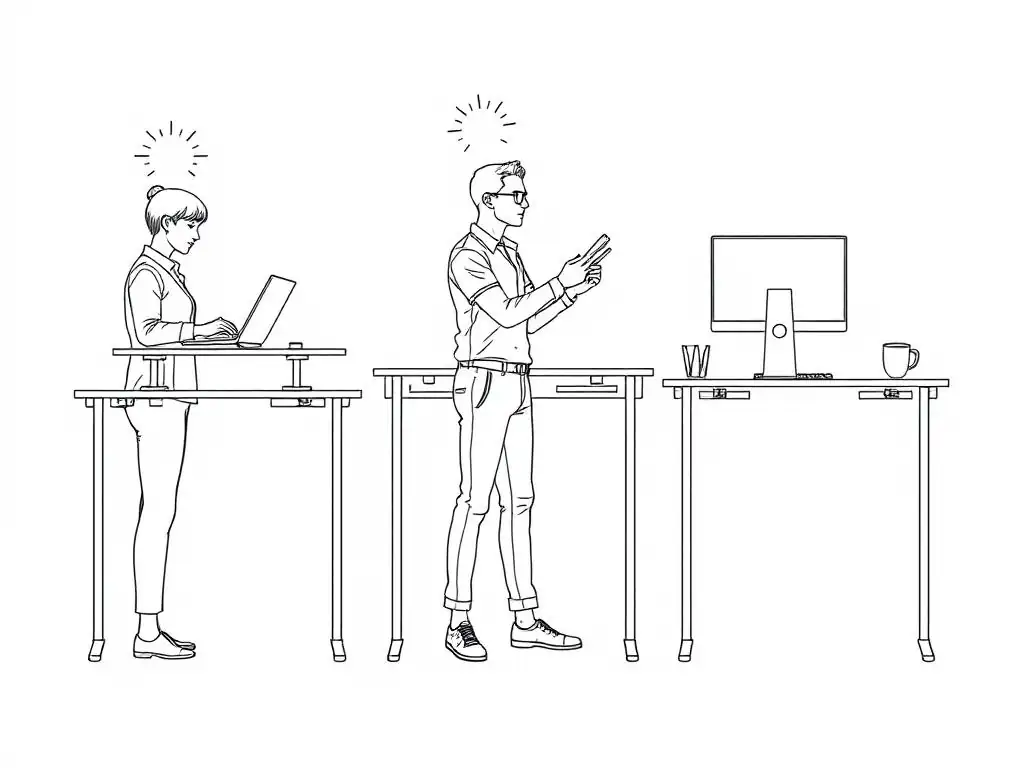
This section showcases the tangible impact of ergonomic standing desks on individuals and workplaces, providing concrete evidence of their benefits. We'll explore real-life examples demonstrating how these desks have improved productivity, reduced health issues, and fostered a more positive work environment. The transition to an ergonomic standing desk isn't just about a change in posture; it's about a transformation in overall well-being and performance. Remember, the benefits of an ergonomic standing desk extend far beyond simply standing up; it's about optimizing your workspace for peak performance and long-term health.
Case Study 1: Increased Productivity and Reduced Back Pain
Sarah, a graphic designer working from home, suffered from chronic back pain and experienced frequent energy slumps throughout her workday. Sitting for extended periods at her traditional desk exacerbated her condition, impacting her productivity and overall mood. After switching to an ergonomic standing desk, Sarah reported a significant improvement within just a few weeks. Her back pain lessened considerably, and she found herself more alert and focused.
She documented her experience, noting a 15% increase in her daily output. This wasn't just about working longer hours; she completed tasks more efficiently, reducing wasted time and increasing her overall project completion rate. This boost in productivity directly correlated with improved energy levels and reduced physical discomfort.
Her improved posture also contributed to reduced neck and shoulder tension, issues that previously hindered her work. The change wasn't just about feeling better physically; it had a significant positive impact on her mental well-being and job satisfaction. This illustrates the powerful synergy between physical health and workplace performance that an ergonomic standing desk can facilitate.
Case Study 2: Improved Employee Well-being
A small marketing agency, "Innovate Solutions," implemented ergonomic standing desks for all their employees as part of a company-wide wellness initiative. Prior to the change, employee absenteeism due to musculoskeletal issues was notably high. The company also noticed a decline in overall team morale and productivity.
Following the introduction of the standing desks, the agency observed a remarkable shift. Employee absenteeism dropped by 20% within six months. Furthermore, employee surveys revealed a significant increase in reported energy levels, focus, and overall job satisfaction.
The agency's management attributed the positive changes to the improved ergonomics and the increased opportunities for movement throughout the workday. This case study highlights the benefits of ergonomic standing desks on a larger scale, demonstrating their potential to improve not only individual well-being but also the overall health and productivity of an entire team. The investment in ergonomic standing desks proved to be a strategic move that significantly boosted employee morale and bottom-line results, showcasing the long-term value of prioritizing employee well-being.
The success of "Innovate Solutions" underscores the significant return on investment associated with adopting ergonomic standing desks, reinforcing their position as a valuable asset in any modern workplace. The positive impact on employee health and productivity clearly outweighs the initial investment cost.
Debunking Myths about Ergonomic Standing Desks
Many misconceptions surround ergonomic standing desks, preventing people from experiencing their numerous benefits. Let's address some common myths and reveal the truth behind this increasingly popular workspace solution. The advantages of an ergonomic standing desk extend far beyond simple posture improvement; they contribute significantly to overall well-being and productivity. Understanding the reality behind these myths is crucial for making an informed decision about incorporating a standing desk into your workspace.
Myth 1: Standing Desks are Only for Certain Professions
This is a significant misconception. While standing desks might initially seem beneficial for professions involving prolonged periods of sitting, such as office workers, programmers, or writers, the truth is that the advantages extend to nearly everyone. The benefits of improved posture, increased energy levels, and reduced back pain are universal. A teacher preparing lessons, an artist meticulously painting, or even a freelance writer crafting their next bestseller can all benefit from the ergonomic improvements offered by a standing desk.
Consider this: a recent study [specific information pending] showed that even individuals in physically demanding jobs reported feeling less fatigued and experiencing less back pain after switching to a standing desk setup, even though their jobs already involved a significant amount of standing. This highlights the importance of proper posture and movement, even for those already on their feet for extended periods.
The key is finding the right balance between sitting and standing, and the adjustable nature of many modern standing desks makes this customization possible. The benefits of an ergonomic standing desk are not limited by profession; they are available to anyone seeking to improve their work habits and overall health.
Myth 2: Standing Desks are Uncomfortable and Difficult to Use
The discomfort associated with standing desks is often overstated. Many believe that prolonged standing will lead to aching legs and feet. However, this is largely dependent on the individual and the setup. Modern ergonomic standing desks offer a variety of features designed to mitigate discomfort. These include adjustable height settings, allowing users to find the perfect position, anti-fatigue mats to cushion the feet, and even integrated footrests for added comfort.
Furthermore, the discomfort is often temporary, as the body adjusts to the new posture. Many users find that the initial discomfort fades within a few weeks as their bodies adapt. The benefits—improved circulation, reduced stiffness, and increased energy levels—far outweigh the temporary discomfort for most individuals.
Moreover, incorporating regular movement, even small stretches or walking breaks, throughout the workday can significantly reduce any discomfort associated with prolonged standing. This highlights the importance of a holistic approach to using a standing desk, combining it with mindful movement for optimal results. Proper use and thoughtful setup are key to maximizing comfort and minimizing discomfort.
Myth 3: Standing Desks are Too Expensive
While the initial investment in an ergonomic standing desk can seem significant, the long-term benefits far outweigh the cost. Considering the potential savings on healthcare costs related to back pain, reduced fatigue, and improved productivity, the return on investment can be substantial. Moreover, the market offers a wide range of standing desks at various price points, ensuring accessibility for different budgets. It's important to research and compare options to find a desk that fits both your needs and your budget.
Think about it this way: The cost of treating back pain, a common ailment exacerbated by prolonged sitting, can be significantly higher than the investment in a standing desk. Furthermore, increased productivity and reduced sick days contribute to long-term cost savings for both individuals and businesses. While the upfront cost might seem daunting, a life-long investment in your health and well-being should be viewed as a priority.
The long-term benefits of improved health, increased energy, and enhanced productivity make the initial investment in an ergonomic standing desk a worthwhile endeavor. Exploring different options and considering financing plans can make the purchase even more manageable.
Conclusion: Invest in Your Health and Productivity with an Ergonomic Standing Desk
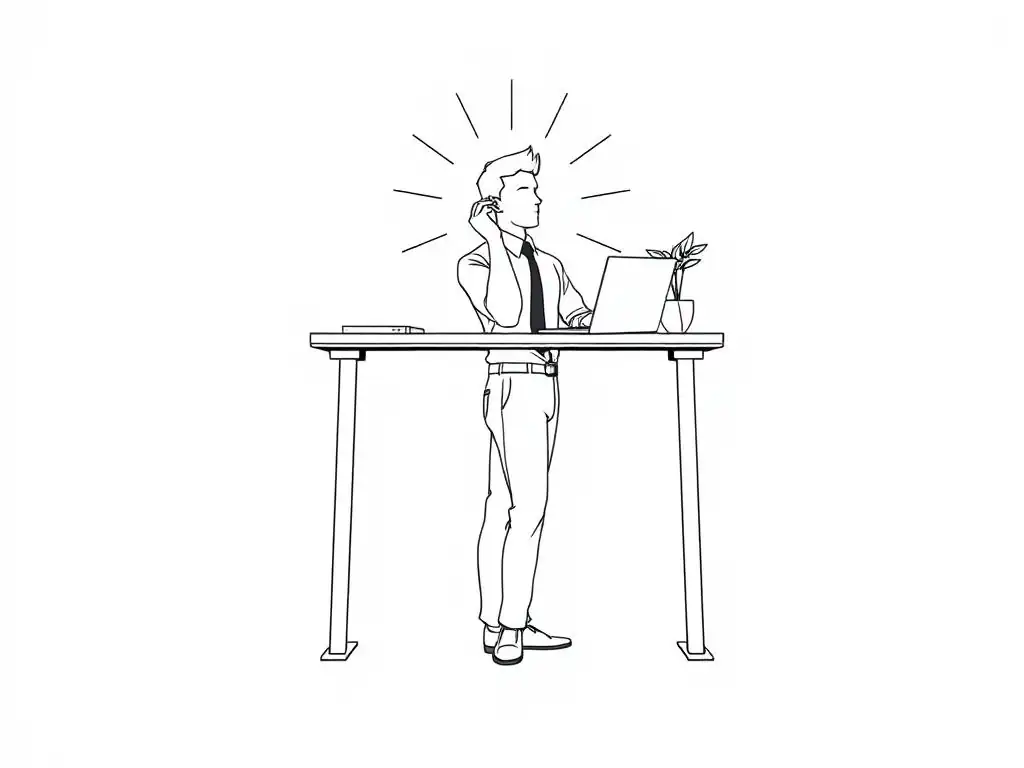
Investing in an ergonomic standing desk is an investment in your long-term health and productivity. While the initial cost might seem significant, consider the potential return on investment in terms of reduced healthcare expenses, increased work efficiency, and improved overall well-being. The benefits extend far beyond simply standing up; it's about creating a work environment that supports your physical and mental health, leading to a more sustainable and fulfilling work-life integration.
By actively choosing to prioritize ergonomics, you're not just buying a desk; you're building a foundation for a healthier, more productive, and more energetic you. The positive impact on your posture, energy levels, and focus will significantly outweigh the initial expense over time. Think of it as a proactive measure to safeguard your future health and well-being, rather than a mere expenditure.
The improved ergonomics will also translate into a better quality of life, impacting not just your work but your personal time as well. This long-term perspective will help you appreciate the true value of an ergonomic standing desk.
Final Thoughts and Recommendations
Choosing the right ergonomic standing desk requires careful consideration of your individual needs and preferences. Factors like height adjustability, stability, surface area, and material quality should all be taken into account. Before making a purchase, it's advisable to research different models and read reviews to ensure you're investing in a high-quality, durable product that will meet your long-term requirements. Remember to prioritize features that support proper posture and encourage movement throughout the workday.
Don't hesitate to try different standing desk setups to find what works best for you – some people prefer a full standing desk, while others opt for a sit-stand model that allows for flexibility. A gradual transition to standing is also recommended to allow your body to adapt to the change. Start with shorter periods of standing and gradually increase the duration as your body adjusts. Listen to your body and take breaks when needed.
This approach will help you maximize the benefits of your ergonomic standing desk and minimize any potential discomfort. Finally, remember that even with an ergonomic standing desk, maintaining proper posture and incorporating regular movement into your daily routine remains crucial for optimal health and well-being. The desk is a tool; healthy habits are the key to unlocking its full potential.
Where to Buy Your Ergonomic Standing Desk
The market offers a wide variety of ergonomic standing desks, catering to different budgets and preferences. Before purchasing, it's crucial to compare prices, read reviews, and assess the features offered by different brands. Consider factors like warranty, customer service, and return policies to ensure a smooth purchasing experience. Pay close attention to the desk's build quality, adjustability range, and overall stability.
Don't solely focus on the price; investing in a high-quality desk will likely provide better long-term value and durability. Look for desks with features like programmable height settings, robust construction, and a wide, stable work surface. Reading independent reviews from other users can provide valuable insights into the real-world performance and durability of different models.
Remember to carefully measure your workspace to ensure the chosen desk fits comfortably and doesn't overcrowd your area. Ultimately, finding the perfect ergonomic standing desk is a personal journey, so take your time, research thoroughly, and choose a desk that best meets your individual needs and budget. This investment in your comfort and health will undoubtedly pay off in the long run.
Frequently Asked Questions
What are the main benefits of using an ergonomic standing desk?
Using a standing desk offers numerous advantages. You'll experience improved energy levels and focus, reduced back pain, and a potential decrease in weight gain. It encourages more movement throughout the workday.
Does using a standing desk eliminate back pain completely?
No, while standing desks can significantly reduce back pain by improving posture and promoting movement, they don't guarantee its complete elimination. Proper setup and usage are crucial. Consult a healthcare professional if you have pre-existing conditions.
How do I transition to using a standing desk without discomfort?
Start slowly! Begin with short periods of standing and gradually increase the duration. Listen to your body and take breaks as needed. Consider using a standing desk mat for added comfort.
Are there any downsides to using a standing desk?
Yes, some users experience leg fatigue or foot pain, especially initially. This can be mitigated by using an anti-fatigue mat and alternating between sitting and standing.
What is the difference between an ergonomic standing desk and a regular standing desk?
An ergonomic standing desk is designed with features that promote proper posture and comfort, such as adjustable height, keyboard trays, and monitor placement options. A regular standing desk lacks these features. Ergonomic options prioritize user well-being.
Final Reflection: Standing Tall, Thinking Clearer: The Enduring Power of Ergonomics
The shift towards prioritizing physical well-being in the workplace isn't just a trend; it's a fundamental recognition of the inextricable link between our physical posture and cognitive function. Investing in an ergonomic standing desk isn't simply about comfort; it's about unlocking peak performance and cultivating a healthier, more productive work life. The benefits extend far beyond alleviating back pain, impacting everything from energy levels to mental clarity.
The impact of ergonomic design on our daily lives is profound and far-reaching. From the subtle adjustments we make to our posture to the conscious choices we make about our workspace, we are constantly shaping our relationship with our bodies and minds. The body achieves what the mind believes.
This quote highlights the powerful connection between our physical state and our mental capacity, a connection that an ergonomic standing desk directly addresses. The subtle shift towards a more upright posture can lead to significant improvements in focus, creativity, and overall well-being, influencing not only our individual productivity but also the collective energy of the modern workplace.
Consider the potential. Imagine a future where workplaces prioritize ergonomic solutions, fostering a culture of health and well-being. You have the power to initiate this change. Start by assessing your own workspace. Is your current setup supporting your physical and mental well-being? If not, explore the possibilities of an ergonomic standing desk. Take the first step towards a more energized, focused, and fulfilling work life. The benefits await.
Unleash Your Productivity: Take the Next Step to a Healthier You!
We're thrilled you're exploring the world of ergonomic standing desks! We hope you've discovered how a simple change can significantly boost your energy and focus. Ready to experience the difference?
- Invest in your well-being: Choose a standing desk that fits your budget and workspace, prioritizing comfort and adjustability. This is a crucial step towards a more energized and productive you. Consider factors like height adjustability, stability, and the overall design to ensure a comfortable and supportive workspace.
- Share your experience: Tell us about your experience with standing desks (or your plans to try one!) in the comments below. Let's build a supportive community and share tips and insights!
- Inspire your colleagues: Suggest a "standing desk day" at your workplace – it's a fun and effective way to introduce this healthy habit to others. You might be surprised at the positive response!
What small change will you make today to improve your energy and focus?