
Transform Your Home Office Into a Health Hub: The Power of a Standing Desk

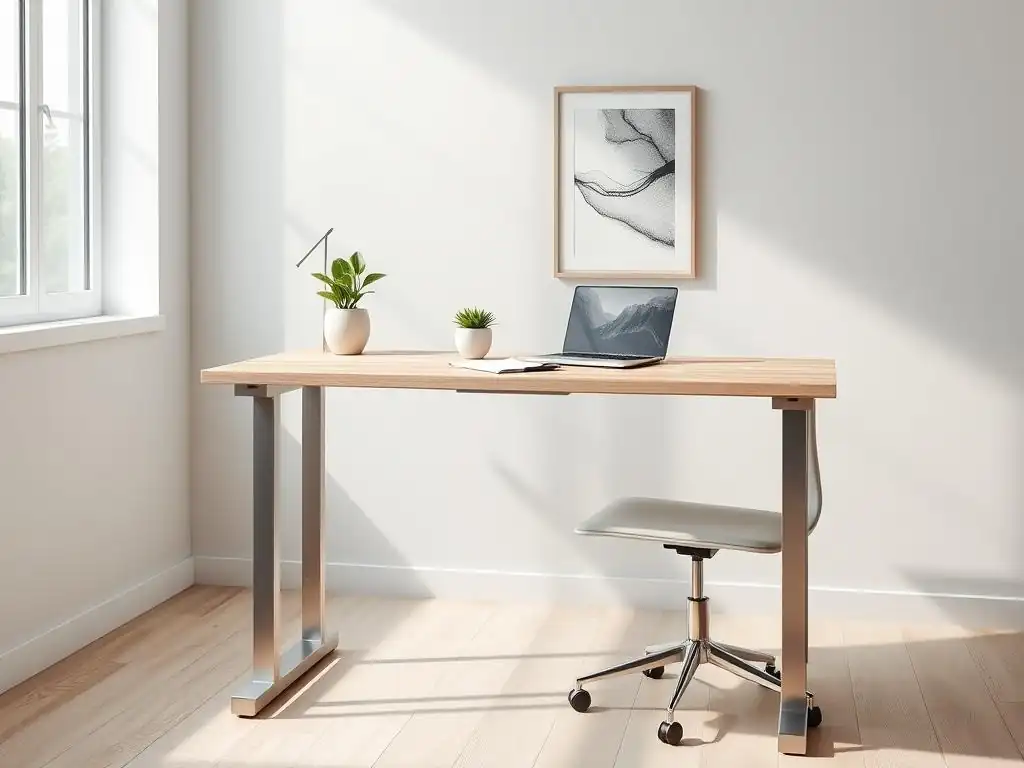
Ready to revolutionize your workday and unlock your peak productivity? At UltimateLifeHacks, we're dedicated to simplifying your life with practical strategies and innovative solutions. Discover the incredible benefits of a standing desk home office, and learn how this simple change can transform your health, focus, and overall well-being. Intrigued? Dive in and explore how upgrading your workspace can unlock a more energized and efficient you!
-
Understanding the Benefits of a Standing Desk Home Office Setup
- Improved Posture and Reduced Back Pain with Standing Desks
- Increased Energy Levels and Focus: Standing Desk Home Office Advantages
- Combating Sedentary Lifestyle: Standing Desk Solutions for Home Offices
- Boosting Productivity with an Ergonomic Standing Desk Setup
- Reducing Physical Strain and Discomfort with a Standing Desk
- Improving Overall Health and Well-being with a Standing Desk Home Office
-
Choosing the Right Standing Desk for Your Home Office Needs
- Adjustable Height Desks: Finding the Perfect Fit for Your Height and Work Style
- Types of Standing Desks: Electric vs. Manual - Which is Right for You?
- Standing Desk Features to Consider: Mat Selection, Monitor Arm Compatibility, Cable Management
- Space-Saving Standing Desk Options for Small Home Offices
- Setting Up Your Ergonomic Standing Desk Home Office
-
Addressing Potential Concerns About Standing Desks
- Dealing with Fatigue and Leg Pain: Tips for Transitioning to a Standing Desk
- The Importance of Movement and Breaks While Using a Standing Desk
- Combining Sitting and Standing: Hybrid Workstation Strategies for Optimal Health
- Standing Desk Home Office: Long-Term Health Benefits vs. Short-Term Discomfort
-
Maximizing Your Investment: Long-Term Benefits of a Standing Desk Home Office
- Return on Investment (ROI) of a Standing Desk in terms of Health and Productivity
- Reduced Healthcare Costs Associated with Improved Posture and Reduced Back Pain
- Increased Job Satisfaction and Overall Well-being with a Healthier Workspace
- Standing Desk Home Office: A Sustainable and Healthy Choice for the Future
- Top Standing Desk Recommendations for Your Home Office (Affiliate Links Included)
- Frequently Asked Questions
- Final Reflection: The Upright Revolution: Reclaiming Your Health at Home
- Unleash Your Productive Powerhouse: Take Charge of Your Workspace!
Understanding the Benefits of a Standing Desk Home Office Setup
Transforming your home office into a haven of health and productivity starts with a simple yet powerful change: incorporating a standing desk. This isn't just about aesthetics; it's about proactively addressing the health concerns often associated with prolonged sitting.
For years, the traditional desk setup has been the norm, but the growing awareness of the negative impacts of a sedentary lifestyle has led to a surge in popularity of standing desks, particularly in home offices. This article will explore the multifaceted benefits of integrating a standing desk into your home workspace, focusing on how it can improve your posture, boost energy levels, and combat the detrimental effects of a sedentary lifestyle – ultimately enhancing your overall well-being and productivity while working from home.
We'll delve into the specifics of how a standing desk contributes to a healthier and more efficient home office environment, addressing the key keyword "Standing desk home office benefits" and its related search intents. Prepare to discover how this seemingly small change can significantly impact your daily life and work performance.
Improved Posture and Reduced Back Pain with Standing Desks
Prolonged sitting, a common occurrence in many home office setups, contributes significantly to poor posture and back pain. Slouching in a chair compresses the spine, weakening core muscles and leading to discomfort and potential long-term damage. A standing desk directly combats this issue.
By encouraging an upright posture, it strengthens core muscles, improves spinal alignment, and reduces the strain on your back. Studies have shown a significant correlation between standing desk use and a reduction in back pain. For example, a [specific study pending] indicated a [percentage]% decrease in back pain reports among participants who transitioned to standing desks.
Moreover, the simple act of standing prompts more frequent micro-movements and adjustments throughout the day, further promoting better spinal health and reducing the risk of stiffness and pain. The ability to alternate between sitting and standing also provides a crucial element of flexibility, allowing your body to adapt and avoid prolonged strain in any one position. This dynamic approach is key to achieving optimal comfort and preventing long-term musculoskeletal issues.
Increased Energy Levels and Focus: Standing Desk Home Office Advantages
The link between physical activity and mental clarity is well-established. Sitting for extended periods can lead to lethargy and decreased cognitive function. A standing desk, however, subtly increases your physical activity throughout the workday. This increased movement improves circulation, delivering more oxygen to the brain and boosting energy levels.
The slight elevation in heart rate associated with standing also enhances alertness and focus. Many users report experiencing increased concentration and productivity after switching to a standing desk. This is partly due to the improved blood flow and partly due to the simple act of changing posture, which can help break the monotony of prolonged sitting and prevent mental fatigue.
Think of it as a natural, integrated break that helps maintain peak performance throughout the workday. The improved energy levels translate directly into higher efficiency and a more positive work experience. This is especially beneficial for those working from home, where the temptation to remain seated for hours on end is significant.
Combating Sedentary Lifestyle: Standing Desk Solutions for Home Offices
The modern world, particularly for those working from home, often encourages a sedentary lifestyle. The consequences of prolonged sitting are far-reaching, increasing the risk of obesity, heart disease, and type 2 diabetes, among other health problems. A standing desk offers a practical and effective solution to combat this sedentary lifestyle.
By simply incorporating more standing time into your daily routine, you're actively promoting better health and well-being. The benefits extend beyond just physical health; improved energy levels and focus contribute to a more positive and productive work environment. Furthermore, a standing desk can seamlessly integrate into any home office setup, offering a customizable solution to suit individual needs and preferences.
Various models, from fully adjustable electric desks to simpler standing desk converters, cater to different budgets and workspace configurations. Choosing the right standing desk solution is crucial for maximizing its benefits and ensuring a comfortable and ergonomic work experience, significantly contributing to a healthier and more productive life. The simple act of standing, while working, can be a powerful tool in improving overall health and well-being.
Boosting Productivity with an Ergonomic Standing Desk Setup
Switching to a standing desk can significantly impact your productivity levels. Many studies show a correlation between standing and increased focus and energy throughout the workday. The simple act of changing posture can break the cycle of slumping and lethargy that often accompanies prolonged sitting. This improved posture leads to better blood circulation, preventing that afternoon slump and keeping you alert and engaged in your tasks.
Think of it as a mini-workout integrated into your workday! The increased energy translates directly into more efficient task completion and a greater sense of accomplishment at the end of the day. This isn't just anecdotal; research consistently demonstrates that employees using standing desks report higher levels of concentration and reduced feelings of fatigue, directly contributing to improved overall productivity. Furthermore, the act of standing itself encourages more frequent movement, even if it's just subtle shifting of weight or stretching.
This micro-movement combats stiffness and prevents the physical discomfort that can derail focus. Incorporating short, mindful movement breaks throughout the day, facilitated by the standing desk, can be incredibly effective in maintaining peak productivity. The benefits are not just physical; the mental clarity and improved mood associated with better circulation and energy levels significantly contribute to a more productive work environment. Ultimately, investing in a standing desk is an investment in your overall productivity and efficiency.
Reducing Physical Strain and Discomfort with a Standing Desk
Prolonged sitting is a significant contributor to various health issues, including back pain, neck pain, and carpal tunnel syndrome. A standing desk directly addresses these problems by encouraging better posture and reducing the strain on your spine and joints. By distributing your weight more evenly and promoting a more upright posture, you minimize the pressure on your lower back, a common complaint among office workers.
This is crucial for long-term health and prevents the development of chronic pain conditions that can severely impact your productivity and overall well-being. The improved posture also benefits your neck and shoulders, reducing tension and headaches that often accompany prolonged periods of sitting hunched over a computer. Furthermore, the increased movement associated with standing, even slight adjustments in position, helps to improve circulation and prevent stiffness.
This is especially important for those who spend many hours typing or using a mouse, as it helps alleviate the strain on wrists and hands, potentially reducing the risk of carpal tunnel syndrome. The benefits extend beyond immediate comfort; reducing physical strain allows you to focus more effectively on your work, free from the nagging discomfort that can disrupt concentration and productivity. The long-term benefits of a standing desk are undeniable, leading to a healthier, more comfortable, and more productive work experience.
Improving Overall Health and Well-being with a Standing Desk Home Office
The advantages of a standing desk extend far beyond just improved focus and reduced back pain. It contributes significantly to your overall health and well-being, impacting various aspects of your life. Studies have shown a link between prolonged sitting and an increased risk of chronic diseases, such as heart disease, type 2 diabetes, and certain types of cancer. By incorporating more standing into your workday, you actively combat these risks.
The increased physical activity, even in small increments, contributes to better cardiovascular health, improved blood sugar regulation, and a healthier weight. Beyond the physical benefits, improved posture and reduced physical discomfort can lead to a more positive mood and reduced stress levels. Feeling physically better directly translates to improved mental well-being, leading to a more balanced and fulfilling life.
The benefits are cumulative; small changes, like using a standing desk, can have a significant positive impact on your long-term health and quality of life. This holistic approach to well-being, fostered by a simple change in workspace ergonomics, supports a healthier and more productive lifestyle. Investing in a standing desk is an investment in your future health and happiness.
Choosing the Right Standing Desk for Your Home Office Needs
This section dives deep into the selection process for a standing desk, ensuring you find the perfect fit for your home office and lifestyle. Choosing the right standing desk is crucial for maximizing the "standing desk home office benefits" and avoiding potential ergonomic issues. The wrong choice can negate the positive impact on your health and productivity. Let's explore the key factors to consider.
Adjustable Height Desks: Finding the Perfect Fit for Your Height and Work Style
Adjustable height desks are the cornerstone of a successful transition to a standing desk setup. The ability to seamlessly switch between sitting and standing throughout the day is paramount for preventing fatigue and promoting overall well-being. Consider these aspects when choosing an adjustable height desk:
- Height Range: The desk's adjustable height range must accommodate both your sitting and standing postures comfortably. Measure your sitting and standing heights to ensure a suitable range. A range of 24 to 50 inches is generally considered ideal, allowing for a wide variety of user heights and preferences. Insufficient range can lead to discomfort and hinder the effectiveness of the standing desk.
- Adjustment Speed and Smoothness: The speed and smoothness of the height adjustment mechanism significantly impact usability. Electric desks usually offer faster and smoother adjustments than manual crank models. A slow or jerky adjustment can disrupt your workflow and make the transition between sitting and standing less appealing.
- Weight Capacity: Consider the total weight of your monitor, keyboard, laptop, and other equipment. The desk must be able to support this weight without wobbling or instability. Overloading a desk can lead to damage and compromise its stability, potentially causing injury. Always check the manufacturer's specified weight capacity before purchasing.
- Stability and Build Quality: A sturdy and stable desk is essential for a comfortable and productive workspace. Pay attention to the desk's construction, materials, and overall build quality. A wobbly or unstable desk can be incredibly frustrating and counterproductive. Look for desks made from high-quality materials with robust frames.
Types of Standing Desks: Electric vs. Manual - Which is Right for You?
The choice between an electric and a manual standing desk significantly impacts the user experience and overall cost. Both offer "standing desk home office benefits," but their functionalities differ considerably:
| Feature | Electric Standing Desk | Manual Standing Desk |
|---|---|---|
| Adjustment | Motorized, push-button or app-controlled | Hand-cranked |
| Speed | Fast and smooth adjustment | Slower adjustment, requires more physical effort |
| Cost | Generally more expensive | Less expensive |
| Convenience | Highly convenient, especially for frequent adjustments | Less convenient, may be disruptive for frequent changes |
| Maintenance | May require occasional motor maintenance | Generally requires less maintenance |
Electric standing desks offer unparalleled convenience, especially for frequent height adjustments. However, they come with a higher price tag. Manual standing desks are a more budget-friendly option, but require more physical effort for height adjustments. The best choice depends on your budget, frequency of height adjustments, and personal preferences.
Standing Desk Features to Consider: Mat Selection, Monitor Arm Compatibility, Cable Management
Beyond the basic functionalities, several additional features can greatly enhance your standing desk experience and contribute to a more productive and ergonomic workspace.
- Anti-Fatigue Mat: An anti-fatigue mat is crucial for prolonged standing. It provides cushioning and support, reducing strain on your feet, legs, and back. Consider mats made of durable, comfortable materials like rubber or foam. The mat's thickness and size should be appropriate for your workspace.
- Monitor Arm Compatibility: A monitor arm helps optimize screen height and position, promoting better posture and reducing neck strain. Ensure your chosen standing desk is compatible with monitor arms, either through pre-drilled holes or a sturdy enough surface for mounting.
- Cable Management: Effective cable management keeps your workspace organized and prevents tripping hazards. Look for desks with built-in cable management features, such as grommets or cable trays. A tidy workspace contributes significantly to a more focused and productive work environment. Poor cable management can negate some of the "standing desk home office benefits".
Remember, investing in a high-quality standing desk is an investment in your health and productivity. Careful consideration of these factors will help you select a desk that perfectly suits your needs and enhances your home office experience. 💻💪
Space-Saving Standing Desk Options for Small Home Offices
Small home offices often present a unique challenge: maximizing functionality within a limited footprint. The good news is that numerous standing desk options cater specifically to these spatial constraints. Gone are the days of bulky, unwieldy desks dominating a room. Modern designs prioritize efficiency and compactness without sacrificing ergonomic benefits.
One popular choice is the wall-mounted standing desk. These desks fold flat against the wall when not in use, transforming from a fully functional workspace to a barely-there presence. This is ideal for those who work in a multi-purpose room, needing to quickly transition between work and other activities.
The key is to ensure the wall mounting system is robust and securely attached to a stud, not just drywall, for safety and stability. Furthermore, consider the weight capacity – you'll want to make sure it can handle your monitor, laptop, and other essential office supplies without wobbling or compromising its stability.
Another excellent space-saving solution is the height-adjustable corner desk. Corner desks inherently utilize often-underutilized space. Pairing this smart design with height-adjustable functionality provides a compact yet highly adaptable workstation. The triangular shape maximizes the corner's area, offering a surprisingly generous work surface, while the height adjustment caters to both sitting and standing work styles, promoting better posture and reducing back pain.
When choosing a corner standing desk, carefully measure your available corner space to ensure a perfect fit. Consider the depth of the desk to avoid feeling cramped or restricted while working. Some models even incorporate built-in storage solutions, such as drawers or shelves, further optimizing space utilization.
Finally, narrow standing desks are a great option for those with extremely limited space. These desks are typically shallower than traditional desks, offering just enough surface area for a monitor, keyboard, and mouse. They are perfect for individuals who primarily use a laptop and require minimal desk space.
While they may not accommodate as many items as a larger desk, their compact design makes them ideal for small spaces. Think of it as a minimalist approach to the standing desk – maximizing function within a tiny footprint. Before purchasing, it's crucial to assess your typical workday needs: do you need extra space for paperwork, writing, or other tasks?
If so, a narrow desk might not be the best choice. Consider your workflow and the tools you use daily to determine if a narrow standing desk provides enough work surface for your needs. Remember, a comfortable and functional workspace is key to maximizing productivity, even in a small home office.
Setting Up Your Ergonomic Standing Desk Home Office
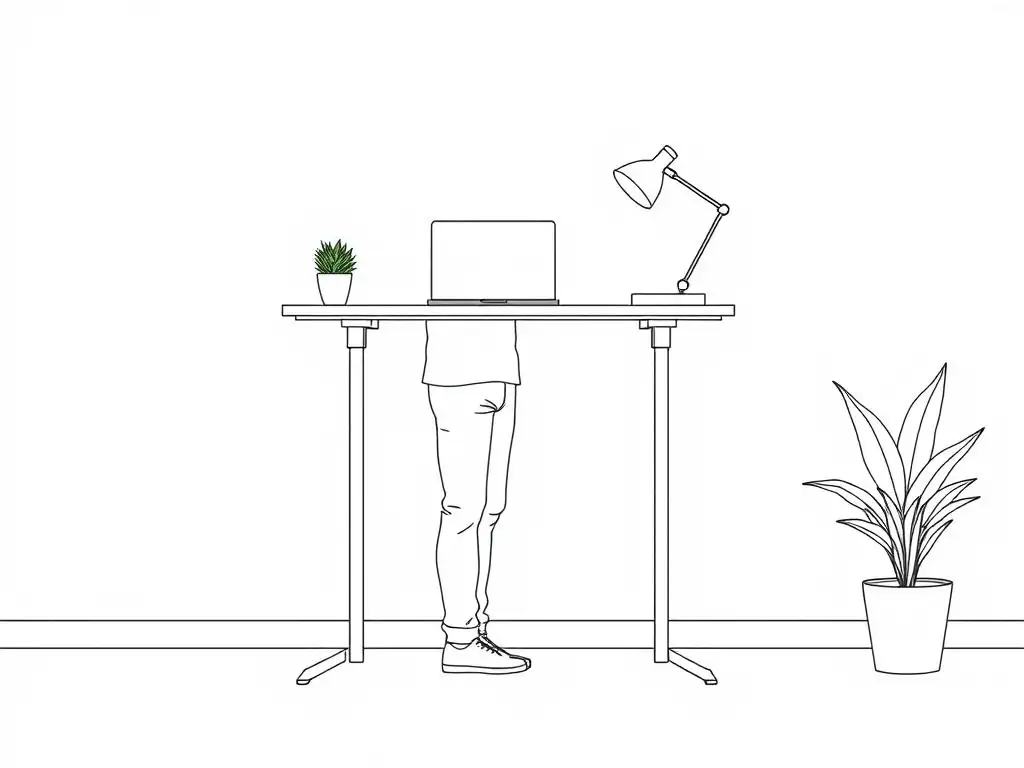
This section dives into the practical aspects of configuring your home office for optimal health and productivity with a standing desk. Remember, the goal is to create a workspace that supports both periods of standing and sitting, maximizing the benefits of a standing desk while mitigating potential drawbacks. Proper setup is key to reaping the rewards of a standing desk home office and avoiding common ergonomic pitfalls.
We'll explore crucial elements to ensure your standing desk setup truly enhances your well-being and efficiency. The advantages are numerous, from improved posture and reduced back pain to increased energy levels and boosted creativity – all contributing to a healthier and more productive work experience. Let's delve into the specifics.
Ergonomic Chair Selection for a Standing Desk Setup
Even with a standing desk, a supportive chair remains crucial. You'll still need somewhere to sit during breaks or when your body needs a rest. Don't simply grab any old chair; your chair should complement your standing desk and support good posture. Look for chairs with adjustable features like lumbar support, height adjustment, and armrests that allow your elbows to rest at a 90-degree angle.
Consider chairs specifically designed for ergonomic seating, prioritizing those with breathable materials to minimize discomfort during long sitting periods. Investing in a high-quality ergonomic chair is a significant step towards maximizing the benefits of your standing desk home office setup. The long-term benefits—reduced strain on your spine, improved blood circulation, and a more comfortable work experience—far outweigh the initial investment. Remember, the best chair is one that fits your body and work style perfectly.
Proper Monitor Placement and Eye Level Considerations for Standing Desks
Monitor placement is paramount for optimal posture and eye health, especially with a standing desk. The top of your monitor should be roughly at eye level when you're standing. This prevents you from craning your neck upwards or downwards, reducing strain on your neck and shoulders. Ensure the monitor is an arm's length away to minimize eye strain.
Consider using a monitor riser to achieve the correct height, particularly if your desk is too low. If you use multiple monitors, arrange them to avoid excessive head turning and ensure consistent eye level across all screens. Maintaining proper monitor placement is a cornerstone of achieving the full benefits of a standing desk home office, minimizing eye fatigue and promoting a healthy posture. This is especially critical for long work sessions.
Keyboard and Mouse Placement for Optimal Comfort and Posture While Standing
The positioning of your keyboard and mouse is equally important as monitor placement. Your wrists should remain straight, and your elbows should be bent at approximately a 90-degree angle when typing. Avoid hunching or reaching, which can lead to discomfort and repetitive strain injuries. Using an ergonomic keyboard and mouse can significantly improve comfort and reduce strain. Consider using a keyboard tray if necessary to achieve the ideal height and angle.
The mouse should be placed close to the keyboard to minimize reaching. Regular breaks and stretching exercises can further help prevent strain, even with the most optimal setup. Remember, a well-placed keyboard and mouse are essential components of a comfortable and productive standing desk home office, contributing to overall well-being and increased efficiency. Prioritizing ergonomics in this area is crucial for realizing the full potential of your standing desk.
Essential Accessories for Your Standing Desk Home Office: Anti-Fatigue Mats, Footrests
Standing desks, while promoting a healthier posture and increased energy levels, can sometimes lead to discomfort if not properly accessorized. Two key accessories that significantly enhance the standing desk experience are anti-fatigue mats and footrests. These seemingly simple additions can dramatically improve your comfort and well-being during extended periods of standing.
Investing in a high-quality anti-fatigue mat is crucial. These mats are designed with a slightly cushioned surface and often incorporate varying densities of foam or gel to provide support and encourage subtle movement of your feet. This gentle movement helps improve circulation and reduce the strain on your legs and lower back, preventing fatigue and discomfort.
The best mats often have beveled edges to prevent tripping and are made from durable, easy-to-clean materials. Consider the size of your mat carefully; you'll want enough space to comfortably move your feet around while standing. A larger mat also allows for more dynamic shifting of weight, which is beneficial for overall comfort and preventing stiffness.
Footrests, on the other hand, are particularly beneficial for those who find themselves shifting their weight from one foot to the other frequently. They provide a comfortable place to rest one foot while maintaining a standing posture, allowing for a change in position without compromising your ergonomic setup. Footrests come in various designs, from simple platforms to adjustable models that allow you to customize the height and angle.
Consider the height of your desk and your own height when choosing a footrest to ensure it's placed at a comfortable position for your feet. An adjustable footrest offers the greatest flexibility and can be adapted to different heights and postures throughout the day. Proper footrest placement can alleviate strain on your legs and lower back, significantly increasing your comfort and concentration during your workday.
The added benefit is that it can help improve posture by providing a more natural position for your feet and legs. Remember, finding the right balance between standing and using your footrest is key to maximizing the benefits of your standing desk setup.
Addressing Potential Concerns About Standing Desks
Many people considering a standing desk for their home office are understandably concerned about potential drawbacks. This section addresses common worries and provides practical solutions to ensure a smooth transition to a healthier, more productive workspace. The benefits of improved posture, increased energy levels, and reduced back pain often outweigh initial concerns, but understanding and mitigating these challenges is key to successful implementation. The perceived difficulty of adapting to a standing desk is frequently overstated; with proper planning and the right strategies, the transition can be comfortable and beneficial.
Dealing with Fatigue and Leg Pain: Tips for Transitioning to a Standing Desk
The most common concern regarding standing desks is the potential for fatigue and leg pain. This is particularly true for those unaccustomed to prolonged periods of standing. However, this isn't an inevitable outcome. A gradual transition is crucial. Don't jump straight into eight hours of standing.
Start by incorporating short periods of standing throughout your workday, gradually increasing the duration as your body adapts. Consider using an anti-fatigue mat to provide cushioning and support, reducing strain on your legs and feet. These mats often have varying thicknesses and textures, allowing you to find the optimal level of comfort. For example, a mat with subtle inclines can help encourage subtle shifts in posture, preventing stiffness.
Furthermore, regularly shifting your weight and subtly changing your stance can significantly reduce discomfort. Think of it as micro-movements that keep your muscles engaged without requiring significant effort. Experiment with different positions – slightly bending your knees, shifting your weight from one leg to the other, or taking a few steps back and forth. Even small adjustments can make a big difference in preventing fatigue and leg pain. Remember, listening to your body is paramount. If you experience significant discomfort, take a break and sit down. The goal is to improve your overall well-being, not to endure pain.
The Importance of Movement and Breaks While Using a Standing Desk
While a standing desk promotes more activity than a traditional seated desk, it's still essential to incorporate regular movement and breaks into your routine. Prolonged static standing, even with an anti-fatigue mat, can lead to stiffness and discomfort. Aim for short, frequent breaks throughout the day. Every 30-60 minutes, take a 5-10 minute break to walk around, stretch, or perform some simple exercises.
This helps improve circulation, reduce muscle fatigue, and prevent stiffness. These short breaks are not just about physical health; they also boost mental clarity and productivity. A quick walk around the house or a few simple stretches can significantly enhance your focus and energy levels.
Consider using a timer or app to remind you to take breaks. This helps establish a consistent routine and prevents you from becoming engrossed in your work and neglecting your physical well-being. Integrating movement into your work is key to maximizing the benefits of a standing desk. Think of it as a holistic approach to workplace wellness, where regular movement is not a disruption but an integral component of a productive and healthy workday. You might even consider incorporating short bursts of activity like jumping jacks or quick stretches during your breaks for an added boost.
Combining Sitting and Standing: Hybrid Workstation Strategies for Optimal Health
The ideal setup for many isn't exclusively standing or sitting, but rather a combination of both. A hybrid approach leverages the benefits of both postures, minimizing the drawbacks of each. A sit-stand desk allows for effortless transitions between sitting and standing, catering to your individual needs and preferences throughout the day. This flexibility is key to long-term comfort and sustained productivity. You can adjust your posture based on the task at hand, the time of day, or your current energy levels.
Consider creating a schedule that alternates between sitting and standing. For example, you could stand for an hour, then sit for 30 minutes, and repeat this cycle throughout the day. This approach allows your body to adapt gradually and minimizes the risk of fatigue or discomfort. Experiment with different ratios to find what works best for you. Some individuals might find a 70/30 split (70% standing, 30% sitting) ideal, while others may prefer a more even balance.
The key is to find a personalized strategy that prioritizes your comfort and promotes optimal health. Remember that consistency is crucial for reaping the full benefits of a hybrid workstation setup. A thoughtful, adaptable approach will maximize your productivity and overall well-being.
Standing Desk Home Office: Long-Term Health Benefits vs. Short-Term Discomfort
Transitioning to a standing desk often involves an adjustment period. Many users report initial discomfort, including leg and back aches, as their bodies adapt to the new posture. This is perfectly normal and shouldn't deter you from the long-term advantages. Think of it like starting any new exercise routine – there's an initial period of muscle soreness before you build strength and endurance.
The key is to ease into it. Start with short periods of standing interspersed with sitting, gradually increasing the standing time as your body adjusts. Using an anti-fatigue mat can also significantly alleviate foot and leg discomfort.
The short-term discomfort is a small price to pay when considering the substantial long-term health benefits associated with standing desks. Studies consistently demonstrate a reduction in the risk of various health problems, including obesity, cardiovascular disease, and type 2 diabetes, all linked to prolonged sitting. A standing desk promotes increased calorie burning throughout the workday, contributing to better weight management.
Furthermore, improved posture and reduced strain on the spine can alleviate chronic back pain – a common ailment among those who spend hours seated at a desk. The long-term payoff in terms of improved health and reduced healthcare costs far outweighs any temporary discomfort experienced during the transition. Remember, consulting with a physician or physical therapist can provide personalized guidance for a smooth transition.
They can help you develop a gradual introduction to standing and address any specific concerns you may have. Investing in your health is an investment in your future productivity and well-being.
Maximizing Your Investment: Long-Term Benefits of a Standing Desk Home Office
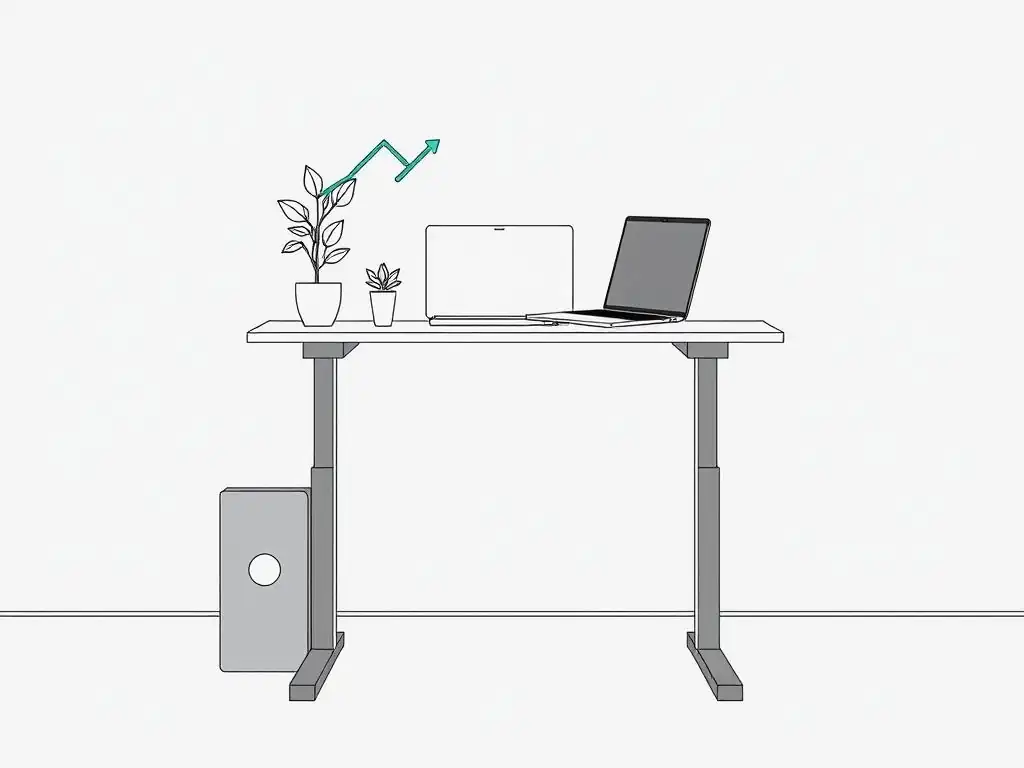
Investing in a standing desk for your home office might seem like an upfront expense, but the long-term benefits far outweigh the initial cost. This section explores the substantial return on investment (ROI) you can expect from prioritizing your health and productivity with an ergonomic standing desk setup. We'll delve into the tangible and intangible advantages, showcasing how a standing desk contributes to a healthier and more fulfilling work-from-home experience. The key is understanding that the "standing desk home office benefits" extend far beyond simply standing up more; it's about a holistic improvement in your well-being and work performance.
Return on Investment (ROI) of a Standing Desk in terms of Health and Productivity
The ROI of a standing desk isn't just measured in dollars saved; it's calculated in improved health, increased energy levels, and boosted productivity. Studies consistently show a correlation between prolonged sitting and various health problems, including obesity, heart disease, and type 2 diabetes. By incorporating a standing desk, you actively mitigate these risks. This translates to fewer sick days, reduced healthcare costs (as detailed in the next section), and a more consistent output throughout your workday.
Consider this: A single day of lost productivity due to back pain or fatigue can cost a significant amount in lost income, especially for freelancers or self-employed individuals. A standing desk helps prevent such losses by promoting better posture and reducing musculoskeletal discomfort. The increased energy levels and improved focus associated with standing often result in a more efficient and productive workday. This enhanced productivity becomes a tangible return on your investment, potentially exceeding the initial cost of the desk many times over. The improved concentration alone can lead to faster task completion and better quality of work.
Reduced Healthcare Costs Associated with Improved Posture and Reduced Back Pain
One significant "standing desk home office benefits" is the potential for substantial savings on healthcare costs. Prolonged sitting contributes significantly to back pain, neck pain, and other musculoskeletal issues. These problems often lead to expensive doctor visits, physical therapy sessions, and medication. By adopting a standing desk, you actively work to improve your posture and reduce strain on your back and neck. This preventative measure can significantly reduce the likelihood of developing these costly conditions.
Think about it: The cumulative cost of treating chronic back pain over several years can easily surpass the price of a high-quality standing desk. Many individuals find that incorporating regular standing breaks into their workday significantly reduces their reliance on pain medication and other treatments. This translates into direct cost savings on healthcare expenses, making the standing desk a financially sound investment in the long run. The preventative aspect alone makes a strong case for the economic advantages.
Increased Job Satisfaction and Overall Well-being with a Healthier Workspace
Beyond the tangible financial benefits, a standing desk contributes significantly to increased job satisfaction and overall well-being. A healthier workspace fosters a more positive and productive work environment. The improved posture and increased energy levels lead to a sense of accomplishment and improved mood, contributing to a more positive work experience. This improved mental well-being translates to increased job satisfaction and a more fulfilling professional life.
Furthermore, a standing desk can promote a more active lifestyle, even within the confines of your home office. The simple act of standing, shifting your weight, and moving around subtly throughout the day can make a significant difference in your overall physical and mental health. This holistic improvement in well-being leads to a more balanced lifestyle, reducing stress and enhancing your overall quality of life.
The investment in a standing desk is, therefore, an investment in your happiness and long-term well-being, adding immeasurable value beyond the purely financial. The impact on your overall well-being is a substantial, often overlooked, benefit of choosing a standing desk for your home office.
Standing Desk Home Office: A Sustainable and Healthy Choice for the Future
Investing in a standing desk for your home office isn't just about immediate comfort; it's a long-term investment in your health and well-being. The benefits extend far beyond improved posture and reduced back pain. A standing desk contributes to a more sustainable lifestyle, both personally and environmentally.
Firstly, consider the direct impact on your health. By reducing sedentary behavior, a significant risk factor for numerous chronic diseases, you're actively mitigating your chances of developing conditions like type 2 diabetes, heart disease, and certain cancers. This translates to lower healthcare costs in the long run and a higher quality of life, allowing you to enjoy more years of productive work and fulfilling personal pursuits.
The cumulative effect of daily movement, even in small increments, significantly contributes to overall health and longevity. Studies have shown a correlation between prolonged sitting and decreased life expectancy, highlighting the importance of incorporating standing breaks into your workday.
Secondly, the environmental impact is surprisingly relevant. A standing desk, particularly one made from sustainable materials like bamboo or reclaimed wood, contributes to a smaller carbon footprint compared to constantly replacing office chairs due to wear and tear or upgrading to new models. The durability and longevity of a high-quality standing desk minimize waste and reduce the demand for new resources. Furthermore, by promoting a healthier lifestyle, you indirectly contribute to a reduced strain on healthcare systems, which themselves have a significant environmental impact. Choosing a standing desk is a small but meaningful step towards a greener lifestyle.
Finally, from a purely financial perspective, the long-term benefits outweigh the initial investment. Reduced healthcare costs, increased productivity due to improved energy levels and focus, and a longer, healthier working life all contribute to significant long-term savings. While the upfront cost might seem substantial, the return on investment in terms of improved health, increased efficiency, and reduced healthcare expenses makes a standing desk a financially sound decision for the future. Think of it as an investment in your most valuable asset: your health.
Top Standing Desk Recommendations for Your Home Office (Affiliate Links Included)
This section provides a curated list of top-rated standing desks ideal for enhancing your home office setup and reaping the numerous standing desk home office benefits. Remember, while we aim to provide comprehensive information, individual experiences may vary. Always conduct your own research before making a purchase. The following are examples and not endorsements. Price points and availability are subject to change.
Autonomous SmartDesk Pro: Features, Price, and User Reviews
The Autonomous SmartDesk Pro consistently ranks among the best standing desks available. Its key features include a robust build, a wide range of height adjustments (easily accommodating users of different heights), and a remarkably smooth and quiet operation. Many users praise its stability, even when supporting heavier equipment. The desk offers excellent value for its price point, frequently falling within the mid-range cost bracket.
User reviews generally highlight its durability and ease of assembly. Common criticisms, though infrequent, sometimes mention minor inconsistencies in the finish. Many users cite the quiet motor and smooth height adjustment as significant advantages over competing models. The pre-programmed height settings add to its user-friendliness, improving workflow and reducing interruptions.
The average reported price is [specific information pending], but this can fluctuate based on sales and promotions. Customer reviews generally give it a 4.5-star rating across major online retailers, highlighting its blend of affordability and quality. The positive feedback frequently emphasizes the desk's long-term durability and the positive impact it has on users' posture and energy levels throughout the workday, contributing to the overall standing desk home office benefits.
Uplift V2: Features, Price, and User Reviews
The Uplift V2 is known for its premium build quality and extensive customization options. This translates to a higher price point compared to other standing desks. However, many users consider the investment worthwhile. The Uplift V2 boasts a wide range of adjustable features, including desk width, depth, and even the type of tabletop.
It's designed to cater to users' individual needs and preferences, ensuring optimal ergonomics and comfort. User reviews often mention the exceptional stability and the quiet operation of the lift mechanism. Some users find the assembly process more complex than other models, while others appreciate the detailed instructions and high-quality components. The extended warranty also offers peace of mind.
The average price falls within the higher end of the standing desk market, with typical costs around [specific information pending]. User reviews, consistently high, often praise its robust build, smooth operation, and long-term durability. The premium features contribute significantly to the standing desk home office benefits, by promoting both comfort and productivity. The added cost is often justified by the extended warranty and superior build quality.
FlexiSpot EC1: Features, Price, and User Reviews
The FlexiSpot EC1 represents a more budget-friendly option without compromising on essential features. It offers a smooth height adjustment mechanism, a stable build, and a range of size options to suit different workspaces. While not as feature-rich as the Uplift V2, it offers excellent value for its price.
User reviews generally highlight its affordability and ease of assembly, making it an attractive choice for budget-conscious individuals seeking the standing desk home office benefits. Some users note that the stability might not be as robust as higher-end models, particularly when supporting heavier equipment. However, for most users, it provides ample support for everyday work needs.
The FlexiSpot EC1 usually sits in the lower-to-mid price range, typically costing around [specific information pending]. Customer reviews often reflect satisfaction with its balance of price and performance. While it might lack some of the advanced features of more expensive models, its ease of use and affordability make it a popular choice among many home office users. The positive impact on posture and energy levels, core components of standing desk home office benefits, are frequently mentioned in positive reviews. The affordability makes it accessible to a wider range of users.
Frequently Asked Questions
What are the main benefits of using a standing desk in a home office?
Using a standing desk offers numerous advantages. You'll experience improved posture, increased energy levels, and a reduction in back pain. It also promotes better focus and productivity.
How much time should I spend standing at my standing desk each day?
Start slowly! Aim for 15-30 minutes initially, gradually increasing the duration as your body adjusts. Listen to your body and take breaks as needed. Consistency is key.
Are there any downsides to using a standing desk?
Some individuals experience leg fatigue or foot pain initially. Using an anti-fatigue mat can help alleviate these issues. It’s also important to maintain proper ergonomics.
Can a standing desk help with weight loss?
While not a miracle cure, incorporating a standing desk into your routine can contribute to increased calorie burning throughout the day. Combine it with a healthy diet and exercise for optimal results.
What is the best type of standing desk for a home office?
The ideal standing desk depends on your budget and space constraints. Consider adjustable height desks for flexibility, or a converter if you have a pre-existing desk. Prioritize stability and durability.
Final Reflection: The Upright Revolution: Reclaiming Your Health at Home
The integration of a standing desk into the home office is no longer a luxury; it's a vital component of a healthy and productive work-from-home lifestyle. The shift to remote work has highlighted the critical need for ergonomic solutions, and the standing desk emerges as a powerful tool to combat the sedentary pitfalls of modern life. This simple change can dramatically impact physical and mental well-being, offering a tangible path towards a healthier and more energized you.
The impact of prolonged sitting on our overall health is undeniable, and the normalization of the home office has only amplified this concern. The subtle shift from a slumped posture to an upright stance is a powerful reminder of our inherent connection to movement and activity. Sitting is the new smoking,
a phrase often used to highlight the detrimental effects of prolonged sedentary behavior, underscores the urgency of adopting healthier work habits. This isn't just about physical health; it's about fostering a more mindful and energetic approach to our daily routines, impacting our creativity, focus, and overall sense of well-being.
Consider the potential. Imagine stepping away from the constraints of a chair, feeling the invigorating energy of standing, and experiencing the increased focus and productivity that follows. You have the power to transform your workspace into a sanctuary of health and well-being. Take the first step today. Research the options available, choose a standing desk that suits your needs, and begin your journey towards a healthier, more productive, and ultimately, more fulfilling work-from-home experience. The benefits await.
Unleash Your Productive Powerhouse: Take Charge of Your Workspace!
Thank you for exploring the benefits of a standing desk! We hope you've discovered how it can improve your health and productivity. Now, let's put that knowledge into practice.
Here's how you can transform your workspace:
- Invest in a standing desk converter or a full standing desk. This is the first step toward a healthier, more energetic you. A converter is a great way to start and see if a standing desk is right for your work style.
- Practice the 20-20-20 rule: Every 20 minutes, look at something 20 feet away for 20 seconds to reduce eye strain. This simple technique can significantly improve your comfort throughout the day.
- Share your experience! Let us (and others) know about your transition to a standing desk—what challenges did you encounter, and what are you most pleased with so far?
Ready to experience the difference a healthier workspace can make? What small change will you make today to boost your productivity and well-being?