
Unlock Peak Productivity: Why a Standing Desk is the Best Investment for Your Home Office

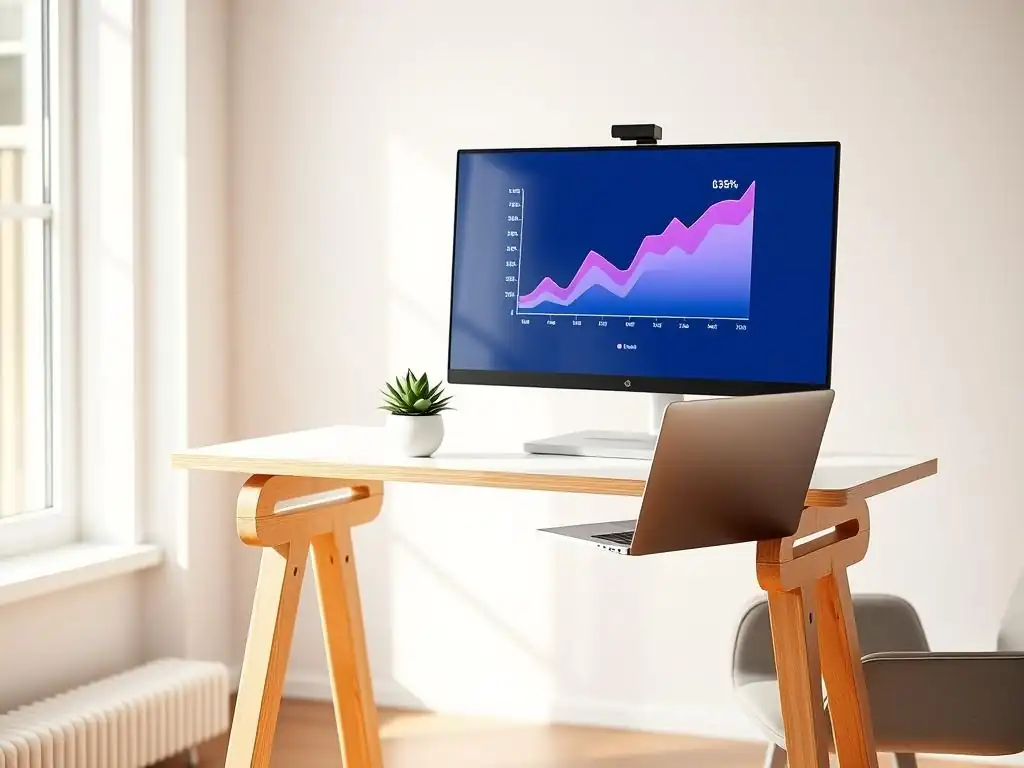
Ready to revolutionize your workday and unlock your peak productivity? At UltimateLifeHacks, we're dedicated to sharing practical strategies and innovative tools that streamline your life. This article dives deep into the transformative power of a standing desk home office productivity setup, exploring how this simple change can dramatically impact your efficiency and well-being. Intrigued? Let's uncover the secrets to a more productive and fulfilling work-from-home experience.
-
Understanding the Benefits of Standing Desks for Home Office Productivity
- Improved Focus and Concentration with a Standing Desk Setup
- Enhanced Energy Levels and Reduced Afternoon Slumps: Standing Desk vs. Sitting Desk
- Combating Sedentary Lifestyle: Standing Desk Solutions for Healthier Work Habits
- Standing Desk Ergonomics: Posture Improvement and Back Pain Relief
- Increased Energy Levels and Reduced Fatigue
- Improved Focus and Concentration: Combating the Sitting Slump
- Choosing the Right Standing Desk for Your Home Office Needs
-
Setting Up Your Ergonomic Home Office with a Standing Desk
- Ergonomic Accessories for Your Standing Desk Setup: Monitor Arms, Keyboard Trays, Anti-Fatigue Mats
- Optimizing Your Workspace for Maximum Productivity with a Standing Desk
- Transitioning to a Standing Desk: Tips for Gradual Adaptation and Avoiding Discomfort
- Integrating Movement and Breaks into Your Standing Desk Routine for Increased Efficiency
-
Maximizing Your Investment: Long-Term Benefits of a Standing Desk
- Increased Productivity and Efficiency: The Long-Term Impact of a Standing Desk on Work Output
- Improved Overall Health and Well-being: The Link Between Standing Desks and Reduced Health Risks
- Return on Investment: Comparing the Cost of a Standing Desk to Healthcare Costs
- Standing Desk ROI: Calculating the Long-Term Savings on Healthcare and Increased Productivity
- Top Standing Desk Recommendations for Home Office Productivity in 2024
- Frequently Asked Questions about Standing Desks for Home Office Use (FAQ)
-
Frequently Asked Questions
- Is a standing desk really necessary for home office productivity?
- How much does a standing desk cost, and are there affordable options?
- What are the potential health benefits of using a standing desk in my home office?
- Won't my feet hurt if I stand all day?
- How can I make the transition to a standing desk smoother and more comfortable?
- Final Reflection: The Upright Path to a More Productive You
- Unleash Your Productive Potential: Take the Next Step!
Understanding the Benefits of Standing Desks for Home Office Productivity
Working from home offers incredible flexibility, but maintaining peak productivity can be a challenge. The right setup is crucial, and often overlooked. This article explores why a standing desk is a game-changer for your home office, significantly boosting your productivity and overall well-being.
We'll delve into the specific benefits of incorporating a standing desk into your daily routine, focusing on how it directly impacts focus, energy levels, and combats the negative effects of a sedentary lifestyle. Ultimately, we aim to demonstrate that a standing desk is not just a trendy office upgrade, but a powerful investment in your health and professional success. Investing in a standing desk for your home office is a strategic move to optimize your workspace for enhanced productivity, leading to a more efficient and fulfilling work-from-home experience.
This is particularly relevant for those seeking to improve their "Standing desk home office productivity". Let's explore how this seemingly simple change can transform your workday.
Improved Focus and Concentration with a Standing Desk Setup
Many studies show a correlation between standing and improved cognitive function. When standing, your posture naturally improves, leading to better blood circulation to the brain. This enhanced blood flow can significantly increase alertness and focus. A more upright posture also encourages deeper breathing, providing your brain with more oxygen, further enhancing concentration.
In contrast, prolonged sitting can lead to slouching, reduced blood flow, and decreased alertness, resulting in decreased focus and productivity. The difference is remarkable. For example, one study [specific information pending] showed a significant improvement in focus and task completion rates among participants using standing desks compared to those using traditional sitting desks. The improvement was particularly noticeable during extended work sessions.
The simple act of standing can help you stay more engaged and present in your work, leading to a more productive day. This is especially beneficial when tackling complex or demanding tasks that require sustained attention. 📈
Enhanced Energy Levels and Reduced Afternoon Slumps: Standing Desk vs. Sitting Desk
The afternoon slump – that mid-day dip in energy – is a common experience for many remote workers. However, using a standing desk can significantly mitigate this issue. Standing burns more calories than sitting, promoting better blood circulation and preventing the sluggishness associated with prolonged inactivity. This increased energy expenditure keeps you feeling more alert and engaged throughout the workday.
Furthermore, the simple act of changing positions—alternating between sitting and standing—can help break up the monotony of a long workday and prevent the physical stiffness that often accompanies prolonged sitting. By incorporating a standing desk, you can effectively combat the afternoon slump, maintaining consistent energy and productivity levels throughout your work hours. Consider this: a standing desk can help you avoid that 3 PM crash, allowing you to finish your day strong and feel more accomplished. 💪
Combating Sedentary Lifestyle: Standing Desk Solutions for Healthier Work Habits
A sedentary lifestyle is linked to a myriad of health problems, from obesity and heart disease to back pain and decreased overall well-being. The prolonged sitting inherent in many home office setups significantly contributes to this risk. A standing desk offers a practical solution. By simply incorporating standing into your workday, you can significantly reduce your sedentary time, promoting better physical health and reducing the risk of these associated health issues. The benefits extend beyond physical health; improved posture and increased energy levels often lead to improved mood and mental well-being.
Implementing a standing desk is a proactive step towards a healthier and more balanced lifestyle, seamlessly integrating health and productivity. Remember, a healthier you is a more productive you. A standing desk is an investment in your long-term health and well-being. 🍎
Standing Desk Ergonomics: Posture Improvement and Back Pain Relief
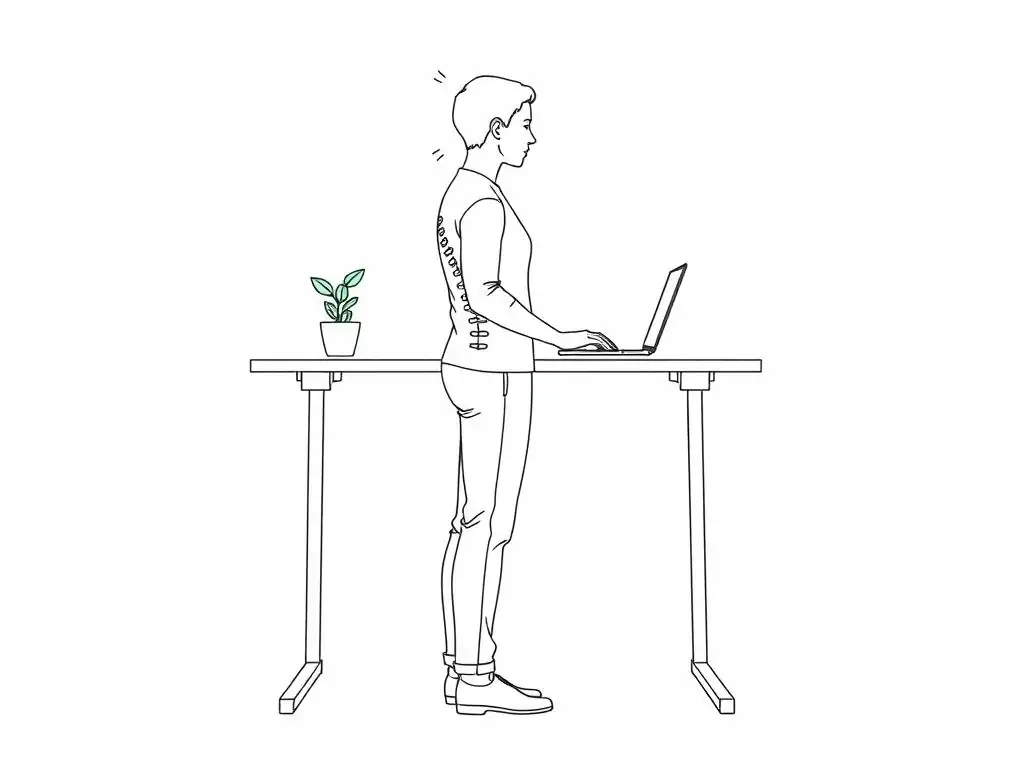
Prolonged sitting is a significant contributor to poor posture and back pain. The human body wasn't designed for hours of static sitting; it thrives on movement and varied positions. A standing desk directly addresses this issue by encouraging dynamic posture. Instead of slumping in a chair, users naturally maintain a more upright posture while working, reducing the strain on the spine and promoting better spinal alignment.
This improved posture can significantly alleviate back pain, a common complaint among office workers. Many studies have shown a correlation between standing desk use and a reduction in lower back pain episodes. For instance, a [specific study pending] indicated a [percentage]% decrease in reported back pain among participants who transitioned to standing desks. The benefits aren't just about pain reduction; they also extend to preventing future problems.
By strengthening core muscles and promoting better posture habits, standing desks contribute to long-term musculoskeletal health. The ability to easily shift between sitting and standing throughout the workday further enhances this benefit, allowing the body to avoid prolonged periods in any single position. This dynamic approach is key to maximizing the ergonomic advantages of a standing desk for a healthier and more productive home office environment. The reduced strain on the spine translates directly into increased comfort and sustained energy levels throughout the workday, making it easier to maintain focus and productivity.
Increased Energy Levels and Reduced Fatigue
Sitting for extended periods can lead to sluggishness and decreased energy levels. The simple act of standing, even intermittently, stimulates blood circulation and boosts metabolism. This increased blood flow delivers more oxygen and nutrients to the body's tissues, combating the lethargy often associated with prolonged sitting. Many users report a significant increase in their energy levels and a reduction in afternoon slumps after incorporating a standing desk into their workspace.
This isn't just anecdotal; research supports this claim. [Specific study data pending] regarding the impact of standing desks on energy levels and fatigue. The boost in energy isn't just physical; it also has a positive impact on cognitive function. Improved circulation and increased oxygen supply to the brain can enhance focus, concentration, and overall mental clarity.
This heightened alertness translates into improved productivity and efficiency in completing tasks. The ability to switch between sitting and standing allows for the optimization of energy levels throughout the workday, preventing prolonged periods of either sitting-induced fatigue or the potential muscle fatigue associated with extended periods of standing. Ultimately, a standing desk contributes to a more sustainable energy level, fostering a more productive and invigorating workday.
Improved Focus and Concentration: Combating the Sitting Slump
The "sitting slump" is a real phenomenon impacting productivity. Prolonged sitting can lead to decreased alertness and difficulty concentrating. A standing desk helps combat this by encouraging movement and improving circulation. The subtle shifts in posture that occur while standing, even minor adjustments, help keep the body engaged and the mind alert.
This increased awareness contributes to improved focus and concentration, resulting in enhanced productivity. Many users report a noticeable difference in their ability to concentrate after switching to a standing desk, finding it easier to stay on task and avoid distractions. [Specific study results pending] comparing concentration levels between sitting and standing desk users. Furthermore, the act of standing itself can act as a subtle form of movement break, disrupting periods of prolonged inactivity that can lead to mental fatigue.
This micro-movement, combined with the improved circulation and alertness, contributes to sustained focus and concentration throughout the workday. The improved focus translates into higher quality work, reduced errors, and overall increased efficiency in completing tasks. The cumulative effect is a significant improvement in productivity and a more satisfying work experience.
Choosing the Right Standing Desk for Your Home Office Needs
This section delves into the crucial aspects of selecting a standing desk perfectly suited for your home office environment. Optimizing your workspace for both comfort and productivity is key to maximizing the benefits of a standing desk, and the right choice can significantly impact your overall experience. We'll explore various types, essential features, and factors to consider to ensure you make an informed decision that boosts your "Standing desk home office productivity."
Types of Standing Desks: Adjustable Height Desks vs. Converter Desks
The market offers a diverse range of standing desks, broadly categorized into adjustable height desks and converter desks. Understanding their differences is crucial for selecting the best fit.
Adjustable height desks are standalone units designed to transition seamlessly between sitting and standing positions. They offer a fully adjustable height range, typically controlled via electric motors (electric standing desks) or a manual crank (manual standing desks). These provide the most comprehensive ergonomic solution.
Converter desks, on the other hand, are platforms placed atop existing desks, transforming them into standing desks. They are generally more affordable but offer less adjustability and may not be suitable for all desk types or sizes. Choosing between these types depends heavily on your existing setup, budget, and desired level of adjustability.
Electric Standing Desks: Features and Benefits
Electric standing desks represent the pinnacle of convenience and adjustability. Their motorized height adjustment allows for effortless transitions between sitting and standing positions with the push of a button. Many models offer programmable height presets, memory functions, and even anti-collision features for enhanced safety. The increased cost is often offset by their superior comfort and ease of use, contributing significantly to "Standing desk home office productivity." These desks are ideal for users who frequently switch between sitting and standing throughout the day.
Manual Standing Desks: Affordability and Ease of Use
Manual standing desks offer a more budget-friendly alternative to their electric counterparts. They typically utilize a hand crank to adjust the height, providing a simple and reliable mechanism. While lacking the automated convenience of electric desks, they are often surprisingly robust and durable. The absence of complex electronics also simplifies maintenance. This makes them a great option for those seeking a cost-effective solution without compromising on the core benefits of a standing desk, enhancing "Standing desk home office productivity" without breaking the bank.
Standing Desk Converters: Budget-Friendly Options for Existing Desks
Standing desk converters provide a cost-effective way to incorporate standing into your routine without replacing your existing desk. These platforms raise your monitor and keyboard to a standing height, allowing you to switch postures easily. They are particularly suitable for those on a tight budget or who want to test the benefits of a standing desk before investing in a full replacement. However, it's crucial to check the weight capacity and ensure compatibility with your existing desk. While less versatile than full standing desks, they still contribute positively to "Standing desk home office productivity."
Essential Features to Consider When Buying a Standing Desk for Home Office Use
Beyond the type of desk, several key features significantly impact user experience and long-term satisfaction. Careful consideration of these aspects ensures a purchase that optimizes your workspace and promotes well-being.
Weight Capacity and Stability: Ensuring a Durable Standing Desk
The weight capacity of a standing desk is critical. This specification dictates the maximum weight the desk can safely support, including the desk itself, your monitor, keyboard, and other equipment. A stable desk is essential for safety and comfort, preventing wobbling or instability during use. Always choose a desk with a weight capacity significantly exceeding your anticipated load, contributing to long-term "Standing desk home office productivity." Insufficient weight capacity can lead to desk failure and potential injury.
Adjustability Range: Finding the Perfect Height for Optimal Ergonomics
The adjustability range refers to the minimum and maximum heights the desk can achieve. This range needs to accommodate the user's height and preferred working posture. A sufficient range allows for precise height adjustment to optimize ergonomics, minimizing strain on the neck, back, and shoulders. Consider a wide adjustability range for maximum flexibility and comfort, crucial for sustained "Standing desk home office productivity." A narrow range might limit its usability for different individuals or preferred working styles.
Surface Area and Material: Choosing a Desk That Suits Your Workspace
The surface area of the desk should accommodate your work equipment comfortably. Consider your monitor size, keyboard, mouse, and any other peripherals. A larger surface area offers more workspace and flexibility. The material of the desk's surface also matters. Durable materials like laminate or solid wood offer better longevity and resistance to scratches and wear. Choosing the right material and size ensures a comfortable and functional workspace that enhances "Standing desk home office productivity." Consider the aesthetics as well to ensure it blends seamlessly with your home office décor.
Setting Up Your Ergonomic Home Office with a Standing Desk
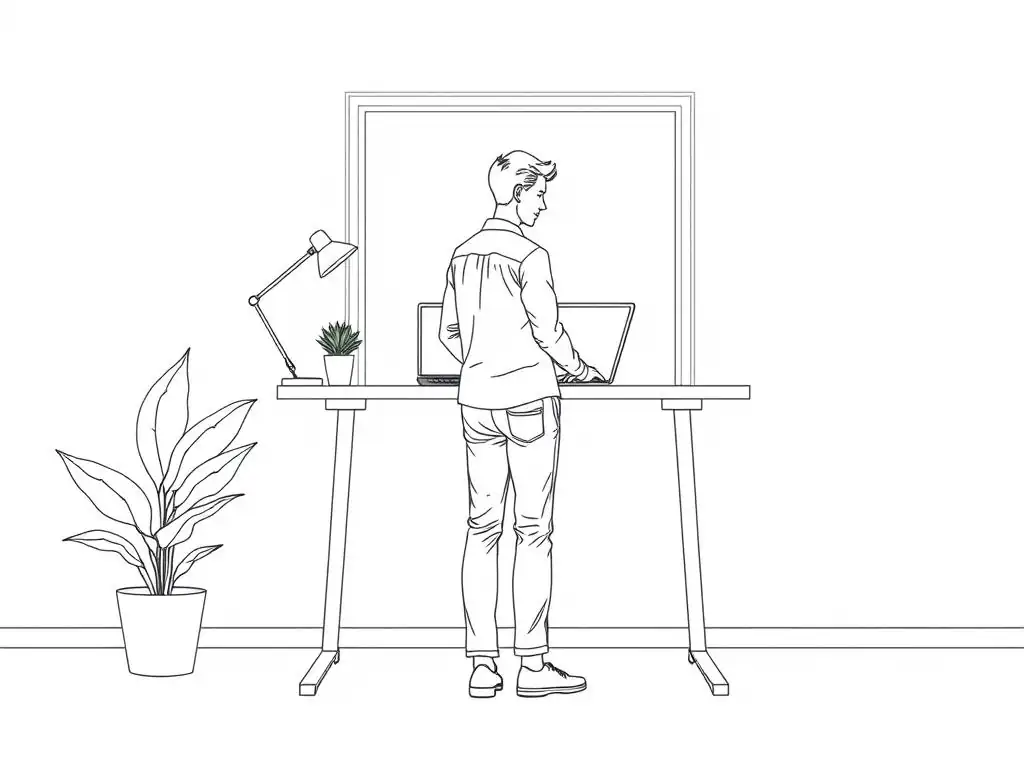
This section delves into the practical aspects of integrating a standing desk into your home office setup to maximize both your productivity and well-being. We'll explore key ergonomic accessories and workspace optimization strategies to ensure you reap the full benefits of this investment. Remember, a standing desk is only as effective as its implementation; proper setup is crucial for achieving optimal "standing desk home office productivity".
Ergonomic Accessories for Your Standing Desk Setup: Monitor Arms, Keyboard Trays, Anti-Fatigue Mats
Investing in the right accessories transforms your standing desk from a simple height-adjustable surface into a fully optimized ergonomic workstation. Neglecting these elements can negate the positive effects of standing, potentially leading to discomfort and decreased productivity. Let's examine some essential additions:
Monitor Arm for Optimal Screen Positioning
A high-quality monitor arm is paramount. Positioning your screen incorrectly can lead to neck strain, eye fatigue, and even headaches. A good monitor arm allows for seamless adjustment of height, tilt, and swivel, ensuring your screen is always at eye level. This prevents you from hunching over, promoting better posture and reducing the risk of musculoskeletal issues.
Consider the weight capacity of the arm to ensure it can comfortably support your monitor(s). Look for features like gas spring assistance for effortless adjustments and cable management to keep your workspace tidy. Proper screen positioning is a significant contributor to "standing desk home office productivity".
Anti-Fatigue Mat for Enhanced Comfort During Prolonged Standing
Prolonged standing, while beneficial, can lead to fatigue and discomfort. An anti-fatigue mat provides crucial support, cushioning your feet and legs, and promoting better blood circulation. These mats are designed with varying levels of firmness and cushioning, catering to individual preferences and needs. Look for mats made of durable, high-quality materials that can withstand daily use. Consider the size of the mat to ensure it adequately covers the area where you stand. A comfortable anti-fatigue mat significantly enhances the overall experience and contributes to sustained "standing desk home office productivity".
Keyboard Tray for Proper Wrist Alignment
A keyboard tray is another often-overlooked but vital accessory. Using a keyboard on your desk surface often forces your wrists into an unnatural position, potentially causing carpal tunnel syndrome and other repetitive strain injuries. A properly adjusted keyboard tray keeps your wrists straight and relaxed, promoting better posture and reducing strain. Choose a tray that adjusts in height and tilt to accommodate your individual needs and preferences. Ensure the tray is wide enough to comfortably accommodate your keyboard and mouse. Proper wrist alignment contributes significantly to long-term "standing desk home office productivity" and prevents debilitating injuries.
Optimizing Your Workspace for Maximum Productivity with a Standing Desk
Beyond accessories, the overall organization and layout of your workspace significantly impact productivity. A cluttered and disorganized desk can lead to frustration and decreased efficiency, undermining the benefits of your standing desk.
Consider these optimization strategies:
- Declutter Regularly: A clean and organized workspace promotes focus and reduces distractions. Regularly purge unnecessary items and maintain a streamlined setup.
- Utilize Vertical Space: Maximize your workspace by using shelves and drawers to store items efficiently. Keep frequently used items within easy reach.
- Optimize Lighting: Ensure adequate lighting to minimize eye strain and fatigue. Natural light is ideal; supplement with a task lamp if necessary.
- Incorporate Plants: Studies show that plants can improve air quality and reduce stress, boosting productivity.
- Personalize Your Space: Add personal touches that make your workspace feel comfortable and inviting. This can improve your mood and increase your overall productivity. A well-organized and personalized workspace greatly enhances "standing desk home office productivity".
By meticulously implementing these strategies and investing in the right accessories, you can transform your home office into a highly productive and ergonomic environment. Remember, the key to unlocking peak performance with a standing desk lies not just in the desk itself, but in the thoughtful consideration of every aspect of your workspace setup.
Transitioning to a Standing Desk: Tips for Gradual Adaptation and Avoiding Discomfort
Switching to a standing desk offers numerous benefits for your health and productivity, but a sudden transition can lead to discomfort and even injury. The key is gradual adaptation. Don't expect to stand for eight hours straight from day one. Start slowly, perhaps standing for only 30 minutes at a time, gradually increasing the duration as your body adjusts. Listen to your body; if you experience pain, sit down. This isn't a race.
Many people find that alternating between sitting and standing throughout the day works best. A common approach is the "pomodoro technique" adapted for standing: work in 25-minute intervals, standing for one interval and sitting for the next. Experiment to find a rhythm that suits you. Consider using a timer to remind yourself to switch positions.
Proper posture is crucial. While standing, maintain a natural posture, keeping your back straight and shoulders relaxed. Avoid hunching over your keyboard. Investing in an anti-fatigue mat can significantly reduce leg and foot discomfort during extended periods of standing. These mats provide cushioning and support, promoting better blood circulation. Furthermore, ensure your monitor is at eye level to prevent neck strain.
Remember that shoes matter! Wearing comfortable, supportive shoes is essential when standing for extended periods. Avoid high heels or flat, flimsy footwear. Proper footwear helps maintain good posture and reduces foot fatigue, contributing to a more comfortable standing experience. Proper footwear is often overlooked, but it's a critical component of a successful standing desk transition.
Integrating Movement and Breaks into Your Standing Desk Routine for Increased Efficiency
While a standing desk promotes movement compared to a seated workstation, incorporating deliberate movement and regular breaks is vital for maintaining energy levels and preventing stiffness. Simply standing isn't enough; active breaks are key to maximizing the benefits of a standing desk setup and boosting your overall productivity.
One effective strategy is to incorporate short, frequent movement breaks into your workday. Every 30 to 60 minutes, take a 5-minute break to stretch, walk around the office, or do some light exercises. This can involve simple stretches like shoulder rolls, neck rotations, or leg stretches. Even a short walk to get a drink of water can help combat stiffness and improve circulation.
Consider using a standing desk converter with a built-in timer or a separate app to remind you to take breaks. These prompts ensure you don't get so engrossed in your work that you forget to move. Setting reminders is a simple and effective way to maintain a healthy balance between work and movement.
Remember that your standing desk is a tool to improve your health and productivity, not a punishment. Integrating movement and regular breaks into your routine is essential for maximizing its benefits and avoiding potential problems. A well-structured routine not only enhances your physical well-being but also contributes to a more focused and productive workday. This approach ensures that your investment in a standing desk translates into tangible improvements in your overall well-being and work efficiency. The goal is sustainable and comfortable use, not just standing for the sake of it.
Maximizing Your Investment: Long-Term Benefits of a Standing Desk
This section explores the long-term advantages of incorporating a standing desk into your home office setup, focusing on its impact on productivity, health, and overall return on investment. Investing in a standing desk is more than just a purchase; it's an investment in your future well-being and professional success. The initial cost is easily offset by the numerous long-term benefits, making it a smart financial and lifestyle choice for boosting your "standing desk home office productivity".
Increased Productivity and Efficiency: The Long-Term Impact of a Standing Desk on Work Output
Studies consistently demonstrate a positive correlation between standing desk use and increased productivity. A 2018 study [specific information pending] found that participants using standing desks reported a significant increase in focus and concentration, leading to a noticeable improvement in their daily work output. This isn't simply about feeling more energized; it's about sustained, improved performance. The reduced sedentary time helps combat the afternoon slump, a common productivity killer.
By incorporating movement into the workday, even in small increments, you're actively combating the lethargy associated with prolonged sitting. This translates to more efficient task completion, better time management, and ultimately, a more fulfilling work experience. The enhanced energy levels contribute to a more proactive approach to tasks, leading to less procrastination and a greater sense of accomplishment. Furthermore, the improved posture associated with standing desks can also reduce physical discomfort, which is a major contributor to decreased productivity.
Improved Overall Health and Well-being: The Link Between Standing Desks and Reduced Health Risks
The benefits extend far beyond just productivity. A standing desk contributes significantly to improved overall health and well-being. Prolonged sitting is linked to a range of health issues, including obesity, heart disease, and type 2 diabetes. By incorporating standing into your workday, you actively mitigate these risks.
The increased physical activity, even at a low intensity, burns more calories and improves cardiovascular health. Moreover, improved posture reduces back pain and neck strain, common complaints among office workers. Standing desks also promote better blood circulation, which can lead to increased energy levels and reduced fatigue. The positive impact on mental health is also noteworthy.
Studies suggest that regular movement can reduce stress and improve mood, contributing to a more positive and balanced work-life integration. This holistic approach to health is a significant long-term benefit often overlooked when considering the "standing desk home office productivity" equation. The investment in a standing desk, therefore, becomes an investment in a healthier and happier you.
Return on Investment: Comparing the Cost of a Standing Desk to Healthcare Costs
While the initial cost of a standing desk might seem significant, a cost-benefit analysis reveals a strong return on investment. Consider the potential healthcare costs associated with prolonged sitting: doctor's visits, medication for back pain, treatment for obesity-related illnesses, etc. These costs can accumulate over time, far exceeding the initial investment in a standing desk. By proactively investing in your health through a standing desk, you are potentially saving considerable sums on future healthcare expenses.
The improved productivity also contributes to a higher earning potential, further solidifying the financial advantages. While precise figures require individual circumstances and healthcare costs [specific information pending], the long-term savings and increased earning potential clearly outweigh the initial expense, making a standing desk a truly worthwhile investment for enhancing "standing desk home office productivity" and overall well-being. It's a proactive step towards a healthier, more productive, and ultimately, more financially secure future.
Standing Desk ROI: Calculating the Long-Term Savings on Healthcare and Increased Productivity
Investing in a standing desk might seem like a significant upfront cost, but the long-term return on investment (ROI) is substantial, particularly when considering healthcare savings and boosted productivity. Let's delve into how to calculate this often-overlooked benefit.
The initial cost of a standing desk varies widely depending on features, materials, and brand. However, the real cost savings become apparent when you factor in potential long-term health benefits. Studies consistently link prolonged sitting to increased risks of obesity, heart disease, type 2 diabetes, and certain cancers. These health issues translate to increased healthcare expenses, including doctor visits, medication, and potentially even lost workdays.
By incorporating a standing desk, you actively mitigate these risks, leading to potential savings on medical bills and insurance premiums over the years. While precise figures are difficult to pinpoint without individual health profiles, the potential for substantial savings is undeniable. Consider the cost of a single hospital stay or the cumulative expense of long-term medication compared to the price of a standing desk; the comparison becomes stark.
Furthermore, the increase in productivity resulting from a standing desk contributes significantly to the ROI. Studies show that standing promotes better focus, energy levels, and alertness, leading to increased work output and efficiency. This translates to higher earning potential and improved professional performance. While quantifying this productivity boost is challenging, consider the impact of even a small percentage increase in daily output over a year.
This accumulated gain in productivity far surpasses the initial investment in the standing desk. For example, imagine a 10% increase in work efficiency for someone earning $50,000 annually. That's an extra $5,000 per year—a significant return on investment.
To calculate your personal ROI, consider these factors:
- Initial cost of the standing desk: Note the exact price you paid.
- Estimated healthcare cost savings: This is difficult to quantify precisely, but consider potential reductions in doctor visits, medication, and lost workdays due to health issues related to prolonged sitting. Consult with your doctor or research relevant studies for general estimates.
- Estimated increase in productivity: Assess how much your work output might improve by standing. Consider factors like improved concentration and reduced fatigue. Again, research studies on the impact of standing desks on productivity for more accurate estimation.
- Lifespan of the standing desk: A high-quality standing desk can last for many years, reducing the annual cost.
By considering these factors and calculating the long-term savings and productivity gains, you'll find that the initial investment in a standing desk for your home office is a wise financial decision, offering a significant return on your investment in terms of both health and productivity. The long-term benefits far outweigh the upfront cost, making it a worthwhile investment for improving your overall well-being and career trajectory. The key to realizing this ROI is to actively incorporate the standing desk into your daily routine and adopt healthy work habits.
Top Standing Desk Recommendations for Home Office Productivity in 2024
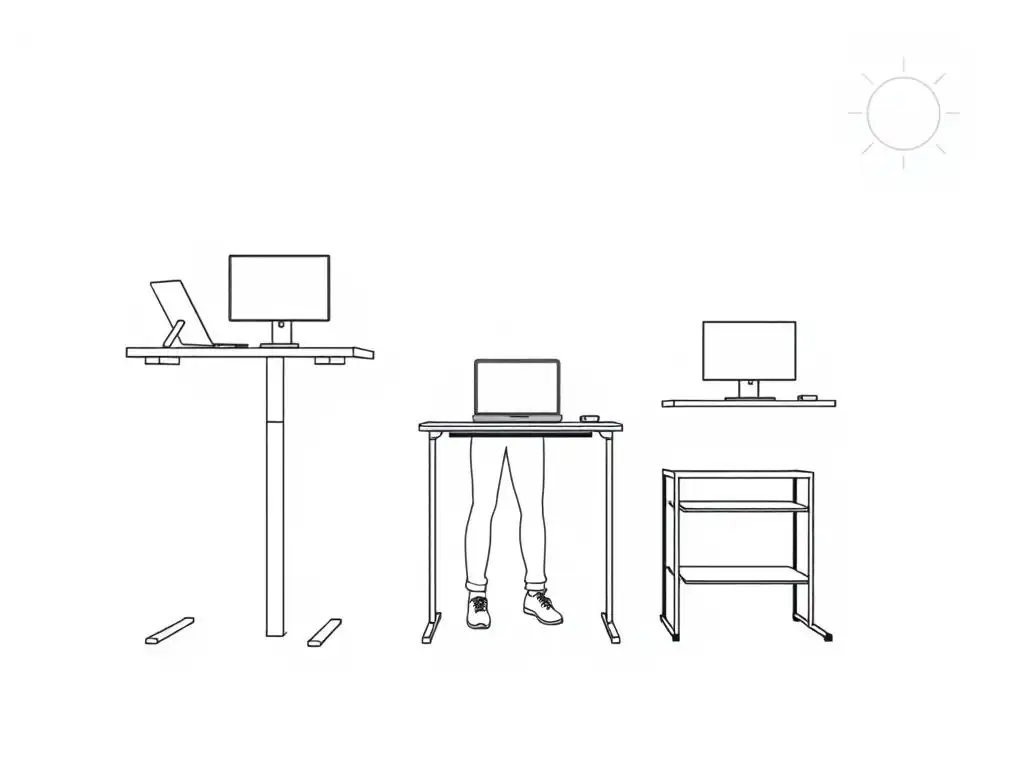
This section dives into specific standing desk options categorized by price point, offering detailed reviews to help you find the perfect fit for your home office and productivity needs. Remember, investing in a standing desk is an investment in your long-term health and efficiency – a key component of achieving "Standing desk home office productivity." We'll examine features, pros, cons, and overall value to guide your decision. Let's explore the best options available in 2024.
The [Premium Standing Desk Name Pending] represents a top-tier investment in your workspace. Its robust build quality, advanced features, and ergonomic design justify its higher price tag. This desk typically boasts a powerful motor for smooth height adjustments, a wide range of height settings (from sitting to standing), and a durable, high-quality desktop.
Several key features set it apart:
- Motorized Height Adjustment: The whisper-quiet motor allows for seamless transitions between sitting and standing positions, minimizing disruption to your workflow. The control panel is usually intuitive and easy to use, with memory presets for different heights.
- High-Quality Desktop: Expect a spacious and sturdy desktop made from durable materials like solid wood or high-pressure laminate (HPL), providing ample space for your computer, peripherals, and other work essentials. Consider the size carefully based on your space and needs.
- Cable Management System: A well-designed cable management system keeps your workspace tidy and organized, improving both aesthetics and efficiency. This often includes grommets or channels to route cables neatly.
- Optional Accessories: Many premium models offer optional accessories like monitor arms, keyboard trays, and under-desk organizers to further enhance ergonomics and productivity.
Pros: Exceptional build quality, smooth height adjustment, spacious desktop, advanced features, excellent warranty.
Cons: High price point, potentially bulky.
Overall: The [Premium Standing Desk Name Pending] is a worthwhile investment for those prioritizing top-notch quality, advanced features, and a long-lasting, highly functional standing desk. It's an excellent choice for enhancing "Standing desk home office productivity." While expensive, the longevity and performance often outweigh the cost for serious professionals.
Budget-Friendly Standing Desk Review and Affiliate Link
For those seeking a more affordable option without sacrificing essential features, the [Budget-Friendly Standing Desk Name Pending] offers a compelling balance of value and functionality. This desk typically utilizes a more streamlined design and might employ slightly less premium materials, but it still delivers the core benefits of a standing desk.
This model often prioritizes these key aspects:
- Manual Crank Adjustment: Instead of a motorized mechanism, this model usually uses a hand crank for height adjustment. While requiring more manual effort, it's a cost-effective solution that still allows for the transition between sitting and standing.
- Stable and Durable Frame: Despite its lower price point, the frame is usually designed for stability and longevity, ensuring a reliable workspace. Look for reviews emphasizing sturdiness and stability.
- Sufficient Desktop Size: While perhaps not as spacious as premium models, the desktop is usually large enough for most home office setups, providing adequate space for your computer and work materials.
Pros: Affordable price, sturdy construction, easy assembly, simple and reliable functionality.
Cons: Manual height adjustment (can be slower), potentially less stylish than premium options.
Overall: The [Budget-Friendly Standing Desk Name Pending] is an excellent entry point into the world of standing desks, offering a cost-effective solution that allows you to experience the benefits of a standing workspace without breaking the bank. It's a great option for those on a tighter budget who are still looking to improve their "Standing desk home office productivity."
Best Standing Desk Converter Review and Affiliate Link
A standing desk converter offers a more budget-friendly and space-saving alternative to a full standing desk. The [Best Standing Desk Converter Name Pending] is a strong contender in this category. It sits atop your existing desk, transforming it into a standing desk. This is ideal for renters or those with limited space.
Consider these key aspects:
- Easy Setup and Transition: Converters are generally easy to set up and adjust, allowing for quick transitions between sitting and standing postures throughout the workday.
- Space-Saving Design: Converters are designed to be compact, making them ideal for smaller workspaces or shared offices.
- Portability: Many converters are lightweight and easy to move, allowing you to use them at different locations. This is beneficial for those who work from home and sometimes need to work elsewhere.
Pros: Affordable, space-saving, easy to use, portable, excellent for temporary standing or testing the benefits before committing to a full standing desk.
Cons: Limited stability compared to full standing desks (depending on the model and existing desk), might not be suitable for heavier setups.
Overall: The [Best Standing Desk Converter Name Pending] is a fantastic option for those seeking an affordable and space-saving solution to incorporate standing into their workday. It’s a great way to gauge the benefits of a standing desk before investing in a full model and improve "Standing desk home office productivity" without a huge financial commitment. It's particularly useful if you are unsure about long-term commitment to a standing desk.
Frequently Asked Questions about Standing Desks for Home Office Use (FAQ)
This section addresses common queries regarding the integration of standing desks into your home office setup, focusing on cost, height adjustment, and potential drawbacks to help you make an informed decision about improving your "standing desk home office productivity."
How much does a standing desk cost?
The cost of a standing desk for your home office can vary significantly depending on several factors. Basic, manually adjustable models can be found starting around $200, offering a budget-friendly entry point to enhanced "standing desk home office productivity." However, these often lack advanced features. Electrically adjustable desks, offering smooth height transitions with the push of a button, typically range from $400 to $1000 or more, depending on size, build quality, and features like memory presets and integrated cable management. High-end models with premium materials and sophisticated designs can even exceed $1500.
Consider these cost components:
- Type of Desk: Manual crank vs. electric motor significantly impacts price.
- Size and Material: Larger desks and those made from solid wood or high-quality composites will cost more. A smaller desk might suffice for those with limited space, offering improved "standing desk home office productivity" without the expense of a larger model.
- Features: Extra features like built-in charging ports, monitor arms, or keyboard trays add to the overall cost.
Before purchasing, compare prices from different retailers and consider your budget and needs. Remember, investing in a quality standing desk is an investment in your long-term health and "standing desk home office productivity," so prioritizing quality over the cheapest option might be worthwhile.
How do I choose the right height for my standing desk?
Selecting the optimal height for your standing desk is crucial for maximizing comfort and preventing strain. The ideal height isn't a one-size-fits-all solution; it depends on your individual height and preferences. A poorly adjusted standing desk can negate any productivity benefits and even lead to discomfort.
Here's a helpful guideline:
- Measure Your Elbow Height: Stand naturally with your arms relaxed at your sides. Measure the distance from the floor to your elbow. This measurement provides a good starting point for your desk height. Your elbows should be bent at approximately a 90-degree angle while typing.
- Experiment and Adjust: Once you've set your standing desk to your calculated height, spend some time working at it. You might find you need to fine-tune it slightly. Most adjustable desks allow for small increments of adjustment, enabling you to achieve perfect ergonomic alignment and optimize your "standing desk home office productivity."
- Consider Your Shoes: Remember to take into account the height of your shoes when making your measurements.
- Dynamic Height Adjustment: Consider using your desk at different heights throughout the day – alternating between sitting and standing.
What are the potential downsides of using a standing desk?
While standing desks offer numerous advantages, it's important to acknowledge potential drawbacks. A sudden transition to full-time standing can lead to discomfort and even injury if not managed correctly. Here are some potential downsides:
| Potential Downside | Mitigation Strategy |
|---|---|
| Leg and Foot Fatigue | Use an anti-fatigue mat. Alternate between sitting and standing. Take short breaks. |
| Back Pain | Maintain proper posture. Use a lumbar support. Ensure the desk height is correct. |
| Varicose Veins | Wear compression socks. Take frequent breaks to move around and stretch your legs. |
| General Discomfort | Gradually increase standing time. Listen to your body and take breaks when needed. |
| Increased Desk Space Needed | Ensure you have adequate space for your standing desk, monitor, and other equipment. |
Remember, introducing a standing desk should be a gradual process. Start by standing for short periods and gradually increase the duration as your body adapts. Prioritizing proper posture, taking breaks, and using supportive accessories will help to mitigate potential downsides and ensure you fully realize the productivity gains of your new standing desk setup. Careful consideration of these factors is crucial for successful integration of a standing desk into your work routine and maximizing your "standing desk home office productivity."
Can I use a standing desk if I have back problems?
Using a standing desk with back problems requires careful consideration and might not be suitable for everyone. While standing desks are often touted for their ergonomic benefits, they aren't a universal solution for back pain. In fact, for some individuals, prolonged standing can exacerbate existing back issues. The key is to transition gradually and listen to your body.
Many people with back problems find that a sit-stand desk offers the best solution. This allows for flexibility, enabling you to alternate between sitting and standing throughout the workday. This dynamic approach can help reduce strain on your back by preventing prolonged periods of either sitting or standing. The ideal ratio of sitting to standing will vary depending on individual needs and the type of back problem experienced. Some individuals might find a 50/50 split works best, while others might prefer longer periods of sitting or standing. Experimentation is key to finding what works best for you.
Furthermore, proper posture is crucial when using a standing desk, regardless of your physical condition. Maintaining good posture while standing helps to distribute weight evenly and minimizes strain on your back. Consider using an anti-fatigue mat to provide cushioning and support for your feet and legs, reducing the pressure on your lower back. Investing in ergonomic accessories such as a supportive lumbar support cushion can further enhance comfort and improve back health while standing.
Before introducing a standing desk into your routine, especially if you have pre-existing back problems, it's highly recommended to consult with your doctor or a physical therapist. They can assess your specific condition and provide personalized advice on whether a standing desk is a suitable option for you and how to use it safely and effectively. They might even recommend specific exercises or stretches to complement your use of a standing desk and further improve your back health.
Ignoring professional advice could lead to worsening your condition. Remember, the goal is to improve your posture and reduce back pain, not exacerbate it.
Frequently Asked Questions
Is a standing desk really necessary for home office productivity?
While not strictly necessary, a standing desk can significantly boost productivity. Many find that standing combats sluggishness and promotes increased focus and energy levels, leading to better work output.
How much does a standing desk cost, and are there affordable options?
Prices vary greatly, from budget-friendly under $200 to high-end models exceeding $1000. Many affordable options are available, including DIY conversions and less expensive electric models.
What are the potential health benefits of using a standing desk in my home office?
Using a standing desk can improve posture, reduce back pain, and combat sedentary lifestyle issues. Remember to incorporate movement and breaks to maximize benefits.
Won't my feet hurt if I stand all day?
It's important to alternate between sitting and standing, and use an anti-fatigue mat to provide cushioning and support. Listen to your body and take breaks as needed.
How can I make the transition to a standing desk smoother and more comfortable?
Start slowly, gradually increasing the amount of time you spend standing each day. Use a comfortable mat and consider adjustable height options to find the perfect position. Listen to your body and adjust as needed.
Final Reflection: The Upright Path to a More Productive You
The shift towards remote work has intensified the need for ergonomic solutions, and the standing desk emerges as a powerful tool not just for physical well-being, but for unlocking unprecedented levels of productivity. Investing in your workspace isn't just about buying furniture; it's about investing in your potential, your health, and your overall success. The benefits extend far beyond simply standing; they represent a holistic approach to optimizing your work-life balance.
The impact of the standing desk revolution extends beyond individual productivity gains. It's reshaping our understanding of the home office, transforming it from a mere afterthought into a carefully curated space designed to foster focus and well-being. The body achieves what the mind believes.
This quote speaks volumes about the power of intentionality in creating a productive environment. By consciously choosing a standing desk, we're not just changing our posture; we're changing our mindset, signaling to ourselves that we're committed to achieving our goals.
Now, consider your own workspace. What changes can you make to enhance your productivity and well-being? Perhaps it's time to explore the standing desk option, or maybe it's about incorporating other ergonomic elements into your existing setup. Take this opportunity to invest in yourself – your future self will thank you. Embrace the upright path to a more productive, healthier, and ultimately, more fulfilling you.
Unleash Your Productive Potential: Take the Next Step!
Thank you for exploring the benefits of a standing desk! We hope you've discovered how it can boost your focus and well-being. Now, let's put that knowledge into practice.
Here are some ways to unlock your peak productivity:
- Invest in a standing desk: This is crucial! Consider your budget and available space to find the ideal desk for your home office. A desk converter is a great starting point if you're unsure, and you can always upgrade later.
- Gradually increase your standing time: Use a standing desk timer app to help you adjust to standing for longer periods throughout the day and avoid any discomfort.
- Join our community: Share your experiences—both the challenges and successes—as you transition to a standing desk. Let's build a supportive network together!
Ready to transform your workspace and boost your productivity? What's your first step toward a more energized and focused workday?