
The OneIn, OneOut Rule: Keep Clutter Under Control

Ready to reclaim your time and sanity? At UltimateLifeHacks, we're dedicated to simplifying your life with practical, effective strategies. Discover how the One in, one out method can revolutionize your approach to household organization and banish clutter for good. Intrigued? Let's dive into the surprisingly simple yet powerful impact of this technique – and unlock a more organized, productive you.
- Understanding the One In, One Out Method for Decluttering
- Implementing the One In, One Out Decluttering Strategy
- Maintaining the One In, One Out System for Long-Term Clutter Control
- Advanced Techniques for Effective Clutter Management with One In, One Out
- The One In, One Out Method: A Holistic Approach to Decluttering Your Home
- Frequently Asked Questions
- Final Reflection: The Enduring Power of Intentional Decluttering
- Unlock Your Space: Conquer Clutter Today!
Understanding the One In, One Out Method for Decluttering
The relentless accumulation of possessions is a common struggle in modern life. From clothes and gadgets to kitchenware and paperwork, our homes can easily become overwhelmed with items we rarely use or even need. This not only creates visual clutter but also contributes to stress, making it harder to relax and enjoy our living spaces.
The "One In, One Out" method offers a simple yet powerful solution to this problem, providing a sustainable approach to decluttering and preventing future accumulation. This article will explore the principles of the One In, One Out rule, its numerous benefits, and help you determine if it's the right decluttering strategy for your lifestyle.
We'll delve into practical applications and address common questions surrounding this effective technique for maintaining a tidy and organized home, all while promoting mindful consumption and a more intentional approach to acquiring new items. Mastering the "One in, one out method" is key to a more streamlined and stress-free existence.
What is the One In, One Out Rule?
The One In, One Out rule is a simple yet effective decluttering strategy based on a fundamental principle: for every new item you bring into your home, one similar item must be removed. This creates a balanced ecosystem of possessions, preventing the constant influx of new items from overwhelming your space. This isn't about discarding everything you own; rather, it's about making conscious decisions about what you bring into your life and what you're willing to let go of. For example, if you buy a new pair of shoes, an old, worn-out pair should be donated or discarded.
The same principle applies to books, clothes, kitchen gadgets, and any other item you acquire. The core idea is to maintain a consistent level of possessions, preventing future clutter build-up. This method promotes mindful consumption, encouraging you to think twice before purchasing new items and appreciate what you already own.
This system is particularly effective because it's proactive, not reactive. Instead of waiting until your home is overflowing with clutter and needing a major clean-up, the One In, One Out method helps you stay ahead of the game. It encourages you to be more intentional with your purchases and to regularly evaluate your possessions, ensuring that everything you own serves a purpose and brings value to your life. The simplicity of this method makes it easy to integrate into your daily routine, leading to long-term success in maintaining a clutter-free home.
Benefits of Implementing the One In, One Out System
Implementing the One In, One Out system offers a multitude of benefits that extend beyond simply maintaining a clean home. These benefits include:
- Reduced Stress and Anxiety: A clutter-free environment contributes significantly to a calmer and more peaceful atmosphere. The visual and mental burden of clutter can lead to stress and anxiety, while a tidy space promotes relaxation and well-being.
- Increased Productivity and Efficiency: Finding what you need is easier in an organized space, saving you valuable time and energy. This increased efficiency can translate to improved productivity in other areas of your life.
- Improved Focus and Concentration: A clean and organized environment can significantly enhance your ability to focus and concentrate, making it easier to complete tasks and achieve your goals.
- Mindful Consumption: This method encourages you to be more mindful of your purchases, leading to more intentional spending and less impulse buying. You'll start to appreciate the items you already own and avoid accumulating unnecessary possessions.
- Sustainable Living: By reducing consumption and promoting the reuse or donation of items, the One In, One Out method aligns with sustainable living practices and reduces waste.
Is the One In, One Out Method Right for You? Assessing Your Lifestyle and Needs
While the One In, One Out method is highly effective for many, it's crucial to assess whether it aligns with your individual lifestyle and needs. Consider the following questions:
- Current Clutter Level: If your home is already significantly cluttered, you might need a more aggressive initial decluttering phase before implementing the One In, One Out system. This could involve a thorough purge of unwanted items before establishing the one-in, one-out balance.
- Shopping Habits: Honest self-reflection on your shopping habits is crucial. Are you a frequent shopper prone to impulse purchases? If so, the One In, One Out method can be a powerful tool to curb this tendency.
- Attachment to Possessions: Do you find it difficult to part with items, even if you no longer use them? Addressing this emotional attachment is important before fully committing to the system, perhaps starting with smaller areas or item categories.
- Family Dynamics: If you live with others, it's essential to discuss and agree on the implementation of the One In, One Out method to ensure everyone is on board and committed to the process. This collaborative approach will ensure the success of the system in a shared living space.
By carefully considering these factors, you can determine if the One In, One Out method is the right decluttering strategy to help you achieve a more organized, peaceful, and productive home environment. Remember, adapting the method to suit your specific needs is key to its long-term success.
Implementing the One In, One Out Decluttering Strategy
This section details the practical application of the "one in, one out" method, a powerful decluttering strategy for maintaining a tidy and organized home. This approach, often referred to as the "one in, one out method," focuses on mindful consumption and prevents future accumulation of unnecessary items. By adhering to this simple rule, you can significantly reduce clutter and prevent future build-ups, ultimately saving you time and stress in the long run. We'll explore how to effectively integrate this principle into your daily life and maximize its impact on your home organization.
Getting Started: Your First Purge and Initial Assessment
Before rigorously applying the one in, one out principle, a thorough initial decluttering is crucial. Think of this as laying the foundation for a clutter-free future. This initial purge helps establish a baseline and sets the stage for long-term success. Start by focusing on one area of your home, such as a single drawer, a shelf, or a small closet. Don't try to tackle the entire house at once! This can be overwhelming and lead to abandoning the effort altogether.
Begin by emptying the chosen space completely. As you remove items, categorize them into three piles:
- Keep: Items you use regularly and find valuable.
- Donate/Sell: Items in good condition that you no longer need or use.
- Discard: Items that are broken, damaged, or beyond repair.
Once categorized, carefully examine the "Keep" pile. Be honest with yourself – are you truly using every item? Often, we hold onto things out of sentimentality or the belief that we might need them someday. This initial assessment is a crucial step in identifying potential candidates for removal in future applications of the one in, one out rule. Remember, the goal is to maintain a space that is both functional and aesthetically pleasing. The feeling of accomplishment after completing this initial purge will motivate you to continue. A clean slate makes the ongoing process much easier.
Identifying Items to Remove Using the One In, One Out Principle
Once your initial purge is complete, you’re ready to implement the core principle: one in, one out. This means that for every new item you bring into your home, a similar item must be removed. This doesn't necessarily mean that the items need to be identical. For instance, if you buy a new pair of shoes, you could remove an old pair that's worn out or no longer fits. The key is to maintain a balance and prevent accumulation.
Consider these examples:
| New Item | Item Removed | Rationale |
|---|---|---|
| New sweater | Old, worn-out sweater | Replacing an item that is no longer usable. |
| New cookbook | Old, rarely-used cookbook | Removing a duplicate or less-used item. |
| New set of towels | Old, stained towels | Replacing items that have deteriorated. |
| New pair of jeans | Old, ill-fitting jeans | Removing an item that no longer serves its purpose. |
This method requires conscious decision-making before purchasing new items. Ask yourself: Do I really need this? Do I already have something similar? This mindful approach helps to curb impulsive buying and prevents the accumulation of clutter. The one in, one out method encourages a more intentional and sustainable lifestyle, reducing waste and freeing up valuable space in your home. This mindful consumption is key to long-term success with this decluttering strategy.
Strategic Donation and Disposal: Maximizing the Impact of Your Purge
The "one in, one out" method is not just about decluttering; it's about responsible consumption and minimizing waste. Once you've identified items to remove, consider the best way to dispose of or donate them. Donating usable items to charities or shelters gives them a second life and supports a worthy cause. This adds a positive dimension to the decluttering process, transforming it from simply removing clutter to actively contributing to the community.
For items that are beyond repair or donation, explore responsible disposal methods. Recycling centers offer a way to dispose of materials sustainably. Remember to check your local regulations regarding waste disposal. Proper disposal not only helps the environment but also ensures your household remains clean and organized.
This final step is crucial to completing the cycle and maintaining the positive effects of the one in, one out method. By thoughtfully managing the disposal of unwanted items, you contribute to a cleaner and more sustainable environment while maximizing the impact of your decluttering efforts. This completes the loop, ensuring a cleaner, more organized, and more sustainable home.
Maintaining the One In, One Out System for Long-Term Clutter Control
The "one in, one out" method, while seemingly simple, requires consistent effort to truly integrate into your lifestyle and prevent future clutter accumulation. Think of it as a proactive, rather than reactive, approach to organization. Simply discarding items isn't enough; you need a strategic plan to maintain the balance. This involves more than just physical decluttering; it's about cultivating a mindful consumption and disposal habit.
Creating a Sustainable Decluttering Habit: Tips and Tricks
Successfully implementing the one in, one out method hinges on developing sustainable decluttering habits. This isn't a sprint; it's a marathon. Here are some tips to help you stay on track:
- Visual Reminders: Place a small sign in visible areas, like your closet or entryway, as a gentle reminder of the rule. A simple sticky note with "One In, One Out" can be surprisingly effective.
- Regular Decluttering Sessions: Schedule short, regular decluttering sessions (e.g., 15 minutes weekly) to prevent clutter from building up. This prevents overwhelming decluttering marathons.
- The "Donation Box" Strategy: Keep a designated box or bag for items you plan to donate. As you identify items to remove, immediately place them in the box. Once the box is full, donate its contents. This streamlines the process and makes it less daunting.
- Mindful Shopping: Before purchasing a new item, ask yourself: "Do I really need this? What will I get rid of to make space for it?". This conscious act of choosing between acquiring and discarding is crucial. Consider the long-term value and not just immediate gratification.
- Digital Decluttering: The one in, one out principle applies to digital spaces too! Unsubscribe from unwanted emails, delete unused apps, and organize your computer files regularly. This often overlooked aspect significantly contributes to a less cluttered life.
Adapting the One In, One Out Rule to Different Areas of Your Home
The one in, one out method isn't a one-size-fits-all solution. Adjusting it to different areas of your home is key to its effectiveness. Consider these adaptations:
| Area of Home | Adaptation | Example |
|---|---|---|
| Closets | One new garment in, one old garment out (donate or discard). | Buy a new shirt, donate an old, worn-out one. |
| Kitchen Cabinets | One new kitchen gadget in, one old, unused gadget out. | Buy a new blender, donate the old, rarely-used food processor. |
| Bathroom Drawers | One new beauty product in, one old, expired product out. | Buy a new mascara, discard the old, dried-up one. |
| Bookshelves | One new book in, one old book out (donate, sell, or recycle). | Buy a new novel, donate an old one you've already read. |
| Children's Rooms | One new toy in, one old toy out (donate, sell, or discard). | Get a new LEGO set for your child, donate old, unused toys. |
The key is to tailor the rule to the specific needs and characteristics of each space, creating a balanced and organized environment. This flexible approach prevents frustration and maximizes the effectiveness of the one in, one out method.
Overcoming Challenges and Maintaining Momentum with the One In, One Out Method
Even with a well-defined strategy, challenges arise. Here's how to overcome them and maintain momentum:
- Emotional Attachment: Letting go of sentimental items can be difficult. Use the "one year rule": If you haven't used or appreciated an item in a year, it's likely time to let it go.
- Lack of Time: Schedule short, regular decluttering sessions. Even 15 minutes a week can make a big difference. Break down larger tasks into smaller, manageable chunks.
- Family Resistance: Involve your family in the process. Explain the benefits of the one in, one out method and make it a shared effort. This fosters teamwork and shared responsibility for maintaining a tidy home.
- Keeping Track: Use a simple spreadsheet or notebook to track your "ins" and "outs" to monitor progress and stay accountable. This provides a clear picture of your decluttering journey and helps you stay motivated. Visualizing your success is key to maintaining momentum.
Remember, the one in, one out method is a journey, not a destination. Consistency and adaptation are crucial for long-term success in managing clutter and maintaining an organized home. By making it a habit, you will significantly improve your home environment and reduce the stress associated with clutter. 🎉
Advanced Techniques for Effective Clutter Management with One In, One Out
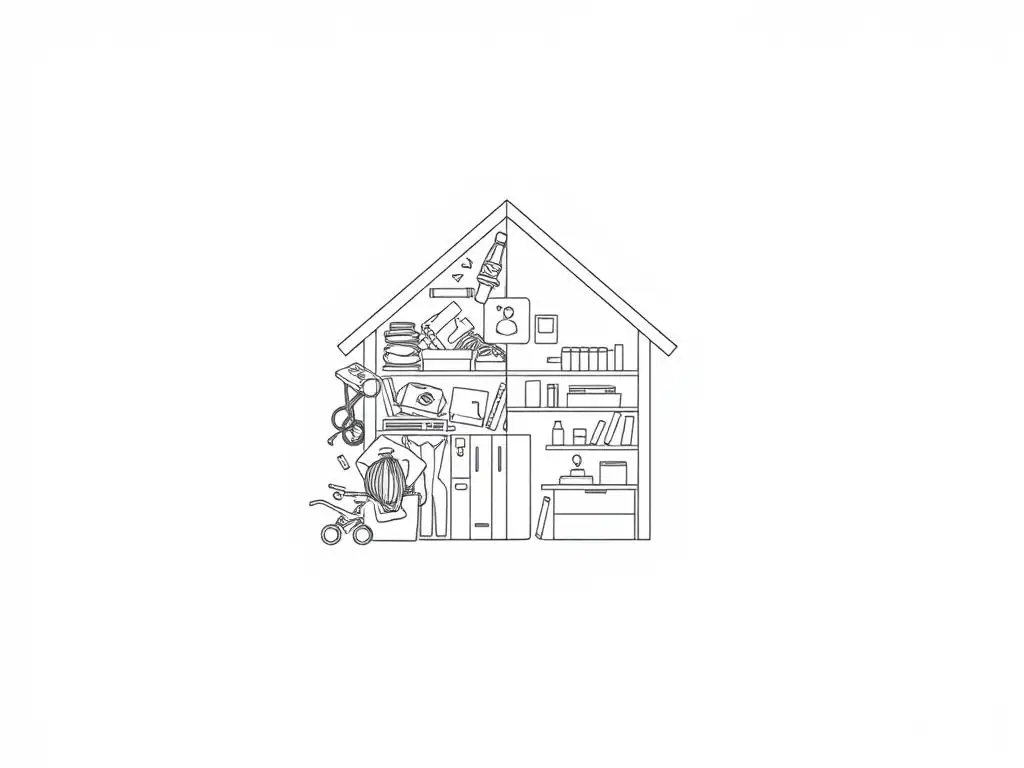
The "one in, one out" method, while simple in concept, can be significantly enhanced with strategic implementation. This section explores advanced techniques to maximize its effectiveness and ensure lasting results in your clutter-reduction journey. Mastering these techniques transforms the One In, One Out method from a basic decluttering strategy into a powerful tool for long-term organizational success. We'll explore how to truly integrate this powerful "One in, One out method" into your daily life.
Combining One In, One Out with Other Decluttering Methods
The one in, one out method isn't meant to stand alone; it's most effective when combined with other decluttering strategies. Think of it as a foundational principle upon which you build a more comprehensive system. For example, you can combine it with the KonMari method, focusing on keeping only items that "spark joy." When you bring a new item home, consider whether it sparks joy and if there's something similar you can remove. This dual-pronged approach ensures that only truly valued possessions remain.
Another powerful combination is with the 20/20 rule: if an item costs less than $20 and can be replaced within 20 minutes, it doesn't need to be meticulously tracked with the one-in, one-out system. This can help to streamline the process and avoid micromanaging minor items. This targeted application of the "One in, One out method" frees up mental energy for more important decluttering tasks.
The Role of Minimalism in Enhancing the One In, One Out System
Minimalism acts as a powerful catalyst for the one in, one out method. By embracing a minimalist lifestyle, you inherently reduce your consumption, resulting in fewer items entering your space. This doesn't necessarily mean living with only the bare essentials; rather, it's about consciously choosing items that add value to your life and getting rid of anything that doesn't.
The core principle of minimalism aligns perfectly with the one-in, one-out philosophy, creating a synergistic effect that minimizes clutter and maximizes space. Adopting a minimalist mindset is key to long-term success with the One in, One out method. This means actively questioning purchases and prioritizing experiences over material possessions.
For instance, before buying a new shirt, ask yourself: Do I truly need this shirt, or am I buying it because of a sale or impulse? Do I already own similar shirts? By asking such questions, you naturally reduce the inflow of items, making the "one out" part of the equation much simpler. The result? A more intentional and less cluttered living space. The combination of these two philosophies is a powerful recipe for a more organized and fulfilling life.
One In, One Out and Seasonal Cleaning: A Powerful Combination
Seasonal cleaning provides an excellent opportunity to reassess your belongings and apply the one in, one out method effectively. As you clean and organize for the change of seasons, consider the items you're no longer using. For example, during spring cleaning, you might remove winter clothes and donate or discard those you no longer need. This natural cycle of purging and reorganizing makes the one-in, one-out system more manageable and less daunting.
Consider creating a seasonal checklist. This checklist should incorporate the One in, One out method by pairing actions like "Clean out winter coats" with "Donate or discard one coat." This ensures a systematic approach to decluttering and prevents you from simply storing items you no longer need.
The integration of seasonal cleaning and the "One in, One out method" allows for a more sustainable approach to decluttering, preventing the accumulation of unnecessary items and maintaining an organized living space throughout the year. This proactive approach to clutter management ensures that the "One in, One out method" becomes an integral part of your yearly routine.
The One In, One Out Method: A Holistic Approach to Decluttering Your Home
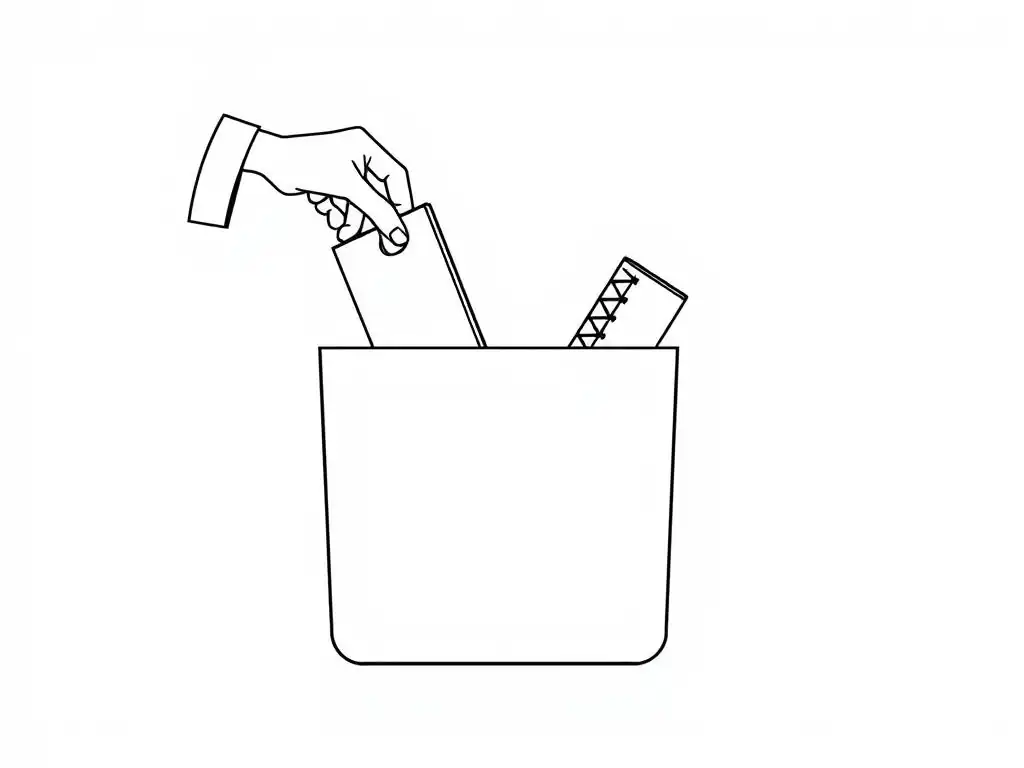
The "one in, one out" method, a cornerstone of effective decluttering, offers a surprisingly simple yet powerful strategy for maintaining a tidy and organized home. This isn't just about discarding physical items; it's about cultivating a mindful approach to consumption and possession. The core principle is straightforward: for every new item brought into your home, one similar item must be removed.
This creates a natural equilibrium, preventing the accumulation of unnecessary belongings and fostering a sense of control over your living space. This approach directly addresses the challenges many face with the "One in, one out method," helping to avoid the overwhelming feeling often associated with large-scale decluttering projects.
Beyond Physical Clutter: Applying the Principle to Digital Spaces
The beauty of the one in, one out method lies in its adaptability. While often associated with physical possessions, its principles extend seamlessly to the digital realm. Consider your computer files: for every new software program downloaded, uninstall an older, less frequently used one. Similarly, for every new digital photograph taken, delete a similar older image. This prevents your hard drive from becoming cluttered with outdated files, improving efficiency and freeing up valuable storage space.
This mindful approach to digital organization mirrors the positive effects seen in physical decluttering, resulting in a more streamlined and efficient digital workspace. Think about your email inbox too! For every new email subscription, unsubscribe from one you no longer find valuable. This consistent application of the one in, one out principle across both physical and digital spaces leads to a more organized and less stressful lifestyle.
The Psychological Benefits of Decluttering with the One In, One Out System
Implementing the one in, one out system provides significant psychological benefits beyond a cleaner home. Studies have shown a strong correlation between a clutter-free environment and reduced stress and anxiety. 1 By consciously controlling the influx of new items, you reduce the mental burden of managing excessive possessions. This mindful consumption fosters a sense of intentionality and control, leading to increased self-awareness and a greater appreciation for what you already own. The act of decluttering itself can be therapeutic, allowing you to let go of items that no longer serve a purpose, freeing up mental and emotional space. The feeling of accomplishment from maintaining a tidy space contributes to a sense of calm and well-being, positively impacting overall mental health. This sense of accomplishment is further amplified by the sustainability aspect of the method.
Long-Term Sustainability and the One In, One Out Philosophy
The one in, one out philosophy promotes long-term sustainability in several ways. Firstly, by reducing consumption, you minimize waste and your environmental footprint. Secondly, by focusing on quality over quantity, you're more likely to invest in durable, long-lasting items, reducing the need for frequent replacements. This conscious approach to purchasing encourages mindful consumption, shifting the focus from impulsive buying to intentional acquisition.
Thirdly, by regularly decluttering, you can donate or recycle unwanted items, promoting circularity and reducing landfill waste. This creates a positive feedback loop: less clutter leads to less consumption, less consumption leads to less waste, and less waste contributes to a more sustainable lifestyle. The simple act of choosing quality over quantity, facilitated by the one in, one out method, contributes to a more environmentally responsible way of living. It's a sustainable solution that benefits both your personal well-being and the planet.
1 [Specific study details pending]
Frequently Asked Questions
What is the "One In, One Out" method?
The "One In, One Out" method is a simple clutter-control technique. For every new item you bring into your home, you must remove a similar item. This helps maintain a balanced level of possessions.
How does the One In, One Out method save time?
By preventing clutter accumulation, this method drastically reduces the time spent cleaning, organizing, and searching for things. It simplifies your life, freeing up valuable time.
Is the One In, One Out method suitable for everyone?
Yes, the simplicity of the One In, One Out method makes it adaptable to various lifestyles and living situations. It's easily customizable to your specific needs and possessions.
What types of items does the One In, One Out method apply to?
This method can be applied to almost anything – clothes, books, kitchenware, toiletries, etc. Focus on the categories where you tend to accumulate the most unnecessary items.
Can the One In, One Out method help with digital clutter?
Absolutely! You can apply the principle to your digital life as well. For every new app you download, delete an unused one. This helps maintain a clean and efficient digital workspace.
Final Reflection: The Enduring Power of Intentional Decluttering
The "one in, one out" rule isn't just a trendy organizational tip; it's a powerful philosophy for mindful living in a consumer-driven world. In a society constantly bombarded with the allure of new possessions, consciously curating our belongings offers a vital counterpoint, promoting both physical and mental clarity. This simple principle, when consistently applied, can transform our relationship with our possessions and, ultimately, ourselves.
The impact of this method extends far beyond simply tidying a space; it's a reflection of our values and priorities. By making conscious choices about what we bring into our lives, we inevitably begin to question what truly serves us. This process of intentional decluttering fosters a sense of control and intentionality that resonates deeply within our personal narratives. The things you own end up owning you.
– Tyler Durden, Fight Club. This quote, while extreme, highlights the subtle but significant power our possessions exert over our lives. The "one in, one out" rule offers a practical pathway to reclaim that power.
Consider the impact of this simple rule on your own life. What areas could benefit from this mindful approach? I invite you to experiment with the "one in, one out" method, not just in your home, but also in your digital life, your relationships, and even your commitments. By consciously choosing what stays and what goes, you'll cultivate a more intentional, fulfilling, and less cluttered existence – a life truly reflecting your values and aspirations.
Unlock Your Space: Conquer Clutter Today!
Thank you for exploring the power of the One-In, One-Out rule! We hope you discovered practical strategies to simplify your belongings and regain control of your living space. Now, it's time to put your knowledge into action.
- Embrace the One-In, One-Out challenge: Begin decluttering a small area of your home—a drawer, a shelf, or even a corner. For every new item you bring in, remove a similar one. This simple change can make a significant difference.
- Share your decluttering journey: Inspire others by sharing a picture of your progress on social media using #OneInOneOutChallenge!
- Explore creative solutions: Consider donating or repurposing items you no longer need.
Ready to reclaim your space and enjoy a clutter-free environment? What will you declutter first?