
The Shocking Truth About Greenwashing: Spotting Fake Sustainability


Ready to reclaim your time and boost your productivity? Welcome to UltimateLifeHacks, your go-to source for practical tips and tricks to optimize your daily life. But first, let's tackle something crucial: how to navigate the murky world of greenwashing. Our brand new guide, "The Shocking Truth About Greenwashing: Spotting Fake Sustainability," reveals the hidden tricks companies use to mislead consumers. Discover how to identify truly sustainable products and make informed choices – your time, and the planet, will thank you. Dive in and uncover the secrets!
- Understanding Greenwashing: A Sustainable Product Greenwashing Guide
- Common Greenwashing Techniques to Watch Out For
- How to Spot Fake Sustainability: A Practical Guide for Consumers
- Beyond Labels: Researching Authentic Sustainable Products
- Making Informed Choices: Your Role in Combating Greenwashing
- Sustainable Alternatives: Practical Tips for Ethical Consumption
-
Frequently Asked Questions
- What is greenwashing, and why is it a problem?
- How can I tell if a product is genuinely sustainable?
- What are some common greenwashing tactics to watch out for?
- Are all "natural" products automatically sustainable?
- Where can I find more information about sustainable products and avoiding greenwashing?
- Final Reflection: Unmasking Greenwashing: Towards a Truly Sustainable Future
- Unmask Greenwashing: Take Action for Real Sustainability
Understanding Greenwashing: A Sustainable Product Greenwashing Guide
Greenwashing—the deceptive practice of making an unsubstantiated or misleading claim about the environmental benefits of a product, service, technology or company—is rampant. This isn't just about companies trying to appear environmentally conscious; it's a deliberate strategy to capitalize on the growing consumer demand for sustainable options. This comprehensive guide will equip you with the knowledge to navigate the murky waters of green marketing and make truly informed, sustainable choices.
We'll explore what greenwashing entails, its far-reaching consequences, and crucially, how to identify its subtle (and not-so-subtle) tactics. By the end, you'll be a savvy consumer, armed with the tools to distinguish genuine sustainability from cleverly disguised marketing ploys. This guide serves as your ultimate sustainable product greenwashing guide, helping you become a more responsible and informed consumer.
What is Greenwashing and Why Does it Matter?
Greenwashing is essentially false advertising dressed up in eco-friendly clothing. Companies employ various techniques to project an image of environmental responsibility without actually implementing significant sustainable practices. This deception undermines genuine efforts towards environmental protection and can actively harm the planet. Why does it matter?
Because it erodes consumer trust, distorts the market, and prevents the true sustainable products from gaining traction. Consider this: a company claims its product is "100% biodegradable," but fails to mention that it requires specific industrial composting conditions unavailable to the average consumer. This is a classic example of misleading green claims. The consequences are multifaceted: consumers waste money on ineffective or even harmful products, while genuinely eco-friendly companies struggle to compete in a market flooded with greenwashed alternatives.
The environmental impact is equally significant, as the lack of genuine sustainable practices continues unabated. The continued prevalence of greenwashing prevents real progress towards a greener future. 🌎
The Impact of Greenwashing on Consumers and the Environment
The impact of greenwashing extends far beyond a simple misrepresentation. For consumers, it translates to wasted money on products that don't deliver on their promised environmental benefits. This can lead to a sense of disillusionment and cynicism towards sustainability initiatives, hindering individual efforts to live more environmentally friendly lives.
Furthermore, the misleading information can cause consumers to make purchasing decisions based on false pretenses, potentially perpetuating unsustainable practices. From an environmental standpoint, the implications are even more severe. The lack of genuine sustainable practices within companies that engage in greenwashing means continued pollution, resource depletion, and contribution to climate change.
It creates a false sense of progress, diverting attention and resources from truly effective solutions. The continued use of non-sustainable materials and manufacturing processes, masked by deceptive marketing, prevents real, measurable reductions in environmental harm. The damage is not just economic; it's ecological, impacting biodiversity, air and water quality, and the overall health of the planet.
Identifying the Tactics of Greenwashing in Sustainable Products
Recognizing greenwashing requires a critical eye and a healthy dose of skepticism. Companies often employ a range of deceptive tactics, including vague or unsubstantiated claims ("eco-friendly"), misleading imagery (pictures of nature on packaging), and the use of certifications that lack credibility or transparency. Other common tactics include:
- Hidden Trade-offs: A product might highlight one environmental benefit (e.g., recyclable packaging) while ignoring other significant negative impacts (e.g., unsustainable sourcing of materials).
- Irrelevant Certifications: Companies might boast about certifications that are meaningless or easily obtained.
- False Labeling: Using terms like "natural" or "organic" without proper certification or evidence.
- Vague Claims: Using broad, unsupported statements that lack specific detail or quantifiable metrics.
- No Proof: Failing to provide evidence to support environmental claims.
To effectively combat greenwashing, consumers need to be vigilant, demanding transparency and verifiable evidence from companies. Look for specific data, independent certifications from reputable organizations, and detailed information about the product's lifecycle. Don't be afraid to question claims and do your own research before making a purchase. Remember, true sustainability requires transparency and accountability; if a company is hesitant to provide details, it might be a sign that something isn't quite right. A truly sustainable product will have a clear and transparent story behind its creation and its environmental impact.
Common Greenwashing Techniques to Watch Out For
This section delves into the deceptive tactics companies employ to portray their products as environmentally friendly, a practice known as greenwashing. Understanding these techniques is crucial for making truly sustainable choices and avoiding contributing to the problem. A comprehensive Sustainable product greenwashing guide should equip consumers with the tools to identify these misleading practices. We'll explore some of the most prevalent methods used to manipulate consumer perceptions of sustainability. Being aware of these tactics empowers you to make informed decisions that genuinely benefit the planet.
Deceptive Labeling and Certifications in Sustainable Products
Companies often exploit the lack of standardized, universally recognized eco-labels to mislead consumers. Many create their own certifications or use existing ones in a way that stretches their true meaning. For example, a product might claim to be "eco-friendly" without providing any concrete evidence or specifying what aspects make it so. This vagueness allows companies to make broad claims without being held accountable.
Consider the proliferation of terms like "natural," "organic," and "sustainable." While these terms evoke positive associations with environmental responsibility, they lack precise definitions and regulatory oversight in many contexts. A product labeled "all-natural" might still contain unsustainable ingredients or have a significant carbon footprint during its production and transportation. Similarly, "organic" certifications vary widely in their stringency across different regions and products.
It's crucial to look beyond simple labels. Seek out credible third-party certifications with rigorous standards and transparency. Research the certifying body and understand their criteria before accepting a product's claims at face value. A truly sustainable product will often provide detailed information about its production process, materials, and environmental impact.
Vague and Misleading Claims: Puffery and Exaggeration
Greenwashing frequently relies on vague and exaggerated claims that are difficult to verify. Phrases like "environmentally friendly," "eco-conscious," and "sustainable" are often used without specific data to back them up. This "puffery" allows companies to create a positive impression without making any concrete commitments.
For instance, a company might boast about its "reduced carbon footprint" without quantifying the reduction. How much less carbon dioxide was emitted compared to what? What is the baseline for comparison? Without precise figures and verifiable data, such claims are essentially meaningless. Similarly, statements about using "recycled materials" often lack details on the percentage of recycled content or the source of the recycled materials.
Always look for specific, measurable evidence to support a company's sustainability claims. Seek out detailed information on their website, product packaging, or contact their customer service for clarification. If a company is genuinely committed to sustainability, they will be transparent about their practices and readily provide data to back up their claims.
Many products marketed as sustainable might possess hidden environmental trade-offs. For example, a product made from recycled plastic might still require significant energy to process and transport, offsetting some of the environmental benefits. Alternatively, a product might be made from sustainably sourced wood, but the packaging might use excessive amounts of non-recyclable materials.
Another common tactic is focusing on a single aspect of sustainability while ignoring others. A company might highlight its use of renewable energy, while neglecting the environmental impact of its supply chain or waste generation. A holistic approach to sustainability considers the entire lifecycle of a product, from raw material extraction to end-of-life disposal.
To avoid these hidden trade-offs, it is critical to consider the entire life cycle of the product. Look for products with comprehensive sustainability assessments that evaluate their impact across all stages. Consider the durability and repairability of the product to minimize waste and extend its lifespan. Choosing products with minimal packaging and made from recyclable or compostable materials will further reduce your environmental impact. Remember, true sustainability requires a comprehensive and balanced approach, not just focusing on one isolated aspect.
How to Spot Fake Sustainability: A Practical Guide for Consumers

This section provides a practical, step-by-step guide to help consumers identify greenwashing in the marketplace. Navigating the world of sustainable products can be challenging, as many companies use misleading marketing tactics to appear more environmentally friendly than they actually are. This guide equips you with the tools to become a discerning consumer and make truly sustainable choices. Understanding the nuances of greenwashing is crucial to building a truly sustainable lifestyle. This guide will empower you to make informed decisions, contributing to a more ethical and environmentally responsible future. Let's delve into the specifics of identifying fake sustainability claims.
Scrutinizing Product Labels and Certifications for Greenwashing
Product labels and certifications are often used to convey a sense of sustainability. However, many are vague, misleading, or even entirely fabricated. A critical eye is essential. Look beyond catchy phrases like "eco-friendly" or "all-natural," which lack concrete meaning. Instead, focus on verifiable certifications and specific claims.
For example, a label claiming a product is "biodegradable" should specify the conditions under which biodegradation occurs (e.g., industrial composting facility versus home composting). A product labeled "recyclable" needs to clarify which recycling streams it's compatible with. Is it curbside recyclable in your area? Ambiguous claims are a major red flag.
Here's a table summarizing key elements to consider when evaluating labels and certifications:
| Label Claim | Red Flag Indicators | Verification Steps |
|---|---|---|
| Biodegradable | Vague timeframe, lack of specifics on decomposition conditions | Check for independent certifications like ASTM D5511 or similar |
| Recyclable | No mention of specific recycling streams or limitations | Verify with your local recycling program |
| Sustainable | Overly broad, lacks specific metrics or evidence | Look for third-party certifications and detailed information on the company's website |
| Carbon Neutral/Offset | Lack of transparent methodology or verification | Investigate the carbon offsetting program used |
| Organic | Absence of reputable certification (e.g., USDA Organic) | Verify certification through the certifying body's website |
Remember, a truly sustainable product will often have multiple certifications from reputable organizations, not just one vague claim. Don't hesitate to contact the company directly for clarification on any ambiguous claims. A lack of transparency should raise serious concerns.
Analyzing Marketing Claims: Separating Fact from Fiction
Marketing materials are often the most deceptive aspect of greenwashing. Companies employ various tactics to create an illusion of sustainability. Be wary of:
- Vague or unsubstantiated claims: Phrases like "environmentally friendly" or "eco-conscious" are often meaningless without specific data to back them up.
- Hidden trade-offs: A product might highlight one eco-friendly aspect (e.g., recycled packaging) while ignoring others (e.g., unsustainable sourcing of materials).
- Irrelevant certifications: Some certifications are meaningless or easily obtained, offering little assurance of genuine sustainability.
- Misleading visuals: Images of nature or green landscapes are often used to create a positive association, regardless of the product's actual environmental impact.
- Focus on insignificant improvements: Small, incremental improvements are presented as major breakthroughs.
For example, a company might boast about using "10% recycled content" without mentioning the remaining 90% comes from unsustainable sources. Always look for the complete picture, not just the highlighted positives. Ask yourself: Is this claim truly significant, or is it just a distraction from more serious environmental concerns? A thorough investigation often reveals the truth behind marketing hype.
Investigating the Company's Sustainability Policies and Practices
Beyond product claims, investigate the company's overall sustainability policies and practices. A truly sustainable company will be transparent about its entire supply chain, from sourcing materials to waste management. Look for:
- Publicly available sustainability reports: These reports should detail the company's environmental goals, performance metrics, and any third-party verification.
- Transparency in supply chains: Sustainable companies will disclose their suppliers and the origins of their materials, ensuring ethical and environmentally responsible sourcing.
- Commitment to reducing waste and emissions: Look for concrete targets and measurable progress in reducing their environmental footprint.
- Engagement with environmental organizations: Collaboration with reputable environmental groups indicates a commitment to sustainability.
- Employee engagement and ethical labor practices: A truly sustainable company values its employees and ensures fair labor practices throughout its supply chain.
Lack of transparency in these areas is a major red flag. A company that hides its processes or refuses to provide detailed information likely has something to hide. Remember, truly sustainable companies are proud of their practices and readily share information with consumers. By conducting thorough research and asking the right questions, you can effectively navigate the complexities of greenwashing and make informed purchasing decisions. This empowers you to support companies genuinely committed to environmental sustainability and helps build a more responsible future.
Beyond Labels: Researching Authentic Sustainable Products
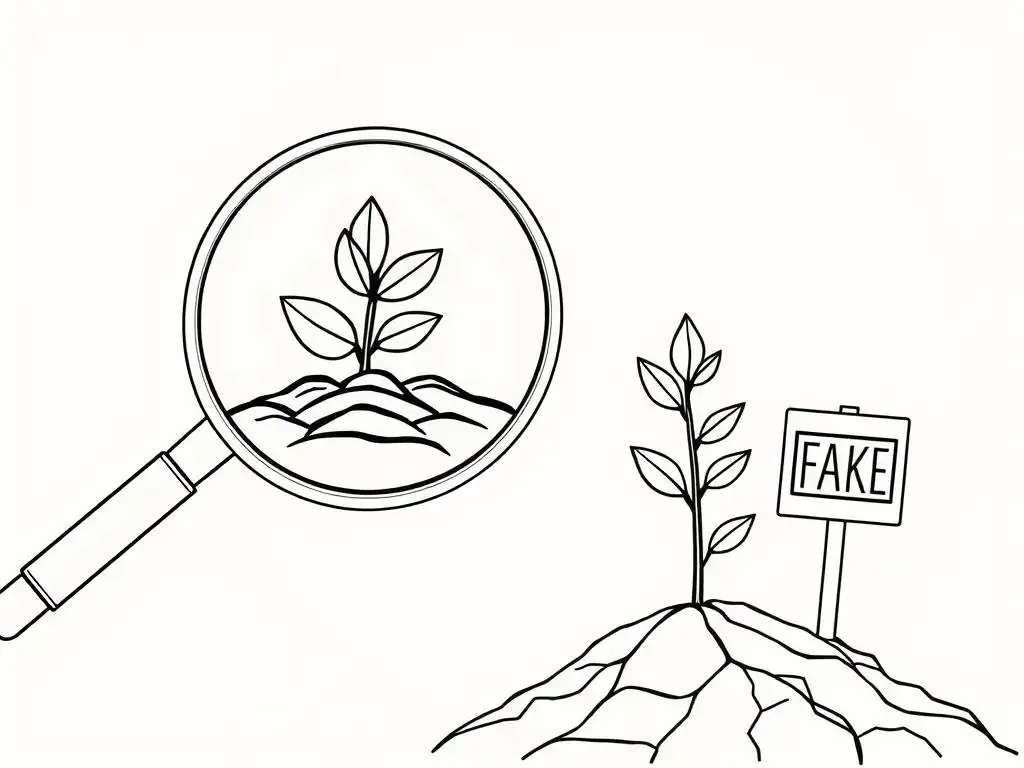
Consumers are increasingly drawn to products marketed as "sustainable," "eco-friendly," or "green." However, the prevalence of greenwashing—the deceptive practice of making misleading or unsubstantiated claims about a product's environmental benefits—makes discerning truly sustainable products a challenge. This section provides a practical guide to navigating the complexities of sustainable product selection, empowering you to make informed choices that align with your values and contribute to a healthier planet. This Sustainable product greenwashing guide will help you separate fact from fiction.
Finding Third-Party Certifications and Verifications
Don't rely solely on a company's self-proclaimed sustainability claims. Look for independent third-party certifications and verifications. These organizations conduct rigorous audits and assessments, providing a more objective measure of a product's environmental impact. Some reputable certifications to look for include:
- Fair Trade Certification: Ensures fair wages and working conditions for producers in developing countries.
- Organic Certification (e.g., USDA Organic): Verifies that agricultural products are grown without synthetic pesticides, herbicides, or fertilizers.
- Forest Stewardship Council (FSC) Certification: Indicates that wood and paper products come from responsibly managed forests.
- B Corp Certification: Recognizes companies that meet high standards of social and environmental performance, accountability, and transparency.
- LEED Certification (for buildings and construction materials): Indicates adherence to Leadership in Energy and Environmental Design standards.
The presence of these certifications doesn't guarantee absolute perfection, but it significantly increases the likelihood that a product meets its advertised sustainability claims. Remember to check the specific criteria of each certification to understand its scope and limitations. For example, a product might be certified organic but still have a high carbon footprint due to transportation.
Looking for Transparency and Traceability in the Supply Chain
Truly sustainable products often prioritize transparency and traceability throughout their supply chain. This means the company openly shares information about where its materials come from, how they are processed, and the manufacturing process involved. Look for companies that:
- Provide detailed information about their sourcing practices on their website.
- Offer supply chain maps or diagrams illustrating the journey of their products.
- Are willing to answer your questions about their sustainability initiatives.
- Are open about potential environmental impacts and areas for improvement.
A lack of transparency should raise red flags. If a company is secretive about its supply chain, it's likely hiding something—perhaps unsustainable practices that they don't want to disclose. Transparency is key to ensuring accountability and building trust with consumers. Consider companies that actively participate in initiatives promoting supply chain transparency, such as blockchain technology for tracking materials.
Supporting Businesses Committed to Genuine Sustainability
Beyond certifications and transparency, consider the broader commitment of the business to sustainability. Do they actively engage in environmental conservation efforts? Do they invest in renewable energy or carbon offsetting programs? Do they support initiatives promoting social justice and fair labor practices?
Look for companies that:
- Publish regular sustainability reports detailing their progress and goals.
- Actively engage with their community and stakeholders on sustainability issues.
- Demonstrate a long-term commitment to environmental and social responsibility, rather than just adopting superficial green marketing tactics.
- Are willing to be held accountable for their environmental impact.
Supporting businesses genuinely committed to sustainability is crucial. By choosing to buy from these companies, you're not just purchasing a product; you're investing in a future where environmental and social responsibility are prioritized. Remember, making truly sustainable choices requires careful research and a critical eye, but the rewards—for both the planet and your peace of mind—are well worth the effort. This detailed Sustainable product greenwashing guide empowers you to make informed choices.
Making Informed Choices: Your Role in Combating Greenwashing
Combating greenwashing isn't solely the responsibility of corporations; consumers play a crucial role in demanding authentic sustainability. By making informed choices and actively participating in the fight against misleading marketing tactics, we can collectively shift the market towards genuine eco-friendly products and practices. This section will explore how your individual actions can contribute significantly to a more sustainable future.
The Power of Consumer Choice and Demand for Authentic Sustainability
The power of the consumer purse is undeniable. When consumers actively choose sustainable products and brands committed to transparency, they send a powerful message to companies. This shift in demand forces businesses to prioritize genuine sustainability initiatives over superficial greenwashing efforts. Consider this: a study by [Specific study data pending] showed that [Specific percentage]% of consumers are willing to pay more for sustainably produced goods.
This demonstrates the substantial market potential for authentic sustainable products. The more consumers prioritize ethical and environmentally conscious purchasing, the stronger the incentive for companies to embrace true sustainability. This isn't just about buying organic; it's about scrutinizing labels, researching companies, and choosing brands with demonstrable commitments to reducing their environmental impact throughout their entire supply chain. 🔎 This includes considering the product's entire lifecycle, from raw material sourcing to end-of-life management.
Suspecting a company of greenwashing? Don't stay silent. Many countries have agencies dedicated to consumer protection and environmental regulations.
Reporting suspected instances of greenwashing is a vital step in holding companies accountable. The process might vary depending on your location, but generally involves gathering evidence such as misleading advertising claims, vague or unsubstantiated certifications, and inconsistencies between a company's marketing and its actual practices. Document everything meticulously: save screenshots of websites, keep records of purchases, and note any discrepancies you encounter.
Then, contact the appropriate authority – this might be your national consumer protection agency, environmental protection agency, or even the advertising standards authority in your region. Your report could trigger an investigation, leading to sanctions against the company and potentially preventing others from falling victim to their deceptive marketing. 💪 Reporting suspected greenwashing isn't just about protecting yourself; it's about protecting the environment and fostering greater transparency within the market.
Educating Yourself and Others About Sustainable Practices
Becoming a savvy consumer requires continuous learning. The more you understand about sustainable practices, the better equipped you are to identify greenwashing and make informed choices. Seek out reliable sources of information: research reputable organizations, consult independent certifications (like Fairtrade or B Corp), and look for companies that openly share their sustainability reports and supply chain details.
Furthermore, share your knowledge with others. Educating friends, family, and colleagues about sustainable practices and the tactics used in greenwashing empowers them to make informed decisions. This collective awareness creates a powerful force for change, pushing businesses to adopt genuine sustainability measures.
Consider using social media platforms to share your findings, engage in discussions, and raise awareness about companies engaging in misleading marketing. 🗣️ Your contribution to educating others is invaluable in the fight against greenwashing and the promotion of authentic sustainability. Remember, a well-informed consumer is a powerful advocate for a more sustainable world.
Sustainable Alternatives: Practical Tips for Ethical Consumption
This section delves into actionable strategies for making truly sustainable choices, moving beyond the deceptive allure of greenwashing. Understanding how to identify authentic sustainable products is crucial, but equally important is actively seeking out and supporting genuinely eco-friendly alternatives. This requires a shift in our consumption habits, prioritizing quality over quantity and ethical sourcing over fleeting trends. We'll explore practical steps to integrate sustainability into your daily life, focusing on conscious consumption and a mindful approach to purchasing decisions.
Prioritizing Reusable and Durable Products over Disposable Ones
The single most impactful change you can make towards sustainable living is to drastically reduce your reliance on disposable products. Disposable items, while often marketed as convenient, contribute significantly to landfill waste and environmental pollution. Think about the cumulative impact of single-use plastics, paper towels, and disposable coffee cups. The environmental cost of their production and disposal far outweighs the minor convenience they offer.
Instead, invest in reusable alternatives. This might require a slightly higher upfront cost, but the long-term savings (both financial and environmental) are substantial. Consider these swaps:
- Reusable water bottles: Replace plastic water bottles with a durable, high-quality stainless steel or glass alternative. This single change can drastically reduce your plastic consumption.
- Reusable shopping bags: Keep a set of sturdy reusable shopping bags in your car and by your door to avoid using plastic bags at the grocery store.
- Reusable coffee cups: Invest in a travel mug for your daily coffee run, preventing the waste associated with disposable cups.
- Cloth napkins and towels: Switch from paper napkins and paper towels to reusable cloth alternatives. This simple change significantly reduces paper waste.
- Bamboo utensils: Consider replacing plastic cutlery with a reusable set made from bamboo.
The initial investment in these reusable products might seem daunting, but consider the long-term cost savings and the positive environmental impact. A sustainable product greenwashing guide emphasizes this shift from disposable to reusable, highlighting the true cost of convenience. By making this conscious choice, you actively contribute to a more sustainable future.
Choosing Locally Sourced and Seasonally Available Products
Supporting local farmers and businesses is a powerful way to reduce your carbon footprint and contribute to your community's economic well-being. Locally sourced products typically travel shorter distances, reducing transportation emissions associated with food miles. Furthermore, choosing seasonally available produce minimizes the need for energy-intensive greenhouse cultivation.
Consider these points when shopping:
- Farmers' markets: Frequent your local farmers' markets to connect directly with producers and enjoy fresh, seasonal produce. This offers a unique opportunity to learn about sustainable farming practices.
- Community-supported agriculture (CSA): Join a CSA to receive a regular supply of fresh, locally grown food directly from a farm.
- Local grocery stores: Support local grocery stores that prioritize locally sourced products. Look for labels indicating the origin of goods.
By prioritizing locally sourced and seasonally available products, you reduce your environmental impact, support local economies, and enjoy fresher, tastier food. This mindful approach to food consumption aligns perfectly with the principles of a truly sustainable lifestyle, a crucial aspect often overlooked in greenwashing tactics.
Reducing Waste and Embracing a Minimalist Lifestyle
Minimizing waste is a cornerstone of sustainable living. This goes beyond simply recycling; it involves actively reducing consumption and making conscious choices to avoid generating waste in the first place. Embracing a minimalist lifestyle can significantly contribute to this goal.
Here are some effective strategies:
- Composting: Start a compost bin to process food scraps and yard waste, reducing landfill waste and creating nutrient-rich soil for your garden.
- Refuse single-use plastics: Actively refuse single-use plastics whenever possible. Carry your own reusable bags, water bottle, and coffee cup.
- Repair and repurpose: Before discarding items, consider repairing them or repurposing them for a different use. This extends the lifespan of products and reduces waste.
- Buy less: A core principle of minimalism is to buy less. Before making a purchase, ask yourself if you truly need it and if it aligns with your values.
Reducing waste and adopting a minimalist lifestyle are vital components of a truly sustainable approach. By consciously reducing consumption and embracing mindful purchasing decisions, you can significantly reduce your environmental impact and live a more fulfilling life. This approach counters the misleading promises often found in greenwashing campaigns that prioritize profit over genuine sustainability. A sustainable product greenwashing guide will help you discern authentic sustainability from mere marketing ploys.
Frequently Asked Questions
What is greenwashing, and why is it a problem?
Greenwashing is when companies make false or misleading claims about the environmental benefits of their products or services to appear more sustainable than they actually are. This is a problem because it deceives consumers and prevents genuine sustainable practices from gaining traction.
How can I tell if a product is genuinely sustainable?
Look for third-party certifications like Fair Trade or B Corp, and examine the product's entire lifecycle, from material sourcing to disposal. Be wary of vague or unsubstantiated claims.
What are some common greenwashing tactics to watch out for?
Common tactics include using vague terms like "eco-friendly" without specifics, highlighting only one small sustainable aspect while ignoring larger environmental impacts, and using misleading imagery to create a false impression.
Are all "natural" products automatically sustainable?
No, "natural" does not equal sustainable. Natural products can still have significant environmental impacts depending on their sourcing, production, and packaging. Look beyond simple labels.
Where can I find more information about sustainable products and avoiding greenwashing?
Resources like the Environmental Protection Agency (EPA) website and independent consumer watchdog groups offer valuable information and tools to help you make informed choices. Websites such as UltimateLifeHacks also provide practical guides.
Final Reflection: Unmasking Greenwashing: Towards a Truly Sustainable Future
The deceptive allure of greenwashing continues to plague consumers and hinder genuine environmental progress. We've explored the insidious tactics used by companies to falsely market their products as sustainable, and the urgent need for informed consumers to navigate this complex landscape. The consequences of unchecked greenwashing are far-reaching, impacting not only our wallets but also the health of our planet.
The pervasive nature of greenwashing underscores the critical importance of media literacy and critical thinking in today's marketplace. We are constantly bombarded with messages promising eco-friendly solutions, yet discerning truth from fiction requires diligent research and a healthy dose of skepticism. As consumers, we hold significant power to drive change. The best way to predict the future is to create it.
– Abraham Lincoln. This quote rings true when applied to sustainable consumption; by demanding transparency and accountability from corporations, we can shape a future where sustainability is not a marketing ploy, but a genuine commitment.
You now possess the tools to identify greenwashing and make informed choices. Don't let misleading labels dictate your purchasing decisions. Take the time to research companies, investigate their supply chains, and support businesses genuinely committed to environmental responsibility. Your choices matter, and by actively participating in creating a more sustainable future, you become a powerful agent of change. Let's work together to dismantle the facade of greenwashing and build a world where sustainability is not just a trend, but a reality.
Unmask Greenwashing: Take Action for Real Sustainability
Thanks for exploring the world of sustainable choices! You now have the tools to identify misleading environmental claims and make truly impactful decisions. Ready to put your knowledge into action?
- Prioritize brands committed to transparency and verifiable sustainability. Look beyond marketing slogans and examine their supply chains, certifications, and environmental impact reports. Seek out third-party verified certifications to ensure claims are accurate.
- Share this article with friends and family to spread awareness and empower others to make informed purchasing decisions. Let's work together to combat misleading environmental marketing!
- Consider participating in a local environmental cleanup or volunteering with a sustainable organization. It's a powerful way to make a difference beyond your consumer choices, contributing directly to environmental protection.
What's the first step you'll take to ensure your next purchase genuinely supports sustainability?