
Unlock Deeper Connections: 7 Unexpected Communication Hacks for Couples


Feeling overwhelmed by daily life and struggling to connect with your partner? At UltimateLifeHacks, we understand. Discover 7 unexpected communication hacks designed to unlock deeper connections and transform your relationships. Ready to experience a more fulfilling and efficient life, both individually and as a couple? Dive into our "Improve Couple Communication Hacks" article and unlock the secrets to stronger, more meaningful bonds. Let's build a better life, together.
- Improve Couple Communication Hacks: Setting the Stage for Success
- Enhance Intimacy Through Active Listening Techniques
- Effective Communication Strategies for Conflict Resolution
- Boosting Emotional Intelligence for Better Communication
- Leveraging Technology for Improved Connection
- The Power of Appreciation and Affirmation
- Sustaining Healthy Communication Habits: Long-Term Strategies for Success
-
Frequently Asked Questions
- What are some quick communication hacks to improve my relationship?
- How can I improve communication with my partner if we're constantly arguing?
- My partner and I have different communication styles. How can we bridge the gap?
- What are some simple ways to show my partner I'm listening actively?
- Are there any communication hacks to improve intimacy in my relationship?
- Final Reflection: Cultivating Connection in a Disconnected World
- Rediscover Intimacy: Strengthen Your Bond Today
Improve Couple Communication Hacks: Setting the Stage for Success
Navigating the complexities of a romantic relationship often requires a conscious effort to cultivate effective communication. Strong, healthy relationships aren't built on unspoken assumptions or fleeting moments; they thrive on consistent, open dialogue and mutual understanding. This article delves into seven unexpected communication hacks specifically designed to improve couple communication and strengthen the bond between partners. We'll explore practical strategies to overcome common communication barriers, create a safe space for vulnerability, and ultimately, unlock deeper connections.
Learning to communicate effectively is an ongoing process, a journey of continuous growth and understanding, and these hacks are designed to equip you with the tools to navigate this journey successfully. Mastering these techniques will not only improve your relationship but also enrich your lives individually, fostering a stronger sense of self and a deeper appreciation for your partner. Let's embark on this journey towards more meaningful and fulfilling connections.
Cultivating a Culture of Openness and Honesty in Your Relationship
Openness and honesty form the bedrock of any strong relationship. It's not merely about disclosing information; it's about creating an environment where both partners feel comfortable sharing their thoughts, feelings, and vulnerabilities without fear of judgment or reprisal. This requires conscious effort and consistent practice. Consider these crucial steps:
- Schedule regular "check-in" times: Designate specific times, even just 15-20 minutes a day, to connect and discuss how you're both feeling. This prevents issues from simmering and escalating into larger conflicts.
- Practice active listening: Truly hear what your partner is saying, both verbally and nonverbally. Reflect back what you've heard to ensure understanding. Avoid interrupting or formulating your response while they are speaking.
- Embrace vulnerability: Sharing your fears, insecurities, and imperfections builds trust and intimacy. It shows your partner that you're comfortable being your authentic self.
- Use "I" statements: Focus on expressing your own feelings and experiences rather than blaming or accusing your partner. For example, instead of saying "You always make me feel ignored," try "I feel ignored when..."
- Celebrate small victories: Acknowledge and appreciate each other's efforts to communicate openly and honestly. Positive reinforcement strengthens desired behaviors.
Identifying Communication Barriers: Recognizing Roadblocks to Effective Dialogue
Before you can improve your communication, you need to identify the obstacles hindering effective dialogue. These barriers can be subtle or overt, stemming from past experiences, personality differences, or unresolved conflicts. Some common roadblocks include:
- Defensive behavior: Responding to criticism with defensiveness shuts down communication. Learn to actively listen and understand your partner's perspective before responding.
- Stonewalling: Withdrawing emotionally or physically from a conversation prevents resolution. This often stems from feeling overwhelmed or unheard.
- Criticism and contempt: Negative attacks on your partner's character or personality erode trust and create distance. Focus on expressing specific concerns rather than launching broadside attacks.
- Unrealistic expectations: Holding unrealistic expectations of your partner can lead to disappointment and conflict. Openly discuss your expectations and needs to ensure mutual understanding.
- Lack of empathy: Failing to understand or appreciate your partner's feelings hinders connection. Practice putting yourself in their shoes and acknowledging their perspective.
Creating a Safe Space for Vulnerable Conversations: Fostering Trust and Understanding
Vulnerable conversations are crucial for building intimacy and deepening your connection. However, these conversations require a safe and supportive environment where both partners feel comfortable expressing their true selves. To create this space:
- Choose the right time and place: Ensure you have uninterrupted time and a comfortable setting free from distractions.
- Establish ground rules: Agree on guidelines for respectful communication, such as avoiding interruptions and maintaining a calm tone.
- Practice empathy and validation: Acknowledge and validate your partner's feelings, even if you don't necessarily agree with their perspective.
- Focus on understanding, not winning: The goal is to connect and find common ground, not to "win" an argument.
- Seek professional help if needed: If you're struggling to communicate effectively on your own, consider seeking guidance from a couples therapist. They can provide tools and strategies to improve your communication skills and resolve conflicts constructively.
Remember, improving couple communication is a journey, not a destination. Consistent effort, patience, and a willingness to learn and grow together will pave the way for deeper connections and a more fulfilling relationship. 🎉
Enhance Intimacy Through Active Listening Techniques

Active listening is more than just hearing your partner's words; it's about truly understanding their emotions and perspectives. This is a cornerstone of improving couple communication hacks and fostering deeper intimacy. Failing to actively listen can lead to misunderstandings, resentment, and ultimately, distance. Mastering this skill requires conscious effort and practice, but the rewards are significant. Let's explore how to cultivate this crucial communication skill.
Mastering the Art of Active Listening: Truly Hearing Your Partner
Active listening involves fully concentrating on what your partner is saying, both verbally and nonverbally. It's about putting aside your own thoughts and agenda to focus entirely on them. This isn't passive absorption; it's an active process that requires engagement. Consider these practical steps:
- Minimize distractions: Put away your phone, turn off the TV, and create a calm environment conducive to conversation. A quiet space free from interruptions is essential for effective communication.
- Maintain eye contact: Eye contact shows your partner that you are engaged and present. However, avoid staring intensely; maintain natural and comfortable eye contact.
- Use verbal and nonverbal cues: Nodding, smiling, and saying things like "uh-huh" or "I understand" shows your partner you're following along. These small actions demonstrate engagement and encourage them to continue sharing.
- Summarize and paraphrase: Periodically summarize your partner's points to ensure you're on the same page. This demonstrates understanding and allows them to correct any misinterpretations. For example, instead of simply saying "Yes," try, "So, if I understand correctly, you're feeling frustrated because..."
- Ask clarifying questions: Don't hesitate to ask questions to clarify anything you don't understand. This shows your genuine interest in their thoughts and feelings and helps ensure accurate understanding. Open-ended questions, starting with "how," "what," or "why," are particularly effective in encouraging deeper conversation.
Improving Nonverbal Communication: Reading Body Language and Subtle Cues
Nonverbal communication, often overlooked, constitutes a significant portion of our interactions. Body language, facial expressions, and tone of voice often convey more than words alone. Learning to read these subtle cues is vital for improving couple communication hacks and understanding your partner's unspoken messages.
Consider these points:
- Observe body language: Is your partner tense, relaxed, open, or closed off? Their posture, gestures, and overall body language can reveal a lot about their emotional state. A slumped posture might indicate sadness or fatigue, while crossed arms might suggest defensiveness.
- Pay attention to facial expressions: Microexpressions, fleeting facial expressions, can reveal hidden emotions. Learning to recognize these can offer valuable insights into your partner's true feelings.
- Listen to the tone of voice: The tone of voice can drastically alter the meaning of words. A sarcastic tone can easily undermine a positive message. Be mindful of your own tone as well, ensuring it conveys the intended emotion.
- Mirror your partner's body language (subtly): Mirroring, subtly matching your partner's posture and gestures, can build rapport and create a sense of connection. However, avoid overt mimicry; keep it subtle and natural.
- Recognize cultural differences: Be aware that nonverbal communication can vary across cultures. What might be considered polite in one culture could be offensive in another.
Responding Empathetically: Showing Understanding and Validation
Empathy, the ability to understand and share the feelings of another, is crucial for healthy communication. It's not about agreeing with your partner; it's about acknowledging and validating their emotions. Showing empathy strengthens your bond and creates a safe space for open communication.
Here are some strategies to improve your empathetic responses:
- Reflect their feelings: Instead of offering solutions immediately, start by reflecting your partner's emotions. For instance, "It sounds like you're feeling really hurt right now."
- Validate their experience: Let your partner know that their feelings are legitimate and understandable, even if you don't necessarily agree with their perspective. Phrases like, "That makes sense given the situation," or "I can see why you feel that way," can be very helpful.
- Avoid interrupting or dismissing: Allow your partner to fully express themselves without interruption. Avoid dismissing their feelings as trivial or unimportant.
- Practice active listening combined with empathy: The most effective approach involves combining active listening skills with empathetic responses. Listen attentively, reflect their emotions, and validate their experiences. This creates a powerful combination for improving couple communication hacks.
- Seek professional help if needed: If you're struggling to communicate effectively, don't hesitate to seek professional help from a therapist or counselor specializing in relationship dynamics. They can provide guidance and support in improving your communication skills and resolving conflicts.
These techniques, when consistently applied, can significantly improve your communication and foster a deeper, more intimate connection with your partner. Remember, effective communication is a skill that takes time and effort to develop, but the investment is well worth it. Improving couple communication hacks is a journey of continuous learning and growth.
Effective Communication Strategies for Conflict Resolution
Conflict is inevitable in any relationship, but how you navigate disagreements significantly impacts the overall health of your connection. Improving couple communication hacks often centers around mastering conflict resolution. Instead of viewing disagreements as battles to be won, reframe them as opportunities for growth and understanding. This shift in perspective is crucial for building a stronger, more resilient relationship. Effective communication during conflict isn't about avoiding arguments; it's about managing them constructively.
Healthy conflict resolution hinges on several key principles. Firstly, active listening is paramount. This means truly hearing your partner's perspective without interrupting or formulating your rebuttal. Pay attention not just to the words, but also to their body language and tone. Try summarizing their points to ensure understanding: "So, what I'm hearing is that you feel frustrated because..." This validation alone can de-escalate tension.
Secondly, choose the right time and place to discuss disagreements. Avoid addressing sensitive issues when you're tired, stressed, or distracted. A calm and private setting fosters more productive conversations.
Thirdly, focus on the issue, not the person. Instead of launching personal attacks ("You always…"), stick to specific behaviors ("I felt hurt when you…"). Using "I" statements ("I felt… when you… because…") helps express your feelings without blaming your partner. This technique is a cornerstone of many improve couple communication hacks strategies.
Finally, take breaks when needed. If the discussion becomes too heated, agree to take a break and revisit the conversation later when you're both calmer. This prevents the conversation from becoming unproductive and potentially damaging to the relationship. Remember, the goal is to find a solution, not to "win" the argument. This approach fosters understanding and strengthens the bond between partners.
Expressing Needs and Wants Assertively: Avoiding Passive-Aggressive Behavior
Assertive communication is key to resolving conflicts effectively and preventing passive-aggressive behaviors. Passive-aggressive behavior, often stemming from a fear of direct confrontation, can severely damage a relationship. It manifests in subtle ways, such as silent treatments, sarcasm, or subtle undermining actions. These behaviors create resentment and prevent open communication.
To avoid passive-aggressive tendencies, practice expressing your needs and wants directly and respectfully. This involves clearly stating your feelings and needs without blaming or accusing your partner. For example, instead of saying "You never help with the chores," try "I feel overwhelmed with the housework. Could we work together to create a more balanced chore schedule?"
Assertiveness involves setting boundaries. This doesn't mean being aggressive; it means clearly communicating your limits and expectations. For instance, "I need some time alone to recharge. Could we plan some separate activities during the week?" Learning to be assertive is a valuable improve couple communication hack that strengthens both individual well-being and the relationship itself.
Finding Common Ground and Compromising: Reaching Mutually Beneficial Solutions
Compromise is the cornerstone of any successful relationship. While it's important to express your individual needs, ultimately, finding common ground and reaching mutually beneficial solutions strengthens the bond. This doesn't mean sacrificing your own needs entirely; it means finding creative ways to meet both partners' needs.
Consider brainstorming solutions together. Write down each person's suggestions and then collaboratively evaluate them. Look for areas of overlap and potential compromises. Often, the best solution isn't one person's initial idea, but a synthesis of both perspectives.
For example, if one partner wants a quiet evening at home while the other wants to go out, a compromise could be having a quiet dinner at home followed by a short walk. Flexibility and a willingness to meet in the middle are essential components of improving couple communication hacks and fostering a harmonious relationship. The ability to find common ground demonstrates mutual respect and a commitment to working together. This collaborative approach is a powerful tool for building a strong and lasting relationship.
Boosting Emotional Intelligence for Better Communication
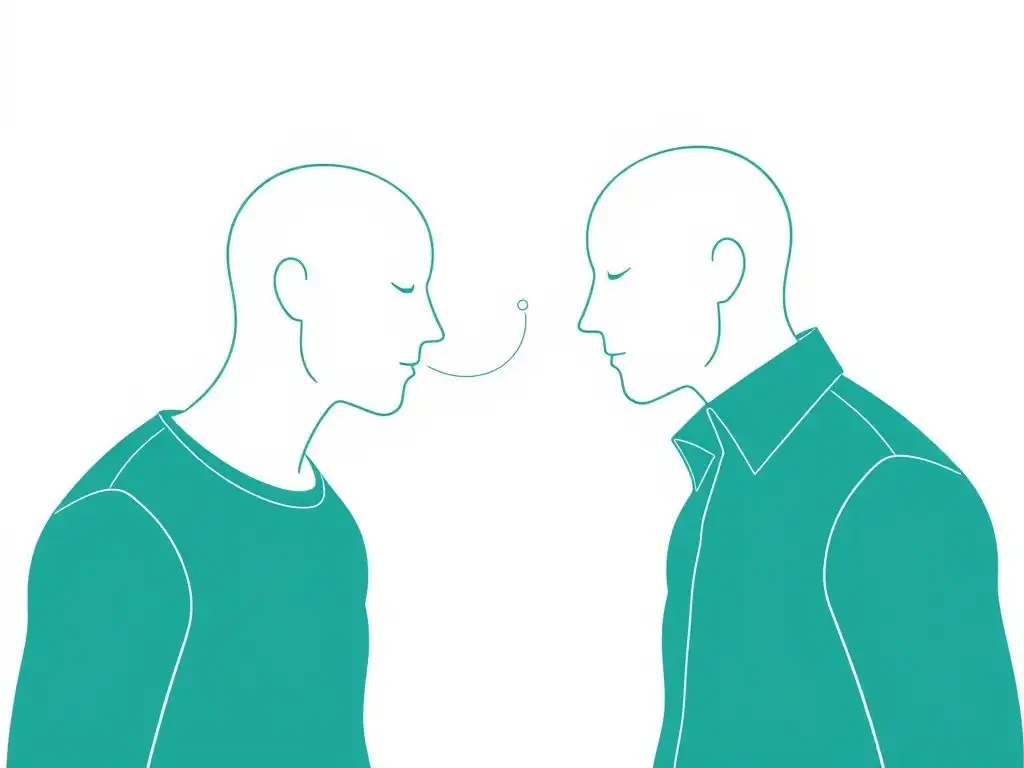
Improving couple communication hacks often hinges on strengthening emotional intelligence. This isn't about becoming a mind-reader, but rather about understanding and managing emotions – both your own and your partner's – to foster healthier, more productive conversations. This section delves into practical strategies to enhance your emotional intelligence and, in turn, improve your communication within the relationship. By focusing on emotional awareness and regulation, you can navigate disagreements more constructively and build a deeper, more empathetic connection. Remember, strong communication is built on a foundation of mutual understanding and respect for each other's emotional landscape.
Understanding Emotional Needs: Recognizing and Addressing Emotional Triggers
Recognizing and addressing emotional triggers is a crucial step towards improving couple communication. Emotional triggers are specific events, situations, or even words that evoke strong emotional responses. These responses can range from mild irritation to intense anger or sadness. Understanding your own triggers is the first step.
Keep a journal for a week, noting down situations that caused strong emotional reactions and analyzing the underlying reasons. For example, perhaps criticism about your work performance triggers feelings of inadequacy and defensiveness. Once you identify your triggers, you can develop coping mechanisms, such as taking a short break before responding or practicing mindfulness techniques to calm yourself.
Equally important is understanding your partner's emotional triggers. Pay attention to their verbal and nonverbal cues. Do they become withdrawn when discussing finances? Do they get agitated when you’re late? Open, honest communication is key here.
Ask your partner about situations that make them feel uncomfortable or upset. Create a safe space where you can both share your vulnerabilities without judgment. This shared understanding of each other's triggers allows you to navigate sensitive topics with more empathy and avoid unnecessary conflict. This proactive approach to understanding emotional needs significantly improves communication and strengthens the bond between partners. The goal is not to eliminate triggers but to learn how to respond to them in a healthier, more constructive way.
Practicing Emotional Regulation: Managing Your Own Emotions Effectively
Effective communication within a relationship requires managing your own emotions effectively. When strong emotions arise, it's easy to react impulsively, leading to misunderstandings and conflict. Practicing emotional regulation involves developing strategies to calm yourself down and respond thoughtfully rather than reactively. Techniques like deep breathing exercises, mindfulness meditation, and progressive muscle relaxation can help you manage stress and anxiety. These techniques can be practiced individually or together as a couple, creating a shared understanding of stress management and emotional well-being.
Furthermore, consider the impact of your own communication style. Are you prone to interrupting, raising your voice, or using accusatory language? These behaviors can escalate conflict and damage the relationship. Consciously working on improving your communication style – focusing on active listening, using "I" statements, and expressing your needs clearly and respectfully – is vital.
Remember, emotional regulation is an ongoing process, not a destination. It requires consistent effort and self-awareness. By actively practicing these strategies, you improve your ability to manage your emotions and communicate more effectively with your partner, fostering a stronger and more resilient relationship. The benefits extend beyond communication; improved emotional regulation enhances overall well-being and strengthens the couple's emotional connection.
Communicating Emotions Clearly and Respectfully: Expressing Feelings without Blame
Clearly and respectfully expressing your feelings is paramount for improving couple communication hacks. Avoid accusatory language, which often puts your partner on the defensive. Instead, use "I" statements to express your feelings without blaming your partner. For example, instead of saying "You always leave the dishes dirty," try "I feel frustrated when the dishes are left undone, as it adds to my workload." This approach focuses on your feelings and avoids making your partner feel attacked.
Active listening is equally important. Pay attention to your partner's verbal and nonverbal cues, showing that you're engaged and understanding their perspective. Reflect back what you hear to ensure you understand correctly. For instance, "So, if I understand correctly, you felt hurt when I didn't call you back sooner." This demonstrates empathy and encourages open communication. Furthermore, create a safe space for vulnerability.
Encourage open and honest expression of feelings, even if they are difficult or uncomfortable. Remember, effective communication is a two-way street. It requires both partners to be willing to listen, understand, and express themselves respectfully. By practicing these techniques, you can transform disagreements into opportunities for growth and connection, building a stronger and more fulfilling relationship. This approach fosters a climate of trust and understanding, leading to more effective and meaningful communication.
Leveraging Technology for Improved Connection
Technology, often blamed for disconnecting us, can paradoxically be a powerful tool to improve couple communication hacks. This section explores how strategic technology use can foster deeper connections and strengthen relationships. We'll move beyond simple texting and delve into more meaningful applications. Remember, the goal is to enhance, not replace, face-to-face interaction.
Utilizing Technology to Stay Connected: Scheduling Regular Check-ins
Maintaining consistent communication is crucial for any relationship's health. Busy schedules often make spontaneous conversations difficult. Leveraging technology can help schedule dedicated time for connection. Instead of relying on fleeting moments, utilize calendar apps to block out specific times for check-ins. These could be brief, 15-minute calls during lunch breaks or longer video chats in the evenings.
The key is consistency. Establish a routine that works for both partners, ensuring consistent communication that prevents feelings of neglect. Consider experimenting with different platforms; some couples find video calls more intimate, while others prefer quick audio messages. The method is less important than the commitment to consistent connection.
Minimizing Distractions During Conversations: Prioritizing Quality Time
Even with scheduled conversations, distractions can derail meaningful communication. To truly improve couple communication hacks, technology needs to be managed, not master. During scheduled connection times, activate "Do Not Disturb" modes on phones and laptops. Place devices out of sight to minimize visual distractions.
This conscious effort signals respect for the conversation and creates a space for undivided attention. Studies show that even the presence of a phone can negatively impact the quality of a conversation, leading to feelings of being unheard or undervalued. By creating a distraction-free zone, you cultivate a more intimate and fulfilling connection. Consider even turning off notifications on smartwatches and other wearable technology to fully immerse yourselves in the conversation.
Technology offers unique opportunities for shared experiences that strengthen bonds. Beyond simply watching a movie together, consider exploring collaborative online activities. Online games, virtual museum tours, or even collaborative playlists can provide shared moments of enjoyment and laughter. These shared activities create positive memories and strengthen emotional bonds.
Participating in these activities together can spark conversation and provide opportunities for playful banter and shared amusement. It's about finding activities that resonate with both partners' interests. The shared experience, not the specific activity, is the key to improving connection. Remember to choose activities that foster communication and interaction, not activities that isolate you further from each other.
The Power of Appreciation and Affirmation

Effective communication in a relationship isn't solely about resolving conflicts; it's about nurturing a strong foundation built on mutual respect, understanding, and appreciation. This section explores the often-underestimated power of appreciation and affirmation in improving couple communication and strengthening the bond between partners. Mastering these techniques can significantly enhance your relationship's overall health and happiness, leading to improved conflict resolution and a deeper sense of connection. The key is consistency and sincerity; these aren't quick fixes but rather essential elements of long-term relationship success. Let's delve into specific strategies to integrate appreciation and affirmation into your daily interactions.
Expressing Gratitude and Appreciation: Showcasing Love and Affection
Showing gratitude isn't just about saying "thank you." It's about actively acknowledging and appreciating your partner's efforts, both big and small. This involves paying attention to the details of their daily life and expressing your recognition. For instance, instead of just acknowledging that your partner made dinner, you could say, "Thank you so much for making dinner tonight. The [Name of dish] was delicious, and I really appreciate you taking the time to prepare it for us." This adds a layer of personalization and genuine appreciation.
Consider incorporating these practices:
- Daily affirmations: Start and end your day with a simple "I appreciate you" or a specific detail of what you appreciate.
- Written notes: Leave a short, heartfelt note expressing your gratitude for something specific your partner did.
- Acts of service: Show your appreciation through actions, such as doing a chore your partner usually handles.
- Quality time: Dedicate uninterrupted time to connect and express your appreciation for your partner's presence in your life.
A study by [Specific study pending] showed that couples who regularly expressed gratitude reported significantly higher levels of relationship satisfaction and lower levels of conflict. This highlights the profound impact of simple acts of appreciation on overall relationship health. Remember, consistency is key; even small, regular expressions of gratitude can make a significant difference.
Offering Positive Affirmations: Building Self-Esteem and Confidence
Positive affirmations are powerful tools for boosting self-esteem and fostering a supportive and loving environment within a relationship. These aren't just empty compliments; they're specific statements that acknowledge and validate your partner's strengths, qualities, and efforts. Instead of a generic "You're great," try something like, "I admire your dedication to your work," or "I love your sense of humor – it always brightens my day." The specificity makes the affirmation more meaningful and impactful.
Here's how to effectively incorporate positive affirmations into your communication:
- Focus on specific traits: Instead of general compliments, highlight specific qualities you admire.
- Be genuine and sincere: Your partner will sense insincerity, so make sure your affirmations are heartfelt.
- Offer affirmations frequently: Regular positive reinforcement strengthens the bond and builds confidence.
- Combine affirmations with physical affection: A hug or a kiss alongside a positive affirmation can amplify its impact.
Regular positive affirmations help build your partner’s self-esteem and confidence, which directly improves their emotional well-being and, consequently, the quality of your communication. It creates a cycle of positivity, where feeling appreciated leads to increased self-worth, resulting in more open and honest communication. This is a key component of improving couple communication hacks.
Celebrating Small Victories: Acknowledging Achievements and Milestones
Often, we focus on the significant milestones in life, overlooking the smaller victories that contribute to overall happiness and success. Celebrating these smaller achievements with your partner is a powerful way to show your support and strengthen your bond. This could be anything from finishing a challenging project at work to mastering a new recipe or completing a fitness goal.
Consider these strategies for celebrating small victories:
- Active listening: Pay attention to your partner's accomplishments, no matter how small they may seem.
- Verbal acknowledgment: Express your excitement and pride in their achievements.
- Small gestures: Offer a small gift, prepare a special meal, or plan a fun activity to celebrate.
- Shared celebration: Make it a point to celebrate together, even if it's just a simple toast.
By actively acknowledging and celebrating even the smallest victories, you create a positive feedback loop that reinforces your partner's efforts and strengthens your connection. This shared celebration fosters a sense of teamwork and mutual support, creating a more positive and communicative environment. This contributes significantly to improving couple communication hacks and building a stronger, more resilient relationship. The focus should be on genuine appreciation, not necessarily grand gestures. Remember, consistent small acts can create a huge impact.
Sustaining Healthy Communication Habits: Long-Term Strategies for Success
Improving couple communication isn't a one-time fix; it's an ongoing process requiring consistent effort and adaptation. Think of it as a garden – you need to nurture it regularly to see beautiful blossoms. These long-term strategies will help you maintain open and honest communication, strengthening your bond over time and improving your relationship satisfaction. Effective communication is crucial for a thriving partnership, and these techniques will help you build a stronger, more resilient relationship.
Regular Check-ins and Relationship Reviews: Assessing Communication Effectiveness
Regular check-ins are vital for maintaining healthy communication within a relationship. These aren't just about discussing daily events; they're about proactively assessing the health of your communication patterns. Schedule dedicated time, perhaps weekly or bi-weekly, to discuss how your communication is going. Consider using a structured approach:
- Positive Aspects: Begin by highlighting what's working well. What communication methods have been particularly effective recently? What moments of connection stand out? Celebrating successes reinforces positive patterns.
- Areas for Improvement: Honestly identify areas needing attention. Are there recurring communication patterns causing conflict? Are you struggling to express needs effectively? Are you actively listening to your partner? Be specific; vague complaints are less helpful.
- Actionable Steps: Develop concrete steps to address identified issues. For example, if you're struggling with active listening, commit to practicing mindful listening techniques during conversations. If expressing needs is difficult, consider using "I" statements to clearly articulate your feelings without blaming your partner.
- Tracking Progress: Consider keeping a simple journal or using a shared document to track your progress. This allows you to monitor improvements and identify persistent challenges. This data-driven approach helps measure the success of your strategies.
Remember, consistency is key. Regular relationship reviews allow for early intervention, preventing minor communication issues from escalating into major conflicts. This proactive approach fosters a culture of open dialogue and mutual understanding, significantly improving the overall quality of your relationship. This process of continuous improvement is essential for long-term success in improving couple communication hacks.
Seeking Professional Guidance: Consulting a Couples Therapist When Needed
Even with the best intentions, couples sometimes encounter communication challenges that are difficult to overcome independently. Recognizing when professional help is needed is a sign of strength, not weakness. A couples therapist provides a neutral space to openly discuss difficult topics, learn effective communication techniques, and develop strategies tailored to your specific needs.
Many couples benefit from therapy even when facing seemingly minor communication issues. A therapist can:
- Identify Underlying Issues: They can help uncover root causes of communication problems, such as unresolved conflicts, differing communication styles, or underlying emotional issues.
- Teach Specific Skills: Therapists provide structured exercises and techniques to improve active listening, conflict resolution, and emotional expression.
- Facilitate Healthy Communication: They guide couples through difficult conversations, ensuring both partners feel heard and understood.
- Provide External Perspective: An objective third party can offer fresh insights and perspectives, helping couples break free from unhelpful patterns.
Seeking professional help is an investment in your relationship's long-term health. It's a proactive step towards building a stronger, more fulfilling partnership. Don't hesitate to reach out if you're struggling to improve your communication, even if the challenges seem small. Early intervention can prevent minor issues from becoming major obstacles.
Continuously Learning and Growing Together: Investing in Relationship Development
Improving couple communication is a journey, not a destination. Commit to continuous learning and growth as a couple. Explore resources like books, workshops, and online courses focused on communication skills and relationship building. Many resources are available to help you expand your understanding of healthy communication dynamics and apply new strategies to your relationship.
Consider engaging in activities that foster connection and open communication:
- Shared Learning: Read books or listen to podcasts about relationships together, discussing your takeaways and how they apply to your own dynamics.
- Date Nights: Regular date nights, even if just a quiet evening at home, provide dedicated time for connection and conversation.
- Mindfulness Practices: Practicing mindfulness together can improve emotional regulation and empathy, which are crucial for effective communication.
- Regular Reflection: Take time to reflect individually and together on your communication patterns, identifying strengths and areas for improvement.
By actively investing in your relationship's growth, you'll not only improve your communication but also strengthen your bond and create a more fulfilling partnership. This ongoing commitment to learning and self-improvement is vital for maintaining healthy communication and fostering a strong, lasting relationship. Remember, improving couple communication hacks is a continuous process of learning and adaptation.
Frequently Asked Questions
What are some quick communication hacks to improve my relationship?
Try active listening: truly hearing your partner without interrupting. Also, schedule regular check-ins, even short ones, to discuss your day and feelings. Remember to express appreciation often.
How can I improve communication with my partner if we're constantly arguing?
Focus on identifying the root cause of your disagreements. Try using "I" statements to express your feelings without blaming. Consider seeking professional help if arguments become frequent and unresolvable.
My partner and I have different communication styles. How can we bridge the gap?
Learn to understand and appreciate each other's styles. Be patient and flexible, and try to meet in the middle. Openly discuss your preferences and find ways to adapt your communication accordingly.
What are some simple ways to show my partner I'm listening actively?
Make eye contact, nod your head to show understanding, and summarize what they've said to confirm you grasped their message. Put away distractions and give them your full attention.
Are there any communication hacks to improve intimacy in my relationship?
Schedule quality time together, free from distractions. Practice vulnerability by sharing your feelings and thoughts openly and honestly. Prioritize physical affection and non-verbal communication.
Final Reflection: Cultivating Connection in a Disconnected World
The art of truly connecting with our partners is more crucial now than ever before, a skill often overlooked amidst the whirlwind of modern life. In a world saturated with digital distractions and superficial interactions, the ability to foster deep, meaningful communication within a relationship becomes not just a desirable trait, but a vital necessity for lasting happiness and fulfillment. The seven communication hacks explored in this article offer a practical pathway towards achieving this vital connection.
The impact of effective communication on the cultural landscape is profound, shaping the very fabric of our relationships and influencing the overall well-being of society. We see a growing awareness of the importance of emotional intelligence and healthy communication, yet the practical application often lags behind. The most basic of all human needs is the need to understand and be understood.
– Ralph Nichols. This quote highlights the fundamental human desire for connection, a desire that effective communication helps to satisfy, creating stronger families, more resilient communities, and a more empathetic world. My own journey in understanding and applying these hacks has profoundly impacted my personal relationships, reinforcing the power of intentional communication.
Now, consider your own relationships. What small shifts in your communication style could unlock a deeper level of connection with your partner? I invite you to consciously implement one or two of the hacks discussed, observing the subtle yet significant changes that unfold. Don't underestimate the power of a listening ear, a thoughtful question, or a genuine expression of appreciation. By nurturing the art of communication, you are not merely improving your relationship; you are investing in the richness and depth of your shared life, creating a legacy of love and understanding that will resonate for years to come.
Rediscover Intimacy: Strengthen Your Bond Today
Thank you for exploring these communication strategies! We hope you discovered new ways to foster deeper connection in your relationship. Now, let's put this knowledge into practice.
- Focus on one new communication technique this week. Choose the strategy that feels most natural for you and your partner, and consciously use it throughout the week. Observe how it subtly changes your interactions.
- Discuss this article with your partner and decide which techniques you'd both like to try. Simply starting a conversation about improving communication is a significant step!
- Schedule dedicated time this week to connect. Even 15 minutes of focused, meaningful conversation can make a big difference. Make it a regular ritual, free from distractions.
Ready to cultivate a stronger, more intimate relationship? What small step will you take today to improve communication with your partner?