
Sustainable Living in Small Spaces: Clever Hacks for Compact Homes

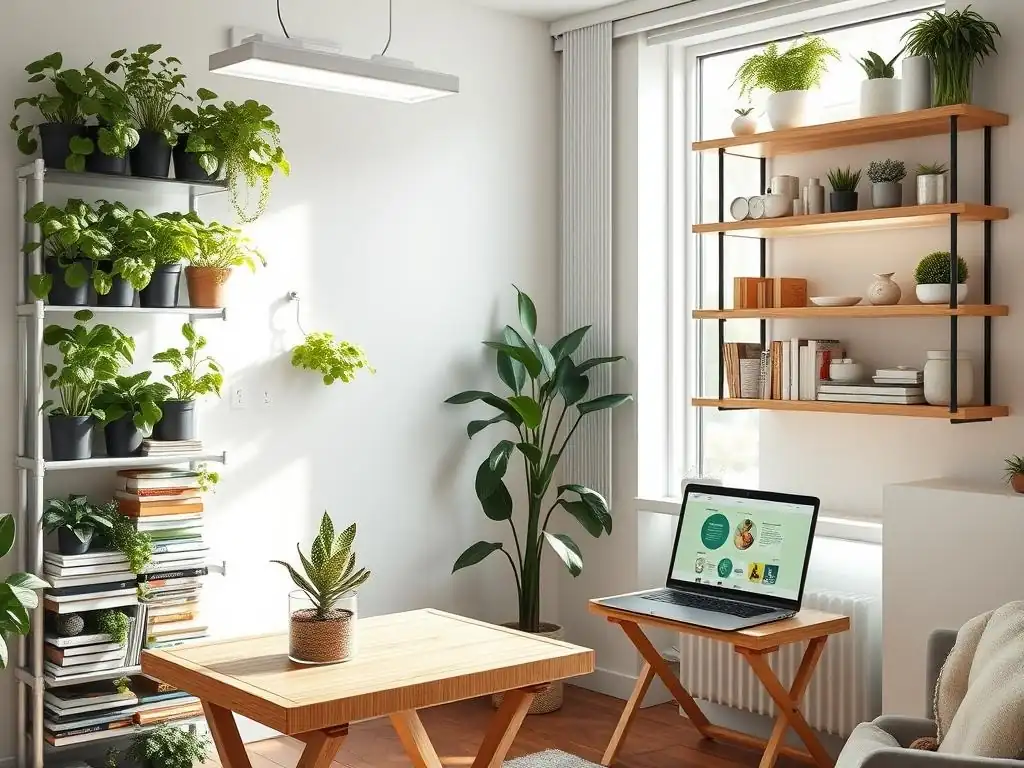
Ready to unlock a world of effortless efficiency and sustainable living, even in the smallest of spaces? At UltimateLifeHacks, we're dedicated to helping you optimize your daily life. Discover ingenious Small space sustainable living hacks that will transform your compact home into a haven of productivity and eco-consciousness. Dive in and uncover the secrets to a more streamlined and environmentally friendly lifestyle – you might be surprised at what you can achieve!
- Maximizing Space and Minimizing Waste: Small Space Sustainable Living Hacks
- Sustainable Cleaning and Organization for Small Apartments
- Energy-Efficient Practices for Sustainable Small-Space Living
- Sustainable Food Choices for Small-Space Dwellers
- Sustainable Shopping Habits for Compact Living
- Creating a Sustainable and Cozy Atmosphere in Small Spaces
-
Frequently Asked Questions
- How can I make my small space feel more spacious?
- What sustainable practices can I adopt in a small apartment?
- Where can I find sustainable cleaning products for my small home?
- Are there any space-saving furniture options for sustainable living?
- How can I reduce my carbon footprint in a small space?
- Final Reflection: Embracing Sustainability, One Small Space at a Time
- Unleash Your Space: Start Living Sustainably Today!
Maximizing Space and Minimizing Waste: Small Space Sustainable Living Hacks
Sustainable living doesn't have to be confined to sprawling estates. In fact, living sustainably in a small space presents unique opportunities for efficiency and resourcefulness. This guide delves into clever hacks and practical strategies for minimizing your environmental impact while maximizing comfort and functionality in your compact home. We'll explore eco-friendly storage solutions, creative repurposing techniques, and ways to significantly reduce your carbon footprint, all tailored to the challenges and advantages of small-space living.
By embracing these small space sustainable living hacks, you can contribute to a healthier planet without compromising on your quality of life. This article will equip you with the knowledge and inspiration to transform your tiny home into a haven of sustainability, proving that even in limited square footage, you can make a big difference. Let's dive into practical solutions that prove that small space sustainable living is not only achievable but also incredibly rewarding.
Eco-Friendly Storage Solutions for Tiny Homes
Efficient storage is paramount in small spaces, and choosing eco-friendly options is key to sustainable living. Avoid plastic containers and opt for reusable, recyclable, or biodegradable alternatives. Consider these options:
- Bamboo storage baskets: These are durable, aesthetically pleasing, and a renewable resource.
- Glass jars: Perfect for storing dry goods, they are reusable, recyclable, and visually appealing.
- Upcycled containers: Repurpose existing containers – think old tins, jars, or even creatively decorated cardboard boxes – to store items. This reduces waste and adds a unique touch to your home.
- Vertical shelving: Maximize vertical space with wall-mounted shelves or a stylish ladder shelf. This keeps items organized and off the floor, creating a sense of spaciousness.
Remember to declutter regularly! A minimalist approach not only maximizes space but also minimizes consumption and waste. Regularly assess your belongings and donate or recycle items you no longer need. This mindful approach contributes to a more sustainable lifestyle and a less cluttered living environment. Consider implementing a "one in, one out" rule to maintain a balanced and organized space.
Repurposing and Upcycling in Small Spaces: Creative Sustainability
Upcycling is a fantastic way to reduce waste and add character to your small home. Transforming old items into something new and useful is both sustainable and cost-effective. Here are some inspiring ideas:
- Old clothes into cleaning rags: Instead of throwing away worn-out clothes, cut them into reusable cleaning cloths.
- Glass jars into organizers: Use glass jars to store pens, pencils, makeup brushes, or other small items.
- Pallets into shelving: Repurpose old wooden pallets into unique and rustic shelving units. This requires some DIY skills but results in a stunning and sustainable addition to your space.
- Tin cans into planters: Clean and decorate old tin cans to create charming planters for herbs or small plants. This adds a touch of green to your interior and reduces waste.
The possibilities are endless! Get creative and explore different upcycling techniques to breathe new life into old items and reduce your environmental footprint. Incorporating these upcycled items adds a unique, personal touch to your small space, reflecting your commitment to sustainable living.
Reducing Your Carbon Footprint in a Compact Apartment
Minimizing your carbon footprint in a small space often involves focusing on energy efficiency and mindful consumption. Here are some practical strategies:
- Energy-efficient appliances: Invest in energy-efficient appliances, such as LED lighting and energy-star rated electronics, to reduce your energy consumption.
- Conscious consumption: Before buying anything new, ask yourself if you truly need it. Prioritize quality over quantity, choosing durable and long-lasting items to minimize waste.
- Reduce, reuse, recycle: This classic mantra is even more crucial in small spaces where storage is limited. Embrace the three Rs diligently to keep waste to a minimum.
- Composting: If space allows, start a small compost bin to recycle food scraps and reduce landfill waste. Even a small worm composting bin can make a difference. Alternatively, participate in a community composting program.
Living sustainably in a small space requires a thoughtful and strategic approach. But by implementing these practical hacks, you can significantly reduce your environmental impact and create a comfortable, eco-friendly home, regardless of its size. Remember, even small changes can have a big impact! 🌍
Sustainable Cleaning and Organization for Small Apartments
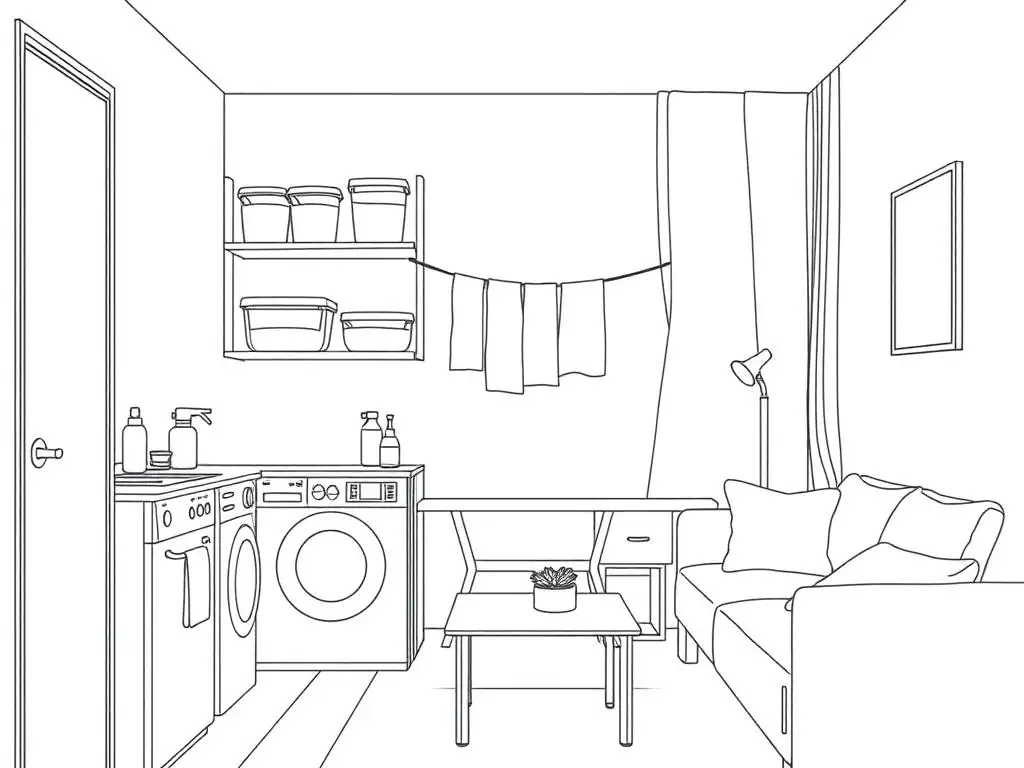
Sustainable living in small spaces often presents unique challenges, particularly when it comes to cleaning and organization. Limited storage and close quarters mean that every item and every cleaning product needs to be carefully considered. This section focuses on practical strategies to maintain a clean and organized small apartment while minimizing your environmental impact.
We'll delve into eco-friendly cleaning solutions and efficient decluttering techniques that are perfectly tailored for compact living. The key is to maximize space and minimize waste, creating a harmonious and sustainable home environment. Adopting these small space sustainable living hacks will not only improve your quality of life but also reduce your carbon footprint.
Eco-Friendly Cleaning Products for Small Spaces
Traditional cleaning products often contain harsh chemicals that are harmful to both the environment and your health. In a small space, these chemicals can linger in the air, potentially causing respiratory problems. Opting for eco-friendly alternatives is crucial for small space sustainable living. Consider these options:
- DIY Cleaning Solutions: Many effective cleaning solutions can be made at home using simple ingredients like baking soda, vinegar, and lemon juice. These are cheap, readily available, and biodegradable. For example, a mixture of equal parts white vinegar and water can be used to clean most surfaces, while baking soda can be used as a scrubbing powder. This reduces plastic waste from commercial packaging and minimizes your environmental impact. 🧼
- Reusable Cleaning Cloths: Replace disposable paper towels with reusable microfiber cloths. These are highly effective at cleaning and can be easily washed and reused, significantly reducing waste. They are also more durable than paper towels, saving you money in the long run.
- Sustainable Packaging: When purchasing cleaning products, look for those packaged in recyclable or reusable containers. Avoid single-use plastic packaging whenever possible. Consider buying in bulk to minimize packaging overall.
Decluttering and Organizing for Maximum Efficiency and Sustainability
Decluttering is not merely about tidying up; it’s a crucial aspect of small space sustainable living. Less stuff means less cleaning, less energy consumption, and a reduced environmental footprint. Here's how to approach decluttering efficiently and sustainably:
- The "One In, One Out" Rule: For every new item you bring into your apartment, get rid of a similar item. This prevents accumulation and keeps your space clutter-free.
- Regular Purges: Schedule regular decluttering sessions – perhaps quarterly – to review items you no longer need or use. This prevents clutter from building up and becoming overwhelming.
- Donation and Recycling: Instead of throwing unwanted items away, donate them to charity or recycle them appropriately. This extends the lifespan of useful items and reduces waste sent to landfills. Proper recycling practices are a cornerstone of sustainable living. ♻️
- Vertical Space Optimization: Maximize vertical space using shelves, wall-mounted organizers, and under-bed storage. This allows you to store more items efficiently without sacrificing floor space. Clever storage solutions are key to small space sustainable living.
- Multi-functional Furniture: Invest in furniture that serves multiple purposes, such as a storage ottoman or a bed with built-in drawers. This helps to maximize space and minimize the number of individual pieces of furniture needed.
By implementing these sustainable cleaning and organization strategies, you can create a healthier, more efficient, and environmentally friendly living space in even the smallest apartment. Remember, small changes can have a big impact on your sustainability journey.
Energy-Efficient Practices for Sustainable Small-Space Living
Sustainable living in small spaces requires a mindful approach to energy consumption. Minimizing your environmental footprint while maximizing comfort and functionality is entirely achievable with strategic planning and a few clever hacks. This section focuses on practical energy-saving strategies specifically tailored for compact homes, addressing both lighting and appliance usage, as well as water conservation. Remember, even small changes can significantly impact your overall energy consumption and contribute to a more sustainable lifestyle. Adopting these energy-efficient practices isn’t just good for the planet; it also translates to lower utility bills—a win-win situation for your wallet and the environment.
Saving Energy in Small Apartments: Lighting and Appliances
Small apartments often lack ample natural light, leading to increased reliance on artificial illumination. However, choosing energy-efficient lighting options can dramatically reduce your energy footprint. LED bulbs are a fantastic choice; they consume significantly less energy than incandescent or CFL bulbs and boast a much longer lifespan. Consider strategically placing strategically placed mirrors to maximize the effect of natural light, bouncing it into darker corners of the room.
Furthermore, the appliances you choose play a crucial role in your overall energy consumption. Opt for energy-efficient appliances rated with high Energy Star ratings. These appliances are designed to consume less energy without compromising performance.
Pay close attention to the energy consumption ratings (often measured in kilowatt-hours per year) before purchasing any new appliance. Regular maintenance, such as cleaning refrigerator coils and ensuring your dishwasher is fully loaded, can further improve efficiency. Unplugging electronics when not in use (or using a power strip to easily switch off multiple devices) prevents "phantom load"—the energy consumed by devices even when turned off.
Reducing Water Consumption in Compact Homes
Water conservation is another key aspect of sustainable small-space living. In compact homes, every drop counts. Low-flow showerheads and faucets are an excellent investment. They significantly reduce water usage without sacrificing water pressure. Consider installing a water-saving toilet if your current model is outdated; modern, low-flow toilets use considerably less water per flush.
Beyond fixtures, mindful water usage habits are crucial. Take shorter showers, fix any leaky faucets promptly (a dripping faucet can waste gallons of water over time! ), and be conscious of your water consumption while doing dishes or brushing your teeth.
Collecting rainwater for plants is another fantastic way to reduce your reliance on municipal water supplies, especially if you have a balcony or small outdoor space. This simple act conserves water and provides your plants with naturally soft water, promoting healthier growth. Remember, even small changes in your daily routine can accumulate into significant water savings over time, contributing to a more sustainable and eco-friendly lifestyle in your small space.
Sustainable Food Choices for Small-Space Dwellers
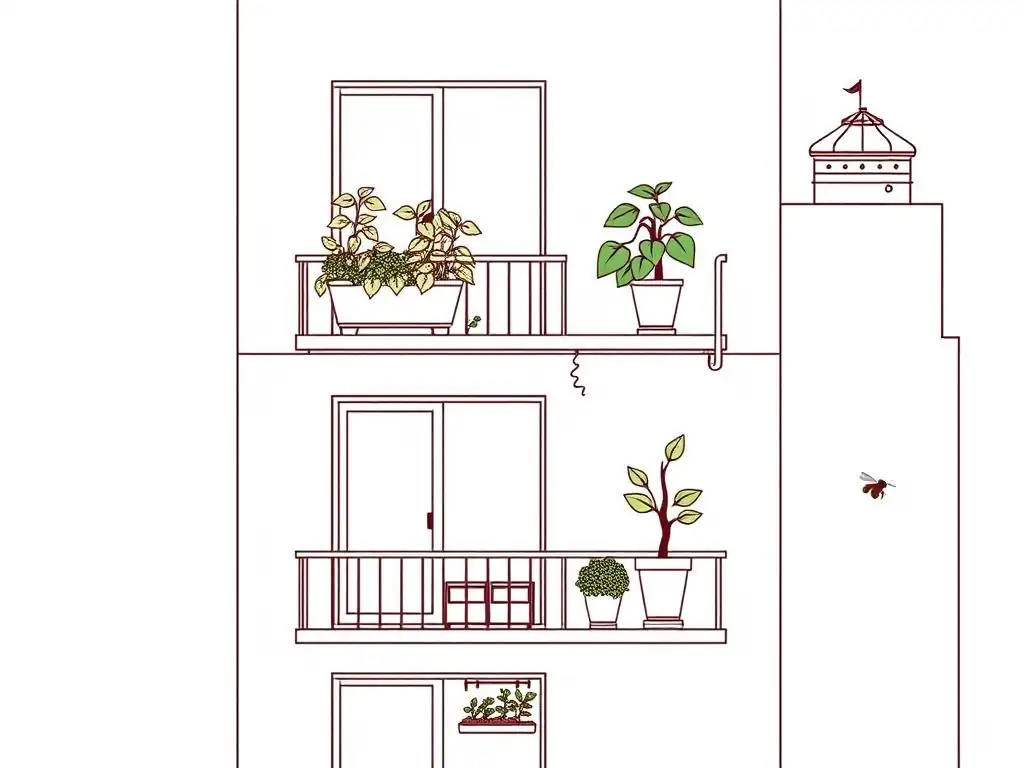
Sustainable living extends beyond recycling and energy conservation; it deeply involves mindful consumption, particularly concerning food. For those residing in small spaces, this presents unique challenges and opportunities. Limited storage and counter space necessitate creative solutions to minimize waste and maximize the nutritional value of each purchase. Embracing sustainable food practices in a compact home not only benefits the environment but also enhances the quality of life, promoting health and reducing expenses. This section explores practical strategies to achieve this balance.
Growing Your Own Food in Small Spaces: Vertical Gardening and Herbs
Cultivating your own food, even in a small apartment, drastically reduces your carbon footprint associated with food transportation and packaging. Vertical gardening is a game-changer for small-space living. Instead of sprawling gardens, utilize wall-mounted planters, hanging baskets, or tiered shelving systems to maximize vertical space. Herbs, in particular, thrive in containers and require minimal space. Consider planting basil, mint, rosemary, or chives – staples easily incorporated into daily cooking. The initial investment in planters and seeds is minimal, and the reward – fresh, flavorful herbs readily available – is invaluable.
Think beyond herbs! With careful planning and the right varieties, you can even grow small vegetables like cherry tomatoes, peppers, or leafy greens in containers. Research compact varieties specifically bred for container gardening to ensure optimal growth within your space constraints. Remember to choose the right type of soil and ensure adequate sunlight exposure, either through strategically placed windows or grow lights.
Regular watering and fertilization are crucial for healthy growth, but remember to avoid overwatering, a common mistake in container gardening. The satisfaction of harvesting homegrown produce adds a unique dimension to sustainable small space living, offering fresh ingredients while minimizing your environmental impact. This is a fantastic way to incorporate "small space sustainable living hacks" into your routine.
Reducing Food Waste in Small Kitchens: Smart Storage and Meal Planning
Minimizing food waste is paramount for sustainable living, especially when space is limited. A small kitchen necessitates efficient storage and meticulous meal planning. Smart storage solutions, such as airtight containers, stackable shelves, and drawer organizers, help prevent spoilage and maximize space. Properly storing food preserves its freshness, extending its shelf life and reducing the need for frequent grocery trips.
Meal planning is crucial. Planning your meals for the week allows you to purchase only the necessary ingredients, minimizing the risk of food spoiling before it's consumed. Consider using apps or online resources to create weekly meal plans based on what's already in your pantry and fridge, reducing impulsive grocery runs and associated waste. Furthermore, utilizing leftovers creatively is key. Transform leftover vegetables into soups, stews, or frittatas, ensuring nothing goes to waste.
Composting food scraps is another sustainable practice, even in limited spaces. A countertop compost bin or a small worm composting system can be easily integrated into a small kitchen. By implementing these strategies, you can significantly reduce your food waste and contribute to a more sustainable lifestyle, even within the confines of a small home. These simple yet effective "small space sustainable living hacks" significantly contribute to reducing your environmental footprint.
Sustainable Shopping Habits for Compact Living
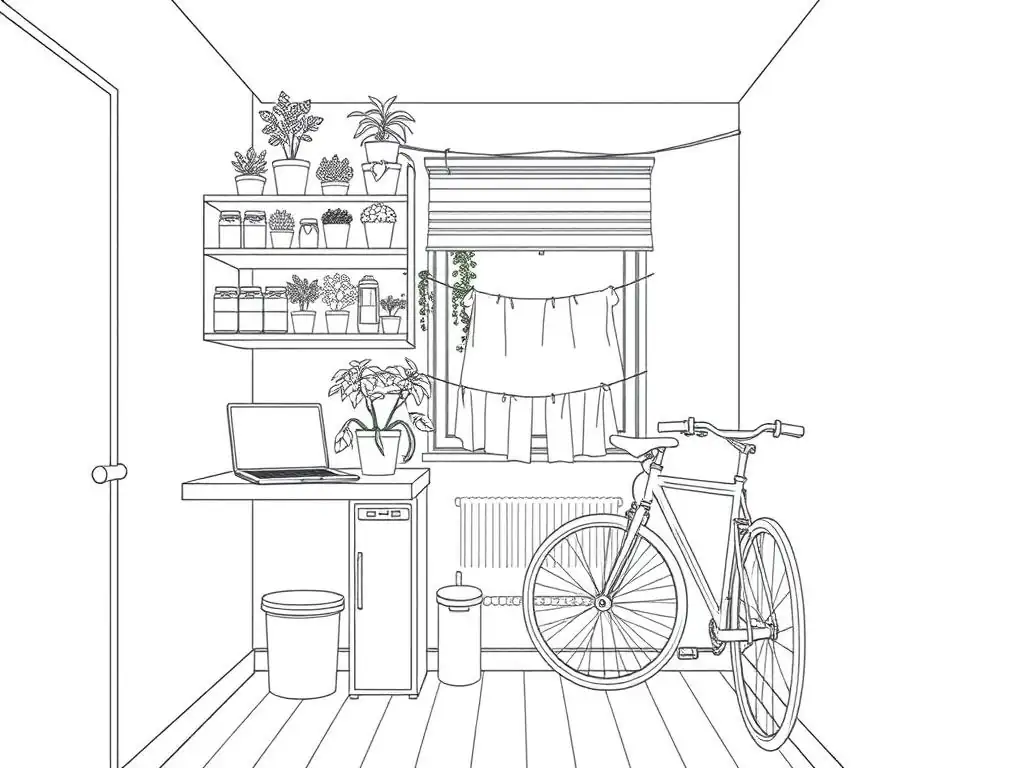
Sustainable living in small spaces requires a mindful approach to consumption. Minimizing clutter and maximizing resource efficiency go hand-in-hand with eco-consciousness. This section focuses on practical strategies to cultivate sustainable shopping habits tailored to the realities of compact living. Adopting these practices will not only reduce your environmental footprint but also contribute to a more organized and less stressful living environment. Remember, less is often more, especially in small spaces.
Buying Less, Choosing Wisely: Sustainable Consumption in Small Spaces
The cornerstone of sustainable shopping is conscious consumption. Before making any purchase, ask yourself: Do I really need this? Will this item improve my quality of life or simply add to the clutter? This simple question can significantly reduce impulse buys and prevent the accumulation of unnecessary items that overwhelm small spaces.
Prioritizing quality over quantity is crucial. Investing in durable, well-made products, even if they cost more upfront, often proves more economical in the long run. These items are less likely to break or become obsolete quickly, reducing the need for frequent replacements and minimizing waste. Think about clothing—a few high-quality, versatile pieces will last longer and serve you better than many cheap, trendy items that quickly wear out.
Consider the lifecycle of a product. Think about its production, use, and disposal. Look for items made from recycled materials or those that are easily recyclable or compostable at the end of their lifespan. This mindful approach reduces your environmental impact and aligns with the principles of a circular economy. For example, choosing bamboo utensils over plastic ones reduces plastic waste and supports sustainable materials.
Here's a simple checklist to help you make conscious purchasing decisions:
- [ ] Do I truly need this item?
- [ ] Is this item durable and long-lasting?
- [ ] Is it made from sustainable materials?
- [ ] Is it easily recyclable or compostable?
- [ ] Are there alternatives that are more sustainable?
Supporting Local and Sustainable Businesses
Supporting local and sustainable businesses is another key aspect of environmentally responsible shopping in small spaces. Local businesses often prioritize sustainable practices, sourcing materials responsibly and minimizing their carbon footprint through reduced transportation. They also contribute to the vitality of your local community.
When buying groceries, prioritize farmers' markets and local producers. This reduces food miles—the distance food travels from farm to table—decreasing the associated greenhouse gas emissions. Plus, you'll often find fresher, higher-quality produce. You can also support local businesses by buying everyday items like cleaning supplies or personal care products from locally owned stores that focus on eco-friendly options.
Many online platforms now connect consumers with sustainable businesses. These platforms often feature businesses committed to ethical sourcing, fair labor practices, and environmentally sound production methods. Consider using these resources to find sustainable alternatives to mainstream brands and support businesses that align with your values. This is a fantastic way to ensure your small space living is not only efficient but also ethically sound. Remember, every purchase is a vote, and by choosing sustainable businesses, you're actively contributing to a more sustainable future. 🌎
Creating a Sustainable and Cozy Atmosphere in Small Spaces
This section focuses on practical strategies for cultivating a sustainable and inviting environment within the confines of a small living space. We'll explore how mindful choices in décor and design can significantly impact your comfort and reduce your environmental footprint. The principles of sustainable living, even in small spaces, are achievable with a little creativity and planning. Remember, "small space sustainable living hacks" aren't just about saving space; they're about creating a healthier, more eco-conscious home.
Natural Decor and Sustainable Interior Design for Small Homes
Creating a cozy and sustainable small space often starts with the materials you choose. Opting for natural, sustainable materials significantly reduces the environmental impact of your interior design. Consider these options:
- Bamboo: This rapidly renewable resource is incredibly versatile. Use bamboo flooring, furniture, or even decorative accents to introduce a touch of natural elegance. Its durability ensures longevity, reducing the need for frequent replacements – a key aspect of sustainable living.
- Reclaimed Wood: Giving old wood a new life is a fantastic way to reduce waste and add character to your small space. Look for reclaimed wood furniture or use reclaimed wood planks as shelving or wall accents. The unique grain and texture add warmth and visual interest.
- Organic Cotton Textiles: Choose bedding, curtains, and upholstery made from organic cotton. This reduces the use of harmful pesticides and chemicals, creating a healthier living environment. Look for certifications like GOTS (Global Organic Textile Standard) to ensure authenticity.
- Cork: Cork is a highly sustainable material derived from the bark of the cork oak tree. It's incredibly versatile and can be used for flooring, wall coverings, and even furniture. Cork is naturally insulating, helping to regulate temperature and reduce energy consumption.
- Recycled Materials: Incorporating recycled materials into your décor is a powerful way to embrace sustainable practices. Look for furniture made from recycled plastic or metal. Even repurposing old items, like jars as storage containers, adds a unique touch while promoting sustainability.
The impact of these choices extends beyond aesthetics. Choosing sustainable materials minimizes the release of volatile organic compounds (VOCs) into your home, improving indoor air quality and contributing to a healthier living environment. This is particularly crucial in smaller spaces where air circulation might be limited. Remember, sustainable interior design isn't about sacrificing style; it's about making conscious choices that align with your values and benefit the planet. Consider the lifecycle of each item before purchasing, prioritizing durability and repairability over disposable trends.
Biophilic Design for Small Spaces: Bringing Nature Indoors
Biophilic design, which integrates natural elements into the built environment, is particularly beneficial for small spaces. It can create a sense of spaciousness and tranquility, countering the feeling of confinement that can sometimes accompany small homes. This is another key element of "small space sustainable living hacks."
Here are some ways to incorporate biophilic design principles:
- Indoor Plants: Plants are excellent air purifiers and can significantly improve indoor air quality. Even a few strategically placed plants can make a noticeable difference. Choose low-maintenance plants that thrive in low-light conditions, such as snake plants or ZZ plants. These are particularly well-suited to smaller spaces.
- Natural Light: Maximize natural light by keeping windows unobstructed. Light-colored walls and furniture can help reflect light, making the space feel larger and brighter.
- Natural Textures: Incorporate natural textures through materials like wood, stone, and rattan. These materials add warmth and visual interest, creating a more inviting atmosphere.
- Water Features: A small indoor fountain or aquarium can add a calming element to your space. The gentle sound of water can be incredibly relaxing and help create a sense of serenity. However, ensure proper maintenance to prevent any negative environmental impacts.
- Natural Scents: Use essential oils or diffusers with natural scents like lavender or eucalyptus to create a pleasant and relaxing atmosphere. Avoid synthetic fragrances, which can contain harmful chemicals.
By thoughtfully incorporating these elements, you can transform your small space into an oasis of calm and sustainability. The benefits extend beyond aesthetics; biophilic design has been shown to reduce stress, improve mood, and boost productivity. Remember, even small changes can have a significant impact on your well-being and the environment. Prioritizing natural materials and elements is a cornerstone of effective "small space sustainable living hacks."
Frequently Asked Questions
How can I make my small space feel more spacious?
Declutter regularly and maximize vertical space with shelves and tall storage units. Light, bright colors on the walls can also create an illusion of more space.
What sustainable practices can I adopt in a small apartment?
Focus on reducing waste through composting, recycling, and reusable items. Choose energy-efficient appliances and consider water-saving fixtures.
Where can I find sustainable cleaning products for my small home?
Look for eco-friendly brands at local health food stores or online retailers. Many DIY cleaning solutions using natural ingredients are also effective and sustainable.
Are there any space-saving furniture options for sustainable living?
Yes! Consider multi-functional furniture, like a sofa bed or storage ottomans. Choose pieces made from recycled or sustainably sourced materials.
How can I reduce my carbon footprint in a small space?
Prioritize walking, biking, or public transport. Reduce your energy consumption by using energy-efficient lighting and appliances, and consider locally sourced food to minimize transportation emissions.
Final Reflection: Embracing Sustainability, One Small Space at a Time
The quest for sustainable living is no longer a niche pursuit; it's a fundamental necessity for our planet's future, and small-space dwellers are uniquely positioned to lead the charge. The innovative solutions explored in this article – from vertical gardening to mindful consumption – demonstrate that even within the confines of a compact home, a significant positive impact can be made. We've shown that sustainable living isn't about sacrificing comfort, but about embracing creativity and resourcefulness.
The journey towards sustainable living is a continuous evolution, a constant learning process that shapes not only our homes but also our perspectives. It's about recognizing the interconnectedness of our actions and their ripple effect on the environment. This journey has profoundly impacted my own lifestyle, prompting me to reassess my consumption habits and find joy in the simplicity of mindful living. The smallest seed can grow into the tallest tree.
This simple truth underscores the power of even small, consistent actions in creating a larger, more sustainable future.
Now, it's your turn. Consider the practical tips and inspirational ideas presented within these pages. What small changes can you implement today to make your living space more sustainable? Start with one small step – perhaps composting food scraps, or switching to reusable shopping bags – and watch as your commitment to sustainability blossoms, transforming not only your home but also your connection to the world around you. Let's build a future where sustainable living is not just a trend, but a way of life, accessible to everyone, regardless of space.
Unleash Your Space: Start Living Sustainably Today!
Thank you for exploring sustainable living solutions for your compact home! We hope you found inspiring ideas to make your space greener and more efficient. Now it's time to put those ideas into action.
- Prioritize one small change: Choose just one sustainable improvement from this article—perhaps switching to reusable shopping bags or investing in energy-efficient light bulbs—and commit to implementing it this week. You'll quickly see how easily you can integrate sustainable practices into your daily routine!
- Share your successes (and challenges!): Tell us about your experience in the comments below! Which sustainable change are you most excited to try, and what obstacles do you anticipate? Sharing your journey can inspire others.
- Explore our other resources: Learn more about sustainable living by browsing more articles on UltimateLifeHacks.org – you might discover even more clever ways to transform your home!
Ready to begin your sustainable small-space journey? What's the first eco-friendly step you'll take?