
Saving Money on Groceries: The Ultimate Guide to Reducing Your Food Bill

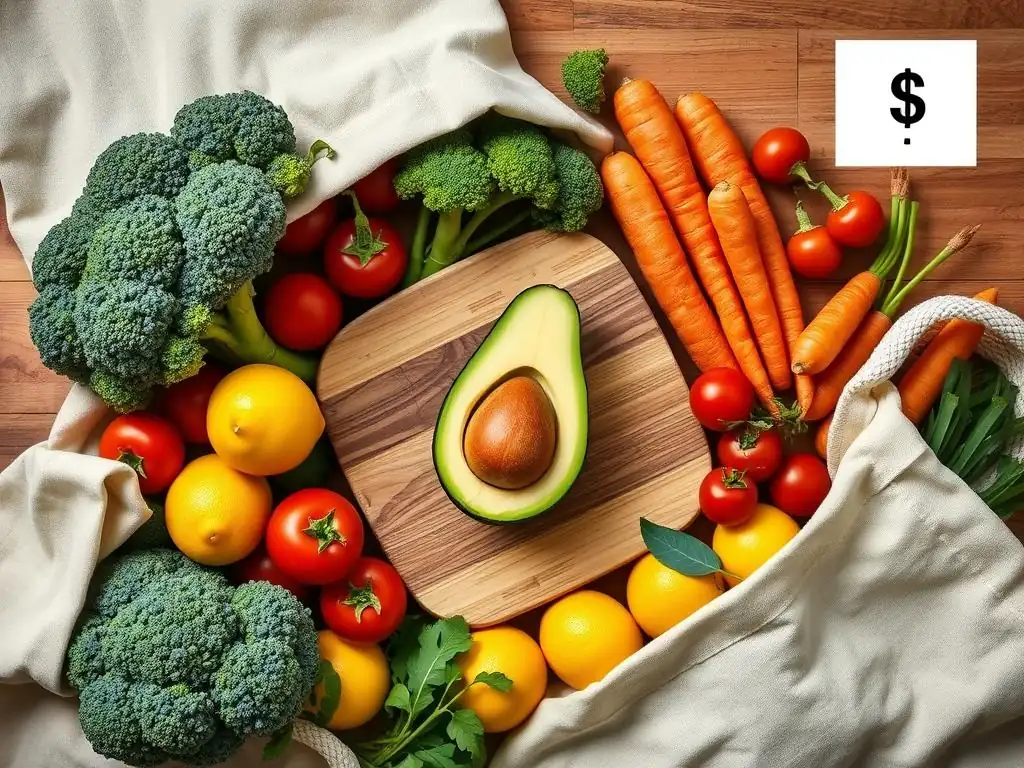
Welcome to UltimateLifeHacks, your destination for practical tips and tricks to master your daily life! Are you ready to conquer your grocery budget and finally unlock the secrets to significantly cheaper shopping? Our expert guide on cheap grocery shopping strategies reveals powerful techniques to slash your food bill without sacrificing quality or convenience. Discover the surprising ways you can save big – dive in and start transforming your finances today!
-
Mastering Cheap Grocery Shopping Strategies: A Comprehensive Guide
- Planning Your Grocery Shopping: The Foundation of Savings
- Smart Shopping Techniques: Maximizing Value for Your Money
- Minimizing Food Waste: Extending the Life of Your Groceries
- Bulk Buying and Smart Storage Solutions: Buying in Bulk Effectively
- Beyond the Grocery Store: Additional Ways to Reduce Food Costs
- Cheap Grocery Shopping Strategies: Putting it All Together
- Tracking Your Progress and Refining Your Strategies
- Long-Term Savings and Sustainable Habits
-
Frequently Asked Questions
- How can I save money on groceries without sacrificing quality?
- What are some effective strategies for reducing food waste?
- Are there any apps or websites that can help me save money on groceries?
- How can I find the best deals on fresh produce?
- What's the best way to manage my grocery budget effectively?
- Final Reflection: The Enduring Power of Smart Grocery Shopping
- Unlock Your Savings Potential: Take Control of Your Grocery Budget Today!
Mastering Cheap Grocery Shopping Strategies: A Comprehensive Guide
Grocery shopping can be a significant drain on your monthly budget. However, with a strategic approach and a few clever techniques, you can significantly reduce your food bill without sacrificing quality or variety. This comprehensive guide delves into effective cheap grocery shopping strategies, equipping you with the knowledge and tools to master the art of saving money on groceries.
We'll explore everything from meticulous meal planning and leveraging technology to understanding unit pricing and the power of coupons. By the end, you'll be well-equipped to navigate the grocery store aisles like a pro, transforming your shopping experience into a money-saving endeavor. Let's embark on this journey to unlock substantial savings and achieve your financial goals.
This guide will help you conquer the challenge of cheap grocery shopping and transform it into a rewarding experience. Prepare to become a savvy shopper and master the art of stretching your food budget further than ever before!
Planning Your Grocery Shopping: The Foundation of Savings
Smart grocery shopping begins before you even step foot in the store. Careful planning is the cornerstone of saving money and minimizing food waste. This involves several key steps:
Creating a Weekly Meal Plan: Minimizing Impulse Buys and Food Waste
A meticulously planned weekly meal plan is your first line of defense against unnecessary spending. By deciding what you'll eat for each meal, you eliminate impulse buys and reduce the likelihood of spoiled food. Consider factors like seasonal produce availability for optimal pricing and nutritional value. For example, planning meals around in-season fruits and vegetables can lead to significant savings compared to purchasing out-of-season produce. Don't forget to incorporate leftovers creatively into subsequent meals to minimize waste and maximize value.
Utilizing Grocery Store Apps for Deals and Coupons: Saving Money with Technology
Many grocery stores offer dedicated apps with digital coupons, weekly ads, and loyalty programs. These apps can significantly enhance your savings. Take advantage of features such as personalized deals and price comparisons to make informed decisions. Remember to check the expiration dates of digital coupons to avoid missing out on valuable savings opportunities. These apps often provide notifications for sales and special offers, allowing you to plan your shopping trips strategically and capitalize on the best deals available.
Building a Realistic Grocery Budget: Tracking Spending and Identifying Areas for Improvement
Before you even start shopping, establish a realistic grocery budget. Track your spending for a few weeks to determine your current average. Then, identify areas where you can cut back. This could involve reducing spending on processed foods, opting for store brands, or decreasing your consumption of expensive specialty items. A clear budget will guide your shopping decisions and prevent overspending. Using a budgeting app or spreadsheet can simplify this process and provide valuable insights into your spending habits.
Smart Shopping Techniques: Maximizing Value for Your Money
Once you’ve planned your shopping, employing smart techniques within the store itself is crucial for maximizing savings.
Understanding Unit Pricing and Comparing Costs: Finding the Best Deals
Don't be fooled by larger package sizes! Always compare unit prices (price per ounce, pound, etc.) to ensure you're getting the best value. This is especially important when comparing different brands and package sizes of the same product. Take the time to carefully examine unit prices to make informed decisions and avoid paying more for less. This seemingly small step can dramatically impact your overall savings.
Utilizing Store Brands and Generic Products: Saving Without Compromising Quality
Store brands and generic products often offer comparable quality to name brands at significantly lower prices. Experiment with different store brands to find those that meet your standards without breaking the bank. In many cases, the difference in quality is negligible, while the difference in price can be substantial. This simple switch can lead to significant savings over time.
Strategic Shopping List Creation: Avoiding Unnecessary Purchases
A well-organized shopping list is essential for avoiding impulse buys. Categorize your items by grocery store aisle to streamline your shopping trip and prevent distractions. Stick to your list as closely as possible to avoid purchasing items outside your meal plan or budget. This focused approach helps you maintain control and prevents unnecessary expenses.
The Art of Couponing and Discount Codes: Finding Hidden Savings
Don't underestimate the power of coupons and discount codes! Clip coupons from newspapers, utilize digital coupons through apps, and search for online discount codes before making online grocery purchases. Combine coupons with sales and store promotions for maximum savings. This requires a bit of effort, but the savings can be considerable, especially when combined with other cost-saving strategies.
Minimizing Food Waste: Extending the Life of Your Groceries
Reducing food waste is a cornerstone of cheap grocery shopping strategies. A significant portion of your grocery budget might be inadvertently thrown away. By implementing smart strategies, you can significantly reduce this loss and boost your savings. This involves a multi-pronged approach encompassing proper storage, creative recipe planning, and understanding the shelf life of your purchases.
Failing to properly store your food items can lead to premature spoilage, resulting in unnecessary expenses. Think of it this way: every wasted apple or wilted lettuce is money directly thrown away. Careful planning and mindful consumption directly impact your budget, making it a critical aspect of effective cost-cutting. Implementing strategies to reduce food waste is not merely about saving money; it's also about reducing your environmental impact – a win-win situation.
Proper Food Storage Techniques: Keeping Food Fresh Longer
Proper storage is paramount in extending the life of your groceries. Understanding the ideal conditions for different types of food is crucial. For instance, leafy greens should be stored in airtight containers lined with paper towels to absorb excess moisture. Fruits like bananas and avocados should be kept separate from other fruits to prevent ethylene gas from accelerating ripening and spoilage.
Properly storing your produce in the refrigerator's crisper drawers, maintaining optimal humidity levels, and rotating older items to the front are all simple yet effective techniques. Remember to check your refrigerator regularly for any signs of spoilage and discard items that are past their prime to prevent contamination. This proactive approach will save you money in the long run by preventing premature spoilage and ensuring maximum value from your grocery purchases. Think of it as a mini-investment in your overall grocery budget!
Creative Ways to Use Leftovers: Preventing Waste and Adding Variety
Leftovers often get overlooked, leading to unnecessary waste. However, with a little creativity, leftovers can become the foundation of delicious and budget-friendly meals. Transform yesterday's roast chicken into a hearty chicken salad sandwich or a flavorful chicken soup. Use leftover rice to create fried rice or a satisfying rice pudding.
Even vegetable scraps can be repurposed – think vegetable broth made from onion peels and carrot tops. Planning your meals around using up leftovers reduces waste and minimizes the need to purchase additional ingredients, directly contributing to your savings. The key is to think beyond the original dish and explore different culinary applications for your remaining food items. This approach not only saves money but also adds variety to your diet, making mealtimes more exciting.
Freezing and Preserving Food: Extending Shelf Life for Maximum Savings
Freezing and preserving food are effective methods for extending shelf life and saving money on groceries. Freezing fruits and vegetables at their peak ripeness locks in nutrients and flavor, allowing you to enjoy them later in the year. Similarly, freezing leftover cooked meals prevents waste and provides convenient meal options for busy weeknights. Consider preserving seasonal produce by canning or pickling.
This allows you to enjoy the abundance of seasonal produce throughout the year, reducing reliance on more expensive, out-of-season options. Properly labeling and dating your frozen and preserved items is essential to ensure efficient inventory management and minimize waste. Investing in quality freezer bags and containers will help maintain the quality and freshness of your stored food. By incorporating freezing and preserving techniques, you effectively create a personal food bank, significantly reducing your reliance on frequent grocery shopping and lowering your overall food bill.
Bulk Buying and Smart Storage Solutions: Buying in Bulk Effectively
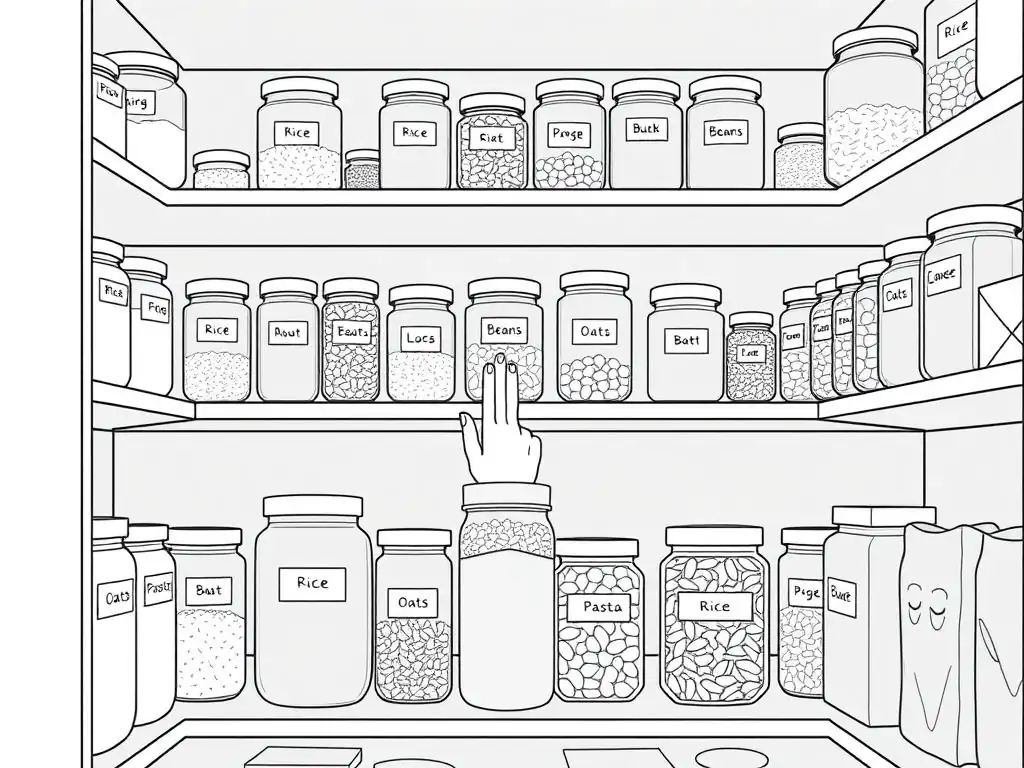
Buying in bulk is a popular strategy for reducing grocery costs, but it's crucial to do it strategically. While bulk buying can offer significant savings, it requires careful planning and sufficient storage space to avoid waste. This approach is most effective for non-perishable items with long shelf lives, such as grains, beans, canned goods, and certain spices.
However, purchasing perishable items in bulk can lead to considerable waste if you are unable to consume them before they spoil. This careful balance between savings and potential waste makes careful planning critical for the success of this strategy. Improper storage can negate the cost savings of bulk purchases, leading to spoilage and financial losses.
Identifying the Right Items for Bulk Purchases: Balancing Savings with Storage
Not all items are suitable for bulk buying. Prioritize non-perishable staples with long shelf lives, like rice, beans, lentils, pasta, and canned goods. Consider your household's consumption patterns. Buying a massive bag of flour only to have it expire before you use it all defeats the purpose of bulk buying. Compare unit prices carefully.
Sometimes, smaller packages offer better value per unit than bulk options, especially if you're not sure you'll consume the entire quantity before the expiration date. Assess your storage capacity. Ensure you have adequate space in your pantry, freezer, and other storage areas before making large bulk purchases to avoid clutter and potential spoilage. Prioritizing items that align with your family's needs and storage capabilities is key to maximizing savings and minimizing waste.
Optimizing Your Pantry and Freezer Space: Efficient Storage for Bulk Items
Efficient storage is crucial when buying in bulk. Utilize vertical space with shelves and stackable containers. Clear, labeled containers help you easily identify and access items, reducing the risk of forgetting about them and allowing for first-in, first-out inventory management. Consider using vacuum-sealed bags for long-term storage of items like grains and beans to preserve freshness and prevent pests.
Regularly audit your pantry and freezer to check for expired items and reorganize to maximize space. A well-organized pantry and freezer not only enhance efficiency but also reduce the risk of food spoilage, directly impacting your savings and reducing waste. The goal is to create a system that allows easy access to your bulk items while preventing spoilage and maximizing the shelf life of your purchases.
Beyond the Grocery Store: Additional Ways to Reduce Food Costs
Mastering cheap grocery shopping strategies extends beyond simply navigating the supermarket aisles. Savvy shoppers understand that significant savings can be achieved by exploring alternative avenues for acquiring food. This involves thinking creatively about where your food comes from and how you prepare it. By diversifying your food sourcing, you can drastically reduce your overall food bill and enjoy fresher, healthier options. This section will explore several effective strategies to supplement your grocery shopping and maximize your budget.
Growing Your Own Produce: Homegrown Fruits and Vegetables
Even a small herb garden or a few tomato plants can significantly impact your grocery bill over time. The initial investment in seeds, soil, and perhaps some basic gardening tools is minimal compared to the ongoing cost of buying fresh produce. Consider the space you have available – a sunny windowsill, a balcony, or even a small backyard plot can be utilized. Start with easy-to-grow vegetables like lettuce, herbs, or zucchini.
As your confidence grows, you can expand your garden to include more challenging crops. The satisfaction of harvesting your own fresh ingredients is unparalleled, and the savings add up quickly. For example, a single basil plant can provide enough fresh basil for months, easily saving you $10-$20 on pre-packaged herbs. Furthermore, homegrown produce is often more flavorful and nutritious than store-bought options, enhancing both your health and your wallet.
Utilizing Farmers' Markets and Local Farms: Supporting Local and Saving Money
Farmers' markets and local farms offer a fantastic opportunity to purchase fresh, seasonal produce at competitive prices. Often, you'll find prices lower than those in supermarkets, especially for fruits and vegetables that are in season. The direct connection with the farmers ensures quality and freshness, often exceeding what you find in large grocery chains. Many farmers' markets also offer discounts for bulk purchases, making it an even more cost-effective option for larger families or those who like to preserve food.
Moreover, supporting local farmers contributes to your community's economic vitality. This dual benefit of saving money and supporting local businesses makes farmers' markets a win-win scenario for budget-conscious shoppers. By planning your meals around what's in season at your local farmers' market, you can consistently enjoy delicious and affordable meals.
Cooking at Home More Often: Avoiding Expensive Restaurant Meals
One of the most significant contributors to a high food bill is frequent restaurant dining. Restaurant meals, even relatively inexpensive ones, quickly add up. Cooking at home allows you to control portion sizes, ingredient quality, and overall cost.
Planning your meals in advance and creating a weekly menu can prevent impulsive takeout orders and ensure you're utilizing your groceries efficiently. Batch cooking – preparing large quantities of food at once and freezing portions for later – is another effective strategy for saving time and money. This allows you to enjoy home-cooked meals even on busy weeknights, significantly reducing reliance on expensive restaurant alternatives.
For instance, a family of four eating out twice a week could easily save $500 or more per month by switching to home-cooked meals. This significant reduction in expenses can make a substantial difference in your monthly budget. The initial investment in time to plan and prepare meals is quickly offset by the long-term savings.
Cheap Grocery Shopping Strategies: Putting it All Together
This section focuses on integrating various cheap grocery shopping strategies into a cohesive, effective plan. Simply employing individual techniques won't yield maximum savings; a holistic approach is key. We'll explore how to combine different methods for optimal results and address common challenges. Mastering this will significantly reduce your food bill and improve your financial well-being. Effective budgeting and smart shopping are intertwined; optimizing one enhances the other.
Implementing a Holistic Approach to Grocery Savings
Successfully implementing cheap grocery shopping strategies requires a multi-pronged approach. It's not just about finding the lowest prices on individual items; it's about transforming your entire shopping mindset and habits. Consider these integrated strategies:
- Meal Planning: This is arguably the most important element. Planning your meals for the week, even just loosely, drastically reduces impulse purchases and food waste. Create a shopping list directly from your meal plan, sticking to it religiously. This directly combats the "cheap grocery shopping strategies" challenge of unplanned spending.
- Couponing and Loyalty Programs: Don't rely solely on coupons; combine them with loyalty programs and store sales. Many stores offer digital coupons through their apps, allowing for easy stacking with manufacturer's coupons. Track your loyalty points to maximize rewards and discounts. A well-structured couponing system saves significant amounts, especially for frequently purchased items.
- Smart Shopping List Organization: Organize your shopping list by store sections to streamline your shopping trip. Group similar items together to avoid backtracking, saving you valuable time and potentially reducing impulse buys while you navigate the store. Consider using a digital shopping list app for easy updates and organization.
- Inventory Management: Before heading to the store, check your pantry and refrigerator. This prevents buying duplicates and helps you utilize existing ingredients. Regularly reviewing your stock helps plan meals effectively, reducing waste and saving money in the long run. This is crucial for any serious "cheap grocery shopping strategies" plan.
- Buying in Bulk (Strategically): Buying in bulk can be cost-effective, but only for items you frequently use and won't spoil before consumption. Carefully assess your consumption patterns before committing to large quantities. This strategy, when implemented correctly, contributes significantly to lowering your overall grocery bill.
Tracking Your Progress and Refining Your Strategies
To ensure your cheap grocery shopping strategies are effective, consistent monitoring is crucial. Tracking your spending allows you to identify areas for improvement and refine your approach over time. Consider these tracking methods:
- Spreadsheet Tracking: A simple spreadsheet can track your weekly grocery spending, highlighting fluctuations and trends. Categorize your expenses (produce, meat, dairy, etc.) to pinpoint areas of overspending.
- Budgeting Apps: Many budgeting apps automatically categorize transactions, making tracking easier. These apps often provide insightful visualizations of your spending habits, helping you identify areas for improvement in your "cheap grocery shopping strategies".
- Regular Review and Adjustments: Review your tracking data weekly or monthly. Analyze your spending patterns, identifying areas where you consistently overspend. Adjust your strategies accordingly. Perhaps you need to refine your meal planning, explore alternative brands, or adjust your shopping list. This iterative process is key to long-term success.
- The Importance of Consistency: The key to success with any budget-saving strategy is consistency. Sticking to your plan, even when it feels challenging, is essential to achieving your financial goals. Tracking your progress helps maintain motivation and makes adjustments easier.
Long-Term Savings and Sustainable Habits
Successfully implementing cheap grocery shopping strategies leads to significant long-term savings. Beyond the immediate financial benefits, these strategies cultivate sustainable habits that positively impact your lifestyle.
- Reduced Food Waste: Careful planning and inventory management minimize food waste, saving money and reducing your environmental impact. This is a significant benefit beyond simply finding "cheap grocery shopping strategies".
- Healthier Eating Habits: Focusing on planning meals encourages healthier choices, leading to improved well-being. By focusing on affordable, nutritious ingredients, you can improve your diet without breaking the bank.
- Improved Financial Literacy: Mastering grocery budgeting enhances your overall financial literacy, equipping you with valuable skills applicable to other areas of your finances. These skills extend beyond just grocery shopping and contribute to better overall financial health.
- Building a Strong Financial Foundation: Consistent savings from implementing these cheap grocery shopping strategies contribute to a strong financial foundation, paving the way for achieving larger financial goals. This is a significant long-term benefit, well beyond the immediate savings on groceries.
This holistic approach, combining various strategies and consistently tracking progress, will significantly reduce your grocery bill and contribute to a healthier, more financially secure future. Remember, the journey to mastering "cheap grocery shopping strategies" is a continuous process of learning, adapting, and refining your approach.
Frequently Asked Questions
How can I save money on groceries without sacrificing quality?
You can save money by planning your meals in advance, creating a detailed shopping list, and sticking to it. Look for store brands and take advantage of sales and coupons.
What are some effective strategies for reducing food waste?
Proper food storage is key. Use the FIFO method (First In, First Out) and freeze leftovers or excess produce. Plan meals around what you already have.
Are there any apps or websites that can help me save money on groceries?
Yes! Many apps offer digital coupons, price comparison tools, and loyalty programs. Websites like your local grocery store's site often showcase weekly deals and online ordering discounts.
How can I find the best deals on fresh produce?
Shop in season for the best prices and quality. Consider buying in bulk if you can use it all before it spoils. Also, check out local farmers' markets for potentially lower prices and fresher produce.
What's the best way to manage my grocery budget effectively?
Set a realistic weekly or monthly budget. Track your spending using a spreadsheet or budgeting app. Regularly review your spending habits to identify areas where you can cut back.
Final Reflection: The Enduring Power of Smart Grocery Shopping
The rising cost of living makes savvy grocery shopping not just a helpful skill, but a crucial life strategy. In a world grappling with inflation and economic uncertainty, the ability to feed yourself and your family without breaking the bank is more important than ever. This guide has explored numerous strategies, from meticulous meal planning to understanding unit pricing and embracing seasonal produce, all aimed at empowering you to take control of your food budget.
The impact of mindful grocery shopping extends far beyond simply saving money; it's about reclaiming agency over your financial well-being and fostering a more sustainable relationship with food. We must eat to live, not live to eat.
This ancient proverb, while seemingly simple, highlights the profound shift in perspective that accompanies conscious consumerism. By prioritizing value and minimizing waste, we not only reduce our expenses but also contribute to a more responsible and environmentally conscious approach to food consumption. This journey of learning to shop smarter has been personally rewarding, teaching me the value of planning and the surprising satisfaction of stretching a budget without compromising on quality.
Now, it's your turn. Consider the strategies outlined in this guide – which ones resonate most with your lifestyle and circumstances? Experiment, adapt, and find what works best for you. Remember, every small change, from choosing store brands to utilizing leftovers creatively, contributes to significant long-term savings. Embrace the challenge, and discover the empowering feeling of controlling your food costs and building a more secure financial future. The journey to smart grocery shopping is a continuous one, filled with learning and adaptation, but the rewards are well worth the effort.
Unlock Your Savings Potential: Take Control of Your Grocery Budget Today!
This guide has hopefully provided valuable tips and strategies to reduce your grocery spending. Now, let's put that knowledge into action.
- Begin incorporating at least one of the meal-planning techniques discussed. Even small changes can significantly impact your grocery bill. This is crucial for consistent savings.
- Share your favorite budget-friendly grocery tips in the comments below! Let's build a supportive community of savvy shoppers to help each other save even more money.
- Try a "no-frills" week, focusing on essential groceries only, to see just how much you can save. This experiment will highlight areas where you can easily cut back on spending.
What grocery-saving tip are you most excited to implement first?