
The Eisenhower Matrix: A StepbyStep Guide for Time Management Success

Ready to conquer your to-do list and reclaim your time? Welcome to UltimateLifeHacks, your ultimate resource for practical strategies to boost productivity and simplify your life. We're diving deep into the world of efficient time management, starting with our comprehensive guide on the Eisenhower Matrix. Discover how this powerful tool can transform your approach to tasks, prioritizing what truly matters and eliminating unnecessary stress. Let's unlock your potential and achieve peak efficiency – read on to learn more!
- Understanding the Eisenhower Matrix for Prioritization
-
Step-by-Step Guide to Implementing the Eisenhower Matrix
- Step 1: List All Your Tasks and Responsibilities
- Step 2: Categorize Each Task Using the Urgent/Important Matrix
- Step 3: Scheduling Your Tasks Based on Quadrant Priority
- Step 4: Delegating Tasks Effectively (Quadrant 2 and 3)
- Step 5: Eliminating Time-Wasting Activities (Quadrant 3 & 4)
- Step 6: Regularly Review and Adjust Your Eisenhower Matrix
- Mastering the Eisenhower Matrix for Peak Productivity
- Overcoming Common Challenges When Using the Eisenhower Matrix
- Advanced Techniques for Maximizing the Eisenhower Matrix
- Eisenhower Matrix Examples and Case Studies
- Frequently Asked Questions
- Final Reflection: Mastering Your Time, Mastering Your Life
- Unlock Your Productivity: Put the Eisenhower Matrix to Work!
Understanding the Eisenhower Matrix for Prioritization
The Eisenhower Matrix, also known as the Urgent/Important Matrix, is a powerful time management tool that helps you prioritize tasks based on their urgency and importance. This simple yet effective method allows you to focus your energy on high-impact activities, minimizing wasted time on less crucial matters. Mastering the Eisenhower Matrix can significantly improve your productivity, reduce stress, and ultimately lead to a more fulfilling and efficient life.
This comprehensive guide will walk you through the principles of the Eisenhower Matrix, providing a step-by-step approach to implementing it in your daily routine and achieving time management success. We'll explore how to differentiate between urgent and important tasks, understand the four quadrants of the matrix, and learn practical strategies for managing each one effectively. By the end, you'll be equipped to conquer your to-do list and achieve a better work-life balance.
This guide is perfect for anyone looking to improve their time management skills and achieve a greater sense of control over their schedule. Let's dive in!
What is the Eisenhower Matrix (Urgent/Important Matrix)?
The Eisenhower Matrix is a visual decision-making tool that categorizes tasks based on two criteria: urgency and importance. It's a simple yet profound method for prioritizing your tasks, ensuring that you focus your time and energy on what truly matters. The matrix is represented by a 2x2 grid, with each quadrant representing a different category of tasks:
| Quadrant | Description | Example |
|---|---|---|
| I | Urgent and Important | Responding to a critical client email |
| II | Important but Not Urgent | Planning a long-term project |
| III | Urgent but Not Important | Answering non-critical emails or phone calls |
| IV | Neither Urgent nor Important | Checking social media, browsing the internet |
This simple framework allows you to quickly assess the relative value of each task and allocate your time accordingly. The key to successfully using the Eisenhower Matrix lies in accurately distinguishing between urgent and important tasks. This often requires careful consideration and self-reflection. Let's delve deeper into the key differences.
Identifying Urgent vs. Important Tasks: Key Differences
The core of the Eisenhower Matrix lies in understanding the difference between urgent and important tasks. Many people confuse the two, leading to ineffective time management. Here's a breakdown:
- Urgent Tasks: These demand immediate attention. They often have tight deadlines and create a sense of pressure. They are usually reactive in nature, meaning they are responses to problems or crises. Ignoring them can lead to negative consequences. Think of them as "fire-fighting" activities.
- Important Tasks: These contribute to your long-term goals and overall well-being. They may not have immediate deadlines, but neglecting them can have significant long-term repercussions. These are proactive tasks that drive progress and prevent future crises.
The challenge often lies in distinguishing between tasks that seem urgent but are not truly important, and those that are important but not yet urgent. This requires conscious effort and strategic planning. Properly identifying these differences is crucial for effective prioritization using the Eisenhower Matrix.
The Four Quadrants Explained: A Visual Guide to the Eisenhower Matrix
Now that we understand the difference between urgent and important, let's examine each quadrant of the Eisenhower Matrix in detail:
- Quadrant I: Urgent and Important (Do First): These are crises, deadlines, and pressing problems. Focus on these tasks immediately. Examples include: fixing a critical bug in software before a major release, or addressing a client complaint that could escalate into a major issue.
⏳️🔥 - Quadrant II: Important but Not Urgent (Schedule): These are proactive tasks that prevent crises from arising in the future. They contribute to your long-term goals and well-being. Prioritize these tasks to prevent them from becoming urgent later. Examples include: planning your next project, exercising regularly to maintain your health, or building strong relationships with colleagues. This quadrant is often where the greatest gains in productivity and efficiency can be found. 📅🌱
- Quadrant III: Urgent but Not Important (Delegate): These are tasks that demand immediate attention but don't directly contribute to your long-term goals. Where possible, delegate these tasks to others. Examples include: answering non-critical emails, attending unnecessary meetings, or dealing with minor interruptions. 📤🧑💼
- Quadrant IV: Neither Urgent nor Important (Eliminate): These are time-wasting activities that offer little to no value. Eliminate these tasks entirely to free up time for more important activities. Examples include: excessive social media browsing, watching irrelevant videos, or engaging in unproductive gossip. 🚫🗑️
By consistently applying the Eisenhower Matrix, you can effectively manage your time, reduce stress, and achieve a greater sense of control over your daily life. The next section will delve into practical strategies for managing each quadrant effectively.
Benefits of Using the Eisenhower Matrix for Time Management
The Eisenhower Matrix, also known as the Urgent-Important Matrix, offers a multitude of benefits for effective time management. Its straightforward approach to task prioritization leads to significant improvements in productivity and stress reduction. By visually categorizing tasks, it provides clarity and focus, helping individuals avoid feeling overwhelmed by their to-do lists. This clarity translates directly into improved efficiency, as time and energy are directed towards the most impactful activities.
One key benefit is the enhanced focus on important tasks. Often, individuals get bogged down in urgent but unimportant activities, neglecting the crucial tasks that truly contribute to long-term goals. The Eisenhower Matrix helps break this cycle by highlighting the importance of strategic planning and proactive work. By scheduling time for important tasks, even if they aren't immediately urgent, individuals ensure consistent progress towards their objectives. This proactive approach prevents the accumulation of urgent tasks later, leading to a more manageable workload and reduced stress.
Furthermore, the Eisenhower Matrix promotes better delegation skills. By identifying tasks that are urgent but not important, individuals can learn to effectively delegate these to others, freeing up their time for more impactful activities. This not only improves personal productivity but also empowers team members and fosters a more collaborative work environment. Effective delegation is a crucial skill for leadership and career advancement, and the Eisenhower Matrix provides a practical framework for its development.
Finally, the Eisenhower Matrix contributes to a significant reduction in stress and improved work-life balance. By prioritizing tasks strategically and eliminating unnecessary activities, individuals experience a sense of control over their time and responsibilities. This sense of control is vital for managing stress and promoting well-being.
By consciously choosing to eliminate or delegate less important tasks, individuals can create more space for personal activities and relaxation, leading to a healthier and more balanced lifestyle. The improved time management directly translates into reduced stress and a greater sense of accomplishment. The Eisenhower Matrix isn't just a productivity tool; it's a pathway to a more fulfilling and less stressful life.
Step-by-Step Guide to Implementing the Eisenhower Matrix
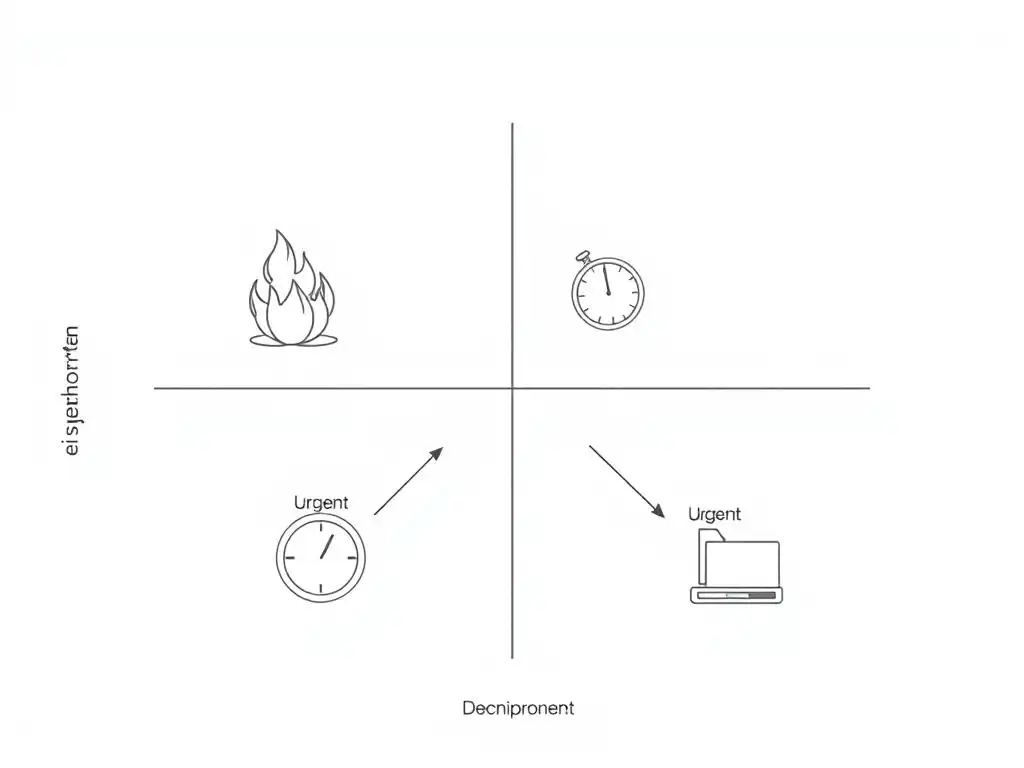
This section provides a practical, step-by-step guide to effectively using the Eisenhower Matrix for improved time management. We'll walk you through the process, offering concrete examples and actionable advice to help you master this powerful productivity technique. Remember, consistent application is key to reaping the benefits of the Eisenhower Matrix time management system.
Step 1: List All Your Tasks and Responsibilities
The first crucial step in leveraging the Eisenhower Matrix is to comprehensively list all your tasks and responsibilities. Don't filter or prioritize at this stage; simply brain-dump everything onto a piece of paper or a digital document. This could include work projects, personal errands, household chores, appointments, and even seemingly insignificant to-dos. The goal is to achieve a complete overview of your current commitments.
For example, your list might look something like this:
- Pay electricity bill
- Finish presentation for client X
- Grocery shopping
- Schedule doctor's appointment
- Respond to emails
- Write blog post
- Call plumber regarding leaky faucet
- Plan weekend getaway
- Review project budget
- Attend team meeting
This exhaustive list forms the foundation for effective prioritization using the Eisenhower Matrix. The more thorough you are in this initial phase, the more accurate and beneficial your subsequent prioritization will be. Consider using a timer (e.g., the Pomodoro Technique) to dedicate a specific timeframe to this brainstorming session, ensuring you capture everything without feeling rushed. This initial, unfiltered list is the raw material upon which you will build your optimized schedule. Don't underestimate the power of this seemingly simple first step in your Eisenhower Matrix time management guide.
Step 2: Categorize Each Task Using the Urgent/Important Matrix
Once you have your comprehensive task list, the next step involves categorizing each item using the four quadrants of the Eisenhower Matrix:
| Quadrant | Description | Example |
|---|---|---|
| I | Urgent & Important | Crisis management, deadline-driven tasks |
| II | Important, but Not Urgent | Planning, relationship building, exercise |
| III | Urgent, but Not Important | Interruptions, some emails, busywork |
| IV | Neither Urgent nor Important | Time-wasting activities, procrastination |
Let's categorize some items from our example list:
- Quadrant I (Urgent & Important): Finishing the presentation for client X (deadline approaching), addressing the leaky faucet (to prevent further damage).
- Quadrant II (Important, but Not Urgent): Planning the weekend getaway, reviewing the project budget (proactive planning).
- Quadrant III (Urgent, but Not Important): Responding to some emails (not all require immediate attention), attending a meeting that could be delegated.
- Quadrant IV (Neither Urgent nor Important): Mindlessly scrolling social media, watching unnecessary TV.
This categorization process helps you visually understand where your time and energy are currently being allocated. By identifying the tasks in each quadrant, you can begin to optimize your schedule and focus your efforts on what truly matters. The Eisenhower Matrix time management guide emphasizes the importance of this step. Accurate categorization is critical for maximizing the effectiveness of the system. Pay close attention to the subtle differences between urgent and important tasks – this is where the true power of the matrix lies.
Step 3: Scheduling Your Tasks Based on Quadrant Priority
The final step involves scheduling your tasks based on their quadrant priority. The Eisenhower Matrix time management guide prioritizes Quadrant II tasks, as these are the activities that contribute most significantly to your long-term goals and prevent future crises.
- Quadrant I: These tasks demand immediate attention. Schedule these immediately, ensuring you allocate sufficient time for completion.
- Quadrant II: These are your most important tasks. Schedule these proactively, blocking out dedicated time slots in your calendar. This proactive approach is a cornerstone of effective time management.
- Quadrant III: Delegate these tasks whenever possible. If delegation isn't an option, schedule them, but assign them lower priority than Quadrants I and II.
- Quadrant IV: Eliminate these tasks entirely. They are unproductive and drain your valuable time and energy.
By consistently applying this prioritization strategy, you'll find that you're spending more time on activities that truly matter, reducing stress, and achieving greater productivity. Remember that the Eisenhower Matrix is a dynamic tool; regularly review and adjust your task categorization and scheduling as your priorities and circumstances change. This iterative process is essential for long-term success with this time management technique. The Eisenhower Matrix time management guide emphasizes continuous adaptation for optimal results. Through consistent implementation and refinement, you can transform your productivity and achieve a greater work-life balance.
Step 4: Delegating Tasks Effectively (Quadrant 2 and 3)
Effective delegation is crucial for managing your time efficiently. The Eisenhower Matrix highlights tasks in Quadrant 2 (Important, Not Urgent) and Quadrant 3 (Urgent, Not Important) as prime candidates for delegation. Quadrant 2 tasks, while important for long-term goals, often lack the immediate pressure to handle them yourself.
Delegating these tasks frees up your time to focus on more critical activities in Quadrant 1. For example, if you're a project manager, you might delegate research tasks or data entry to team members with the appropriate skills. This not only lightens your workload but also empowers your team and develops their skills.
However, successful delegation requires careful planning and execution. Clearly define the task, set realistic deadlines, provide necessary resources, and ensure the delegatee understands the expectations and desired outcomes. Regular check-ins are important to monitor progress and provide support, preventing bottlenecks and ensuring the task is completed to the required standard. Don't forget to acknowledge and appreciate their contributions – this fosters a positive and productive work environment, encouraging future collaboration and improving team morale.
Failure to properly delegate can lead to duplicated efforts, missed deadlines, and ultimately, increased stress and inefficiency. Therefore, selecting the right individual for the task and providing clear communication are paramount for successful delegation within the Eisenhower Matrix framework. Consider factors like skillset, availability, and workload when making your delegation choices. A poorly delegated task can end up taking more time and effort to rectify than doing it yourself in the first place.
Step 5: Eliminating Time-Wasting Activities (Quadrant 3 & 4)
The Eisenhower Matrix is not just about prioritizing tasks; it's also about identifying and eliminating time-wasting activities. Quadrant 3 (Urgent, Not Important) often contains interruptions and distractions that steal your focus from more important matters. These could include attending unnecessary meetings, responding to non-critical emails, or dealing with minor requests that could easily be handled by someone else. By consciously identifying and eliminating these activities, you reclaim valuable time for more productive endeavors. This might involve politely declining meeting invitations if your presence isn't essential, setting boundaries with colleagues regarding interruptions, or implementing email filters to prioritize important messages.
Quadrant 4 (Not Important, Not Urgent) represents tasks that are neither urgent nor important – essentially time-wasters. These could include excessive social media scrolling, unproductive browsing, or engaging in activities that offer little to no value. These activities often lead to procrastination and a feeling of being overwhelmed.
By consciously minimizing or eliminating these activities, you create space for activities that contribute to your goals and overall well-being. This could involve setting time limits for social media, using website blockers to curb unproductive browsing, or replacing these activities with more constructive habits like exercise or mindfulness meditation. The key is to be honest with yourself about how you spend your time and to make conscious choices to prioritize activities that align with your goals.
This mindful approach to time management is key to maximizing productivity using the Eisenhower Matrix. Remember, saying "no" to less important tasks allows you to say "yes" to those that truly matter.
Step 6: Regularly Review and Adjust Your Eisenhower Matrix
The Eisenhower Matrix is not a static tool; it requires regular review and adjustment to remain effective. Your priorities and circumstances change over time, so a matrix created on Monday might be outdated by Friday. Regular review allows you to reassess your tasks, re-categorize them as needed, and ensure your focus remains aligned with your current goals. The frequency of review will depend on your individual needs and the nature of your work. Some individuals might benefit from a daily review, while others might find a weekly or even monthly review sufficient.
Consider these key aspects during your review: Are you consistently completing tasks in Quadrant 1? Are you delegating effectively in Quadrants 2 and 3? Are you successfully minimizing time-wasters in Quadrants 3 and 4? If not, what adjustments can you make to improve your process? Perhaps you need to refine your delegation strategies, implement stricter boundaries against interruptions, or develop better time-blocking techniques.
The Eisenhower Matrix is a powerful tool for time management, but its effectiveness hinges on consistent monitoring and adaptation. Regular reviews ensure you stay on track, allowing you to consistently optimize your time and achieve your goals efficiently. Remember, the goal is not just to complete tasks, but to complete the right tasks in the most efficient manner possible. This iterative process of review and adjustment is crucial for long-term success with the Eisenhower Matrix.
Mastering the Eisenhower Matrix for Peak Productivity
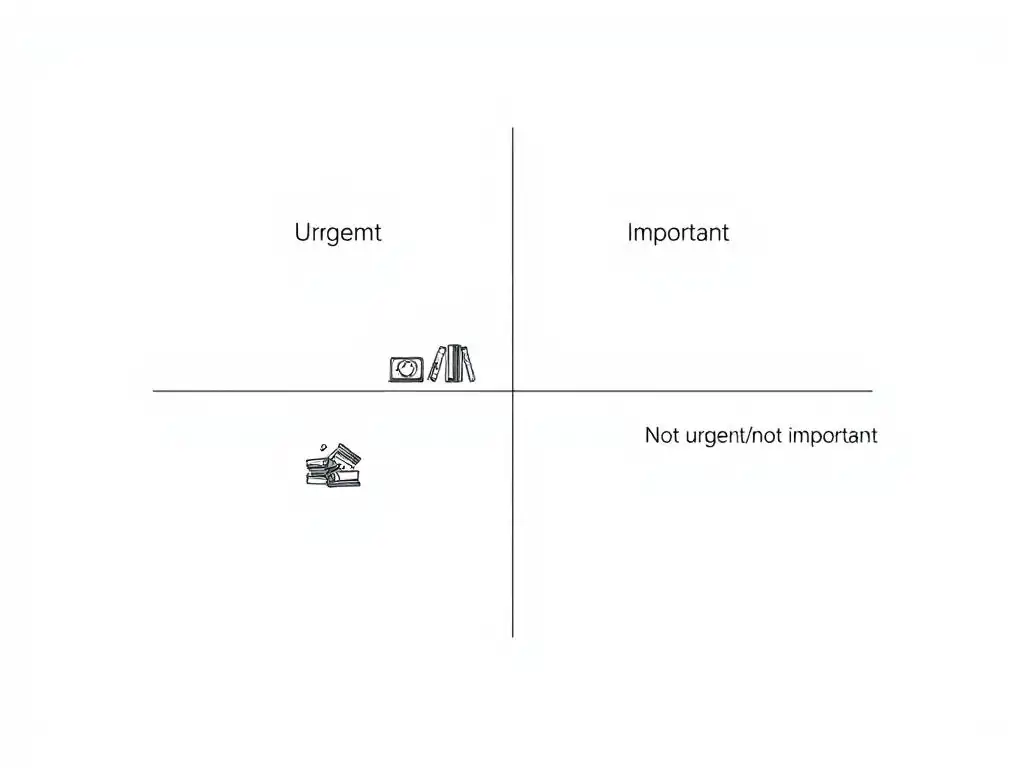
The Eisenhower Matrix, also known as the Urgent-Important Matrix, is a powerful tool for prioritizing tasks and managing your time effectively. Its simplicity belies its effectiveness; by categorizing tasks based on urgency and importance, you can focus your energy where it matters most, leading to increased productivity and reduced stress. This section delves into practical strategies for leveraging the matrix to its full potential, transforming your approach to time management. Understanding and applying this framework is key to mastering the Eisenhower Matrix time management guide.
Tips for Effective Task Prioritization Using the Eisenhower Matrix
Effective implementation of the Eisenhower Matrix hinges on accurate assessment of task urgency and importance. Let's examine some key tips:
- Define "Urgent" and "Important": Don't confuse urgency with importance. An urgent task demands immediate attention, while an important task contributes significantly to your long-term goals. A deadline looming is urgent; mastering a new skill for career advancement is important. The difference is crucial for effective prioritization.
- Regular Review and Adjustment: The Eisenhower Matrix isn't a static system. Regularly review your task list (ideally daily or weekly) to reassess urgency and importance. Priorities shift, deadlines change, and new tasks emerge. Continuous monitoring ensures your focus remains aligned with your evolving needs.
- Time Blocking for Important Tasks: Schedule dedicated time slots for "Important, Not Urgent" tasks. These are often neglected because they lack immediate deadlines, but they are crucial for long-term success. Blocking out time guarantees their completion and prevents them from becoming urgent later.
- Delegation is Key: The Eisenhower Matrix highlights tasks suitable for delegation. Identify "Urgent, Not Important" tasks that can be offloaded to others, freeing up your time for more crucial activities. Effective delegation isn't about shirking responsibility; it's about optimizing your time and energy.
- Learn to Say "No": The matrix helps you identify tasks that are neither urgent nor important – these are often time-wasters. Politeness is admirable, but saying "no" to non-essential requests protects your time and energy for tasks that truly matter, aligning with your Eisenhower Matrix time management strategy.
Overcoming Common Challenges When Using the Eisenhower Matrix
Even with a well-defined system, challenges can arise when using the Eisenhower Matrix. Let's explore common hurdles and strategies for overcoming them:
Overcoming Common Challenges When Using the Eisenhower Matrix
- Difficulty Distinguishing Urgent from Important: The most common obstacle is blurring the lines between urgent and important. A clear definition, personalized to your goals and context, is essential. Consider using a simple rating system (e.g., 1-5 scale) for both urgency and importance to aid in objective assessment.
- Time Estimation Inaccuracies: Inaccurate estimations of task completion times can lead to scheduling conflicts and overwhelm. Practice realistic time estimations, factoring in potential delays and unforeseen circumstances. Start with smaller tasks to refine your estimation skills.
- Perfectionism and Procrastination: Perfectionism can lead to analysis paralysis, preventing you from tackling tasks. Likewise, procrastination delays important tasks, creating unnecessary urgency later. Break down large tasks into smaller, manageable steps to combat both challenges.
- Lack of Consistent Application: The Eisenhower Matrix's effectiveness diminishes without consistent application. Make it a habit to review and update your task list regularly. Consider using a digital tool or a physical planner to maintain a consistent workflow.
- Ignoring the "Not Important" Quadrant: The "Not Important" tasks are often overlooked, but actively managing this quadrant is crucial. Learning to say "no" to non-essential activities, including social media distractions, will significantly enhance your productivity.
Advanced Techniques for Maximizing the Eisenhower Matrix

Beyond the basics, several advanced techniques can further enhance the Eisenhower Matrix's effectiveness:
Advanced Techniques for Maximizing the Eisenhower Matrix
- Prioritizing within Quadrants: Even within the four quadrants, prioritization is necessary. Use methods like the MoSCoW method (Must have, Should have, Could have, Won't have) to rank tasks within each quadrant, ensuring the most critical tasks are tackled first.
- Regular Goal Review and Alignment: Periodically review your long-term goals and ensure your task list aligns with them. This prevents you from getting bogged down in urgent but ultimately unimportant tasks that don't contribute to your overall objectives. Adjust your Eisenhower Matrix accordingly.
- Using Technology to Automate: Explore productivity tools and apps designed to support the Eisenhower Matrix. These can automate task reminders, scheduling, and delegation, freeing up your mental energy for strategic thinking and decision-making.
- Implementing a Weekly Review Process: A dedicated weekly review, where you assess progress, adjust priorities, and plan for the upcoming week, is crucial for maintaining momentum and maximizing the Eisenhower Matrix's effectiveness. This process allows for proactive adjustments and prevents reactive firefighting.
- Continuous Self-Reflection and Improvement: Regularly reflect on your use of the Eisenhower Matrix, identifying areas for improvement and adapting your approach as needed. Track your progress to see what works best for you and refine your system over time. This iterative process is key to maximizing its potential for your specific needs and achieving peak productivity.
Combining the Eisenhower Matrix with other Time Management Techniques
The Eisenhower Matrix, while incredibly powerful on its own, becomes even more effective when integrated with other time management strategies. Think of it as a foundational tool that can be enhanced with complementary approaches. For instance, combining it with the Pomodoro Technique can significantly improve focus and task completion. After prioritizing tasks using the Eisenhower Matrix, dedicate focused 25-minute work sessions to tackling those in the "Do" quadrant, followed by short breaks. This structured approach prevents burnout and maximizes productivity during those crucial "Do" tasks.
Another effective combination involves using the Pareto Principle (80/20 rule) in conjunction with the Eisenhower Matrix. By identifying the 20% of tasks in each quadrant that yield 80% of the results, you can further refine your prioritization. This allows you to focus your energy on the most impactful activities within each category, leading to a more efficient and strategic use of your time. For example, if you identify a "Do" task that represents a significant portion of the 80%, it deserves immediate and focused attention.
Furthermore, integrating the Eisenhower Matrix with time blocking provides a visual and structured approach to scheduling. Once you've categorized your tasks, allocate specific time blocks in your day or week to address them. This visual representation helps you stick to your schedule and prevents tasks from slipping through the cracks. This is particularly useful for managing "Important but Not Urgent" tasks, which often get neglected. By scheduling dedicated time for these tasks, you proactively prevent them from becoming urgent crises later. Careful planning and integration of these techniques will greatly improve your results.
Tracking Your Progress and Refining Your Eisenhower Matrix Strategy
Consistent monitoring is crucial for maximizing the effectiveness of the Eisenhower Matrix. Regularly reviewing your progress allows you to identify areas for improvement and refine your strategy. Start by implementing a simple tracking system. You could use a spreadsheet, a dedicated app, or even a notebook to record the tasks you assign to each quadrant and their completion status. This provides valuable data on your task management habits.
Analyzing this data will reveal patterns. Are you consistently underestimating the time required for certain tasks? Are you consistently neglecting the "Important but Not Urgent" quadrant? Do you find yourself constantly reacting to urgent tasks, leaving little time for strategic planning? Identifying these patterns is the first step toward improvement. For example, if you consistently find yourself overwhelmed by urgent tasks, it might indicate a need to better delegate or proactively address potential issues before they become crises.
Based on your analysis, adjust your Eisenhower Matrix strategy accordingly. Perhaps you need to allocate more time to the "Important but Not Urgent" quadrant, or improve your delegation skills to reduce the number of urgent tasks. Maybe you need to refine your task breakdown process to create more manageable sub-tasks.
The key is to continuously adapt your approach based on your observations and learn from your experiences. Remember, the Eisenhower Matrix is a tool; its effectiveness depends on your ability to adapt it to your specific needs and continuously refine your approach for optimal time management. The iterative process of tracking, analyzing, and refining is key to long-term success with this powerful technique.
Eisenhower Matrix Examples and Case Studies
This section provides practical examples of how to apply the Eisenhower Matrix, also known as the Urgent-Important Matrix, to various scenarios. We'll explore its application in different contexts, demonstrating its versatility as a time management tool. Mastering the Eisenhower Matrix is key to improving your workflow and achieving peak productivity. Effective use of this matrix leads to better prioritization and ultimately, more efficient time management. This guide will help you understand how to leverage the Eisenhower Matrix for improved time management.
Project Management using the Eisenhower Matrix
Imagine you're a project manager overseeing the launch of a new product. You have a multitude of tasks: designing marketing materials (Important, Not Urgent), finalizing the product specifications (Important, Urgent), responding to client inquiries (Urgent, Important), and updating the project wiki (Not Urgent, Not Important).
The Eisenhower Matrix helps prioritize these tasks effectively. Tasks falling under Urgent and Important (like finalizing product specifications) receive immediate attention. Important but Not Urgent tasks (like designing marketing materials) are scheduled for later, ensuring they don't get pushed aside by immediate urgencies.
Urgent but Not Important tasks (like some client inquiries that can be delegated) are either delegated or handled quickly but efficiently, preventing them from consuming excessive time. Finally, Not Urgent and Not Important tasks (like updating the wiki in this case, unless it's become an urgent task) are either eliminated or postponed indefinitely. This structured approach prevents burnout and ensures crucial tasks are addressed promptly.
The use of the Eisenhower Matrix in project management ensures that deadlines are met, resources are used effectively, and the overall project progresses smoothly. Strategic prioritization using this matrix significantly reduces stress and improves the overall quality of the project outcome. This method is particularly valuable for complex projects with multiple dependencies.
Daily Task Management with the Eisenhower Matrix
Let's consider a typical workday. You have tasks like responding to emails (can often be Urgent, but not always Important), attending a meeting (Urgent, Important if it's crucial), working on a presentation (Important, Not Urgent), and browsing social media (Not Urgent, Not Important).
Applying the Eisenhower Matrix to your daily tasks allows for a more organized and productive day. Prioritize Urgent and Important tasks (like the crucial meeting) first. Schedule Important but Not Urgent tasks (like the presentation) into your day, ensuring dedicated time blocks for focused work. Urgent but Not Important tasks (like some emails) are addressed efficiently, but without letting them dominate your day.
Not Urgent and Not Important tasks (like social media) are minimized or eliminated to maximize productivity. This daily application of the Eisenhower Matrix leads to a significant improvement in focus and overall daily productivity. The key is consistent application and honest self-assessment of task importance and urgency.
Using the Eisenhower Matrix daily helps cultivate better time management habits. It promotes a more deliberate approach to daily tasks, resulting in less wasted time and increased accomplishment.
How the Eisenhower Matrix Improved Productivity at a Startup
A hypothetical startup, "InnovateTech," was struggling with meeting deadlines and managing its workload effectively. They implemented the Eisenhower Matrix across all teams. Initially, there was resistance, but after a few weeks, they observed remarkable improvements.
| Category | Before Eisenhower Matrix | After Eisenhower Matrix |
|---|---|---|
| On-time project delivery | 60% | 85% |
| Employee burnout rate | 30% | 15% |
| Client satisfaction | 70% | 90% |
The Eisenhower Matrix helped InnovateTech prioritize crucial tasks, delegate effectively, and eliminate time-wasting activities. This resulted in increased project success rates, reduced employee stress, and improved client satisfaction. The systematic approach fostered a more focused and productive work environment. The data clearly shows the positive impact of implementing the Eisenhower Matrix on the startup's overall performance.
The improvement in employee burnout rate alone highlights the effectiveness of this time management technique. This case study demonstrates the practical applicability and tangible benefits of using the Eisenhower Matrix in a real-world business setting. The key to success was consistent training and company-wide adoption of the system.
Frequently Asked Questions
What is the Eisenhower Matrix?
The Eisenhower Matrix, also known as the Urgent-Important Matrix, is a time management tool that helps you prioritize tasks based on their urgency and importance. It allows you to focus on high-impact activities and delegate or eliminate less crucial ones.
How do I use the Eisenhower Matrix?
Categorize each task as Urgent and Important, Important but Not Urgent, Urgent but Not Important, or Neither Urgent nor Important. Then, schedule, schedule, delegate, or eliminate tasks accordingly based on their category.
What are the benefits of using the Eisenhower Matrix?
Using the Eisenhower Matrix helps you improve productivity by focusing on high-value activities, reduce stress by managing your time effectively, and increase your efficiency by delegating or eliminating less important tasks.
How is the Eisenhower Matrix different from other time management techniques?
Unlike other methods, the Eisenhower Matrix explicitly distinguishes between urgency and importance, forcing you to consciously decide which tasks deserve your immediate attention and which can be scheduled, delegated, or eliminated entirely. This leads to better prioritization.
Where can I find more resources on the Eisenhower Matrix?
UltimateLifeHacks offers a step-by-step guide on using the Eisenhower Matrix for time management success. You can also find numerous articles and templates online by searching for "Eisenhower Matrix".
Final Reflection: Mastering Your Time, Mastering Your Life
The Eisenhower Matrix isn't just a productivity tool; it's a framework for intentional living. In a world saturated with demands and distractions, learning to prioritize effectively is no longer a luxury, but a necessity for maintaining well-being and achieving meaningful goals. The ability to discern between urgent and important tasks, as the Matrix so effectively teaches, is the cornerstone of a fulfilling and successful life.
The impact of the Eisenhower Matrix extends far beyond the individual; it ripples outwards, influencing how we approach our relationships, our work, and even our contributions to society. By consciously choosing where we invest our time and energy, we create space for what truly matters. As Stephen Covey wisely stated, The key is not to prioritize what's on your schedule, but to schedule your priorities.
This simple yet profound insight underscores the transformative power of the Matrix, allowing us to move beyond reactive living and embrace a more proactive, purposeful existence.
You now possess a powerful tool to navigate the complexities of modern life. Consider how you can integrate the Eisenhower Matrix into your daily routine. Experiment with different approaches, find what works best for you, and most importantly, be consistent. Don't let the urgency of the moment overshadow the importance of your long-term aspirations. Embrace the power of prioritization, and watch as your life unfolds with greater clarity, intention, and ultimately, success.
Unlock Your Productivity: Put the Eisenhower Matrix to Work!
This guide has explored effective time management using the Eisenhower Matrix. We hope you've gained valuable insights into prioritizing tasks and reclaiming your time. Now let's put that knowledge into action.
Here's how to maximize your learning:
- Start using the Eisenhower Matrix today! Grab a pen and paper, or use your preferred digital tool, to categorize your tasks. You'll immediately notice a positive impact on your focus and energy levels.
- Share your experience! Let us know in the comments how you're adapting the matrix to your daily routine. What challenges have you encountered, and what unexpected benefits have you discovered?
- Conduct a time audit for a single day, meticulously recording how you spend your time. Then, use the matrix to re-prioritize your tasks for the following day. Track the resulting difference in your productivity.
Ready for a more productive and fulfilling day? What's the first task you'll tackle using the power of the Eisenhower Matrix?